Most people see visible new lash growth within 6 to 8 weeks after extensions are removed, but a full return to your natural lash length and density typically takes closer to 3 to 6 months. That range isn't random. It comes down to where your lashes are in their growth cycle, whether any follicle damage occurred, and what you do (or don't do) in the weeks after removal. If your lashes thinned out from extensions, they almost certainly will come back. The key word is almost, and the nuances matter.
How Long Do Eyelashes Take to Grow Back After Extensions

Rachel Nguyen
28 Apr 2026
Will your natural lashes actually grow back after extensions?
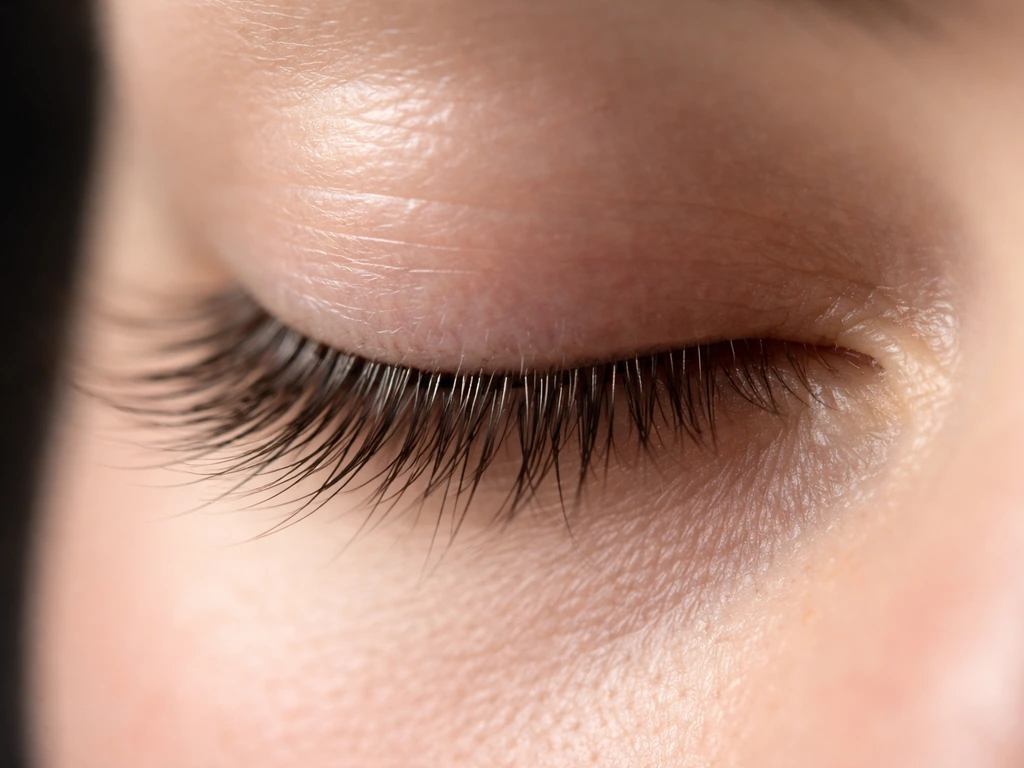
For the vast majority of people, yes. The most common reason lashes look sparse after extensions come off is simple shedding, not permanent damage. Extensions are glued to your natural lashes, and over time both the extension and the natural lash it's attached to shed together as part of your normal lash cycle. That can make the loss look dramatic, but it usually reflects lashes that were already in their late growth phase, not lashes that were destroyed.
The scenario where regrowth doesn't happen, or is significantly delayed, involves actual follicle damage. The American Academy of Ophthalmology has documented that eyelash extensions can induce traction alopecia, a condition where repeated mechanical tension damages the hair follicle and the dermal papilla underneath it. EyeWiki (American Academy of Ophthalmology) notes that eyelash extensions have been associated with ocular conditions such as blank" rel="noopener noreferrer">keratoconjunctivitis, allergic blepharitis, conjunctival erosion, subconjunctival hemorrhage, and traction alopecia, which can lead to stunted hair growth. When that structure is compromised, it can lead to stunted or permanently reduced regrowth in affected areas. This is the exception, not the rule, but it's real and worth knowing about.
The realistic regrowth timeline
Understanding the timeline requires a quick look at how lash growth actually works. Eyelashes go through three phases: anagen (active growth), catagen (a roughly 15-day degradation phase where growth stops), and telogen (a resting phase before the lash sheds and the cycle restarts). Your lashes grow at about 0.12 to 0.14 mm per day during anagen. A full-length upper lash is typically 8 to 12 mm long, which means even under ideal conditions, growing a lash from scratch to its full length takes roughly 60 to 100 days.
The complication is that not all your lashes are in the same phase at once. When extensions come off, some follicles are actively growing, some are resting, and some just shed. That staggered cycling is why you won't see a uniform regrowth event. Instead, you'll notice new baby lashes appearing in patches over several weeks, gradually filling in as more follicles cycle back into anagen.
| What you'll notice | Approximate timeframe |
|---|---|
| First tiny new lashes (stubs) becoming visible | 4 to 6 weeks |
| Noticeable coverage returning across the lash line | 6 to 10 weeks |
| Lashes approaching pre-extension length and density | 3 to 4 months |
| Full return to baseline (after moderate damage) | 4 to 6 months |
These timelines assume no significant follicle damage. If you had allergic reactions, inflammation, or particularly heavy extensions worn for a long time, expect to sit closer to the longer end of those ranges.
What actually changes how long it takes
Shedding vs. breakage vs. follicle damage
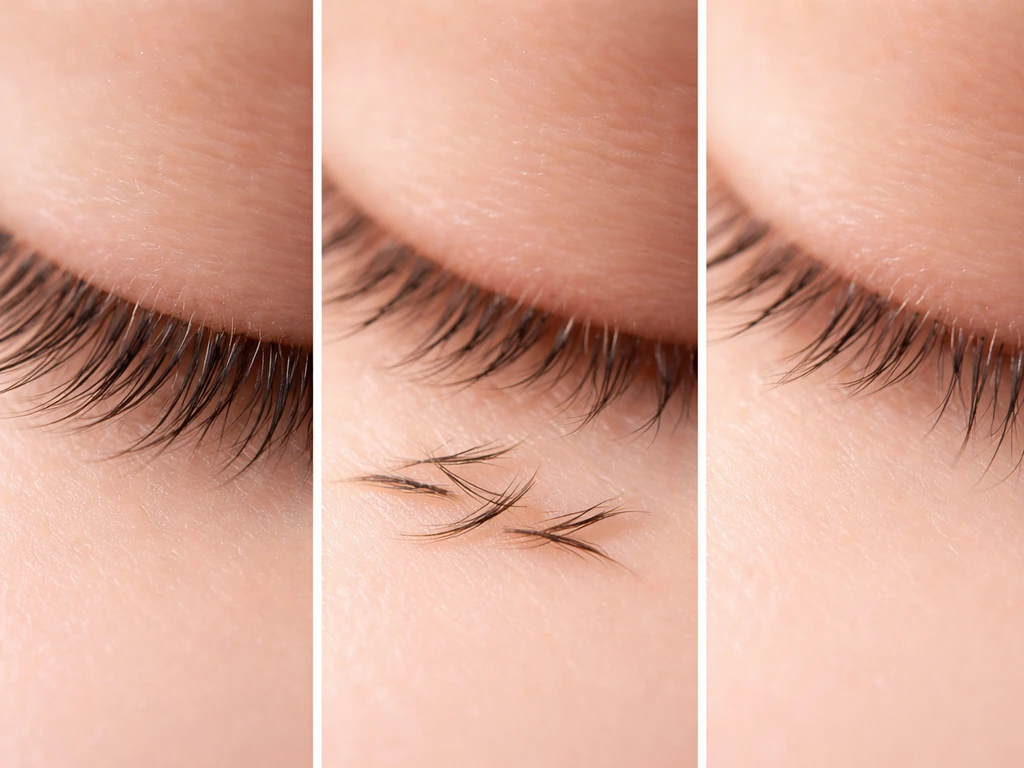
These three things look similar but have very different outcomes. Normal shedding means the lash completed its cycle and will regrow on schedule. Breakage means the lash shaft snapped mid-cycle, but the follicle is intact and will still produce a new lash. Follicle damage, which can happen from sustained traction or repeated cycles of heavy extensions, is the one that can actually delay or impair regrowth. If you can see tiny new lash stubs along your lash line, you don't have follicle damage. If certain sections of your lash line are completely smooth with no visible growth after 10 to 12 weeks, that's worth investigating.
How the extensions were removed
Improper removal is one of the most preventable causes of delayed regrowth. Picking, pulling, or using the wrong removal products can rip lashes out before they're ready to shed, pulling the follicle and interrupting the growth cycle. There are also documented cases of chemical injury from removal gels being misapplied too close to the eye, causing irritation that inflames the follicle area and slows recovery. Always have extensions professionally removed, or if you do it at home, use the correct oil-based remover and take your time.
Inflammation and allergic reactions
Extensions can trigger allergic blepharitis, keratoconjunctivitis, or eyelid contact dermatitis from adhesive components, and the ongoing inflammation that comes with these reactions can interfere with follicle health. If your eyes were red, swollen, or itchy during or after wearing extensions, that inflammatory response can extend the regrowth timeline. If your eyelids itch as your lashes grow back, that symptom can point to irritation or an allergic reaction that may slow recovery. DermNet's guidance on eyelid contact dermatitis makes it clear that avoiding the irritant and keeping the area clean is the starting point for recovery. Continuing to apply anything irritating to an inflamed lash line while trying to regrow lashes is counterproductive.
Your habits post-removal
Rubbing your eyes, sleeping face-down, and applying heavy eye products too soon after removal all add mechanical stress to follicles that are trying to recover. These habits won't permanently set back regrowth for most people, but they can delay visible progress by weeks, especially if your follicles were already stressed from traction.
What to do right now to support regrowth

The most impactful thing you can do is stop adding stress to the lash line and let the biology work. That sounds passive, but it's genuinely the most evidence-backed approach for uncomplicated post-extension recovery. Here's what that looks like in practice:
- Take a complete break from extensions for at least 8 to 12 weeks. University of Utah Health explicitly notes that giving your lashes a break between extension sets helps prevent further follicle damage and promotes natural lash growth.
- Cleanse the lash line gently once daily using a plain, fragrance-free, oil-free cleanser or plain water. If you had any signs of contact dermatitis, DermNet recommends avoiding all eyelid cosmetics until the skin fully settles.
- Stop using waterproof mascara in the short term. It requires more aggressive removal, which adds unnecessary friction and mechanical tension to recovering lashes.
- Sleep on your back when possible, or use a silk pillowcase to reduce friction on the lash line overnight.
- Avoid rubbing or touching your eye area, even when lashes feel itchy as they grow in. (That itchiness during regrowth is normal.)
- Maintain a diet that supports hair growth broadly: adequate protein, iron, biotin from whole foods like eggs, nuts, and leafy greens. Nutritional deficiencies can slow the anagen phase across all hair follicles.
Serums and oils: what's worth trying and what to skip
Prescription bimatoprost (Latisse)
This is the only eyelash treatment with FDA approval for growth, and the clinical evidence is real. Bimatoprost, a prostaglandin analog, works by extending the anagen phase and increasing the number of lashes in active growth. The catch is that results are maintained only while you use it. The FDA labeling states that [upon discontinuation, eyelash growth is expected to return to pre-treatment baseline](https://accessdata.
fda. gov/drugsatfda_docs/label/2021/022369s014lbl. pdf). It also carries genuine side effects including eyelid skin darkening and, in some people, iris pigmentation changes that may be permanent.
You need a prescription and should only apply it to the upper lash line as directed. For someone already dealing with post-extension recovery, it's worth discussing with a dermatologist or ophthalmologist rather than jumping straight to it.
Over-the-counter lash serums
A 2022 review published in PubMed categorizes these into prostaglandin analog serums and non-prostaglandin serums. Some OTC products contain prostaglandin-adjacent compounds that can produce modest results, but they haven't been through the same clinical trials as bimatoprost and come with their own side effect concerns if used carelessly near the eye. Non-prostaglandin serums with peptides or panthenol are lower risk but also have weaker evidence. If you use any serum, apply it only to the upper lash line, not the lower, and patch test first given you've already shown some sensitivity from extension adhesives.
Castor oil
Castor oil is one of the most popular home remedies for lash growth, but the honest take is that there's no clinical evidence it actually stimulates follicle activity or accelerates the growth cycle. MedicalNewsToday is direct about this: no scientific evidence currently supports castor oil as a lash growth treatment. What it may do is coat and condition existing lashes, making them look temporarily fuller and reducing breakage from brittleness. That's not nothing, but it's different from actual regrowth. There's also a practical safety consideration: occlusive oils applied around follicles can occasionally trigger folliculitis, so if you notice any bumps or irritation along the lash line after using it, stop.
Biotin supplements
Biotin has good evidence for hair growth in people who are actually deficient in it, which is more common than most people realize. If your diet is lacking, supplementing can help. But if you're not deficient, adding more biotin doesn't accelerate normal lash cycling. It's low risk and cheap, so it's not unreasonable to try, but don't expect dramatic results if your nutrition is already solid.
| Option | Evidence level | Realistic outcome | Key risk |
|---|---|---|---|
| Bimatoprost (Latisse) | Strong (FDA-approved) | Real growth increase while using | Eyelid darkening, iris pigmentation, requires prescription |
| OTC prostaglandin-adjacent serums | Moderate (limited trials) | Modest improvement in some users | Eye irritation, side effects if misapplied |
| OTC peptide/conditioning serums | Weak to moderate | May reduce breakage; minimal cycle effect | Low, but patch test if recently reactive |
| Castor oil | Minimal (no growth evidence) | Lashes may appear fuller temporarily | Folliculitis risk if pores clogged |
| Biotin supplements | Good if deficient, weak if not | Helps growth if deficiency is present | Very low; megadoses can affect lab tests |
When to actually worry about delayed regrowth
Most post-extension lash loss resolves on its own within the timelines above. If you're wondering can you let your eyelash extensions grow out, the usual goal is to stop further stress and let your natural lash cycle catch up over the next few months can i let my eyelash extensions grow out. If you are wondering why eyelash extensions hurt when they grow out, that pain often comes from irritation or traction during the regrowth phase why do my eyelash extensions hurt when they grow out. But there are signs that something more serious is going on and that you need professional eyes on the situation.
- No visible new lash growth at all after 10 to 12 weeks, especially in patches along the lash line where lashes were previously full.
- Persistent redness, swelling, or crusting along the eyelid margin that hasn't cleared up weeks after removing extensions. This could indicate blepharitis or contact dermatitis that needs treatment.
- Pain, light sensitivity, or a feeling of something in your eye. These are potential signs of corneal involvement (keratitis or abrasion) that need prompt medical evaluation.
- Noticeable eyelid skin changes, thickening, or discoloration that appeared after using any topical serum or oil near the eye.
- Signs of infection: yellow or green discharge, significant swelling, or a tender lump along the lash line (possible stye or hordeolum).
For lash-specific concerns, start with a licensed lash technician to assess whether traction damage occurred and whether it's safe to consider extensions again. For any ocular symptoms (redness, pain, vision changes, discharge), see an ophthalmologist or optometrist, not just a general practitioner, because extension-associated complications can involve the cornea and conjunctiva in ways that require specialized evaluation. For persistent skin reactions or dermatitis along the eyelid, a dermatologist familiar with contact allergens is the right call. Extension adhesives contain cyanoacrylate compounds that are well-documented allergens, and identifying the specific trigger matters for avoiding future reactions.
The AAO also recommends that anyone with a history of eye disease or known allergies should avoid extensions altogether and consider mascara as a safer alternative. If your post-extension recovery has been complicated by repeated inflammation or reactions, that's worth weighing seriously before going back for another set.
FAQ
Is it normal to have almost no lashes 2 to 4 weeks after extension removal?
If you removed extensions less than a month ago, it is normal for it to look sparse because many lashes are in catagen or telogen and are not yet visible. A useful checkpoint is 8 to 12 weeks, by then you should see noticeable “baby” lashes in patches, and by 3 to 6 months the density should look closer to your baseline if follicles were not injured.
How can I tell the difference between normal shedding and follicle damage?
Focus on the lash line, not the lash length. Normal shedding usually leaves some new short stubs or tiny hairs emerging in the same area over time. If you have a completely smooth section with no visible growth even after 10 to 12 weeks, that pattern can point to follicle impairment and is worth having assessed.
How soon can I get eyelash extensions again after they start growing back?
You should avoid restarting extensions until your lash cycle has stabilized, which is usually at least 6 to 12 weeks after removal if things are healing normally. If you had significant irritation, thinning, or your eyes were frequently itchy or red, waiting longer and getting professional evaluation before reapplying reduces the chance of repeating traction or inflammatory injury.
What is the safest way to use lash serums in the weeks right after extensions come off?
Do not use harsh lash growth routines that you can accidentally get into the eye, especially right after removal when the lash line may still be sensitized. If you want to try an OTC serum, apply only to the upper lash line as directed, patch test first (some people react to prostaglandin-adjacent ingredients), and stop if you notice stinging, redness, or bumps.
If I had professional removal, will my lashes regrow faster than if I removed them myself?
Not always. Removing extensions professionally reduces pulling and chemical misapplication, but some people still shed heavily if their lashes were already near the end of their cycle when the adhesive bond was broken. That is why timing can be dramatic even when removal was gentle.
Can allergies or irritation from adhesives slow down regrowth?
Yes, it can. If you had allergic reactions or ongoing eyelid inflammation, regrowth may stay at the longer end of the 3 to 6 month range. Controlling the irritant source and avoiding eye rubbing usually has a bigger impact on timeline than trying to “push” growth with home remedies.
When should I worry about my eyes instead of assuming it is just lash shedding?
If you see persistent redness, burning, swelling, discharge, light sensitivity, or any vision changes, that is not a normal regrowth symptom and you should get evaluated promptly by an eye care professional. Lash loss itself is usually gradual, but ocular pain or discharge can involve the cornea or conjunctiva.
What is a practical way to track whether my lashes are actually coming back?
It can help to take a simple photo log. Take photos in the same lighting and angle at removal, then again every 2 to 3 weeks, and compare patchy regrowth along the lash line. This makes it easier to spot delayed progress versus normal staggered cycling.
Which everyday habits most affect how long regrowth takes?
Avoid face-down sleeping and rubbing for at least the first several weeks after removal, because mechanical stress during early regrowth can slow visible thickening. Also wait to resume heavy waterproof or oil-heavy eye makeup removal until your lash line feels calm, since extra friction can increase breakage.
Does wearing extensions for many months or doing frequent refills increase the chance of delayed or incomplete regrowth?
Yes, especially if you have a pattern of very heavy sets, frequent refills, or unusually long wear times. Repeated traction increases risk for traction alopecia, which can lead to patchy or permanently reduced regrowth in affected areas even if shedding is temporary.
Next Article
Does Mustard Oil Grow Eyelashes? Safety and What Works
Find out if mustard oil grows eyelashes, risks to eyelids, and safer options with realistic timelines and when to see a
