
In a single week, eyelashes grow roughly 0.84 to 0.98 mm. That works out to about 0.12 to 0.14 mm per day, which is the clinically documented average growth rate. So yes, your lashes are technically growing right now, but that sub-millimeter weekly gain is nearly invisible to the naked eye. Because eyelash growth is measured in weeks and months, you generally do not see a meaningful change in just one day lashes grow everyday. If you've lost lashes or damaged them and you're hoping to see a meaningful difference in seven days, you won't. Full regrowth after real damage takes weeks to months, not days.
How Much Do Lashes Grow in a Week and What to Do

Rachel Nguyen
18 May 2026
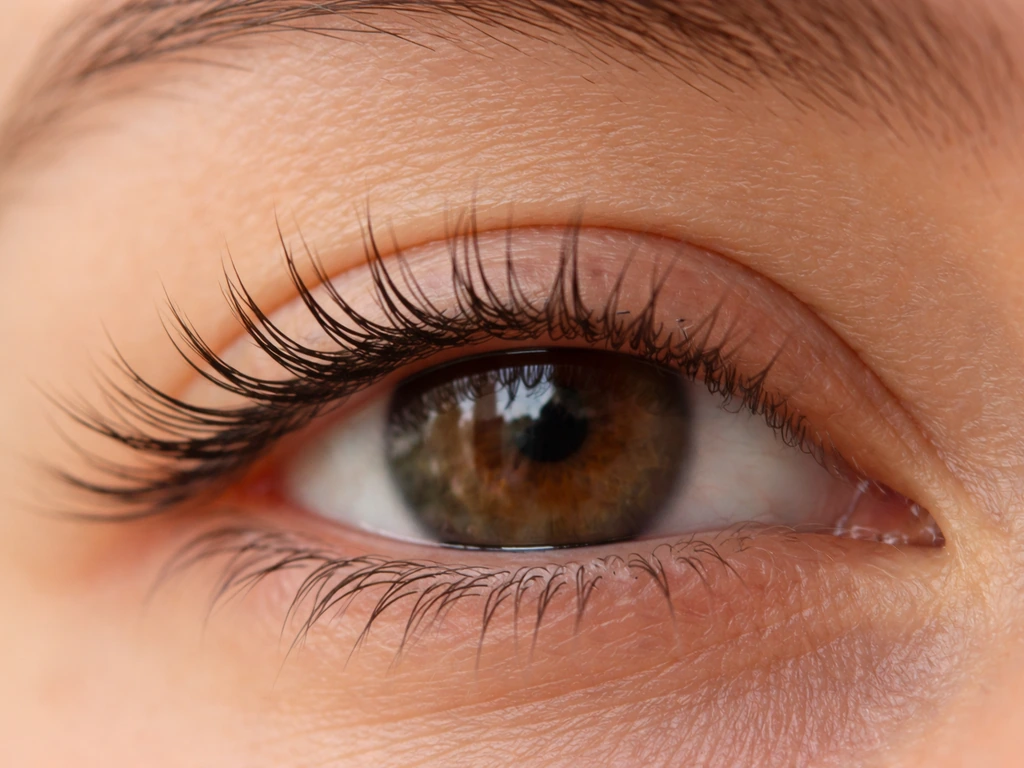
The eyelash growth cycle and what it means week to week
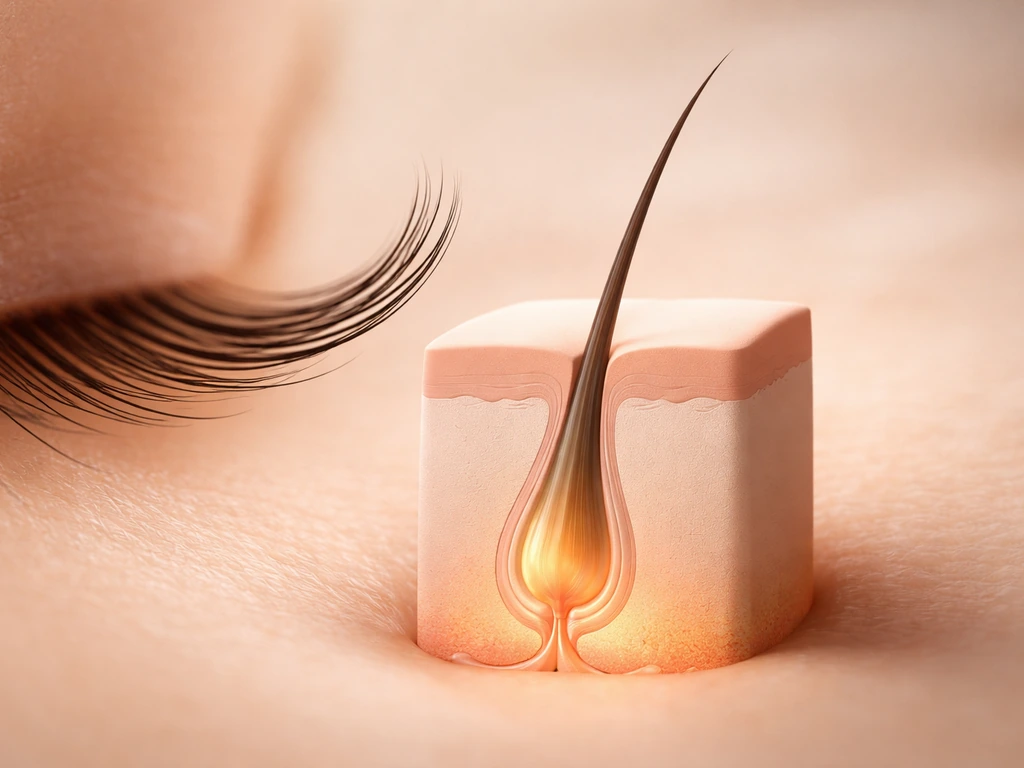
Eyelashes follow the same three-phase cycle as all body hair: anagen (active growth), catagen (transition), and telogen (rest and shedding). The anagen phase is when the follicle is actually producing new length. After that, catagen lasts about 14 to 21 days, during which growth stops and the follicle begins to shrink. Then comes telogen, the resting phase, which in eyelashes runs anywhere from 4 to 9 months before the lash sheds and a new anagen cycle begins.
That long telogen phase is the key detail most people miss. Unlike scalp hair, which rests for only about 2 to 3 months, your eyelashes spend most of their life cycle not growing at all. And because different lashes are at different cycle stages at any given time, you're normally shedding 1 to 5 lashes per day while others are actively growing. During any 7-day window, some follicles are producing new length while others are resting or shedding. The net visible change over a week is negligible.
The math also sets a hard ceiling on how long a healthy lash can get. At 0.12 to 0.14 mm per day, you'd accumulate about 8 to 10 mm over 100 days of continuous anagen. That lines up closely with the typical length of an upper eyelash. The growth phase for lashes is simply shorter than for scalp hair, which is why your lashes stay short no matter how carefully you care for them.
What's actually realistic in a week versus what takes longer
If you're asking because you lost a few lashes and want to know when they'll be back, the honest answer is: not within a week. A shed or pulled lash has to wait for the follicle to re-enter anagen before any visible stub appears. Yes, you can blank" rel="noopener noreferrer">regrow lashes, but the full process depends on the follicle cycle rather than a quick fix do we grow new eyelashes. Once growth starts, it takes roughly 4 to 8 weeks to see noticeable replacement length, and up to several months for the lash to reach its full length.
What you might notice within 7 days is a tiny dark stub emerging from a follicle that was already in early anagen before the damage happened. That's encouraging, but it's not full regrowth. It just means that particular follicle had good timing.
For more significant damage, like traction alopecia from heavy extensions worn repeatedly over months, or chemical irritation from extension removal solvents, the timeline stretches further. Chronic traction can cause follicular miniaturization, and in serious cases, permanent scarring alopecia where the follicle can no longer produce a lash at all. Extension solvents have been linked to chemical conjunctivitis, toxic irritation, allergic blepharitis, and even keratitis, all of which can disrupt the follicular environment and slow regrowth considerably.
Lid inflammation such as blepharitis can cause lash loss, and recurrent ulcerative blepharitis may lead to eyelid scars and loss or misdirection of eyelashes (trichiasis) recurrent ulcerative blepharitis can cause eyelid scars and loss or misdirection (trichiasis) of eyelashes.
EyeWiki (AAO) documents ocular and eyelid complications from eyelash extensions, including keratoconjunctivitis, allergic blepharitis, conjunctival erosion, and traction alopecia keratitis, allergic blepharitis, and traction alopecia.
| Scenario | Realistic Week 1 Change | Expected Full Recovery |
|---|---|---|
| Normal daily shedding (1–5 lashes/day) | Sub-millimeter growth on existing lashes | Ongoing, continuous cycle |
| Single lash pulled or shed | Tiny stub if follicle already in anagen | 4–8 weeks for visible length, months for full length |
| Extensions removed, mild traction | No visible regrowth yet | 6–12 weeks typically |
| Extensions removed, heavy/chronic traction | No visible regrowth | 3–6+ months; possibly incomplete |
| Chemical irritation/solvent exposure | None; follicle may still be disrupted | Weeks to months depending on severity |
| Medical/hormonal loss (e.g., thyroid, alopecia areata) | None within one week | Months; often requires treating underlying cause |
What slows down your weekly growth rate
The 0.12 to 0.14 mm/day figure is an average under normal, healthy conditions. Several factors can push your personal rate below that or interrupt the cycle entirely.
- Mechanical damage from extensions, lash curlers, or rubbing: repeated traction shortens the anagen phase and can miniaturize follicles over time
- Chemical exposure from extension adhesives and removal solvents: documented causes of lid inflammation and follicle disruption
- Age: follicles become less productive with age, producing thinner, shorter, slower-growing lashes
- Genetics: your baseline growth rate, density, and anagen phase length are partly inherited
- Hormonal changes: thyroid dysfunction is a well-documented cause of madarosis (eyelash loss), and hormonal shifts from pregnancy, menopause, or medications can alter the cycle
- Nutritional deficiencies: low biotin, iron, or protein intake can slow hair growth across the body, including lashes
- Blepharitis: chronic lid inflammation disrupts follicles at the lash base and over time can cause lash loss or misdirection
- Alopecia areata: an autoimmune condition that can cause patchy lash and eyebrow loss; in most cases regrowth eventually occurs, but the timeline is unpredictable
Trimming your lashes, contrary to a popular myth, does not make them grow faster. You're cutting the shaft, not affecting the follicle. The growth rate stays exactly the same.
What you can do right now to support growth
You can't speed up follicle biology meaningfully in a single week, but you absolutely can stop making things worse, which is often the more important move. A lot of lash thinning is ongoing damage rather than slow growth.
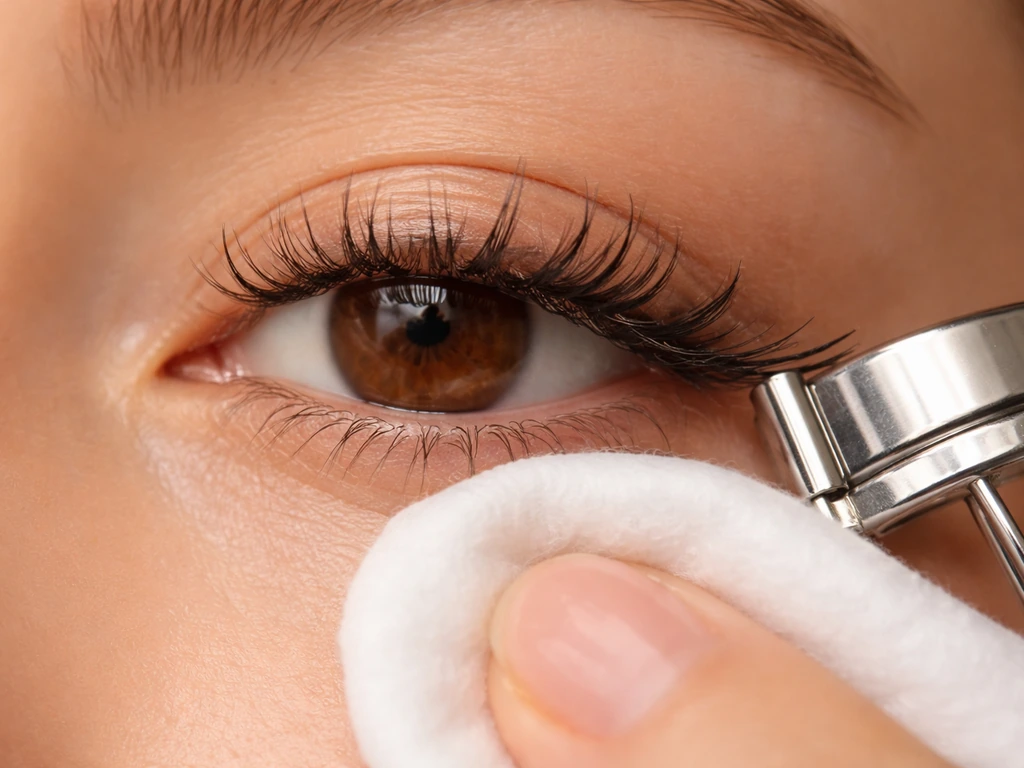
- Stop tugging: remove eye makeup by pressing a soaked cotton pad gently against closed lids for 20 to 30 seconds rather than wiping. Wiping sideways puts traction on the lash and the follicle.
- Switch to a gentle, oil-based or micellar cleanser around the eyes: harsh cleansers cause dryness and brittleness that leads to breakage.
- Give your follicles a break from extensions and lash lifts: if you're trying to recover, this is non-negotiable. Extensions add weight and adhesive that keeps stressing the follicle.
- Clean your lash line daily: a mild, diluted cleanser or a dedicated lid scrub removes debris and reduces the risk of blepharitis, which is a real enemy of lash density.
- Avoid rubbing your eyes: it sounds obvious but rubbing is one of the most common mechanical causes of lash loss.
- Sleep on a silk or satin pillowcase: reduces friction on lashes while you sleep.
- Eat enough protein and check your iron levels: lash follicles need amino acids to build the keratin shaft. Deficiency shows up as thinning lashes before most other signs.
Options that can help with length and thickness while you wait
While you're waiting for regrowth, a few options have real evidence behind them and others are worth understanding honestly before you spend money on them.
Prostaglandin-analog serums (bimatoprost and latanoprost)
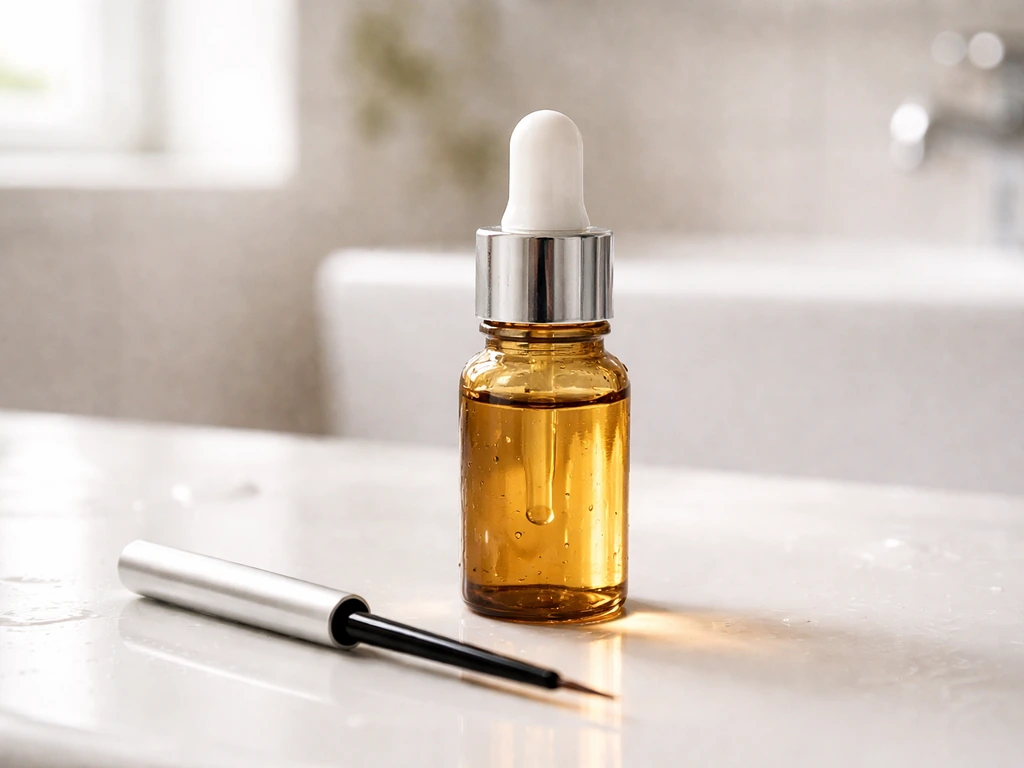
These are the only lash enhancers with solid clinical data. Bimatoprost (sold as Latisse in the US) showed a mean eyelash length increase of 2. 0 mm versus 1. 1 mm for placebo in one controlled study, measured over a multi-week treatment period.
A randomized, double-blind, placebo-controlled trial for topical latanoprost also showed meaningful growth over a 3-month period. Neither of these works in a week. Expect to see early results around the 6 to 8 week mark and full results by 16 weeks. blank" rel="noopener noreferrer">Effects are also not permanent: once you stop using them, the enhancement fades over time.
Known side effects include eye irritation, periocular skin darkening, and changes in iris pigmentation with repeated use. These are prescription products in most countries, so you'll need a provider conversation.
Peptide-based over-the-counter lash serums
OTC serums typically contain peptides like biotinoyl tripeptide-1 and myristoyl pentapeptide-4, which are designed to support follicle health rather than pharmacologically alter the growth cycle. Clinical trials using these ingredients track results over weeks and months, not days. They're a reasonable option if you want to avoid prescription products or the potential side effects of prostaglandin analogs, but set expectations accordingly: the mechanism is gentler and the results are more modest.
Castor oil
Castor oil is one of the most widely recommended natural remedies for lash growth, but the clinical evidence just isn't there. No published study has demonstrated that applying castor oil stimulates new eyelash growth or extends the anagen phase. What it may do is coat and condition existing lashes, making them look slightly thicker and reducing breakage. That's not nothing, but it's different from actual growth. If you want to try it, apply a tiny amount with a clean spoolie to the lash line at night. The main risk is eye irritation if it migrates into the eye.
Biotin
Biotin supplements are popular for hair growth generally, and they can help if you have a genuine biotin deficiency, which is actually uncommon in people eating a varied diet. If you're not deficient, adding more biotin likely won't change your lash growth rate. That said, if your diet is restricted or you've been dealing with prolonged stress or illness, a B-vitamin check is worth doing. The standard supplemental dose used in hair studies is around 2.5 mg per day, but confirm with a healthcare provider before adding anything new.
| Option | Evidence Level | Realistic Timeline for Results | Key Consideration |
|---|---|---|---|
| Bimatoprost (Latisse) | Strong (RCT data) | 6–16 weeks | Prescription; side effects include skin darkening, iris color change |
| Latanoprost (topical) | Moderate (pilot RCT) | 8–12 weeks | Prescription; less widely available than bimatoprost |
| Peptide-based OTC serums | Moderate (ingredient-level trials) | 8–12 weeks | Lower side effect risk; results more modest |
| Castor oil | Weak (no clinical growth studies) | Conditioning only; no proven growth effect | Safe if used carefully; avoid getting in eyes |
| Biotin supplements | Effective only if deficient | Weeks to months if deficient | Get levels checked before supplementing |
When you should see a professional instead of waiting
Most lash shedding and slow growth is frustrating but benign. Some situations genuinely need a professional eye, and waiting it out can make things worse.
- Patchy lash loss without an obvious cause: this pattern can indicate alopecia areata, a thyroid condition, or another systemic issue. A dermatologist or ophthalmologist can investigate.
- Lash loss after a chemical exposure or solvent use: if your eyes are red, painful, or light-sensitive after using extension removal products, see an eye doctor promptly. Chemical conjunctivitis and keratitis need professional management.
- Signs of blepharitis that aren't clearing up: redness, crusting, or scaling along the lid margin that persists despite gentle cleaning warrants evaluation. Untreated blepharitis can cause scarring and permanent lash loss.
- Lashes that haven't returned after 3 to 4 months of normal care: if a follicle was damaged by chronic traction or scarring, it may need clinical support or assessment to confirm whether regrowth is still possible.
- Medication-related loss: several drugs, including chemotherapy agents, retinoids, and some blood pressure medications, can affect eyelash growth. If you've recently started a new medication and noticed lash thinning, flag it with your prescribing doctor rather than trying to correct it with topical products.
- Any eye irritation, infection, or swelling: the FDA and AAO both emphasize that you should not use eye-area cosmetics or serums while the eye or surrounding skin is infected or inflamed. Get the infection treated first.
One thing worth keeping in mind as you track weekly changes: because lashes are simultaneously growing and shedding at any given time, a single week can feel like no progress even when your follicles are working normally. Daily growth questions and per-day shedding rates are closely linked to why weekly results feel invisible. The biology isn't broken just because you can't see a difference in the mirror today. Patience, reduced damage, and the right support routine are genuinely the most effective tools for most people.
FAQ
If my lashes look the same after 7 days, does that mean they are not growing?
Not necessarily. Some follicles are in growth phase while others are resting or shedding at the same time, so a one-week snapshot often looks flat even when the biology is normal. A better check is progress every 4 weeks (and take consistent photos) rather than comparing the mirror day to day.
How can I tell whether lash loss is shedding versus a new growth cycle not starting yet?
Shedding usually looks like lashes coming out with little visible change in the lash line over days to weeks, while a delay in regrowth often means the lash follicles need time to re-enter growth phase after damage. If you see a tiny dark stub starting at the lash line, that points to early regrowth at that specific follicle, but full length typically takes weeks to months.
What things can slow lash growth or interrupt the cycle within the next week?
New irritation can. Examples include rubbing your eyes more often, using harsh makeup removers, getting extension-related solvents in the eye area, or developing allergic eyelid inflammation. If the irritation is new, you may notice more breakage or more visible shedding before you ever see new length.
Does lash curlers, mascara removal, or rubbing my eyes change growth rate?
They usually do not change follicle growth speed, but they can increase breakage. Increased breakage makes it look like lashes are not growing, even if they are. The practical move is gentler removal and avoiding aggressive tugging at the root.
If I trim my lashes, will they appear longer faster because they “keep growing”?
No. Trimming only changes the current length of the existing shaft, it does not alter the growth rate from the follicle. You may get an immediate cosmetic effect, but it will not speed up regrowth and it can worsen uneven appearance if some lashes break more than others.
How long should I wait before I contact an eye professional about lash loss?
If you have redness, pain, light sensitivity, swelling, or persistent irritation, do not wait for a cosmetic timeline. Those symptoms can signal conjunctivitis, blepharitis, or keratitis, which can disrupt regrowth. Also seek care if you suspect scarring or the eyelid margin looks noticeably damaged.
Are prescription lash enhancers like Latisse effective in less than 2 months?
They are unlikely to give meaningful full-looking results within a week, because visible change generally ramps up over weeks. Many people see early differences around the 6 to 8 week range, with more complete results closer to 16 weeks, and stopping usually leads to fading over time.
Can I use an OTC peptide serum and still expect similar timelines to prescription drops?
Timelines are usually longer and the effect is more modest with OTC peptide formulas because they are meant to support follicle health rather than strongly shift the growth cycle. Expect assessment at 8 to 12 weeks for realistic judgment, not after 7 days.
Is biotin worth taking specifically for lash growth?
It helps mainly if you have a true deficiency, which is uncommon with a varied diet. If your diet is restricted, you are under prolonged stress, or you have had illness, a B-vitamin check is reasonable. Otherwise, adding biotin often does not change your lash growth rate.
If castor oil does not increase growth, how can I use it more safely?
If you try it, use a tiny amount at night with a clean spoolie and keep it off the inner eye to reduce migration into the eye. Stop if you get burning, redness, or watery eyes, since irritation can backfire and disrupt regrowth.
Why do my lashes look uneven after extensions or after they come off?
Damage can be selective. With repeated extension wear, some follicles may stay healthy while others are irritated or miniaturized, leading to patchy regrowth. Unevenness often improves only as new cycles occur, which is why waiting in 4 to 8 week intervals is more informative than judging after one week.
What tracking method will show whether anything is changing in a weekly window?
Use the same lighting, same angle, and take photos on the same day each week (for example, every 7 days) and also include a 4-week milestone photo. Because growth and shedding overlap, a single week can mask progress, but a monthly pattern usually reveals whether regrowth is actually happening.
Next Article
Does Mustard Oil Grow Eyelashes? Safety and What Works
Find out if mustard oil grows eyelashes, risks to eyelids, and safer options with realistic timelines and when to see a
