
Yes, eyelashes almost always grow back after chemotherapy. The catch is timing: regrowth can start as early as two weeks after your last treatment, but for many people it takes several months, and roughly one in four people end up with lashes that are persistently thinner or sparser than before. The process is slower and less predictable than scalp hair regrowth, partly because eyelash follicles have a shorter active growth phase and recover on their own timeline. The good news is that permanent, complete loss is uncommon, and there are real steps you can take today to support the process.
Will Eyelashes Grow Back After Chemo? Timeline and Tips

Rachel Nguyen
27 Apr 2026
What actually happens to your lashes during chemo
Chemotherapy drugs work by targeting rapidly dividing cells, and hair follicles are some of the fastest-dividing cells in your body. That is why drugs like taxanes, doxorubicin, and cyclophosphamide are strongly associated with lash and brow loss, usually starting somewhere between one week and one month after you begin treatment. The follicles are not destroyed in most cases; they are temporarily pushed out of their active growth phase (anagen) and into a resting or shedding phase. Think of it like hitting a pause button rather than an off switch. Once chemotherapy ends and the toxic load on your body drops, the follicles can restart, though they do not all restart at once or at the same speed.
How long does regrowth actually take
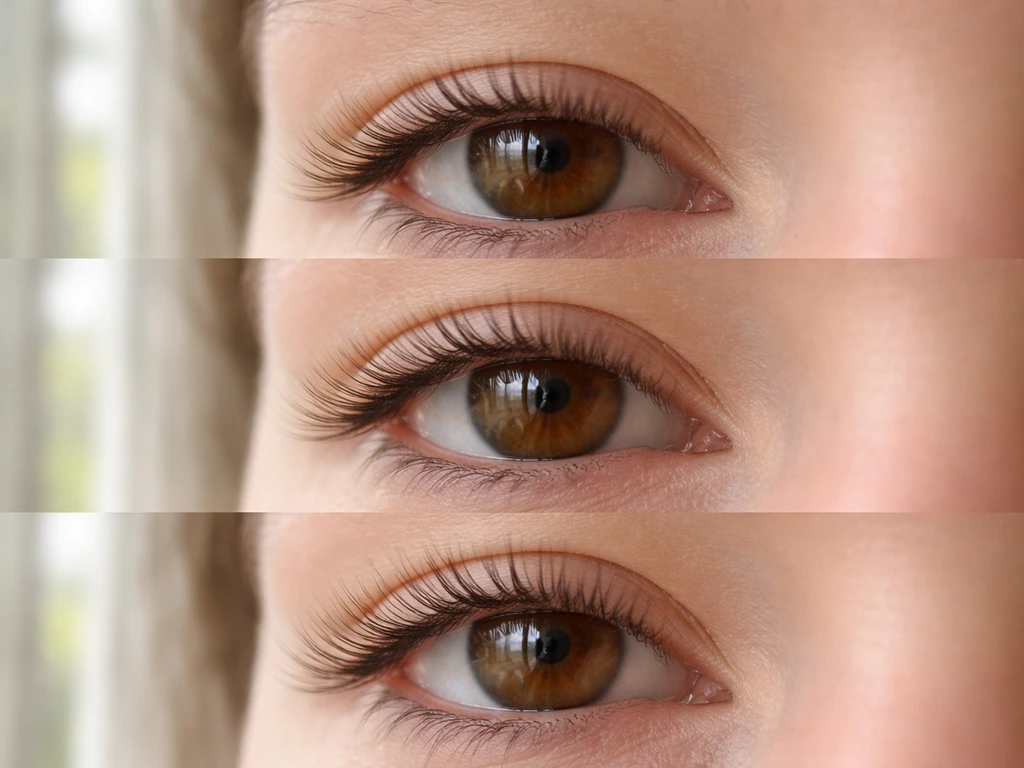
This is the part people most want a clean answer on, and the honest answer is: it varies, but here is what the data shows. Some people notice early fuzz within two to four weeks of finishing chemo. Most people see visible regrowth within a few months.
However, clinical trial data on post-chemotherapy eyelash loss tells a more nuanced story: in studies where subjects enrolled four to sixteen weeks after completing chemo and still had persistent sparse lashes, the natural (untreated) regrowth over six months was slow, with most people in the control groups still classified as non-responders at that point. That puts the real recovery window for many people at seven to ten months or more after their last infusion.
The broader research framing is that there is no firmly established universal timeline for eyelash recovery specifically, which is part of why trials have monitored subjects for up to twelve months. If your lashes have not returned meaningfully by six months post-treatment, that is worth discussing with your oncologist or a dermatologist, not panicking about, but definitely worth raising. If you are wondering "will my eyelashes grow back after pregnancy," it helps to know that a timeline like this is still something to discuss early with your clinician if recovery seems delayed.
What makes regrowth faster or slower for you personally
Several factors influence your specific timeline, and understanding them helps you set realistic expectations rather than comparing yourself to someone else's chemo journey.
- Drug type and dose: Taxanes and anthracyclines (like doxorubicin) tend to cause more significant lash loss than some other agents. Higher cumulative doses also correlate with longer suppression of follicle activity.
- Treatment duration: The longer your treatment ran, the more cycles of disruption your follicles experienced, which can push recovery timelines out.
- Age: Older age is associated with slower or less complete recovery across hair loss conditions generally, and this applies to post-chemo lash loss as well.
- Individual follicle biology: Eyelash follicles have a shorter anagen (active growth) phase than scalp hair follicles, typically just a few months, which means they are more sensitive to disruption and recover on a different schedule.
- Whether follicle scarring occurred: In rare cases, particularly with very high-dose or prolonged treatment, follicle damage can be more lasting. This is the situation that accounts for that one-in-four persistent sparse regrowth statistic.
- Overall health and nutrition during recovery: Your body is rebuilding from a significant physical event. Nutritional deficiencies, ongoing fatigue, and immune suppression can all slow the rate at which follicles come back online.
What you can do right now to support regrowth
You cannot force follicles to wake up faster than they are ready to, but you can absolutely create better conditions for recovery and avoid the things that slow it down.
Handle your lash line gently
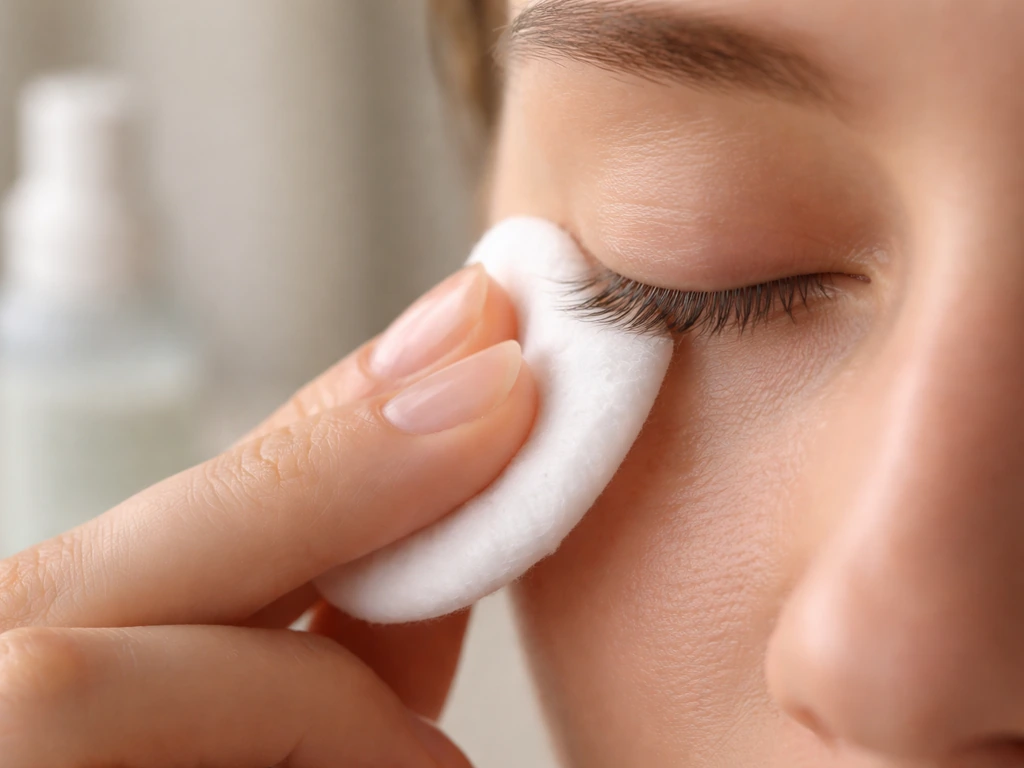
Post-chemo skin around your eyes is often more sensitive and reactive than it was before. Rubbing your eyes, using waterproof mascara that requires heavy removal pressure, or applying and removing false lashes can all damage fragile regrowing lashes and the follicles they come from. Use a gentle, oil-based makeup remover applied with light pressure, let it sit for thirty seconds before wiping, and never tug. If you wear contact lenses, put them in before any eye makeup application and remove them before makeup removal to reduce the risk of contamination and irritation.
Prioritize nutrition
Hair growth is metabolically expensive, and your body prioritizes other recovery processes first. Adequate protein intake is genuinely important because hair is made of keratin, which is a protein. Iron, zinc, and vitamins D and B12 deficiencies are all associated with hair loss and slower regrowth, and these are nutrients that chemo can deplete. Get bloodwork done if you have not recently. If you are deficient in something specific, correcting that deficiency is one of the highest-leverage things you can do for lash recovery. A diet centered around whole foods, lean protein, leafy greens, eggs, and healthy fats covers most of the nutritional bases.
Protect the lash line environment
Keep the eyelid margin clean and free from buildup. A gentle daily cleanse of the lash line (using a mild lid cleanser or diluted baby shampoo on a cotton pad) helps prevent blepharitis-like buildup that can impede follicle health. Avoid lash curlers on new growth, which is fragile. Sleep on a silk or satin pillowcase if you can, since cotton creates more friction. These are small things, but during the months-long window of recovery they add up.
Serums, oils, and supplements: what actually helps

This is the section where a lot of misinformation circulates, so here is an honest breakdown of the options, sorted by how much evidence actually exists behind them.
| Option | Evidence Level | Notes for Post-Chemo Use |
|---|---|---|
| Bimatoprost (Latisse) | Strongest clinical evidence | Prescription-only prostaglandin analog shown in RCTs to accelerate lash regrowth in post-chemo patients faster than natural recovery. Requires a doctor visit. Side effects include iris pigmentation changes (potentially irreversible), periocular skin darkening, and eyelid irritation. Not a casual over-the-counter choice. |
| Castor oil | Mostly anecdotal | No strong clinical trials for lash regrowth specifically, but it is low-risk, inexpensive, and used widely. Apply a small amount to the lash line with a clean brush at night. Avoid getting it into the eye directly. Its viscosity may help condition fragile regrowing lashes. |
| Other carrier oils (argan, vitamin E, jojoba) | Anecdotal/low-level evidence | Similar profile to castor oil. May help condition lashes and the surrounding skin without irritation. More cosmetic benefit than growth-stimulating effect. |
| Biotin supplements | Limited for non-deficient people | Biotin supplements are widely marketed for hair growth but evidence supports benefit mainly in people who are actually deficient. More critically for anyone post-chemo: high-dose biotin can interfere with blood tests including thyroid panels and other immunoassays, which is a real problem if you are still having regular monitoring labs. Discuss with your oncologist before starting. |
| Broad hair/nail growth supplements | Weak overall evidence | Systematic reviews show limited benefit for supplements in people without nutrient deficiencies. If your bloodwork is normal, adding a pile of supplements is unlikely to meaningfully speed regrowth and some ingredients can interact with medications. |
If you want the strongest evidence-backed clinical option, bimatoprost (Latisse) is the only treatment with actual randomized controlled trial data specifically in post-chemotherapy eyelash loss populations showing it works faster than doing nothing. The tradeoff is that it is prescription-only, it carries real side effect risks including blank" rel="noopener noreferrer">permanent iris color changes in susceptible people, and it needs to be used under medical supervision. For most people early in recovery, a conservative approach of gentle care, optimized nutrition, and possibly a nightly castor oil application is a reasonable starting point while the follicles do their own work.
What to avoid
- Over-the-counter lash serums containing prostaglandin analogs or prostaglandin-like peptides: these carry similar risks to prescription bimatoprost but without the medical oversight.
- Eyelash extensions during active regrowth: the adhesive and weight can damage fragile new lashes and inflame already-sensitive follicles.
- High-dose biotin if you are still having regular lab work: the diagnostic interference risk is real and well-documented.
- Harsh retinol or exfoliating products near the eye area: post-chemo skin is more reactive, and periocular irritation can slow rather than help follicle recovery.
- Any new topical product applied directly to the lash line without patch-testing first: sensitivity is heightened post-treatment.
When to see a doctor about your lashes
Most post-chemo lash loss resolves on its own given enough time, but there are clear situations where you should not just wait and hope.
- No visible regrowth by six months after your last chemo treatment: this is worth discussing with your oncologist or a dermatologist, particularly one with experience in onco-dermatology. At this point, options like bimatoprost may be worth evaluating.
- Patchy or asymmetric loss that was not there before chemo: asymmetric lash loss can indicate a localized issue at the follicle level or a separate condition like blepharitis or alopecia areata that developed during your immunosuppressed period.
- Eye or eyelid irritation, redness, swelling, or discharge: these symptoms alongside lash loss can indicate infection or inflammation at the follicle and lash line that needs treatment rather than watchful waiting.
- You started a lash serum or oil and notice new redness, swelling, a rash around the eye, or changes in eye color: stop the product immediately and see an ophthalmologist.
- You feel uncertain about whether a supplement or topical product is safe given your current medications or ongoing monitoring: your oncology team should be your first call, not a supplement label.
It is also worth knowing that lash loss from other causes can layer onto chemo recovery. Conditions like blepharitis or hormonal changes during or after cancer treatment can affect lash regrowth independently of the chemotherapy itself, and they need their own management. [Blepharitis](https://store. aao.
org/media/resources/051184/051184-blepharitis. pdf) is defined by the American Academy of Ophthalmology as inflammation of the eyelids, and managing lash-line hygiene can help protect the lash follicles during recovery. If blepharitis is the driver, treating the inflammation and keeping the lash line clean can help the lashes regrow more steadily.
If your lash thinning is related to a stye or chalazion instead of chemotherapy, you can also ask whether eyelashes grow back after stye and how long that typically takes do eyelashes grow back after stye. Menopause can also change hormone levels that affect eyelash fullness, so you may be wondering whether eyelashes grow back after menopause and how long it takes do eyelashes grow back after menopause.
If your lash thinning is related to blepharitis instead of chemotherapy, you may still wonder whether eyelashes grow back after blepharitis and how long it usually takes do eyelashes grow back after blepharitis. If you are asking specifically about chalazion-related lash loss, the timeline can differ from chemotherapy and blepharitis, but regrowth is often possible once the gland inflammation settles do eyelashes grow back after blepharitis. If you are dealing with chalazion-related lash loss, the answer is similar in that lashes can regrow once the inflammation settles, but the timing may differ do eyelashes grow back after blepharitis.
If you are dealing with blepharitis instead of chemotherapy, understanding how long it takes can help you decide when to seek treatment do eyelashes grow back after blepharitis. After menopause, eyelashes can also regrow, but changes in hormones may make the timing and fullness less predictable for some people do eyelashes grow back after menopause. If your recovery seems to stall or follow an unusual pattern, that context matters when you talk to a provider.
The realistic picture going forward
Most people do get their eyelashes back after chemo, but it takes longer than the scalp hair recovery timeline that people often use as a benchmark. The first few months after treatment end are a waiting game more than an action phase. What you can control is creating the best possible conditions: gentle handling, good nutrition, a clean lash line, and avoiding anything that adds irritation or unnecessary trauma to an already disrupted system. If things are not progressing after six months, that is the signal to escalate from patience to professional input, not before.
FAQ
If my eyelashes get worse for a while after chemo ends, does that mean they will not regrow?
Sometimes, but it is not a guarantee. A small amount of shedding can happen as lashes cycle through their resting phase, so you might see temporary worsening or patchiness for a few weeks. If you are not seeing any improvement by about 6 months after finishing chemo, that is the practical point to ask your oncologist or a dermatologist about targeted evaluation and options.
What if my eyelashes do not regrow, or seem patchy, even though I finished chemo?
It is possible, especially if you used an eyelash-enhancement product right before or during treatment, or if there was concurrent eye inflammation. Start by having a clinician check for blepharitis, allergic irritation, styes, or medication-related dryness, then treat the underlying issue. That approach matters because “natural regrowth” timelines differ when the lashes are being affected by something ongoing.
Can I wear false eyelashes or get eyelash extensions while my lashes are coming back after chemo?
In many cases, yes, but the key is when you restart and how you remove it. Avoid lash extensions during early regrowth (when lashes are most fragile), and choose removal methods that do not require tugging or heavy rubbing. If you use false lashes, keep them off until you see stable regrowth, and sanitize tools to reduce irritation.
Are eyelash curlers and mascara safe during chemo eyelash regrowth?
You should be cautious. Curlers and frequent mascara removal can mechanically stress regrowing lashes, and waterproof products usually require more force to remove. If you do use mascara, use gentle formulas and remove with a light, non-tugging routine (letting remover sit briefly before wiping).
Does castor oil actually speed up lash regrowth after chemo?
Castor oil is unlikely to harm most people when used carefully, but evidence for true acceleration of regrowth is limited. Use a clean applicator, avoid getting it into the eye, and stop if you notice redness, itching, or increased tearing. Do not apply to the lash line if you have active blepharitis symptoms.
If it has been 6 months since chemo and my lashes still look very thin, what should I do next?
Often, but treat it like a sign to investigate rather than a reason to panic. Slow regrowth can be normal, yet persistent or progressive eyelash loss after 6 months deserves review for other contributors like blepharitis, hormonal shifts, dry eye, or drug effects. Your clinician can also look for eyelid margin inflammation that can block healthy regrowth.
How can I tell whether my lash loss is from chemo versus an eye condition like blepharitis or styes?
Yes, and it can change the picture. Conditions such as blepharitis, recurring styes or chalazia, allergic eye irritation, and menopause-related hormone changes can independently influence lash density and quality. If your pattern is uneven, itchy, crusty, or associated with styes, ask specifically whether an eye surface or eyelid condition is complicating chemo recovery.
What should I know before using bimatoprost (Latisse) for post-chemo eyelash regrowth?
Be mindful of eye color and safety concerns with prescription growth agents. If you are considering bimatoprost, you need medical supervision, because side effects can include iris color change in susceptible people, eyelid skin darkening, and irritation. Ask your prescriber about your personal risk factors before starting.
Next Article
Does Mustard Oil Grow Eyelashes? Safety and What Works
Find out if mustard oil grows eyelashes, risks to eyelids, and safer options with realistic timelines and when to see a
