
Eyelashes growing downward usually comes down to one of two things: the follicle angle is directing them that way (often genetic or structural), or something has damaged or disrupted the follicle and changed the direction they grow. In most cases it is a cosmetic nuisance. But occasionally, lashes that point toward the eye instead of away from it are a sign of a real eye-health issue that needs a professional look. Knowing which situation you are in is the most important first step.
Why Do My Eyelashes Grow Downwards? Causes and Fixes

Rachel Nguyen
27 Apr 2026
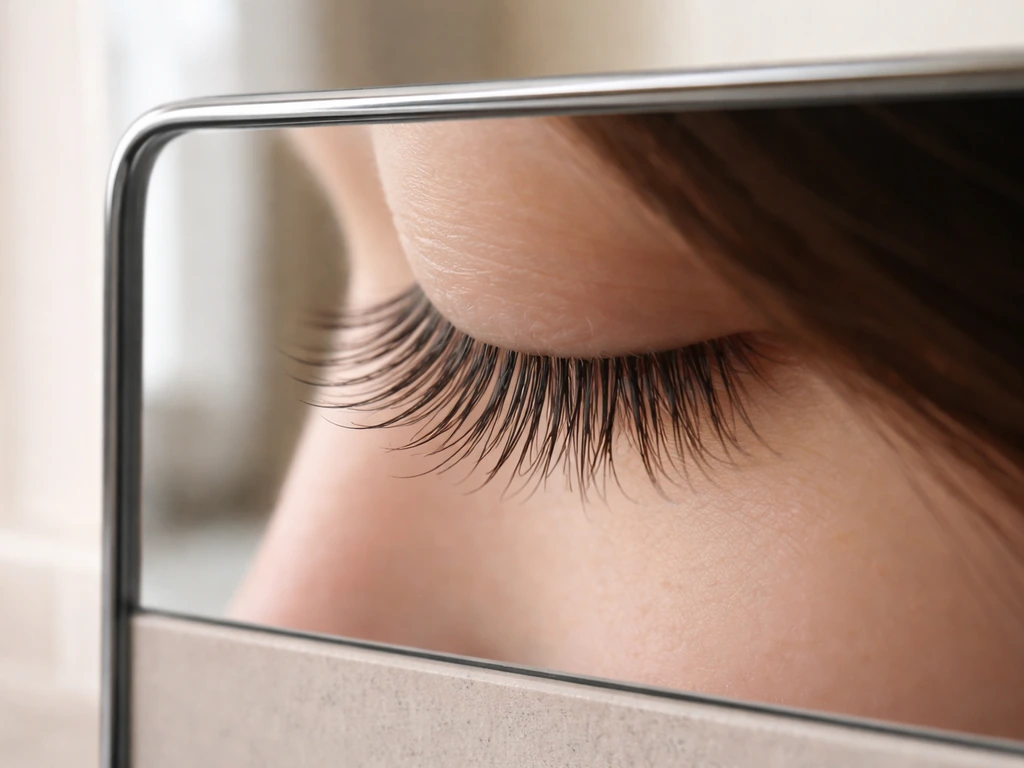
Normal lash direction vs downward growth, how to tell what is actually off
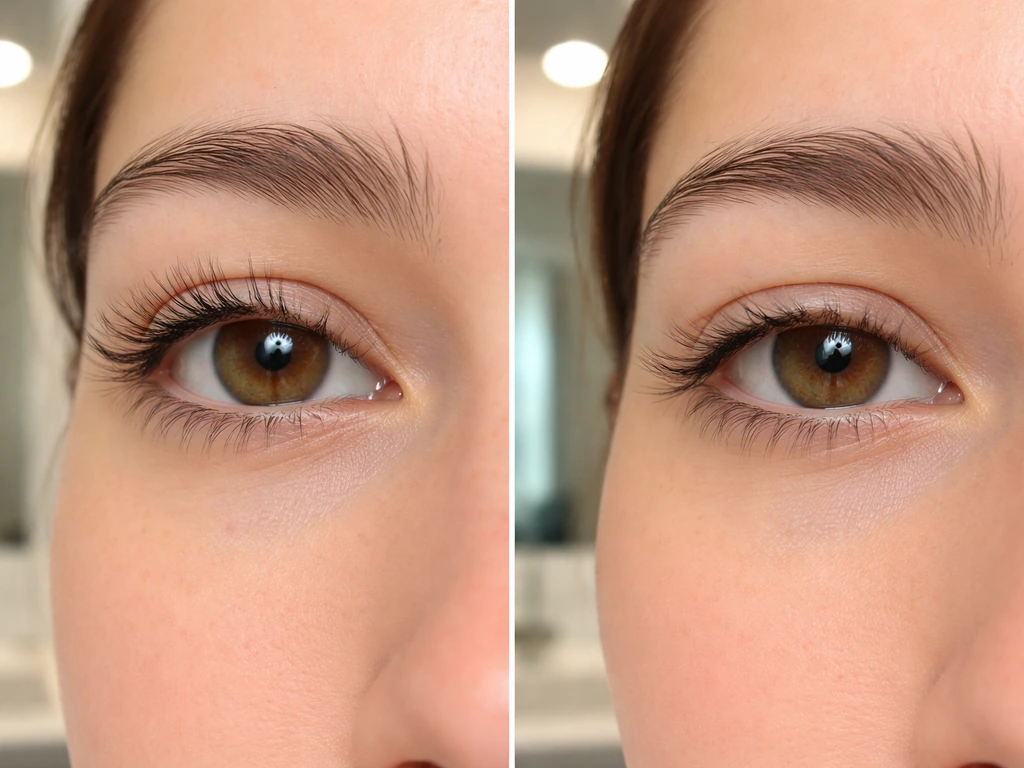
Normally, upper lashes grow outward and curl upward away from the eye surface. Lower lashes point outward and slightly downward. What counts as 'off' depends on whether the lash is simply curling in a direction you don't like, or whether it is actually making contact with your eye. A lash that sweeps downward toward your cheek is usually just a curl pattern. A lash that turns inward and rubs against the surface of your eye is a different problem entirely, that is called trichiasis, and it needs attention.
The quick self-check: look in a well-lit mirror and gently pull your eyelid slightly outward. If the lashes are pointing toward your eyeball rather than away from it, or if you are consistently feeling something in your eye, experiencing redness, tearing, or a scratchy foreign-body sensation, that is the version that warrants a professional exam. If you are asking how to fix eyelashes that grow in different directions, start by determining whether the lashes are merely curling or if they are actually contacting your eye surface. If the lashes are just pointing straight down or drooping rather than curling inward toward the cornea, that is more likely a structural or damage-related issue with the follicle angle.
Why lashes grow downward, the biology and the root causes
Follicle angle and growth pattern
Every lash grows from a follicle that is embedded at a specific angle in the eyelid. That angle determines the direction the hair exits. If your follicles naturally sit at a steep downward angle, your lashes will grow downward by default, no damage required. This is entirely genetic. It is also why straight, downward-pointing lashes are common across a wide range of people, and why some people's lashes have always been this way, even as kids.
Epiblepharon is worth mentioning here, especially if you are reading this about a child. It is a congenital condition where a fold of skin and muscle pushes the lashes into a near-vertical position, directing them toward the eye. Epiblepharon is a pediatric eyelid condition described by AAPOS as a fold that pushes lashes into an abnormal direction and can lead to symptoms such as eye redness, tearing, irritation, or light sensitivity blank" rel="noopener noreferrer">Epiblepharon is described as a fold that pushes lashes into an abnormal direction. It is particularly common in Asian and Hispanic children, and while it often resolves as the face develops, it blank" rel="noopener noreferrer">can cause corneal scratching, tearing, and eye rubbing if the lashes make consistent contact with the eye surface. This type of congenital lash direction is one reason some people search for why do Asian eyelashes grow down. It looks like downward-growing lashes but the actual mechanism is that skin fold redirecting them, and it is different from the entropion (where the lid itself rolls in).
Genetics and ethnicity
Lash direction is strongly heritable. Straight, downward-angled lashes are a common natural trait, and there is a genetic component to both the curl pattern and the follicle insertion angle. If your parents or siblings have the same lash direction, there is a good chance this is just how your lashes are built. This is not a flaw or a disorder, it is just your baseline.
When damage changes the direction, extensions, heat, rubbing, and scarring
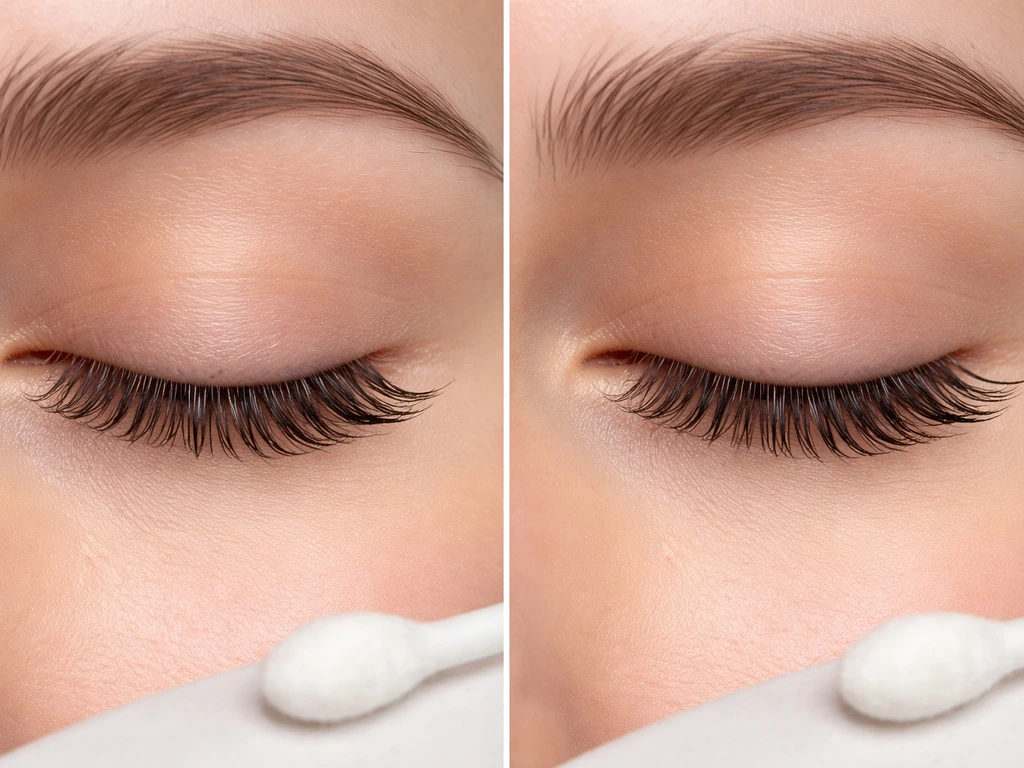
If your lashes have changed direction over time, meaning they used to look different, then something has likely disrupted the follicle or the surrounding eyelid tissue. These are the most common culprits.
- Eyelash extensions: Repeated application and removal of extensions can cause traction alopecia (follicle damage from repeated mechanical pulling), blepharitis, and allergic reactions. The AAO has noted complications including keratoconjunctivitis, conjunctival erosion, and follicle-level damage. When follicles are damaged or inflamed repeatedly, regrown lashes can exit at a different angle.
- Lash lifts and lamination: Chemical processing bends the lash shaft using a perming solution. Done well, this is cosmetic. Done badly — especially with overprocessing or too-frequent treatments — it can stress the base of the lash and, over time, alter how regrowth comes in. Heat tools used incorrectly (curlers clamped too hard, too close to the lid) can create similar trauma.
- Rubbing and mechanical irritation: Habitual eye rubbing, aggressive makeup removal, or sleeping face-down and dragging a pillow across the lash line all create repetitive friction at the follicle. Over months and years, this can shift follicle orientation and cause lashes to grow in irregular directions.
- Inflammation and blepharitis: Chronic eyelid inflammation (blepharitis) is one of the most documented causes of misdirected lashes. The inflammation disrupts the follicle architecture over time. Poorly managed blepharitis left untreated for months is a significant contributor to trichiasis.
- Scarring from injury or skin conditions: Burns, chemical exposure, eyelid surgery, and conditions like mucous membrane pemphigoid, atopic keratoconjunctivitis, or Stevens-Johnson syndrome can create scar tissue in the eyelid margin that physically redirects follicle orientation. This is the most clinically serious category.
What downward lashes can mean for your eye health, and when to get checked
Most downward-growing lashes are purely cosmetic. But if lashes are actually contacting your cornea or conjunctiva, the transparent surface of your eye, this becomes a medical issue. Trichiasis is the clinical term for misdirected lashes rubbing against the eye surface even when the eyelid itself is not rotated inward. The most common symptoms are a persistent foreign-body sensation (like something is always in your eye), redness, tearing, and light sensitivity. If left unmanaged, repeated corneal scratching can cause abrasions, ulcers, infection, and in serious cases, vision loss.
An optometrist or ophthalmologist can confirm the diagnosis with a slit-lamp exam, and may use fluorescein staining to check for corneal abrasions you cannot see yourself. The distinction clinicians make is whether the lash is physically touching the ocular surface, if it is, that needs treatment, not just cosmetic management.
Get checked promptly if you have any of the following: persistent eye irritation or pain that doesn't resolve, visible redness that keeps coming back, watery eyes with no obvious allergic or environmental cause, or a visible lash you can see touching your eye surface in the mirror. Do not try to pull or trim lashes near the eye surface on your own if you suspect trichiasis, an incorrect removal can cause the lash to regrow even more aggressively or at a sharper angle.
What you can do at home today to protect your lashes and reduce further damage
If your downward lashes are cosmetic and not touching your eye, the most practical thing you can do is stop doing things that are making the follicle situation worse. Here is what actually helps:
Gentle daily habits
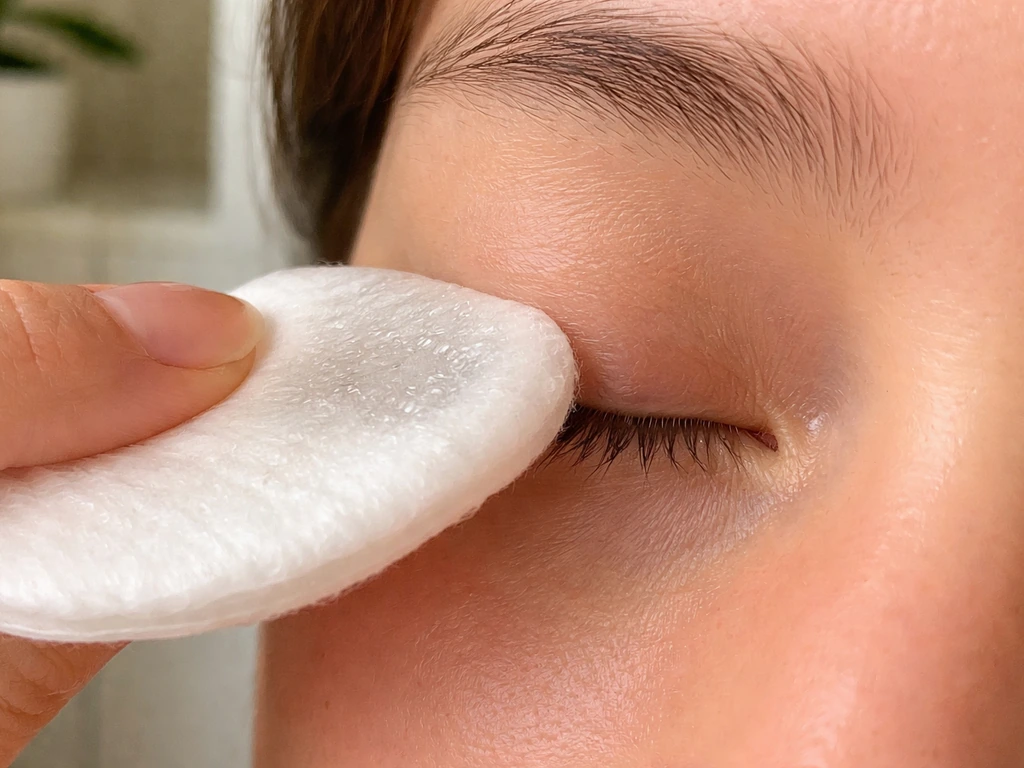
- Switch to a micellar water or gentle oil-based cleanser for eye makeup removal. Avoid cotton pads dragged across the lash line — press gently and let the product dissolve makeup before wiping.
- Stop rubbing your eyes. Seriously. Even one forceful rub session a day is enough to create cumulative follicle stress over months. If you have allergies or itchy eyes driving the rubbing, address that underlying cause with antihistamines or artificial tears.
- Sleep on a silk or satin pillowcase if you sleep face-down or on your side. The reduced friction matters more than people give it credit for.
- Give your lash line a regular gentle cleanse even on non-makeup days — a tiny amount of diluted baby shampoo or a dedicated lid-cleansing foam can keep the follicle environment clear and reduce the inflammatory load from blepharitis.
- Apply a light conditioning oil (more on this below) to keep the lash shaft flexible and the follicle area moisturized. Dry, brittle lashes are more likely to curl unpredictably.
What to avoid
- Avoid heated lash curlers or aggressive manual curlers used too close to the lid base — they can bend lashes at sharp angles and stress the follicle opening.
- Don't skip makeup removal at night. Mascara left on overnight dries out the lash shaft, adds weight, and increases the chance of lashes bending in the wrong direction.
- Avoid back-to-back lash lift treatments. The recommended gap between lash lifts is generally 6 to 8 weeks minimum — closer than that and you are processing already-weakened lash shafts.
- Don't try to forcibly redirect lashes with tape, glue, or tools applied directly at the lid margin without professional guidance. This can introduce infection risk and may worsen follicle inflammation.
- If you are currently wearing extensions and noticing lash direction changes, take a break. Let the natural lash cycle complete before reapplying.
Professional options for correcting or managing lash direction
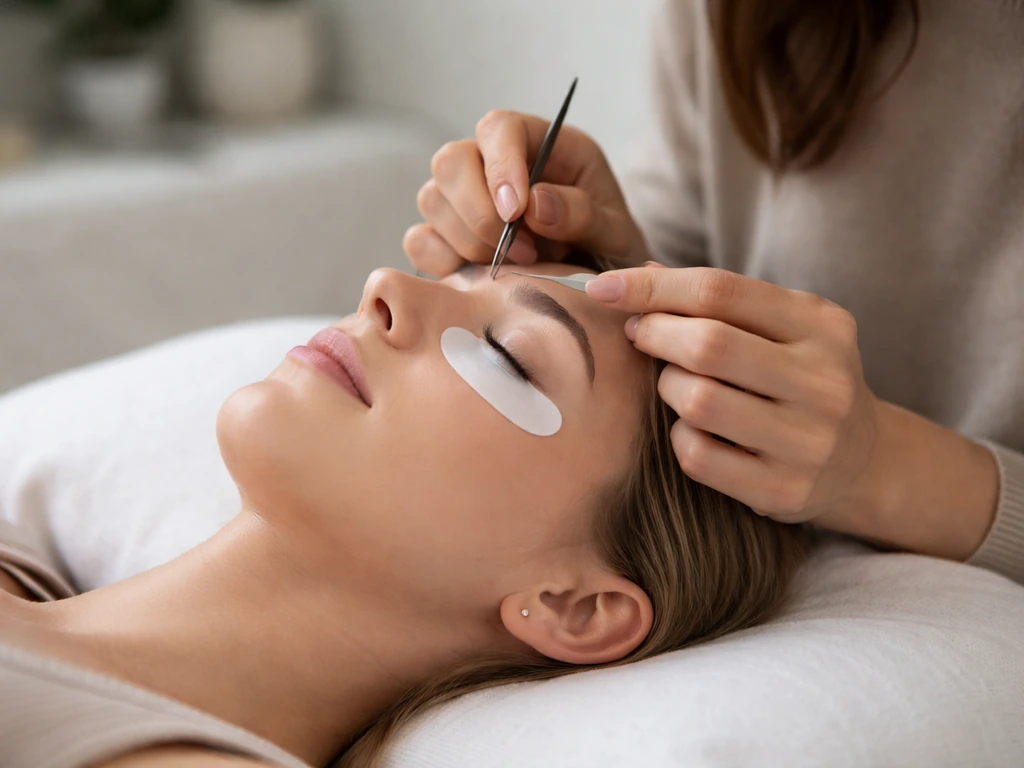
If the problem is cosmetic, straight or downward-pointing lashes that you just want to redirect, a lash technician can perform a lash lift using a gentler approach specifically designed to give upward curl. This is worth trying before anything more invasive. A certified technician should assess your lash health before proceeding and should not process lashes that are already damaged or sparse.
For lashes that are medically misdirected (trichiasis), professional treatment is the only safe route. The goal, as the Cleveland Clinic describes it, is to protect the cornea and remove or reposition the offending lashes. The options available to an ophthalmologist or oculoplastic specialist include:
- Epilation: Manual removal of the misdirected lash. This is the simplest option but the lash will regrow, often within 4 to 6 weeks, so it needs to be repeated regularly.
- Electrolysis: An electric current destroys the follicle to prevent regrowth. Multiple sessions are typically required to get lasting results.
- Cryotherapy: Freezing the follicle to ablate it. Also requires multiple sessions. Both electrolysis and cryotherapy have high-recurrence rates that vary by case.
- Surgical correction: For more extensive trichiasis — especially where scarring is involved — surgical options including lid-splitting procedures and anterior lamellar resection with grafting can permanently reposition or remove lash-bearing tissue. These are specialist procedures performed by oculoplastic surgeons.
- Dermatology consultation: If the downward growth is driven by blepharitis, skin conditions, or scarring, a dermatologist may co-manage alongside your ophthalmologist, treating the underlying inflammation that is driving follicle disruption.
If your eyelid itself is turning inward (entropion rather than trichiasis), that is a surgical repair issue, the lid margin needs repositioning, not just the individual lashes.
Lash regrowth timelines and how to support healthy growth while you recover
The full eyelash growth cycle runs approximately 4 to 11 months, though the active growth phase (anagen) for a single lash is only around 30 to 45 days. After a period of damage, from extensions, repeated trauma, or inflammation, you are looking at roughly 3 to 6 months before you can meaningfully assess whether regrown lashes are coming in at a healthier angle. Direction changes happen slowly because each lash has to shed, go through telogen (rest), and regrow before you see the result. There is no shortcut.
While you wait, supporting follicle health and lash thickness is reasonable and may help with density and resilience, even if it won't force a direction change on its own. Here is an honest breakdown of the options:
| Option | Evidence level | What it realistically does | Timeline to notice change |
|---|---|---|---|
| Bimatoprost (Latisse) | FDA-approved for hypotrichosis | Increases lash length, thickness, and darkness through prostaglandin pathway | ~16 weeks for full effect; requires ongoing use |
| Lash growth serums (peptide-based) | Limited clinical data; some peptide studies show conditioning benefit | May improve lash appearance and reduce breakage; unlikely to meaningfully change direction | 8 to 12 weeks for cosmetic improvement |
| Castor oil | No strong clinical evidence for growth | Coats and conditions the lash shaft; may reduce brittleness and improve appearance temporarily | No reliable growth timeline; effect is primarily cosmetic |
| Biotin (oral supplement) | Evidence limited to those with true biotin deficiency | May support hair/lash growth if deficient; minimal effect in those with adequate intake | 12+ weeks if deficient |
| Gentle cleansing and inflammation control | Well-supported; blepharitis management has clinical backing | Reduces follicle inflammation, improves regrowth environment, can reduce misdirection over time | Ongoing; cumulative benefit over months |
Bimatoprost (the active ingredient in Latisse) is the only FDA-approved option specifically for eyelash growth, and its mechanism, acting on the prostaglandin pathway to extend the growth phase, is well-documented. Bimatoprost (the active ingredient in Latisse) is the only FDA-approved option specifically for eyelash growth, and its mechanism, acting on the prostaglandin pathway to extend the growth phase, is well-documented, so pairing it with eyelash growth tips can help you stay on track eyelashes grow tips. It does come with noted side effects including possible eyelid skin darkening, iris pigmentation changes with repeated ocular exposure, and conjunctival redness, so it should be used exactly as directed and ideally under medical guidance. Castor oil gets a lot of community attention, but the honest position is that it conditions lashes rather than growing them. It won't hurt anything if applied carefully with a clean spoolie, but don't expect the same results as a prostaglandin-based serum.
The most underrated thing you can do for lash recovery is consistent, gentle management of eyelid inflammation. If blepharitis is part of your picture, flaky skin at the lash base, crusting in the morning, persistent puffiness, treating it properly with lid hygiene and, if needed, prescription options from a dermatologist or ophthalmologist does more for long-term lash health than any topical serum. That inflammatory environment is what drives follicle disruption and misdirection in the first place, and no serum works well in a damaged follicle.
If you are also noticing that your lashes grow in multiple different directions (not just downward), or wondering whether there is a genetic explanation for straight, downward-pointing lashes specifically, those are related questions worth exploring separately, the mechanisms overlap but the practical answers differ depending on whether you are dealing with a consistent pattern versus mixed directional changes across the lash line.
FAQ
How can I tell if downward lashes are just a curl pattern or true trichiasis?
If the lashes physically touch the cornea or the clear lining inside the eyelid, that is trichiasis and you should be assessed by an eye professional. If they mainly point downward or curl toward the cheek without contacting the eye surface, it is usually cosmetic and safer to address with styling or lash care rather than attempting at-home removal.
Is it safe to get a lash lift if my lashes grow downward?
A lash “lift” or perm can improve direction only when the lash is healthy enough and the root angle is not being forced into a harmful line of contact. If you have frequent tearing, redness, or a scratchy feeling, do not get processed by a technician until an eye clinician rules out lash-to-eye contact.
Can I just pluck or trim the lashes that point toward my eye?
Do not try to pluck, trim, or scrape lashes that may be rubbing your eye, because incorrect removal can traumatize the follicle and sometimes lead to regrowth at an even sharper angle. The safer next step is a slit-lamp exam to confirm whether individual lashes are misdirected or the lid position itself is abnormal.
What can I use at home to reduce irritation while I wait for treatment?
Yes, but only for lubricating comfort and reducing friction, not as a correction for lash direction. Use preservative-free artificial tears if you get irritation, and be cautious with products that contain additives if you are also treating blepharitis.
Could lash extensions have caused my lashes to start growing downward?
Extensions and aggressive removal are common triggers for follicle disruption, especially when there is repeated traction at the lash base. If your lashes began changing direction after extensions, treat any underlying eyelid inflammation first, and then reassess after a full lash cycle (several months) before deciding on cosmetic interventions.
If I have crusting or irritation at the lash line, could that be why my lashes changed direction?
Blepharitis can contribute by inflaming the lid margin and changing lash growth behavior over time. A practical approach is consistent lid hygiene (cleaning the lash line) and, if symptoms persist, asking a dermatologist or ophthalmologist whether prescription treatment is needed.
What’s the difference between entropion and eyelashes growing downward toward the eye?
Many people think downward growth means the eyelid is turning inward, but trichiasis can happen even when the eyelid position is normal. Conversely, entropion requires a different solution because the lid margin itself needs repositioning, so a clinician should distinguish between the two with an exam.
How long does it take for misdirected lashes to improve after treatment or changes?
When the issue is trichiasis or epiblepharon, you may not notice improvement quickly because each lash takes time to shed and regrow. A realistic timeline is on the order of months, and even then, the key goal is stopping corneal rubbing to prevent damage.
When should I stop self-care and see an eye doctor urgently?
Watch for red flags that suggest lash-to-eye contact or corneal involvement: persistent foreign-body sensation, recurring redness, light sensitivity, worsening pain, or visible lashes rubbing on the ocular surface. If any of these are present, get prompt professional evaluation rather than waiting for a cosmetic fix to “settle.”
If my whole family has downward lashes, does that mean I don’t need treatment?
If you inherit the trait, you may see no symptoms, just a consistent direction you dislike. If your lashes have always looked this way and you are not getting irritation, you can usually treat this as styling and comfort management rather than a medical problem.
Next Article
Does Mustard Oil Grow Eyelashes? Safety and What Works
Find out if mustard oil grows eyelashes, risks to eyelids, and safer options with realistic timelines and when to see a
