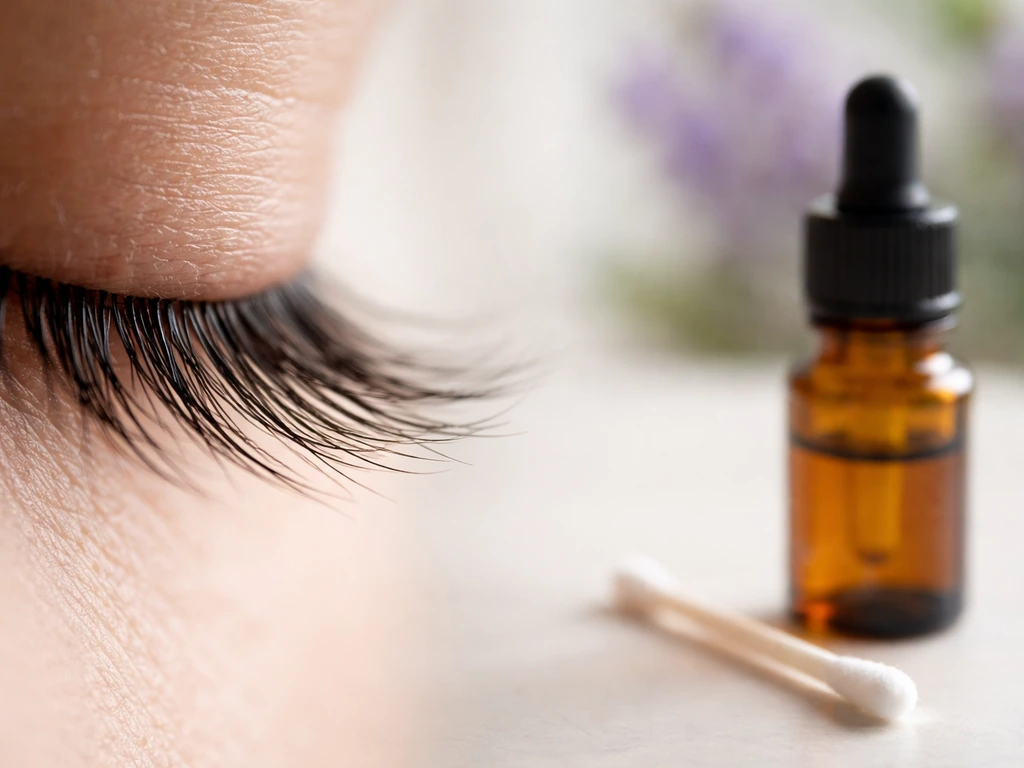
Olive oil can condition and protect your eyelashes, and that indirectly helps them look fuller and break less often. But there is no solid clinical evidence that applying it to your lash line actually stimulates new growth from the follicle. That distinction matters a lot, because what you're hoping for determines whether olive oil is worth your time or whether you need something stronger.
Will Olive Oil Grow Eyelashes? What to Expect and How
Rachel Nguyen
22 Apr 2026
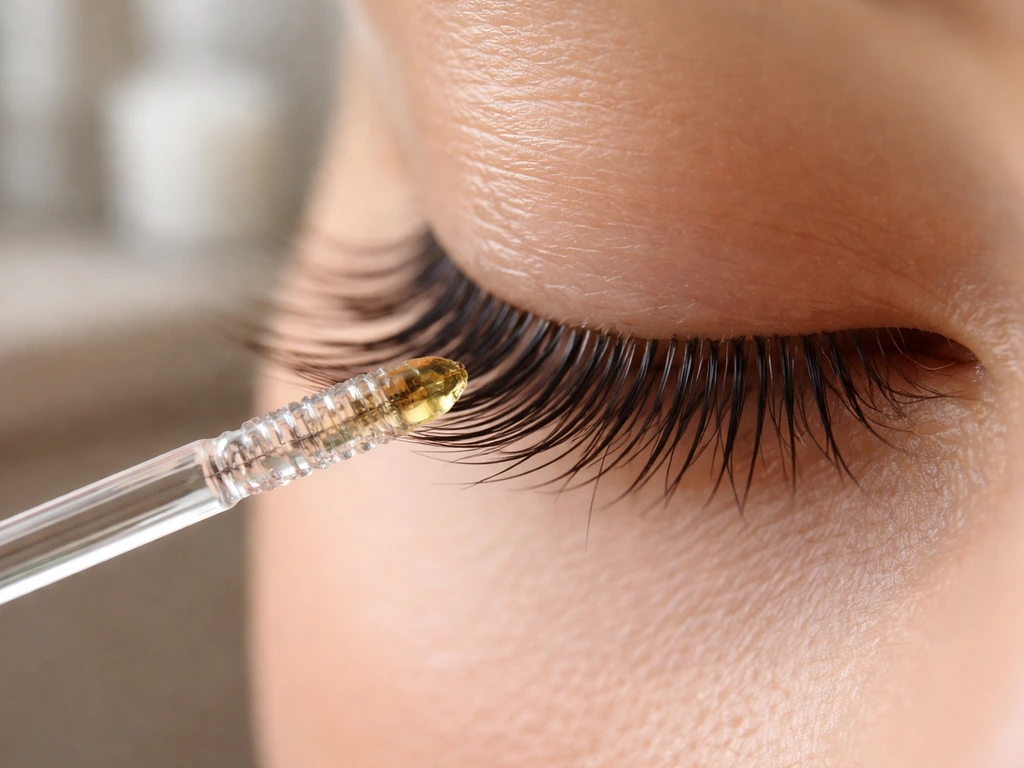
Does olive oil actually grow eyelashes? The honest answer
The short version: olive oil moisturizes and conditions lashes, which can reduce breakage and make existing lashes look thicker and longer over time. What it almost certainly does not do is trigger follicles to produce new lash hairs or meaningfully extend your anagen (growth) phase the way a prescription treatment like bimatoprost does.
Dermatologist Joshua Zeichner, MD, has noted that there is very little research suggesting that applying fatty acids directly to eyelash follicles helps with eyelash growth. That tracks with what we know about lash biology. Your lash follicles cycle through anagen (active growth), catagen (transition, about 3 to 4 weeks), and telogen (rest) phases. Interventions that genuinely extend the anagen phase, like bimatoprost (Latisse), have clinical evidence behind them, including mouse eyelash models that showed anagen prolongation. Crucially, even those studies found no evidence of follicle neogenesis, meaning new follicles are not being created. However, olive oil has not been shown to grow eyelashes by triggering new follicles can cuticle oil grow your eyelashes. Growth is about cycling, not creation, and olive oil has not been shown to influence that cycle.
What olive oil does have is a good fatty acid profile, including oleic acid, which can penetrate the hair shaft and reduce protein loss, and antioxidants that help protect the hair from oxidative damage. Those properties are genuinely useful for lash health, just not in the way the word 'growth' implies. Think of it less as a growth serum and more as a conditioning treatment that protects what you already have.
Extra-virgin vs regular olive oil: which one to use
If you're going to use olive oil near your eyes, the grade you choose matters more than most people realize. Extra-virgin olive oil (EVOO) is the least processed option. By international standards, it must have a free fatty acidity of no more than 0.8%, meaning the oil has undergone minimal chemical degradation. Refined olive oil, by contrast, is produced by processing virgin oils, which strips some of the natural antioxidants and polyphenols that make the oil protective in the first place.
That said, EVOO has its own trade-off: it's more prone to oxidation during storage. Rancid oil carries oxidation byproducts that can irritate sensitive skin and the delicate eyelid margin. A bottle that smells slightly off or has been sitting open for months near a warm stovetop is not something you want anywhere near your eyes. Refined olive oil is more oxidatively stable but offers fewer of the beneficial compounds.
| Feature | Extra-Virgin Olive Oil | Refined Olive Oil |
|---|---|---|
| Processing level | Minimal, cold-pressed | Chemically or thermally refined |
| Free acidity | No more than 0.8% | Higher before refining, neutralized after |
| Antioxidants/polyphenols | Higher | Lower (removed during refining) |
| Oxidative stability | Lower (spoils faster) | Higher (more shelf-stable) |
| Irritation risk if rancid | Higher if stored improperly | Lower |
| Best for lash use? | Yes, if fresh and stored properly | Acceptable but less beneficial |
My recommendation: use a small, fresh bottle of cold-pressed extra-virgin olive oil and store it in a cool, dark place. Don't decant it into a container that sits open for weeks. If it smells off, nutty, or like crayons, it has oxidized and you should replace it before using it anywhere near your eyes.
How to apply olive oil to your lashes safely
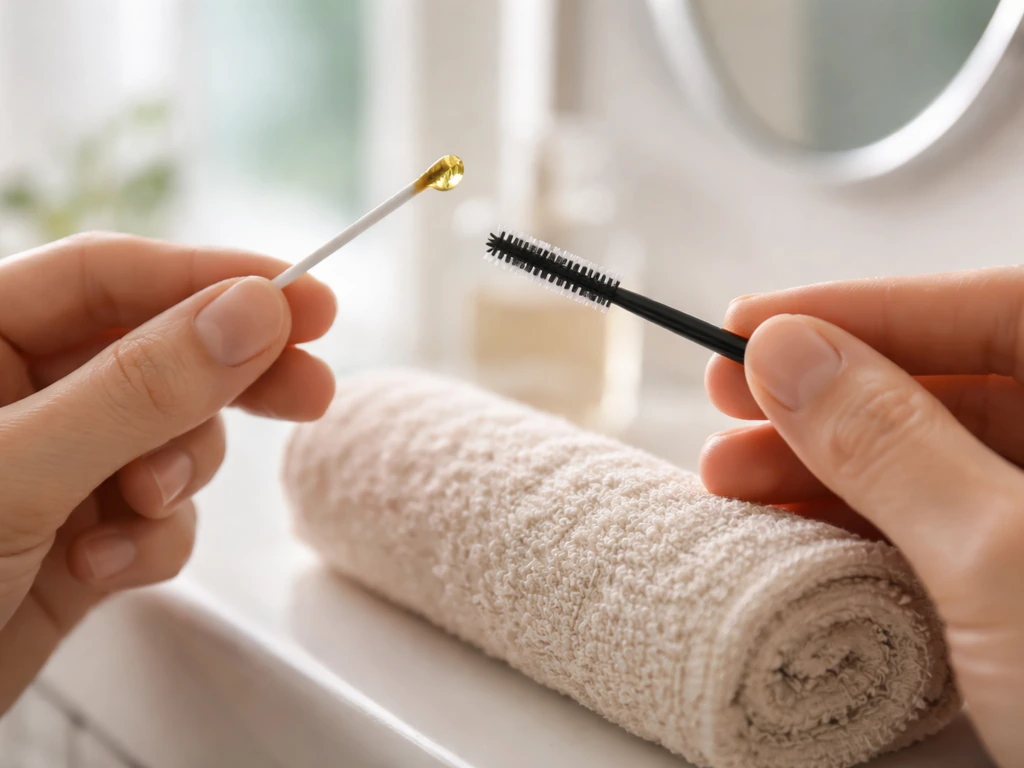
The biggest practical challenge with lash-line oil application is keeping it out of your eyes. Oil and the ocular surface don't mix well, and even a small amount getting into the eye can cause blurry vision, discomfort, or irritation. Here's a routine that minimizes that risk.
- Patch test first. Before applying anything to your lash line, test a small amount of the oil on the inside of your wrist or the crease of your elbow. Wait 24 hours and check for redness, itching, or swelling. If there's any reaction, skip the oil.
- Remove all eye makeup completely. Use your regular makeup remover, then rinse thoroughly. Applying oil over residual makeup or cleansers introduces more variables and potential irritants.
- Wash your hands. This sounds obvious but contamination of anything going near the eye is a real infection risk. Clean hands, every single time.
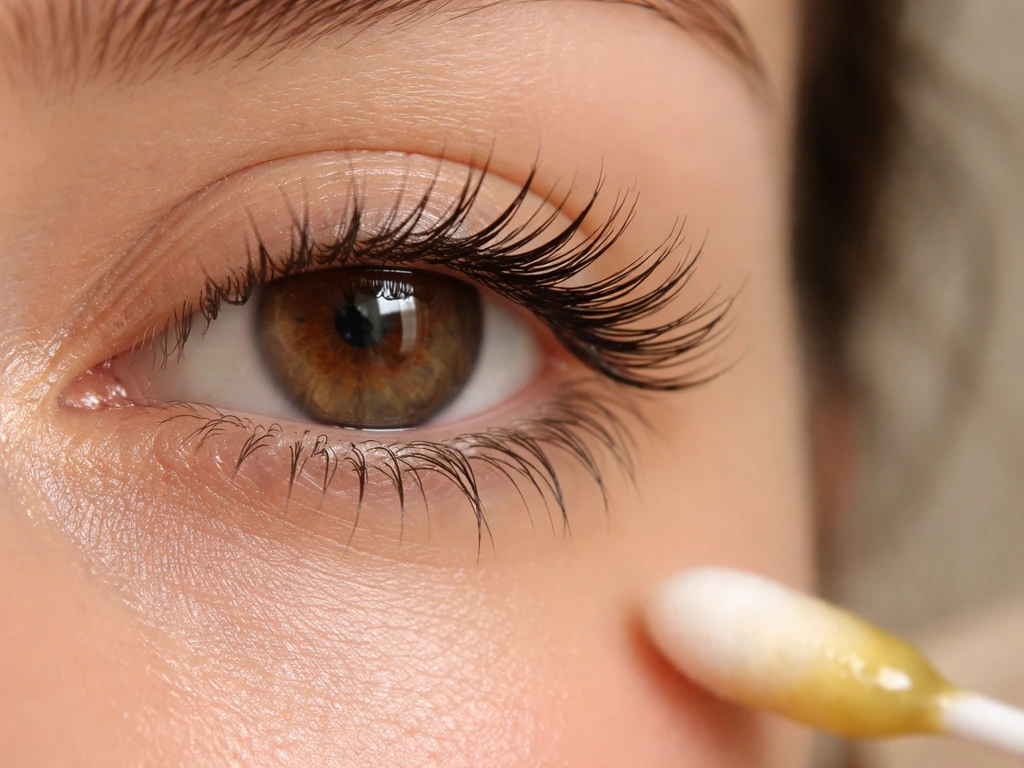
- Use a clean, dedicated applicator. A fresh disposable mascara wand (spoolie) works best. You can also use a clean cotton swab, but a spoolie gives you more control. Never double-dip into the oil bottle. Decant a drop onto a clean surface and dip from there.
- Apply a tiny amount to the upper lash line only. Dip the spoolie, wipe off the excess on the back of your hand until it's barely there, then stroke it along the base of your upper lashes, lightly coating the shafts. Less is more. You're conditioning, not saturating.
- Avoid the waterline and inner corners. These areas are the most direct route to the ocular surface. If you're prone to styes, chalazia, or have meibomian gland dysfunction, focus on the lash shafts themselves and stay even further from the lid margin.
- Do this at night, not in the morning. Any residual oil that migrates overnight is less disruptive than oil sitting on the lash line while you're awake and blinking throughout the day.
- Frequency: once per night, 4 to 5 nights per week. Daily is fine if your skin tolerates it, but giving your lash line a couple of nights off reduces the risk of follicular occlusion or mild irritation building up over time.
How long until you see results (and what 'working' actually looks like)
Realistic timeline: give it 6 to 8 weeks before drawing any conclusions. Individual lash replacement takes between 4 and 8 weeks, so that's roughly the minimum window before you can assess whether your lashes look or feel different. The catagen phase alone lasts 3 to 4 weeks, meaning even if olive oil had an immediate conditioning effect on every hair, you wouldn't see the full result reflected in your lash set until those older hairs cycle out and newer, better-conditioned ones replace them.
What 'working' actually looks like with olive oil is not dramatic. You're not going to wake up one morning with visibly longer lashes. What you might notice after consistent use is that your lashes feel less brittle, seem to break or fall out at the tip less often, and look a bit darker or more defined because they're better hydrated. If you're losing fewer lashes to mechanical breakage, your overall lash density can improve over 6 to 12 weeks simply because more hairs are surviving their full growth cycle.
If you hit the 8-week mark and see no change at all, olive oil is probably not going to be a game-changer for you. That's the honest threshold. Don't extend an ineffective trial indefinitely hoping something will shift.
Will olive oil help lashes grow back after damage or extensions?
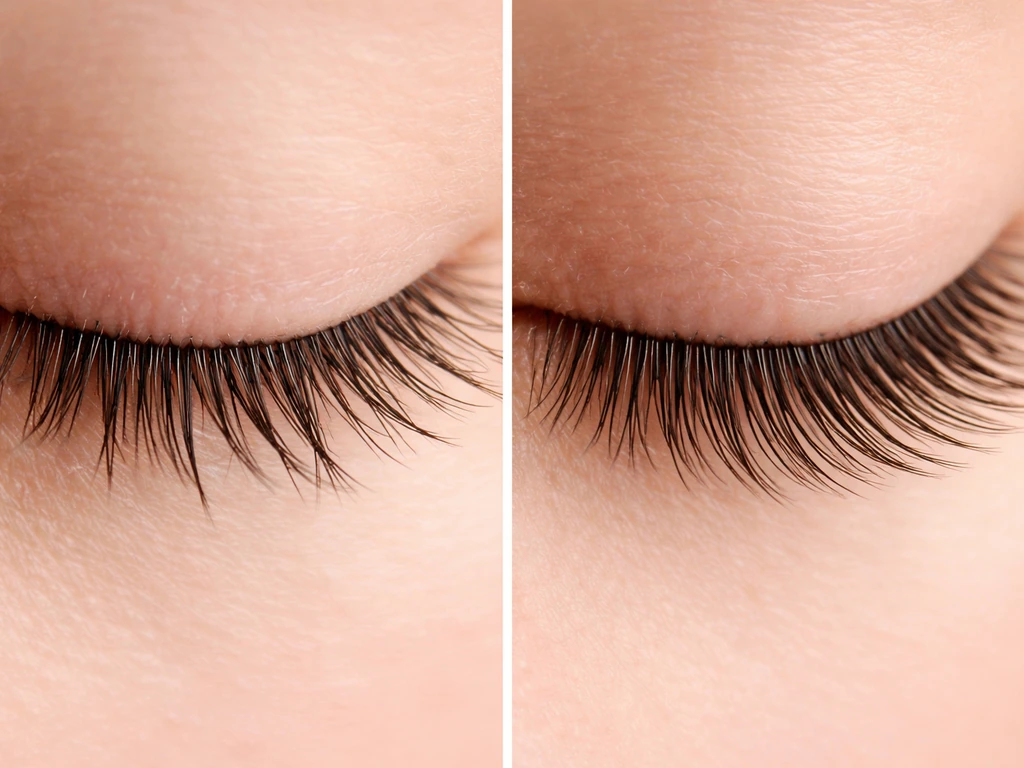
This depends entirely on why your lashes are gone. There's a meaningful difference between lashes that are damaged, broken, or temporarily lost versus lashes that are gone because the follicle itself is impaired.
Breakage and damage from extensions or mechanical stress
Extensions are a common culprit for lash loss. The mechanisms include traction alopecia from the weight and tension of extensions pulling on the natural lash, and allergic or irritant contact dermatitis from extension adhesives, which can cause blepharitis and follicular inflammation. If your lashes snapped at the shaft or were pulled out by heavy extensions but the follicles are intact, they will grow back on their own. Olive oil can help here by keeping the recovering shafts conditioned and reducing further breakage as new hairs grow in. But it's not accelerating follicle recovery; it's just protecting what's coming in.
Temporary shedding from stress or illness
If you've had a period of illness, nutritional deficiency, or significant stress, your lash follicles may have shifted into a prolonged telogen (resting) phase, similar to telogen effluvium in scalp hair. This resting phase can last 1 to 6 months, with an average around 3 months. When the follicles re-enter anagen, the resting hairs shed and new growth begins. Olive oil won't speed that transition up, but consistent conditioning during the recovery period helps the incoming hairs stay intact.
True follicle loss or medical conditions
If lash loss is related to alopecia areata, thyroid dysfunction, chemotherapy, or another systemic issue, olive oil is not an appropriate treatment. In these cases the anagen phase may be shortened or follicles may be genuinely impaired, and a conditioning oil will not address the root cause. This is when you need to see a dermatologist or ophthalmologist, not try more home remedies. If your lashes have been sparse for more than 3 months without an obvious mechanical explanation, get it checked.
Risks and side effects to know before you start
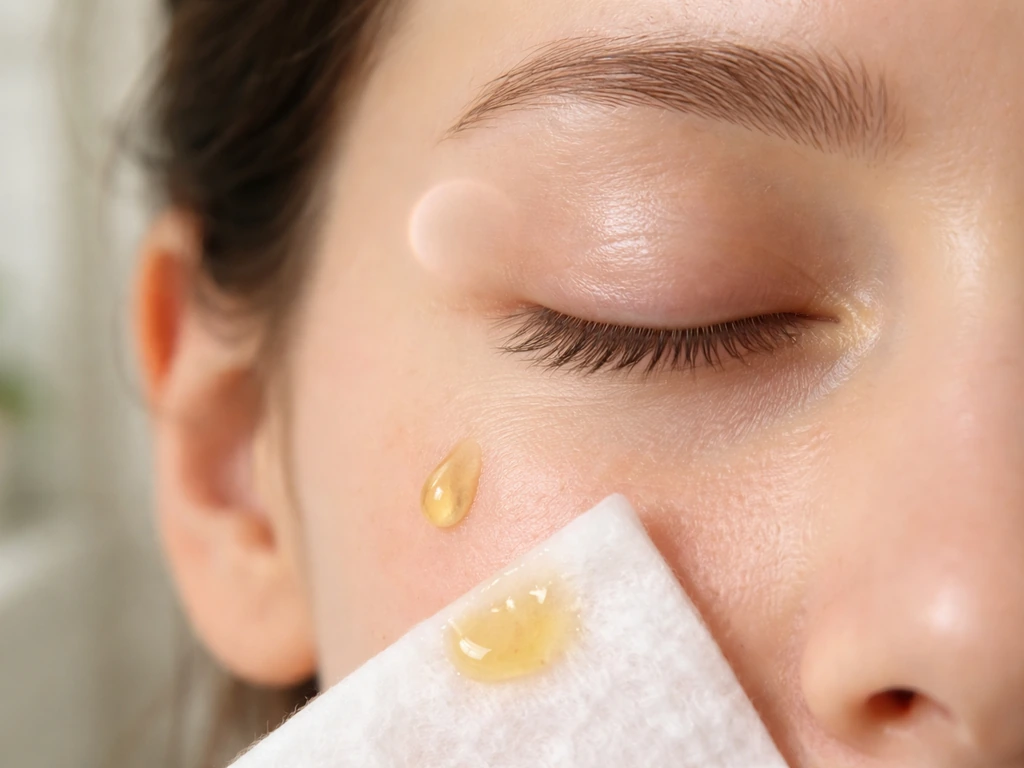
Olive oil near the eyes is not risk-free. It's a food-grade oil, not a sterile ophthalmic preparation, and the eyelid margin is one of the most sensitive areas on your face. Here's what can go wrong:
- Eye irritation and blurry vision: If oil migrates into the eye, it can temporarily blur vision and cause discomfort. This is usually self-resolving with blinking and eye rinse, but it's unpleasant and avoidable with careful application technique.
- Allergic contact dermatitis: Olive oil allergy is uncommon but real. Oleocanthal and other phenolic compounds in EVOO can occasionally trigger a reaction in sensitive individuals. This is why patch testing matters, especially if you have sensitive or eczema-prone skin.
- Follicular occlusion and styes: Applying any oil directly to the lash line can clog the meibomian glands or hair follicles, potentially triggering styes (hordeola) or chalazia. People who are already prone to these should be especially cautious.
- Microbial contamination: Non-sterile oil applied repeatedly near the eye with a reused applicator is a contamination risk. Even a small bacterial or fungal contamination in your oil or on your spoolie can cause infection. This is not hypothetical: contaminated ophthalmic preparations can cause serious infections and, in severe cases, vision damage.
- Rancidity irritation: Oxidized olive oil contains compounds that can irritate the eyelid skin and margin. Using fresh oil from a properly sealed bottle is not optional, it's essential.
- Interaction with extensions or lash glue: If you currently have lash extensions, applying any oil near the lash line can degrade the adhesive bond and cause premature shedding of extensions. Many aftercare guides for extensions specifically warn against oil in the eye area for this reason.
Stop using olive oil on your lashes and see a doctor if you develop redness, swelling, persistent itching, a stye, unusual discharge from the eye, or any change in your vision after application. Don't wait it out. The FDA advises against using any eye-area cosmetic if you have an active eye infection or inflamed skin around the eye, and that includes pausing olive oil use if anything looks off.
When olive oil isn't enough: what to try next
If you've done 8 weeks of consistent olive oil application and your lashes still aren't where you want them, it's worth stepping up to options with stronger evidence. Castor oil is a popular next step in the natural oil category and shares some conditioning properties, though it also lacks robust clinical growth evidence. Jojoba oil is another option worth considering, as it closely mimics the skin's natural sebum and tends to be well tolerated near the lash line. Unlike olive oil, does jojoba oil grow eyelashes or just condition them, and what timeline should you expect? Shea butter and other occlusive options are better for conditioning the surrounding skin than the lashes themselves. Shea butter is mainly an occlusive that helps condition the skin around your lashes rather than stimulating new lash growth.
If you want something with actual clinical backing for eyelash growth, blank" rel="noopener noreferrer">bimatoprost (Latisse) is the only FDA-approved treatment for eyelash hypotrichosis (inadequate lashes). It works by blank" rel="noopener noreferrer">extending the anagen phase and has demonstrated increases in length, thickness, and darkness. It requires a prescription, is applied to the upper eyelid margin nightly, and comes with its own side effect profile to discuss with a prescriber. Importantly, results are not permanent: lashes return to their pre-treatment state after discontinuation, which tells you something useful about how ongoing any lash-growth maintenance needs to be.
Biotin supplementation is frequently mentioned alongside lash growth, though evidence for it specifically improving lashes is weak unless you have a documented biotin deficiency. It's worth addressing nutritional deficiencies through diet and targeted supplementation if bloodwork suggests that's a factor, but taking biotin as a general growth booster without a deficiency is unlikely to produce visible lash changes.
The bottom line: olive oil is a reasonable, low-risk first step if your goal is conditioning and breakage reduction, and you approach it with realistic expectations and clean technique. If you're also wondering whether mustard oil can do the same thing, the evidence for lash growth is limited does mustard oil grow eyelashes. It's not a growth serum, and treating it like one will lead to disappointment. Start with the routine above, give it 6 to 8 weeks, and reassess honestly. If the answer is still no visible improvement, move on to something with stronger evidence rather than extending an ineffective experiment.
FAQ
How should I apply olive oil to avoid it getting into my eyes?
Use a tiny amount with a clean cotton swab or micro-brush, apply only to the lash shafts near the base of lashes (upper outer lid area if that is where you apply), and avoid the waterline. Apply before bed with dry lashes, then blot any excess on the skin right under the lashes, if it spreads.
Is extra-virgin olive oil the only safe choice, or can I use “light” or blended olive oils?
Stick with cold-pressed extra-virgin olive oil if you try it at all. “Light” or blended olive oils are often more processed, with less of the protective polyphenols, and they may still oxidize in storage. If you would not eat it because it smells off, do not use it near your eyes.
What if I already wear waterproof mascara or lash serums, can I use olive oil on top?
Best to pause other lash-line treatments while you run your olive oil trial, especially any serums with active ingredients (like peptides or prostaglandin analogs). Occlusive oils can make it harder to remove mascara, raising friction and irritation risk. If you keep using mascara, remove it gently and avoid rubbing the lash line.
Can olive oil make my lashes look thicker immediately?
It can sometimes look a bit darker or more “coated” right away because conditioning reduces surface dryness, but true length increase should not appear overnight. Any fast change is more about hydration and less breakage than new hairs coming in.
How long should I use olive oil if I’m using it mainly to stop lash shedding from breakage?
Give it 6 to 8 weeks to evaluate, even for shedding from breakage. Lash replacement cycles mean improvements in breakage survival and visible density take weeks, not days. If you see irritation at any point, stop instead of pushing through.
If my lashes fall out from extensions, when should I expect regrowth?
If the follicles are intact, early improvement can show within about 4 to 8 weeks as older hairs shed and new ones emerge, but a more noticeable full set can take longer. Olive oil may help protect the shafts as they regrow, but it will not speed follicle recovery from traction or adhesive inflammation.
Is it safe to use olive oil if I have sensitive eyes or blepharitis?
Use extra caution. Oils are not sterile ophthalmic products, and the eyelid margin is very reactive. If you have recurring blepharitis, eczema around the eyes, or frequent styes, skip olive oil and talk with an eye care clinician about safer, evidence-based options.
What side effects mean I should stop and not restart?
Stop immediately if you get persistent redness, swelling, worsening itching, a stye, new unusual eye discharge, or any change in vision (including blur). Restarting after irritation often leads to a repeat reaction, so you should switch approaches and get checked if symptoms persist.
Can olive oil worsen darkening or pigmentation around the eyes?
It can potentially contribute to irritation-related discoloration if it migrates onto sensitive skin or if you develop mild contact dermatitis. To reduce risk, avoid the skin crease and eyelid margin where irritation is more likely, and use less rather than more.
Does olive oil help if my lashes are sparse due to thyroid issues or autoimmune causes?
Usually no. When lash loss is driven by systemic disease or follicle impairment, conditioning oils cannot correct the underlying cycle disruption. If your lashes have been sparse for more than 3 months without a clear mechanical cause, it is important to get an evaluation.
If olive oil does not work, what is the safest next step?
First confirm the reason you are losing lashes (breakage versus temporary shedding versus follicle impairment). For breakage or conditioning goals, switch to another gentle conditioner like jojoba rather than increasing oil frequency. For true growth evidence, discuss prescription bimatoprost with a clinician, since it has a defined regimen and side effect profile.
Next Article
Does Lavender Oil Make Your Eyelashes Grow? What to Know
Find out if lavender oil truly grows lashes versus conditioning, plus safe dilution steps, risks, and realistic timeline