
Aquaphor will not make your eyelashes grow. For example, does paw paw cream make your eyelashes grow? The short answer is that it does not have credible evidence for stimulating lash growth. It has no ingredient capable of stimulating your lash follicles, shifting hairs into the anagen (growth) phase, or increasing lash length or density in any clinically meaningful way. What it can do is act as an occlusive barrier that locks moisture into the lash shaft, which may reduce brittleness and make lashes look slightly shinier and less prone to snapping off. That is conditioning, not growth, and the difference matters a lot when you are trying to actually recover or lengthen your lashes.
Does Aquaphor Make Your Eyelashes Grow? What to Expect
Rachel Nguyen
24 Apr 2026
How eyelash growth actually works
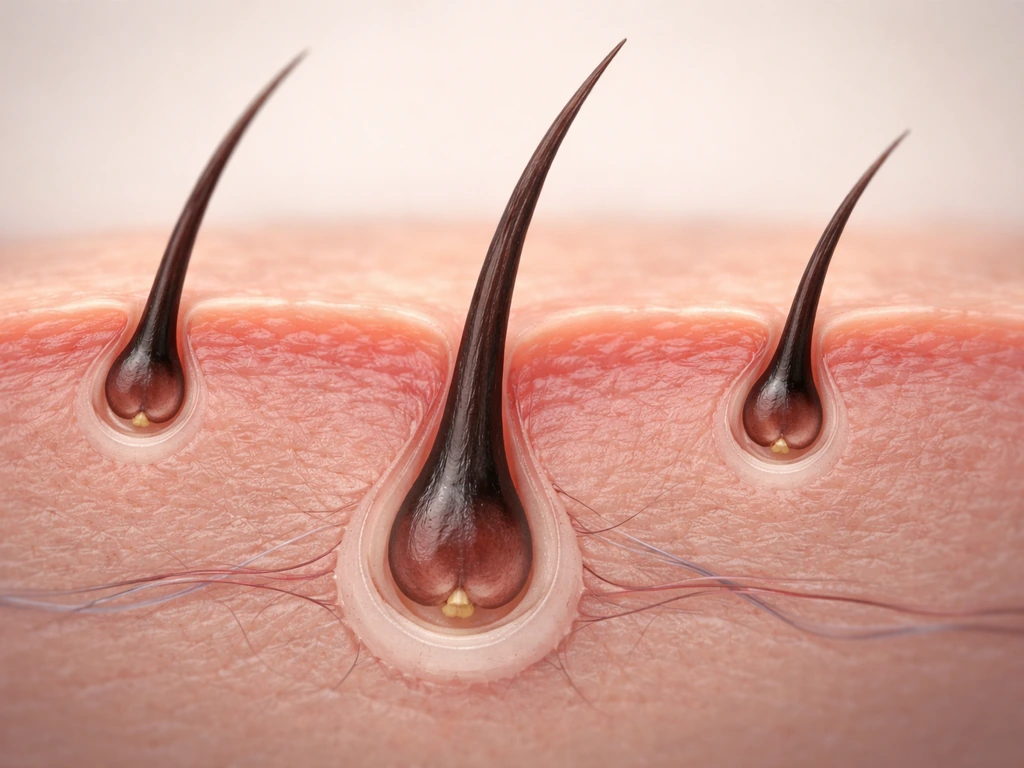
Each eyelash grows from a follicle embedded in your eyelid. Inside that follicle is a dermal papilla and a lash bulb, and those structures are responsible for producing the hair shaft itself. Growth does not happen at the tip of the lash. It happens at the root, driven by cellular activity inside the follicle. That is worth understanding because it means anything you apply to the surface of an existing lash is not reaching the place where actual growth originates. That is why products are unlikely to help if they only coat the surface, as with does kajal make eyelashes grow claims, because growth originates at the follicle root.
Lashes cycle through three phases: anagen (active growth), catagen (degradation and transition, lasting roughly 2 to 3 weeks), and telogen (resting and shedding). After telogen, the follicle restarts and a new hair grows in. The full replacement cycle takes about 4 to 8 weeks. Whether your lashes grow in thick and fast depends heavily on whether your follicles are healthy, intact, and actively cycling. Damaged or inflamed follicles produce thinner, slower-growing, or no lashes at all. This is why the root cause of lash loss matters so much before you reach for any topical product.
Why people think Aquaphor helps lashes grow
The logic makes a certain surface-level sense. Aquaphor is thick, it coats the lashes, and after a few weeks of nightly use, lashes can look healthier and feel less brittle. Some people interpret that visual improvement as growth. But what is actually happening is that the petrolatum (41% of Aquaphor's formula) is forming an occlusive seal over the lash shaft, reducing moisture loss and physical damage from rubbing and environmental exposure.
Panthenol, glycerin, and bisabolol (all present in Aquaphor) add to the softening and soothing effect. None of those ingredients have any known mechanism for activating follicle growth cycles. The improvement in appearance is real, but it comes from reducing breakage and dryness, not from growing new lashes. Medical News Today and Healthline both note the same thing about petroleum jelly in general: conditioning benefits, no credible evidence of follicle stimulation.
Is it actually safe to put Aquaphor on your eyelashes?
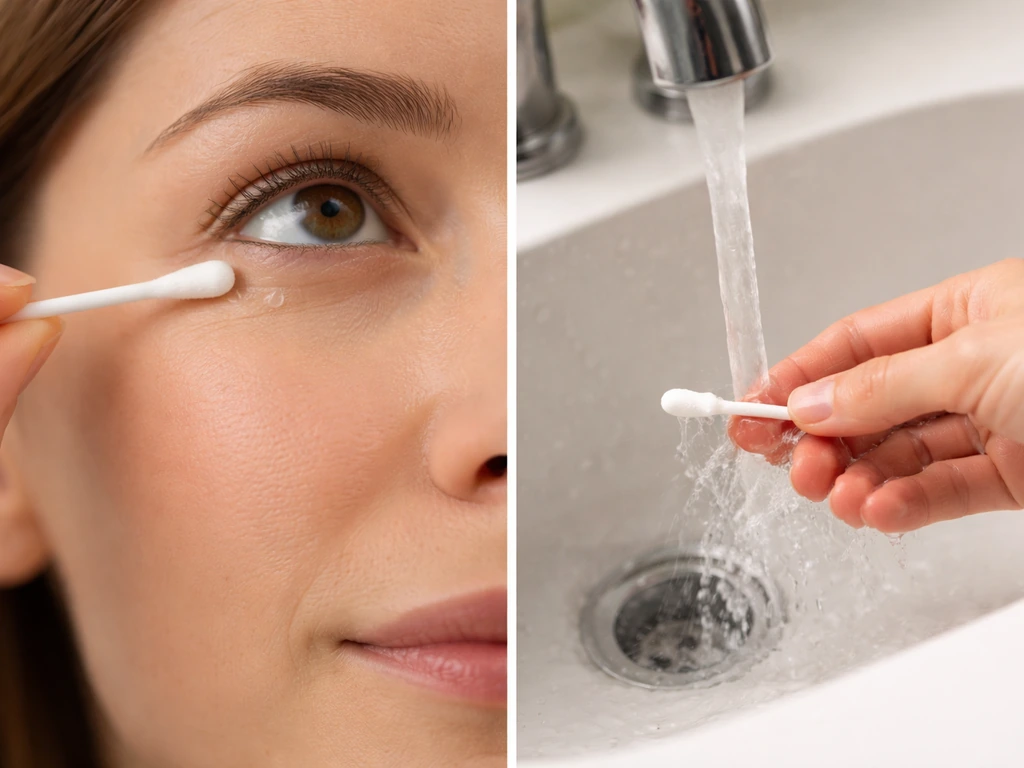
This is where you need to be careful. Aquaphor's own drug label includes a specific instruction to avoid contact with eyes, and if contact occurs, to rinse thoroughly with water. It is labeled as a skin protectant for external topical use, not as an ophthalmic product. The DailyMed label for Aquaphor Healing (petrolatum ointment) provides the product labeling text and ingredient list for this OTC skin protectant formulation Aquaphor Healing is labeled as a skin protectant for external topical use. Applying it along the lash line puts it very close to the eye, and there are a few real risks worth knowing about.
- Eye irritation: If Aquaphor migrates into the eye (which a thick occlusive product absolutely can do during sleep), it can blur vision and irritate the conjunctiva.
- Meibomian gland blockage: Your eyelid has oil glands (meibomian glands) that drain along the lid margin near the lash base. Heavy occlusive products applied in that zone can contribute to gland obstruction, which is associated with eyelid inflammation and stye formation. Styes are bacterial infections of the eyelid oil glands; chalazia are blocked meibomian glands that become inflamed.
- Allergic contact dermatitis: Aquaphor contains lanolin alcohol, a lanolin-derived ingredient. Lanolin is a well-documented contact allergen, particularly for the thin, sensitive skin of the eyelid. Periorbital allergic contact dermatitis is a real clinical entity, and the eyelid area is especially reactive to potential sensitizers.
- Infection risk: Applying any occlusive product near the lash follicles with unclean fingers or reusing an applicator introduces bacteria to a sensitive area. Folliculitis or styes can follow.
If you still want to try it: do a patch test on the inner arm first and wait 48 hours. Apply only to the mid-to-tip portion of the lash shaft (not the lash line or lid margin) with a clean disposable wand, not your fingers. Never apply before bed if you tend to rub your eyes at night. Stop immediately if you experience itching, redness, swelling, or any eye discomfort. These are signs of either contact dermatitis or an early stye, and continuing would make both worse.
What actually works for lash growth and thickening
If you want genuine lash growth, you need something that acts on the follicle itself, not just the existing shaft. Here is how the main options compare:
| Option | Mechanism | Evidence level | Key trade-offs |
|---|---|---|---|
| Bimatoprost (Latisse) | Prostaglandin analog; extends anagen phase, increases pigmentation and thickness | Strongest: FDA-approved, RCT data (78.1% of users showed measurable improvement at 16 weeks vs 18.4% for placebo) | Prescription required; risks include iris pigmentation change (potentially irreversible), deepening of eyelid sulcus, periorbital fat atrophy, stye, dry eye |
| OTC lash serums (peptide/growth factor type) | Conditioning, keratin-plumping, some peptide signaling; limited anagen extension | Moderate: some open-label clinical studies exist, but no RCT data comparable to prostaglandin analogs | Slower, less dramatic results; safer risk profile; no prescription needed |
| Castor oil | Occlusive + ricinoleic acid; mostly conditioning/reduced breakage | Weak: no specific clinical trials confirming true eyelash growth | Low risk, low cost, but realistic expectation is shinier/less brittle lashes rather than new growth |
| Aquaphor / petroleum jelly | Purely occlusive; moisture retention, reduced mechanical breakage | Weakest: no evidence of follicle stimulation; expert consensus is conditioning only | Near-eye safety concerns; lanolin alcohol allergen risk |
| Biotin (oral or topical) | Supports keratin production systemically; topical biotin lacks strong direct evidence | Limited: useful if you have a true biotin deficiency; otherwise marginal effect on lash growth | Oral supplementation is low risk but unlikely to produce dramatic results without underlying deficiency |
The honest ranking: if you want the most reliable growth outcome and can see a dermatologist or ophthalmologist, bimatoprost (Latisse) is in a different league than everything else. But it comes with real side effects that require monitoring. If you prefer a lower-risk OTC route, a peptide-based lash serum applied correctly at the lash base is a more plausible choice than castor oil or Aquaphor, even though the evidence is still not at the RCT level.
Castor oil sits in a similar position to Aquaphor, providing conditioning and some breakage reduction without any proven follicle-stimulating effect. It is worth noting that similar occlusive or conditioning products (like Chapstick, <a data-article-id="35F3ADE8-DB5E-4303-8902-E8E9E5AEFF14">lip balm, Carmex</a>, or paw paw cream) often come up in the same conversations about lash growth and face the same fundamental limitation: none of them contain ingredients that act on the lash follicle itself.
Lip balm can similarly moisturize and condition lashes, but it still does not contain ingredients that truly stimulate eyelash follicles to grow new lashes. Lip balms can help lashes look nicer by improving moisture and reducing breakage, but they do not have proven ingredients that grow new eyelashes.
Supporting lash recovery and stopping the damage cycle
If your lashes are damaged from extensions, a lash lift, or excessive rubbing, the most important thing right now is protecting the follicles you have and letting the natural growth cycle do its work. The 4 to 8 week regrowth timeline is your baseline, and that only holds if you stop adding new damage.
After extensions or a lash lift
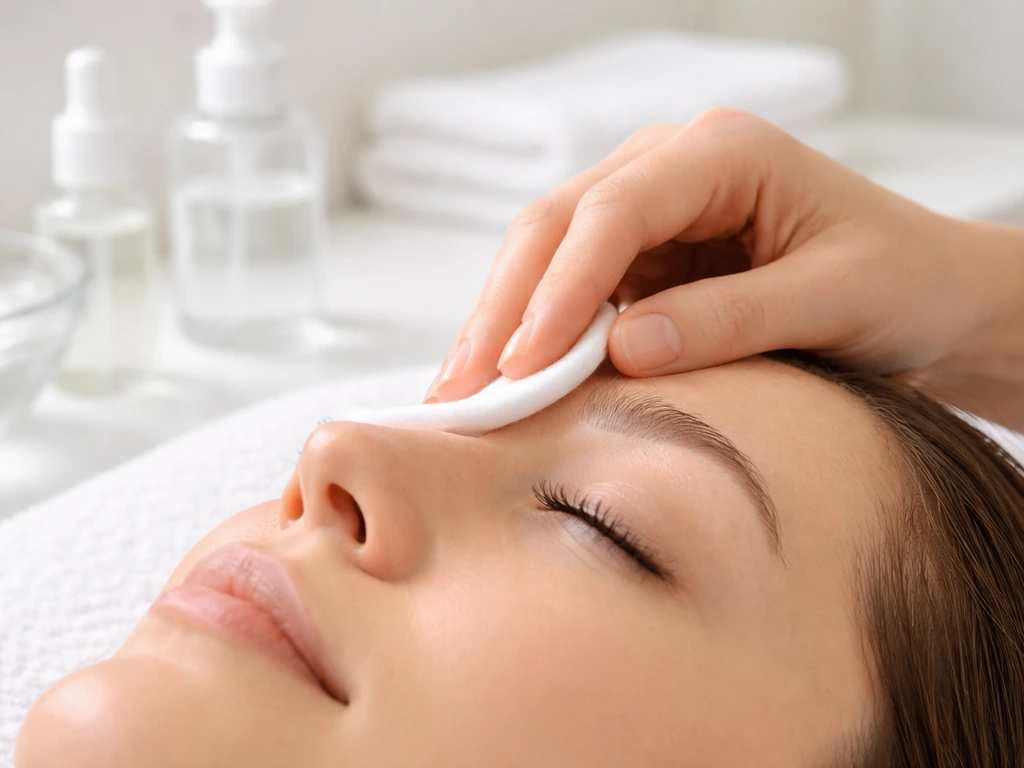
Avoid oil-based products at the lash line entirely. Oils (including castor oil and Aquaphor) can weaken lash extension adhesive and increase shedding. Use a gentle, oil-free cleanser for the lash area, apply it softly with a clean brush, and rinse thoroughly. Do not rub or scrub. After a lash lift, most studios advise avoiding all serums, oils, creams, and cleansers near the lash line for the first 24 to 48 hours to protect the lift result and avoid irritation.
After general lash damage or thinning
The priority is reducing mechanical stress. Stop using a lash curler aggressively, switch to a gentle mascara (not waterproof, which requires heavy removal), and remove makeup with a soft oil-free remover applied with minimal pressure. If you sleep on your face, a silk pillowcase genuinely does reduce friction on lashes and brows overnight. Eyelid hygiene matters too: if your lids feel crusty or irritated in the mornings, that could be low-grade blepharitis, which can affect lash follicle health.
StatPearls notes that meibomian gland disease and related margin oil-gland dysfunction are part of a broader clinical picture involving eyelid inflammation and eyelid and eye-surface issues, which is why [eyelid hygiene](https://www. ncbi. nlm. nih.
gov/sites/books/n/statpearls/article-143508/) can matter for lash and follicle health. A warm compress for 5 minutes each morning followed by gentle lid cleaning with a diluted baby shampoo or dedicated lid wipe can make a real difference.
Your plan starting today
- Stop applying Aquaphor to your lash line. If you have been doing it and have any redness, itching, or swelling on the eyelid, stop immediately and let the area recover for at least a week before introducing anything new.
- Audit what is actually damaging your lashes. Extensions, aggressive curling, waterproof mascara, and rubbing your eyes are the most common culprits. Remove one variable at a time.
- Switch to a gentle oil-free eye makeup remover applied with light downward strokes (no scrubbing) every evening.
- If you want a conditioning effect on the lash shaft without the safety concerns of Aquaphor near the lid margin, a properly formulated OTC lash serum or peptide serum applied at the base of the lash is a safer starting point.
- Give any new routine at least 6 to 8 weeks before judging results. That is one full lash growth cycle.
- If you want genuine growth (not just less breakage), make an appointment with a dermatologist to discuss bimatoprost. Bring up any history of eye pressure issues or glaucoma because prostaglandin analogs affect intraocular pressure.
- Keep your eyelids clean. A 5-minute warm compress plus gentle lid scrub in the morning reduces follicle inflammation and supports a healthy growth environment.
When to see a clinician, not just try another product
Some lash loss is not about conditioning at all, and no topical product will fix it. See a dermatologist or ophthalmologist if any of the following apply to you:
- You have been losing lashes steadily for more than 6 to 8 weeks with no obvious mechanical cause (such as extensions or rubbing). Persistent lash loss, called madarosis, can signal autoimmune conditions, thyroid dysfunction, scarring alopecias, or other systemic issues that need diagnosis before treatment.
- Your eyelids are consistently red, swollen, flaking, or crusting. That is blepharitis until proven otherwise, and it needs targeted treatment, not a conditioning balm.
- You have developed a painful bump on your eyelid after using any product near the lash line. That is likely a stye (infected gland) and may need antibiotic treatment.
- You have eyelid itching and rash that appeared after starting a new topical product. Allergic contact dermatitis to eyelid skin requires identifying and removing the trigger, and sometimes a short course of topical steroid under medical supervision.
- Lashes are growing in abnormal directions (trichiasis), which can scratch the cornea and is a clinical issue requiring an eye doctor.
The bottom line: Aquaphor is a fine skin protectant for cracked heels and dry knuckles. As a lash growth solution, it falls well short of what it is being asked to do, and it carries real risks when applied near the eye. Conditioning your existing lashes to reduce breakage is worthwhile, but it is not the same as growing new ones. Conditioning your existing lashes to reduce breakage is worthwhile, but it is not the same as does massaging your lips make them grow. If fuller lashes are your goal, the path there runs through follicle biology, not petroleum jelly.
FAQ
If Aquaphor does not grow lashes, how will I know whether it is helping?
Look for changes in breakage and feel, not length. If lashes snap less, look glossier, and lie flatter over 2 to 4 weeks, that is consistent with conditioning. If you are seeing true new length or density, that likely is not from Aquaphor’s mechanism.
Can I apply Aquaphor along the lash line to get better results?
Avoid placing it directly on the lash line or lid margin. It is labeled for external skin use and can increase the risk of irritation, stye-like inflammation, or contact dermatitis when it migrates toward the eye.
How long should I try Aquaphor before deciding it is not working for me?
If you are only aiming for conditioning, give it a short, cautious trial (for example, 2 to 3 weeks) while monitoring for irritation. If there is no noticeable reduction in dryness or snapping, there is little reason to continue, especially given the eye-risk near the lashes.
Is it okay to use Aquaphor if I wear contact lenses?
Be extra careful. Even if the product is on the lash shaft, it can migrate when you blink or rub your eyes. If you have any history of eye irritation, styes, or intolerance, skip it and choose an ophthalmologist-friendly lash conditioner instead.
What should I do if Aquaphor gets into my eye?
Rinse thoroughly with clean water immediately. Then stop use and do not reapply until symptoms fully settle. Persistent redness, pain, light sensitivity, or blurred vision is a reason to contact an eye professional the same day.
Will Aquaphor ruin lash extensions or affect a lash lift?
It can. Oils and occlusive products at the lash line can weaken lash extension adhesive and contribute to shedding. After a lash lift, many studios advise avoiding serums, creams, and cleansers near the lash line for 24 to 48 hours to protect the result and reduce irritation.
Can Aquaphor cause a stye or make one worse?
Yes, it can. If you notice tenderness, a localized bump, swelling, or increasing redness after using it, stop immediately. Those signs can represent an early stye or dermatitis, and continuing application may prolong inflammation.
Is there a safer alternative to Aquaphor for moisturizing lashes?
If your main goal is less dryness and breakage, consider a dedicated lash-safe moisturizer that is formulated for the eye area and used on the lash shaft, not the lid margin. Avoid thick petroleum layers right at the lash line if you are prone to irritation.
Does castor oil work like Aquaphor, or is it better?
Castor oil is also mainly conditioning. Like Aquaphor, it does not have a proven method for activating lash follicle growth. The key difference is that oils can be problematic for lash adhesives, so extensions users should avoid both.
If my lashes are thinning, what should I check before trying any topical product?
First identify triggers that can affect follicles, such as blepharitis or chronic lid irritation, recent eye infections, aggressive lash growth routines, or extension or lift-related damage. If shedding is sudden, patchy, or accompanied by redness and crusting, seek dermatology or ophthalmology rather than experimenting with products.
Next Article
Does Mustard Oil Grow Eyelashes? Safety and What Works
Find out if mustard oil grows eyelashes, risks to eyelids, and safer options with realistic timelines and when to see a
