
No mascara can biologically grow eyelashes on its own. That requires either a prescription prostaglandin analog like bimatoprost (Latisse) or consistent use of proven conditioning actives over weeks. What a well-formulated mascara can do is condition lashes while you wear it, reduce breakage over time, and make lashes look dramatically longer and fuller today, which is genuinely useful when you're in a recovery phase or just want healthier-looking lashes without waiting months. The mascaras worth buying for this purpose are ones that combine cosmetic performance with real nourishing ingredients: peptides, biotin, panthenol, castor oil, or conditioning polymers that protect the lash shaft rather than just coat it.
Best Mascara to Grow Eyelashes: Drugstore Picks & Tips
Rachel Nguyen
24 Apr 2026
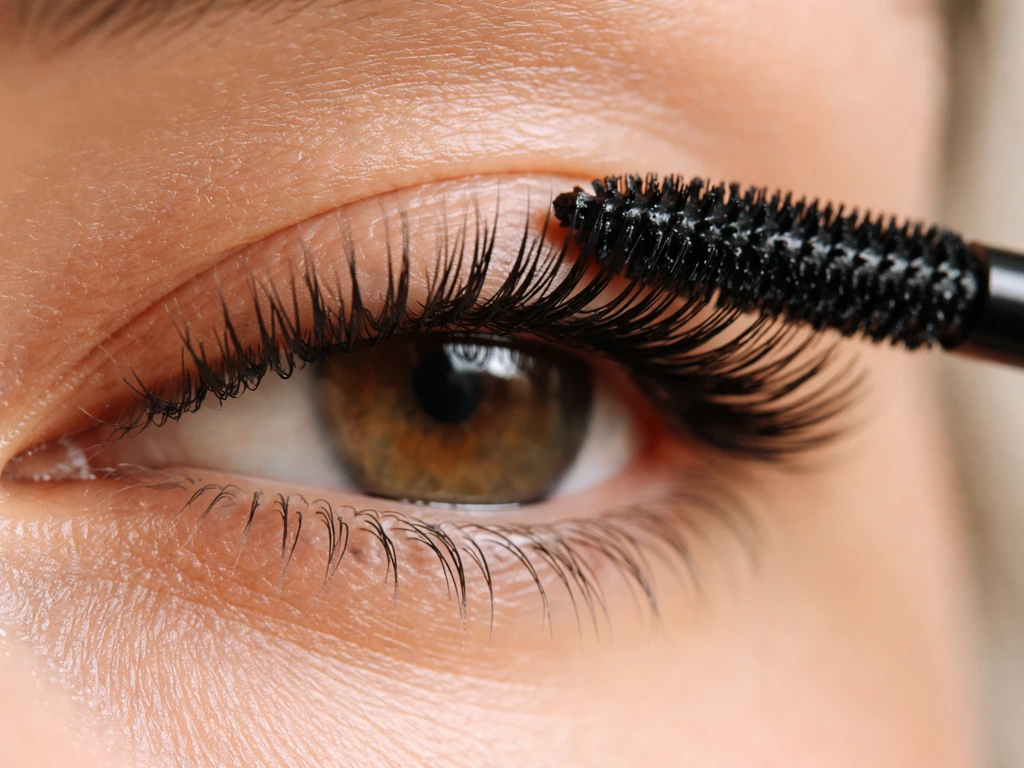
What mascara can (and can't) do for real lash growth
Let's be direct about the biology. Eyelash growth happens at the follicle, a structure sitting below the skin along your lash line. A mascara formula sits on the lash shaft above the skin and never reaches the follicle, so it has no mechanism to stimulate the anagen (active growth) phase or extend the telogen (resting) phase the way a prostaglandin analog drug does. Latisse, for example, works by binding to receptors in the follicle and is FDA-approved to increase lash length, thickness, and darkness. A mascara ingredient cannot replicate that mechanism.
What mascaras can do is meaningful, though. If you're wondering, can mascara help eyelashes grow, the answer is generally no for true regrowth, but yes for helping lashes look fuller and stay healthier by reducing breakage What mascaras can do is meaningful. Research published in PMC found a significant association between long-term mascara use and eyelash loss, with vigorous removal being a key culprit. Flip that finding around and it tells you something useful: if bad mascara habits cause lash loss, then better mascara choices and gentler habits can prevent that loss, which effectively supports the lash density you already have. StatPearls also notes that mascara overuse can cause cuticle cracking and milphosis (eyelash loss), again pointing to the importance of formula and removal rather than the mascara being inherently harmful. Protecting existing lashes is a real growth-support strategy, even if it's not the same as regrowing them from zero.
So when you see a mascara marketed as a "lash growth" product, what you're actually buying is one of two things: a conditioning mascara that nourishes and strengthens lashes to reduce breakage and shedding, or a mascara that contains a serum-like formula with low concentrations of actives that may support follicle health over time with consistent use. Both categories are worth considering, but they're different from clinical regrowth. The expectation to manage is this: a good mascara makes lashes look better immediately and can help them stay healthier with consistent use over 6 to 12 weeks. It will not add lashes you don't have.
What to look for in a growth-support mascara
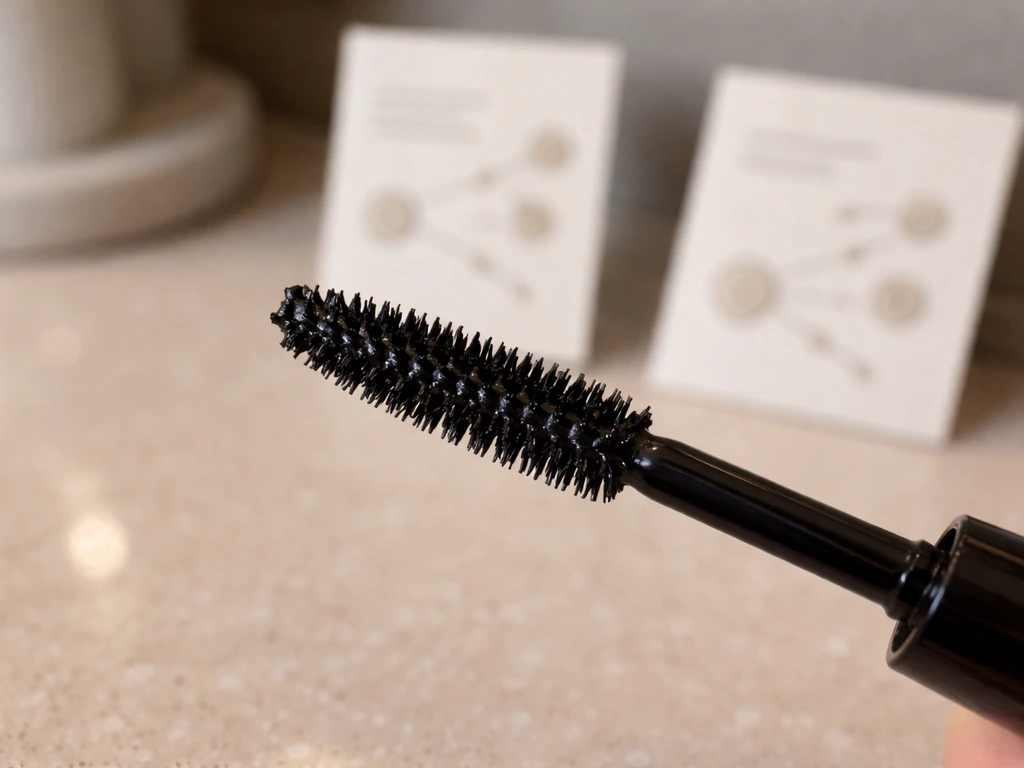
The ingredient list is where you separate a conditioning mascara from a purely cosmetic one. Here are the key actives and what they actually do for lash health.
| Ingredient | What it does | Where to find it |
|---|---|---|
| Biotin (Vitamin B7) | Supports keratin infrastructure; weak topical evidence but widely used in lash-growth mascaras | Grande Lash MD Conditioning Mascara, various drugstore options |
| Panthenol (Pro-Vitamin B5) | Penetrates the lash shaft, adds moisture and flexibility, reduces brittleness and breakage | Many conditioning mascaras; look for it in the top half of the INCI list |
| Peptides (e.g., acetyl tetrapeptide-3, biotinoyl tripeptide-1) | Signal keratin production and may support follicle health; more evidence than biotin alone | Higher-end growth mascaras; Thrive Causemetics, some prestige lines |
| Castor oil (ricinoleic acid) | Coats and conditions the lash shaft; improves flexibility and shine; reduces physical breakage | Burt's Bees, some L'Oreal formulas; easy to find at drugstore price |
| Conditioning polymers (e.g., PVP, hydroxyethylcellulose) | Form a flexible film over the lash that protects against breakage from environmental damage | Most tubing mascaras use film-forming polymers as their base |
| Argan oil / jojoba oil | Lightweight emollients that soften and protect; reduce friction during removal | Increasingly common in drugstore and mid-range mascaras |
Beyond individual ingredients, the formula type matters a lot. Tubing mascaras, which wrap each lash in a flexible polymer tube rather than coating them in wax, are a significant upgrade for lash health. Healthline describes tubing mascara as creating small “tubes” around each lash and notes it’s marketed for easier removal, which may reduce reliance on harsher removers or eye rubbing. They remove with warm water without any rubbing, which is exactly what the research on mascara-related lash loss points to as the key damage mechanism to avoid. If your lashes are brittle, recovering from extensions, or you've noticed more shedding than usual, a tubing formula is one of the most practical swaps you can make. It won't grow lashes, but it can meaningfully reduce the breakage that makes sparse lashes worse.
Avoid formulas that are overly waterproof if you're using them daily. Waterproof mascaras require an oil-based or solvent-based remover, and the mechanical rubbing that goes with it is a documented cause of lash loss. Reserve waterproof formulas for occasions, not everyday wear, especially if your lashes are already compromised.
How to choose the right option for your specific situation
Not everyone is shopping for a growth mascara for the same reason. The right pick depends on what's actually going on with your lashes right now.
Recovering from extensions or damage
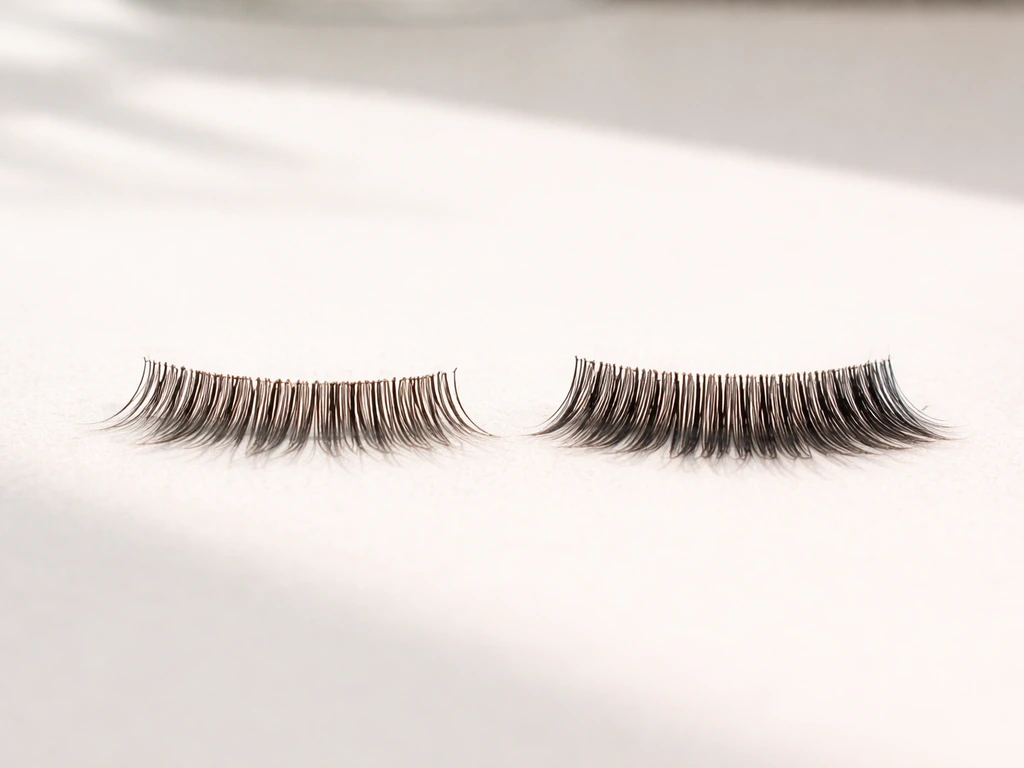
This is when lash health is the genuine priority, not just appearance. After extensions, your natural lashes can be thinner, shorter, and more prone to breakage. Look for a tubing formula with panthenol and a conditioning oil (castor or argan) high on the ingredient list. Avoid anything with strong plasticizers or thick film formers that could stress lashes further. Elf Lash N Curl and Nyx Professional Makeup Fat Oil Mascara are two current drugstore options in 2026 that combine tubing-style or conditioning-focused formulas at under $12.
Noticeable shedding or sparse lashes
If you're seeing more lashes on your pillow or cheeks than usual, the mascara itself is not the fix, but choosing the right one prevents making it worse. Go for a growth-serum hybrid mascara, such as Grande Cosmetics GrandeMASCARA or the Thrive Causemetics Liquid Lash Extensions Mascara, which layer conditioning actives alongside the cosmetic formula. These are worth the higher price point when shedding is active because they reduce the damage-per-wear. Pair this with a non-mascara lash serum used at night; the mascara supports daytime appearance and the serum addresses the actual follicle.
Sensitive eyes or contact lens wearers
The FDA advises stopping any eye cosmetic immediately if irritation develops, and that's especially important for contact lens wearers since mascara flaking into the eye is a real risk. The FDA also advises stopping any eye cosmetic immediately if irritation develops and taking care with products used near the eye stop any eye cosmetic immediately if irritation develops. Look for ophthalmologist-tested formulas with minimal fragrance and no added prostaglandin analogs (some OTC "lash growth" products have added these, and they carry a real side-effect profile including eye color change and periorbital fat atrophy). CoverGirl Lash Serum Mascara and Maybelline Sky High Mascara both have straightforward formulas without those concerns, though Sky High is primarily a cosmetic performer rather than a conditioning one.
Just want fuller-looking lashes with some conditioning benefit
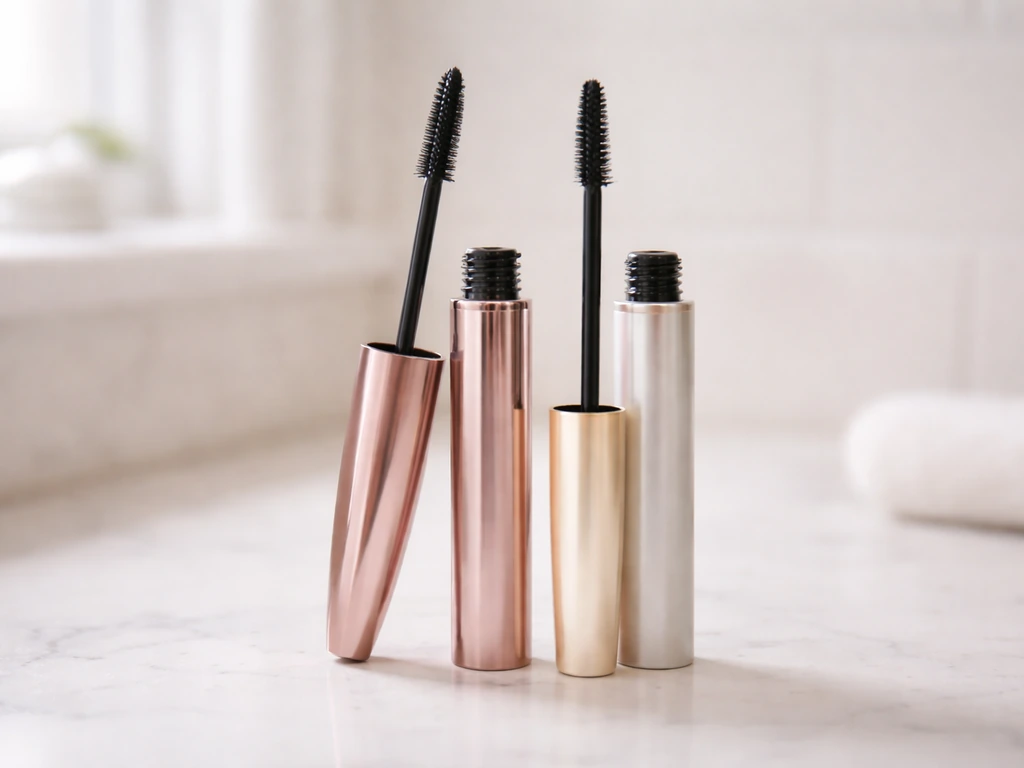
If your lashes are basically healthy and you want a mascara that does double duty, the Rimmel London Wonder'Extension Mascara and L'Oreal Lash Serum Mascara (called Serum Mascara in the Telescopic line) are accessible drugstore buys that include panthenol or biotin in the formula alongside solid volumizing performance. They won't outperform a dedicated lash serum on the growth front, but for a single-product, everyday option at under $15, they're a reasonable choice.
Best mascara picks and how to compare them at the drugstore
Here's a straightforward comparison of current options worth considering, covering a range of budgets and use cases. These are evaluated on three criteria: conditioning ingredient quality, formula type (tubing vs traditional), and cosmetic performance for the appearance of fuller lashes.
| Mascara | Price range | Formula type | Key growth-support ingredients | Best for |
|---|---|---|---|---|
| Grande Cosmetics GrandeMASCARA | $28-$32 | Serum-hybrid | Peptides, biotin, hyaluronic acid | Shedding, sparse lashes, recovery |
| Thrive Causemetics Liquid Lash Extensions | $24 | Tubing | Peptides, conditioning polymers | Extensions recovery, sensitive eyes |
| L'Oreal Telescopic Serum Mascara | $12-$14 | Traditional + conditioning | Biotin, panthenol, conditioning agents | Everyday conditioning, budget pick |
| Elf Lash N Curl | $10-$12 | Tubing-style | Conditioning polymers, gentle formula | Damage recovery, lash breakage |
| Maybelline Sky High Mascara | $9-$11 | Traditional film | Bamboo extract, vitamin E | Lengthening appearance, beginners |
| CoverGirl Lash Serum Mascara | $10-$13 | Serum-infused | Biotin, panthenol | Sensitive eyes, conditioning + volume |
A quick note on Maybelline Sky High: it's a hugely popular mascara and it does contain some conditioning ingredients, but its primary design is cosmetic lengthening rather than growth support. If you're specifically asking whether Sky High mascara makes lashes grow, the honest answer is no more than any other mascara, and less than the serum-hybrid options above. It's a great mascara for the look of longer lashes, but not the pick if conditioning is your primary goal. Similarly, Thrive's Liquid Lash Extensions Mascara is marketed heavily around lash health, and while it does use a tubing formula and peptides, it works mainly by protecting lashes from removal damage rather than stimulating growth directly.
When you're standing in the drugstore aisle without this list, here's what to do: flip the tube and scan the ingredients for panthenol, biotin, or a named peptide in the first 10 ingredients. If you see "aqua, beeswax, iron oxides" and nothing else, that's a purely cosmetic formula. If you see panthenol or a conditioning oil in the top half of the list alongside the wax base, that's the conditioning version. Tubing formulas usually say "tubing" or "removes with warm water" on the packaging.
How to apply and remove mascara so it actually supports lash health
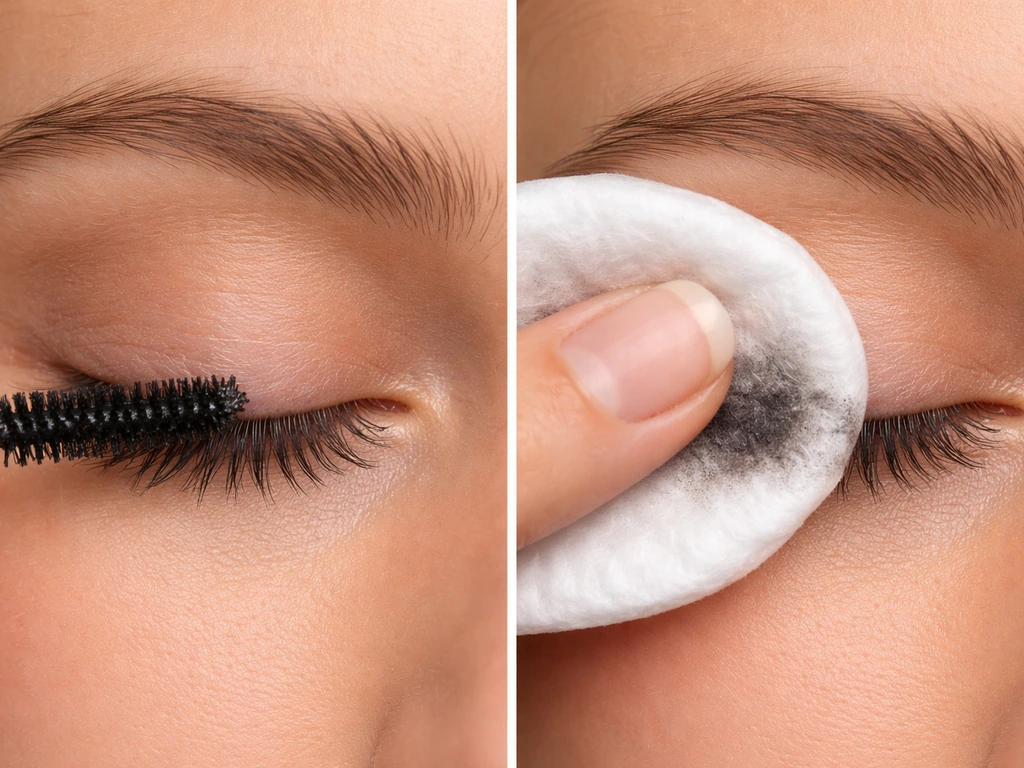
Application technique matters more than most people realize. Here's the method that keeps lashes intact over time.
- Start at the base of the lash line and use a gentle zigzag motion upward. This coats from root to tip without overloading the tips, which is where most breakage happens.
- Apply one to two coats maximum on weekdays. Heavy daily layering increases the weight on lashes and makes removal harder, both of which contribute to loss over time.
- Never pump the wand into the tube. This introduces air, dries the formula faster, and creates clumps that require more pressure during application.
- For tubing mascaras: remove with warm water and light pressure only. Soak a cotton pad, hold it against closed lids for 20 to 30 seconds, then wipe downward without scrubbing. The tubes slide off intact.
- For traditional mascaras: use a dedicated eye makeup remover (micellar water or an oil-based remover) and press the pad against lashes for 20 to 30 seconds before wiping. Never scrub sideways.
- Give lashes one to two mascara-free days per week when possible. This reduces cumulative mechanical stress and gives lashes a rest from the weight of the formula.
- Clean your mascara wand occasionally with a little micellar water. Old product buildup on the wand increases application friction and can introduce bacteria to the lash line.
The removal step is where most lash damage happens, and it's also the easiest thing to fix. Research on mascara-induced milphosis consistently points to mechanical rubbing at removal as a primary cause of eyelash loss. If you've been scrubbing mascara off at the end of the day, switching to the soak-and-press method alone could reduce your shedding noticeably within a few weeks, even before you change which mascara you're using.
Timeline: what to expect and when to change your approach
Here's a realistic breakdown of what happens when you switch to a conditioning mascara and better habits.
| Timeframe | What you'll notice | What's actually happening |
|---|---|---|
| Immediately (Day 1) | Lashes look longer and fuller | Cosmetic coating effect only; no biological change |
| Week 1-2 | Less lash fallout on pillow and cotton pad | Reduced mechanical damage from better removal technique |
| Week 4-6 | Lashes may appear slightly fuller overall | Existing lashes are breaking less, so more of them are reaching full length |
| Week 8-12 | Noticeable improvement in lash density and texture | A full eyelash growth cycle is approximately 4-11 weeks; healthier practices allow more lashes to complete the cycle intact |
| Beyond 12 weeks (no improvement) | Lashes still sparse or shedding continues | May indicate an underlying cause (nutritional deficiency, thyroid issue, alopecia) that mascara cannot address |
The 8 to 12 week mark is the honest window for seeing real-world improvement from conditioning mascaras combined with better habits. This aligns with the natural eyelash growth cycle. If you've been consistent and still see no improvement after 12 weeks, the issue is likely happening at the follicle level and needs a different approach. At that point, you're past what mascara can fix.
It's also worth noting that stopping mascara use entirely is sometimes floated as a way to grow lashes back, and there's a logic to it if your current mascara habits are causing damage. But for most people with healthy removal habits and a conditioning formula, wearing mascara does not meaningfully slow lash growth. The question of whether not wearing mascara helps lashes grow is really a question about whether your specific habits are causing lash loss, and the answer varies by person and practice.
Safety, red flags, and when mascara isn't enough
Most people can use a conditioning mascara daily without issues, but there are scenarios where you need to think beyond the mascara aisle.
- Stop using any mascara immediately if you develop redness, itching, swelling, or irritation around the eyes. The FDA is explicit on this. An allergic reaction or infection can cause significant lash loss on top of the primary symptom.
- Avoid mascaras with added prostaglandin analogs marketed as OTC lash growth products unless you've researched the side effects: documented risks include iris pigmentation changes, periorbital fat loss, and application discomfort. These are drug-level actives that belong in the clinical category, not your everyday makeup bag.
- If you're losing lashes in patches, noticing loss across the entire lash line rapidly, or experiencing lash loss alongside other symptoms (fatigue, hair thinning, dry skin), see a dermatologist. This pattern can indicate thyroid dysfunction, alopecia areata, nutritional deficiencies, or other systemic issues that require medical evaluation, not a better mascara.
- For significant lash loss or recovery from chemotherapy, look into prescription options like Latisse (bimatoprost 0.03%), which has actual clinical evidence for increasing lash length, thickness, and darkness. No mascara ingredient comes close to the evidence base for this.
- If you want to pair a conditioning mascara with a genuine growth booster, a non-prescription lash serum with peptides or a nightly castor oil application is a reasonable at-home strategy. Use the serum at night on bare lashes, and the mascara during the day. This two-step approach addresses both the cosmetic appearance and the follicle-level conditioning simultaneously.
The bottom line is that a growth-support mascara is a useful tool in a broader lash health strategy, not a standalone solution. It earns its place by making lashes look better right now, reducing breakage with consistent use, and buying you time while other approaches (serums, oils, nutritional support, or prescription options if needed) work at the follicle level. Choosing a formula with real conditioning actives, applying it carefully, and removing it gently gets you most of the benefit a mascara can realistically deliver for eyelash growth support.
FAQ
How long should I try a conditioning mascara before deciding it’s not working?
Give it 8 to 12 weeks with consistent, gentle removal. If you see no improvement by then, the problem is likely shedding from the follicle or ongoing damage, not something a stronger mascara formula can fix.
Can I use lash growth mascara if I wear contact lenses?
Be extra cautious. If the formula flakes or irritates, stop immediately and switch to an ophthalmologist-tested, low-fragrance option. Even tiny particles can bother the eye, so avoid formulas that smudge easily.
What’s the safest way to remove mascara to prevent lash loss?
Soak and press is usually gentler than rubbing. Use a remover designed for eye makeup, let it sit briefly, then lift without scrubbing. If you still get shedding, switch to a tubing mascara since it removes with warm water more mechanically controlled.
Is tubing mascara always better for lash health than regular mascara?
Often yes for damage from removal, but not automatically for every lash problem. If your main issue is irritation or sensitivity, you still need a gentle formula, fragrance control, and careful removal. Tubing also may look different (less dramatic smearing/softness) depending on your lashes.
How can I tell if a mascara is truly conditioning vs just marketed as “growth”?
Scan the first 10 ingredients for specific conditioning actives like panthenol, biotin, peptides, or a conditioning oil, not just waxes and pigments. If it’s mostly film formers and colorants, it may look fuller but won’t provide meaningful long-term lash strengthening.
Can I layer mascara on top of previous mascara during the day?
It usually increases dryness and the chance of flaking later, which raises the risk of rubbing at removal. For healthier lashes, apply once, let it set, and avoid reapplying multiple times before you remove it properly at night.
What’s the deal with “waterproof” mascara if I want my lashes to look fuller?
Waterproof formulas typically require harsher removal, which can drive mechanical lash loss. If you wear mascara daily and want growth-support benefits, reserve waterproof for special occasions, and prioritize easy removal or tubing when possible.
Will using lash oil or a serum under mascara help it work better?
It can help the overall strategy by reducing dryness and breakage, but use it carefully. Apply serum/oil at night, let it fully absorb, and avoid getting oils into the lash line where they can interfere with mascara adhesion and increase smudging.
Can a mascara with added prostaglandin analogs be used safely for lash growth?
Proceed with caution. Some OTC products marketed for lash growth may include prostaglandin-like ingredients, which can cause side effects such as eye color changes and periorbital fat atrophy. If you see that ingredient category, discuss with a clinician before use and do not treat mascara-style application as harmless.
If my lashes are shedding more, should I stop mascara completely?
Not necessarily. First check removal habits and switch to gentler formats like tubing or conditioning-focused formulas. Stopping mascara is most relevant if you’re actively irritating your eyes, scrubbing, or experiencing flaking and inflammation, in which case a clinician check is also a good idea.
Can mascara regrow lashes that are gone from extensions or a mistake?
Mascara cannot regrow from zero, but it can protect the lashes you still have and reduce breakage while regrowth happens naturally. Pair a conditioning, extension-friendly mascara with a separate nighttime lash serum or oil routine to support the recovery window.
Next Article
Does Mustard Oil Grow Eyelashes? Safety and What Works
Find out if mustard oil grows eyelashes, risks to eyelids, and safer options with realistic timelines and when to see a
