
The most effective things you can put on your eyelashes to make them grow are a peptide-based lash serum, castor oil, or (with a prescription) bimatoprost solution like LATISSE. Of those, a well-formulated over-the-counter lash serum with peptides and biotin is the safest starting point for most people, followed by cold-pressed castor oil as a budget-friendly option. If you have significant lash loss or thinning, a prescription bimatoprost serum is the only FDA-approved topical treatment proven to increase lash length, fullness, and darkness in clinical trials.
What to Put on Eyelashes to Make Them Grow Safely
Rachel Nguyen
28 Apr 2026
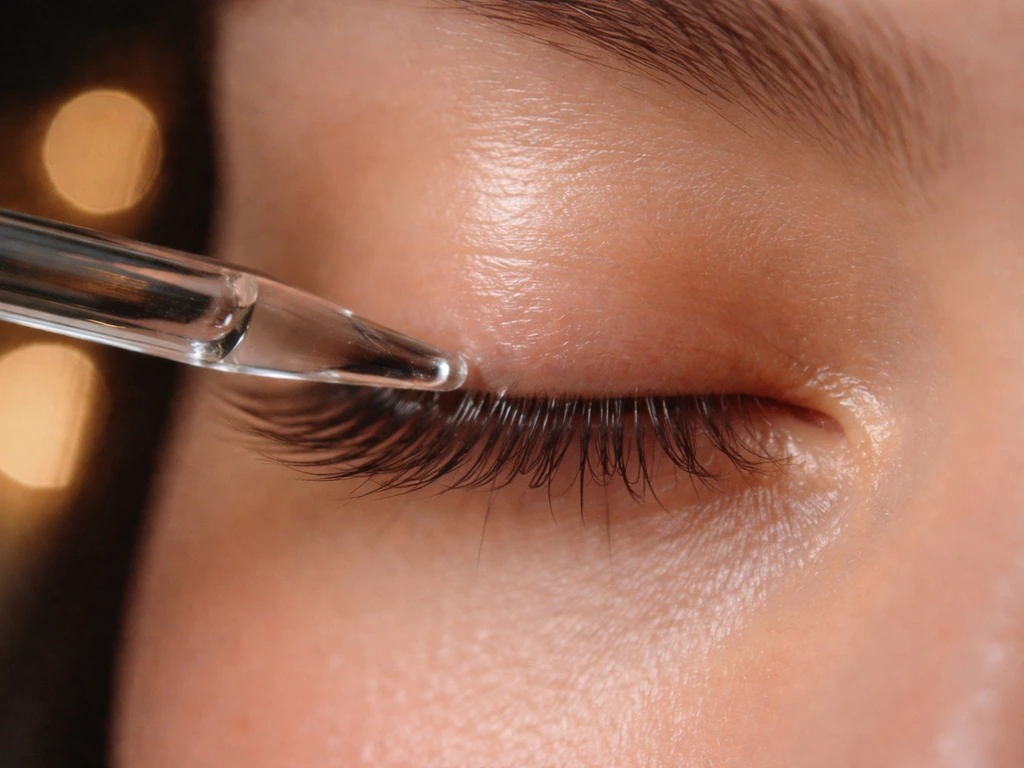
The safest things to put on your lashes right now
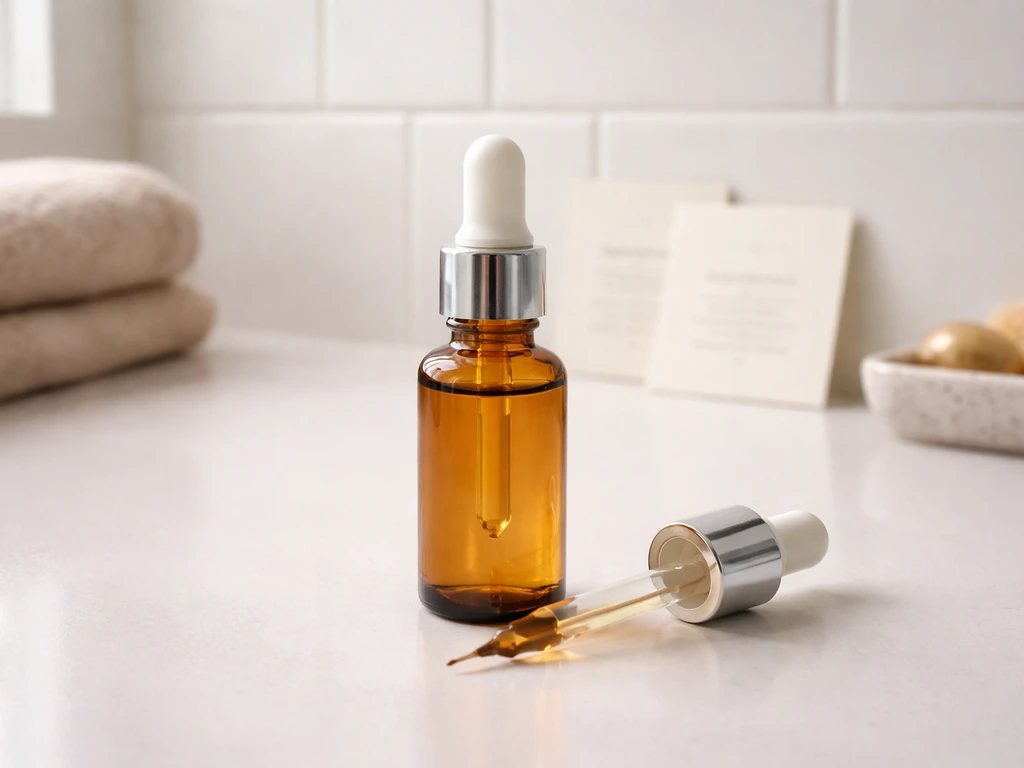
If you want to keep it simple, here is the practical shortlist ranked by evidence strength:
- Peptide lash serums (over-the-counter): Look for formulas containing peptides like myristoyl pentapeptide-17 or biotinoyl tripeptide-1, which signal the follicle to stay in the growth phase longer. These are the most universally safe daily-use option.
- Cold-pressed castor oil: Rich in ricinoleic acid, which has mild anti-inflammatory properties at the follicle. It won't cause dramatic regrowth on its own, but it reduces breakage and supports the appearance of fuller lashes over time.
- Vitamin E oil (pure tocopherol): Useful as an add-on to castor oil or as a standalone conditioner. It protects lash fibers from oxidative damage and keeps them flexible, reducing fall-out from brittleness.
- Bimatoprost 0.03% (LATISSE, prescription only): The only FDA-approved topical for eyelash hypotrichosis. Phase 3 trial data (N=278) showed statistically significant increases in lash length, thickness, and darkness at 16 weeks of once-daily use.
How lash growth actually works (and why results take time)
Your eyelashes follow a three-phase cycle: anagen (active growth), catagen (transition), and telogen (resting/shedding). Unlike scalp hair, lash anagen phases are short, typically 30 to 45 days, which is why lashes stay short and why losing one feels significant. The entire cycle from new growth to shed takes roughly 4 to 6 months. This biology explains two things: why you won't see dramatic change in two weeks no matter what you apply, and why products that extend the anagen phase (like bimatoprost) or reduce shedding in telogen (like peptide serums) are the ones that actually move the needle.
Most topical products work through one of three mechanisms: extending the anagen phase, nourishing the follicle environment so fewer lashes shed prematurely, or conditioning the existing lash fiber to prevent mechanical breakage. Bimatoprost works primarily on the first mechanism at the prostaglandin receptor level, which is why it produces measurable growth. Castor oil and vitamin E mostly work on the third. Peptide serums target all three to varying degrees depending on the specific peptide blend. Knowing this helps you set realistic expectations and pick the right tool for your situation.
Best at-home options: a closer look
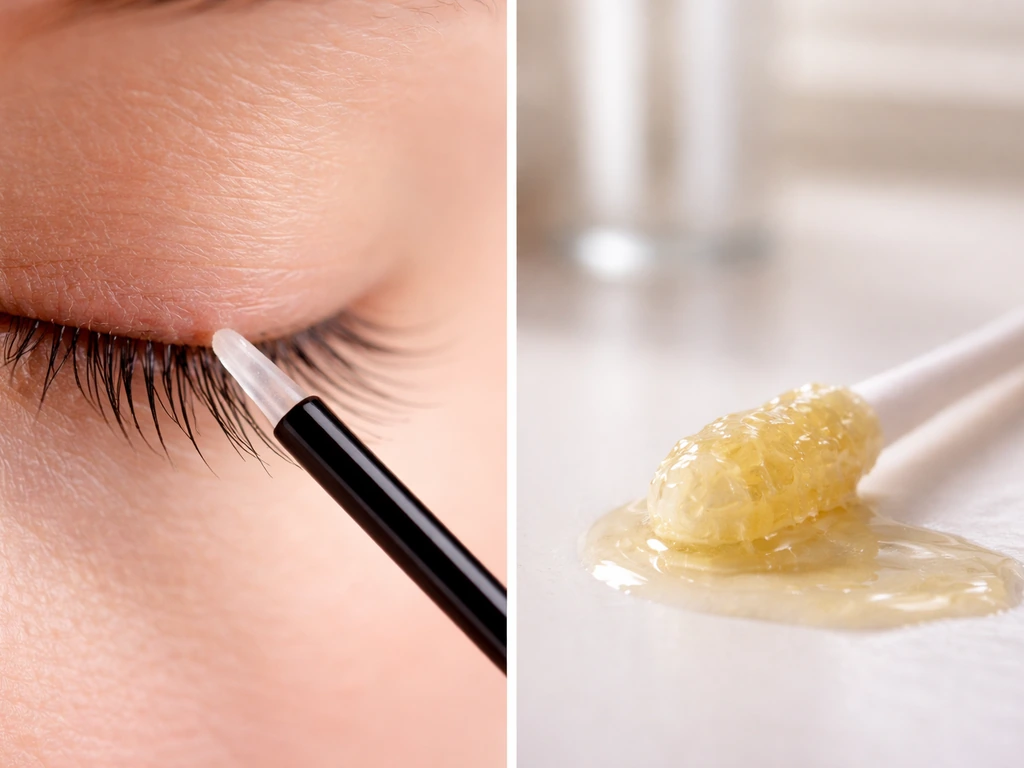
Peptide-based lash serums
This is where I'd put my money first. A good OTC lash serum applied nightly to the upper lash line delivers peptides directly to the follicle opening. If you want the best results, pair that routine with a consistent nightly schedule and give your lashes time to move through their growth cycle nightly to the upper lash line. Peptides like myristoyl pentapeptide-17 have been studied for their ability to upregulate keratin gene expression, meaning the follicle produces lash fiber more efficiently. Look for serums that also include panthenol (provitamin B5) for moisture retention and biotin (vitamin B7) as a supporting ingredient. Apply with the built-in wand or a clean angled brush to the base of the upper lashes only. Most people see measurable results in 8 to 12 weeks of consistent nightly use.
Castor oil
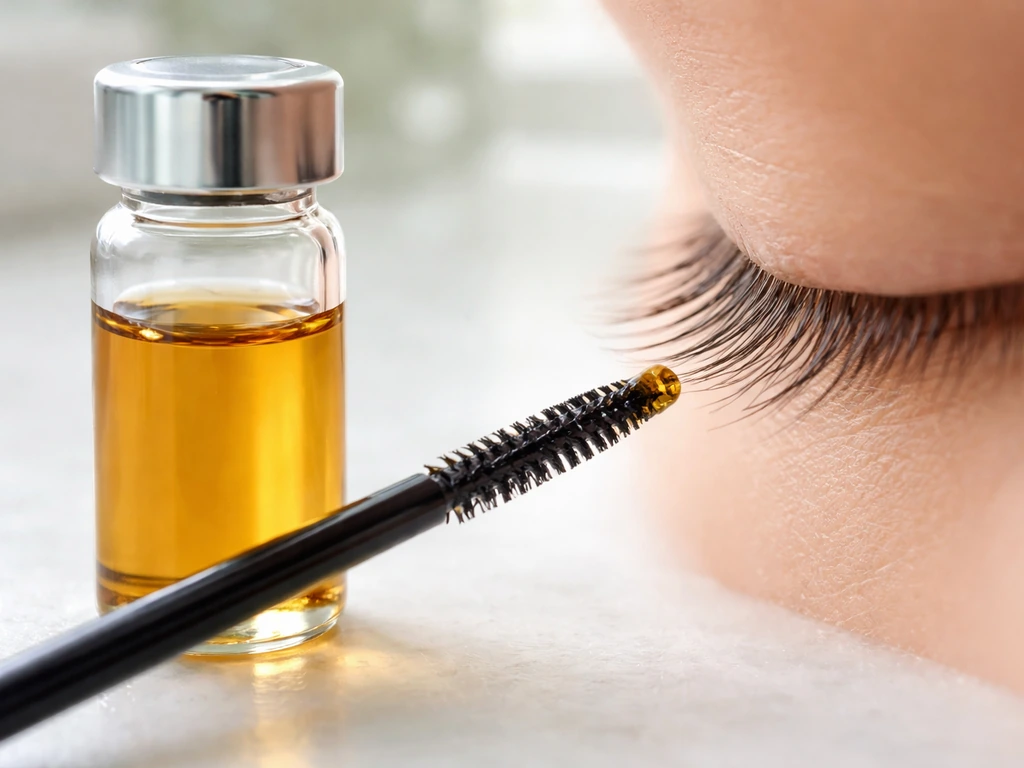
Castor oil is one of the most searched home remedies for lash growth and the evidence is more nuanced than either its fans or skeptics admit. It won't directly stimulate follicle cycling the way bimatoprost does, but its high ricinoleic acid content (around 90% of its fatty acid profile) has demonstrated anti-inflammatory effects that may reduce the follicle inflammation behind chronic shedding. It also coats and lubricates the lash shaft, which dramatically reduces breakage. Use only cold-pressed, hexane-free castor oil, applied with a clean spoolie or cotton swab to the lash line. Use it sparingly because it is thick and can cause blurry vision if it migrates into the eye.
Biotin and other vitamins
Biotin applied topically in a serum can support keratin synthesis at the follicle, but oral biotin supplementation only helps if you have a documented deficiency (which is rare in people eating a varied diet). Don't skip a well-formulated serum just to take biotin pills and expect lash growth, that's not how it works. Topical vitamin E and argan oil are worth adding to your routine as conditioners, not as primary growth drivers.
Prescription bimatoprost (LATISSE)
If your lashes are noticeably thin or sparse and OTC options haven't moved the needle after 12 weeks, bimatoprost is genuinely in a different category. It was FDA-approved in December 2008 specifically for eyelash hypotrichosis and the clinical data is solid: in a 16-week randomized controlled trial, users showed statistically greater increases in lash length, thickness, and darkness versus the vehicle control. LATISSE (bimatoprost ophthalmic solution) 0.03% is indicated to treat eyelash hypotrichosis by increasing eyelash growth, including length, thickness, and darkness blank" rel="noopener noreferrer">bimatoprost ophthalmic solution 0.03% is indicated to treat eyelash hypotrichosis. The application method matters: it goes once daily on the upper eyelid margin (the skin, not the lash itself) with the applicator provided. You do not apply it to the lower lash line. Results typically appear around weeks 8 to 16. If you stop using it, lashes gradually return to their previous state over several months.
What NOT to put on your lashes
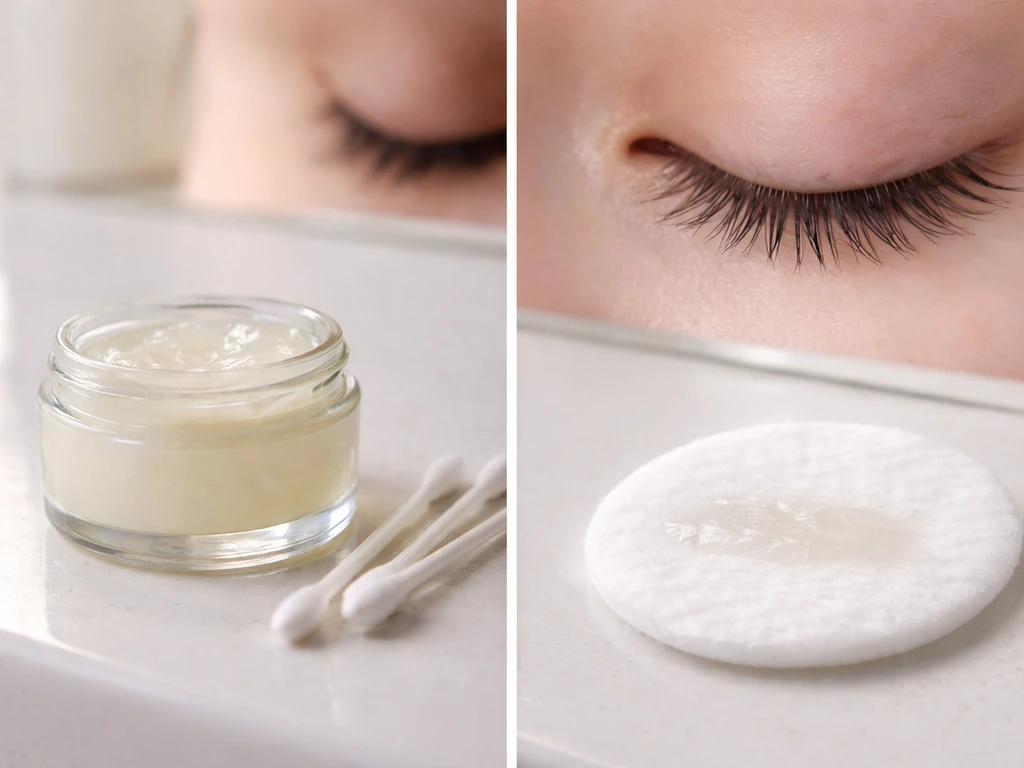
This section matters as much as anything above because the wrong ingredients can set you back weeks or permanently damage follicles.
- Petroleum jelly (Vaseline) directly on the lash line: It occludes the follicle opening, which can trap debris and potentially cause folliculitis. Fine as a lid skin moisturizer, but keep it away from the actual lash root.
- Olive oil in large amounts: It has a comedogenic rating that can clog the meibomian glands in the eyelid, disrupting tear film and causing irritation. A tiny amount occasionally is unlikely to harm, but it's not a good routine ingredient near the eye.
- Essential oils undiluted (rosemary, peppermint, tea tree): These are too concentrated for periorbital use. Rosemary oil has some scalp hair evidence, but the concentration used in those studies is far below what people typically apply, and direct eye contact can cause chemical burns and permanent follicle damage.
- Generic prostaglandin analogs from unverified sources: Some DIY communities recommend repurposing glaucoma eye drops for lash growth. Never do this without a doctor's supervision. Unsupervised prostaglandin use can cause iris pigmentation changes, periorbital fat loss, and eyelid ptosis.
- Lash growth 'serums' containing prostaglandin analogs without disclosure: Some OTC serums marketed as 'lash boosters' quietly include prostaglandin analogs. If a serum causes red eyes or eyelid darkening, stop using it and read the ingredient list for isopropyl cloprostenate or similar compounds.
- Anything you wouldn't put near your actual eye: The lash follicle sits millimeters from your cornea. Coconut oil, DIY castor-aloe blends with gritty particles, or repurposed hair growth serums formulated for the scalp are not safe for this area.
A simple application routine and realistic timeline
Consistency matters more than which single product you choose. Here is a practical nightly routine that layers the safest options together:
- Remove all eye makeup completely before bed. Mascara left on overnight causes mechanical breakage and can block the follicle opening.
- Apply your peptide lash serum to the upper lash line using its applicator wand. Use one thin stroke per eye. Let it absorb for 90 seconds before touching your eye.
- If you want to add castor oil, apply a minimal amount with a clean spoolie over the lash fibers themselves (not the skin). This step is optional but helps with breakage.
- Do not apply anything to the lower lash line unless your serum's instructions specifically say to. Excess product migrating to the lower lid is a common cause of milia and irritation.
- Use the routine every night. Missing occasional days won't ruin results, but skipping more than a few days a week significantly slows progress.
For timeline expectations: with a good peptide serum, most people notice lashes feeling softer and seeing slightly less shedding by week 4. Visible length and fullness improvement typically shows at weeks 8 to 12. Full results (including new lashes completing a full anagen cycle) take 3 to 4 months. With bimatoprost, measurable changes appear earlier, around weeks 8 to 16 based on trial data. Do not expect results in 2 to 3 weeks from any topical product regardless of marketing claims.
| Option | Evidence Level | Primary Benefit | Typical Timeline | Main Risk |
|---|---|---|---|---|
| Peptide lash serum (OTC) | Moderate (ingredient-level studies) | Length + thickness | 8 to 12 weeks | Mild irritation if applied too close to eye |
| Castor oil (cold-pressed) | Low to moderate (anti-inflammatory data) | Reduced breakage, conditioning | 8 to 16 weeks | Vision blur if excess enters eye |
| Vitamin E oil | Low (antioxidant support) | Conditioning, less breakage | 12+ weeks | Generally very low |
| Bimatoprost 0.03% (Rx) | High (FDA-approved, RCT data) | Length + thickness + darkness | 8 to 16 weeks | Eye irritation, pigmentation, ptosis (rare) |
Troubleshooting: thinning lashes after damage, extensions, or health issues
The approach changes depending on why your lashes are thin or sparse in the first place. This is worth addressing directly because a lot of people searching for what to put on their lashes are dealing with specific damage scenarios, not just wanting longer lashes on a healthy baseline.
After lash extensions or glue damage
Extensions damage lashes through two routes: the weight of the extension fiber on the natural lash (traction alopecia) and the adhesive itself causing contact dermatitis or mechanical trauma at removal. If your lashes broke off at the root, the follicle is likely intact and you're waiting for a new anagen cycle to begin, which takes 6 to 8 weeks just to see regrowth emerge. Focus on a gentle peptide serum to support that emerging growth cycle and castor oil to condition what's already there. Avoid any new extensions until lashes are fully recovered, typically 3 to 4 months. Growing damaged lashes back is addressed in more depth in the guide on how to grow damaged lashes.
After over-plucking or rubbing
Repeated mechanical trauma to the follicle (rubbing due to allergies, compulsive plucking) can cause temporary or, in severe cases, permanent follicle scarring. If lash loss is patchy and has been happening for years, see a dermatologist before investing heavily in topical products. If it's recent, stop the behavior, reduce inflammation with a gentle warm compress, and begin the serum routine. Most follicles recover if the trauma stops.
After chemotherapy or medical treatment
Chemotherapy-induced lash loss is a different beast. Follicles are temporarily shut down by the cytotoxic effects of treatment, not structurally destroyed in most cases, so regrowth is expected once treatment ends. Bimatoprost has been studied in this context and shows promise for accelerating recovery, but always loop in your oncologist before starting any new topical treatment post-chemo. A peptide serum is generally considered safe to start once you have medical clearance.
Thyroid issues, nutritional deficiencies, or other systemic causes
If your lashes are shedding more than usual and you can't explain it with a local cause, don't just buy more serum. Thyroid dysfunction, iron deficiency anemia, and autoimmune conditions (including alopecia areata, which can affect lashes) all cause diffuse lash and brow loss that topical products cannot fix on their own. In these cases, treating the underlying condition is what restores lash growth. Use the serum as supportive care, not the primary solution.
When to see a professional instead of going the DIY route
Most people can get real results with an OTC peptide serum and some patience. But there are specific situations where a doctor, dermatologist, or ophthalmologist visit is genuinely the right next step, not optional.
- Sudden or patchy lash loss with no obvious cause (new product, extensions, trauma): This pattern can indicate alopecia areata, blepharitis, or a systemic condition that needs diagnosis before treatment.
- Lash loss accompanied by eyelid redness, scaling, or crusting: These are signs of blepharitis or seborrheic dermatitis at the lash line, both of which need medical treatment, not lash serums.
- Eye redness, irritation, or vision changes after starting a new serum: Stop the product immediately and see an eye care provider. Some OTC serums contain undisclosed prostaglandin analogs that can cause real ocular side effects.
- No improvement after 4 months of consistent OTC serum use: This is a reasonable trigger to discuss bimatoprost with a dermatologist or ask about other prescription options.
- You want to use bimatoprost: You need a prescription. A dermatologist, ophthalmologist, or even many telehealth providers can prescribe it after a brief consultation.
- Lash loss after a medical condition or medication change: Always clear topical treatments with your prescribing physician first, especially post-chemotherapy or if you're on immunosuppressants.
The clinical side is worth understanding even if you never need it. LATISSE's most commonly reported side effects include eye itching, conjunctival redness, skin darkening around the application site, and dry eye symptoms. Less frequently, postmarketing data includes allergic reactions and temporary eyelash changes including breakage. These risks are real but manageable under professional guidance, which is exactly why it requires a prescription. If you're getting solid results with an OTC serum, there's no need to escalate. But if you're not, the clinical option exists and it works.
FAQ
Can I use castor oil directly on my lashes every night?
Yes, but use it carefully. Put castor oil only at the upper lash line with a clean spoolie or swab, then blot any excess. If it migrates into the eye, it can blur vision and irritate the surface, so stop and switch if you notice burning, redness, or watery eyes.
Where exactly should I apply lash growth products for best results and least irritation?
Most products should be targeted to the base of the upper lashes or the upper eyelid margin, not the lower lash line. If you apply something meant for growth to the lower lid, it can migrate and increase irritation risk. Stick to the same placement you can reproduce consistently.
What symptoms mean I should stop a lash serum?
Stop and reassess if you see itching, worsening redness, eyelid swelling, or new dryness that persists beyond a few days. These can be signs of contact dermatitis. For OTC serums, pause use and consider patch testing on a small area of skin first before resuming.
How long should I try an OTC lash serum before deciding it is not working?
New lashes take time because the lash cycle lasts months, so you generally should not judge by week 2 or week 3. A practical check is whether shedding is trending down by weeks 4 to 6 and whether you see visible changes by weeks 8 to 12.
Can I combine a peptide serum with castor oil in the same routine?
If you are using a peptide serum at night, you can usually add castor oil as a conditioning step, but apply castor oil sparingly and ensure it does not pool at the eye. Avoid stacking multiple “growth actives” at once (for example, two different prescription-strength formulas) unless a clinician tells you to.
Is lash growth treatment safe if I wear contact lenses or have dry eye?
Be extra cautious if you wear contacts, have dry eye, or frequently rub your eyes. Conditioning oils can worsen surface irritation, and prostaglandin-type treatments can aggravate dryness. If you get stinging or gritty eyes, consider switching to a non-oily option and consult an eye professional.
Will lash growth products work if I keep plucking or trimming my lashes?
Plucking is a common reason progress stalls. Pulling lashes can keep you in a cycle of repeated trauma, and patchy loss can indicate scarring risk. If you want to grow lashes back, avoid plucking and stop any routine that increases rubbing or friction on the lash line.
Why do my lashes look the same at first, even when the serum is working?
Expect improvement in length and overall appearance, but not an instant “new lash count.” Many people see fewer shedding events first, then a gradual shift as a new anagen cycle completes. If your lashes are patchy or have an uneven hairline, focus on the cause, because topicals cannot correct certain autoimmune or scarring conditions.
What are key safety considerations before using bimatoprost?
Bimatoprost is not appropriate for everyone, and it should not be used on the lower lash line. It can also cause skin darkening where it contacts the area, and it may change eyelash texture. If you have a history of eye inflammation or glaucoma, discuss it with an ophthalmologist before starting.
When should I see a dermatologist or ophthalmologist instead of trying another product?
Switch to medical evaluation sooner if lash loss is sudden, rapidly progressive, patchy (especially with scarring or visible skin changes), or associated with eyelid irritation, pain, or hair loss elsewhere (scalp, brows). In those scenarios, the right fix is often treating the underlying cause rather than escalating serums.
If I stop using lash growth products, will my lashes stay improved?
If you stop bimatoprost, lashes typically return toward baseline over several months, because the growth signal is removed. With OTC peptide serums, some people maintain partial benefit while others lose it as the lash cycle resets. Either way, consistent habits and treating the driver of shedding matter.
Next Article
Does Mustard Oil Grow Eyelashes? Safety and What Works
Find out if mustard oil grows eyelashes, risks to eyelids, and safer options with realistic timelines and when to see a
