
Growing noticeably longer eyelashes in exactly 3 days is not biologically possible. For a question like how to grow eyelashes back in 2 days, the realistic answer is to focus on stopping breakage and shedding first Growing noticeably longer eyelashes in exactly 3 days is not biologically possible. . Eyelash follicles grow at roughly 0.
How to Grow Eyelashes in 3 Days: Home Steps and What Works

Rachel Nguyen
25 Apr 2026
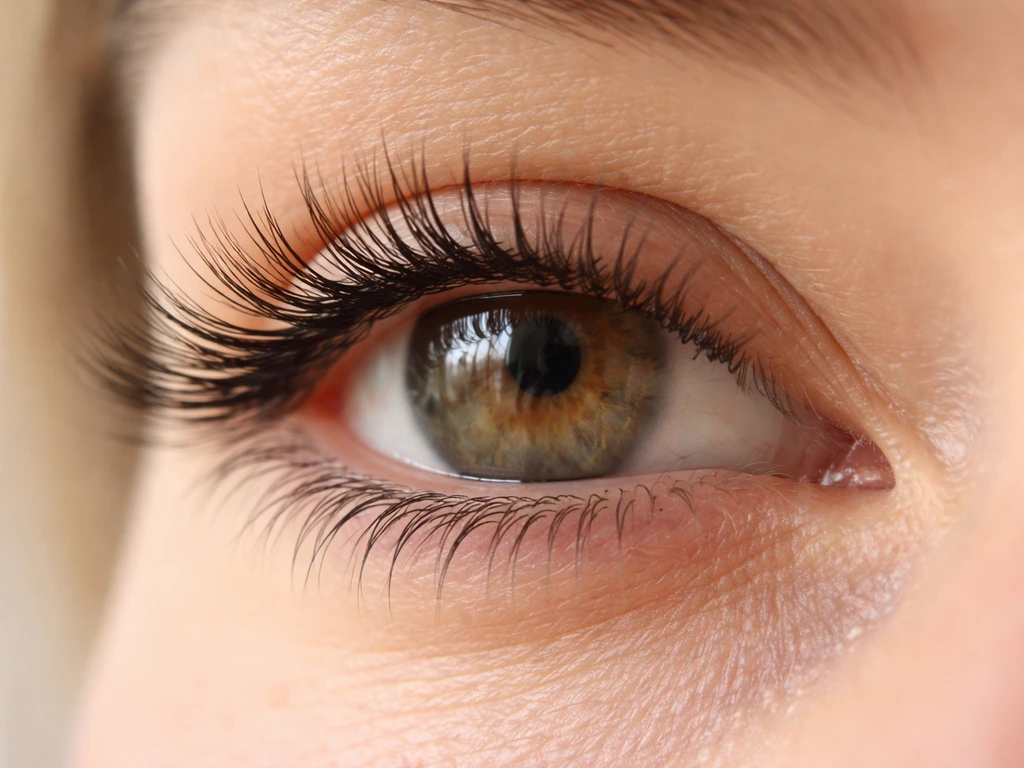
12 to 0. 16 mm per day, so even under ideal conditions you're looking at less than half a millimeter of new growth over 72 hours. That said, 3 days is absolutely enough time to stop the habits that are breaking and shedding your lashes, start conditioning them so they look fuller and healthier, and lay the groundwork for real growth over the coming weeks. That is the honest answer, and it's also a genuinely useful one.
If you are hoping for a quick glow-up like how to make your eyelashes grow in 5 minutes, start here by focusing on stopping breakage and shedding first.
Realistic timeline: what can actually happen in 3 days?
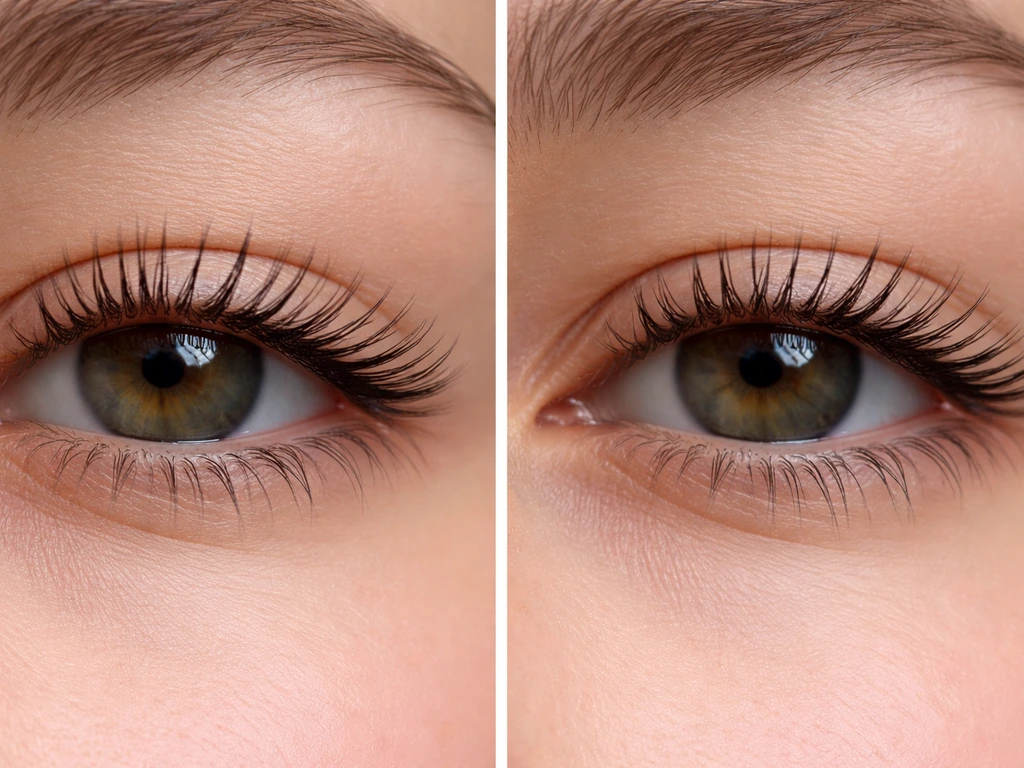
Your eyelash growth cycle has three phases: anagen (active growth, lasting roughly 30 to 45 days), catagen (transition, about 15 days), and telogen (resting, which can last anywhere from 4 to 9 months). At any given moment, most of your lashes are sitting in the telogen phase doing nothing. No oil, serum, or supplement can force a resting follicle into active growth within 72 hours.
For a faster-sounding comparison like how to grow eyelashes in 1 day, the key takeaway is still the same: focus on reducing breakage and shedding first. Clinical lash serums like blank" rel="noopener noreferrer">bimatoprost 0. 03% (the active in Latisse) only start showing measurable changes to prominence and length around month 1, with thickness improvements appearing closer to month 2. In a large clinical trial, 78% of users saw significant improvement at week 16.
In a US phase 3 clinical study (N=278), LATISSE® Professional patients saw significantly fuller, longer, and darker eyelashes at 16 weeks, with length differences versus vehicle starting at week 4. Three days is not week 16.
So what is realistic? In 3 days you can meaningfully reduce breakage and shedding, which makes your lashes appear fuller almost immediately. You can condition the lash fiber itself so it looks shinier and less brittle. You can eliminate inflammation at the lash line that was silently accelerating lash loss. And you can start a consistent routine that will produce visible growth results in 3 to 4 weeks. Think of the 72-hour window as a reset, not a growth sprint.
Your 72-hour lash care plan
The single most impactful thing you can do right now is clean your lash line properly. Buildup of makeup, oil, and debris at the lash base creates low-grade inflammation that contributes directly to premature lash shedding. The American Optometric Association and clinical blepharitis guidelines both recommend gently scrubbing the base of your lashes twice daily, morning and evening, using either diluted baby shampoo on a cotton swab or a dedicated over-the-counter eyelid cleanser.
The American Optometric Association recommends lid hygiene, including gently scrubbing the eyelids and eyelash bases with a mixture of water and baby shampoo or an OTC lid-cleansing product, as part of blepharitis care lid hygiene/eyelid scrubs (gently scrubbing the lash base). Use a clean fingertip or cotton pad, work with a gentle circular motion along the lash margin, and rinse thoroughly.
This takes about 60 seconds and should become non-negotiable for the next three days and beyond.
After cleaning, apply a warm compress for 1 to 2 minutes. Soak a clean washcloth in warm (not hot) water, wring it out, and rest it gently over your closed eyes. This loosens debris, improves oil gland function at the lid margin, and reduces any low-level inflammation that might be stressing your follicles. It sounds basic because it is, and it genuinely works.
At night, protect your lashes from friction. If you sleep on your side or stomach, your lashes are pressing against a pillowcase for 7 to 8 hours. Switch to a silk or satin pillowcase for these 3 days, or at minimum flip your regular pillowcase and use the smoother side. This one change can noticeably reduce morning lash fallout.
Natural oils and ingredients: how to use them in 72 hours
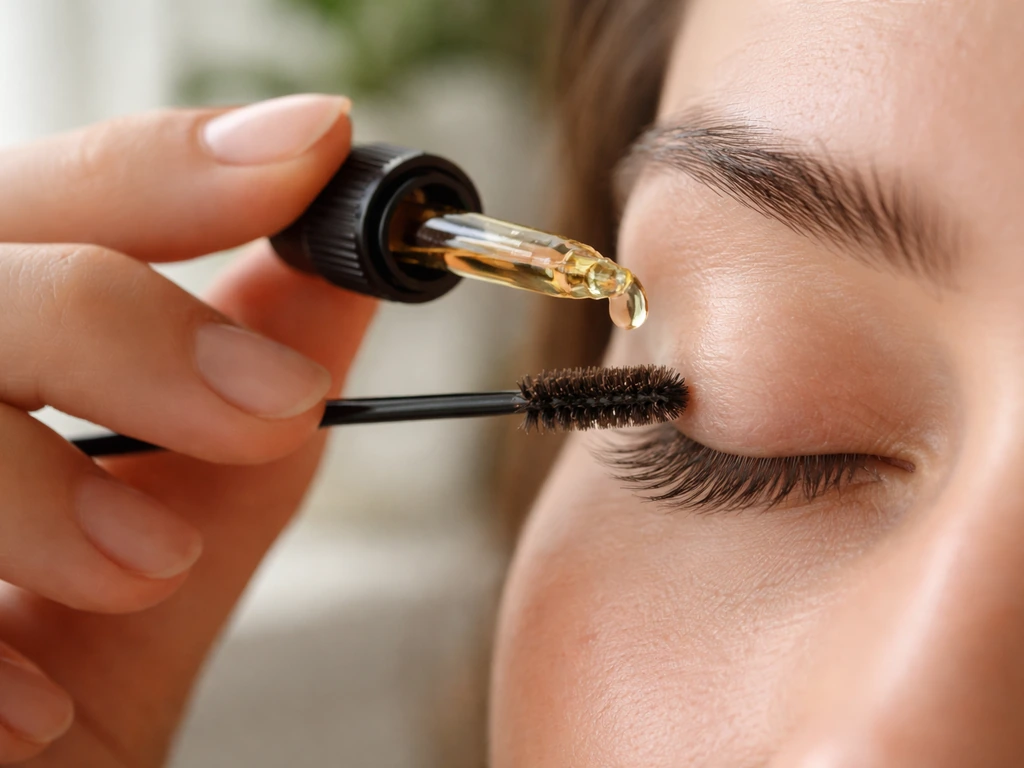
Castor oil is the most widely used natural option for lash conditioning, and there is real logic behind it even if robust clinical trials are limited. It is high in ricinoleic acid, which has anti-inflammatory properties, and its thick consistency creates a coating over the lash fiber that reduces moisture loss and mechanical breakage. Apply a tiny amount, about a grain-of-rice quantity, using a clean mascara wand or a cotton swab along the upper lash line before bed. Do not apply to the inner rim of the eye or the lower waterline. The goal is coating the lash and nourishing the follicle base, not flooding the eye.
If castor oil feels too heavy or causes irritation, a few other oils are worth knowing about. Argan oil is lighter and rich in vitamin E and fatty acids. Sweet almond oil is similarly lightweight and absorbs quickly. Coconut oil can work for some people but is comedogenic and may not suit everyone around the eye area. All of these function primarily as conditioning agents over 3 days, not as growth accelerators. Their value is in reducing breakage and improving lash appearance, and that is something you will likely notice by day 2 or 3.
Vitamin E oil, panthenol (pro-vitamin B5), and niacinamide (vitamin B3) are also common in lash-supportive formulations. A 2025 ingredient risk assessment specifically identifies these, along with biotin (B7) and tocopherol, as components of lash and brow preparations. They support the keratin structure of the lash and help condition the follicle environment. If you want to go beyond plain oil, look for a lightweight lash conditioning serum that lists one or more of these alongside a peptide like biotinoyl tripeptide-1.
Serums and active ingredients: what to expect in 3 days vs. longer
If you already own a lash serum, start using it now, but calibrate your expectations correctly. Over-the-counter serums formulated with peptides and conditioning vitamins will improve lash appearance and reduce breakage within days. Clinical-grade options containing prostaglandin analogs like bimatoprost require a prescription in most countries and are evaluated over months, not days. Starting one today means you're on the right track for 4 to 6 weeks from now, not 72 hours from now.
Biotin supplements are frequently marketed for lash growth. The honest position: if you are already getting adequate biotin through diet (most people are), supplementing more will not accelerate growth. Biotin deficiency is real but uncommon, and adding a supplement only helps if you were deficient to begin with. It will not produce visible changes in 3 days regardless.
| Option | What it does in 3 days | When to expect visible growth | Prescription needed? |
|---|---|---|---|
| Castor oil / conditioning oils | Reduces breakage, adds shine, conditions lash fiber | Appearance improves in 2 to 3 days | No |
| OTC peptide/vitamin serum | Conditions follicle environment, reduces shedding | Fullness in 2 to 4 weeks | No |
| Bimatoprost (Latisse/generic) | Begins shifting follicles toward anagen phase | Length/prominence from ~month 1 | Yes (in most countries) |
| Biotin supplement | Addresses deficiency if present; no effect if not deficient | Weeks to months if deficient | No |
| Eyelid hygiene routine | Reduces inflammation, stops shedding at the source | Reduced fallout within 24 to 48 hours | No |
Stop doing these things immediately
This section matters as much as anything else here. Many people searching for faster lash growth are simultaneously doing things that guarantee slower lash growth. If you want to see a real difference in 3 days, removing the damage is often faster than adding a remedy.
- Rubbing your eyes: This is one of the leading causes of acute lash loss. Rubbing creates mechanical trauma directly at the follicle. Stop completely for the next 72 hours, even if your eyes feel itchy. If itching is a persistent issue, it may signal blepharitis or an allergic reaction worth investigating.
- Lash curlers: Both heated and manual curlers stress the lash shaft at the crimp point, creating a weak spot that breaks. Take a 3-day (and ideally longer) break.
- Waterproof mascara: It requires aggressive removal, which means more rubbing and tugging. Swap to a regular formula for the next few days or skip mascara entirely.
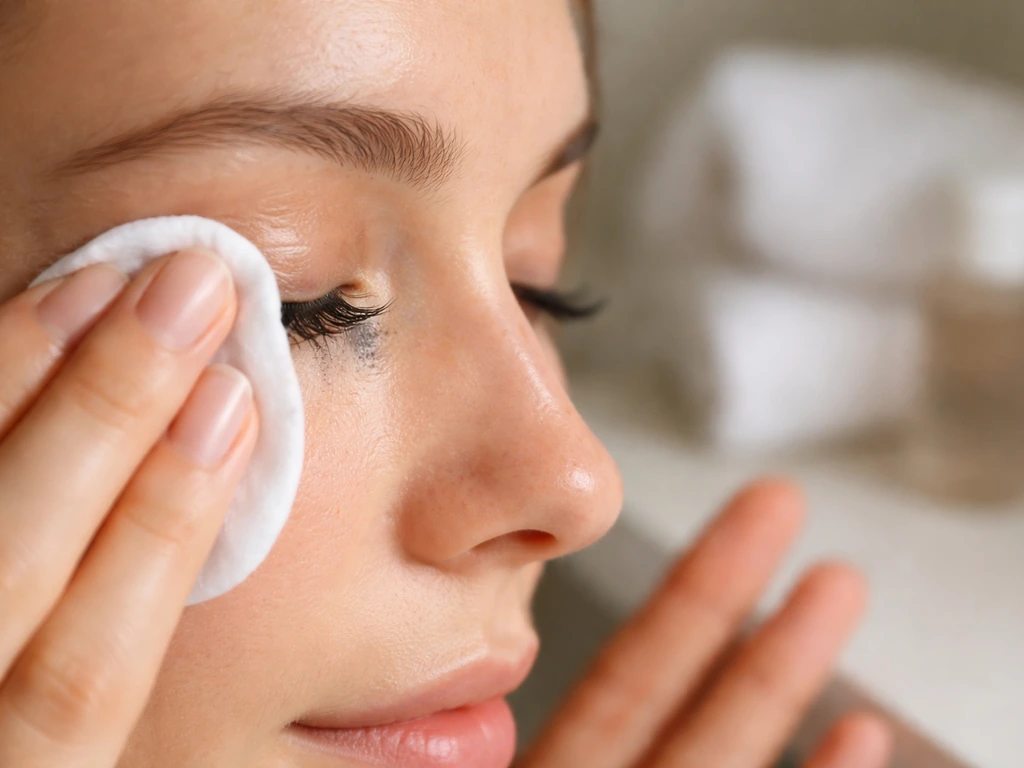
- Oil-based or heavy makeup removers used carelessly: Dragging a makeup wipe across your lash line tears lashes. Instead, soak a cotton pad and hold it gently against the eye for 10 to 15 seconds before wiping downward in one soft stroke.
- Extensions applied over already-fragile lashes: Extensions add weight and use adhesive directly on the lash shaft. If your lashes are already weak or sparse, extensions will accelerate loss during removal. This is not the right 72-hour strategy if growth is the goal.
- Sleeping in mascara: It dries out the lash fiber overnight and dramatically increases morning breakage. This one is non-negotiable.
Track your progress and know when to get help
After 3 days of consistent hygiene, oil application, and avoiding the damage triggers above, take a close-up photo in consistent lighting. Compare it to a photo you take right now, today. You are not looking for dramatic length changes. You are looking for: reduced fallout on your pillow or face, lashes that look more defined and conditioned, and less redness or irritation at the lash line. Those are real, measurable wins at 72 hours.
At 2 to 4 weeks, re-evaluate length and fullness. That is the realistic window for noticing actual growth from consistent oil or serum use. Comparisons to timelines like 1 week or 2 weeks are more realistic benchmarks for seeing early measurable changes in thickness and density. While 1 week can feel like a quick goal, the most realistic approach is to focus on reducing shedding and breakage so your lashes look fuller as new growth begins over the following weeks how to grow eyelashes in 1 week.
If you are experiencing significant and unexplained lash shedding, lashes falling out from the root with a white bulb attached, noticeable patches of absence, or persistent eyelid irritation that does not improve with hygiene, it is time to see a clinician. These can be signs of blepharitis requiring treatment, telogen effluvium triggered by stress or illness, nutritional deficiencies, thyroid dysfunction, or in rare cases alopecia affecting the lash line.
The National Eye Institute describes anterior blepharitis as affecting the outside front edge of the eyelid where eyelashes attach anterior blepharitis affects the outside front edge of the eyelid where eyelashes attach.
Mayo Clinic notes that blepharitis-related lash loss warrants follow-up, especially if symptoms are worse in one eye or fail to improve with standard care. DIY approaches will not fix a medical root cause, and continuing without addressing it delays actual recovery.
If your lash thinning followed a course of medication, check whether that drug lists hair or lash loss as a side effect. Chemotherapy, certain blood pressure medications, and retinoids can all affect the growth cycle. In those cases, a dermatologist or your prescribing physician is the right next step, not another oil.
Your practical 72-hour starting plan
- Take a baseline photo right now in natural light.
- This evening: do a gentle warm compress for 2 minutes, then clean your lash line with diluted baby shampoo or an eyelid cleanser on a cotton swab.
- Apply a thin layer of castor oil or your preferred conditioning oil to the upper lash line using a clean wand or swab. Let it absorb overnight.
- Remove all eye makeup tonight using a soaked cotton pad held gently in place, not rubbed.
- Put away the lash curler and waterproof mascara for at least 3 days.
- Repeat the morning cleanse tomorrow: warm compress, gentle scrub at the lash base, rinse.
- If you have an OTC peptide lash serum, apply it nightly starting tonight. If not, the oil routine is sufficient for now.
- On day 3, take a comparison photo and assess: less fallout, healthier appearance, reduced irritation. Plan your 4-week check-in for real growth.
Three days will not give you <a data-article-id="D8950AE7-BDC7-4A49-8681-5414FDD2C4C0">longer lashes in the way the search implies.</a> But done right, 72 hours can genuinely change the condition and trajectory of your lashes, stop the loss that was making things worse, and put you on a path where real growth shows up in the coming weeks. That is a better outcome than any shortcut that overpromises and underdelivers.
FAQ
Will I be able to see longer eyelashes by the end of day 3 if I follow everything perfectly?
You may notice fewer lashes on your pillow and less breakage, which can make lashes look fuller immediately. True length from new growth is unlikely to be dramatic in 72 hours because the growth cycle is already established, so focus on visible fallout reduction and conditioning rather than expecting major length gains.
What should I do if my lashes look worse in the first 1 to 2 days after starting the routine?
If you increase cleansing, warmth, or oil too aggressively, you can trigger irritation, which can worsen shedding temporarily. Back down to once daily cleansing for a day or two, use lukewarm compresses, and switch to a smaller amount (rice-grain) of oil or stop entirely if burning, swelling, or redness increases.
Is castor oil safe to use around the eye, and how can I prevent it from getting into the eye?
Apply only along the lash line on the upper lashes, using a clean applicator, and avoid the inner rim of the eye and the lower waterline. Use a very small amount so it doesn’t run, and if you feel any stinging, rinse gently and discontinue.
Can I use multiple products at once, like a lash serum plus castor oil?
Yes, but be strategic to avoid irritation. If you already use a lash serum, you can usually skip adding extra oils for the first 3 days or introduce only one change at a time, starting with the serum, since too many new products increase the chance of contact irritation.
How do I clean my lash line properly if I wear waterproof mascara or heavy eye makeup?
Use gentle removal before cleansing, then perform the base scrub (twice daily) at the lash margin and rinse thoroughly. If waterproof mascara resists, avoid rubbing hard, switch to a proper eye makeup remover for that day, and keep the cleansing motion light to prevent additional lash breakage.
Does trimming eyelashes or using lash extensions affect the 3-day plan?
Extensions and strip lashes can increase pulling and friction, making it harder to reduce breakage quickly. For a true 72-hour reset, pause extensions or lash glue use if possible, and remove anything that tugs, because the routine is designed to stop shedding from mechanical damage and inflammation.
Can I reduce lash shedding faster by changing shampoo, makeup, or face wash too?
Sometimes. If your eyelids get irritated from a face product, that irritation can contribute to ongoing shedding, even if your lash routine is perfect. For 3 days, consider using fragrance-free, eye-safe products near the lash line and avoid applying cleansers directly onto the eyelid margin.
How do I know if my shedding is normal breakage versus a medical issue?
Breakage usually looks like shorter, uneven lashes and happens with styling or friction. Seek a clinician if you have patchy loss, lashes falling from the root with a white bulb, persistent eyelid irritation, symptoms that worsen in one eye, or shedding that does not improve after consistent hygiene for several weeks.
If I stop using a lash serum after 3 days, will I lose the progress?
Most day-2 or day-3 improvements are mainly from reduced inflammation and breakage, so stopping can gradually reverse the conditioned look and increase fallout again. For real growth, the most practical approach is to continue through at least 4 to 6 weeks, unless you experience irritation.
Are biotin supplements worth it for getting longer lashes in 3 days?
Usually not. If you are not biotin deficient, extra biotin typically will not create visible changes in 72 hours. The better short-term focus is preventing breakage and reducing lash-line irritation, and only consider supplements if a clinician confirms deficiency or you have a clear dietary reason.
What’s the best way to track results over the next 3 to 7 days?
Take two close-up photos, one now and one at day 3, in the same lighting, same angle, and same mascara status (either both with or both without). Track objective markers mentioned in the routine, like reduced pillow fallout, less lash-line redness, and improved definition, rather than chasing length alone.
Next Article
Does Mustard Oil Grow Eyelashes? Safety and What Works
Find out if mustard oil grows eyelashes, risks to eyelids, and safer options with realistic timelines and when to see a
