The best way to grow eyelashes depends on how much growth you actually need. For real, clinically measurable length and thickness gains, prescription bimatoprost 0. 03% (Latisse) is the only FDA-approved option with hard trial data behind it. For people who want to support healthy natural growth, condition damaged lashes, or avoid prescription costs, a well-formulated OTC serum containing prostaglandin analogues or peptides, plus consistent care habits, is the most practical next step.
Best Grow Eyelashes: What to Use, Products, Timelines
Rachel Nguyen
23 Apr 2026
Castor oil and biotin get a lot of attention, but the evidence behind them is much thinner. Here is what actually works, how to use it, and what to expect. Yes, some lash serums can help, but the results depend on the ingredient and how long you use it consistently does lash serum help eyelashes grow.
If you are wondering whether Viviscal works for this, it is worth looking at what the evidence does and does not support for eyelash growth does viviscal make eyelashes grow.
How eyelash growth works (and why results take time)
Eyelashes grow in cycles, and that cycle is slow. The active growth phase (anagen) lasts only about 30 days for lashes, which is far shorter than scalp hair. After that comes the telogen resting phase, which runs roughly 4 to 5 months before the lash falls out and the process restarts. The full cycle is approximately 5 to 6 months end to end. That biology explains why lash growth results are never fast: you are working within a cycle that is mostly spent in a dormant phase. Growth-promoting treatments extend the anagen phase or increase the number of follicles in it, which is why they need to be applied consistently for months before you see meaningful change.
Understanding this also sets realistic expectations. If a lash falls out today, a new one will not be at full length for months, not weeks. And if your lashes are thinning because the growth cycle itself is disrupted, the fix has to address whatever is disrupting it, whether that is a topical treatment, a nutritional gap, or an underlying health issue.
What to use to grow eyelashes: best products and ingredients

Prescription: Latisse (bimatoprost 0.03%)
Latisse is the gold standard for a reason. In a phase III randomized double-masked vehicle-controlled study, 78.1% of bimatoprost-treated subjects achieved at least a one-grade improvement in global eyelash assessment at week 16, compared to just 18.4% of the vehicle group. That is a dramatic and statistically significant difference. The medication is a prostaglandin analogue, and while the exact mechanism is not fully understood, it appears to prolong the anagen growth phase and possibly recruit more follicles into active growth. It requires a prescription and nightly application to the upper eyelid margin only. It is not cheap, but it is the most proven option available.
OTC serums with prostaglandin analogues
Several over-the-counter lash serums use prostaglandin analogue derivatives, most commonly isopropyl cloprostenate, which is in the same chemical family as bimatoprost but sold as a cosmetic ingredient rather than a drug. GrandeLASH-MD is one of the most widely used examples. These products have not gone through FDA drug trials, so the clinical evidence is much thinner than for Latisse.
If you are shopping for the best eyelash serum to grow lashes, start by comparing prostaglandin-based options like Latisse and reputable OTC serums to see what fits your risk and budget. The mechanism is similar in theory, and plenty of users report noticeable results, but you should be aware they carry similar (if lower-concentration) risk profiles: periocular skin darkening, potential iris color change with prolonged exposure near the eye, and irritation.
The site has a dedicated look at the best eyelash serums to grow lashes if you want a full product-by-product breakdown.
Peptide-based conditioners
Peptide formulas like RevitaLash Advanced (which uses a proprietary BioPeptin Complex including myristoyl pentapeptide-17) are positioned as conditioning and strengthening treatments rather than growth drugs. In a related r/SkincareAddiction thread, users discuss peptide-based eyelash and eyebrow serums and cite myristoyl pentapeptide-17 as a key active, along with common skepticism about what peptides can realistically do.
Some people wonder, can eyelash serum grow eyebrows, and the answer depends on the ingredients and whether they are meant for brow skin. They do not have the same mechanism as prostaglandin analogues, and they are not going to deliver the same measurable length gains as Latisse. But for people who want to avoid prostaglandin exposure, or who are dealing with brittle, breaking lashes rather than outright thinning, peptide serums are a reasonable, lower-risk daily option.
One open-label study on a peptide-based eyelash polygrowth factor serum did report improvements in length, thickness, volume, and luster versus baseline, though it is worth noting that open-label studies without vehicle controls are less definitive than randomized trials. In one open-label, single-center study of an eyelash polygrowth factor serum, investigators reported improvements versus baseline in eyelash length, thickness, volume, curl, and luster, and also evaluated safety in the study population [open-label study on a peptide-based eyelash polygrowth factor serum](https://pmc. ncbi.
nlm. nih. gov/articles/PMC7158911/).
Castor oil and natural oils
Castor oil is everywhere on social media and gets credit for lash growth, but the honest answer is that the clinical evidence just is not there. No rigorous randomized controlled trials confirm it stimulates lash follicles. What castor oil can do is coat and condition the lash shaft, reducing breakage and making lashes look fuller in the short term. If you are going the natural route, that is worth something, especially during recovery from extensions or mechanical damage. Just apply a tiny amount to a clean spoolie and comb through lashes before bed. The same logic applies to argan oil and vitamin E oil: conditioning benefits, not proven growth stimulation.
Biotin and supplements
Biotin is commonly marketed for lash and hair growth. The evidence supports it mainly in people who have an actual biotin deficiency, which is relatively uncommon. If your diet is reasonably balanced, adding more biotin is unlikely to produce dramatic lash changes. That said, broader nutritional support including adequate protein, iron, zinc, and vitamins D and B12 does matter for hair follicle health overall. If you suspect a nutritional gap, a blood panel from your doctor will tell you more than a supplement label.
Comparing your main options
| Option | Evidence level | Main benefit | Key risk | Prescription needed |
|---|---|---|---|---|
| Latisse (bimatoprost 0.03%) | High (RCT data) | Clinically proven length, thickness, darkness gains | Periocular pigmentation, iris color change | Yes |
| OTC prostaglandin serum (e.g., GrandeLASH-MD) | Moderate (cosmetic use, no drug trials) | Real-world growth reports, accessible | Similar prostaglandin risks at lower concentration | No |
| Peptide serum (e.g., RevitaLash Advanced) | Low-moderate (open-label studies) | Conditioning, strengthening, breakage reduction | Low risk; less dramatic growth | No |
| Castor oil / natural oils | Very low (no RCTs) | Shaft conditioning, reduces breakage | Minimal; possible buildup on lash line | No |
| Biotin / supplements | Low (only for deficiency) | Supports follicle health if deficient | Minimal at typical doses | No |
If you want the most effective result and are dealing with real thinning or hypotrichosis, Latisse is the clear leader. If you want a practical OTC option without a doctor visit, a prostaglandin-containing serum is the next step down. If you want something gentle for maintenance or conditioning, go peptide-based.
Choosing the right option for your situation
Natural enhancement (healthy lashes, want more)
If your lashes are healthy but you just want them longer and fuller, an OTC prostaglandin serum or a quality peptide serum used consistently is a reasonable starting point. Results will be modest compared to prescription treatment, but so are the risks and the cost. Pair it with good mascara habits (no tugging at removal, avoid waterproof formulas daily) to prevent the mechanical breakage that offsets any growth gains. If you are looking for mascara grow lashes reviews, focus on formulas designed to condition and visually lengthen without heavy tugging at removal mascara can help.
Recovery from extensions or mechanical damage
Extensions and repeated glue removal stress follicles and snap lash shafts. During recovery, the priority is stopping further damage first: no new extensions, gentle oil-based makeup remover, and no rubbing. A conditioning serum or oil can support this phase, but the biggest gains come from giving your follicles time without stress. If lashes were pulled out at the root rather than broken at the shaft, expect a full lash growth cycle, potentially 5 to 6 months, before you see them back at normal density. If regrowth is very slow after that window, consider an OTC or prescription serum.
Medical or significant thinning
If you are dealing with lash loss connected to a condition like alopecia areata, thyroid dysfunction, blepharitis, or post-chemotherapy, this moves into dermatology or ophthalmology territory. Latisse does have evidence for chemotherapy-induced lash hypotrichosis specifically, showing statistically significant improvements in length, thickness, and darkness versus vehicle at the 4- and 6-month marks. But underlying medical causes need to be addressed alongside any topical treatment. Self-treating without a diagnosis can delay the right intervention.
How to use lash growth treatments safely
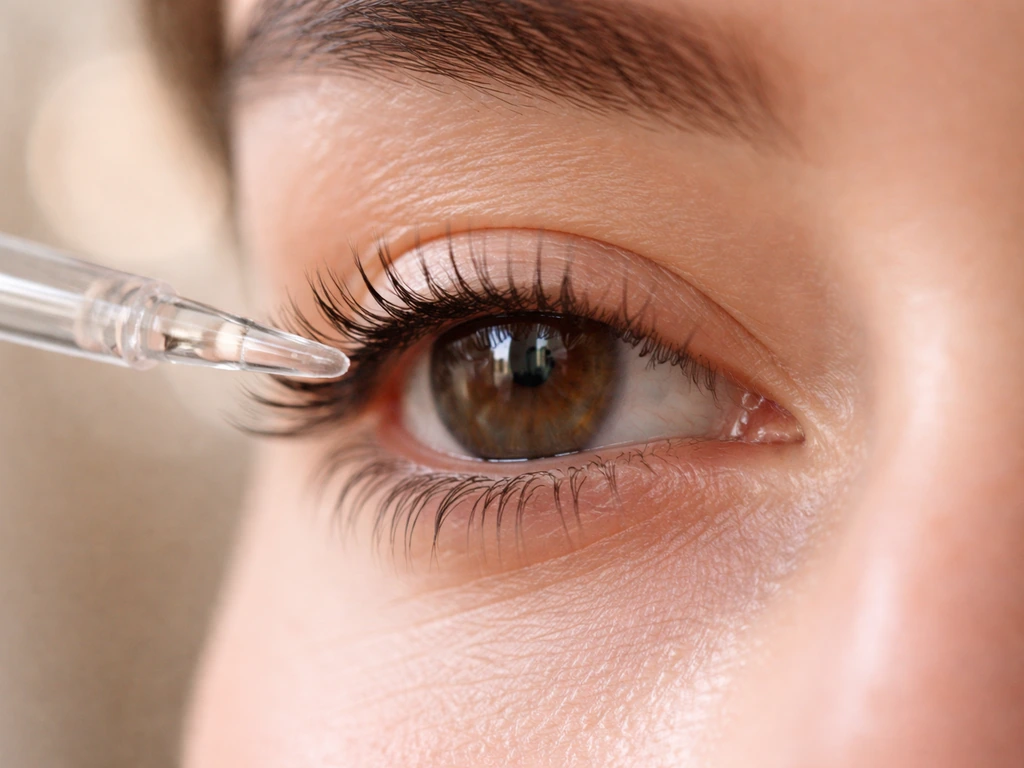
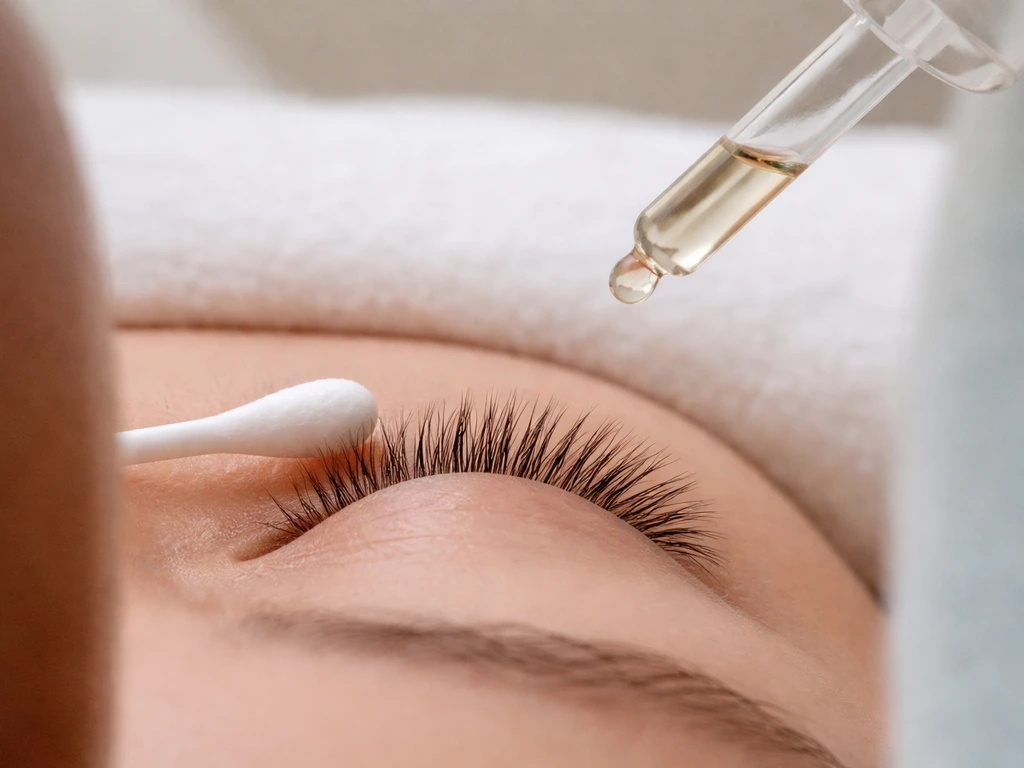
Application method matters more than most people realize. For Latisse and similar serums applied to the lash line, the official instruction is to place one drop on a sterile applicator and draw it along the upper eyelid margin at the base of the lashes only. The lower lid is not a target; blinking carries enough product there naturally. Never put these serums directly in your eye. Wipe off any excess that pools outside the lash line immediately.
- Apply to clean, dry skin with all makeup and contact lenses removed
- Use one drop or a thin swipe per eye, upper lid margin only, at the lash base
- Apply at night so the product absorbs without interruption from makeup or light exposure
- Do not double-dose if you miss a night; just resume the next evening
- Use a separate applicator for each eye to avoid cross-contamination
- Patch test any new serum on the inner arm for 24 hours before applying near the eyes
- Stop use immediately if you notice increased eye redness, itching, or vision changes, and see a doctor
For prostaglandin-containing serums, whether prescription or OTC, be aware of the real side effect profile. Periocular skin darkening (hyperpigmentation around the eye area) is a documented effect. In clinical trials for bimatoprost, it occurred in roughly 3% to 10% of participants depending on the study and assessment method. It is often reversible after stopping treatment, but not always quickly. Iris pigmentation change is a more serious concern with direct ocular exposure, which is why keeping application strictly to the lash margin (not in the eye itself) is non-negotiable.
When you will actually see results
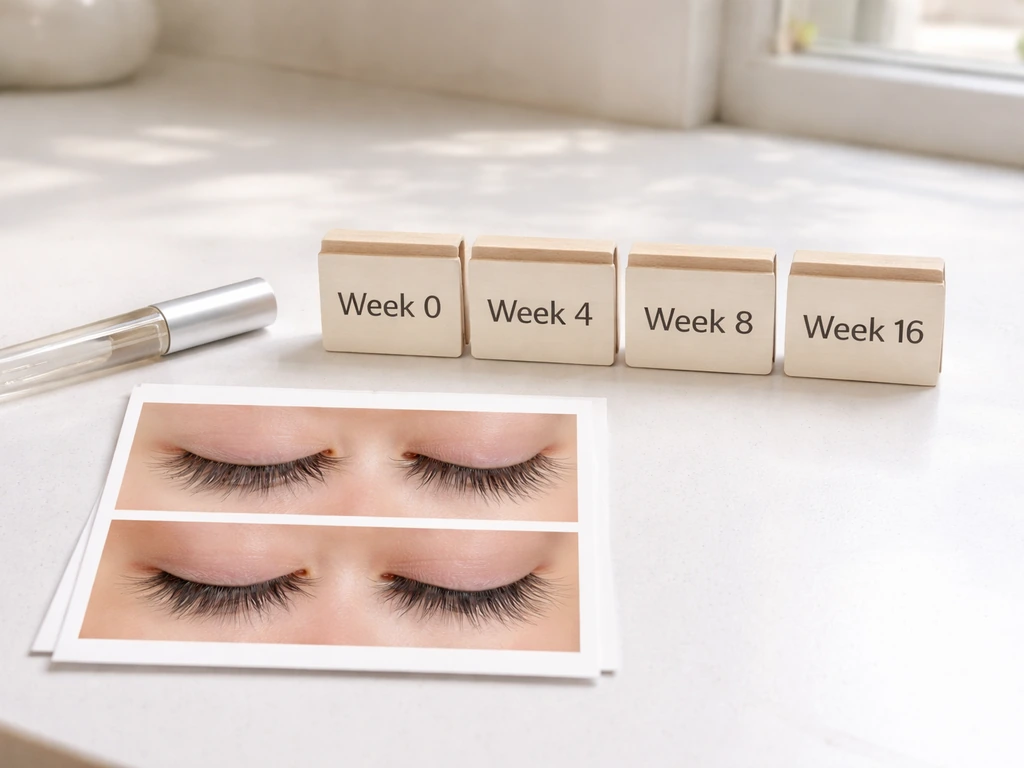
The standard guidance for bimatoprost is to apply it for at least 16 weeks to achieve maximum eyelash prominence. That aligns with the clinical trial data showing significant results at the week 16 mark. In FDA’s review materials for Latisse, the four-month randomized controlled comparative study links week 16 evaluation to eyelash outcomes clinical trial data showing significant results at the week 16 mark. For OTC serums the window is similar, roughly 3 to 4 months of consistent nightly use before you can fairly judge whether a product is working for you. Trying something for three weeks and stopping because you see nothing is one of the most common mistakes people make.
Here is what the timeline realistically looks like with a prostaglandin-based treatment:
- Weeks 1 to 4: No visible changes; the product is working at the follicle level during the early anagen phase
- Weeks 4 to 8: Some people notice lashes seem slightly fuller; this is often early anagen extension
- Weeks 8 to 12: More noticeable length and thickness start appearing for most consistent users
- Weeks 12 to 16: The most significant results become visible; clinical trials mark this as the primary endpoint
- Beyond 16 weeks: Maintenance. Stopping treatment often leads to gradual return to baseline over months
For peptide serums and conditioning approaches, the timeline is softer. Reduced breakage may be visible within 4 to 6 weeks, but meaningful length changes (if they happen) take the same 3 to 4 months or longer. If you hit the 4-month mark with no visible change from any treatment, that is the signal to reassess: check your application consistency, consider stepping up to a stronger formula, or see a doctor.
When lashes are not growing back: causes worth knowing
Sometimes lashes genuinely do not respond to growth treatments, and the reason matters. The most common issues fall into a few categories.
Mechanical and habitual damage
Repeated extension use, aggressive makeup removal, rubbing the eyes frequently, and overusing eyelash curlers can all cause chronic follicle stress. If the follicle itself is repeatedly traumatized, regrowth slows or stops in that area. The fix is removing the source of damage and giving follicles a rest period before adding any active treatment.
Inflammatory and skin conditions
Blepharitis (inflammation of the eyelid margins) and meibomian gland dysfunction are among the most underdiagnosed reasons for lash thinning and loss. Inflamed lid margins are a hostile environment for follicles. If your lash line is chronically red, flaky, or irritated, treating the inflammation is the necessary first step, not adding more serum. An eye doctor can diagnose and treat these conditions; managing them often leads to significant spontaneous lash recovery.
Medical and systemic causes
Thyroid dysfunction (both hypo- and hyperthyroidism), alopecia areata, nutritional deficiencies, and certain medications are all documented causes of lash loss. If your lash thinning came on suddenly, is patchy, or is accompanied by other hair loss or health changes, a dermatologist or your primary care doctor should evaluate you. Blood work covering thyroid function, ferritin, and vitamin D is a reasonable starting point. Latisse and OTC serums can be used alongside treatment for some of these causes, but they will not fix the root problem on their own.
Genetics
If you have always had sparse lashes and no underlying condition is identified, genetics is the likely explanation. Prescription bimatoprost is FDA-approved specifically for this scenario (eyelash hypotrichosis) and has the best chance of delivering a real improvement. Cosmetic solutions like lash tints, lifts, and well-applied mascara can complement treatment during the growth window. A look at growth-supporting mascaras can also help bridge the gap while you wait for serums to take effect.
FAQ
How long do I need to use the best grow eyelashes treatment before I can judge results?
If you stop before the full growth cycle catches up, you will usually see little permanent change. For prostaglandin-based serums, give it at least 16 weeks for a fair assessment, then reassess rather than judging at 3 to 4 weeks. If you get irritation, stop immediately and switch to a conditioning or peptide product until your eyes feel normal again.
Can I apply lash serum to my lower lashes to make them grow faster?
For prostaglandin-based products, the lower lashes are not a typical target because product migrates with blinking and increases risk. If you accidentally apply to the lower lid and your eye area gets irritated or darkened, stop and use only on the upper lash margin once your skin settles. Never put any lash serum directly into the eye.
What should I watch for if I use a prostaglandin lash serum and I am worried about discoloration?
It can, because eyelash serum is often applied to the lash margin, but the effect is time and exposure dependent. Track changes over weeks, not days, and discontinue if you notice periocular skin darkening or eye redness that persists. Iris color change is the bigger concern associated with direct ocular exposure, which is why strict placement matters.
Should I choose prescription (Latisse) or an OTC lash serum for the best grow eyelashes results?
If your goal is maximum length and your lashes are truly thinning, prescription bimatoprost is the most proven first step. If you cannot or do not want prescription treatment, choose an OTC serum with prostaglandin-analog ingredients rather than relying on vitamin-only or oil-only routines. Peptides are better suited when lashes mainly break rather than shed, so match the product to the problem.
Will using more serum each night help me grow eyelashes faster?
No, more is not better. Over-application increases migration to unintended areas and irritation, especially around the inner corner where product can pool. Use a tiny amount on a sterile applicator and draw it along the base of the upper lashes, then wipe any excess outside the lash line.
Can I wear mascara while using a lash growth serum, and what is the best way to remove it?
Serums can be compatible with mascara, but your sequence matters. Apply serum first to the lash margin, let it fully dry, then use mascara gently the next step. Avoid waterproof mascara as a daily habit if it makes you tug during removal, and prefer gentle cleansing that does not rub the lash line.
What should I do if I damaged my lashes from extensions or glue removal and want the best grow eyelashes plan?
Yes, if you address the underlying cause. After extensions or aggressive glue removal, the priority is stopping further traction and mechanical stress, then allowing regrowth time. If lashes were pulled from the root, expect a full cycle of roughly 5 to 6 months before density returns, and reassess earlier only if the lash line remains chronically inflamed.
When do lash problems mean I should see a doctor instead of trying serums?
Patchy or sudden lash loss, lashes with burning or persistent redness, or lash thinning that started alongside other health changes are common “go see a clinician” signals. Consider dermatology or ophthalmology input if you suspect alopecia areata, thyroid dysfunction, blepharitis, or post-chemotherapy effects, because topicals alone may not correct the driver.
If my lashes are already healthy, how can I make them look longer while waiting for growth treatments?
If your goal is “longer look” rather than true growth, pair a conditioning serum (peptides or an oil that reduces breakage) with a mascara that lengthens without heavy tugging. Lifts and tints can improve appearance during the waiting period, but avoid overlapping harsh steps that increase breakage.
What are the most common reasons eyelash serums do not work for me after months?
A lack of change at the 4-month mark usually means either inconsistent application, the product not matching your mechanism (growth versus breakage), or an ongoing blocker like blepharitis, meibomian gland issues, traction, or a nutritional or thyroid issue. Start by reviewing placement, nightly consistency, and whether your lash line is irritated or flaky.
What timeline should I expect with peptide-based or conditioning lash serums?
For peptide serums and conditioning approaches, reduced breakage and a healthier lash feel can show up earlier, but measurable length gains still usually take the same multi-month window as the lash cycle. If you are only seeing softness or less shedding, that can still be a win, but do not expect major length without consistent time and the right mechanism.
If my sparse lashes are genetic, will the best grow eyelashes options still work, and will results last?
Genetics can mean you need longer maintenance rather than a one-time “fix.” In that case, bimatoprost has the best chance of noticeable improvement for true hypotrichosis, while cosmetic supports like mascara, tints, or lash grooming can help bridge the cycle. If you stop a prostaglandin approach, changes typically fade as the cycle returns to baseline.
Next Article
Does Lash Serum Help Eyelashes Grow? Ingredients, Results
Find out if lash serum truly grows lashes, which ingredients work, typical timelines, and safe, realistic results.