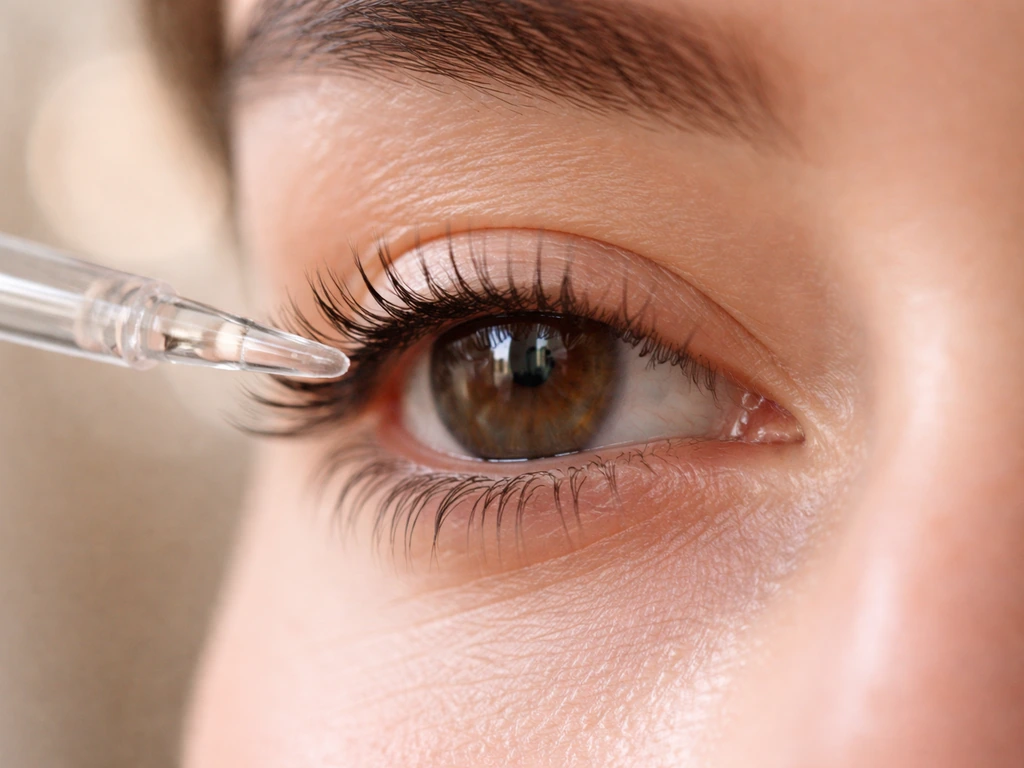
Yes, lash serums can help eyebrows grow thicker and fuller, but the evidence is much stronger for eyelashes than eyebrows, and the ingredient list matters enormously. Viviscal is also marketed for hair growth, but evidence for whether it makes eyelashes grow is much less direct than for prostaglandin-based lash serums. Serums containing prostaglandin analogs like bimatoprost have real clinical backing for stimulating hair follicles.
Can Eyelash Serum Grow Eyebrows? What Works and How
Rachel Nguyen
18 May 2026
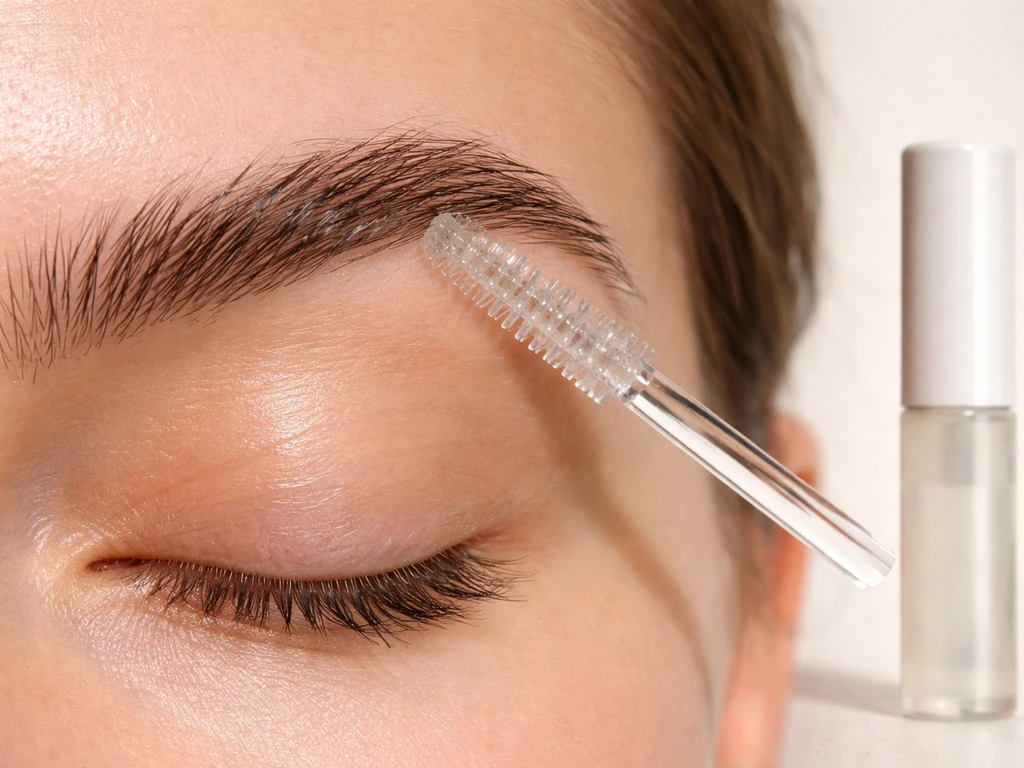
Applied carefully to the brow line, they can push resting follicles into an active growth phase. But plenty of OTC serums rely on conditioning ingredients that improve the appearance of existing hairs without actually growing new ones. So the answer is: it depends on what's in the bottle and why your brows are thin in the first place.
Do lash serums actually grow eyebrows?
The most studied ingredient in lash serums is bimatoprost 0.03%, sold as Latisse. It's FDA-approved specifically for eyelash hypotrichosis (sparse lashes), and the clinical data is solid: across multiple controlled studies, once-nightly application for 4 months produced measurable increases in eyelash length, thickness, and darkness. In general, lash serums can help eyelashes grow when they contain prostaglandin analogs that stimulate the follicles does lash serum help eyelashes grow. One multicenter study reported a mean length increase of roughly 1.62 mm in just 4 months. That's meaningful for lashes. To find the best grow eyelashes approach for your lashes, look for prostaglandin-based options and confirm the active ingredient on the label.
Eyebrows are not included in Latisse's official indication, but bimatoprost works through prostaglandin F2α receptors that eyebrow follicles also express. Off-label use on brows is something dermatologists do discuss, and anecdotally plenty of people report thicker brows from lash serums applied to the brow area. The mechanism makes biological sense. What's missing is the same volume of eyebrow-specific controlled trial data that exists for lashes.
The honest summary: prostaglandin-based serums have the most plausible shot at actually growing new eyebrow hairs. Non-prostaglandin OTC serums (peptides, panthenol, biotin topicals) mostly condition and strengthen existing hairs, which can make brows look fuller but won't sprout new ones where follicles are truly dormant or damaged.
Eyelashes vs eyebrows: what's different about growth cycles
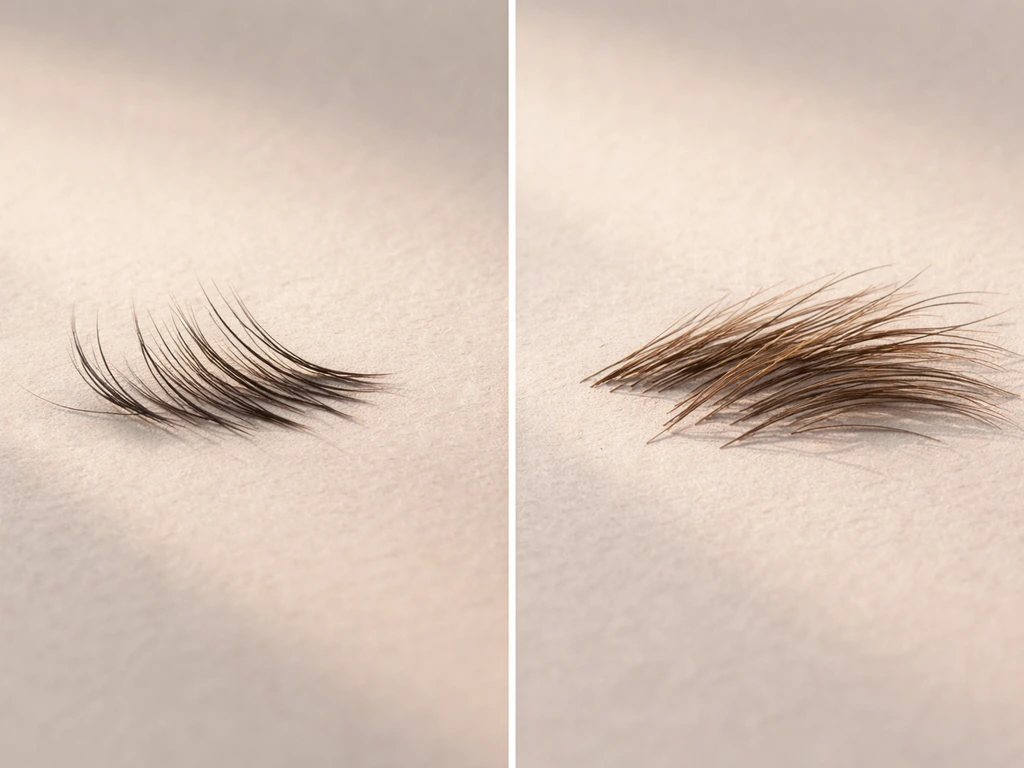
Both eyelash and eyebrow hairs follow the same basic three-phase cycle: anagen (active growth), catagen (transition/shutdown), and telogen (resting before shedding). But the timing of these phases is very different between the two, and that difference explains a lot about why eyebrow regrowth takes the time it does.
Eyebrow follicles have an anagen phase of roughly 10 weeks, which is why brow hairs stay short and why over-plucked brows can take months to fill back in. Eyelash anagen is similarly brief, described in hair biology literature as lasting around 30 to 45 days. Compare that to scalp hair, where anagen lasts 2 to 6 years. The short growth window means there's a natural ceiling on how long brow hairs can get, and any disruption to the cycle (trauma, chronic plucking, inflammation) can shift follicles into a prolonged resting state.
At any given time, roughly half of your eyelash follicles are in anagen, which is why lash loss is staggered rather than sudden. Eyebrow follicles cycle in a similar asynchronous pattern. This matters for serums because a growth-stimulating ingredient has to work with whichever phase the follicle is currently in. You can't force a follicle in deep telogen to immediately start growing; the serum shifts the odds over time rather than flipping a switch.
Ingredients that may help eyebrow growth (and what to avoid)
Lash serums broadly divide into two categories: those with prostaglandin analogs and those without. This distinction matters more than almost anything else on the label.
| Ingredient type | Examples | Evidence level | What it actually does |
|---|---|---|---|
| Prostaglandin analogs | Bimatoprost (Latisse), isopropyl cloprostenate | Strongest (bimatoprost has RCT data) | Stimulates follicle activity, extends anagen, may increase pigmentation |
| Peptides | Myristoyl pentapeptide-17, acetyl tetrapeptide-3 | Limited / weak clinical evidence | May support follicle signaling; mostly conditioning effect |
| Biotin (topical) | Panthenol, biotin | Very weak for topical use | Moisturizes and strengthens existing hair shaft |
| Botanical extracts | Saw palmetto, redensyl, caffeine | Mixed / low evidence | Some DHT-blocking or circulation claims; minimal brow data |
| Minoxidil | Rogaine (2% or 5%) | Moderate evidence for alopecia areata | Prolongs anagen; best evidence in medically-driven hair loss |
One thing to know: some OTC serums contain prostaglandin analogs without clearly naming them. An analytical study detected isopropyl cloprostenate and other prostaglandin-class actives in commercially available lash serums, sometimes without obvious disclosure. If you're buying an OTC serum and it seems to work unusually well, it may contain an undisclosed prostaglandin. This isn't necessarily safe or ideal, because the concentration and formulation aren't controlled the way Latisse is.
As for what to avoid: alcohol-heavy formulas can dry out and irritate the delicate brow and eyelid area. Anything with fragrance near the eye area is worth skipping. If you have a history of periorbital skin sensitivity or eczema, prostaglandin-containing serums carry added risk of irritation and pigmentation changes (more on that in the safety section).
How to apply lash serum to eyebrows safely (step-by-step)
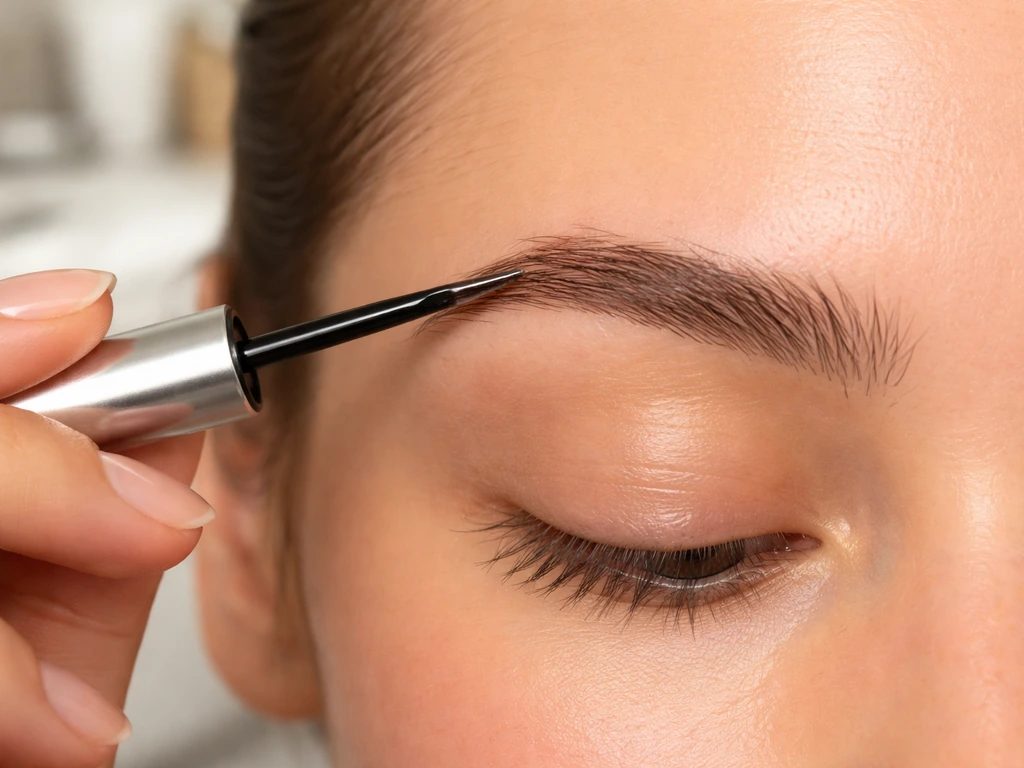
Applying a lash serum to your brows follows similar principles to lash-line application, but with a few important differences since you're working over a larger and slightly different skin area. The goal is to get the product to the follicle roots without flooding the surrounding skin or getting it into your eyes.
- Remove all makeup and cleanse your brow area thoroughly. The serum needs to reach the follicle root, and any barrier of oil, makeup, or moisturizer will reduce absorption.
- Pat the skin dry. You want the area clean but not irritated from rubbing.
- Apply a very small amount (one thin stroke) along the base of the eyebrow hairs, following the natural brow line from inner to outer corner. Think of it like drawing a fine line at the root, not coating the entire brow.
- Use the applicator that comes with the serum (usually a fine brush or wand). If the serum doesn't come with one, a thin eyeliner brush works. Avoid using your finger, which increases the risk of spreading product where you don't want it.
- Do not apply below the brow or to the upper eyelid skin unless you're following specific instructions from a dermatologist. Prostaglandin-based products applied to unintended skin can cause darkening or unwanted hair growth.
- Let it dry completely before applying any moisturizer or going to bed. A few minutes is usually enough.
- Apply once nightly. More is not better and increases irritation risk.
- Wash your hands immediately after application.
If you're using a prescription prostaglandin serum like Latisse off-label for brows, follow the exact same application discipline described in the prescribing instructions: lightly moist at the application site without runoff, use a fresh applicator each time, and never let the tip touch additional skin or surfaces to avoid contamination.
Timeline for results and how to measure progress
Be honest with yourself about timing here. Eyebrow growth is slow by nature, and no serum shortcircuits follicle biology. With a prostaglandin-based serum, Latisse studies on lashes show users may start noticing longer hairs around 4 weeks, with the most significant changes appearing by month 4 (16 weeks) of consistent nightly use. Stanford Health Care describes the dramatic effect as appearing around 3 to 4 months in. Eyebrows may respond on a similar timeline, though individual results vary and the data is less precise. If you want another data-backed perspective before choosing your option, see mascara grow lashes reviews for what users are reporting.
For OTC conditioning serums without prostaglandins, meaningful visible change is less likely within 16 weeks. You might notice shinier, slightly thicker-looking hairs (from conditioning) within a few weeks, but genuinely new growth from dormant follicles is a longer and less guaranteed process.
To track progress without fooling yourself, take a consistent photo every two weeks in the same lighting, same angle, with brows in their natural unshaped state. Look for: new fine hairs appearing in sparse areas, hairs that seem slightly longer than before, and reduced patchiness. Avoid comparing weekly because the short anagen cycle means changes are incremental. Month 2 and month 4 are your real checkpoints.
Common reasons it doesn't work and how to troubleshoot
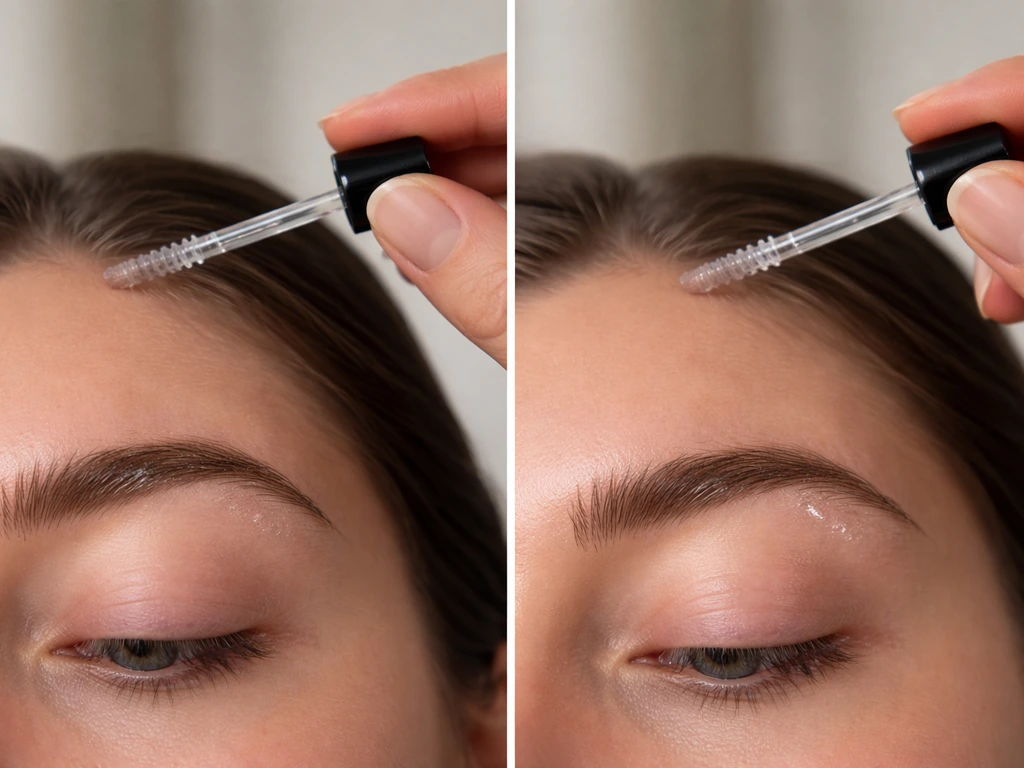
If you've been consistent for 8 to 12 weeks and still see no change, one of a few things is usually going on.
- Inconsistent use: Skipping even a few nights a week significantly undermines results. Prostaglandin serums work by maintaining a sustained signal to follicles. Set a nightly reminder.
- Applying too far from the root: If product is going onto the brow hairs rather than the skin at the base, it's not reaching the follicle. Focus application at the root line.
- Wrong serum type: A peptide-only or conditioning-only serum won't grow new hairs in sparse areas. If regrowth is your actual goal, you need a prostaglandin-based option or a prescription conversation with a dermatologist.
- Underlying skin condition: Seborrheic dermatitis, contact dermatitis, or eczema at the brow area interferes with follicle health. If your brows are itchy, flaky, or red, the skin issue needs to be treated first.
- Over-plucking damage: Repeated trauma to follicles over years can cause permanent or semi-permanent dormancy. If follicles are truly scarred, no serum will regrow those specific hairs.
- Medical cause: Thyroid disorders, iron deficiency, alopecia areata, and certain medications are common drivers of eyebrow thinning. If loss is diffuse, rapid, or accompanied by other symptoms, a serum isn't going to solve the root problem.
- Irritation stopping your progress: If you're experiencing redness or stinging and pushing through anyway, ongoing irritation can actually worsen follicle health. Stop, let the area recover, and re-evaluate the product.
Alternatives and complements with realistic expectations
Lash serums aren't your only option, and for some people a combination approach makes sense. Here's what actually has support versus what's mostly hopeful marketing.
Castor oil
Castor oil is one of the most popular home remedies for eyebrow growth and one of the most overstated. There's no strong clinical evidence that it stimulates new hair growth. What it does do is condition and coat the hair shaft, making existing hairs appear thicker and shinier. If your brows are healthy but look sparse because hairs are fine and brittle, castor oil may help visually. If you have genuinely dormant follicles, it won't wake them up. Apply a tiny amount to a clean spoolie and brush through brows at night. It's safe, cheap, and low-risk.
Biotin supplements
Oral biotin (vitamin B7) supports keratin infrastructure, and there's some evidence it helps in people who are genuinely deficient. Most people getting adequate nutrition aren't deficient. Taking a biotin supplement when you're not deficient is unlikely to produce dramatic brow regrowth. That said, it's safe at typical supplement doses and won't hurt. Topical biotin in serums has even weaker evidence since biotin absorption through skin is minimal.
Minoxidil
Topical minoxidil (Rogaine) is worth knowing about if your eyebrow thinning is medically driven, particularly if alopecia areata is involved. Cleveland Clinic specifically mentions minoxidil as a clinician-suggested option for eyebrow loss from alopecia areata, and a systematic review supports its ability to induce regrowth in at least some alopecia areata patients. blank" rel="noopener noreferrer">Higher concentrations (5%) show greater response rates than 1% in dose-response analyses. This is a clinical-grade option worth discussing with a dermatologist, not something to start casually.
Nutrition and underlying health
Iron, zinc, vitamin D, and protein are all involved in hair follicle function. If you're deficient in any of these, addressing the deficiency through diet or supplementation can meaningfully support regrowth. This isn't glamorous advice, but it's honest: if your brows started thinning around the same time you changed your diet or started a restrictive eating pattern, fixing the nutritional gap may do more than any serum.
Safety, side effects, and when to see a doctor
The eye and brow area is sensitive real estate, and prostaglandin-based serums carry real risks that are worth knowing before you start. This isn't to scare you off them, but the side effect profile is distinct from a basic conditioning serum.
- Skin darkening (hyperpigmentation): Bimatoprost is documented to cause periorbital skin darkening. This is usually reversible when you stop using the product, but it can take months to fade. A JAMA Ophthalmology paper specifically documented bimatoprost-related periorbital pigmentary changes.
- Ocular irritation: Redness, dry eyes, and eye irritation are listed adverse reactions in the Latisse prescribing information. If product migrates into the eye, these effects are more likely.
- Eyelid/brow skin changes: Prostaglandin analogs have been associated with periorbital fat atrophy (a loss of volume around the eye area) with chronic use. This is a less commonly discussed side effect but is documented in the literature, including in an Orbit journal review of periorbital fat atrophy.
- Unwanted hair growth: If product consistently spreads beyond the brow line to surrounding skin, fine hairs can grow in unintended areas.
- Iris pigmentation: Though primarily a concern with eye drops used for glaucoma, bimatoprost carries a warning about potential iris pigmentation changes, especially with repeated eye contact.
- Eyelid ptosis: A PMC case report documented upper eyelid ptosis and levator muscle changes after chronic unilateral bimatoprost use, illustrating that effects can extend beyond the skin.
If irritation (redness, itching, stinging) starts within the first two weeks, stop use and let the skin recover. Don't push through persistent irritation hoping it will resolve. Dermatologist guidance on sensitive-eye serum application consistently recommends stopping and using a supportive ointment rather than continuing with an irritating product.
See a doctor if: your eyebrow thinning came on suddenly, is patchy in an asymmetric way, is accompanied by fatigue, hair loss elsewhere, or skin changes, or has not responded to consistent topical use after 4 to 6 months. These patterns can indicate alopecia areata, thyroid dysfunction, or other systemic causes that need actual diagnosis and treatment, not just a serum. A dermatologist can also prescribe Latisse properly with appropriate guidance for off-label brow use, which is a safer route than buying unregulated OTC products that may contain undisclosed prostaglandins at unknown concentrations.
The practical bottom line: if your brows are thin from aging, light over-plucking, or general sparseness, a well-formulated lash serum used consistently for 4 months is a reasonable first experiment. If you want the strongest available option, that means a prostaglandin-based serum, ideally through a dermatologist. If your thinning has a medical cause, no serum alone will fix it, and getting the diagnosis right is the first step.
FAQ
How long does it take for a lash serum to show results on eyebrows?
Expect slower, less dramatic changes than lashes. For prostaglandin-based formulas, a reasonable checkpoint is about 4 weeks for early signs and around 3 to 4 months for the biggest visible differences. If you only see shine or temporary thickness within a few weeks, that usually indicates conditioning rather than true new growth.
Is it safe to use eyelash serum on my eyebrows if my skin is sensitive?
Use caution if you have active eye-area irritation or a history of contact dermatitis. Skip fragrance, minimize alcohol-heavy products, and introduce prostaglandin-containing serums gradually (for example, every other night for a week) and stop immediately if you get burning, itching, or redness.
I wear contacts, can I still apply eyelash serum to my brows safely?
If you wear glasses, consider applying at night so you can avoid rubbing the area. For contact lens users, avoid getting product too close to the tear line, use a precision applicator, and wash hands thoroughly after application. If your formula ever migrates onto the lash line and stings, stop and reassess.
What eyebrow thinning signs mean I should see a dermatologist instead of relying on a serum?
Do not use it to treat true eyebrow hair loss causes without a diagnosis. Sudden patchy thinning, eyebrow loss plus scalp/body hair changes, fatigue, or changes in skin can signal conditions like alopecia areata or thyroid disease. In those cases, a serum may not be enough, and delaying treatment can prolong regrowth time.
What should I do if my eyebrow serum is not working after months?
If you have no improvement after consistent use for about 4 to 6 months, reassess the cause and the product. Common reasons include using a conditioning-only serum, incorrect placement (not reaching follicle roots), using an irritating formula you have to stop, or having an underlying cause such as nutritional deficiency, eczema, or autoimmune-driven hair loss.
How can I tell whether an OTC serum is likely to actually grow eyebrow hair?
Consider that some serums can be effective but still not be ideal for brows due to irritation risk. If you want more certainty, prioritize products with clearly labeled prostaglandin-class actives, or discuss off-label prescription options with a dermatologist rather than trying unregulated OTC products.
Can I apply the serum directly on the skin or only on the brow hairs?
Yes, but apply less precisely than you would to eyelashes. Use a small amount, keep it off the surrounding skin to limit irritation and darkening, and avoid the eyelid/inner corner where absorption and exposure are higher. Consistency matters more than heavy application.
Is it better to apply eyelash serum more than once per day for faster eyebrow growth?
Once-nightly use is the typical discipline for prostaglandin-based products. Using more often usually increases side effects without improving growth, and it can raise the chance of redness, itching, and pigment changes. Stick to the label guidance unless your clinician tells you otherwise.
What side effects mean I should discontinue and switch products?
Stop and switch strategy if you develop swelling, persistent burning, or worsening redness. Let the skin calm down and consider a supportive barrier ointment. If symptoms recur with re-application, avoid the ingredient category and get clinician guidance before trying another prostaglandin-containing product.
What is the best way to measure whether my brows are actually growing?
To track progress, take photos every two weeks in the same lighting and angle, with brows in their natural state (no reshaping). Compare month 2 and month 4 more than week-to-week, since brow anagen is shorter and changes are incremental.
Will eyebrow plucking or waxing interfere with serum results?
If you pluck, wax, or thread frequently, you can undo progress by repeatedly damaging follicles. Give yourself enough time between maintenance sessions, and avoid starting a serum routine during a period of heavy plucking so you can evaluate true regrowth.
Does castor oil or a peptide serum work the same way as prostaglandin-based products for brows?
Not necessarily. Castor oil and many peptide or panthenol formulas can make existing hairs look thicker or more conditioned, but they are less likely to wake dormant follicles. If you have truly sparse areas from follicle inactivity, prostaglandin-class options or medically directed treatments are more likely to matter.
Next Article
Best Grow Eyelashes: What to Use, Products, Timelines
Best grow eyelashes guide with top serums oils and timelines, how to use safely, and what actually works