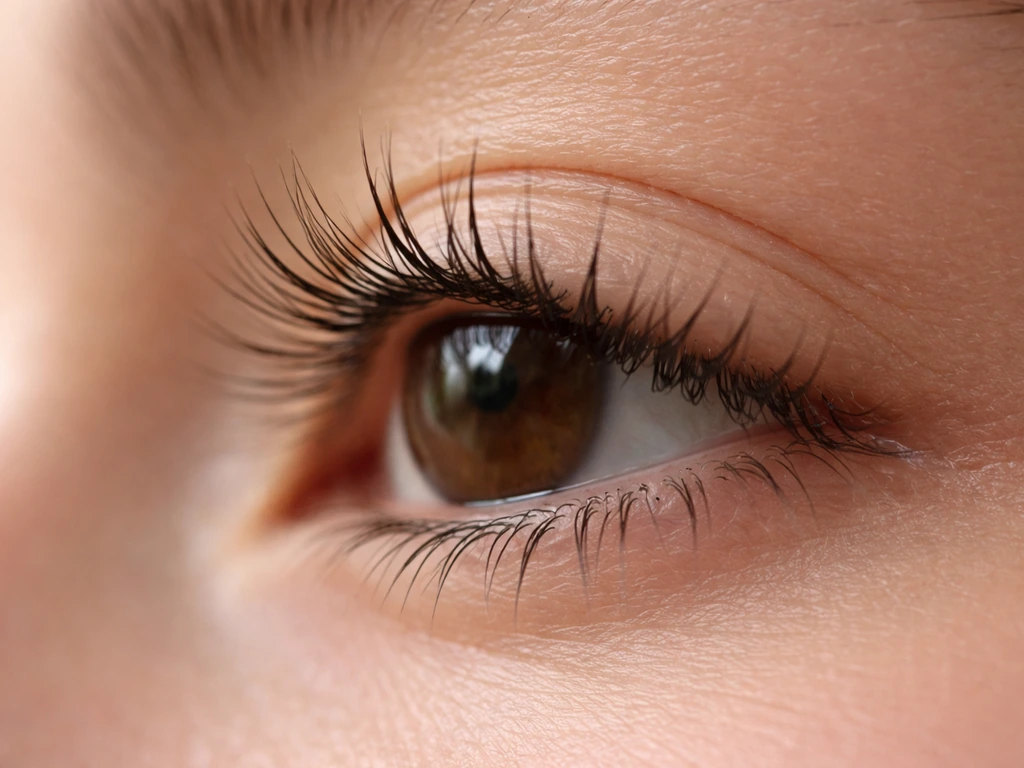
Yes, eyelashes can grow longer, both naturally and with the help of targeted products. If you want to avoid breakage, skip trimming and focus on gentle handling and conditioning trim your eyelashes. How much longer depends on whether your lashes are simply broken or damaged versus actually short from the follicle level, which phase of the growth cycle they're currently in, and what you do to support that cycle. This is one key reason scalp hair can keep growing longer than eyelashes, even though both start from follicles. The ceiling is real (biology limits how long lashes get), but most people have meaningful room to work with before hitting it.
Can Eyelashes Grow Longer Naturally? Timelines and Tips
Rachel Nguyen
26 Apr 2026
How eyelash growth actually works
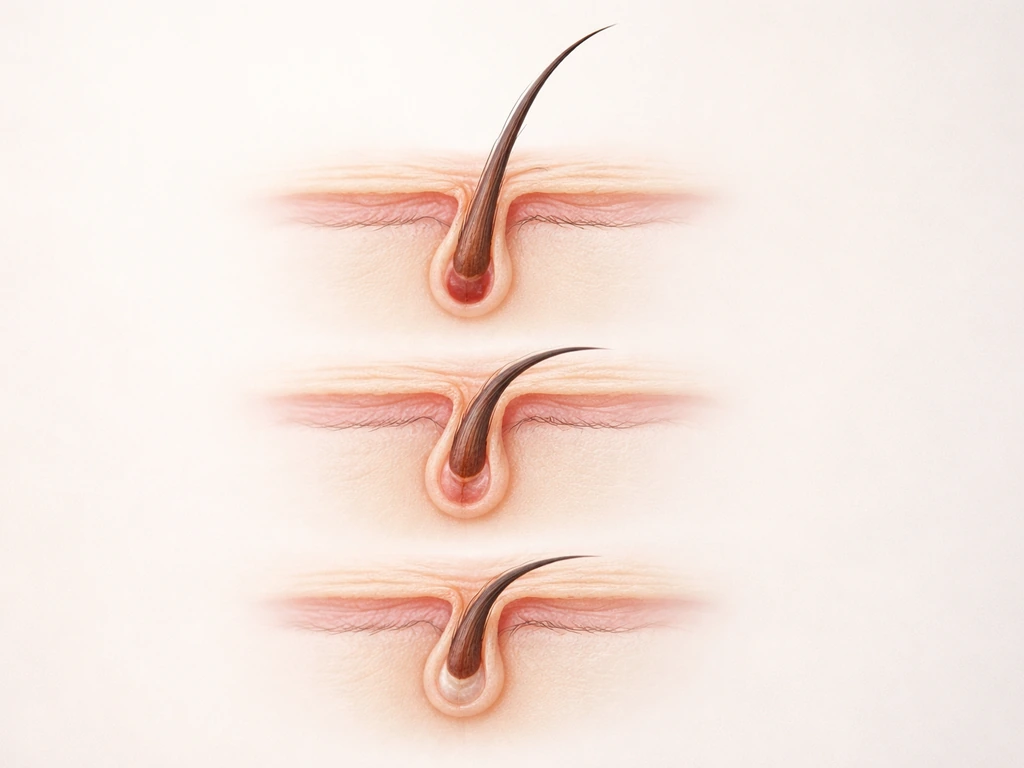
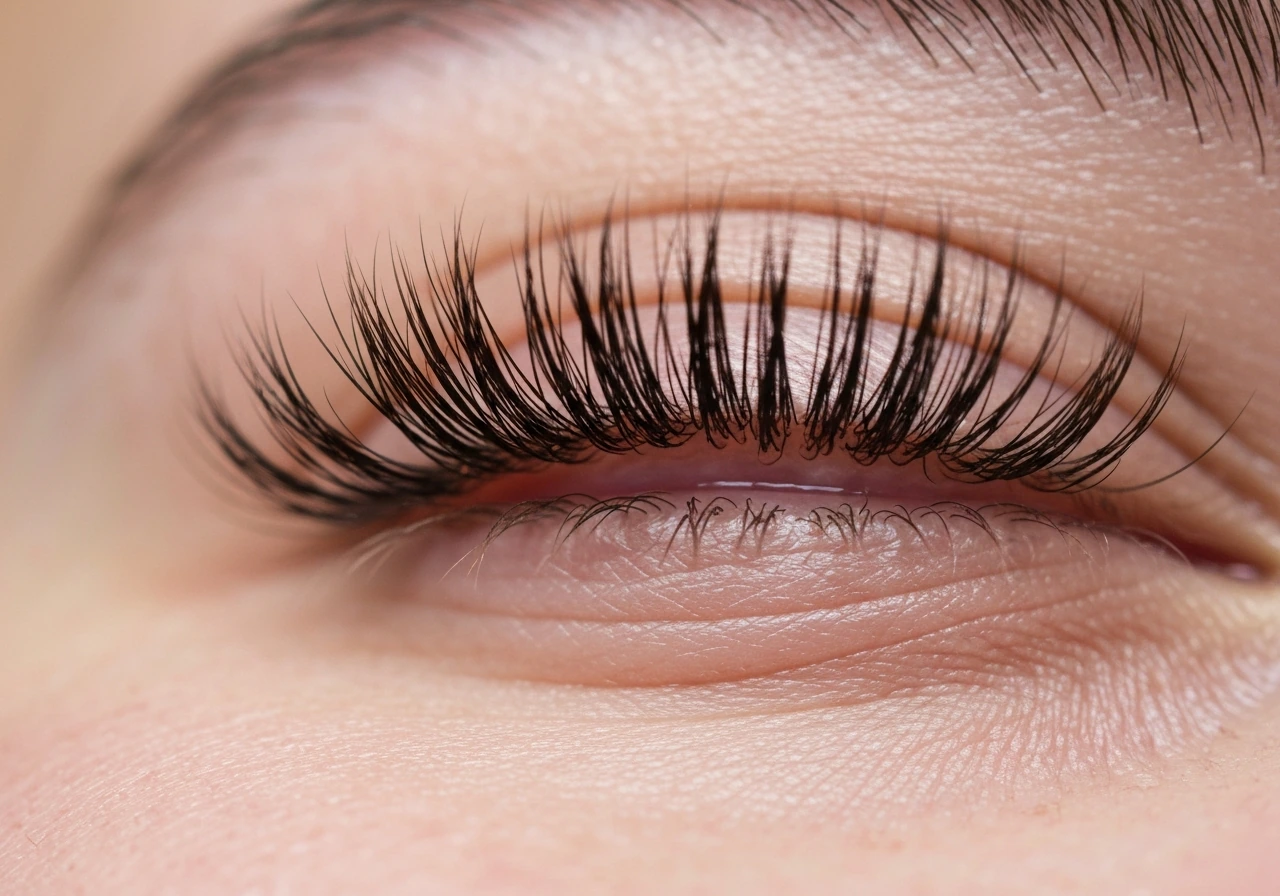
Eyelashes follow a three-phase growth cycle: anagen (active growth), catagen (transition), and telogen (resting). During anagen, the follicle is producing a lash and it's physically getting longer. Catagen lasts roughly 15 days and is when the hair forms into a club hair before the follicle rests. Telogen is the quiet phase where no growth happens, and once it ends, the lash sheds and the cycle restarts.
The anagen phase for eyelashes is much shorter than for scalp hair, typically lasting somewhere between 4 and 10 weeks. That short window is the main reason lashes stay short compared to head hair. The final length a lash reaches is largely determined by how long its individual anagen phase runs, which is why extending that phase (something prescription treatments do directly) produces longer lashes. Density, meaning how many lashes you have, is a separate variable from length and responds to different factors.
A full lash replacement cycle, from shed to fully replaced lash, typically takes around 4 to 8 weeks according to lash cycle research. That timeline matters a lot when you're tracking whether a treatment is working or waiting for damaged lashes to recover.
Can eyelashes grow longer naturally, and what happens with age
Lashes can absolutely grow longer through natural means, but the extent is limited by your follicle's genetic programming. What most people experience as "naturally longer lashes" is often a combination of less breakage, better follicle health, and catching lashes during a longer anagen phase rather than true biological lengthening. That's still a real and worthwhile improvement, it just helps to frame expectations correctly.
As for age: lash length, thickness, and darkness tend to decrease over time. This is a well-documented change tied to follicle aging. So the question of whether lashes grow longer with age has a straightforward answer: no, the general trend goes the other direction. If your lashes seem longer now than they were a few years ago, it's more likely because a damaging habit stopped, a health issue resolved, or nutrition improved, not because aging helped.
Why your lashes might suddenly seem longer (or shorter)
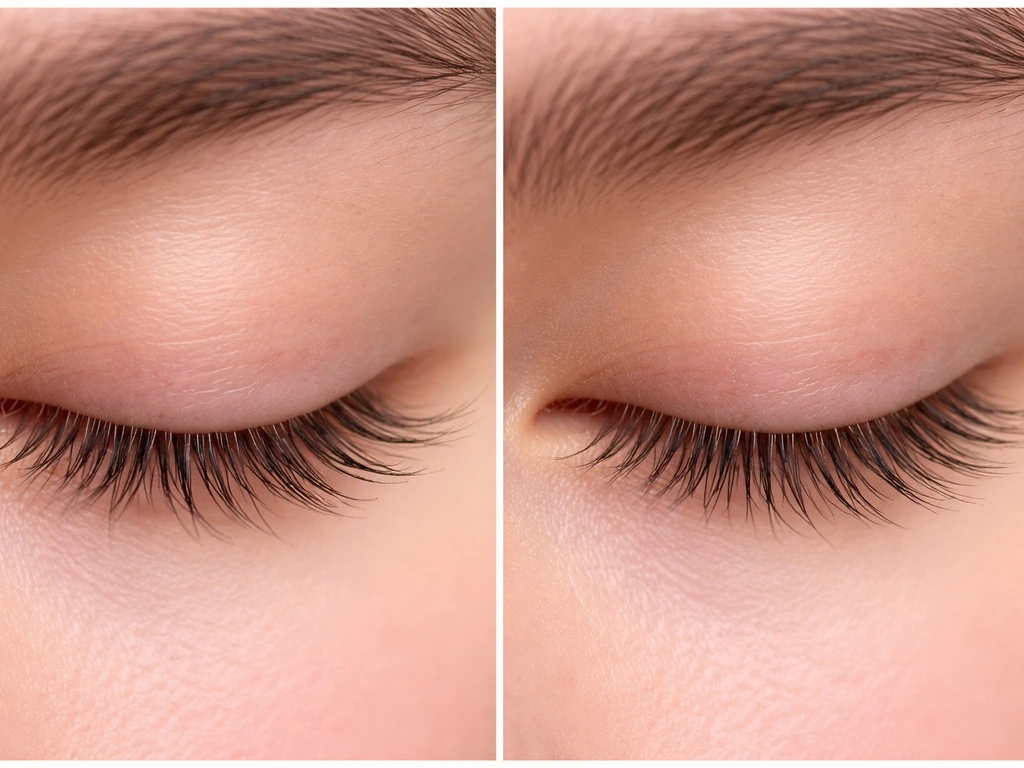
If you've noticed your lashes looking longer lately without doing anything intentional, there are a few common explanations. Reduced mechanical stress is the most underrated one: stopping the use of eyelash curlers, being gentler with makeup removal, or switching away from waterproof mascara can cut down on breakage significantly. Lashes that aren't snapping off mid-shaft reach their full grown length instead of appearing perpetually short and tapered.
Hormonal shifts, recovering from a period of nutritional deficiency, or stopping a medication that was affecting hair cycling can also result in noticeably improved lashes. In these cases, the follicles were always capable of producing longer lashes and were simply impaired.
The red flag scenario is the reverse: lashes that are getting shorter or falling out in patches, especially alongside eyelid redness, flaking, or itching. That pattern can point to blepharitis, thyroid issues, alopecia areata, or reactions to cosmetic products including extensions. Those situations warrant a dermatologist or ophthalmologist visit rather than adding more products.
What actually makes lashes grow longer (with evidence)
Prescription bimatoprost (Latisse)
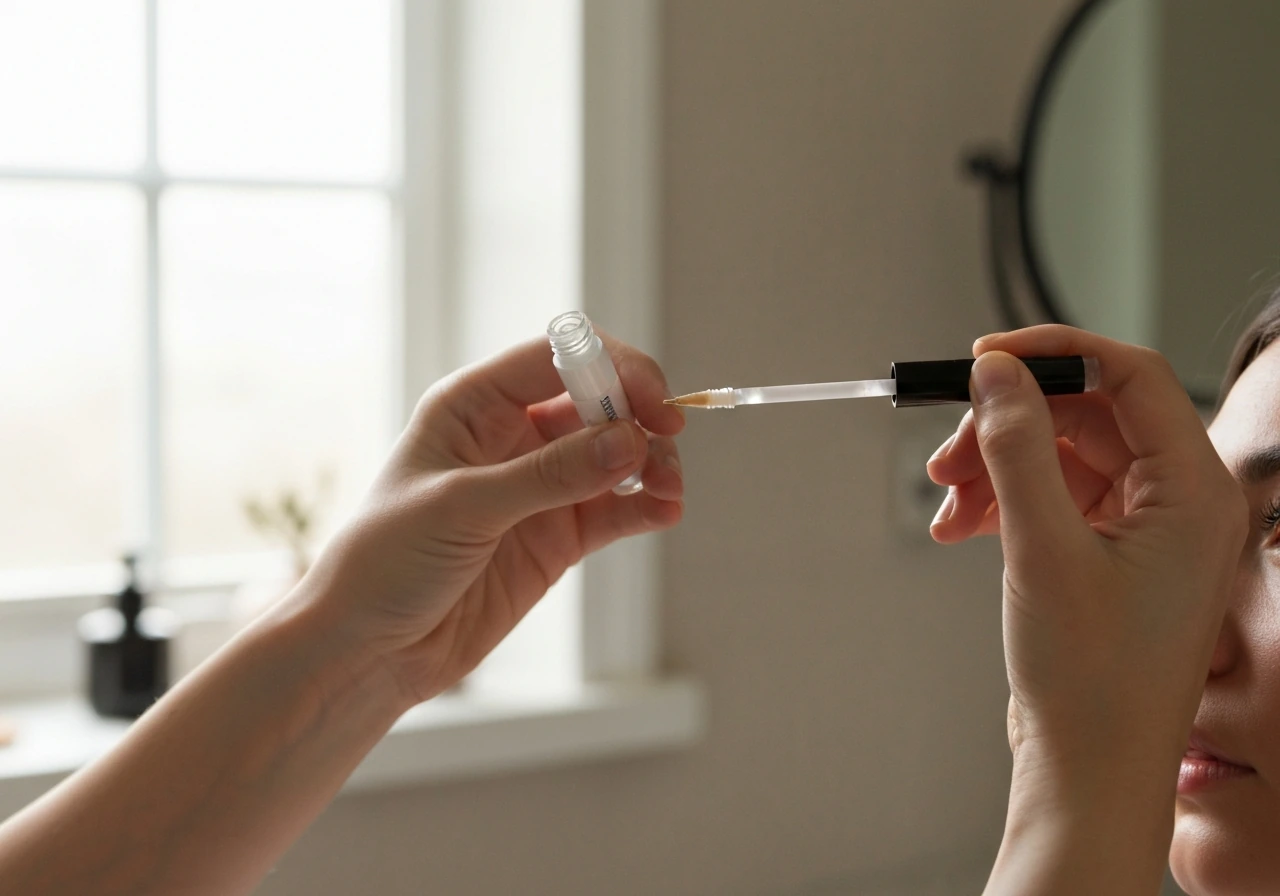
Bimatoprost 0. 03% solution (sold as Latisse) is the [only FDA-approved treatment specifically indicated for eyelash hypotrichosis](https://www. accessdata. fda.
gov/drugsatfdadocs/label/2021/022369s014lbl. pdf) and the most evidence-backed option available. If you have sparse or short lashes and want a clinically supported option, this is the treatment most often discussed for what makes your eyelashes grow longer bimatoprost. It works by increasing the proportion of follicles in the anagen phase and extending how long that phase lasts, which directly translates to longer lashes.
It also increases hair bulb thickness and stimulates melanogenesis, so lashes come out fuller and darker too. Clinical trials measured statistically significant improvements at 8, 12, and 16 weeks, with the primary endpoint at 16 weeks of once-nightly use. It requires a prescription and isn't cheap, but for people with genuinely sparse or short lashes, it's in a different category from everything else on the market.
Latanoprost and other prostaglandin analogs
Latanoprost, another prostaglandin analog used primarily as a glaucoma eye drop, has been studied for lash growth as well. One quantitative study measured lash length going from roughly 5. 8 mm at baseline to around 6. 5 mm at 2 to 6 weeks and 6.
6 mm at 10 weeks, which is a real and measurable difference in a short window. In a quantitative clinical study, treated eyes showed mean eyelash length increasing from about 5. 8 mm at baseline to about 6. 5 mm at 2 weeks and about 6.
6 mm at 10 weeks [mean eyelash length increased from about 5. 8 mm to about 6. 5 mm at 2 weeks and about 6. 6 mm at 10 weeks](https://pubmed.
ncbi. nlm. nih. gov/12422916/).
It's not FDA-approved for cosmetic lash use, but it illustrates how this class of drugs drives length changes quickly compared to topical cosmetic options.
Cosmetic lash serums
Over-the-counter lash serums are a crowded market, and the evidence base is much thinner than for prescription prostaglandins. An open-label study on a polygrowth factor serum found visual improvements over the trial period, but the authors themselves called for additional randomized controlled trials before making strong claims. That's the honest state of the cosmetic serum space: some products show promise, but most haven't cleared the bar of rigorous clinical validation. Peptide-based and growth factor serums are generally safe when used as directed, and the anecdotal feedback is often positive, but expect slower and subtler results than prescription options.
Castor oil and natural oils
Castor oil is one of the most searched natural remedies for lash growth. The honest position here: there's no specific clinical research confirming it grows lashes longer, and Medical News Today puts it plainly in contrast with the prescription evidence for bimatoprost. What castor oil likely does is condition lashes, reduce brittleness, and limit breakage, which can make lashes appear longer and healthier. It's not nothing, but it's not follicle-level growth stimulation either. The same logic applies to other oils like argan, vitamin E, and rosehip: good for conditioning, not proven growth stimulators.
Nutrition and biotin
Biotin (vitamin B7) is frequently mentioned in lash growth content, but the evidence only supports a benefit if you're actually deficient. If your diet is already adequate in biotin, supplementing more won't grow longer lashes. That said, overall nutritional status, including adequate protein, iron, and zinc, does matter for hair follicle function. Addressing a deficiency can produce genuine improvement; supplementing beyond sufficiency generally won't.
Comparing your main options
| Option | Evidence level | Expected timeline | Key consideration |
|---|---|---|---|
| Bimatoprost (Latisse) | FDA-approved, multiple RCTs | 8–16 weeks | Requires prescription; reversible if stopped |
| Latanoprost drops | Clinical studies, not FDA-approved for cosmetic use | 2–10 weeks | Off-label; use only under medical supervision |
| Cosmetic lash serums | Limited open-label studies | 4–12 weeks | Variable results; look for peptide/growth factor formulas |
| Castor oil / natural oils | No direct clinical evidence | Ongoing (conditioning only) | Reduces breakage; not a follicle stimulant |
| Nutrition/biotin | Effective only if deficient | Weeks to months | Blood test first to confirm deficiency worth treating |
If you want the most reliable path to genuinely longer lashes, bimatoprost is the clear winner on evidence. If you're not ready for a prescription or prefer a lower-commitment starting point, a well-formulated cosmetic serum combined with consistent oil conditioning and protective habits is a reasonable approach. Just go in with accurate expectations.
How to grow longer lashes at home: a practical routine
You don't need a complicated multi-step system. A focused, consistent routine is more effective than throwing ten products at the problem. Here's what actually moves the needle:
- Remove eye makeup gently every night. Use a non-waterproof formula when possible and a gentle micellar water or oil-based remover. Rubbing and tugging is one of the main causes of lash breakage. Use a cotton pad, press and hold, then wipe lightly rather than scrubbing.
- Apply your serum or conditioning oil at the lash line once nightly. Less is more. One thin pass along the upper lash margin is enough. Most products should be applied after cleansing and makeup removal so the base is clean.
- If using castor oil or a vitamin E oil, apply with a clean spoolie or a single cotton swab and work it gently from base to tip. Avoid getting oil directly in the eye in large amounts.
- Avoid eyelash curlers daily. If you use one, make sure the pad is soft and undamaged, and never use a heated curler on the same lashes every day.
- Give it a full lash cycle before judging results. That's at least 4 to 8 weeks of consistent use before comparing photos.
- Keep the eyelid margin clean. A gentle lid scrub with diluted baby shampoo once or twice a week removes buildup that can clog follicles and contribute to lash loss.
- Take photos in the same lighting at baseline and every 4 weeks. Progress is easy to miss without direct comparisons.
For prescription bimatoprost specifically, the protocol is once nightly, one drop applied only to the upper eyelid margin skin at the base of the lashes using the sterile applicator provided. Do not apply to the lower lid. The clinical endpoint is 16 weeks, so commit to at least that before evaluating whether it's working for you.
Do lashes grow back longer after damage or extensions
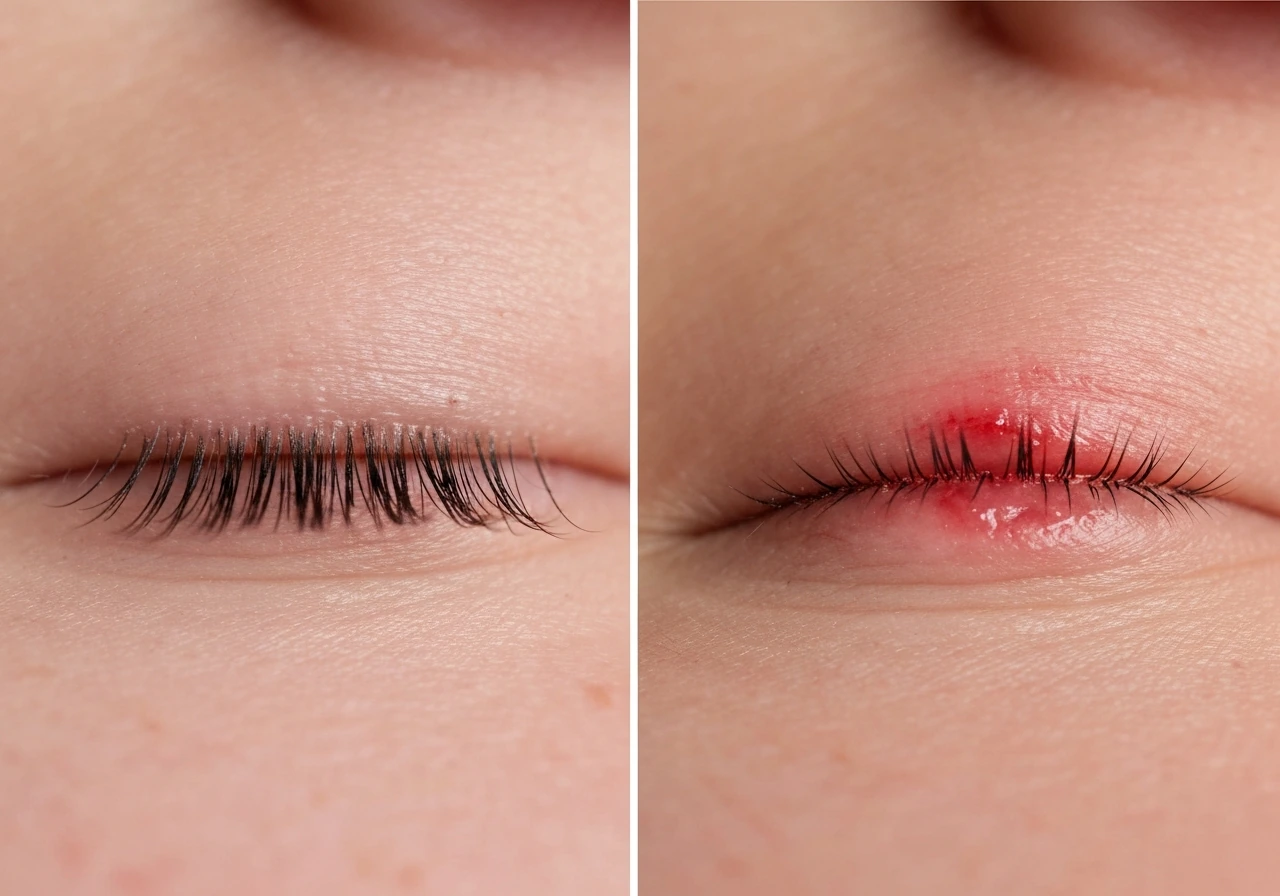
This depends heavily on whether the follicle itself is intact. If lashes were broken, singed, pulled out at the root by poor extension removal, or lost due to inflammation, but the follicles are undamaged, then yes, they will regrow. The cycle just needs to complete: the empty follicle enters anagen, a new lash grows in, and within 4 to 8 weeks you have a full replacement. In cases of significant or repeated damage, total replacement can take longer because multiple follicles may be in different phases simultaneously.
The more serious scenario is when the follicle itself is damaged or scarred, which can happen with aggressive chemical treatments, severe blepharitis left untreated, or trauma. In those cases, the follicle may not restart the growth cycle normally, and regrowth is limited or absent. This is why treating eyelid inflammation promptly matters: chronic low-grade blepharitis can quietly contribute to ongoing lash loss if it's not managed.
After eyelash extensions specifically, the main risks are mechanical: adhesive reactions, follicle stress from heavy extensions, and damage from improper removal. If you've noticed your natural lashes looking thinner after extensions, give them a full 8-week cycle without extensions, focus on conditioning, and hold off on any irritating products during recovery. Most people do see full recovery within one to two full lash cycles assuming no follicle damage occurred.
Safety, limits, and when to stop
Eyelashes do have a natural maximum length, and it's relatively short compared to scalp hair precisely because the anagen phase is so brief. If you are wondering why lashes seem to cap out, it comes down to the short anagen growth phase and limits set by your follicle biology why do eyelashes only grow to a certain length.
This ceiling is closely tied to what makes eyelashes grow thicker and longer, because the short anagen phase limits both the eventual length and how much density can build why do eyelashes only grow to a certain length. That limit is set by your follicle biology and you can't override it indefinitely even with prescription treatments. What you can realistically do is optimize within that range.
For prescription bimatoprost, the most commonly reported side effects are eye itching, conjunctival redness, and eyelid skin hyperpigmentation (darkening). Iris color change is a known risk with prostaglandin analogs applied near the eye, though this is less common with eyelid margin application than with direct eye drops. The good news is that eyelash changes from bimatoprost are generally reversible when you stop using it, which the FDA labeling confirms. If you develop conjunctivitis, eyelid eczema, or significant redness, stop use and contact your prescribing doctor.
For any lash product, the FDA advises stopping and avoiding eye cosmetics and adjacent products if there is an active eye infection or if the skin around the eye is inflamed. That's a practical rule: pause everything when there's irritation or infection present, treat the underlying issue first, and restart once things are calm.
With cosmetic serums, the main risks are irritant or allergic reactions at the lash line. If you notice redness, swelling, or flaking that wasn't there before starting a product, stop it and let the area recover for at least a week before trying anything new. Patch testing on the inner arm first is a sensible precaution with any new formula.
When to see a doctor instead of reaching for another product
- Lashes falling out in patches or large numbers without obvious cause
- Eyelid redness, flaking, crusting, or chronic itching alongside lash loss
- Lash loss after starting a new medication
- Symptoms in or around the eye after extension application (pain, discharge, sustained redness)
- No regrowth after two full lash cycles following apparent damage
- Unexplained changes in lash direction or in-growing lashes causing eye discomfort
These scenarios point to conditions like blepharitis, alopecia areata, thyroid dysfunction, or follicle damage that need diagnosis, not a new serum. An ophthalmologist or dermatologist can evaluate the follicle health directly and give you a realistic picture of what's recoverable and what options make sense for your specific situation.
FAQ
If my eyelashes are short, how can I tell whether they are broken versus naturally still in a short growth cycle?
A simple clue is whether lashes look like they are snapping mid-shaft or tapering unevenly (more suggestive of breakage). If most lashes look uniformly short from the base and don’t recover despite gentler handling, it may be timing in the anagen phase or a genetic ceiling rather than recent breakage.
Can I trim or cut my eyelashes to make them grow longer?
Trimming doesn’t extend the follicle’s growth phase, so it can’t increase the maximum length your follicles are programmed to reach. It may also increase perceived unevenness if hairs are cut at different lengths and could add mechanical stress if you’re repeatedly adjusting tools near the lash line.
How long should I wait to judge whether a lash serum or treatment is working?
Look at outcomes on a lash-replacement timeframe, not a week or two. For many approaches, a full cycle is often roughly 4 to 8 weeks, and for treatments that act on growth cycling, evaluation commonly needs about 16 weeks of consistent use before deciding it’s not working.
Will using an eyelash curler ruin results if I’m trying to grow them longer?
Frequent curling increases the odds of mid-shaft breakage, especially if lashes are already dry or you curl after mascara. If you curl, keep pressure light, avoid repeated passes, and consider pausing it during the first replacement cycle to see whether breakage drops.
Can lash extensions prevent my lashes from growing longer?
They can, mainly indirectly. Heavy extensions and difficult removal can stress follicles and increase shedding, so lashes may regrow to their normal length only after a recovery cycle without extensions. A full 8-week break is a reasonable starting point to assess recovery.
If I stop bimatoprost, will my lashes stay longer or go back to baseline?
Lash changes are generally reversible after stopping. That means you should treat longer lashes as something you maintain rather than a permanent, indefinite change, and plan for regrowth timing if you discontinue.
What happens if I miss a night of bimatoprost?
One missed application is unlikely to matter. The bigger factor is consistency across weeks, since the goal is shifting the proportion of lashes in growth phases over time. If you miss several nights, resume the original schedule rather than doubling up.
Is it safe to use multiple eyelash products at the same time?
Be cautious with layering, especially if you’re already seeing irritation. Combining serums, oils, and medicated prostaglandin treatments near the lash line can increase the chance of contact dermatitis or masking which product is causing it. Consider introducing one product at a time and pausing all new products if the area becomes red or flaking.
Should I apply lash serum to the lower lid too?
For prescription bimatoprost, apply only to the upper eyelid margin at the base of the lashes, not the lower lid. With cosmetic serums, many instructions also focus on the lash line only, and the safest approach is to follow label directions closely to reduce exposure to more sensitive eye tissues.
Can eyelash growth be affected by hormones or medications?
Yes. Hormonal shifts, recovery from nutritional deficiency, and stopping a medication that previously interfered with hair cycling can lead to noticeable improvement. If change is abrupt or dramatic, it can also help to rule out underlying conditions, especially if there is itching, redness, or patchy loss.
What does “patchy lash loss” suggest, and when should I see a specialist?
Patchy thinning or lashes falling out in spots, especially with eyelid redness, flaking, itching, or other scalp or skin changes, can point to conditions that need diagnosis rather than product trials. An ophthalmologist or dermatologist is the right next step if you see this pattern.
Can biotin supplements help even if I’m not deficient?
Usually no for lash growth specifically. Biotin is more likely to help only when you have a true deficiency, while excess intake beyond sufficiency typically won’t meaningfully extend the anagen-driven length your follicles are capable of.
What should I do if a lash product irritates my eyes?
Stop the product and avoid other eye cosmetics and adjacent products while the skin is inflamed or there is any infection. After recovery, you can consider reintroducing only one product at a time, and patch testing on the inner arm can help identify reactions before using it at the lash line.
Next Article
What Makes Your Eyelashes Grow Longer: A Practical Guide
Learn what makes eyelashes grow longer: growth cycle, reduce breakage and irritation, and use serums safely for real res