
Eyelashes grow through a biological cycle that you can influence but not entirely control. If you want longer, thicker lashes, or you're trying to regrow them after damage, extensions, or a medical condition, understanding that cycle is the single most useful thing you can do. Everything else, the oils, serums, supplements, and habits, only works as well as you understand what's actually happening at the follicle level.
How to Grow Eyelashes Back: Science, Timeline, and Tips

Rachel Nguyen
17 Apr 2026
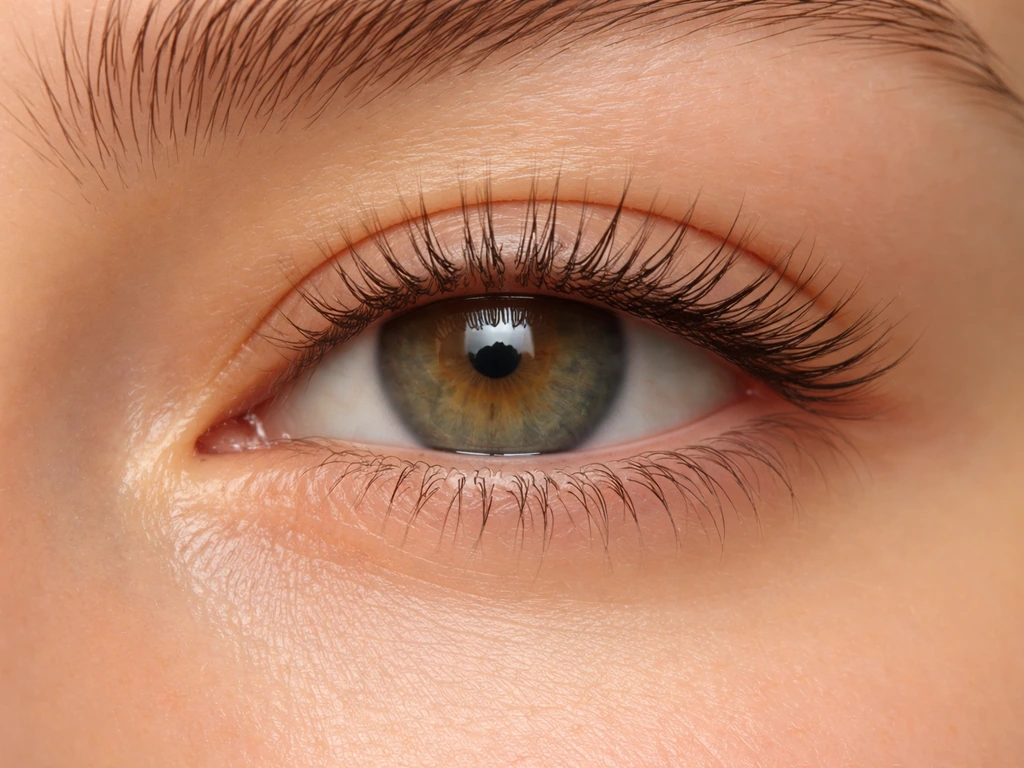
The biology behind eyelash growth
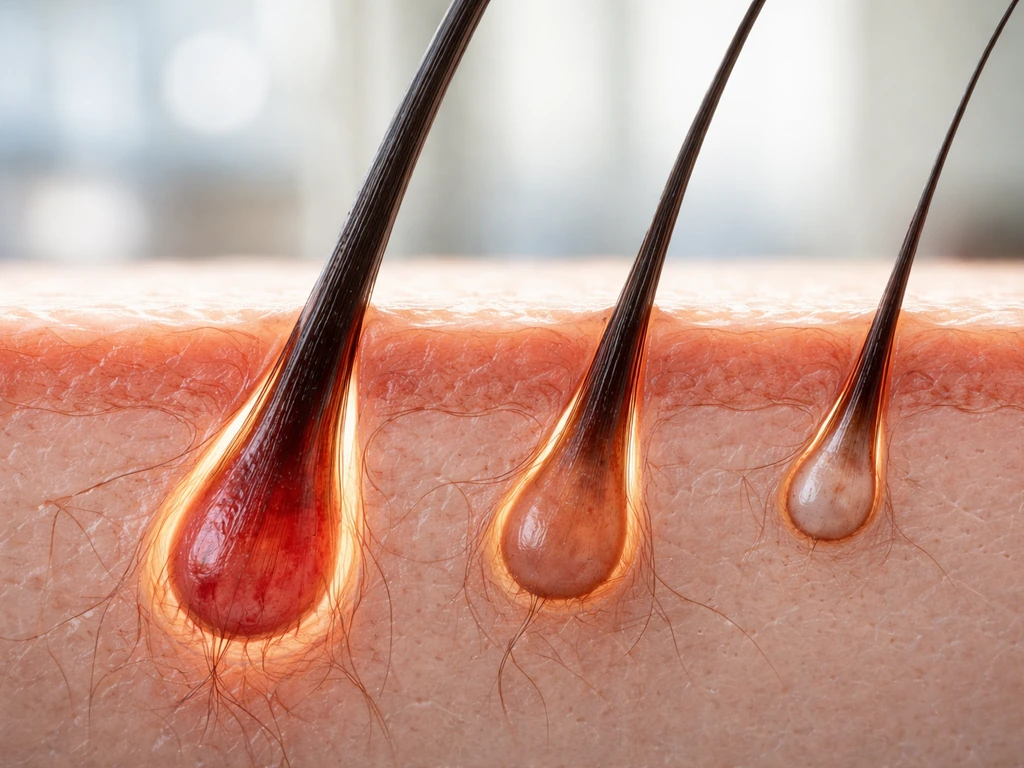
Every eyelash goes through three distinct phases: anagen (active growth), catagen (transition and regression), and telogen (resting). During anagen, the follicle is actively producing new hair. Catagen is a short transitional phase where growth stops and the follicle begins to shrink. In telogen, the lash sits dormant before it sheds and the cycle restarts. According to anatomy research from NCBI, the telogen phase for eyelashes can last approximately 4 to 9 months, and at any given time roughly half of all periocular hairs are in the anagen phase.
What this means practically: your lashes are not all growing or shedding at the same time, which is why you don't go bald every time you enter a telogen cycle. But it also means that if you damage follicles or disrupt the cycle, you may not notice the visual impact for weeks, and the recovery can take months. This is one of the most frustrating parts of lash regrowth. You do the right things, but the mirror doesn't cooperate immediately.
How eyelashes actually grow, step by step
Length, thickness, and color are all determined at the follicle. The follicle sits in the eyelid margin and draws on nutrients from the surrounding tissue to produce keratin, the protein that makes up the lash shaft. How long your lashes grow during the anagen phase is largely genetically programmed. But the quality and efficiency of that growth depends on blood flow to the follicle, the health of the surrounding eyelid tissue, and whether you're giving the follicle the nutrients it needs to do its job.
This is why what makes lashes grow goes beyond just genes. Inflammation at the eyelid margin, a habit of rubbing your eyes, nutritional gaps, and even your makeup removal routine can all limit how well your follicles perform within their natural ceiling. You can't grow lashes beyond your genetic maximum, but most people aren't hitting that maximum because something is getting in the way.
How to grow eyelashes naturally at home
The most effective at-home strategy combines protecting existing lashes with creating the best possible environment for new growth. That sounds vague, so here's what it actually looks like in practice.
Stop doing the things that slow growth first
Rubbing your eyes is one of the most overlooked growth limiters. Research on eyelash diseases notes that superficial inflammation can trigger rubbing, which in turn causes mechanical lash loss and follicle trauma. If you have any itchiness, dryness, or allergy symptoms around your eyes, addressing those directly will do more for your lash density than almost any topical remedy. Similarly, harsh makeup removers and waterproof mascara that requires aggressive wiping can pull lashes out prematurely before the telogen phase is finished.
Build a simple daily routine
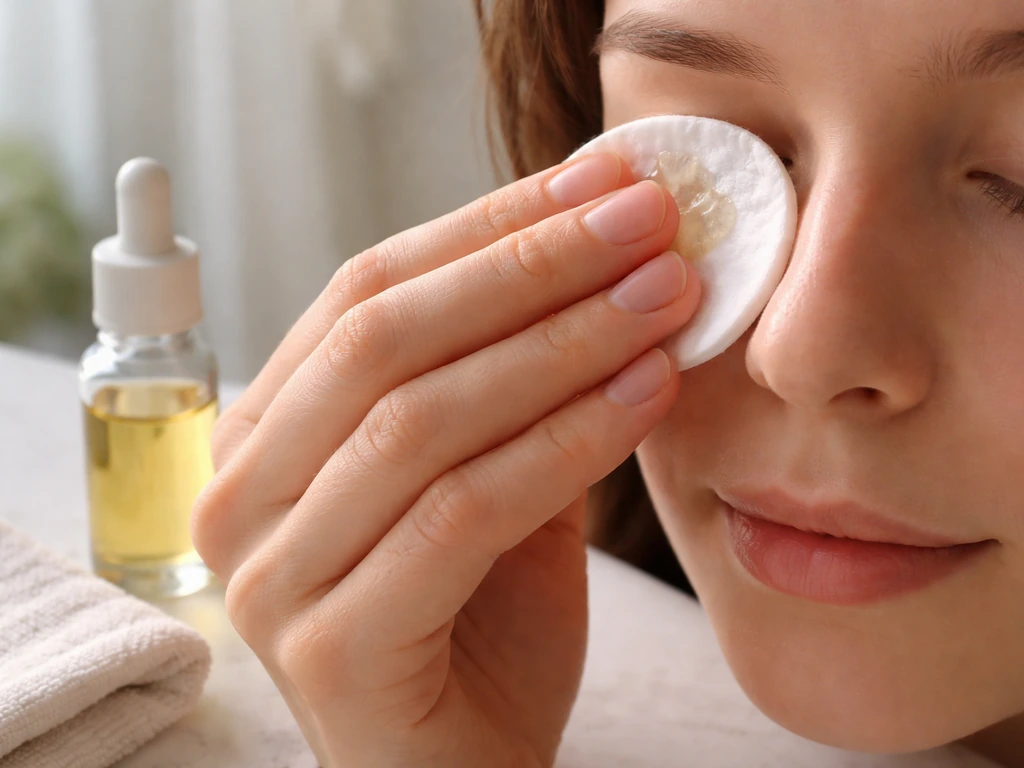
- Use a gentle, oil-based micellar or cleansing oil to remove eye makeup without tugging. Press and hold rather than scrub.
- Keep the eyelid margin clean. A diluted baby shampoo or a dedicated lid cleanser used once a day can reduce the low-grade inflammation that throttles follicle function.
- If you want to try a nourishing oil, apply a very small amount to the lash base (not the tips) using a clean spoolie or fingertip at night.
- Get consistent sleep and eat enough protein. Keratin synthesis is a protein-dependent process, and chronic sleep deprivation impairs tissue repair.
- Stop curling aggressively, especially with heat. Mechanical stress at the lash root shortens the effective anagen phase.
If you're wondering specifically what makes eyelashes grow naturally, the honest answer is that you're mostly removing interference rather than adding a magic ingredient. Healthy follicles in an undisturbed environment will do the job on their own.
What to expect when lashes grow back after loss or damage
If your lashes have thinned, fallen out, or been damaged, recovery is absolutely possible in most cases. The Cleveland Clinic notes that madarosis (eyelash and eyebrow hair loss) is often reversible once the underlying cause is treated, and lashes can return to their usual thickness. The key phrase there is 'once the underlying cause is treated.' If blepharitis, meibomian gland dysfunction, an allergy, or a systemic condition is driving the loss, fixing your topical routine won't be enough on its own.
Timeline-wise, you're looking at a minimum of 6 weeks to see early regrowth and often 3 to 6 months for meaningful density to return, given that the telogen phase alone can last up to 9 months. This is normal, not a sign that something is wrong. Causes matter too: non-scarring madarosis (from inflammation, rubbing, or temporary illness) has a much better regrowth prognosis than scarring forms where follicle tissue is permanently disrupted.
For people coming off eyelash extensions, the loss often feels dramatic because the extensions masked natural shedding for months. Your underlying lashes may be shorter and sparser than you remember, but in most cases they haven't stopped growing. They just need time and a break from the mechanical stress. If you're focused on how eyelashes grow faster during recovery, the short answer is that you can optimize the conditions but you cannot force the cycle to speed up significantly.
Treatments and products that can actually help
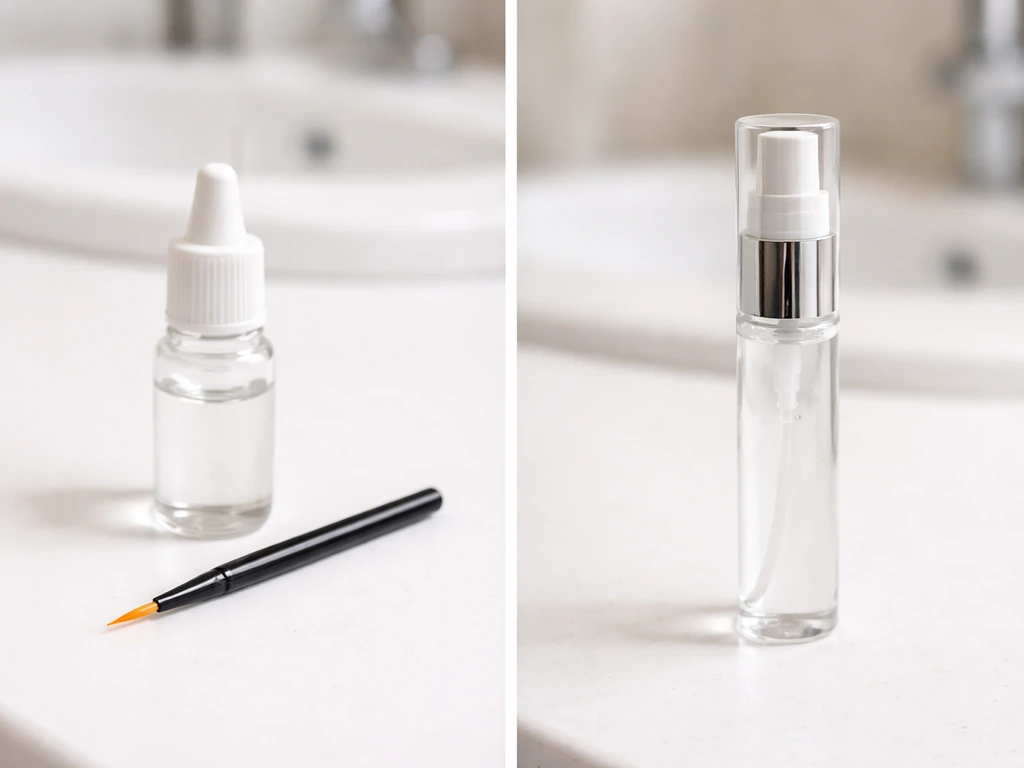
The only FDA-approved option: bimatoprost (LATISSE)
Bimatoprost 0.03% (sold as LATISSE) is the only FDA-approved treatment for eyelash hypotrichosis (inadequate lashes). It works by extending the anagen phase, which increases lash length, thickness, and darkness. Clinical trials, including a multicenter controlled study in Japanese subjects and a randomized post-chemotherapy study, used a once-nightly application to the upper eyelid margin for 4 to 6 months. Results are real, but they are not permanent. The FDA label is explicit that lashes return to pre-treatment levels after you stop using it, so you're managing a condition rather than fixing it.
Application technique matters a lot with bimatoprost. The FDA label specifically states blank" rel="noopener noreferrer">not to apply it to the lower eyelash line, and it warns that applying more often than directed will not increase growth and raises the risk of side effects. The label also warns that the product can cause hair growth in any area it repeatedly touches, so spillover onto the skin around the eye is something to actively prevent.
Over-the-counter lash serums
Many OTC lash serums contain prostaglandin analogs that are structurally similar to bimatoprost. These are not FDA-approved for lash growth, but they do have real biological activity, which means they also carry real risks. The Royal Australian and New Zealand College of Ophthalmologists (RANZCO) issued a position statement specifically warning about prostaglandin analogs in cosmetic lash serums, listing side effects including iris hyperpigmentation, blepharitis, periorbital fat atrophy, skin pigmentation changes, and excessive hair growth beyond the target area. These are not rare cosmetic annoyances. Some of these changes may be irreversible. If you're using an OTC serum that's delivering noticeable results, it almost certainly contains a prostaglandin analog, and it warrants the same respect and caution as the prescription version.
Castor oil
Castor oil is the most widely recommended natural option, and it's worth being honest about what the evidence actually supports. There are no robust human clinical trials demonstrating that castor oil increases eyelash growth. What it likely does is condition the lash shaft, reduce breakage, and keep the area moisturized, which can make lashes appear fuller and less brittle. That's a real benefit, just not the same as stimulating follicle-level growth. It's safe for most people when used carefully, and the low risk profile makes it a reasonable addition to a nighttime routine. Apply a tiny amount to the lash base using a clean spoolie and keep it away from the inner corner of the eye to minimize irritation risk.
Biotin
Biotin is the supplement most people reach for when their lashes are thinning, and the evidence is genuinely disappointing. StatPearls notes there have been no trials supporting claims that biotin supplementation improves hair quality or quantity in people without a deficiency. Biotin's proven role is in treating biotin deficiency specifically, where the therapeutic dose is around 5 to 10 mg per day under clinical guidance. If your diet is nutritionally complete, adding a biotin supplement is unlikely to do anything for your lashes. If you suspect an actual deficiency (which is rare), that's a conversation for a doctor, not a supplement aisle decision.
| Treatment | Evidence Level | Typical Timeline | Key Risk |
|---|---|---|---|
| Bimatoprost (LATISSE) | FDA-approved, strong clinical evidence | 4 to 6 months for full effect | Pigmentation changes, periorbital fat atrophy, results reverse on discontinuation |
| OTC prostaglandin serums | Biologically active but not FDA-approved | Similar to bimatoprost | Same risks as bimatoprost; no regulatory oversight on formulation |
| Castor oil | No clinical trials; conditioning benefit only | Improved appearance in weeks, not growth | Low risk; possible irritation if it enters the eye |
| Biotin supplements | No evidence without diagnosed deficiency | Not applicable | Low direct risk; gives false confidence |
Growing lower lashes and dealing with the lash line
If you've been searching for how to grow under eyelashes, you're probably asking about the lower lash line, which is genuinely harder to work with than the upper lashes. Lower lashes are naturally shorter and fewer in number, and they're also more exposed to eye drops, tears, and contact lens solution, all of which can affect the follicle environment. The lower lash line is also where eyelid margin conditions like blepharitis and meibomian gland dysfunction tend to cause the most visible thinning, because these conditions affect the oil glands closest to the lower lid edge.
It's worth knowing that what makes lashes grow fast on the upper lid doesn't automatically apply the same way to the lower lid. The LATISSE label, for example, explicitly instructs users not to apply the solution to the lower eyelash line. This isn't arbitrary. Lower lid application increases the risk of the product spreading to unintended areas of the face and eye, raising the chance of unwanted hair growth and pigmentation changes.
For lower lashes specifically, the most evidence-supported approach is eyelid hygiene. Warm compresses applied to the lower lid for 5 to 10 minutes daily can help unclog meibomian glands and reduce the inflammation that suppresses lower lash growth. Warm compress therapy is commonly advised in meibomian gland dysfunction, with evidence-based guidance around about 10 minutes once daily [Warm compresses applied to the lower lid for 5 to 10 minutes daily](https://pmc. ncbi.
nlm. nih. gov/articles/PMC11341798/). A gentle lid scrub along the lower margin once a day can address the low-grade blepharitis that many people don't even know they have.
If your lower lashes have been thin for a long time and lid hygiene doesn't help within 8 to 12 weeks, it's worth seeing an ophthalmologist to rule out a structural or systemic cause.
What to avoid if you want your lashes to actually grow
Some of the most common lash mistakes are things people do thinking they're helping. Here's what to steer clear of, especially if you're in recovery mode or trying to understand what makes eyelashes grow in a consistent, sustainable way.
- Applying lash serum more often than directed. The FDA label for bimatoprost is explicit: extra applications do not increase growth and raise side effect risk. This applies equally to OTC serums.
- Using eyelash glue carelessly. Extension adhesives are typically cyanoacrylate-based. If glue contacts the eye or inner lid, it can cause injury and follicle damage that directly interferes with regrowth.
- Returning to extensions too quickly after a regrowth period. The mechanical weight and removal process of extensions puts repeated stress on lashes that are trying to recover.
- Experimenting with unverified DIY oils near the eye. Some oils commonly recommended online (peppermint, tea tree in undiluted form) are genuinely irritating to the ocular surface and can worsen the inflammation you're trying to reduce.
- Ignoring persistent redness, flaking, or itching at the lash line. These are signs of blepharitis or contact dermatitis, both of which need treatment before growth will normalize.
- Relying on prostaglandin-containing serums long-term without knowing the risks. Periorbital fat atrophy, ptosis (drooping lid), and iris pigmentation changes are documented and, in some cases, permanent.
The eye area is sensitive in ways that the rest of your skin isn't. Ingredients that are safe on your cheek or hairline are not automatically safe on the eyelid margin. When in doubt, less is more, and if you're seeing any new redness, asymmetry between your eyes, or unusual skin changes near the lash line, stop the product and consult an eye doctor.
Your next steps, based on your situation
If your lashes are generally thin and you just want more of them, start with the fundamentals: eyelid hygiene, gentle makeup removal, and eliminating habits that cause mechanical loss. Add castor oil at night if you want to try a natural option with minimal risk, and give it 8 to 12 weeks before evaluating. If you want stronger results and your thinning is significant, talk to a dermatologist or ophthalmologist about bimatoprost. Go in knowing the side effect profile and that you'll need to continue it to maintain results.
If you're recovering from a specific cause (post-chemo, post-extension damage, or a known medical condition), treat the underlying issue first. No topical serum or oil will outpace active follicle disruption. Once the cause is addressed, be patient with the timeline. Three to six months of consistent, undisruptive care is the realistic window for meaningful improvement, and there's no shortcut that changes that biology. Understanding exactly what make eyelashes grow at a follicle level is what lets you stop chasing products and start making decisions that actually work.
FAQ
Why do my lashes seem to shed more after starting a lash serum? Is that normal?
Yes, it can. If you’ve been using an eyelash growth product (especially prostaglandin-type serums), it can take several weeks after stopping for shedding to settle back into its normal cycle. Also, if you recently switched products, irritation or contact dermatitis can temporarily increase inflammation, which then affects the follicle environment. If shedding is dramatic or includes burning, itching, or redness, pause the product and consider an ophthalmologist review.
How long should I wait before I decide a lash treatment is not working?
You can reduce breakage and improve appearance by minimizing friction, but you cannot make the follicle “grow faster” beyond its programmed anagen timeline. If you see no improvement by around 8 to 12 weeks, it’s usually because the limiting factor hasn’t been fixed (rubbing, eyelid inflammation, or blepharitis) or the product doesn’t actually stimulate growth for your situation. In that case, reassess the cause rather than adding more serums.
Where exactly should I apply castor oil or an OTC serum for best results, and what mistakes should I avoid?
Correct technique matters more than most people expect. For any oil or serum applied at the lash base, use a tiny amount, apply only to the upper lash margin area, and keep it out of the inner corner to lower the risk of irritation and spillover. If you wear contacts, be extra cautious with application timing and keep the product from migrating toward the tear line.
What’s the best approach if I’m trying to grow under eyelashes (lower lash line)?
If your lower lashes are thin, treat the lower lid margin differently. The lower line is more exposed to tears, drops, and contact lens solution, and it is also where lid margin conditions can show up first. A practical approach is consistent warm compresses and a gentle lid scrub for 8 to 12 weeks, then reassess with an eye doctor if there’s no improvement.
Can I combine lash serums, oils, and bimatoprost, or will it backfire?
Be careful mixing multiple active products. Using more than one growth-active or combining a prostaglandin analog with other irritants increases the chance of eyelid inflammation, staining, or unwanted hair growth. If you’re using bimatoprost or a prostaglandin-like OTC serum, stick to a simple routine and avoid adding new actives (like strong exfoliants near the eye) while you’re evaluating results.
Will my lashes definitely come back, or are there cases where growth won’t return?
It depends on the cause. Non-scarring thinning from inflammation, rubbing, temporary illness, or cosmetic stress often improves once the trigger is corrected, but scarring causes (where follicles are permanently disrupted) may not fully recover. A key decision point is duration, if it’s been long-term and progressive, ask an ophthalmologist to help determine whether it’s scarring or non-scarring.
How do I know if my lash thinning is tied to eyelid inflammation rather than just genetics or normal shedding?
Yes. If blepharitis or meibomian gland dysfunction is present, lash regrowth efforts can stall until the lid margin inflammation is treated. That’s why symptoms like crusting, burning, gritty eyes, or oily/blocked glands matter, because they can explain why serums seem to do nothing.
When should I stop products and see a doctor for lash regrowth problems?
If you have new or worsening symptoms, don’t wait it out. Get checked promptly if you develop significant eyelid redness, swelling, pain, asymmetry that appears quickly, vision changes, or signs of an allergic reaction (intense itching, watery eyes, or rash near the lash line). These can indicate that the follicle environment is being actively harmed.
What should I expect after stopping LATISSE or removing eyelash extensions?
Be cautious with the timing of “post-treatment” expectations. For example, after stopping bimatoprost, lashes typically return to pre-treatment levels, so you may see a gradual change rather than an instant reversal. If you used extensions, the visible “loss” can reflect what was already shed naturally while extensions were holding the look together, so the real regrowth timeline still follows the growth cycle.
What are the warning signs that a lash product is causing side effects or unwanted hair growth?
Stop using any product that causes new redness, itching, or unusual darkening, and avoid reapplying until you know what’s driving it. With prostaglandin-type products, unwanted hair growth or pigmentation can occur when the formula repeatedly contacts nearby skin, which is why careful spill control is important. If side effects persist, a clinician can help determine whether it’s irritation, allergy, or medication-related pigment/hair changes.
Next Article
Does Mustard Oil Grow Eyelashes? Safety and What Works
Find out if mustard oil grows eyelashes, risks to eyelids, and safer options with realistic timelines and when to see a
