
Yes, broken eyelashes will grow back in most cases. If your lashes snapped, shed excessively, or thinned out from extensions, rubbing, mascara, or heat tools, the follicle underneath is almost certainly still intact, and an intact follicle means new growth is coming. The key distinction to understand is this: a lash breaking off at the shaft is cosmetic damage. The follicle, which sits below the skin, is what actually produces new lashes. As long as that follicle hasn't been physically destroyed or scarred, your lashes will regrow on their own timeline.
Will Broken Eyelashes Grow Back? Regrowth Timeline and What Helps

Rachel Nguyen
27 Mar 2026
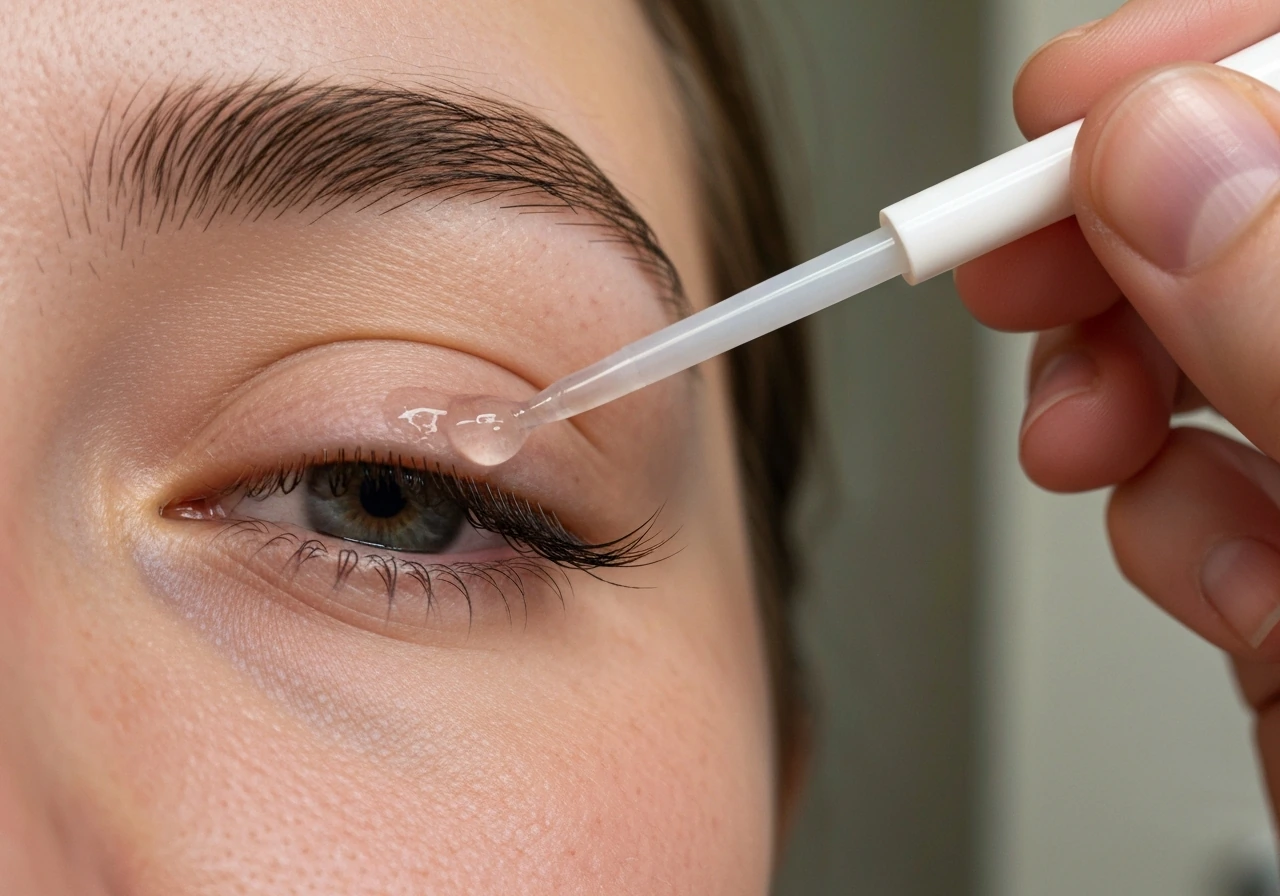
How your eyelash follicles actually work
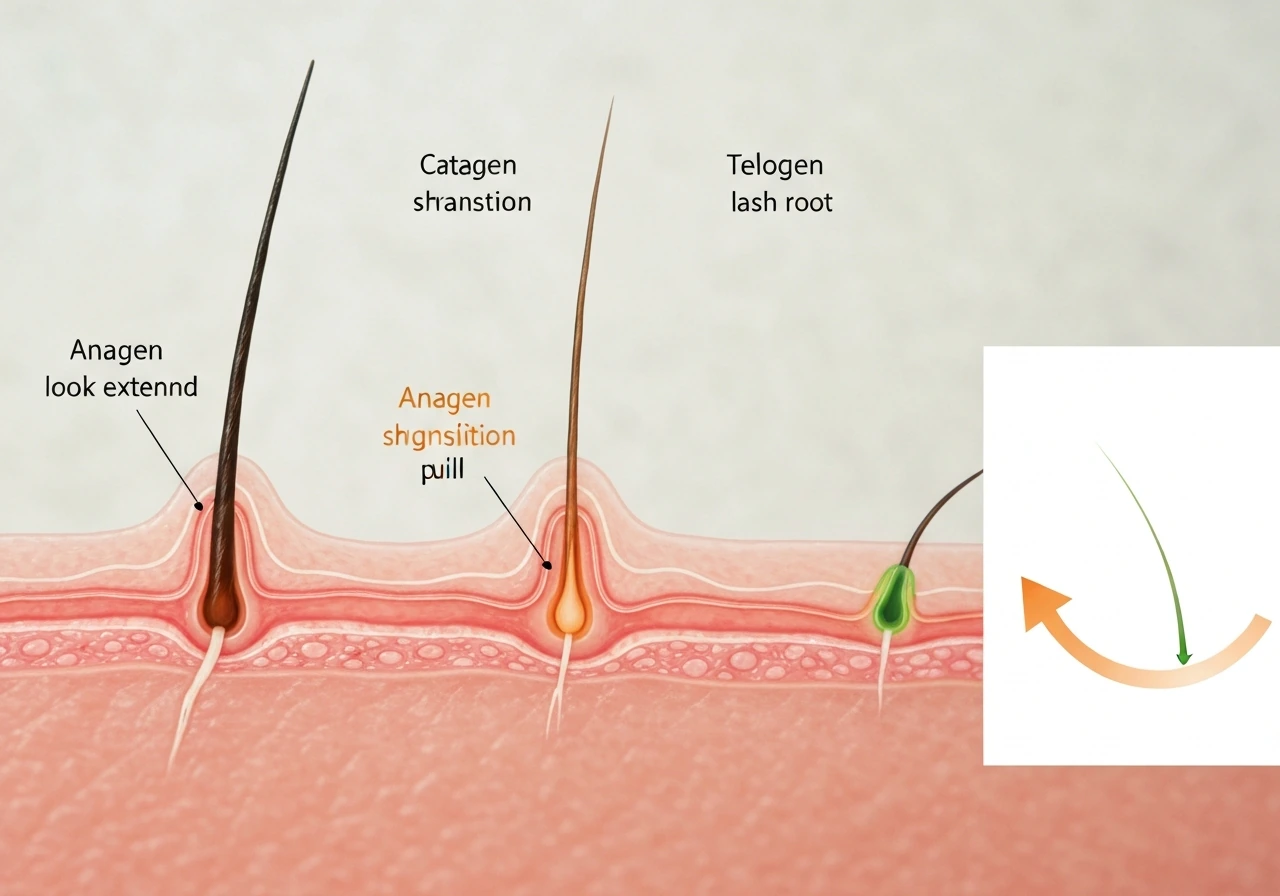
Each individual eyelash grows from its own follicle and moves through a repeating three-phase cycle: anagen (active growth), catagen (transition and regression), and telogen (resting). After telogen, the old lash is shed during what's called exogen, the transitional shedding phase, and a new lash begins growing from the same follicle.
Eyelashes have a notably short anagen phase compared to scalp hair. Research from eyelid biopsy studies puts the active growth phase at roughly 34 days on average, while clinical guidelines suggest a range of 30 to 45 days. The telogen (resting) phase is much longer and more variable, ranging from around 100 days to as much as nine months depending on the individual. That wide resting range is one reason some people seem to regrow lashes quickly while others wait months and wonder if anything is happening.
The whole cycle, from one lash shedding to a fully grown replacement, runs roughly 90 days on average, though the total can stretch longer when telogen extends. Not all follicles are at the same phase at the same time, which is why you don't lose all your lashes at once during normal shedding.
Breakage vs. follicle damage: the distinction that actually matters
When a lash snaps from mechanical stress, rough makeup removal, sleeping on your face, curling too aggressively, only the hair shaft is affected. The follicle stays intact, and that lash will grow back normally when the follicle cycles into its next anagen phase. This is by far the most common scenario for people asking whether broken lashes will grow back, and the answer is straightforwardly yes.
Follicle damage is a different situation. Repeated or severe trauma, think aggressive extension application and removal done repeatedly over years, heavy traction, chemical burns from extension solvents, or constant pulling (trichotillomania), can injure or scar the follicle itself. Once a follicle is scarred, regrowth becomes unreliable or, in the case of full destruction, permanent. This is called scarring madarosis, and it's distinct from the reversible lash loss most people experience. The good news is that true follicle scarring from everyday lash habits is relatively uncommon; most damage is at the shaft level or is temporary follicle stress that resolves.
Extensions deserve a specific note here. Research from UW Medicine notes that repeated extension wear can gradually slow or stop natural lash production in some people. This isn't the typical result of one round of extensions, but cumulative traction and chemical exposure from adhesives and solvents can build up. There are even documented cases of chemical conjunctivitis and corneal damage from extension-removal solvents, which speaks to how harsh some of these products are near delicate follicles and eye tissue.
What to expect: a realistic regrowth timeline
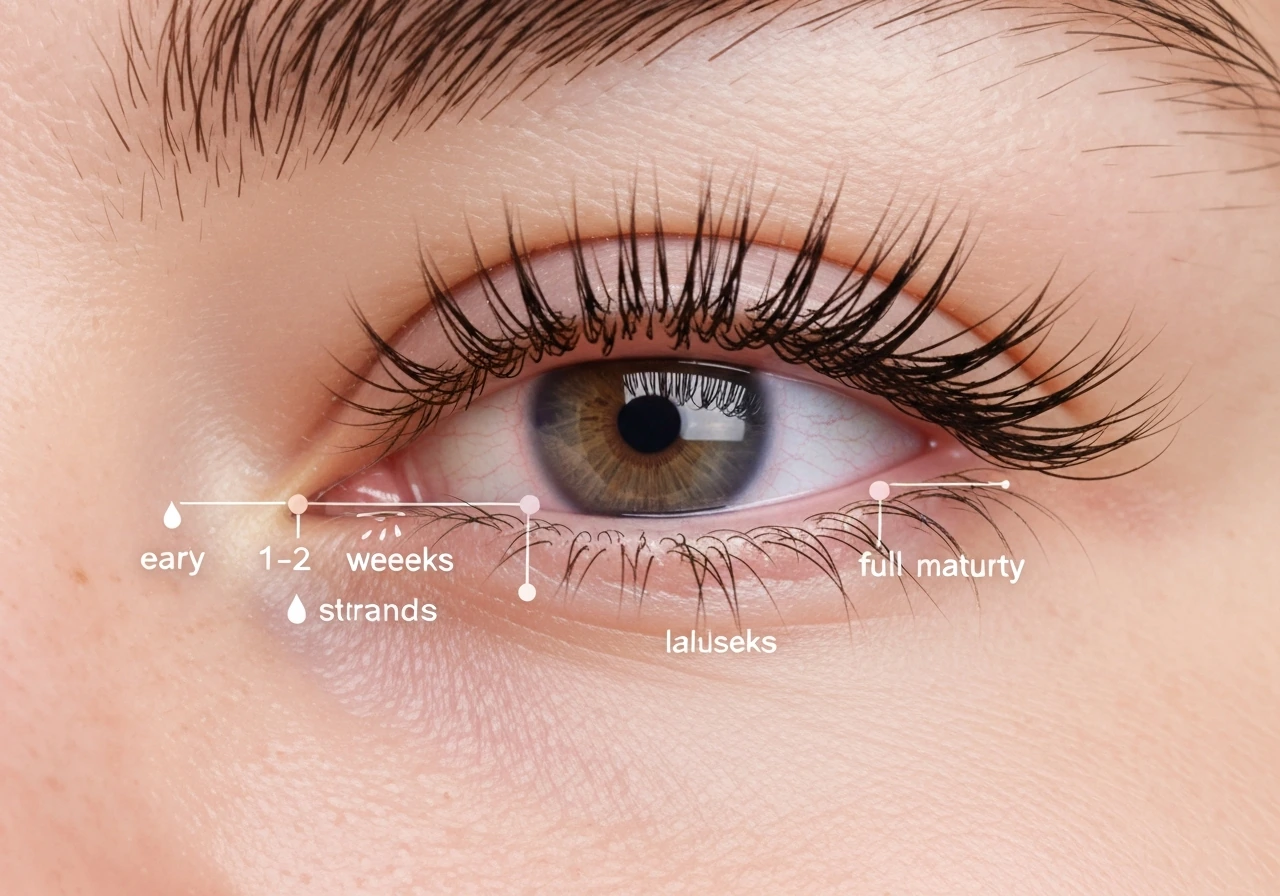
How long it takes for lashes to grow back depends on where your follicles are in their cycle when the damage occurs. Here's a practical breakdown of what you can realistically expect:
| Stage | Typical Timeframe | What You'll Notice |
|---|---|---|
| Shedding slows | 1–2 weeks after stopping the damaging habit | Less fallout, fewer broken lashes appearing on your pillow or towel |
| New lash tips visible | 4–6 weeks | Short, fine stubs emerging from the lash line |
| Noticeable regrowth | 6–10 weeks | Lashes appear at various lengths as follicles stagger through anagen |
| Fuller appearance restored | 3–4 months | Most follicles have completed a full cycle and new lashes have lengthened |
| Full recovery (after major damage) | Up to 6 months | Heavily stressed follicles may take a longer telogen rest before cycling again |
One thing that trips people up: you may notice what looks like more shedding in the first week or two after stopping a damaging habit. This is often existing telogen-phase lashes completing their natural exit, a normal part of the cycle, not a sign that things are getting worse. Patience here is important.
What you can do right now to support regrowth
The most impactful thing you can do is stop the source of damage. That sounds obvious, but it often means making specific changes to daily habits that people don't realize are causing the problem. Here are the most important steps:
- Switch to a gentle, oil-based eye makeup remover and press it onto your lids for 20–30 seconds before wiping, rather than rubbing repeatedly. Dragging at lashes repeatedly is one of the most common causes of shaft breakage.
- Avoid waterproof mascara daily. The solvents needed to break it down require more rubbing to remove, which adds mechanical stress every single day.
- Stop curling lashes that are already damaged or very short. Mechanical curlers put concentrated pressure on fragile shafts. If you must curl, do it before mascara, not after, and don't clamp too close to the root.
- Sleep on a silk or satin pillowcase. Cotton creates friction overnight, especially if you're a side or stomach sleeper — this is a real contributor to breakage that most people ignore.
- Don't pull at extensions yourself. DIY removal is one of the most reliable ways to rip out lashes at the root. Always have extensions professionally removed.
- If you rub your eyes habitually (from allergies, dryness, or stress), address the root cause. Chronic rubbing applies consistent traction to follicles. Antihistamine eye drops for allergy-driven rubbing can help.
- Apply a conditioning lash serum or oil to the lash line nightly to reduce brittleness while waiting for regrowth.
Evidence-based options for speeding recovery
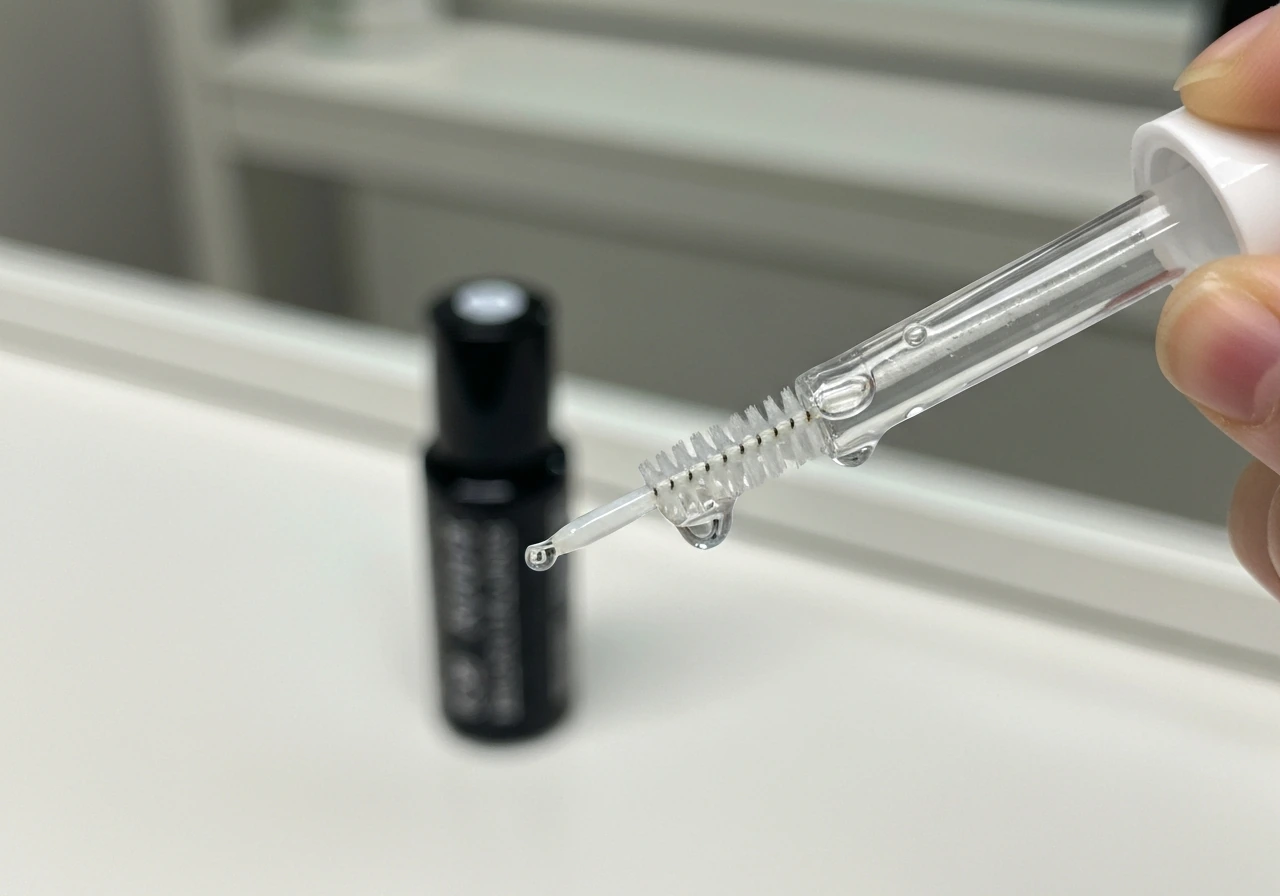
Prostaglandin-based serums (bimatoprost)
The most clinically supported category of lash-growth products is prostaglandin analogs, with bimatoprost being the best-studied example. Originally developed as a glaucoma treatment (where unexplained lash growth was noticed as a side effect), bimatoprost has been evaluated in randomized, double-masked, vehicle-controlled clinical trials specifically for eyelash growth. It works by extending the anagen (growth) phase and increasing the number of follicles in that phase at any given time, which produces longer, thicker, and darker lashes over a treatment period typically measured in weeks to months.
However, bimatoprost comes with real side effects that you need to know about before using it. These include conjunctival hyperemia (redness), periocular skin darkening from increased melanogenesis in dermal melanocytes, and possible changes to iris pigmentation with prolonged use. Professional ophthalmology bodies have issued safety statements about prostaglandin analogs in cosmetic lash serums specifically because the risks are real and not just theoretical. If you're interested in a prescription-strength option, have that conversation with a dermatologist or ophthalmologist, not a beauty counter.
Over-the-counter serums often include peptides, panthenol, and biotin as active ingredients. These work more modestly and more slowly, and the evidence base is thinner, but they carry far fewer risks and are reasonable as a supportive measure while lashes naturally recover.
Castor oil: what it actually does (and doesn't do)
Castor oil gets recommended constantly for lash growth, and it's worth being precise about what the evidence says. One randomized trial found that topical periocular castor oil improved blepharitis-related eyelid margin signs over roughly four weeks, including some lash-related findings. But that's about reducing eyelid inflammation, not directly stimulating follicle activity. As Medical News Today accurately states, there is no scientific evidence proving castor oil can stimulate lash growth in otherwise healthy follicles.
That said, castor oil is a practical conditioning option. It coats the shaft, reduces brittleness, and keeps the lash line moisturized, which can prevent further mechanical breakage while new growth comes in. Applied with a clean mascara wand to the lash line each night, it's low-risk and mildly useful even if it's not a growth activator. Just be careful about getting it into the eye itself, as it can blur vision temporarily and irritate some people.
Biotin: useful systemically, not a topical fix
Biotin (vitamin B7) supports keratin infrastructure, which is what hair is made of. Supplementing with biotin makes sense if you have a deficiency, which is more common than people realize in those eating restrictive diets or taking certain medications. If you're deficient, correcting that can noticeably improve hair and lash quality. But if you're not deficient, taking more biotin above your baseline doesn't reliably produce extra lash growth. It's not a shortcut, it's a nutritional floor. Starting a reasonable B-complex or biotin supplement (typically 2,500–5,000 mcg/day, though doses vary) is a low-downside step, but set realistic expectations.
What to avoid during lash recovery
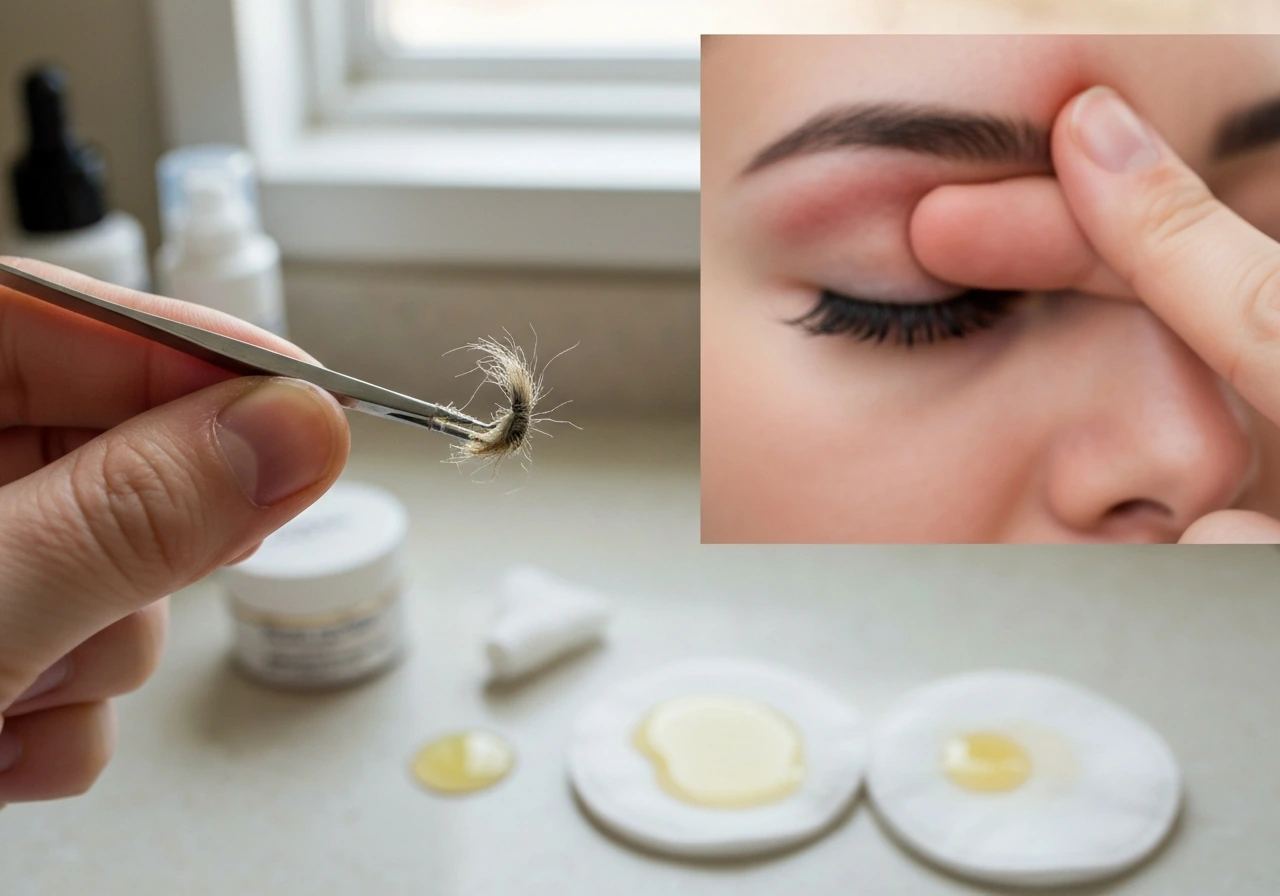
- DIY lash extension removal — this is one of the fastest ways to traumatize follicles and is almost never worth the saved cost
- Lash growth products with unlisted or poorly regulated ingredients, particularly anything imported without regulatory review
- Skipping patch tests on new serums or adhesives — allergic contact reactions near the eye can add inflammation that delays recovery
- Applying castor oil or serums with dirty applicators — introducing bacteria near follicles is a real risk
- Heavy, high-drama eye looks while lashes are recovering — thick mascara adds weight, removal requires more effort, and the daily cycle adds cumulative stress
- Lash lifts or perms on damaged lashes — the chemical processing on fragile, short regrowth can cause more breakage
- Any product promising dramatic results in under two weeks — the biology simply doesn't work that fast, and aggressive formulations often cause irritation
When regrowth isn't straightforward: signs to see a doctor
Most broken or damaged lashes will recover with time and better habits. But some scenarios point to something beyond mechanical damage, and those need professional evaluation. You should see a dermatologist or ophthalmologist if you notice any of the following:
- Patchy lash loss that doesn't have an obvious mechanical cause — this can be a sign of alopecia areata, which can affect eyelashes and is treatable but requires diagnosis
- Persistent itching, burning, flaking, or crusting at the lash line, which may indicate blepharitis or another eyelid condition driving the loss
- No visible regrowth after 4–5 months despite stopping the damaging habit — this warrants a look at whether follicles are compromised
- Lash loss alongside other symptoms like redness, discharge, or eyelid swelling, which need to be ruled out as infection or allergic reaction
- Lash loss in the context of a new medication or a systemic condition — thyroid disorders, autoimmune disease, and certain drugs are known causes of madarosis (lash loss)
- Any chemical injury to the eye area from extension solvents or other products — this needs same-day medical attention, not at-home management
Cleveland Clinic notes that madarosis (lash loss beyond what follicles can replace) is usually reversible once the underlying cause is treated, but early evaluation is important because conditions like alopecia areata respond better to treatment when caught early, with visible fine regrowth often appearing within 3 to 6 months of appropriate treatment.
In cases of true scarring madarosis, where the follicle itself is permanently destroyed, regrowth is not possible without intervention. At that stage, options move into clinical territory such as eyelash transplantation. This is rare from everyday habits but is a realistic outcome of severe or repeated follicle trauma, yet another reason that prevention and early habit changes matter more than any serum.
The short version if you want to act today
Broken lashes almost always grow back because the follicle is intact. Your job right now is to stop stressing the follicles (fix your removal routine, ditch waterproof mascara for a while, stop pulling), add a simple conditioning step at night (castor oil or a peptide serum), and give the biology time to work. Whether lashes can grow back after different types of damage is almost always yes, the timeline is just longer than most people expect, typically three to four months for meaningful fullness. If something else is going on, patchy loss, irritation, or no growth after months, that's when you escalate to a professional rather than trying more products.
One more thing worth knowing: whether eyelashes grow back thicker after damage is a common follow-up question, and the answer is nuanced, new lashes from healthy follicles often look slightly different in the first cycle before returning to their normal texture and diameter. That's normal, and it doesn't mean anything went wrong.
FAQ
How can I tell if my broken lashes are regrowing or just shedding normally?
If only a few lashes snap and your eyelid skin looks normal, regrowth is usually expected within about one full lash cycle (roughly 90 days), with noticeable fullness often closer to 3 to 4 months. If you have patchy loss, burning, or persistent redness that does not improve after you stop the trigger, get evaluated instead of waiting longer.
Why do my lashes seem to shed more after I stop extensions or switch my routine?
Yes, it can look like the problem is getting worse at first. The first 1 to 2 weeks after stopping an irritating habit (like extension removal practices or aggressive rubbing) often coincide with older telogen lashes completing their exit. A better sign is improvement in irritation and reduced breakage over time, not day-to-day lash counts.
Should I keep using an eyelash curler and mascara while my lashes regrow?
You can still curl lashes and remove makeup, but reduce mechanical stress: use a gentle, non-oily remover, avoid rubbing, and skip tight curling until new growth is established. If curling causes snapping, stop altogether, because repeated shaft breaks can delay that “meaningful fullness” window even when follicles are intact.
Can lash tinting or perms affect broken lashes that are trying to grow back?
It depends on what “tinted” means. If you mean lash dyes, tints, or tinting-adjacent products near the lash line, the safest approach during active regrowth is to pause them, since chemicals can irritate eyelid tissue and increase breakage. If you use any product, discontinue it and get checked if you develop burning, swelling, or watery eyes.
How long should I try a lash-growth serum before deciding it is not working?
With prostaglandin analog serums like bimatoprost, it is smart to avoid overlapping with other potentially irritating lash products at the same time, since redness and irritation can make you pull or rub more. If you start any growth product, give it a clear trial window (several weeks), and stop and seek advice if redness or eye symptoms persist.
Will my new lashes grow back thicker, or will they look different at first?
Expect some initial variation. New lashes may feel slightly different in texture or thickness during the first cycle, then gradually resemble your prior pattern as replacement cycles complete. A red flag is progressive thinning, expanding patchiness, or loss paired with scalp or eyebrow hair changes.
Is castor oil safe to use, and does it truly make lashes grow faster?
Before using castor oil, do a patch test on the eyelid margin area and use only a clean applicator to keep it off the eye surface. Stop if you get blurred vision, stinging, or persistent redness. Castor oil is more of a conditioning aid to reduce brittleness than a direct follicle stimulant.
What if my lashes are breaking because my eyelids are irritated or inflamed?
If you have itching, scaling at the lash line, or recurrent eyelid inflammation, treating that underlying issue matters more than trying multiple “growth” products. Consider seeing an ophthalmologist or dermatologist for blepharitis or dermatitis, since reducing inflammation can prevent ongoing breakage and shedding.
When should I stop experimenting at home and see a dermatologist or ophthalmologist?
Yes, it can be a sign of a deeper issue if you have no meaningful improvement after 4 months of stopping the trigger and using gentle conditioning, or if you see sudden patchy loss. Conditions like alopecia areata and scarring causes can benefit from earlier treatment, so prolonged “no change” is the key escalation point.
Next Article
Do Shih Tzu Eyelashes Grow Back? Timeline and Care
Learn if Shih Tzu lashes regrow, typical timeline, at-home checks for causes, and safe care to support healthy regrowth.