Eyelashes grow because specialized hair follicles along your eyelid margin cycle through active growth, regression, and rest phases continuously throughout your life. If you are wondering why don't eyelashes grow, the most common reasons are disruption of the normal growth cycle, breakage, or an underlying eyelid condition. What determines whether your lashes look full, thin, long, or stubby comes down to three things: the biology of your individual follicles, how much physical or chemical damage disrupts that cycle, and whether an underlying condition is interfering with the follicles themselves. Most lash thinning is either normal shedding or damage-related, both of which are fixable. A smaller number of cases involve medical causes that need a clinician's attention.
What Causes Eyelashes to Grow and How to Fix Slow Growth

How lash growth actually works: follicles, cycles, and what drives regrowth
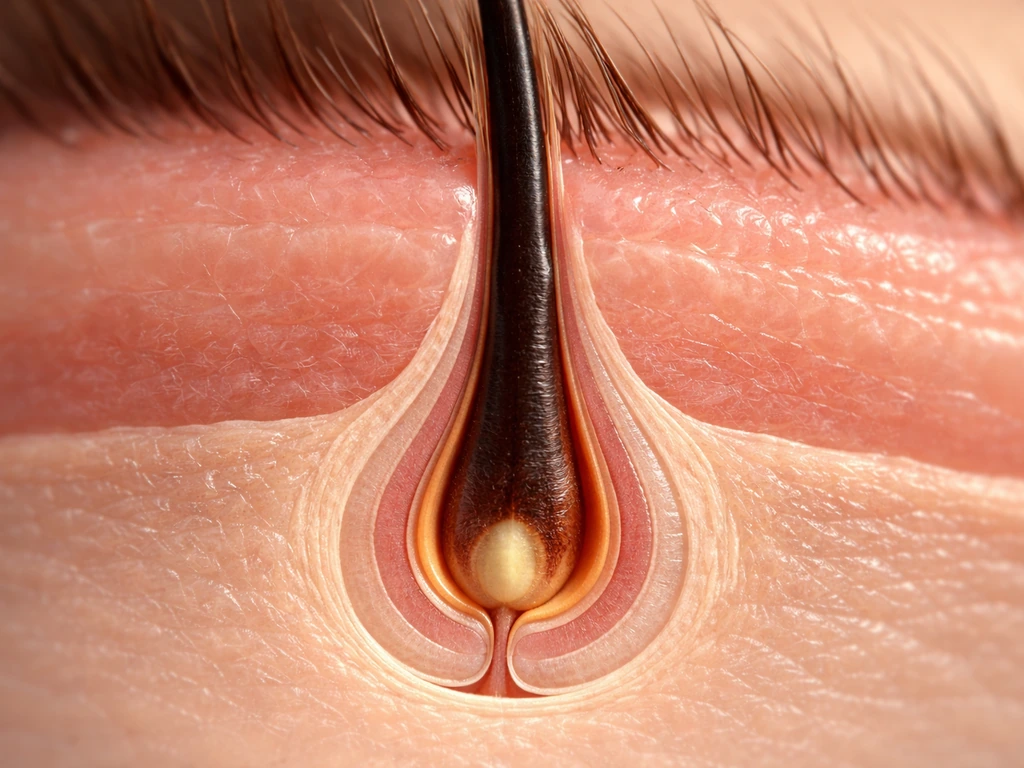
Every eyelash grows out of a follicle, a tiny organ anchored in the eyelid tissue. That follicle is built around a dermal papilla, which is surrounded by the hair matrix (the actively dividing cells that produce the lash fiber) and the lash bulb at the root. The papilla connects to a blood supply during active growth, and that blood supply delivers the nutrients and signals that drive the lash forward.
The follicle doesn't grow continuously. It cycles through three phases: anagen (active growth), catagen (regression), and telogen (rest and shedding). During anagen, the follicle is connected to its blood supply and the lash is actively getting longer. Growth rate sits around 0.12 to 0.16 mm per day, which is slower than scalp hair and explains why lashes have a natural maximum length. A 2024 review in the Journal of Cosmetic Dermatology reports an average eyelash growth of about 0.12, 0.14 mm per day and describes the lash cycle as anagen, catagen, and telogen average eyelash growth of about 0.12–0.14 mm per day. The anagen phase for lashes lasts roughly 4 to 10 weeks, compared to several years on your scalp, which is the main reason lashes stay short.
After anagen comes catagen, a brief regression phase lasting around 15 days, where the lash converts to a club hair and detaches from its blood supply. Then comes telogen, the resting phase, where the lash just sits in the follicle until it sheds. After shedding, the follicle restarts in anagen and a new lash begins growing. This is the normal cycle. Losing a lash here and there is not a problem; it's the system working as designed.
Why do some people have naturally thicker, longer, or faster-growing lashes? Genetics largely determines follicle density, the diameter of each lash fiber, and the duration of your anagen phase. Hormones also play a role, which is why certain hormonal changes can shift lash quality noticeably. But short of those fixed variables, external factors do a lot to either protect or disrupt what your follicles can produce.
Normal shedding vs. actual growth problems: how to tell the difference
Seeing a lash on your pillow or in your makeup remover is normal. Because lashes are always at different points in their cycle, you shed a few at a time rather than all at once. What's not normal is noticeable thinning, patchy gaps, or lashes that seem to stop growing back entirely. That's when something is disrupting the cycle beyond ordinary turnover.
The practical way to distinguish normal shedding from a growth problem is to watch the regrowth. If a lash falls out and a new one appears in its place within a few weeks, the follicle is healthy and cycling normally. If the same spot stays empty for months, or if you notice widespread thinning across the lash line, that points to either chronic damage or a condition affecting the follicles themselves. The medical term for eyelash loss is ciliary madarosis, and it ranges from mild (a few sparse spots) to complete loss of the lash line.
The most common causes of slow regrowth and thin lashes
Breakage and mechanical damage
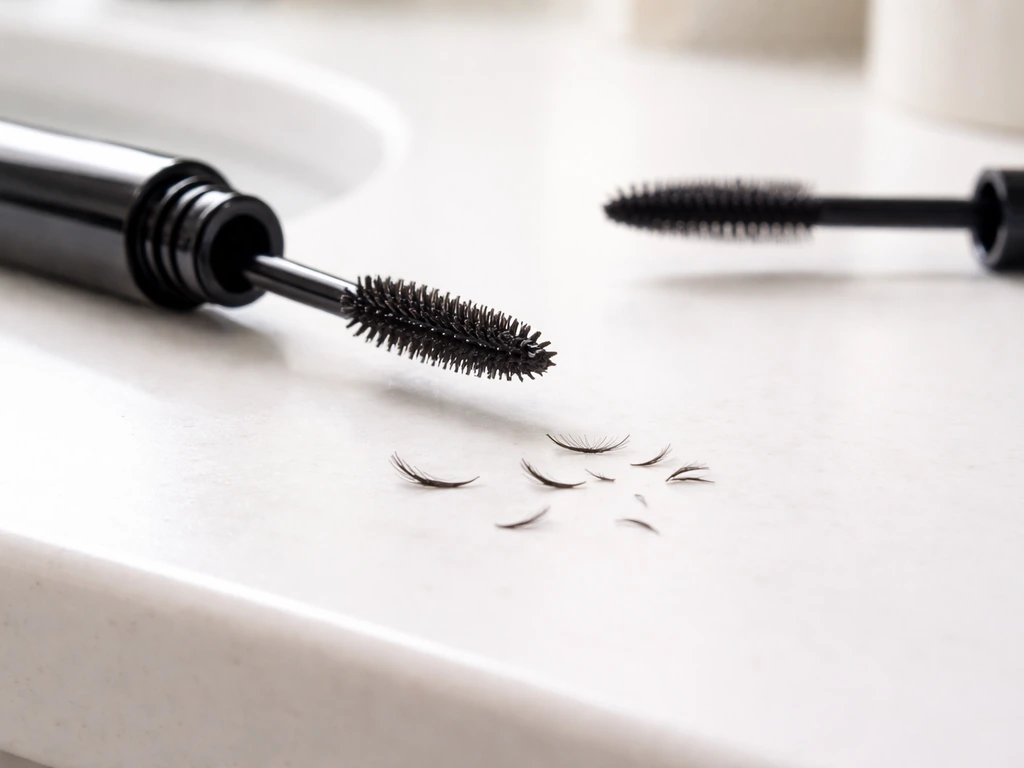
A lot of what looks like poor lash growth is actually breakage rather than follicle failure. When a lash snaps mid-shaft from rubbing your eyes, using a stiff mascara wand, or sleeping face-down into a pillow, the follicle is still intact and cycling normally. The lash looks short because the tip broke off, not because the follicle stopped working. Repeated rubbing is a major culprit here, especially for people with allergies or dry eyes who rub habitually without realizing it.
Friction and irritation at the lash line
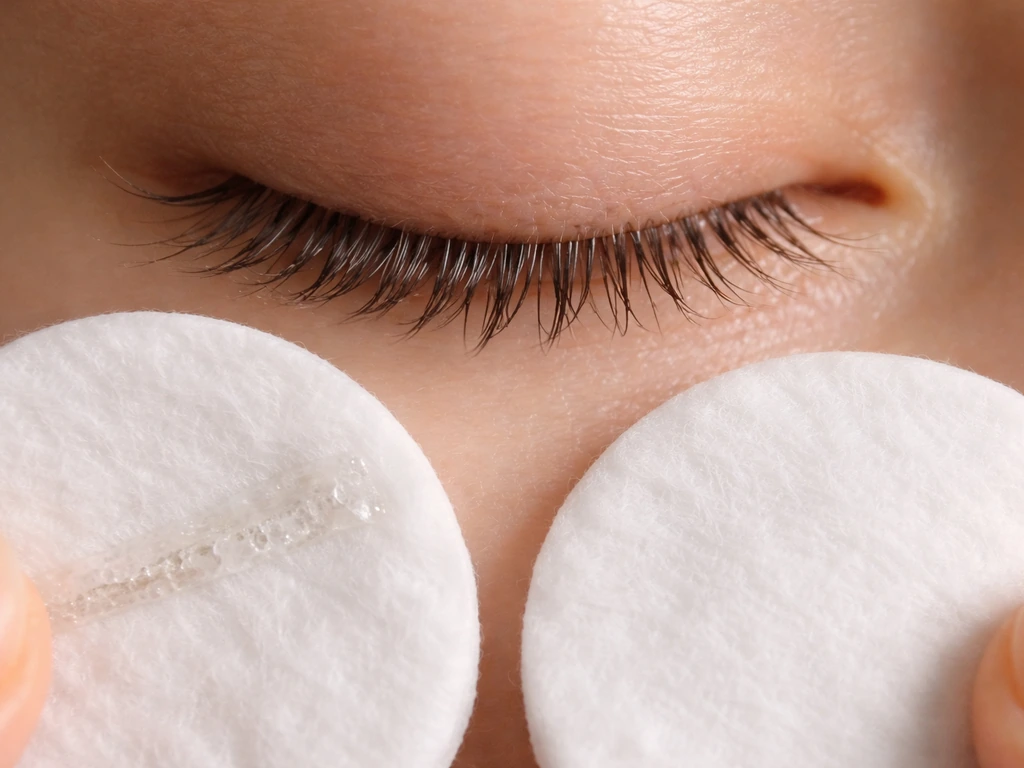
Chronic irritation around the lash line creates a hostile environment for healthy lash production. Harsh eye makeup removers strip moisture from the lash shaft and surrounding skin. Aggressive wiping (especially with dry cotton pads) yanks telogen lashes out before they would naturally shed and can pull anagen lashes out with them. Waterproof mascara is a particular offender because removing it usually requires heavy rubbing.
Extensions, lash glue, and removal processes
Eyelash extensions themselves don't always cause the problem. The damage usually comes from the adhesive, the weight of the extensions pulling on natural lashes, improper removal, or infills done too frequently without giving lashes time to shed naturally. When a heavy extension lash is still bonded to a natural lash that has reached telogen, the weight accelerates shedding and can pull out the natural lash root before the follicle is ready. Repeated cycles of this can thin the lash line significantly over time.
Heat, curlers, and cosmetic chemicals
Heated lash curlers and lash perming chemicals weaken the lash fiber structurally, making it more prone to snapping. Chemical-based lash lifts, when overdone, cause the lash shaft to become brittle. This kind of damage doesn't affect the follicle directly, but it means lashes break well before they complete their full growth cycle, so they never reach their potential length and the lash line looks perpetually thin.
When eyelid conditions are the real problem
Blepharitis, which is inflammation of the eyelid margins, is one of the most underdiagnosed reasons for ongoing lash thinning. Blepharitis treatment typically starts with eyelid hygiene such as warm compresses, eyelid massage, and lid scrubs, and EyeWiki notes that adverse effects are generally few, with mechanical irritation being an example when scrubbing is overly vigorous. It can be caused by bacterial overgrowth, skin conditions like seborrheic dermatitis, or meibomian gland dysfunction (clogged oil glands along the lid margin). The inflammation affects the tissue directly surrounding lash follicles, disrupting the local environment those follicles need to produce healthy lashes. Chronic blepharitis can lead not just to lash loss but to misdirected lash growth (trichiasis) and changes to the eyelid margin structure.
The important distinction when eyelid conditions are involved is between non-scarring and scarring madarosis. Non-scarring madarosis means the follicle is damaged temporarily or suppressed by inflammation, and lashes can regrow once the underlying condition is treated. Scarring madarosis, caused by deep inflammation or fibrosis that destroys the follicle itself, results in permanent loss in that spot. This is why getting chronic eyelid inflammation treated promptly matters.
Medical and dermatologic causes: when to get checked
Most lash loss is localized and related to eyelid conditions or cosmetic damage. But lash loss can also signal systemic or dermatologic disease, and that's worth knowing so you recognize the signs that need a doctor rather than a new serum.
- Blepharitis and meibomian gland dysfunction: the most common medical cause of lash thinning; often manageable with eyelid hygiene but sometimes needs prescription treatment
- Alopecia areata: an autoimmune condition that can affect lash and eyebrow follicles, presenting as patchy or complete lash loss
- Thyroid disorders (hypothyroidism in particular): systemic hormonal shifts that affect the hair cycle broadly, including lashes
- Nutritional deficiencies: biotin deficiency specifically can cause hair and lash thinning, though true deficiency is rare
- Skin conditions: psoriasis, eczema, and other dermatologic conditions affecting the eyelid can involve the lash follicles
- Scarring eyelid conditions: rare but serious inflammatory diseases like ocular mucous membrane pemphigoid that damage lid tissue permanently
- Medications: certain chemotherapy agents, retinoids, and anticoagulants can trigger lash loss as a side effect
See a dermatologist or ophthalmologist if your lash thinning is patchy and progressing, if you have persistent eyelid redness, crusting, or swelling, if lashes are not regrowing after several months, or if thinning is accompanied by eyebrow loss or scalp hair changes. The majority of madarosis is due to localized eyelid conditions that respond well to treatment. But getting the right diagnosis matters because applying lash serums to a follicle destroyed by scarring inflammation will not produce results.
What to do today: practical at-home care to support growth
If there's no underlying medical condition, the most effective immediate step is removing anything that's actively damaging your lashes and creating the conditions for healthy cycling.
- Switch to an oil-based or micellar makeup remover and apply it gently with a soft cotton pad or reusable pad, pressing it against the lash line for 20 to 30 seconds before wiping so mascara slides off rather than being scrubbed off
- Stop rubbing your eyes. If allergy or dry eye is driving the urge to rub, treat that directly with antihistamine eye drops or preservative-free artificial tears
- Take a break from extensions, heated curlers, and lash lifts for at least 8 to 12 weeks to let a full growth cycle complete without interference
- If you have any crusting, flakiness, or redness at the lash line, start daily eyelid hygiene: a warm compress held against closed lids for 2 minutes, followed by gentle cleaning of the lash roots with a diluted baby shampoo solution or a commercial lid scrub product
- Avoid waterproof mascara daily. It's fine for special occasions but the removal process is too abrasive as a routine
- Sleep on a silk pillowcase or with your face off the pillow. The friction from cotton against lashes during sleep is a real and underestimated source of breakage
Evidence-based options: serums, oils, and biotin

Here's the honest breakdown of what actually works, what might work, and what probably doesn't, based on clinical evidence rather than marketing claims.
| Option | Evidence Level | How It Works | Realistic Timeline | Key Considerations |
|---|---|---|---|---|
| Bimatoprost 0.03% (Latisse) | Strongest: FDA-approved, RCT-supported | Prostaglandin analog that prolongs the anagen phase; increases length, thickness, and darkness | Noticeable improvement by 8–16 weeks; full results by 4–6 months | Prescription only; side effects include iris pigmentation, eyelid darkening, eye irritation; requires ongoing use to maintain results |
| Over-the-counter lash serums (peptide/prostaglandin-like) | Moderate: open-label trials, some vehicle-controlled studies | Peptides and glycosaminoglycans may support follicle environment; prostaglandin-like compounds may mildly extend anagen | 8–12 weeks minimum for noticeable change | Evidence is weaker than Rx options; ingredient quality varies widely; avoid products with prostaglandin analogs not approved for periocular use |
| Castor oil | Weak: anecdotal only; no clinical trials | May coat and condition the lash shaft; does not have evidence of stimulating follicle cycling or extending anagen | No established timeline for growth stimulation | Safe for most people; may improve lash appearance through conditioning; set expectations as cosmetic, not growth-stimulating |
| Biotin supplements | Weak for non-deficient individuals; evidence supports use only in true deficiency | B-vitamin involved in keratin production; supplementation helps when deficiency is present | Only relevant if you are actually deficient | True biotin deficiency is rare; supplementing without deficiency is not supported by clinical evidence for lash or hair growth |
Bimatoprost is the most evidence-backed option by a significant margin. Randomized controlled trials have shown statistically significant improvements in eyelash length, thickness, and darkness at 4 and 6 months compared with placebo. Clinical evidence does support at least one approach for growing lashes. It works by extending the anagen phase, meaning lashes stay in active growth longer before cycling into catagen. If you're dealing with lash hypotrichosis or recovery after chemotherapy-related lash loss, this is the clinically supported option. The trade-off is that it requires a prescription, costs more, and needs consistent use to maintain results. Side effects are mostly localized (itching, redness, lid or iris pigmentation) but real, and it needs to be used under clinician guidance.
For people who want an OTC starting point, look for serums that list peptides (particularly those marketed as growth-factor or follicle-supporting formulas) and have at least one open-label or vehicle-controlled study behind the specific product. The peptide and glycosaminoglycan data is limited but more credible than plain oil formulas marketed as lash serums. Apply to a clean, dry lash line at night, and give it a full 12 weeks before evaluating.
Castor oil is not going to stimulate new lash growth based on available evidence. There are no controlled clinical studies showing it extends anagen or increases follicle activity. That said, it's inexpensive, safe, and may improve the look of existing lashes by coating and conditioning the shaft, which reduces the appearance of breakage and adds some visual thickness. If that's the goal, fine. Just don't expect it to fix a follicle problem.
Biotin supplementation is widely recommended online for lash and hair growth, but the clinical evidence doesn't support it in people who aren't deficient. True biotin deficiency is rare, and if you're eating a reasonably varied diet, supplementing with extra biotin is unlikely to change your lash growth cycle. If you're concerned about deficiency (which can cause hair and lash thinning), that's worth a blood test rather than just loading up on supplements.
What to realistically expect for timeline
Because the anagen phase for lashes is 4 to 10 weeks and the full cycle (including catagen and telogen) runs longer, you should expect a minimum of 6 to 12 weeks before seeing meaningful change from any intervention. If you want lashes to grow quickly, the fastest gains usually come from correcting the underlying breakage or growth-disruption that delays the anagen phase. This applies to stopping damaging habits, starting a serum, or recovering from lash extension damage. Full regrowth from significant loss (chemotherapy, alopecia, or a period of heavy extension use) can take 3 to 6 months. This is not a fast process, and any product promising visible results in two weeks is overstating what the biology allows.
Prevention and keeping lashes growing long-term
Once you've addressed whatever was causing the problem, the goal shifts to protecting what you've got. The follicle is surprisingly resilient, but chronic low-grade damage accumulates over months and years. The habits that protect lashes most reliably are the unglamorous ones: gentle makeup removal every single night, treating any eyelid inflammation before it becomes chronic, and limiting heat and chemical treatments to occasional use rather than routine.
If you use extensions, build in recovery breaks of at least one full growth cycle (8 to 12 weeks) every few months. If you have seasonal allergies driving eye rubbing, manage the allergy aggressively during peak season rather than accepting the rubbing as unavoidable. And if you notice crusting or flaking at your lash line returning periodically, treat it proactively rather than waiting until lashes are visibly affected. Blepharitis is chronic for many people, which means so is the lid hygiene routine.
The readers who see the biggest long-term improvement are the ones who stop looking for the single product that fixes things and instead build a consistent low-effort routine that keeps the lash environment clean and undisturbed. A full lash line doesn't come from one serum. It comes from a follicle that has been allowed to cycle normally, without disruption, for long enough to show what it can actually produce.
FAQ
How can I tell the difference between normal lash shedding and a real growth problem?
Normal shedding is usually small and scattered along the lash line, you may see a few lashes in a cleanser or on your pillow. A more meaningful red flag is persistent gaps where the same spot stays empty for months, or thinning that accelerates rather than plateaus. If you can’t tell, take a close-up photo in the same lighting every 2 to 4 weeks and compare along the upper and lower lash margins.
What should I do if my lashes look shorter, but they might be breaking?
If your lashes are breaking instead of not regrowing, serums alone often won’t look like they help much. In that scenario, you’ll usually see the lash line get shorter while new growth still appears, or you’ll find snapped tips and uneven lengths. The practical approach is to stop the breaking trigger for at least one full growth cycle (about 4 to 10 weeks for new lash length to emerge), then reassess.
Can hormones or medications cause eyelashes to grow slower or thin out?
Yes, it can be hormonal. Pregnancy, postpartum changes, thyroid disorders, and certain medication effects can shift lash cycling or quality, sometimes alongside dry eye or irritation. If thinning is sudden or comes with other symptoms (fatigue, weight change, eyebrow or scalp hair changes), ask a clinician to evaluate systemic causes rather than assuming it’s only local damage.
How do I know if my slow lash growth is actually linked to blepharitis or meibomian gland problems?
Eye conditions that involve the lid margin, like blepharitis or meibomian gland dysfunction, often cause itchiness, redness, flaking, crusting, or burning, and these can worsen with poor lid hygiene. A key decision point is that the issue is usually the eyelid environment, so treatments that only target lash shafts may underperform if you don’t address inflammation and oil flow.
Is lash loss sometimes permanent, and how would I recognize scarring madarosis?
If an eyelid area develops permanent scarring (scarring madarosis), regrowth is unlikely because the follicle is destroyed. That’s why waiting too long after chronic inflammation starts can matter. If you have a patch that never fills in after several months, or the lash line has a textured, scarred look, get evaluated promptly rather than repeatedly switching serums.
Should I start a lash serum immediately, or treat an eyelid condition first?
Avoid applying growth products to the wrong target, for example if the lid margin is actively inflamed or infected. Treat the underlying eyelid issue first if you have persistent crusting, swelling, or marked irritation, then resume or start a serum once the lid environment is calm. If you start both at once, you can end up unable to tell what actually improved.
What are common mistakes with lash serums that cause irritation or no results?
Over-applying or sharing products can increase irritation, and irritation can worsen rubbing and inflammation. A safer practical rule is a thin layer at the lash line, once daily if directed by the label or clinician, and stop if you get persistent burning, worsening redness, or swelling. Also avoid getting product into the eye, wipe off excess, and replace old makeup that may be contaminated.
How long should I take a break from lash extensions if I’m worried about thinning?
If you’re using extensions, the most useful tracking is whether natural lashes keep shedding faster than usual and whether the lash line becomes patchy. A big clue that the problem is mechanical is that thinning is strongest where extensions are densest and improves after a full break. If thinning continues during a recovery break, look harder for lid inflammation or an underlying condition.
Why do allergies or dry eye make eyelash thinning worse, and what’s the best fix?
Avoid heavy rubbing, which can yank telogen lashes out early and also snap growing lashes mid-shaft. Consider switching to a gentler remover and using soft techniques like letting remover sit briefly rather than scrubbing. If you have allergies or dry eye, controlling the itch and dryness during peak season often reduces rubbing more effectively than changing lash products.
When will I actually see eyelash growth results if I start treating the cause?
For any intervention, the biology sets expectations, typically 6 to 12 weeks before meaningful visible change. With a proven prescription option, results are often assessed around 4 and 6 months for length, thickness, and darkness. If you’re evaluating too early or comparing under different lighting, you can mistakenly conclude something isn’t working.
What Is Scientifically Proven to Grow Eyelashes
Evidence-based lash growth: proven medicated serums, what timeline to expect, and safe at-home options that work or don’