
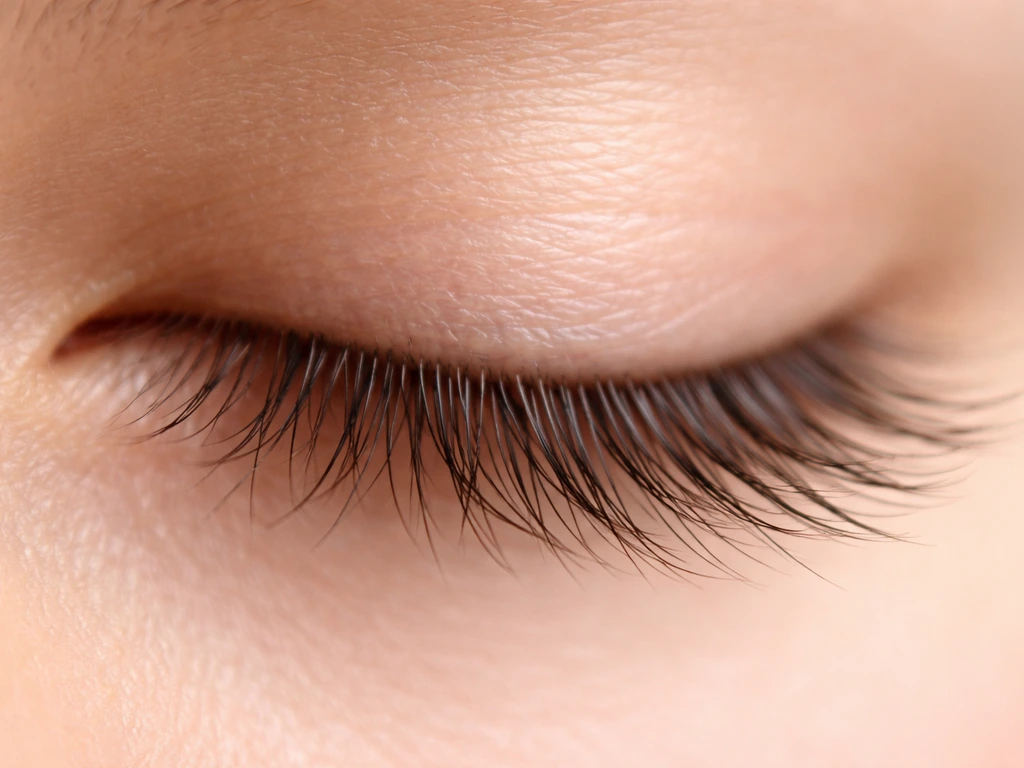
Only one ingredient is genuinely, clinically proven to grow eyelashes in controlled human trials: bimatoprost 0.03%, sold as the prescription serum Latisse. It's the only treatment with FDA approval specifically for eyelash hypotrichosis (inadequate lashes), with randomized controlled trial data showing a mean increase of about 1.4 mm in lash length compared to just 0.1 mm in placebo groups at 16 weeks. Everything else, including castor oil, biotin, peptide serums, and conditioning oils, either has limited, low-quality evidence or is proven only to improve lash appearance rather than stimulate follicle activity. That doesn't mean those options are useless, but it's important to know exactly what the research says before spending money or time on a routine.
What Is Scientifically Proven to Grow Eyelashes
What 'scientifically proven' actually means here
When someone says an ingredient is 'scientifically proven,' they should mean it has been tested in randomized controlled trials (RCTs) on real humans, shown a statistically significant effect compared to a placebo, and had those results published in peer-reviewed literature. That's a much higher bar than 'a study showed some improvement' or 'dermatologists recommend it.' For eyelash growth specifically, the evidence landscape is pretty thin. Most products on the market have either no human trial data, small uncontrolled studies, or trials funded entirely by the manufacturer with no independent replication. So when you're evaluating a product, ask three questions: Was it tested against a placebo? Were the results published and peer-reviewed? Was the improvement in actual growth (length, density, darkness) or just in how lashes look with conditioning?
It's also worth separating what 'growth' means. Lash treatments can improve lashes in different ways: increasing the length of individual hairs, increasing the number or density of lashes visible, darkening the pigmentation of existing hairs, or simply conditioning lashes so they break less and appear fuller. Clinical options tend to address actual follicle activity. Cosmetic options mostly work on the conditioning end. Both can be valuable, but they're not the same thing.
The only clinically proven treatment: bimatoprost (Latisse)
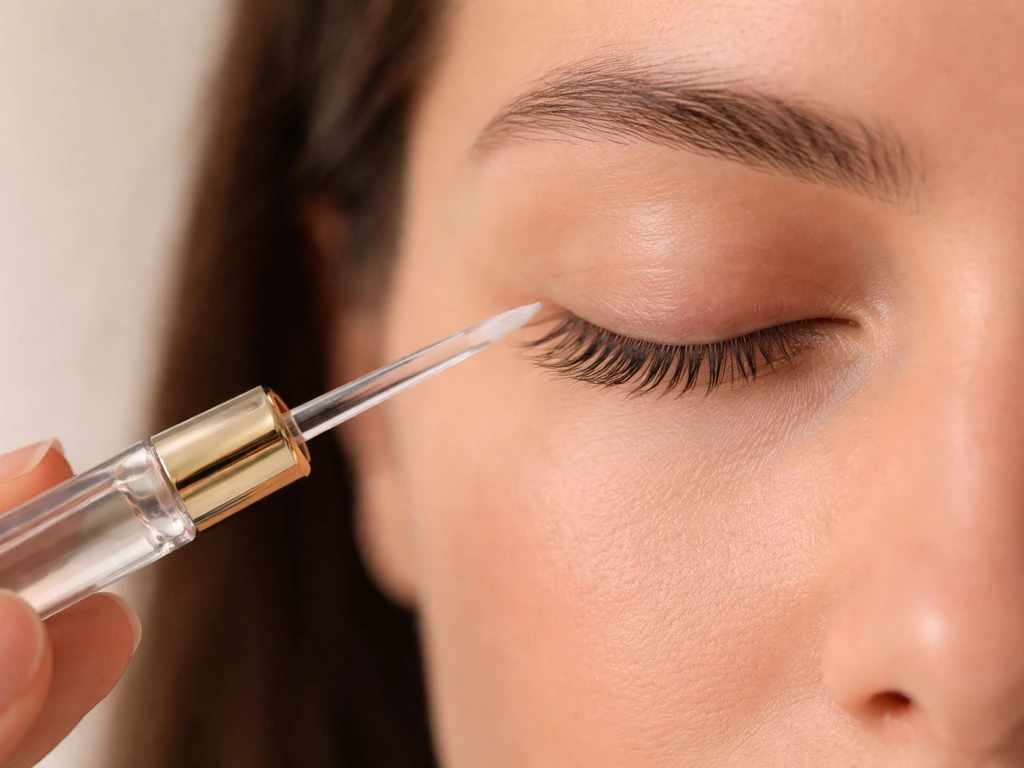
Bimatoprost 0.03%, branded as Latisse, is a prostaglandin analog originally developed as an eye drop for glaucoma (Lumigan). Doctors noticed patients growing longer, fuller lashes as a side effect, which led to reformulation and FDA approval for cosmetic lash growth in 2008. This is the one treatment where the evidence is solid. A pooled analysis across six double-masked randomized controlled trials tracked lash length, thickness, and darkness using both objective measurement and physician assessment. By week 16, bimatoprost users had a greater-than-12-fold increase in lash length compared to vehicle-treated controls. Studies tracking longer-term use (up to 36 weeks) confirmed the effects were durable with continued treatment, and a separate cohort that stopped at 20 weeks saw gradual return to baseline over the following 16 weeks, which tells you the treatment has to be maintained to hold results.
What bimatoprost actually does is extend the anagen (active growth) phase of the lash hair cycle. StatPearls also describes bimatoprost as increasing the proportion of follicles in the anagen (growth) phase and notes FDA approval in 2008 for eyelash hypotrichosis extend the anagen (active growth) phase. Lashes naturally cycle through growth, transition, and rest phases, and their growth phase is short compared to scalp hair, which is why lashes stay short. Bimatoprost prolongs that active phase, so individual hairs grow longer before shedding, and more follicles are in the growth phase at once. The result is measurable improvement in length, thickness, and darkness, all three dimensions of lash appearance.
Latisse requires a prescription in the US. It's applied once daily using the sterile single-use applicators provided, drawing the solution along the upper eyelid margin at the base of the lashes, similar to applying liquid eyeliner. If you wear contact lenses, you remove them before application and wait at least 15 minutes before reinserting. You apply it only to the upper lid; it reaches the lower lashes through natural blinking. Visible results typically appear around 8 weeks, with full results by 16 weeks. Cost runs roughly $150 to $200 per month without insurance, though some telehealth platforms and dermatology offices offer compounded bimatoprost at lower price points.
Other prescription and OTC active ingredients worth knowing
Besides bimatoprost, a few other prostaglandin-related ingredients appear in OTC lash serums, most commonly isopropyl cloprostenate. These are synthetic prostaglandin analogs not FDA-approved for lash growth but included in cosmetic serums at low concentrations. There's some user evidence they work, and the mechanism makes biological sense, but there's no robust independent RCT data for these ingredients in cosmetic formulations. They carry similar side effect profiles to bimatoprost, including potential eye irritation and pigmentation changes, but without the same regulatory oversight. Treat them as 'plausible but unverified' rather than proven.
At-home options: honest evidence ratings
This is where most people spend their money and where the evidence gets murkier. Here's a straight breakdown of the most common options.
| Ingredient | What it can do | Evidence level | Proven to grow lashes? |
|---|---|---|---|
| Bimatoprost 0.03% (Latisse) | Increases length, thickness, and darkness | Multiple RCTs, FDA-approved | Yes |
| Castor oil | Moisturizes, reduces breakage | Anecdotal, no RCTs | No |
| Biotin (oral) | Supports hair growth if deficient | RCTs only in deficiency | Only if biotin-deficient |
| Peptide serums (cosmetic) | May condition follicles; some signal effects | Small/industry-funded studies | Not established |
| Vitamin E oil | Antioxidant, conditions lashes | No lash-specific RCTs | No |
| Coconut/argan oil | Prevents protein loss, reduces breakage | Hair-shaft studies only | No |
| Minoxidil (off-label) | May extend anagen phase | Scalp data; minimal lash-specific RCTs | Possibly, use with caution |
Castor oil
Castor oil is probably the most popular at-home lash treatment, and it's not without logic. It's rich in ricinoleic acid, which has anti-inflammatory properties, and its thick consistency coats and conditions lash hairs, reducing mechanical breakage. The problem is there are no published randomized controlled trials in humans showing it actually stimulates follicle activity or grows new lashes. What people often experience is that their existing lashes break less, so they appear longer and fuller over time. That's a real benefit, especially if your lashes are damaged from extensions or curling. But it's conditioning, not growth stimulation. If you want to use castor oil, apply a small amount to a clean mascara wand and coat lashes before bed. The main risk is eye irritation if it gets into the eye itself.
Biotin
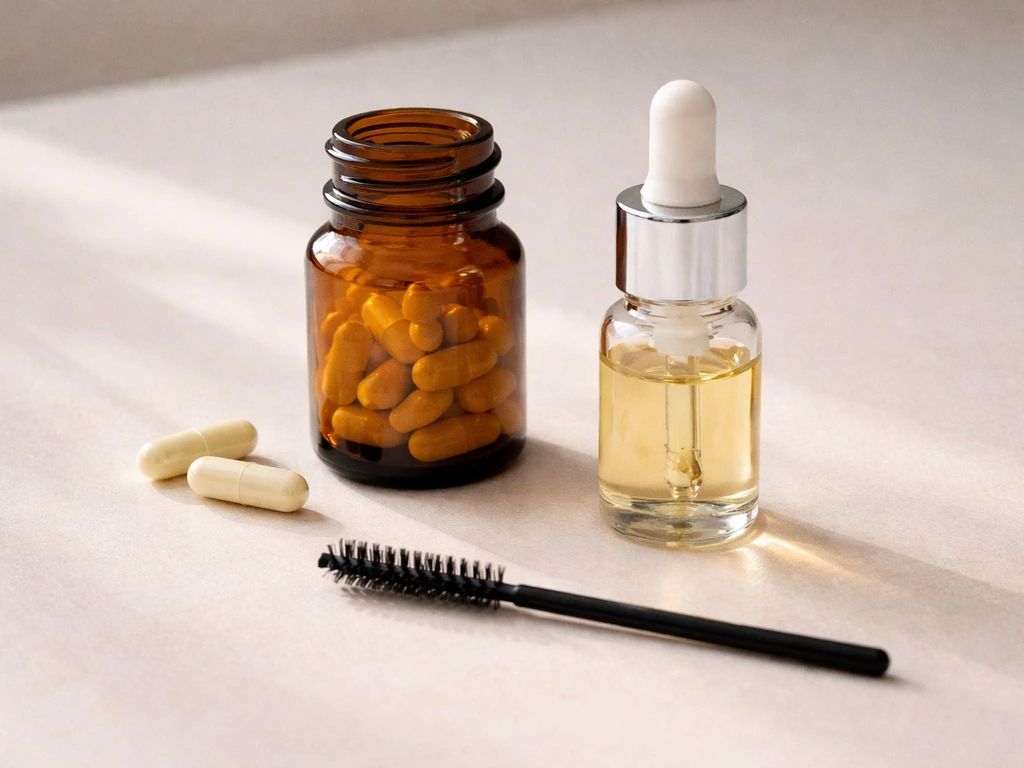
Biotin (vitamin B7) is heavily marketed for hair and lash growth, but the evidence is more nuanced. Clinical studies do show biotin supplementation improves hair and nail quality in people with diagnosed biotin deficiency, and biotin deficiency can cause hair thinning. But if your biotin levels are normal, supplementing further doesn't produce measurable additional growth. Most people eating a varied diet are not biotin-deficient. That said, if you've had prolonged dieting, gastrointestinal issues, or are pregnant or postpartum, checking your biotin (and broader B-vitamin) status with a simple blood panel makes sense before assuming deficiency isn't a factor.
Peptide serums
Peptide-based lash serums (products containing ingredients like myristoyl pentapeptide-17 or similar signaling peptides) are marketed as stimulating keratin production and extending the growth phase. Some small studies, often sponsored by the ingredient manufacturer, show modest improvements in lash length and density. The mechanisms are plausible: certain peptides do signal hair follicle cells in lab settings. But the independent, large-scale human RCT data just isn't there yet to call these 'proven.' They're a reasonable middle-ground option if you can't access prescription bimatoprost and want something with more mechanism behind it than plain oils, but go in with realistic expectations.
How long regrowth actually takes, and what damage does to the timeline
A full lash growth cycle, from new growth to natural shedding, takes roughly 4 to 11 months, with the active growth phase lasting about 30 to 45 days and the rest phase lasting up to 100 days. When you shed a lash naturally, a new one follows. The issue with damage from extensions, traction from rubbing, chemical processing, or over-plucking is that it can affect the follicle itself. Lack of lash growth is often explained by slowed or disrupted follicle activity, not just a lack of a “growth” ingredient what makes eyelashes grow. If a follicle is repeatedly traumatized, it can enter a prolonged dormant state or, in severe cases, scarring can occur that permanently impairs regrowth.
For most people with lash loss from extensions or over-manipulation: expect a realistic timeline of 3 to 6 months for noticeable regrowth without treatment, and 6 to 12 months for full recovery of density. With bimatoprost, that timeline compresses, with measurable improvement in 8 weeks and significant results by 16 weeks. The catch is that once you stop Latisse, lashes gradually return to their pre-treatment state over a few months, so it's a maintenance treatment, not a permanent fix. If you're curious about what's actually driving your lash growth cycle at a biological level, that connects directly to the mechanics covered in what makes eyelashes grow science. Bimatoprost is also the reason many people ask what makes eyelashes grow quickly, since it has the strongest human evidence for faster lash growth. To understand that cycle, it helps to know the biology of eyelash follicles and why growth depends on what happens at the hair root what makes eyelashes grow science.
How to use lash growth treatments safely
Whether you're using a prescription serum or an at-home oil, the eye area demands careful handling. Here's what to keep in mind.
- Patch test any new product on your inner wrist or behind your ear for 24 to 48 hours before applying near your eyes, especially if you have sensitive skin or a history of contact dermatitis.
- Apply serums and oils only to the upper lash line at the base of lashes, not directly into the eye. Less is more: a thin line, not a saturated application.
- Remove contact lenses before applying bimatoprost. Wait 15 minutes before reinserting. Contacts can absorb the solution.
- Use clean applicators every time. Reusing wands or applicators risks bacterial contamination close to the eye.
- Avoid applying to the lower lid directly. Bimatoprost and prostaglandin-analog serums can cause unwanted hair growth wherever they contact skin.
- Watch for redness, itching, or changes in eye color, particularly iris darkening, which is an irreversible side effect associated with prostaglandin analogs. Stop use and consult a doctor if this occurs.
- People with active intraocular inflammation (such as uveitis), risk factors for macular edema, or who are pregnant or breastfeeding should not use bimatoprost without direct guidance from an ophthalmologist.
The most common reported side effects of Latisse in clinical data are eye itching, conjunctival redness (bloodshot appearance), and skin darkening at the application site, each occurring in roughly 3 to 4 percent of users in trial data. DailyMed’s LATISSE prescribing information reports the most common adverse reactions at an incidence of approximately 3% to 4%, including eye pruritus, conjunctival hyperemia, and skin hyperpigmentation roughly 3 to 4 percent of users in trial data. These are generally mild and resolve with discontinuation, with the exception of iris pigmentation changes, which are permanent. Skin darkening at the lid margin is reversible in most cases after stopping treatment.
When lash loss is a sign of something medical
Not all lash thinning is from damage or a slow growth cycle. Some lash loss is your body signaling a systemic issue, and trying to fix it with serums won't address the root cause. See a dermatologist or your primary care doctor if you notice any of the following.
- Sudden or patchy lash loss with no obvious mechanical cause (no extensions, rubbing, or trauma).
- Loss of lashes accompanied by eyebrow thinning, scalp hair loss, or hair thinning elsewhere on the body.
- Lash loss alongside fatigue, weight changes, cold intolerance, or dry skin, which can signal thyroid dysfunction.
- Lash loss with skin redness, scaling, or crusting at the lid margin, which may indicate blepharitis, seborrheic dermatitis, or an autoimmune condition like alopecia areata.
- Lash loss that followed starting a new medication, particularly chemotherapy agents, retinoids, anticoagulants, or beta-blockers.
- Loss of the outer third of eyebrows alongside lash thinning, a classic sign of hypothyroidism.
- Any associated vision changes, eye pain, or swelling, which warrant prompt ophthalmology evaluation.
Medical causes of lash loss, including thyroid disease, alopecia areata, nutritional deficiencies (iron, zinc, protein), and trichotillomania, need to be diagnosed and addressed before or alongside any topical treatment. A serum applied to follicles that are dormant due to autoimmune attack or hormonal disruption isn't going to do much. Understanding what causes eyelashes to stop growing in the first place is a key step before investing in any growth treatment.
Choosing your next step based on your situation
Here's a practical decision path based on where you're starting from today.
- If your lashes are healthy but short or thin and you want maximum proven results: Talk to a dermatologist or telehealth provider about a Latisse prescription. This is the only route with solid clinical evidence. Expect 8 to 16 weeks to see meaningful change, and plan to maintain use to keep results.
- If your lashes are damaged from extensions, glue, or over-manipulation: Stop the damaging behavior first. Give lashes a 3 to 6 month recovery window. Use a conditioning treatment (castor oil, vitamin E, or a gentle lash serum) to reduce further breakage while the follicles rest and reset. Consider Latisse to accelerate the recovery timeline if damage was significant.
- If you want an OTC option with more mechanism than plain oil: Look for serums with isopropyl cloprostenate or myristoyl pentapeptide-17 in the ingredient list, and use them consistently for at least 8 to 12 weeks before judging results. Understand these are not FDA-approved and the evidence is weaker.
- If you're experiencing unexplained lash loss: Get bloodwork first. Ask for thyroid panel (TSH, T3, T4), complete blood count, ferritin, zinc, and vitamin D. Treat any deficiency found before adding topical products.
- If you've been using Latisse and want to reduce cost or frequency: Discuss with your prescribing doctor whether maintenance dosing (every other day rather than daily) can preserve results at lower cost. Some users find this adequate for long-term maintenance.
- If you have a history of uveitis, eye inflammation, or macular risk factors: Do not use bimatoprost without direct ophthalmology clearance. Explore conditioning-only options and address the underlying lash loss cause medically.
The bottom line is that if you want proven lash growth, bimatoprost is the answer. Everything else is supporting evidence, damage protection, or wishful marketing. That doesn't mean you need a prescription to have good lashes, but you should go in knowing what you're actually getting from each product and set your timeline expectations accordingly. Good lashes take months, not weeks, and protecting the ones you have is just as important as trying to grow new ones.
FAQ
Is bimatoprost the only scientifically proven ingredient to grow eyelashes, or are there others with similar RCT-quality evidence?
Based on controlled human trials, bimatoprost (0.03% Latisse) is the only option with strong evidence and regulatory approval for eyelash growth. Other prostaglandin analogs sold OTC may have plausible biology, but they typically lack the same independently replicated randomized trial data in cosmetic formulations.
What should I look for on an eyelash serum label to tell whether it might actually be a growth product?
Check the exact active ingredient name and concentration, not just “growth blend” marketing. If it lists a prostaglandin analog (for example, isopropyl cloprostenate) you are closer to a true growth mechanism, but it still may be unproven clinically. Ingredients like biotin or peptides alone are usually less predictive of measurable growth.
Does “scientifically proven” mean the results are the same for everyone who uses Latisse?
No. Trial averages show improvement, but your baseline lash length, natural growth cycling, and how consistently you apply it affect outcomes. Also, if you miss doses or stop early, you should expect a gradual return toward baseline over the following weeks to months.
How long do results last if I stop bimatoprost, and how fast does lash loss return?
When treatment is discontinued, lashes gradually revert toward their prior state. In studies, stopping after ongoing use led to a progressive return to baseline over the next several months, so plan on maintenance if you want to keep the longer and darker look.
Can I use Latisse with lash extensions or lash lift/perm treatments?
You should be cautious. Extensions and chemical processing can cause mechanical and chemical damage, which may slow or confound your regrowth progress. If you proceed, be consistent with gentle removal and avoid frequent re-dosing cycles that irritate the lid margin.
Is it safe to use Latisse if I have dry eyes or I get eye irritation easily?
Dry eye and baseline irritation increase the chance that redness, itching, or discomfort becomes noticeable. If you have significant symptoms, talk to an eye professional first, and stop if irritation worsens or you develop pain, marked redness, or vision changes.
What’s the correct way to apply Latisse to reduce side effects and get the best results?
Apply only to the upper lash line at the base of the lashes, using the provided sterile applicators. Avoid getting it into the eyeball, and remove contact lenses before application, then wait the required interval before reinserting to reduce irritation risk.
Will biotin supplements grow lashes if I don’t have a deficiency?
Usually not. Biotin supplementation is most helpful when someone is actually biotin-deficient, such as after prolonged restrictive dieting, certain gastrointestinal conditions, or pregnancy or postpartum contexts. If your intake is adequate, extra biotin generally does not produce measurable added lash growth.
What side effects are most important to watch for, and which are potentially permanent?
Most commonly reported issues are mild eye itching and redness and reversible skin darkening at the lid margin. Iris pigmentation changes are a key concern and can be permanent. If you notice changes in eye color, persistent redness, or unusual symptoms, get evaluated promptly.
Are conditioning oils like castor oil “worth it” if they do not prove follicle stimulation?
They can still be useful if your main problem is breakage. Castor oil may make existing lashes look fuller by improving flexibility and reducing mechanical damage, but it should not be expected to replicate the measurable length and density gains seen with bimatoprost.
How do I know whether my lash thinning is from damage versus a medical condition?
Consider your pattern and triggers. Lash loss after extensions, rubbing, over-plucking, or chemical processing points to local damage. If thinning is sudden, patchy, associated with hair loss elsewhere, or linked to symptoms of thyroid or autoimmune disease, get a medical workup because topical serums may not address the cause.
When should I see a dermatologist or eye doctor instead of trying products first?
If you have patchy loss, eyebrow involvement, rapidly worsening thinning, scarring, significant lid inflammation, or signs of systemic issues (like thyroid symptoms), seek evaluation. Treating the underlying driver can matter more than switching between cosmetic serums.
What timeline should I expect for different approaches, and when is it reasonable to judge results?
At-home oils or low-evidence serums may show changes over months, mainly via reduced breakage rather than true new growth. With bimatoprost, visible changes often begin around 8 weeks and peak by about 16 weeks, so reassessing much earlier usually leads to false conclusions.
Does Mustard Oil Grow Eyelashes? Safety and What Works
Find out if mustard oil grows eyelashes, risks to eyelids, and safer options with realistic timelines and when to see a
