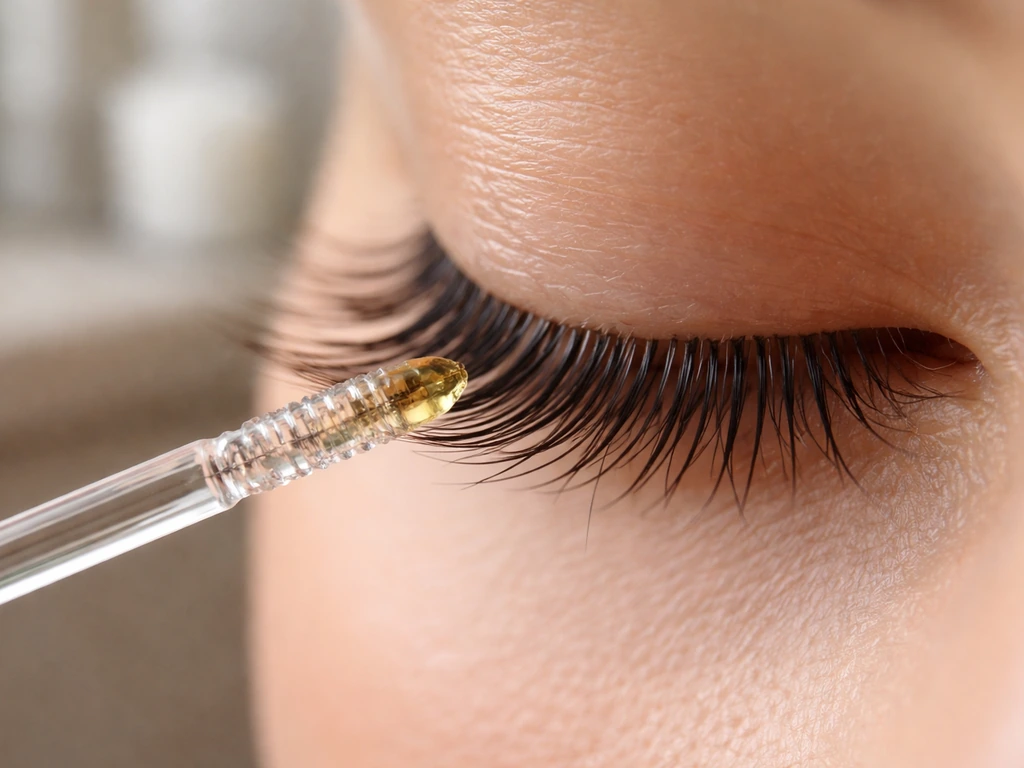
Jojoba oil won't grow your eyelashes in the way a prescription serum like bimatoprost (Latisse) can, but that doesn't mean it's useless. What it can genuinely do is condition your lashes, reduce breakage, and support the kind of environment where the lashes you already have survive longer and look healthier. Think of it less as a growth stimulator and more as a protective treatment. If you're wondering whether can cuticle oil grow your eyelashes, the evidence points more toward conditioning than true lengthening. If your lashes are brittle, over-processed, or recovering from extensions, that distinction actually matters a lot.
Does Jojoba Oil Grow Eyelashes? Evidence, How to Use
Rachel Nguyen
30 Apr 2026
How eyelash growth actually works
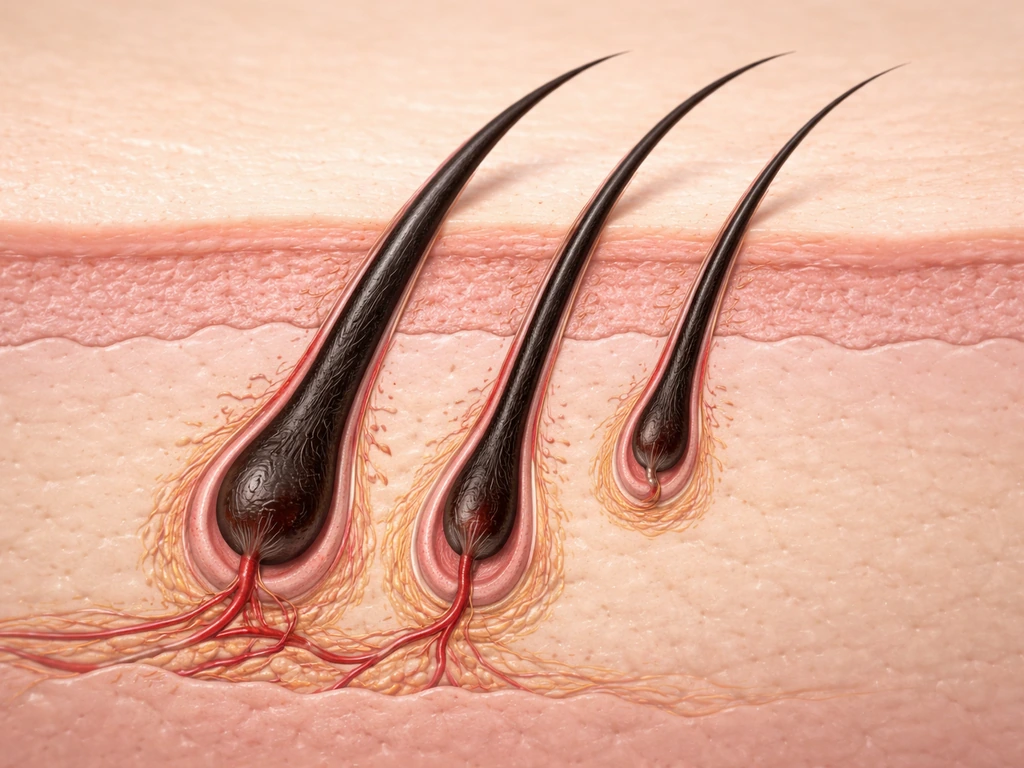
Before evaluating any oil or serum, it helps to understand what "growing lashes" really means biologically, because length, thickness, and shedding are three separate things that respond to different inputs.
Eyelash follicles cycle through three phases: anagen (active growth), catagen (regression, lasting about 15 days), and telogen (resting, after which the lash sheds). At any given time, roughly half your lashes are in anagen. Unlike scalp hair, the anagen phase for lashes is short, which is why lashes cap out at a certain length naturally. You can't keep them in anagen indefinitely with a topical oil. Only drugs that act on prostaglandin pathways, like bimatoprost, have demonstrated the ability to actually extend the anagen phase and produce measurable increases in lash length, thickness, and darkness in clinical trials.
When people report that their lashes "grew" after using an oil, what often happened is that breakage decreased, so existing lashes reached their full natural length instead of snapping off prematurely. That's a real improvement worth having, but it's not the same as follicle stimulation. Keeping this straight helps you set honest expectations.
What the evidence actually says about jojoba oil
There are no peer-reviewed human studies specifically testing jojoba oil on eyelash growth or regrowth. The available hair research is for scalp hair generally, and even there, at least one comparative study found jojoba less effective than minoxidil for hair loss, which makes it a poor choice as a standalone therapy for any diagnosable hair loss condition. That's the honest ceiling of the evidence right now.
What jojoba does have solid evidence for is its emollient and barrier-support properties. Applied to a hair shaft, oils like jojoba enhance lubrication, reduce friction, and help prevent mechanical breakage. That's the same mechanism behind using any conditioning oil on hair cosmetically. For lashes that are dry, stiff, or damaged from glue, heat, or aggressive makeup removal, this is genuinely useful. It won't add new lashes, but it can protect the ones you're trying to grow out.
One thing jojoba has going for it compared to heavier oils is its composition: it's technically a liquid wax rather than a triglyceride oil, so it's lighter and less likely to weigh lashes down or sit heavily on the eyelid margin. That makes it a reasonable choice for periocular use, provided you're careful about hygiene and application.
How to use jojoba oil safely on your lashes
The area around your eye is one of the most sensitive on your body, and the risk of contamination or irritation is real. These steps aren't just precautions for the cautious, they're practical habits that prevent you from making the situation worse.
Patch test first, always
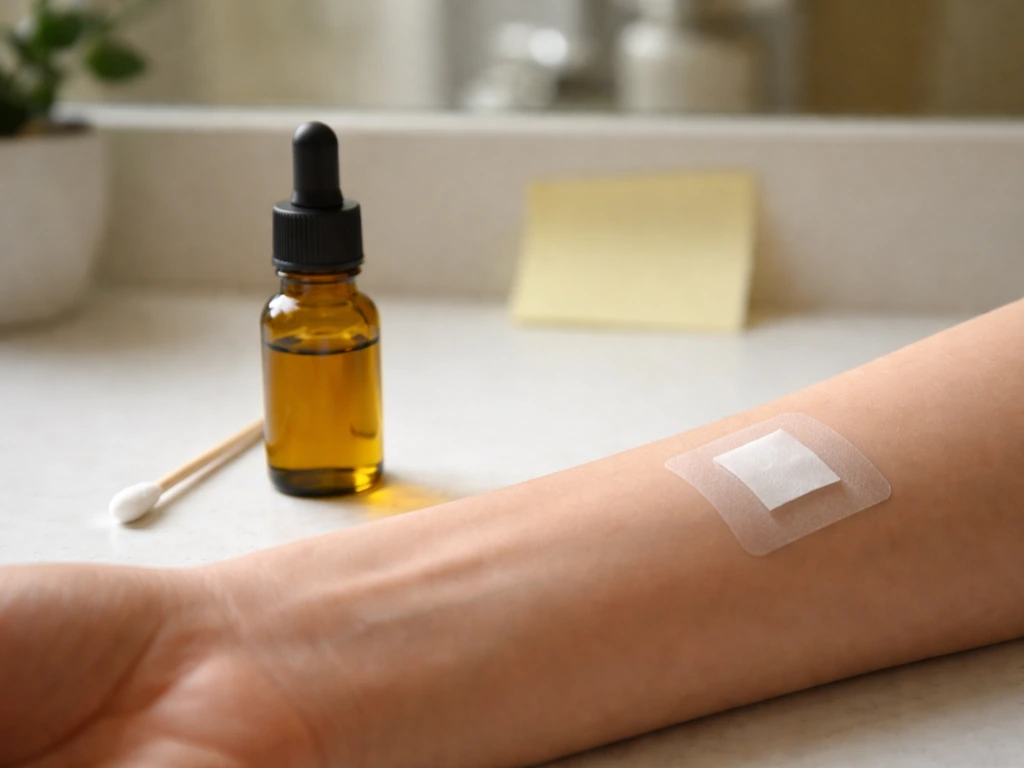
Jojoba has documented cases of contact dermatitis. Before applying anything near your eyes, do a 24 to 48 hour patch test on a less sensitive area like the inner forearm or behind the ear. If you get redness, itching, or swelling, stop. Allergic contact dermatitis involves sensitization, meaning a second exposure can produce a more significant reaction than the first.
The application routine
- Remove all eye makeup completely before applying. Clean lashes absorb the oil better and you avoid trapping bacteria under a product layer.
- Use a clean, dedicated applicator. A clean mascara wand rinsed thoroughly, a clean spoolie, or a fine eyeliner brush all work. Never use your fingers directly near the lash line.
- Dip the applicator into a small, clean container of jojoba oil. Do not apply from the main bottle, which introduces contamination risk every time.
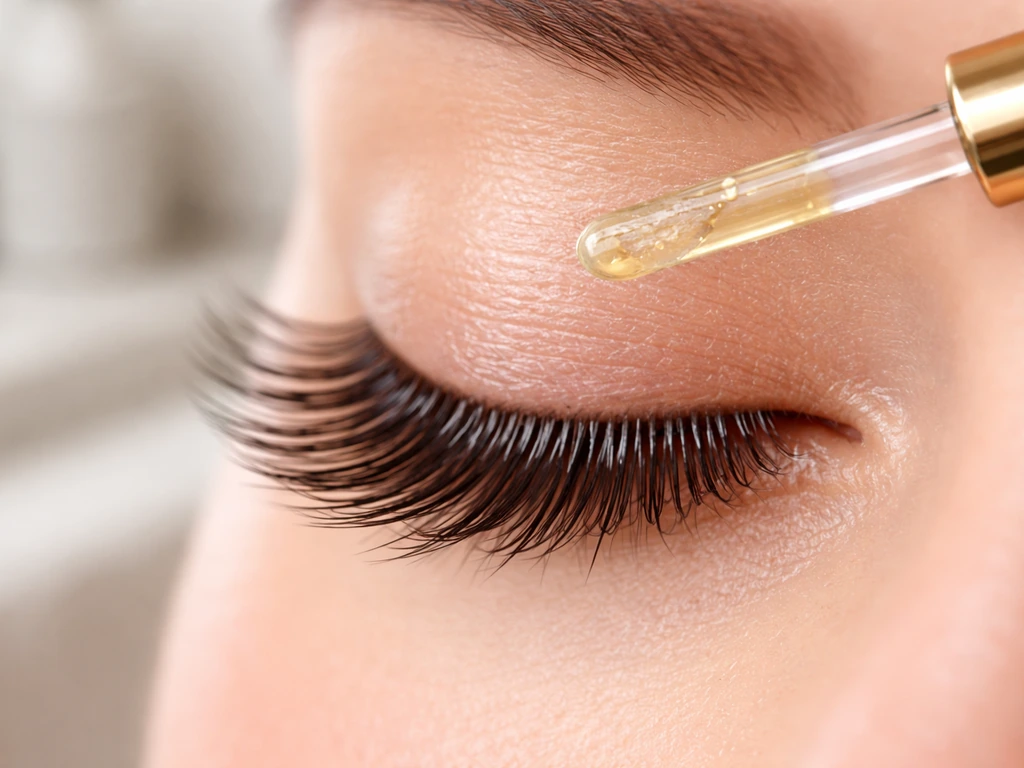
- Stroke the wand along the base of your upper lashes, working toward the tips, just as you would with mascara. One thin coat is enough.
- Blot any excess that migrates onto the lid with a clean cotton swab. You do not want pooling oil on the eyelid margin.
- Apply at night before bed. This keeps the oil away from daytime sun exposure and prevents it from interfering with eye makeup.
- Wash the applicator after every use. The FDA notes that bacteria from cosmetic applicators are a common contamination route for eye products.
How often to apply
Once nightly is the right frequency. Applying more often doesn't improve results and increases the chance of irritation or oil migrating into your eyes. Keep the application light, a thin coat rather than a heavy soak. If your eyes feel greasy or irritated in the morning, you're using too much.
What results to expect and when to stop
One full eyelash growth cycle runs roughly four to six weeks from shedding to a new lash reaching its full length, though the visible result of a conditioning routine usually shows up more gradually than that. A realistic window to assess whether jojoba is making a difference for you is eight to twelve weeks of consistent nightly use. That gives enough lash cycles for you to notice whether breakage has decreased and whether your existing lashes look longer and fuller simply because they're reaching their full length before falling out.
Signs that it's working: lashes feel less brittle, you're seeing fewer broken lashes in your makeup remover pad, and the overall line looks denser. Signs that it's not working or causing a problem: increased redness at the eyelid margin, itching, any swelling, or a stye developing. If any of those appear, stop immediately and give your lids a break for at least a week before trying anything else.
If you've used jojoba consistently for twelve weeks and see no change at all, it's a reasonable signal that your lash concern is beyond what a conditioning oil can address. That's when the conversation shifts to either stronger actives or a professional evaluation.
Jojoba vs other options: what actually outperforms it
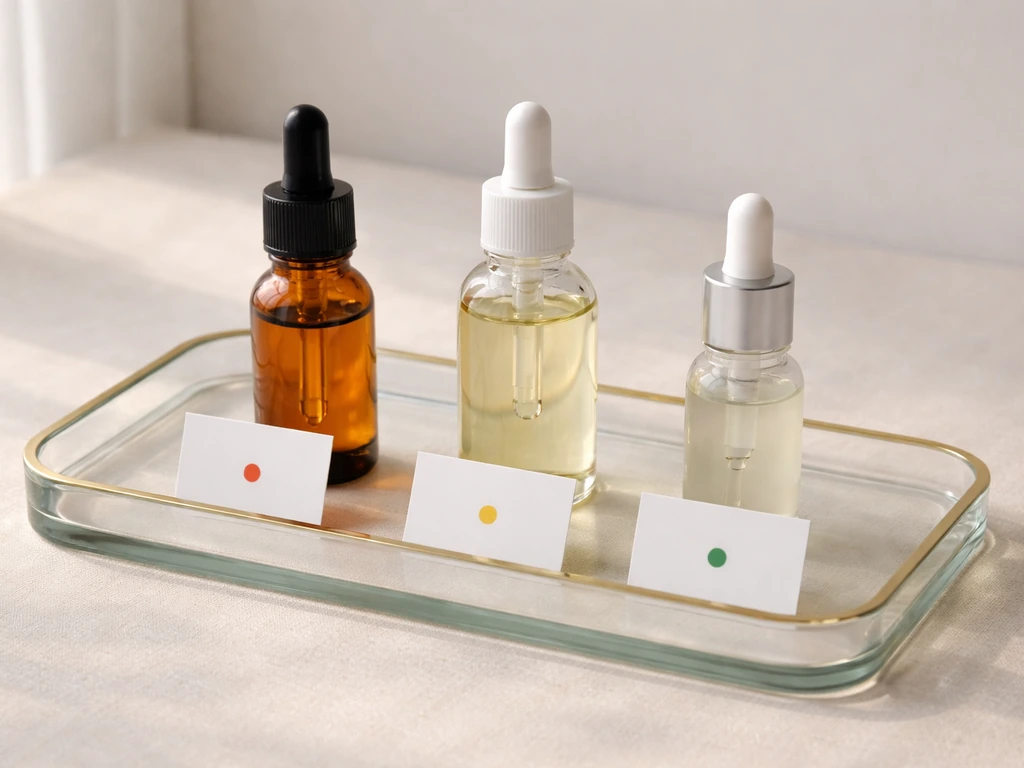
Jojoba is a decent conditioning oil, but it sits firmly in the lower tier when you're comparing it to options with more evidence behind them. Here's how it stacks up against the approaches most people on this site are considering.
| Option | What it does | Evidence level | Best for |
|---|---|---|---|
| Jojoba oil | Conditions, reduces breakage, supports barrier | Low (cosmetic, no eyelash-specific trials) | Brittle or damaged lashes, maintenance |
| Castor oil | Emollient, some ocular surface (tear film/blepharitis) research in periocular use | Low-moderate (not eyelash growth specific) | Dry, damaged lash line, blepharitis-adjacent use |
| Biotin (oral) | Supports keratin infrastructure in deficient individuals | Weak unless you have a confirmed deficiency | People with documented biotin deficiency |
| Lash growth serums (peptide/prostaglandin analog) | May mimic growth-factor activity or extend anagen phase | Moderate (varies by active ingredient) | People wanting more than conditioning |
| Bimatoprost (Latisse) | Extends anagen phase, clinically proven increases in length, thickness, darkness | High (multiple RCTs, FDA-approved) | Significant hypotrichosis, fastest measurable results |
Castor oil is probably the most commonly compared alternative to jojoba, and while it also lacks eyelash-specific growth evidence, it has a longer history of periocular use and some peer-reviewed work in blepharitis and tear film stability. Both are conditioning options rather than growth stimulators. If you're choosing between conditioning oils, castor oil is the more studied choice for the eye area, though it's heavier than jojoba and some people find it harder to apply precisely. Olive oil and mustard oil are also discussed in natural lash communities, but neither has stronger evidence than jojoba for actual follicle stimulation.
If you want results within two to three months rather than subtle improvements over a longer period, a prescription bimatoprost treatment or an over-the-counter serum with a credentialed prostaglandin analog is worth discussing with a dermatologist or ophthalmologist. The trade-off is that bimatoprost carries real side effect risks, including permanent iris pigmentation changes and periocular skin darkening, so it's not a casual recommendation.
When an oil isn't the right tool and you need professional input
If your lash loss is significant, sudden, or patchy, a conditioning oil is not going to fix the underlying problem. There are several scenarios where skipping straight to a professional is the right call.
- Blepharitis or eyelid inflammation: Chronic blepharitis is one of the most common causes of lash loss (madarosis). It needs treatment directed at the actual inflammatory process, not conditioning oil on top of it.
- Autoimmune-related lash loss: Alopecia areata can affect lashes and brows. No topical oil addresses the immune mechanism driving this.
- Traction damage from lash extensions: Repeated tension on the follicle from extensions can cause traction-pattern lash loss. If the follicle has been chronically stressed, the first step is removing the cause entirely, not adding oil. Scarring from prolonged traction can make some loss permanent.
- Trichotillomania: Compulsive lash pulling leaves a distinctive broken-stub pattern and needs behavioral support, not topical treatment.
- Medication-related shedding: Several medications cause lash thinning as a side effect. This is a conversation to have with your prescribing doctor.
- Allergic reaction to an eye product: If lash loss followed starting a new mascara, eyeliner, or extension glue, contact dermatitis is the likely cause. A dermatologist can confirm with patch testing and guide avoidance.
- Infection or stye near the lash line: Applying any oil over an active infection is contraindicated. See a professional before resuming any topical lash routine.
The honest summary is this: jojoba oil is a safe, gentle option for conditioning damaged or brittle lashes, and it's worth trying if your goal is reducing breakage and improving lash quality over two to three months. But it's not a follicle stimulator, and if your lash loss has a medical cause, it needs a medical solution. Use it as a supportive habit, not as a substitute for finding out why your lashes are falling out in the first place.
FAQ
How long does it take to see a real difference if jojoba oil helps my lashes?
Jojoba may make lashes look longer by reducing breakage, but it cannot create new follicles or reliably extend the anagen (growth) phase. If your lashes shed normally and you are not breaking them, jojoba will usually change texture more than total length.
Should I use jojoba oil once a day or more for faster lash growth?
Most people should reassess after 8 to 12 weeks of consistent nightly use, because lashes cycle every 4 to 6 weeks. If you only apply occasionally, or start and stop, you can’t tell whether shedding is stabilizing versus simply delaying results.
Can I use jojoba oil if I wear lash extensions or use eyelash glue?
More is not better, a heavier application increases the odds of irritation and oil migrating into the eye. Use a very thin coat, stop if you wake up with greasiness, burning, redness, or watery eyes.
What’s the best way to apply jojoba oil so it doesn’t irritate my eyes?
It can help reduce mechanical damage from glue removal and rubbing, but discontinue if extensions or removers already trigger irritation. If you have redness at the lid margin, styes, or worsening swelling, switch to a gentler routine and consider a clinician for blepharitis or contact allergy.
Is patch testing really necessary for jojoba oil near the eyes?
Aim it toward the lash shaft, not the waterline or inner corner, and use a clean applicator (discard mascara wands, use a dedicated clean brush). Avoid the skin fold right against the lash line if you are prone to dermatitis or clogged pores.
What signs mean jojoba oil is making my eyelids worse?
Yes, especially because contact dermatitis can appear after a sensitization period, a second exposure may be worse than the first. Patch test 24 to 48 hours, and if you have a history of eczema, allergies, or prior reactions to cosmetics, be extra cautious.
Will jojoba oil help if my lashes are falling out in clumps or patchy areas?
Stop immediately if you develop itching, increased redness at the eyelid margin, swelling, worsening stinging, or a stye that seems to keep recurring. Give your lids at least a week off and consider ophthalmology if symptoms persist or keep returning.
Can I combine jojoba oil with an eyelash growth serum or bimatoprost?
Usually not. Sudden, patchy, or significant lash loss can be a sign of an underlying condition such as blepharitis, alopecia areata, thyroid disease, or medication-related changes. That pattern is a reason to get a professional evaluation rather than relying on conditioning.
Is jojoba safer than castor oil for the eye area?
You can, but it can raise irritation risk and complicate what is causing side effects. If you use bimatoprost or a prostaglandin-analog serum, follow the product directions for how to apply it, then consider jojoba only if tolerated, using separate nights or keeping jojoba strictly off the lash root and lid margin.
What if I used jojoba for 12 weeks and nothing improved?
Jojoba is often easier to tolerate because it is lighter and less likely to feel heavy, but individual sensitivities vary. Castor oil is also conditioning, and it may be more likely to smear or feel greasy, so whichever you choose, monitor for irritation and do patch testing.
Does jojoba oil work better for people with short lashes naturally versus lashes that were damaged?
If you see no reduction in brittleness or breakage after 8 to 12 weeks, the issue may be beyond conditioning. At that point, consider a dermatologist or ophthalmologist, especially if you also have itching, crusting, frequent styes, or noticeable lash line changes.
Next Article
Will Olive Oil Grow Eyelashes? What to Expect and How
Find out if olive oil can help eyelash growth, realistic timelines, safe application steps, risks, and when to switch.