Your natural lashes will grow back after extensions, and for most people the full recovery takes somewhere between 6 weeks and 3 months depending on how much damage was done and where each lash is in its growth cycle. The fastest path forward is simple: stop causing more damage, keep the follicles healthy, and be consistent with a gentle conditioning routine. A prescription serum like bimatoprost (Latisse) is the only option with clinical evidence behind it if you want to actively accelerate growth. Everything else, including castor oil and biotin, can support lash health but won't dramatically speed up the biology.
How to Grow Eyelashes Back After Extensions: Step-by-Step

Rachel Nguyen
30 Apr 2026
What extensions actually do to your natural lashes
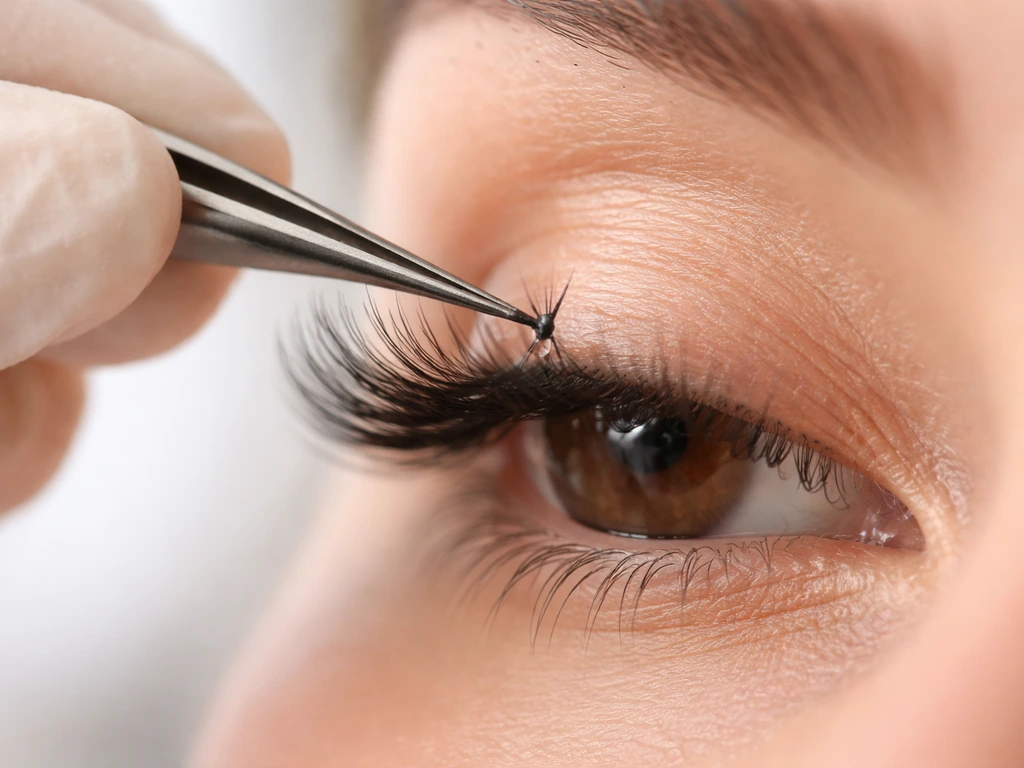
The core issue is weight and tension. Extensions are synthetic fibers glued directly onto your natural lashes, and that added weight puts sustained mechanical stress on each follicle. Over time, that tension can cause what's called traction alopecia, a well-documented pattern of hair loss that happens when follicles are pulled on repeatedly over weeks or months. The American Academy of Ophthalmology specifically lists traction alopecia as a recognized risk of eyelash extensions.
Beyond the physical stress, the adhesives are another problem. Extension glues are almost always cyanoacrylate-based, and a 2022 analysis found that these glues can release formaldehyde even when it's not listed as an ingredient. Formaldehyde emission is a known trigger for allergic contact dermatitis on eyelid skin. Some people develop full-blown allergic blepharitis, others get subtle inflammation that quietly stresses the follicles for months without ever connecting it to their extensions.
The glue residue and the cleaning challenges that come with extensions also matter. When you can't clean the lash line properly (many aftercare instructions specifically warn against oil-based products and water near the lashes), dead skin, debris, and bacteria accumulate. That environment irritates follicles. Add the fact that some natural lashes break off mid-shaft rather than shedding naturally at the root, and you've got a combination of traction stress, chemical irritation, and incomplete cycles all working against you at once.
Recovery timeline: what to expect after removing extensions
Eyelashes follow the same anagen-catagen-telogen cycle as all body hair. Anagen is the active growth phase, catagen is a brief regression period of about 2 to 3 weeks, and telogen is the resting phase before the lash sheds and a new one starts growing. Not all your lashes are in the same phase at once, which is why regrowth after extensions looks patchy at first rather than all coming in evenly. If you’re wondering how long do eyelashes take to grow back after extensions, patchy regrowth in the first weeks is common because lashes are shedding and restarting in different phases.
Here's what a realistic timeline looks like for most people after removing extensions with moderate wear history:
| Timeframe | What's happening | What you'll notice |
|---|---|---|
| Weeks 1–2 | Follicles recovering from tension, some lashes still shedding | Sparse appearance, possible itching as new growth starts |
| Weeks 3–6 | New anagen lashes beginning to emerge | Short, fine lashes visible; baby lashes appearing at the base |
| Weeks 6–12 | Active growth phase for most follicles | Noticeable improvement in density and length |
| 3–6 months | Full cycle completion for most lashes | Lashes approaching pre-extension density for most people |
| 6+ months | Continued improvement if there was significant traction damage | Density stabilizing; see a professional if no progress by now |
If you wore very heavy extensions, had frequent fills over a year or more, or experienced significant allergic reactions, the timeline can stretch. Traction alopecia requires removing the source of tension and then waiting. For context, eyelash alopecia from other causes (like alopecia areata) has a documented mean regrowth time of around 28 months in severe cases, so if your lashes aren't bouncing back at all after 6 months of consistent aftercare, that's the point to get a professional evaluation rather than just waiting longer.
The at-home recovery routine that actually works
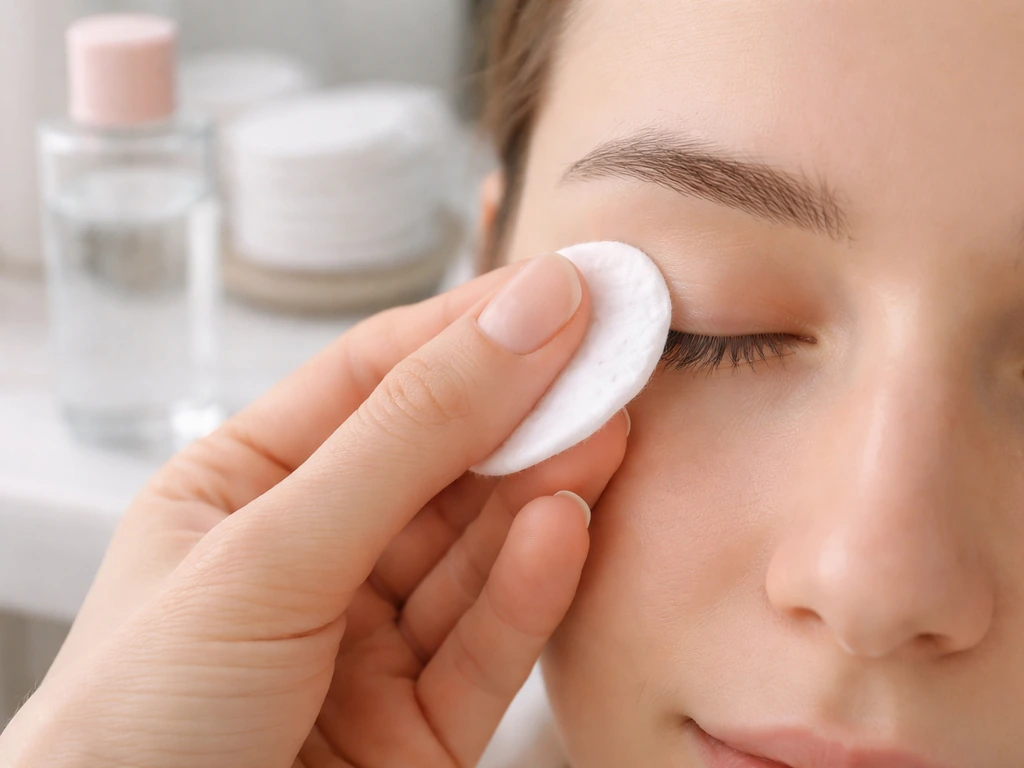
This isn't complicated, but it does require consistency. The goal is to protect the follicles, keep the lash line clean, and avoid anything that causes mechanical trauma while your lashes cycle through regrowth.
Daily habits to build
- Cleanse your lash line every evening with a gentle, oil-free micellar water or a dedicated lash cleanser. Buildup at the base of the follicle is the enemy of healthy regrowth. Use a soft brush or clean fingertip, never a cotton pad dragged across the lashes.
- Remove all eye makeup before bed without exception. Sleeping in mascara repeatedly is one of the most underrated causes of lash breakage and follicle stress.
- Sleep on a silk or satin pillowcase. Cotton pillowcases create friction that catches and pulls lashes overnight, especially when they're short and delicate during early regrowth.
- Avoid rubbing your eyes. This is harder than it sounds, but mechanical rubbing is a direct source of lash breakage. If itching is an issue during regrowth, a cool compress is safer than rubbing.
- Don't curl your lashes aggressively while they're recovering. If you use a lash curler, use it gently and never on dry, brittle lashes.
- Hold off on mascara if you can, or use a hydrating, non-waterproof formula that comes off easily. Waterproof mascara requires more mechanical effort to remove and dries out lashes.
Conditioning and protective steps
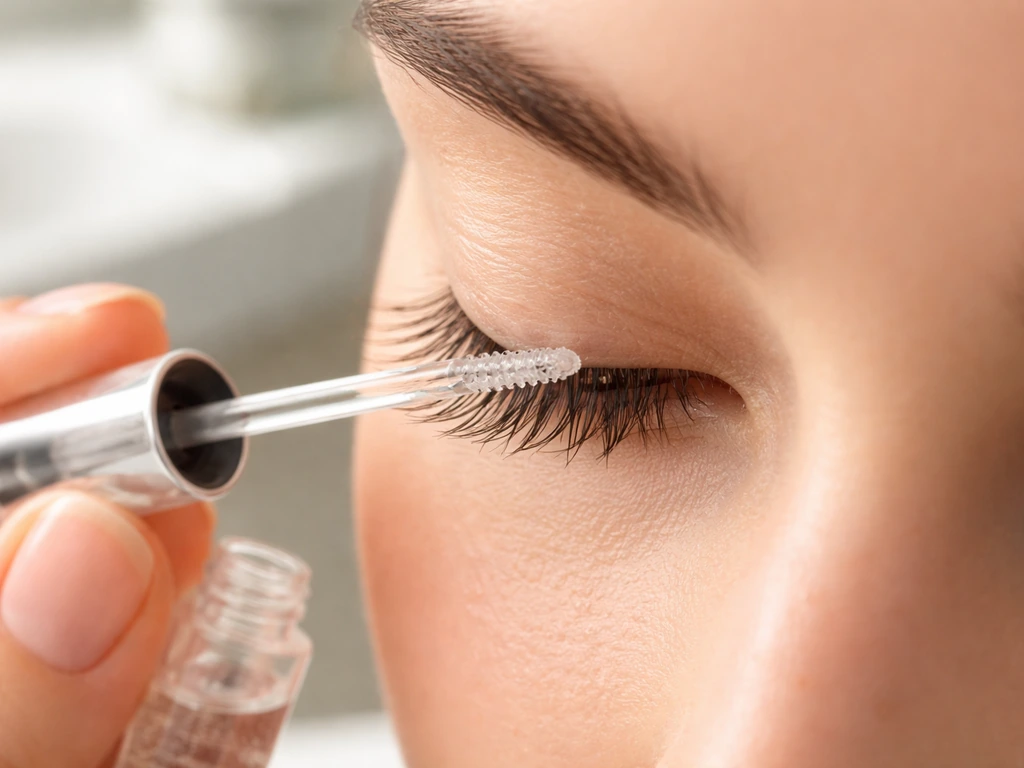
Apply a small amount of a conditioning lash oil or serum to the lash line each night after cleansing. The lash line, not the tips. This is where the follicle sits and where any ingredient needs to reach to have any effect. A clean spoolie or a fine eyeliner brush works well for application. Keep the amount minimal, a thin pass is enough, excess product can migrate into the eye and cause irritation.
Growing lashes while still wearing extensions vs. after removing them
These are two genuinely different situations and the approach changes depending on which one you're in. If you're still wearing extensions and want to minimize the damage happening underneath them, you're playing defense. If you've already removed them and want active regrowth, you can go on offense.
If you're still wearing extensions
The most important thing you can do is choose lighter-weight extensions and avoid adding length beyond what your natural lashes can support. Classic sets with natural fibers are gentler than volume or mega-volume sets. Ask your lash tech to use the thinnest possible extension diameter (0. 10 or 0.
12 mm is more forgiving than 0. 15 mm). Stretch your fill appointments to every 4 to 5 weeks instead of every 2 to 3 to reduce how often adhesive is applied near the follicle. It's worth noting that questions about whether lashes can actually grow while extensions are on, and what happens when you just let them grow out rather than removing them, are closely related problems with some important nuances to understand before making that call.
Clean your lash line regularly even with extensions on. If your eyelids feel itchy as your lashes grow, a clean lash line and gentler aftercare can help reduce irritation and allergic reactions Clean your lash line regularly even with extensions on.. Most aftercare instructions focus on protecting the bond of the extension, but a dirty lash line causes follicle inflammation regardless of whether you have extensions. Use an oil-free foam cleanser and a soft lash brush. Avoid anything oil-based near the lash line while wearing extensions since it will break down the adhesive.
After removing extensions
Once the extensions are off, your restrictions ease up significantly. You can use oil-based products, apply conditioning serums directly to the lash line, and give your follicles a proper rest. The most critical rule here is to have extensions removed professionally. Pulling, tweezing, or picking at extensions at home can physically rip the natural lash out with the extension, creating gaps that take months to fill in or, in some cases, causing permanent follicle damage. The AAO is clear that removal should be done by a certified lash artist. The same applies to at-home removal with oil-based removers: they can loosen the bond but should be used carefully, and if you feel resistance, stop.
Serums, oils, and supplements: what's worth it and what's overhyped
Let's be direct about each category because there's a lot of noise in this space.
Bimatoprost (Latisse): the only option with real clinical evidence
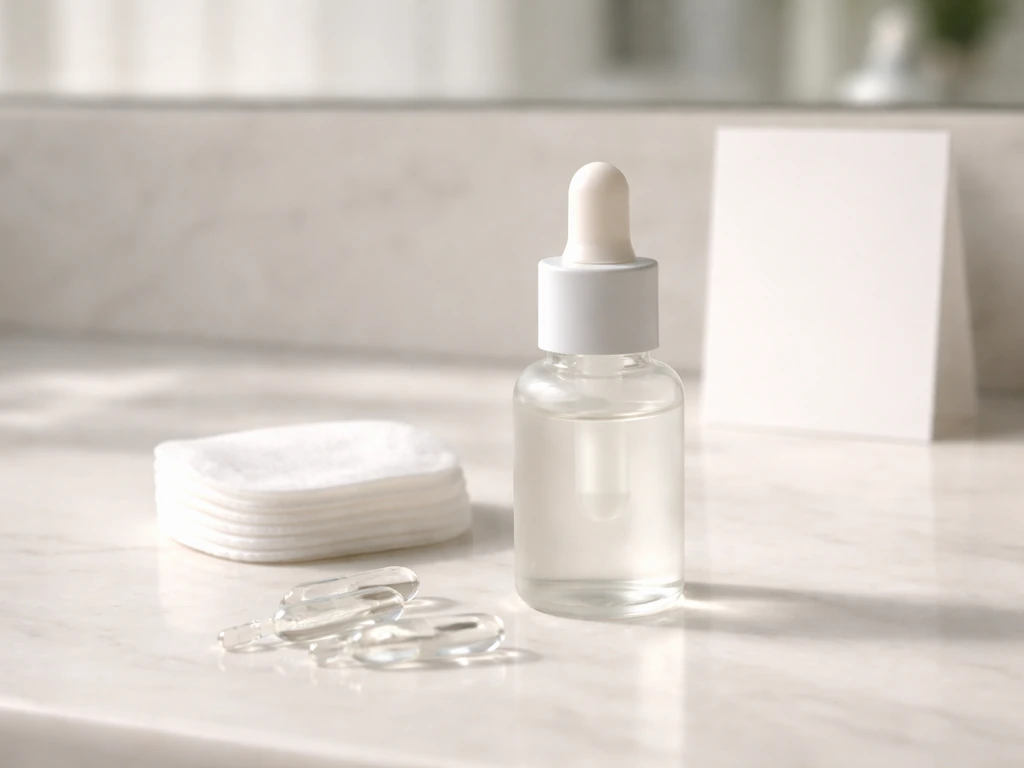
Bimatoprost 0. 03% (sold as Latisse) is FDA-approved for eyelash hypotrichosis, which is insufficient lash growth. In clinical trials, it produced a mean increase in eyelash length of about 1. In the review, clinical trial data summarized for bimatoprost show a [mean eyelash length increase of about 1.
4 mm at 16 weeks](https://pmc. ncbi. nlm. nih.
gov/articles/PMC3047948/) compared with about 0. 1 mm for vehicle (placebo). 4 mm versus 0. 1 mm for a placebo vehicle, with documented improvements in thickness and darkness as well.
A Journal of Cosmetic Dermatology study of bimatoprost 0. 03% gel reported a mean eyelash length change of about 0. 77 mm from baseline at 6 months in the bimatoprost group versus −0. 12 mm in the control group [mean increase in eyelash length of about 1.
4 mm versus 0. 1 mm](https://onlinelibrary. wiley. com/doi/abs/10.
1111/j. 1473-2165. 2010. 00487.
x). It works by extending the anagen (growth) phase of the lash cycle. There's also evidence it can support recovery after chemotherapy-related lash loss, with positive results even when started 4 to 12 weeks post-treatment. The catch: it requires a prescription, costs more than over-the-counter options, and has real side effects including potential iris pigmentation changes, skin darkening around the eye, and in rare cases temporary lash loss.
When you stop using it, lashes can gradually return to their pre-treatment state. It's the right tool if your lash loss is significant and persistent, not for routine post-extension maintenance.
Castor oil: conditioning, not growth-stimulating
Castor oil is one of the most popular recommendations for lash growth, but the honest answer is there's no strong clinical evidence that it stimulates lash follicles or makes lashes grow faster or longer. Both MedicalNewsToday and GoodRx note there's no specific research demonstrating castor oil reliably promotes eyelash growth. What it does do is coat and condition the lash shaft, which reduces brittleness and breakage.
One randomized trial found a castor oil formulation improved signs of blepharitis, including lash matting and crusting, which is a real benefit for a post-extension lash line that's been irritated. If you use it, apply a tiny amount to the lash line with a clean spoolie before bed. Don't expect it to grow new lashes; do expect it to help your existing ones survive better.
Over-the-counter lash serums
The OTC lash serum market is enormous and mostly unregulated for efficacy claims. Many contain peptides, biotin, panthenol, and plant extracts marketed as growth-stimulating. Some contain prostaglandin analogs (isopropyl cloprostenate is a common one), which mimic bimatoprost's mechanism but without FDA approval for that use. These can work to some degree, but the evidence base is thin compared to Latisse, and the FDA has not evaluated most of these products for safety and efficacy as drug claims. If you use one, apply it correctly (to the lash line, not the tips), patch test first since many contain active ingredients that can irritate sensitive skin, and give it at least 8 to 12 weeks before judging results.
Biotin and supplements
Biotin (vitamin B7) is heavily marketed for hair and lash growth, and the evidence tells a specific story: biotin supplementation helps if you have a biotin deficiency, which is actually rare in most people eating a varied diet. For someone with normal biotin levels, adding more won't turbocharge lash growth. That said, nutritional deficiencies in general (including iron, zinc, and vitamin D) are associated with hair loss, so if you've been dealing with overall hair thinning alongside your lash issues, a basic blood panel is worth doing. A well-rounded diet with adequate protein is the foundation, and topical biotin in serums has limited absorption through skin to the follicle.
| Option | Evidence level | What it actually does | Best use case |
|---|---|---|---|
| Bimatoprost (Latisse) | Strong (FDA-approved, clinical trials) | Extends anagen phase, increases length/thickness/darkness | Significant or persistent lash thinning after extensions |
| Castor oil | Weak for growth, mild evidence for conditioning | Conditions lash shaft, reduces brittleness, soothes lash line | Daily maintenance, preventing breakage of recovering lashes |
| OTC lash serums (peptide/prostaglandin) | Moderate (variable, limited studies) | May mildly stimulate growth depending on active ingredients | General recovery support when Latisse isn't accessible |
| Biotin supplements | Weak unless deficient | Corrects deficiency-related hair loss | Only if blood work shows deficiency |
| Lash-supportive diet (protein, iron, zinc) | Indirect but solid | Provides building blocks for follicle function | Foundational support for everyone |
How to grow out your extensions: the practical decisions
Growing out your extensions rather than having them removed all at once is a legitimate approach, and a lot of people do it to avoid the abrupt sparse look that comes with removal. The downside is that extensions left past their natural lash's shedding point create more potential for traction as the extension and natural lash hang on longer than the cycle intends. If you want to grow them out gradually, here's a sensible way to do it:
- Schedule a partial fill only for the most obvious gaps, rather than a full fill. This reduces how many new extensions are bonded at each appointment and gives the most damaged lashes a break.
- Ask your lash tech to remove any extensions that are more than halfway grown out rather than layering new adhesive on top of old. Repeated adhesive buildup at the base is more damaging than the extension weight itself.
- Extend the time between appointments to 5 to 6 weeks instead of 3 to 4. You'll look patchier between appointments, but you're putting less cumulative stress on the follicles.
- When you're ready to stop altogether, have a professional do a clean removal with a proper solvent rather than letting all the remaining extensions grow and fall out on their own. That minimizes the mechanical stress on the final lashes still wearing extensions.
- After full removal, start the recovery routine described above and give yourself at least one full lash cycle (about 6 to 8 weeks) before making any decisions about going back to extensions.
On the mascara question during grow-out: a thin coat of a nourishing, non-waterproof mascara can help camouflage the patchiness while you're recovering. The key is choosing a formula that doesn't require heavy rubbing to remove and applying it from mid-shaft to tip rather than dragging it through the roots.
When to stop waiting and see a professional
Most post-extension lash shedding is temporary and self-resolving with the routine above. But there are specific signs that mean you need an actual professional assessment, either from a dermatologist, trichologist, or ophthalmologist, rather than more time and castor oil.
See an eye doctor promptly if you have:
- Eye pain, photophobia (light sensitivity), blurry vision, or persistent watery discharge after extension removal. These can indicate chemical conjunctivitis from adhesive exposure and need evaluation, not home management.
- Severe eyelid swelling, redness, or rash that appeared after extensions or removal. This can be an allergic contact dermatitis reaction to cyanoacrylate adhesives, which can cross-react with other related adhesives and requires medical management.
- Any situation where extension glue or remover contacted your eye directly. The AAO recommends immediate irrigation in those cases, even before calling poison control.
See a dermatologist or trichologist if you have:
- No visible regrowth after 3 to 4 months of consistent aftercare following extension removal. This timeline is long enough that something beyond normal cycle reset may be happening.
- Patchy lash loss that follows a specific pattern (complete absence in a strip rather than general thinning). Patchy lash loss can be alopecia areata affecting the lashes, which has a very different treatment path than traction alopecia.
- Eyelash loss accompanied by eyebrow thinning, scalp hair loss, or other systemic symptoms. These combinations can indicate thyroid issues, nutritional deficiencies, or autoimmune conditions that need blood work, not topical serums.
- Scaling, crusting, or persistent irritation along the lash line that doesn't resolve with gentle cleansing. This can be blepharitis that needs treatment before follicles can function normally.
- Any lash loss that causes you distress and isn't improving. Six months of no progress is a hard ceiling for 'wait and see.'
The distinction between cosmetic extension-related shedding and a medical cause of lash loss matters a lot. Extension-related traction alopecia improves when the tension is removed. Inflammatory, autoimmune, or systemic causes won't respond to aftercare routines regardless of how consistently you follow them. If something feels off, getting it evaluated early gives you more options and a faster path back to full lashes.
FAQ
How do I tell if my lashes are falling out because of traction versus an allergy to extension glue?
If you suspect irritation or allergy, the fastest way to stop it is not more serum, it is removing the trigger and calming the eyelid skin. Avoid any eye-area products that sting or cause redness, stop using lash glue or adhesive near the lash line, and get a clinician to check for allergic blepharitis if symptoms like persistent itching, swelling, or watery eyes continue for more than a couple of weeks.
Can I keep getting fills to keep my lashes looking full while they regrow?
A practical rule is to stop filling once you notice increased shedding or gaps. Many people can do “thin, light” maintenance safely for a short time, but if you were filling every 2 to 3 weeks or using heavier volume sets, your lash cycle is being hit repeatedly. Switching to a longer fill interval and lighter sets can help prevent further loss, but it cannot reverse traction that already damaged follicles.
What’s the safest way to wash my face and clean around the lash line while growing lashes back after extensions?
Yes, but choose the “minimal friction” option. Use a water-free, oil-free, extension-safe cleanser around the lash line, then dry gently (pat, do not rub). If you wear extensions, keep steam, high heat, and heavy rubbing away from the bond area, because those practices can loosen extensions unevenly and increase lash breakage.
Is it normal that my regrowth looks patchy, and when should I worry?
Patchy regrowth is normal because not all lashes are in the same growth phase at the same time, but there is a point where patchiness is a red flag. If by 6 months you still have minimal visible improvement despite consistent gentle care, schedule an evaluation to rule out significant traction alopecia, scarring risk, or another lash disorder.
Can I use waterproof mascara or regular lash glue products while my lashes are recovering?
You should not use lash extensions as “support” for mascara habits. If you still have extensions on, avoid removing with oil-based makeup removers, and choose formulas that do not require heavy rubbing. When extensions are off, you can use a conditioning serum again, but keep application thin and avoid dragging product through the root area.
What’s the correct way to apply lash serum so it actually helps and doesn’t irritate my eyes?
Make sure you are applying to the lash line where the follicle sits, then leave it alone. If you routinely get irritation, reduce frequency (for example, every other night), use a smaller amount, and discontinue any product that causes burning or redness. Also patch test on eyelid skin and avoid application when you have a current eye infection or active blepharitis symptoms.
Should I use multiple lash growth products at the same time after extensions?
When lashes are shedding after extensions, the biggest mistake is “accelerating” growth with multiple overlapping products at once. Your best next step is to pick one conditioning approach, keep the lash line clean, and track improvement for 8 to 12 weeks before changing products. If you switch constantly, it becomes impossible to know what is helping versus hurting.
If I’m not seeing new lashes yet, what can I do right now to make them look thicker?
Even if you are not growing new lashes fast, you can reduce breakage immediately. Use a clean spoolie to gently separate lashes, stop any rubbing from sleep, and avoid pulling at loose extensions or partially stuck residue. Breakage prevention helps the lashes that are already restarting look fuller while you wait for regrowth.
Is Latisse (bimatoprost) worth considering if I lost lashes specifically from extensions?
Bimatoprost can help some people, but it is not a casual add-on if your loss is traction or irritation-related. If your follicles were stressed by mechanical tension or eyelid inflammation, you still need to remove the source of damage first. Also plan for monitoring side effects and know that results can fade gradually after stopping.
How do I know when it’s safer to stop at-home extension removal and see a professional?
Be cautious with at-home removal because “resistance” is a cue to stop. If a bond does not lift easily, forcing it can pull lashes and create longer gaps. For the simplest decision aid, if you feel tugging or discomfort during removal, stop and switch to professional removal rather than trying to continue with the remover.
Next Article
How Long Do Eyelashes Take to Grow Back After Extensions
See how long lashes regrow after extensions, what to expect, plus tips for faster, safer recovery.