
An eyelash cannot grow from inside the eyelid surface. blank" rel="noopener noreferrer">Eyelash follicles sit at the lid margin, the very edge of the eyelid, and that is the only place they emerge. Corner lashes are usually just lashes emerging from the lid margin, but if they seem to be growing inward or causing irritation, the cause is often misdirected lashes or another lid-margin issue. In crossword clues, the place where lashes grow is typically referred to as the lid margin, where eyelash follicles emerge. When it feels like something is growing inside the lid or poking the eye from within, what you are almost certainly dealing with is a misdirected lash (trichiasis), a lash caught under the lid, a small foreign body, or an irritated eyelid margin. None of those are the same as growth happening inside the lid itself, and knowing the difference changes what you should do right now.
Can an Eyelash Grow Inside the Eyelid? Causes and What to Do

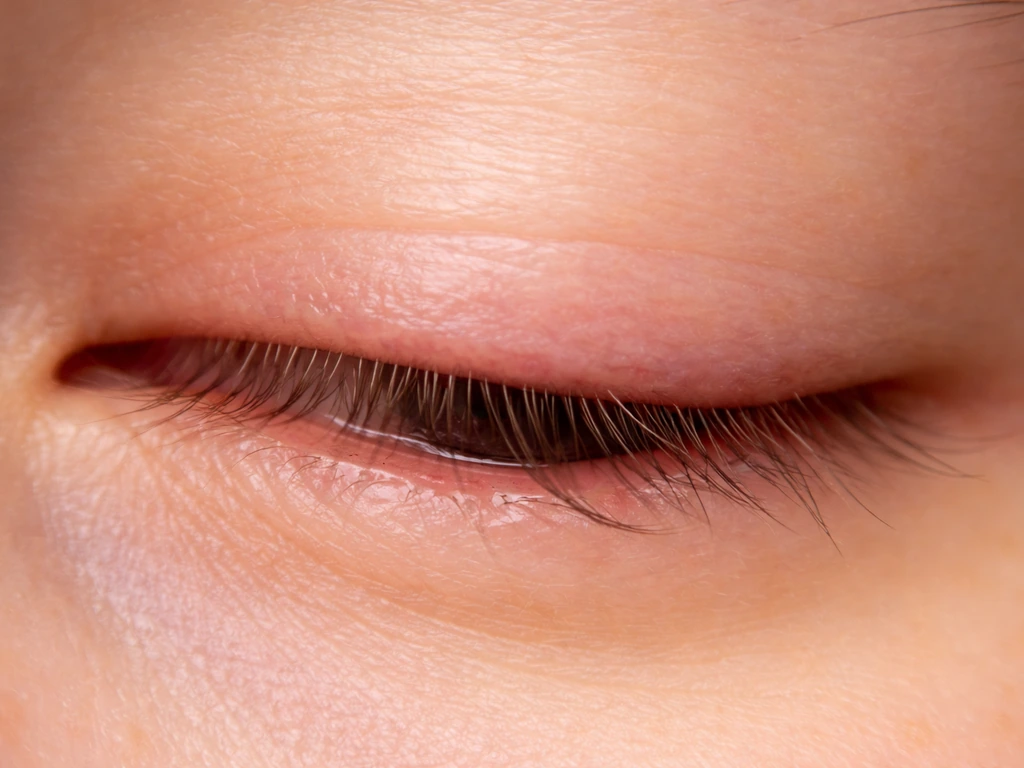
Can eyelashes actually grow inside the eyelid?
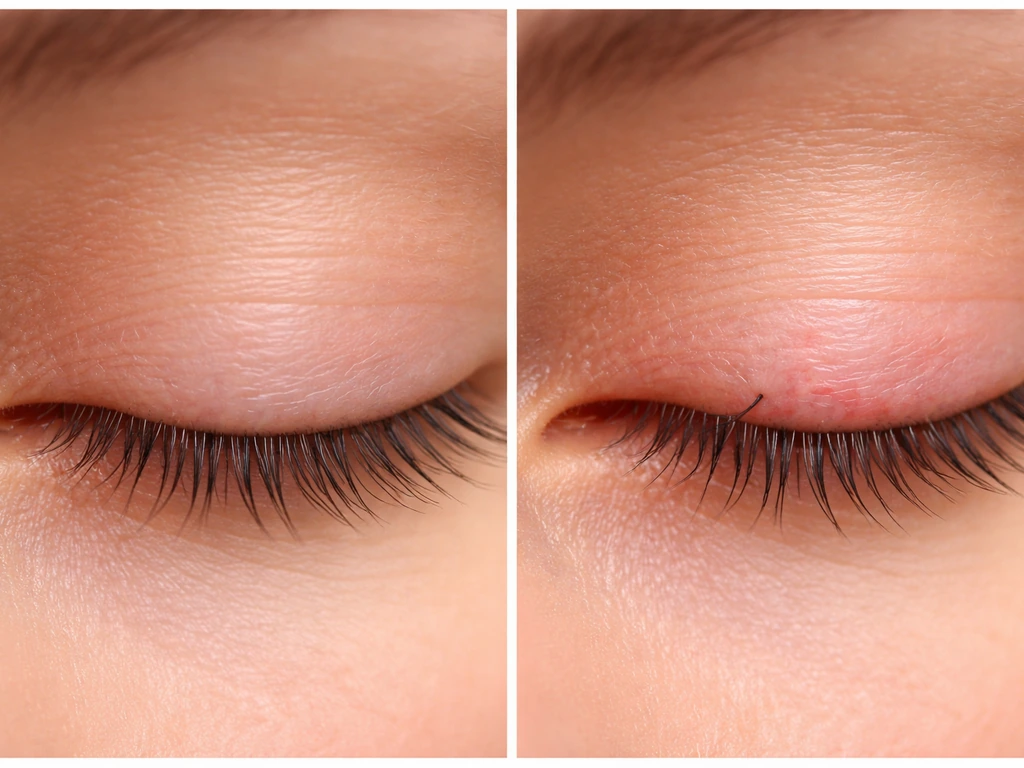
No. If you ever feel like lashes are growing from within, it is usually misdirected lashes, a foreign body, or irritated lid tissue rather than true inside-the-lid growth Can eyelashes actually grow inside the eyelid?. Eyelash follicles are anatomically anchored at the anterior lid margin, the narrow strip of skin right at the edge of the eyelid just before the pink conjunctival tissue begins. There are no lash follicles on the palpebral conjunctiva, which is the smooth inner surface that lines the inside of the lid. So eyelashes cannot sprout from inside the lid because there are no follicles there to generate them.
That said, there is a rare congenital condition called distichiasis where an extra row of lashes grows from the openings of the meibomian glands along the posterior lid margin, which is closer to the inner lid surface than normal lashes. These extra lashes often point toward the eye and cause irritation. It is uncommon, and it is still technically a lid-margin growth, not growth from inside the lid. If you are an adult who has never noticed this before, a spontaneous new row of lashes appearing overnight is not what is happening.
What it usually is instead
When people search this question, they are usually feeling something real. Here are the most common culprits:
- Trichiasis (misdirected lash): A normally placed lash follicle starts growing the hair in the wrong direction, angling toward the cornea or the inner lid surface instead of outward. The lash physically touches the eye or hides under the lid edge. This is the most common reason someone feels like a lash is "inside" the eye. Chronic blepharitis (eyelid margin inflammation) and old eyelid injuries are leading causes.
- Entropion: The entire eyelid margin rolls inward toward the eye, bringing a whole row of otherwise normal lashes with it. Those lashes then rub constantly against the cornea. Entropion is more of a structural lid-position problem than a lash-direction problem, though the symptom feels similar.
- Foreign body: A loose lash that has shed and lodged under the upper or lower lid, a speck of grit, or a piece of dried mascara can produce an intense foreign-body sensation, tearing, and redness. It feels exactly like something is growing in there, even though it is just sitting on the surface.
- Stye or chalazion: A blocked or infected eyelid gland (meibomian gland or lash follicle) creates a tender lump at or near the lid margin that can produce pressure, irritation, and sometimes a sensation that something is poking the eye from inside the lid.
- Conjunctival irritation or inflammation: Allergic conjunctivitis, dry eye, or a scratch on the conjunctiva can mimic a foreign-body or lash sensation without any actual lash being present.
The sibling topic of what it is called when your eyelashes grow inward covers the trichiasis diagnosis in more detail, but the key point here is that misdirected lashes and foreign bodies are the two most common causes of what brings someone to search this question.
How to tell at home: quick, safe checks and what not to do
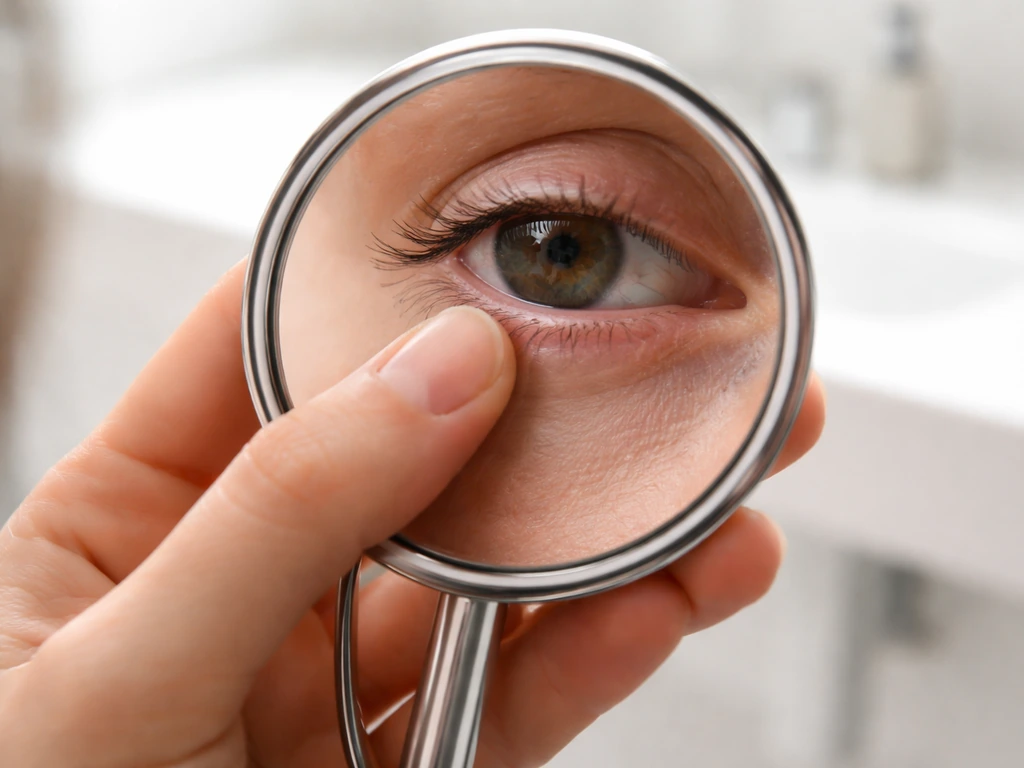
Before doing anything else, wash your hands thoroughly. Then try the following checks carefully under good lighting, ideally using a small mirror.
- Pull down the lower lid gently with one clean finger and look for a visible lash or dark speck resting on the pink inner surface or tucked into the lower fornix (the groove where the lid meets the eye).
- Check the upper lid by looking downward while gently lifting the upper lid with a clean finger. A loose lash caught under the upper lid is one of the most common causes of acute foreign-body sensation.
- Look at your lash line in a magnified mirror. Are any lashes visibly pointing inward toward the eye rather than curling outward? Trichiasis lashes often appear shorter, stubby, and directed at an odd angle.
- Assess whether the lid margin itself looks rolled inward. If the lash line appears to be tucking under, that points more toward entropion rather than just a rogue lash.
- Check for a tender bump along the lid edge or just inside it, which would suggest a stye or chalazion rather than a lash problem.
The one thing you absolutely should not do is rub the eye. Rubbing turns a minor surface irritation into a corneal abrasion and can push a loose foreign body deeper or scratch the cornea further. Entropion can cause eyelid and eyelash rubbing that may damage the cornea and lead to decreased vision if the cornea is injured rubbing of the eyelid and eyelashes can damage the cornea. Avoid it even when the urge is strong.
Immediate relief steps you can do today
If you spotted a loose lash or debris under the lid, the gentlest approach is to flush the eye with clean, lukewarm water or a sterile saline rinse. Tilt your head so the affected eye is lower, hold the lid open, and let the water run across the surface for about 30 to 60 seconds. Many loose lashes will wash out this way without you ever having to touch the eye directly.
After flushing, use preservative-free artificial tears to soothe the eye and help clear any remaining debris. Preservative-free formulas (usually sold as single-dose vials) are worth the few extra dollars here because preserved drops can add to irritation when your eye is already inflamed. If you have a bottle that has been open for more than three or four months, toss it and use a fresh one.
If you suspect blepharitis or a blocked gland is contributing to the problem, a warm compress is your best home-based tool. Soak a clean cloth in warm water (around 45°C or comfortably hot to touch), place it over the closed eye, and hold it there for at least four minutes, refreshing the compress every two minutes to maintain the heat. This softens waxy blockages in the meibomian glands and reduces lid-margin inflammation. Doing this twice daily while the irritation is active makes a noticeable difference.
If you wear contact lenses, take them out now and do not put them back in until the irritation has completely resolved. A compromised corneal surface plus contact lens wear is a combination that raises the risk of infection significantly.
When to see an eye doctor urgently
Some situations should not wait for a self-care cycle to play out. Get to an eye doctor the same day or go to urgent care if you notice any of the following:
- Severe eye pain, especially if it is getting worse rather than better
- Any change in vision, including blurring, halos, or sensitivity to light
- Significant redness that spreads across the white of the eye
- Discharge that is thick, yellow, or green, which may signal infection
- Pain and redness that have not improved within 24 hours after you believe you removed the foreign body
- A visible corneal clouding or white spot on the iris area of the eye
- Symptoms in a child or infant, or in anyone who recently had eye surgery
A mild corneal abrasion caused by a lash or small particle typically heals within 24 to 48 hours with proper care. If you are still in significant discomfort past that window, something more is going on, and you need a professional exam.
Diagnosis and treatment options if lashes are turning inward
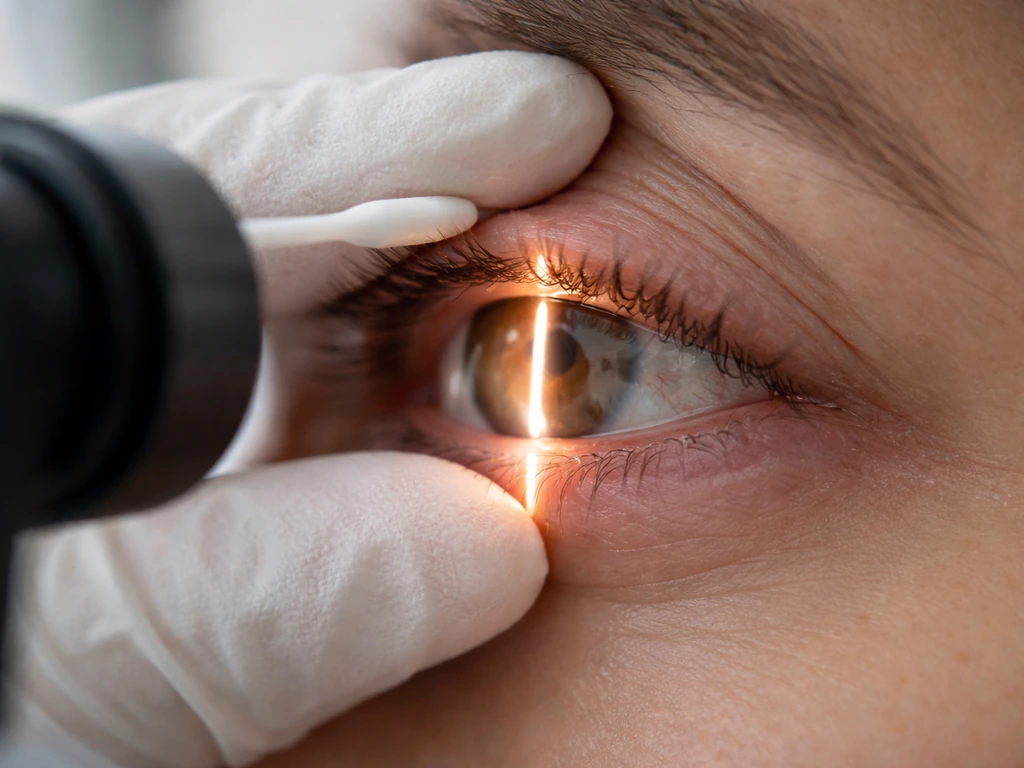
An eye doctor will examine the lid margin and the eye surface using a slit lamp, which is a microscope with a thin beam of light. This lets them clearly see misdirected lashes, assess the lid position for entropion, look for scarring on the posterior lid that might be pulling follicles out of alignment, and check for corneal damage including superficial punctate keratopathy (tiny surface erosions) or abrasions. They will often apply fluorescein dye to the eye surface, which highlights corneal scratches or abrasions under a cobalt-blue light that you would not see otherwise.
The doctor will also look at what is causing the misdirection, because the treatment differs depending on the root cause. Primary trichiasis (where the hair shaft grows in the wrong direction but the follicle position is fine) is a different problem than secondary trichiasis (where the follicle itself has shifted due to scarring or chronic inflammation), and both are different from entropion (where the whole lid rolls in).
| Condition | Cause | Typical Treatment |
|---|---|---|
| Trichiasis (primary) | Abnormal lash shaft direction from a normally placed follicle | Epilation (pulling the lash), electrolysis, argon laser, cryotherapy, radiofrequency to destroy the follicle permanently |
| Trichiasis (secondary) | Follicle repositioned by scarring from blepharitis, injury, or inflammatory disease | Same follicle-destructive procedures, plus addressing the underlying inflammation or scarring |
| Entropion | Eyelid margin rolls inward due to age-related lid laxity, scarring, or muscle spasm | Surgical correction to reposition the lid; epilation alone does not fix the structural problem |
| Distichiasis | Extra row of lashes growing from meibomian gland openings (usually congenital) | Electrolysis, cryotherapy, or surgical removal of the extra follicle row |
| Foreign body / stye | Loose lash, debris, or infected gland | Flushing, warm compresses, topical antibiotics if infected, or in-office drainage for chalazion |
Epilation (simply pulling the offending lash out) provides quick relief but is temporary. Because the follicle is intact, the lash will regrow in roughly six weeks and will likely return in the same misdirected angle. That is why most eye doctors recommend a more permanent approach like electrolysis or cryotherapy when trichiasis is recurrent. These procedures target the follicle itself and aim to prevent regrowth entirely.
Once it's resolved: supporting healthy lash growth and recovery
After the misdirected lash has been treated (or the foreign body removed and the irritation has cleared), the focus shifts to keeping the lid margin healthy so the problem does not recur. Blepharitis is the most common underlying driver of trichiasis in adults, so continuing a lid-hygiene routine even when things feel fine is important. Warm compresses twice daily and a gentle lid scrub with diluted baby shampoo or a commercial lid-cleansing pad keeps the meibomian glands flowing and reduces the chronic inflammation that can gradually redirect follicle growth.
If a follicle was deliberately destroyed to stop a rogue lash, that lash is gone for good. The lashes around it are unaffected. If a healthy lash was removed during treatment or pulled out during the process, expect it to take around six weeks to grow back fully from an intact follicle. If the follicle was damaged or destroyed, no regrowth will occur from that spot.
For anyone whose overall lash density has been affected by chronic blepharitis, repeated eyelid inflammation, or a history of rubbing, a lash growth serum containing bimatoprost (prescription) or over-the-counter peptide and conditioning formulas can support recovery. These lash-growth products are often discussed alongside questions like whether can wild growth grow eyelashes safely, but you still need to confirm what is actually causing the lash problem bimatoprost. These work at the follicle level to extend the anagen (active growth) phase and improve lash thickness and length over roughly eight to sixteen weeks of consistent use. The key is addressing the underlying lid inflammation first, because applying a growth serum to chronically irritated follicles limits how much benefit you will see. Healthy follicles respond far better to any growth-support intervention, whether that is a clinical serum or a nourishing oil applied carefully to the lash line.
The good news is that once the irritation source is gone, most people find their lash margin settles quickly. The eye heals faster than most tissues in the body, and with consistent lid hygiene and a little patience, both comfort and lash quality can return to normal.
FAQ
How can I tell if the problem is a lash growing inward versus a piece of debris under the lid?
If you can see a specific lash at the lid margin pointing toward the eye or repeatedly rubbing the cornea, it suggests trichiasis. If symptoms started after something got in the eye (dust, makeup, wind) or you feel a sudden scratchy/gritty sensation with no obvious lash, it is more likely debris or a small foreign body. Flushing with saline and checking again after often clarifies which one it is.
What should I do if the lash seems to be stuck under the eyelid and flushing does not help?
Stop trying to dig with fingers or tweezers. Instead, keep lubricating with preservative-free artificial tears and arrange same-day eye care if you still feel a poke or pain. A persistent sensation after rinsing can mean a corneal abrasion or a lash that is misdirected and needs an exam to remove safely.
Is it safe to use tweezers or try to pull the lash myself?
It is usually not a good idea. Tweezing can scratch the cornea, dislodge the lash deeper, or injure the lid margin. If you do not see a loose lash that clearly sits at the front edge and comes out easily with flushing, it is safer to get an eye doctor to evaluate and remove it appropriately.
If I have mild irritation, can I just wait it out for a day?
You can often do a short self-care window if symptoms are mild and improving after flushing and lubricating. Do not wait longer than 24 to 48 hours if pain, redness, light sensitivity, or blurry vision is present or worsening. Those can indicate a corneal injury that needs prompt assessment.
What warning signs mean I should seek urgent care rather than home treatment?
Get same-day care if you have significant pain, worsening redness, light sensitivity, reduced vision, a feeling that something is still stuck after rinsing, or contact lens wear with ongoing symptoms. Also get checked urgently if you suspect a chemical exposure or a larger object hit the eye.
Do contact lenses change the timeline for when I should see a clinician?
Yes. Stop wearing contacts immediately and do not restart until you are fully symptom-free and the eye feels normal. With contacts, the risk of infection rises if the cornea is irritated or scratched, so same-day evaluation is often the safer choice if symptoms do not quickly settle.
Can warm compresses make eyelid inflammation worse in some situations?
Warm compresses are helpful for blepharitis and blocked meibomian glands, but avoid them if you suspect an active infection with spreading redness, fever, or marked swelling, or if there is severe pain that suggests corneal involvement. In those cases, skip compresses and get an eye exam.
If I had a lash pulled, when should I expect symptoms to come back?
If symptoms return as the lash regrows, it is commonly around the 6-week range. If you are also experiencing worsening rubbing or irritation sooner, it may mean the underlying issue is not just one lash, such as scarring, entropion, or ongoing blepharitis that still needs treatment.
What is distichiasis, and how is it different from a normal inward-pointing lash?
Distichiasis is an extra row of lashes arising from the gland openings along the posterior lid margin, so lashes may point inward from a position closer to the inner lid surface. It tends to be persistent and can irritate the cornea. Distichiasis usually needs an eye doctor to confirm and plan management, rather than simple flushing.
Are lash serums or conditioners safe to use while my lid margin is irritated?
It is better to pause lash-growth and cosmetic products while the lid margin is inflamed or the eye is irritated. Using them during active blepharitis or after a suspected lash injury can increase irritation. Once the eye is comfortable and your clinician has ruled out ongoing corneal damage, you can discuss whether a product makes sense for your situation.
Does Mustard Oil Grow Eyelashes? Safety and What Works
Find out if mustard oil grows eyelashes, risks to eyelids, and safer options with realistic timelines and when to see a
