Your eyelashes can absolutely grow back longer and thicker, but nothing you apply to them overrides the biology underneath. The most effective approach is a two-part strategy: remove whatever is stressing the follicles right now, and then support the growth cycle with proven habits and targeted ingredients. Results take weeks to months, not days, but there is a clear path to getting there.
Eyelashes Grow Tips: Step-by-Step Guide for Faster Growth

Rachel Nguyen
2 May 2026
How eyelash growth actually works (and why it's slow)
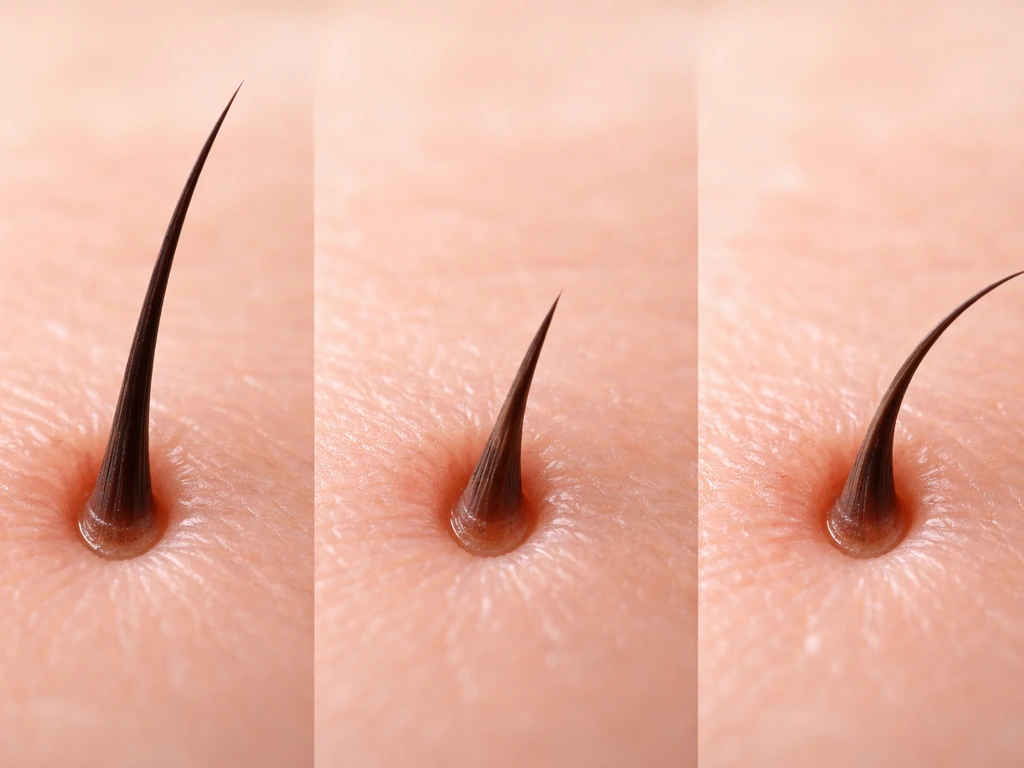
Every lash follicle runs through three phases: anagen (active growth), catagen (transition), and telogen (resting before shedding). For eyelashes specifically, anagen lasts only about 30 days, catagen roughly 15 days, and telogen can stretch anywhere from 4 to 9 months. That long resting phase is why eyelashes feel like they stop growing for ages and why a lost lash can take what feels like forever to come back.
The short anagen window is also why lashes never reach the length of scalp hair. Growth tips and serums work by either extending the anagen phase or protecting follicles so more hairs are in growth at the same time, not by creating new follicles. If a follicle is permanently damaged, no product will revive it. That distinction matters a lot when you're deciding what to spend your time and money on.
It also explains why clinical studies on the most effective lash-growth ingredient, bimatoprost (a prostaglandin analog), measure results at four months, not four weeks. When a study reports meaningful length and thickness gains at month four compared to a placebo, that's because follicles need multiple full cycles to show a visible collective response.
Why your lashes might look like they've stopped growing
Before adding anything to your routine, it's worth figuring out what's working against you. Several very common habits and conditions can silently stall lash density. When your lashes grow in different directions, that often reflects follicle disruption or irritation that also affects lash density and growth patterns habits and conditions can silently stall lash density.
- Eyelash extensions and adhesive: Extensions cause traction alopecia, where the mechanical weight and pull on the natural lash physically damages the follicle over time. Extension adhesives often contain formaldehyde-releasing compounds that can irritate the lid margin and trigger allergic blepharitis. These aren't rare complications; they're documented by ophthalmologists routinely.
- Rubbing and friction: Habitual rubbing, aggressive eye makeup removal, and sleeping face-down all create mechanical stress on follicles. Even friction from a pillowcase matters if you do it every night.
- Harsh makeup removal: Oil-free or alcohol-based removers strip the delicate lash line repeatedly. Pulling at waterproof mascara instead of dissolving it first is one of the most common ways people lose lashes without realizing why.
- Old mascara and clumping: Expired mascara (the FDA and eye doctors recommend replacing it every three months) can harbor bacteria that inflame the lid. Clumped formula that you rub off also creates friction and breakage.
- Blepharitis: This is chronic inflammation of the eyelid margin, and it directly causes lash loss. Signs include crusty or greasy-looking lid edges, scales clinging to the lash base, persistent itching, and lashes falling out more than usual. In some cases it also causes lashes to grow in the wrong direction. Blepharitis is associated with rosacea, Demodex mites, and atopic dermatitis, all of which need specific treatment to resolve.
- Nutritional or medical factors: Thyroid conditions, chemotherapy, and iron deficiency can all trigger diffuse lash shedding. This kind of loss looks different from mechanical damage and generally requires a clinician to address the root cause.
Habits you can start today to protect and support growth
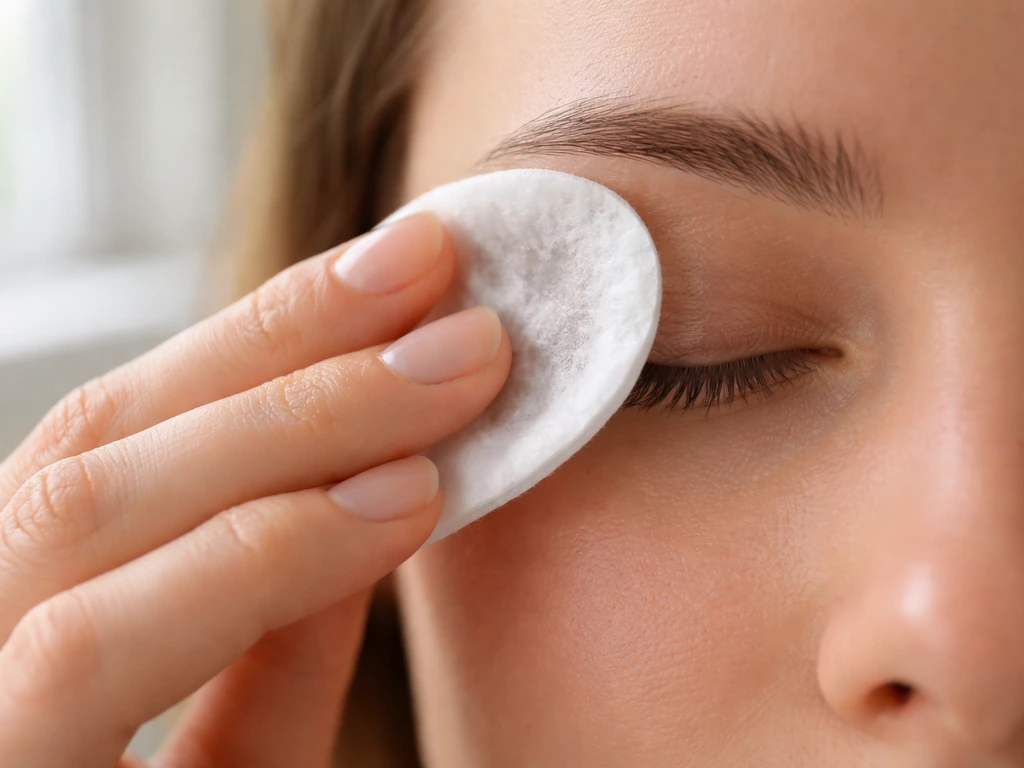
These aren't glamorous but they're the foundation. Lash growth tips that skip this part are putting the cart before the horse.
- Switch to a gentle, oil-based or micellar eye makeup remover and let it sit on a cotton pad for 20 to 30 seconds before wiping. Never drag or scrub.
- Replace any mascara that's more than three months old. Bacteria accumulation in old mascara is a genuine risk factor for lid inflammation.
- Stop using a lash curler daily, or at minimum stop using it on dry lashes. Heated curlers are safer than mechanical ones for fragile lashes.
- Sleep on a silk or satin pillowcase or use a sleep mask. The goal is to reduce nightly friction at the lash line.
- If you're wearing extensions, take a break. Giving your follicles 8 to 12 weeks without the added weight and adhesive gives them the best chance to recover before re-applying.
- Clean your lash line daily with a gentle, diluted baby shampoo or a lid-specific cleansing foam. This is the cornerstone treatment for blepharitis prevention and management, and it keeps follicles clear of debris.
- Avoid waterproof mascara as your daily driver. It requires more force to remove, which adds up over time.
At-home growth methods: what's worth it and what isn't
Lash serums (prostaglandin vs peptide)
There are two meaningful categories of lash serum: prostaglandin analogs (the strongest evidence) and peptide or cosmeceutical serums (much weaker evidence). Bimatoprost 0. 03%, sold as Latisse, is FDA-regulated and requires a prescription. Clinical trials show statistically significant improvements in lash length, thickness, and darkness compared to placebo, with primary efficacy measured at four months and continued gains with ongoing use.
It works by extending the anagen phase, so more follicles are actively growing at once. The trade-offs are real: it can cause eye redness, itching, periocular skin darkening (appearing around 3 to 6 months and typically reversing 3 to 12 months after stopping), and potential asymmetry between eyes. If you wear soft contact lenses, you need to remove them before application and wait at least 15 minutes before reinserting.
Over-the-counter serums that contain peptides, biotin, and conditioning agents are a much more mixed story. Comprehensive peer-reviewed reviews of OTC lash serums consistently note that the evidence quality for most cosmetic ingredients is weak compared to prostaglandin analogs. Some formulas improve the appearance of lashes through conditioning and coating effects, making them look fuller without actually increasing follicle output. That can still be worth something cosmetically, but set expectations accordingly.
Castor oil
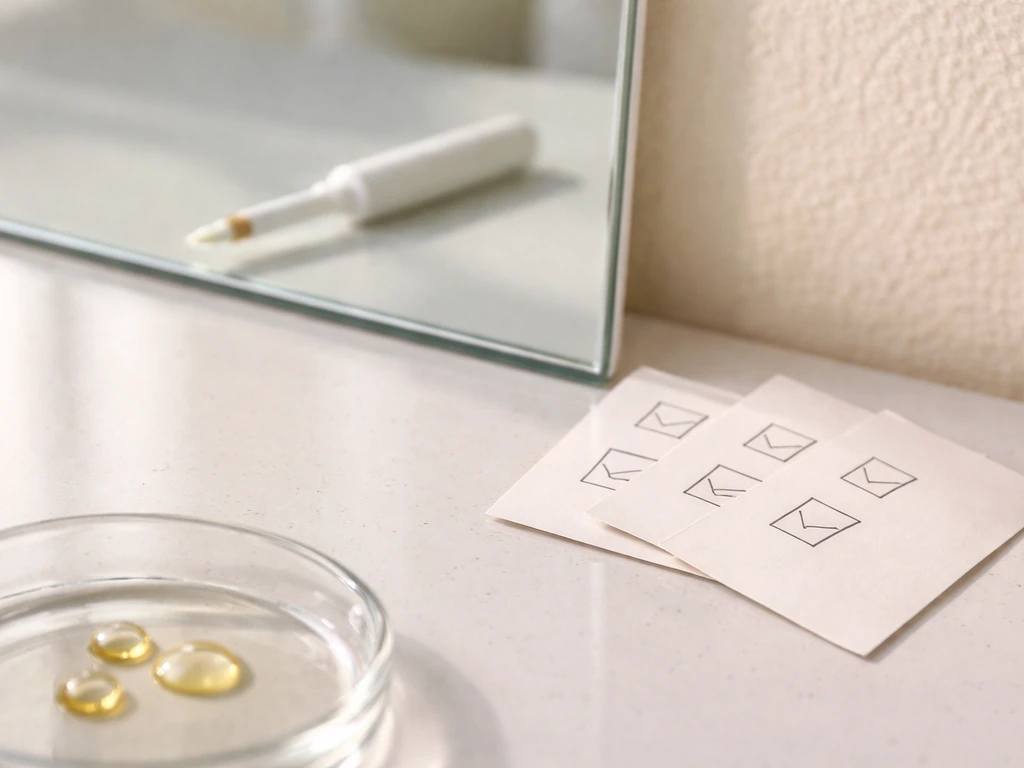
Castor oil is the most searched at-home lash remedy, and the honest answer is that there are no clinical trials demonstrating it increases lash growth. What it likely does is coat and condition the lash shaft, making lashes look slightly thicker and more flexible, and reducing breakage from dryness. That's not nothing, but it's not follicle stimulation.
If you want to try it, apply a tiny amount to a clean spoolie or a clean fingertip along the upper lash line at night. Use cold-pressed, hexane-free castor oil, and do a patch test on your inner arm first (more on that in the safety section). The main risks are getting it in your eye, which causes blurring and irritation, and triggering contact dermatitis if you have a sensitivity.
Other oils: argan, vitamin E, coconut
Argan oil, vitamin E oil, and coconut oil have similar stories to castor oil. They condition and reduce lash brittleness, which can limit mechanical breakage, but none have clinical trials proving they stimulate follicular growth. If your lashes are dry and snapping off easily, these can help lashes hold on longer. They don't belong in the same category as prostaglandin serums when it comes to actual growth.
Biotin
Biotin supplementation for lash growth is widely recommended online and largely unsupported by clinical evidence for people who aren't deficient. The NIH notes biotin deficiency is associated with hair loss, and correcting a true deficiency does help. But most people in developed countries get enough biotin through diet, and supplementing beyond sufficiency doesn't appear to add meaningful benefit based on current evidence. The one scenario where it's genuinely worth checking: if you're experiencing widespread hair and lash loss alongside fatigue or skin changes, a simple blood test can rule out deficiency. If deficiency is confirmed, supplementation is appropriate. Otherwise, it's not the lever to pull.
| Method | Evidence Level | What It Actually Does | Best For |
|---|---|---|---|
| Bimatoprost (Latisse, prescription) | Strong: RCT evidence | Extends anagen phase, increases length, thickness, darkness | Hypotrichosis, post-chemo, persistent thinning |
| OTC peptide serums | Weak to moderate | May condition; some limited growth signaling claims | Mild enhancement, maintenance |
| Castor oil | No clinical trials for growth | Conditions shaft, reduces breakage | Dry/brittle lashes, low-cost maintenance |
| Argan, vitamin E, coconut oil | No clinical trials for growth | Softens lashes, limits mechanical breakage | Protecting existing lashes |
| Biotin supplements | Only helps with deficiency | Addresses nutritional gap if deficient | Confirmed biotin deficiency |
Realistic timelines: when to expect what
This is the part most articles gloss over, so here's a clear breakdown. If a lash is lost without follicle damage (for example, it fell out naturally or was trimmed), it can take roughly six weeks to start seeing regrowth. That's the optimistic case with a healthy follicle that returns to anagen quickly. With follicle stress from extensions or mechanical damage, the follicle may spend longer in telogen before cycling back, which can stretch that timeline to several months.
For overall thickness and density improvements, the timelines are longer. Even with prescription bimatoprost, the primary clinical efficacy measurement is at month four. ClinicalTrials.gov’s results for NCT01698554 also use month four as the primary efficacy time point for bimatoprost in eyelash hypotrichosis Clinical Trials.gov. With protective habits and OTC support alone, plan for three to six months before you notice a meaningful collective difference in how full your lash line looks. That's not failure, it's biology.
To track progress without obsessing over day-to-day fluctuations, take a clear close-up photo of each eye in natural light on a fixed day each month. Compare at month two and month four. Changes in lash cycle happen gradually across dozens of follicles at different stages, so a monthly photo is far more useful than daily checking in the mirror.
| Milestone | Expected Timeframe |
|---|---|
| Shedding slows after removing damaging factor (extensions, rubbing) | 2 to 4 weeks |
| First visible regrowth of lost lashes (no follicle damage) | 4 to 6 weeks |
| Noticeable improvement in lash length with bimatoprost | 8 to 16 weeks |
| Meaningful density/thickness gains with prescription treatment | 4 months (primary trial endpoint) |
| Visible improvement from protective habits and OTC serums alone | 3 to 6 months |
| Full recovery after extension-related traction alopecia | 3 to 6 months (longer if follicle damage occurred) |
When to stop DIY-ing and see a clinician
Most lash thinning from lifestyle factors responds to protective habits over time. But there are clear situations where you need an eye doctor or dermatologist involved, and trying to grow your lashes through serums and oils when one of these is the underlying issue won't get you anywhere.
- Patchy lash loss rather than diffuse thinning: Losing lashes in clusters or uneven patches can indicate alopecia areata, Demodex infestation, fungal infection, or other conditions that require diagnosis and targeted treatment.
- Persistent itching, crusting, or inflammation at the lid margin: This points to blepharitis or an underlying skin condition like rosacea or atopic dermatitis. A clinician can assess whether Demodex or bacteria are involved and prescribe appropriate treatment. Trying to grow lashes through an actively inflamed lid is ineffective.
- Lashes growing in the wrong direction (trichiasis): This is a structural issue associated with chronic blepharitis and lid scarring. It requires clinical management, not growth serums. Related issues with lash direction are worth understanding as a separate problem from simple thinning.
- Loss that coincides with starting a new medication: Many medications cause hair and lash shedding as a side effect. Don't stop medication without medical guidance, but do flag the timing to your prescribing doctor.
- Loss following chemotherapy: Bimatoprost has been studied specifically for chemotherapy-induced eyelash hypotrichosis and shows efficacy at four months. This is a case where prescription treatment is genuinely appropriate rather than optional.
- Persistent eye pain, redness, or vision changes: These are red flags requiring urgent eye evaluation regardless of lash concerns.
Safety, irritation, and what to avoid
Patch testing and starting any new product
Before applying any oil, serum, or new product near your eyes, test it on the inside of your forearm for 24 to 48 hours. The skin around the eyes is thinner and more reactive than most other areas, so a mild arm reaction predicts a worse eye-area reaction. If you see redness, swelling, or itching on your arm, skip the product entirely.
Application rules that actually matter
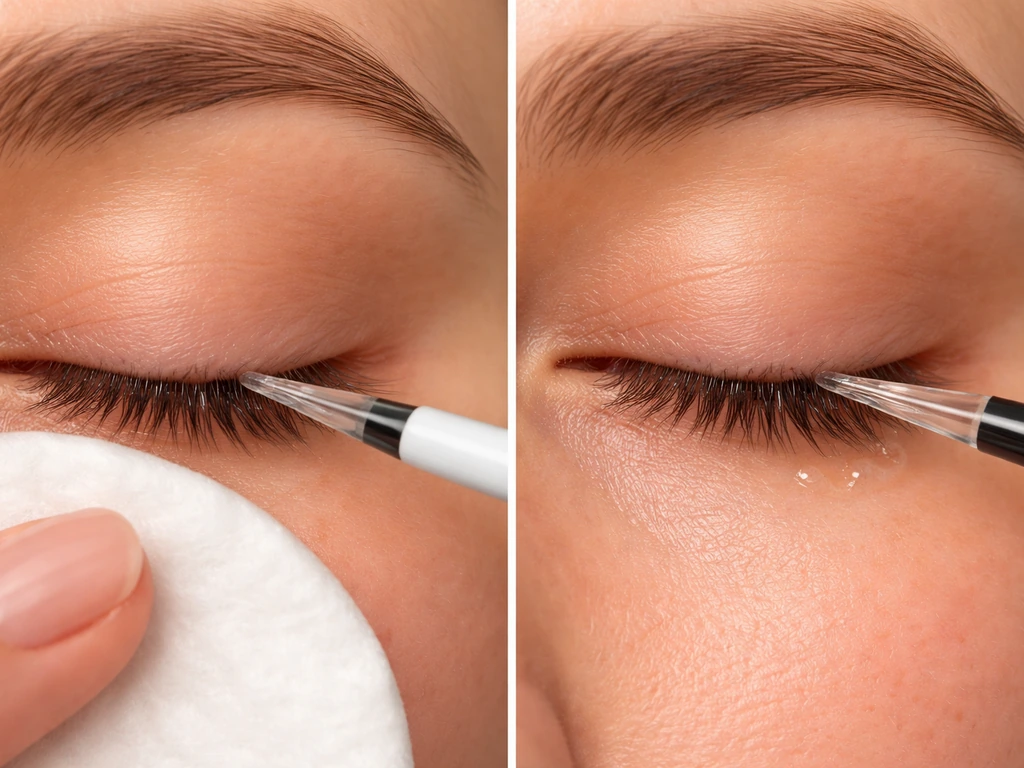
- Apply any serum or oil to the upper lash line only (at the skin-lash junction), not directly into the eye or on the waterline. Excess should be blotted, not spread.
- Use a clean applicator, spoolie, or cotton swab for every application. Contaminated applicators introduce bacteria directly to the lash line.
- If you wear soft contact lenses, remove them before applying any eye-area product and wait at least 15 minutes before reinserting. This applies especially to prescription bimatoprost but is good practice for any lash product.
- Stop using any product immediately if you develop persistent redness, swelling, itching, or changes in vision and consult a clinician before restarting.
- Do not apply lash products if you have an active eye infection or inflamed skin around the eye. The FDA explicitly flags this as a safety risk with eye cosmetics generally.
- Avoid formaldehyde-releasing adhesives if you return to extensions after a break. Cyanoacrylate-based glues used in extension applications can cause contact dermatitis even with no prior history of sensitivity.
Compatibility with extensions
If you're planning to go back to extensions after a recovery period, avoid oil-based products on the lash line in the days before your appointment. Oils break down the adhesive bond and shorten extension retention. Once extensions are in, continuing oil-based serums will cause premature shedding of the extensions themselves.
Prostaglandin-specific cautions
If you go the prescription bimatoprost route, a few things are worth knowing upfront. Periocular skin darkening is a real side effect, appearing around the three to six month mark in some users. It does reverse after discontinuation, typically within 3 to 12 months, but that's a significant window. Asymmetry between eyes in lash length, color, or thickness is also documented and noted on the prescribing label. These aren't reasons to avoid it if you have significant hypotrichosis, but they're important to go in knowing about rather than discovering mid-treatment.
The bottom line on growing your lashes: protect the follicles you have first, then layer in targeted support. If you are wondering why eyelashes grow down, it often comes down to follicle direction and eyelid mechanics rather than just how long they take to regrow.
The difference between someone who sees real improvement in six months and someone still searching for answers a year later usually comes down to whether they identified and removed the thing stressing the follicles before adding products. Start there, be patient with the biology, and escalate to prescription options or a clinician when the situation calls for it.
If you suspect your lashes are growing in different directions, that can change what you do day to day, so it helps to also review how to fix eyelashes that grow in different directions as a next step. Start there, be patient with the biology, and if you are specifically dealing with why do my eyelashes grow downwards, use that same approach to identify and remove the forces affecting your follicles, then consider targeted lash-support options.
FAQ
How long should I wait after stopping extensions or lash glue before I expect regrowth?
If your lashes seem shorter or thinner soon after starting extensions, stop and look for mechanical stress first. Extension glue, frequent rubbing, and improper removal can push follicles into a longer resting phase, so continuing a lash serum while the irritation continues often leads to slow or unimpressive results. Give the eyelid and follicle area a recovery window before judging any product.
What are the signs that my lash serum or oil is making things worse?
If you notice irritation, redness that lasts more than a day or two, swelling, or worsening itching, stop the product and switch to a gentler approach like conditioning without active lash-growth claims. Also consider whether you are reintroducing the same trigger (rubbing, contacts, or extension products), because growth serums cannot compensate for ongoing follicle stress.
Can I stack bimatoprost with OTC lash serums or oils?
Do not use multiple active-growth products at the same time. If you are considering prostaglandin analog therapy, pick that as the main active and avoid layering with several OTC “growth” serums, since you may increase side effects without improving results. If you want conditioning help, keep it separate and reduce the number of variables.
How can I track lash progress if I wear makeup, tint, or use lash extensions?
Yes, but with a caveat. Photos help most when taken the same way each month, same lighting, same angle, and the lashes fully dry. If you dye lashes or switch extension styles during the tracking period, it can change how dense and dark they appear, making comparisons misleading.
Why do my lashes look like they are growing but the lash line is still sparse?
Often it is a direction and breakage problem rather than true density loss. If lashes curl, grow sideways, or point downward, they can rub the eye or shed earlier due to mechanical irritation. In those cases, the best “growth tips” are usually fixing friction and eyelid mechanics first, then using gentle conditioning to reduce breakage.
What should I do if one eye’s lashes grow back slower than the other?
If only one eye looks different, pause active products on both sides and contact an eye professional if there is discomfort, persistent redness, or uneven swelling. Mild asymmetry can happen with some prescription options, but a sudden change from baseline, especially on one side, warrants evaluation for irritation or underlying causes.
How can I tell the difference between thicker-looking lashes and real lash regrowth?
Serums can make lashes look fuller, but temporary “improvement” does not always mean more follicles are actively growing. If your product mainly coats the lash shaft, benefits may be most visible shortly after application changes and may fade when you stop using it. True growth typically shows up over multiple cycles, around the month-four timeframe for stronger evidence options.
Are eyebrow gels and serums safe to use on eyelashes?
Check the label and avoid products that are meant for eyebrows unless they specifically state eyelid safety and are designed for use near the eye. Ingredients can differ in concentration and tolerability, and some formulas can be more irritating to periocular skin.
When should I see a dermatologist or eye doctor instead of trying more growth products?
If you have heavy eyelid inflammation, chronic itching, recurrent styes, eczema flare-ups, or dry eye that is getting worse, focus on the underlying condition first. In those cases, continuing to apply oils and serums near the lid margin can worsen irritation and prolong telogen, so a clinician visit is often the fastest path.
What changes if I wear soft contact lenses daily?
If you wear soft contact lenses, the practical rule is to avoid applying near the eye while lenses are in and to allow time for any product to settle on the skin and lashes. If you cannot reliably remove, apply, and wait as directed, the regimen can become inconsistent and increase irritation risk.
Next Article
Why Do My Eyelashes Grow Downwards? Causes and Fixes
Find why lashes grow downward, spot cosmetic vs medical causes, and get safe fixes, timelines, and when to see an eye do