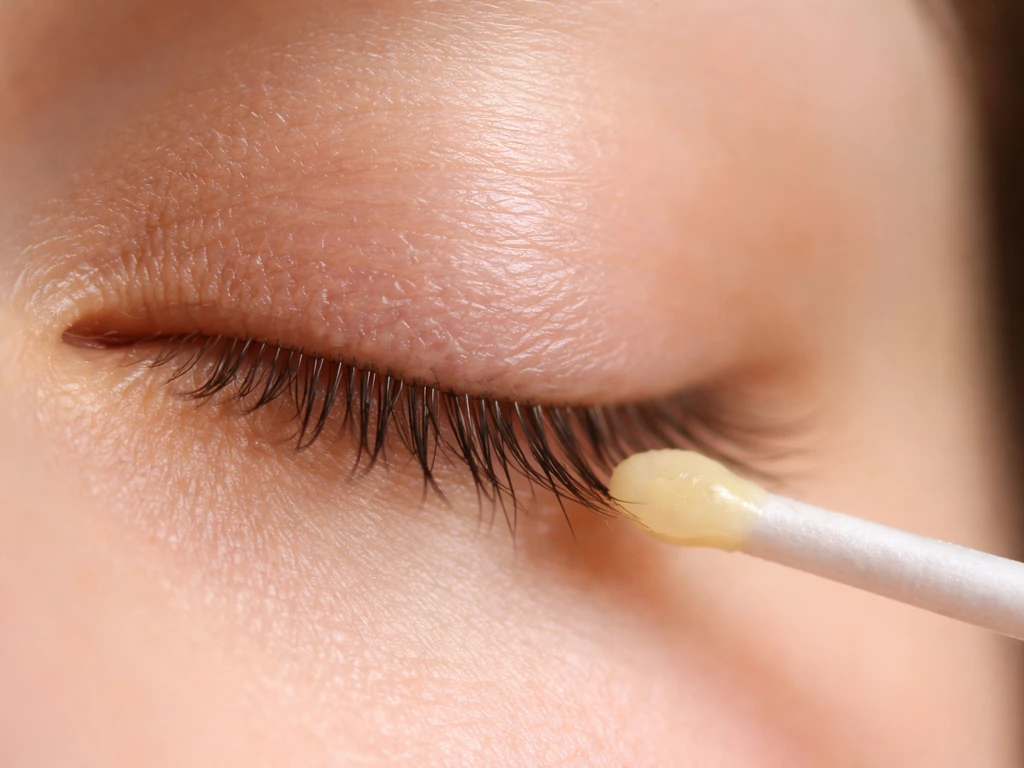
You can encourage straighter lash regrowth starting today by removing the triggers that cause bending (extensions, rubbing, harsh removal), keeping the lash line clean to reduce inflammation, and gently brushing new growth into position as it comes in. Retraining your lashes to grow upwards is all about reducing damage and consistently guiding new growth during the weeks it is still soft. The honest caveat: you cannot physically rotate a follicle with a spoolie. What you can do is stop the damage, support healthy regrowth, and guide new lashes as they emerge over the next 6 to 12 weeks. If your lashes are growing toward your eye rather than outward, or you have persistent irritation, that is a clinical issue worth seeing a professional about. If your eyelashes are growing above your lash line or toward your eye, it is worth getting assessed for eyelid margin inflammation or other structural causes.
How to Get Eyelashes to Grow Straight: Fix Crooked Lashes

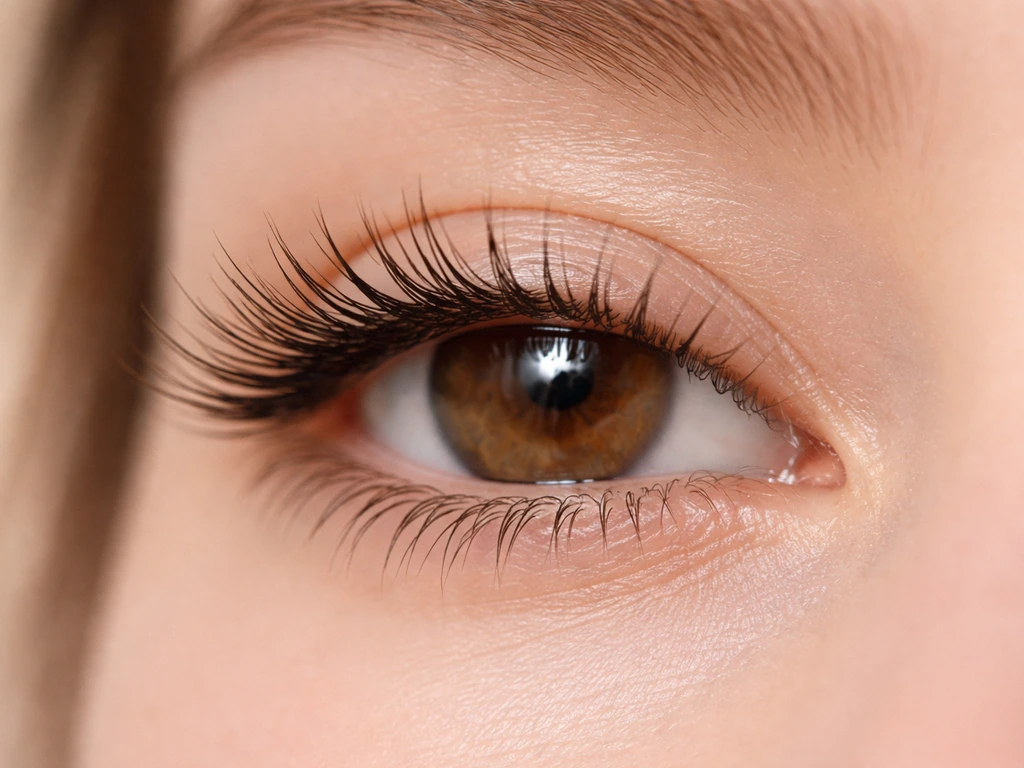
Why lashes grow crooked in the first place
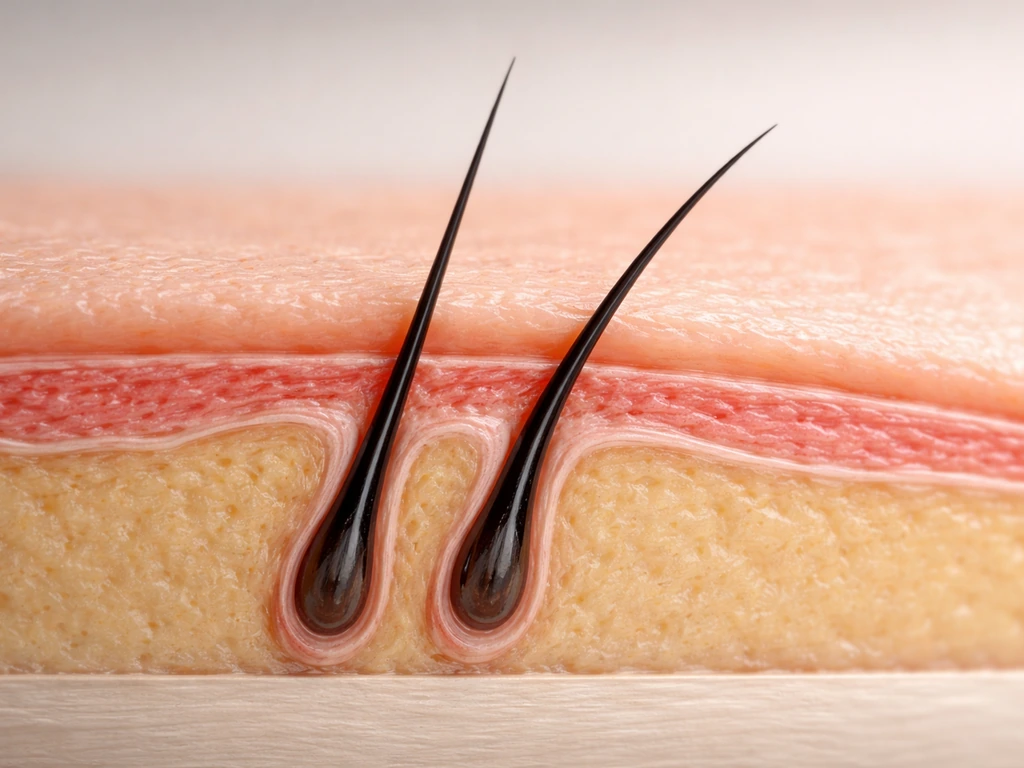
Each lash grows from a follicle embedded roughly 2 to 3 mm deep in the eyelid margin. The angle and geometry of that follicle determine where the shaft points as it emerges. Lashes grow at about 0.12 to 0.14 mm per day during the active (anagen) phase, which lasts roughly 4 to 10 weeks, and the direction the shaft takes is baked into the follicle's architecture from the start. When that architecture is disrupted, the new lash can come out pointing in an unexpected direction.
There are two distinct problems that look similar but have different causes. The first is a kinked or bent shaft, where the follicle is fine but the hair itself was physically damaged mid-growth, think repeated rubbing, tight lash curlers, or a badly applied extension pulling on a half-grown lash. The second is true follicle misdirection, where the follicle itself has been reoriented, usually by inflammation, scarring, or eyelid margin disease. The clinical term for lashes pointing toward the eye is trichiasis, and it is most commonly linked to chronic lid inflammation (blepharitis), past infection, or trauma. The distinction matters because kinked shafts will resolve as new lashes grow in; reoriented follicles may keep growing in the wrong direction even after full regrowth.
Common everyday causes of crooked or bent lashes include: repeatedly sleeping face-down pressing the lashes flat, aggressive eye rubbing (especially with allergies), over-curling with a lash curler, traction from eyelash extensions over multiple sets, and incomplete or rough makeup removal that pulls on the lash base. Each of these can either break the shaft mid-cycle or, if the irritation is chronic, inflame the follicle environment enough to change the growth angle over time.
Is this normal variation or something that needs attention?
Most people have at least a few lashes that grow at slightly different angles. That is normal follicle variation, not damage. The self-assessment below helps you distinguish cosmetic crookedness from something worth investigating.
| What you're noticing | Likely explanation | What to do |
|---|---|---|
| A few lashes pointing slightly sideways or downward | Normal follicle variation | Gentle brushing, no action needed |
| Lashes that started bending after extensions or heavy makeup use | Mechanical damage to the shaft | Remove the trigger, allow 6–12 weeks of clean regrowth |
| Lashes growing inward, toward the eye surface | Possible trichiasis (follicle misdirection) | See an eye doctor — do not wait |
| Redness, persistent irritation, watery eyes, or foreign-body sensation | Possible corneal involvement or active inflammation | See an eye professional promptly |
| Lashes bending after a period of eye infection, rosacea flare, or eyelid injury | Inflammation-driven misdirection | Professional evaluation; home remedies alone are insufficient |
A quick at-home check: gently pull your lower lid down and look at the base of your lashes in bright light or with a small mirror. Healthy misdirection from mechanical damage looks like kinked or flat shafts with a normal, clean lash line. Red, flaky, or crusted lid margins, especially with lashes pointing noticeably inward, point to an inflammatory or structural issue that home brushing will not fix.
Stop doing these things right now
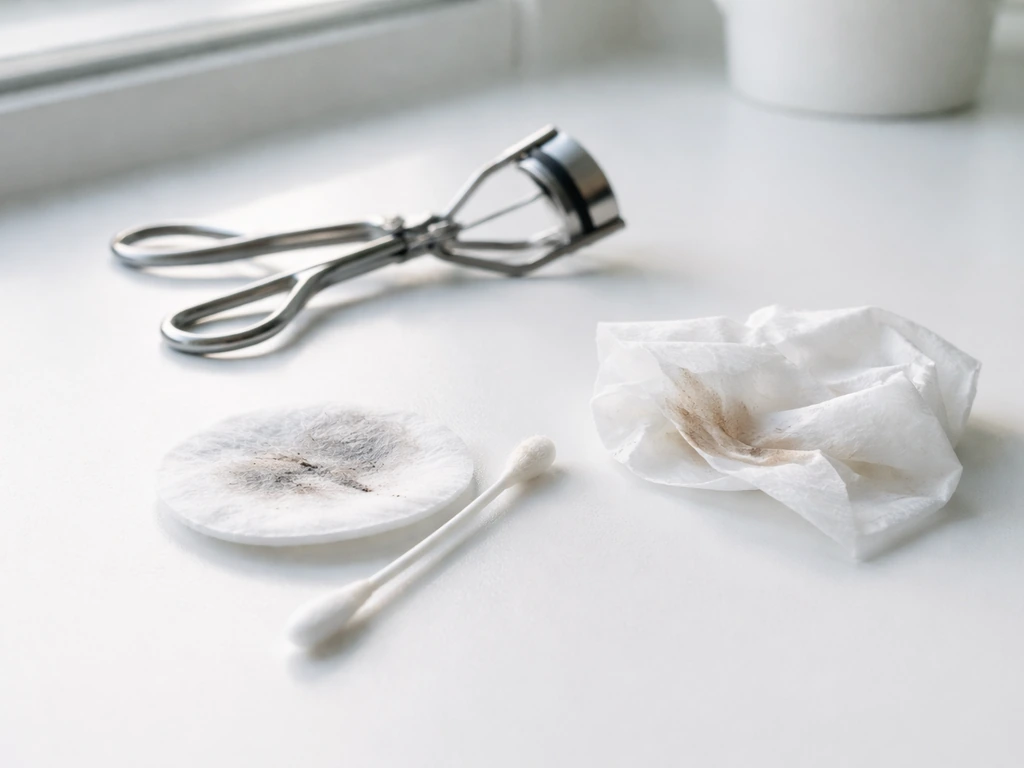
Before adding any products or routines, removing the cause is the single most important step. Here is what to cut immediately if you want straighter regrowth.
- Take a break from lash extensions. Extensions apply constant traction to the natural lash and can cause traction alopecia as well as adhesive-related blepharitis. University of Utah Health specifically recommends breaks between sets to allow follicle recovery. Even one full growth cycle off (about 6 to 8 weeks) makes a real difference.
- Stop rubbing your eyes. This is the hardest habit to break but one of the biggest mechanical drivers of bent lashes. Rubbing physically compresses and twists the shaft while it is still partially in the follicle. If allergies are the reason you rub, treat the allergies.
- Reconsider your lash curler. Daily mechanical curling, especially pressing at the base, can kink the shaft. If you still use one, curl only when the lash is fully grown in and never clamp on a lash that feels short or fragile.
- Switch to a gentle eye makeup remover. Oil-based micellar waters or gentle cleansers remove mascara without pulling. Rubbing with a dry cotton pad is one of the main ways people mechanically stress lashes during removal.
- Check your eyeliner application. Tight-lining (applying pencil on the inner waterline or directly at the lash base) can introduce wax and pigment into follicle openings, contributing to low-grade inflammation at the lid margin over time.
Your at-home routine to guide lashes as they grow
Retraining lash direction works by positioning new growth while the shaft is still soft and forming, and by keeping inflammation low so the follicle environment stays healthy. This is not magic; it is just working with the biology of a 4 to 10 week anagen cycle.
Morning: brush and position
Use a clean spoolie (mascara wand) to brush lashes upward and slightly outward every morning before applying any product. Brush from the base to the tip in one smooth motion. Do this for 30 seconds per eye. The goal is not forceful repositioning but consistent, gentle guidance while the shaft is most pliable after sleep warmth and overnight compression. Do not yank at crossed or tangled lashes. If lashes are knotted, use a tiny drop of micellar water on the spoolie first to soften before brushing.
Evening: lid hygiene first
Lid hygiene is genuinely important here, not just general advice. Blepharitis (chronic lid margin inflammation) is one of the documented contributors to lash misdirection because it creates a low-grade inflamed environment around follicles. A simple routine: after removing makeup, use a diluted baby shampoo solution or a dedicated lid scrub on a cotton round and gently sweep along the lash line. This removes the bacterial biofilm and debris that accumulates at the margin. Do this gently. Aggressive scrubbing defeats the purpose and adds mechanical stress.
Positioning overnight
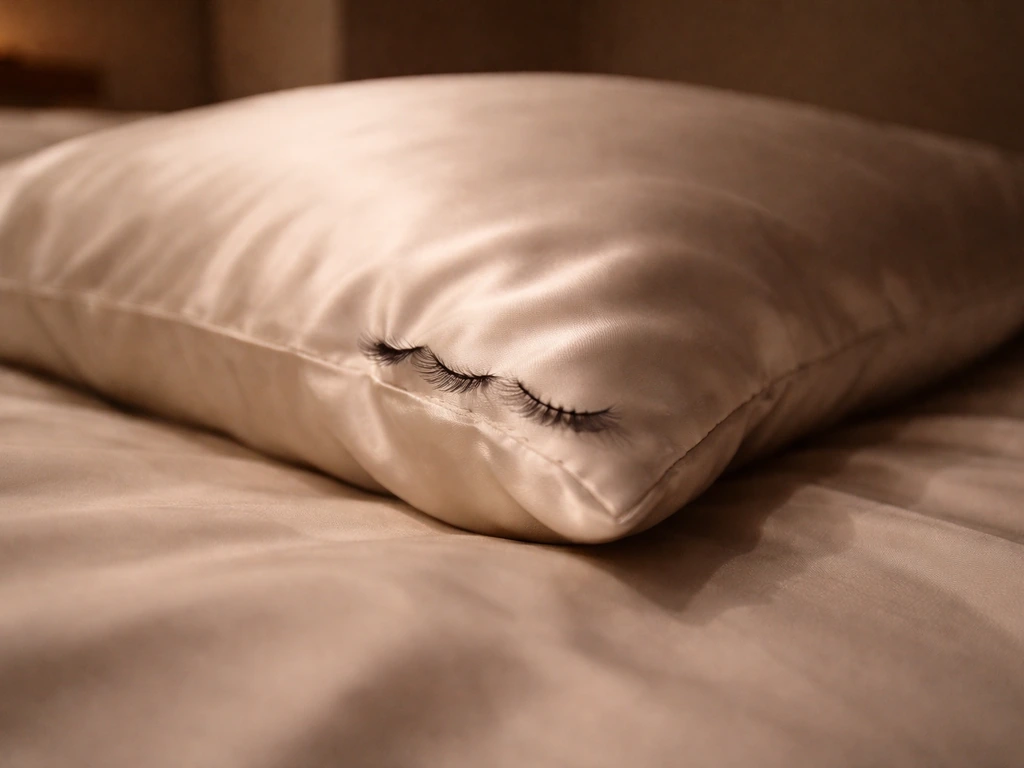
Silk or satin pillowcases reduce friction and prevent lashes from being pressed flat for 7 to 8 hours. If you are a side or stomach sleeper, this actually matters. Some people also apply a tiny amount of clear aloe vera gel to freshly brushed lashes before bed to help hold them in the desired position overnight while new growth sets. Keep it minimal and avoid the waterline.
What not to do at home
Do not attempt to physically bend or tape lashes into position using strip lash adhesive or craft tape near your eyes. If you have trichotillomania, it helps to focus on breaking the urge and managing the behavior, since that can strongly affect how quickly lashes recover. Do not try to manually remove misdirected lashes with tweezers unless you have been shown how by a clinician; improper removal can damage the follicle and cause lashes to regrow even more crooked. And do not assume a growth serum will change direction. It will not rotate a follicle; it can only support the health of what is already growing.
Growth support: what actually helps (and what does not)
Products that support lash growth can help you get healthier, fuller regrowth, which is worth pursuing alongside directional habits. But be precise about what each product can and cannot do.
Lash serums (prostaglandin-based)
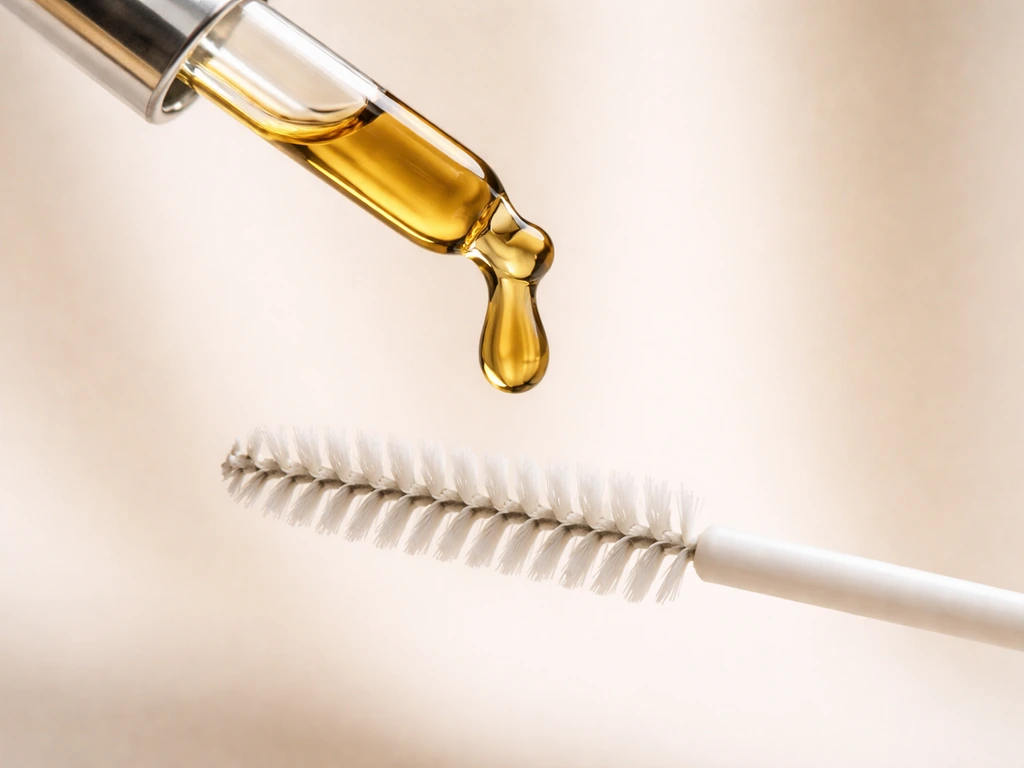
The only FDA-approved option in this category is bimatoprost 0.03% (Latisse). Multiple randomized controlled trials show it increases lash length, thickness, and darkness when applied once daily to the upper lash line. It works by extending the anagen (growth) phase of the lash cycle. For someone regrowing damaged lashes, this means more lashes complete a fuller growth cycle, which could support straighter regrowth indirectly by giving each follicle more time to produce a healthy shaft. However, the side effect profile is real: potential permanent iris darkening, eyelid skin pigmentation, macular edema (rare but documented), and periocular hair growth if product runs beyond the lash line. It requires a prescription and is pregnancy category C. If you are considering it, discuss with a doctor first, especially if you have a history of eye conditions. Many over-the-counter serums contain peptides or plant extracts instead; these have far less clinical evidence but also fewer risks.
Castor oil
Castor oil is one of the most popular home remedies for lash growth. The honest answer: there is no strong clinical evidence that it grows lashes, but it can condition the shaft and reduce breakage, which helps existing lashes look fuller. The risk that does not get enough attention is that getting castor oil into the eye can cause irritation, reduced tear quality, and blurred vision. UCI Health has explicitly warned against applying it near the eyes for this reason. If you use it, apply a minimal amount to a spoolie and brush only the lash shaft, not the skin at the lash base. Avoid the waterline entirely.
Biotin and internal supplements
Biotin (vitamin B7) supplementation is widely marketed for hair and lash growth. The evidence is clearest for people who have an actual biotin deficiency, which is uncommon in people eating a varied diet. For most people, adding extra biotin will not dramatically change lash growth rate. That said, overall nutritional status matters. Protein, iron, zinc, and vitamins D and B12 deficiencies are more commonly linked to hair and lash loss than biotin deficiency. If you have been noticing lash thinning alongside general fatigue or diet changes, a basic bloodwork panel is more informative than buying supplements.
| Product/Ingredient | What it can do | What it cannot do | Key safety note |
|---|---|---|---|
| Bimatoprost (Latisse) | Extend anagen phase; increase length, thickness, and darkness | Change follicle direction | Permanent iris/skin pigmentation risk; requires prescription |
| Castor oil | Condition and reduce shaft breakage | Stimulate new follicle growth or change direction | Keep away from waterline; can irritate eyes if it enters |
| Peptide OTC serums | Potentially support follicle health with minimal risk | Match clinical efficacy of prostaglandin serums | Check for preservatives that may irritate sensitive eyes |
| Biotin supplements | Help if you have a genuine deficiency | Accelerate growth in people who are not deficient | High doses can interfere with thyroid lab results |
| Aloe vera (shaft application) | Soothe lid margin; help hold brushed lashes in place overnight | Drive new growth | Use only pure gel; avoid waterline |
Realistic timeline: what to expect week by week
Lashes grow at 0.12 to 0.14 mm per day in the anagen stage, and the full cycle from new growth to shed runs roughly 4 to 11 months when you account for all phases. For practical purposes: if you stop the damaging behavior and start a clean routine today, here is what a realistic recovery looks like.
- Weeks 1 to 2: No visible change. The key work here is stopping damage and reducing inflammation. New lash growth that was already in progress will continue along its current path.
- Weeks 3 to 6: Very short new lashes begin emerging at the base. These are the ones you want to guide with your morning spoolie routine. They are soft and more responsive to gentle directional brushing than mature lashes.
- Weeks 6 to 10: New lashes reach mid-length. For mechanical damage (extensions, over-curling, rubbing), this is when improvement becomes visible. Lashes that grew under better conditions look healthier and point in more consistent directions.
- Weeks 10 to 16: If the cause was purely mechanical and you have eliminated it, most people see meaningful improvement in overall lash direction and fullness. For context, Healthline notes that a lash cut or broken without follicle damage typically recovers in about 6 weeks.
- 3 to 4 months: For cases involving traction alopecia from extensions or significant breakage, density (not just individual lash direction) starts normalizing around this point.
- Beyond 4 months: If lashes are still growing in misdirected patterns despite clean habits and no extensions, this is when inflammation-driven or structural misdirection should be evaluated clinically, not managed at home indefinitely.
A note on thickness and curl versus straightness: these are different goals. If your lashes naturally curl strongly, that is follicle geometry, not damage. The strategies here specifically address bent, kinked, or misdirected lashes caused by external trauma or inflammation. If you are dealing with lashes that grow at unexpected angles such as pointing toward the nose or above the lash line, those can have distinct structural causes that deserve their own attention.
Safety, side effects, and when to see an eye professional
The at-home routine above is low-risk when done gently and with clean tools. But there are specific situations where home management is not enough, and ignoring them can lead to real eye damage.
See a doctor if any of these are present
- Lashes visibly growing toward the eyeball surface rather than outward (trichiasis). Left untreated, this can cause corneal abrasions, keratitis, and in severe or prolonged cases, vision changes.
- Persistent redness, watery eyes, or a foreign-body sensation that does not resolve when you remove makeup and give lashes a break. These are hallmarks of corneal irritation.
- Eye pain of any kind that is not immediately explained by an obvious cause like a gust of wind or something in your eye.
- Lid margin crusting, flaking, or sticky plaques that return even with regular lid hygiene. This suggests active blepharitis that needs clinical management.
- Lash misdirection that appeared after an eye infection, eyelid injury, or surgery. These cases involve potential scarring that home brushing will not address.
Patch testing and product safety near the eyes
Before applying any new oil, serum, or topical to the lash area, patch test on your inner arm for 24 hours. The skin at the eyelid is the thinnest on the body and absorbs everything more readily than skin elsewhere. If you use a prostaglandin-based serum (OTC or prescription), blot any excess that rolls toward the inner corner immediately after application. Runoff is how pigmentation side effects occur. If you are pregnant, breastfeeding, or have a history of macular edema, avoid prostaglandin-containing products entirely and discuss options with your doctor.
When to stop a product immediately
- Any new eye irritation, burning, or stinging that begins after starting a serum or oil
- Noticeable vision changes, including blurring, after applying product near the lash line
- Increased redness in the whites of the eyes
- Swelling, itching, or rash at the eyelid (possible allergic contact dermatitis from preservatives or fragrance in the product)
The bottom line on safety is this: the lash line is directly adjacent to your cornea and tear film. It deserves more caution than, say, applying a hair mask. Gentle, targeted, and minimal is the right approach. If something irritates, stop it. If symptoms persist, get eyes examined rather than switching to another DIY remedy.
Your starting plan, simplified
If you want one clear action plan to start today, here it is. Stop extensions and aggressive mechanical habits immediately. Add a 30-second spoolie brushing session each morning with a clean brush. Do a gentle lid hygiene sweep each evening after removing makeup. Switch to a satin pillowcase if you are a side sleeper. Give the routine a full 8 weeks before evaluating results; that is roughly one full anagen cycle for most lashes. If you want to add a product, a peptide-based OTC serum is the lowest-risk starting point. If you want stronger growth support, talk to a doctor about bimatoprost and go in with clear expectations about both the benefits and the permanent pigmentation risks. And if anything points toward your lashes growing into your eye rather than outward, skip the home routine phase entirely and book an eye exam. That is not a problem a spoolie will solve.
FAQ
How long should I wait before I can tell my lashes are growing straighter?
Give it at least 8 weeks (one anagen cycle for most lashes). Short-term changes over a few days usually reflect shaft stiffness after brushing, not true direction retraining. If you do not see any improvement by 8 to 12 weeks, reassess for chronic blepharitis, scarring, or trichiasis.
Can I use mascara or waterproof mascara while retraining lash direction?
Yes, but choose formulas that remove gently. Avoid aggressively rubbing at removal, and consider switching to a non-waterproof or easier-to-remove mascara during the retraining window (first 6 to 8 weeks). If you get crusting or redness at the lash line, stop and focus on lid hygiene and gentle cleansing.
What is the safest way to detangle lashes if they keep clumping during the day?
Wait until the lashes are dry and use a clean spoolie to separate at the base then the mid-shaft, with light strokes rather than pulling. If they are stuck, soften the tangle first with a tiny amount of micellar water on the spoolie, then brush. Avoid yanking knots, which can kink shafts mid-growth.
If my eyelashes are pointing inward, does that mean I definitely have trichiasis?
Not always. Mild inward angling can be normal variation, especially if only a few lashes are affected and your lid margin looks healthy. Red, flaky, crusted lids with multiple lashes aiming toward the eye, persistent irritation, or lashes above the lash line are stronger reasons to get an eye exam.
Is it safe to use a lash curler to “set” lashes into a straighter position?
In many cases, no. Over-curling can create new bends as the shafts grow, especially if used repeatedly during active growth. If you use a curler, keep pressure very light, avoid the lower waterline area, and stop if you notice increasing kinks or tugging sensation at the base.
Can eyelash extensions cause crooked regrowth even after I remove them?
Yes. Crooked direction can persist because the follicle environment may stay inflamed and because damaged shafts regrow over time. Plan on rebuilding the full cycle, remove extensions promptly if you notice traction, and switch to lid hygiene plus gentle daily brushing rather than trying to force direction with tools.
Do lash growth serums and castor oil actually make lashes grow in a different direction?
No product reliably rotates a follicle, so direction changes depend on stopping mechanical damage and lowering inflammation. Serums may support fuller growth of lashes that are already coming in, but they cannot correct true follicle misdirection. Castor oil can also irritate the eye if it runs, so use extra caution and keep it off the lash base and away from the inner corner.
Should I moisturize or apply aloe or oils at night to keep lashes straight?
If you try it, keep it minimal and only to the lash shaft after brushing, not the lid margin or waterline. Any product that causes stinging, redness, or watering should be stopped. Patch testing is especially important near the eyelid because the skin is thin and reactions can happen quickly.
What symptoms mean I should stop the home routine and see an eye professional?
Get assessed if you have persistent redness, burning, tearing, light sensitivity, crusting at the lid margin, or lashes growing noticeably toward the eye. Also seek care if you suspect scarring, have recurrent infections, or if only home habits are not improving direction by 8 to 12 weeks.
How do I clean the lash area without worsening inflammation?
Use gentle sweeps along the lash line after makeup removal, do not scrub. Start with a diluted lid cleanser or dedicated lid wipes, and stop if you see increased dryness or flaking. The goal is removing debris and biofilm, not resetting the skin aggressively.
Does Shea Butter Grow Eyelashes? What to Expect and How to Use It
Does shea butter grow eyelashes? It mainly conditions and reduces breakage, not true lash follicle growth.