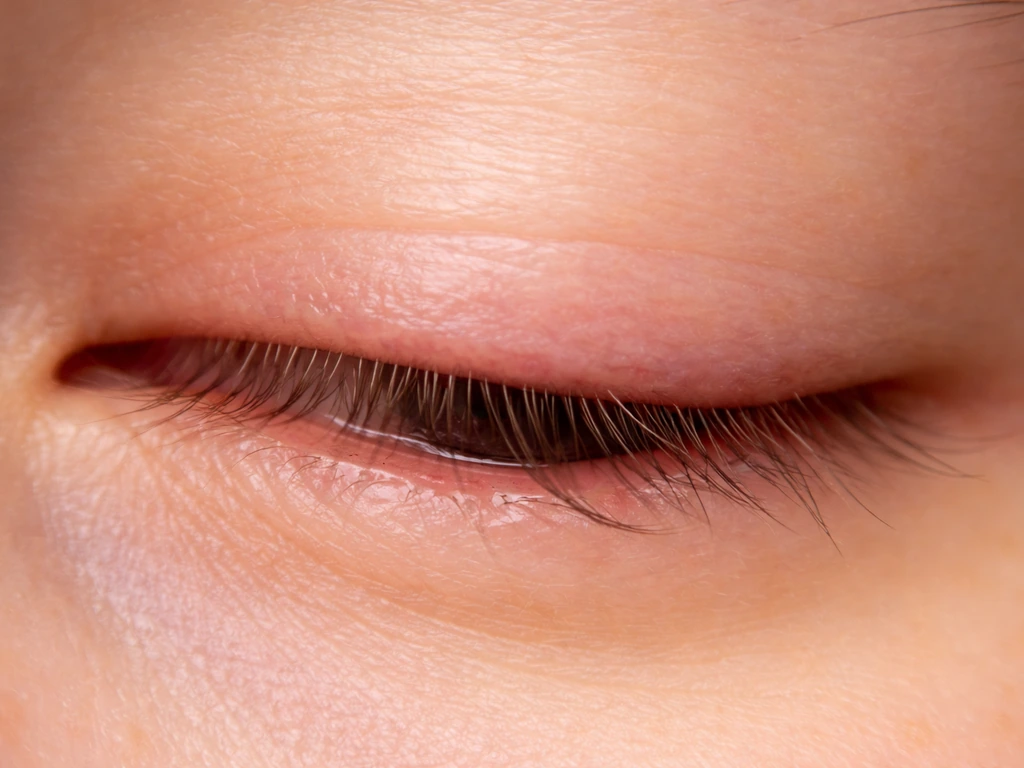
When your eyelashes grow inward toward your eye instead of outward, the clinical term is trichiasis (pronounced trih-KY-uh-sis). It means one or more lash follicles are misdirected so the lash shaft points posteriorly, scraping against your cornea, conjunctiva, or the inner surface of your eyelid with every blink. It is not just an annoyance. Left untreated, repeated corneal abrasion can lead to scarring and vision problems.
What Is It Called When Your Eyelashes Grow Inward?

Rachel Nguyen
13 May 2026
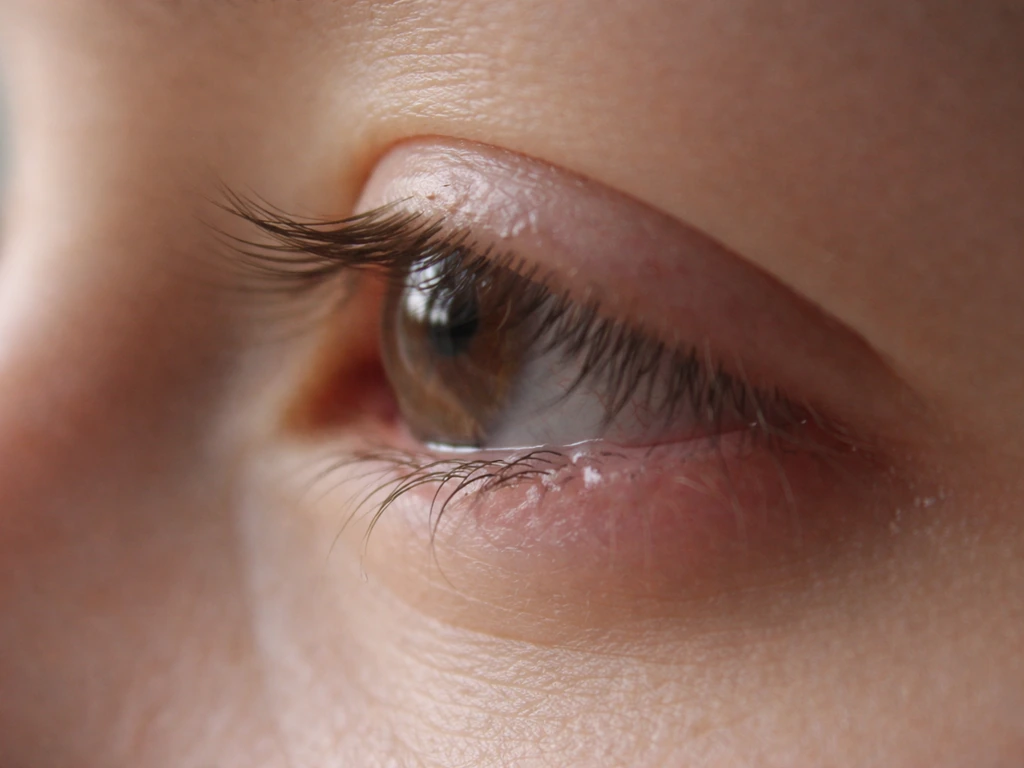
What inward-growing eyelashes are actually called
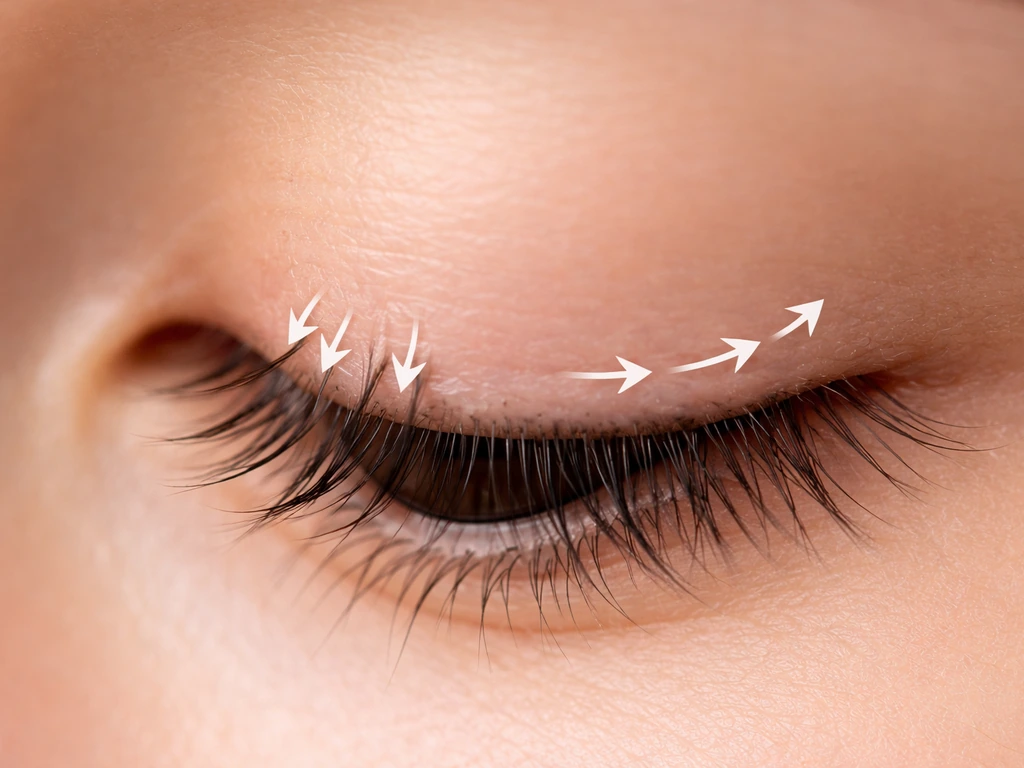
Trichiasis is the umbrella term most eye doctors use, and it covers any situation where a normally positioned lash follicle produces a lash that points the wrong way. The American Academy of Ophthalmology defines it specifically as eyelashes directed posteriorly toward the globe or cornea due to abnormal lash direction. That phrasing matters because it tells you the problem is in the direction the lash grows, not necessarily in the eyelid position itself. If you are asking whether your lashes can grow into your eye, that inward misdirection is typically due to trichiasis or related conditions lashes grow into your eye.
There are two related conditions worth knowing about so you can describe your situation accurately to a doctor. Distichiasis is a separate condition where a partial or complete second row of lashes grows from or just behind the meibomian gland openings. Those aberrant lashes are often thinner and shorter than normal lashes, but they still point toward the eye and can cause the same corneal irritation. Entropion is different again: it is when the entire eyelid margin turns inward, rotating normal lashes toward the eye. With entropion the lash direction is fine but the eyelid is inverted. All three can cause lashes to rub the eye, so an eye doctor will often check for all of them together.
One condition that sounds similar but is not the same thing is madarosis, which refers to eyelash loss rather than misdirection. If you are losing lashes rather than having them grow in the wrong direction, that is a separate biological issue, often connected to blepharitis or dermatologic conditions.
Why lashes start growing inward
Lash follicles are tiny tubes anchored in the eyelid margin. They are angled to produce lashes that grow outward and slightly upward or downward depending on which lid. When the tissue around those follicles is disrupted, the angle of the tube changes and the lash comes out pointing the wrong way. Several things can cause that disruption.
Chronic inflammation of the eyelid margin
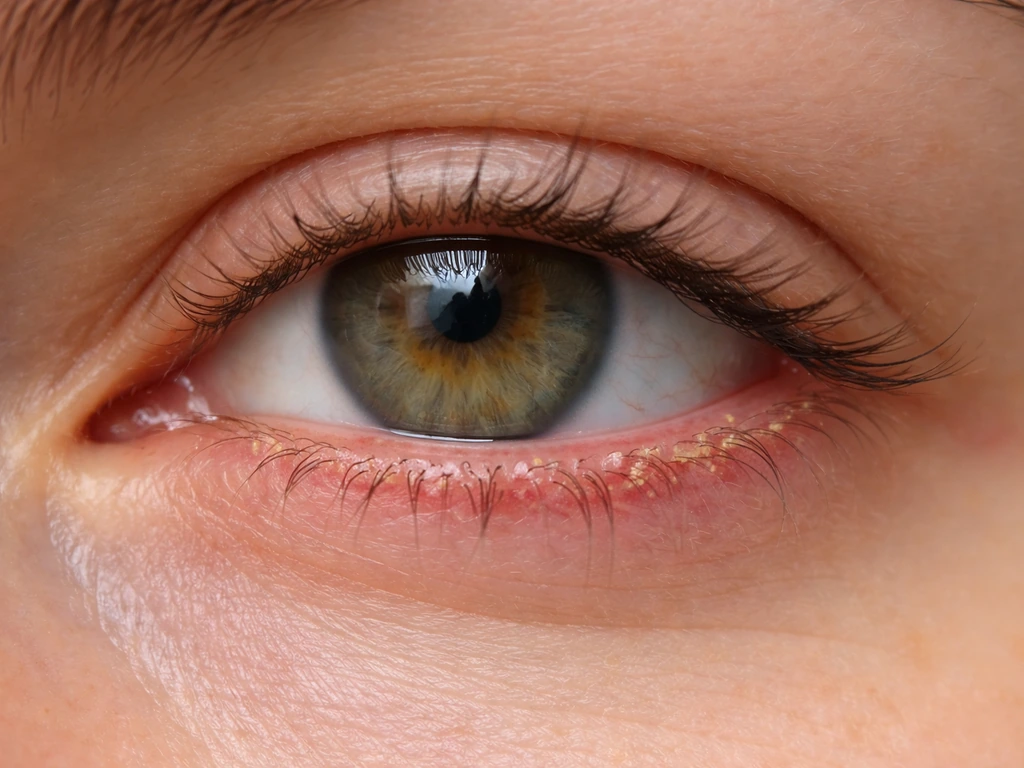
Blepharitis, the chronic low-grade inflammation of the eyelid margin, is one of the most common culprits. When the lid margin stays inflamed for months or years, the tissue around follicles gradually scars and changes orientation. The follicle does not move, but its angle shifts. This is a slow, progressive process which is part of why people sometimes go years without realizing their lashes have been rubbing the eye.
Scarring from injury, infection, or burns
Trauma to the eyelid, whether from a physical injury, surgery, chemical exposure, or a serious infection like trachoma, can leave scar tissue that physically pulls follicles out of alignment. Chemical burns are particularly aggressive because they affect large areas of the conjunctiva and eyelid margin simultaneously, causing widespread scarring. Conditions like Stevens-Johnson syndrome and ocular mucous membrane pemphigoid work the same way, producing cicatricial (scar-driven) changes that redirect lash growth.
Structural and anatomical factors
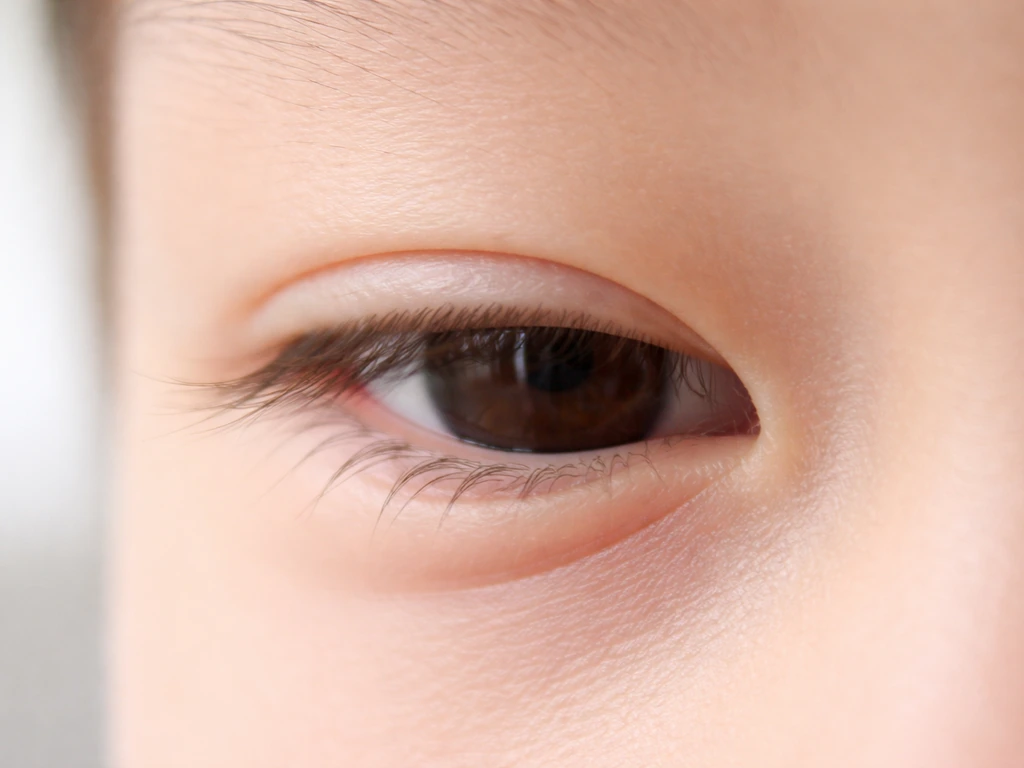
In children, epiblepharon is a common cause. It is a congenital condition where a horizontal fold of skin pushes the lash line inward. Most children grow out of it as their facial structure develops, but in some cases the lashes still contact the cornea enough to cause problems. Aging is another structural factor: as the eyelid skin and underlying tissue loosen, the lid margin can gradually roll inward, tipping lashes toward the eye.
Symptoms to watch for, and what counts as urgent
The Cleveland Clinic notes that trichiasis causes irritation because misdirected lashes scrape the cornea, conjunctiva, and inner eyelid surface. MSD Manual Professional Edition lists trichiasis symptoms and signs such as a foreign-body sensation, tearing, and a red eye trichiasis causes irritation because misdirected lashes scrape the cornea, conjunctiva, and inner eyelid surface.. That friction produces a predictable set of symptoms. Knowing the difference between the typical presentation and a red-flag situation helps you decide how fast you need to act.
Common symptoms
- Foreign body sensation, the feeling that something is in your eye even after blinking
- Persistent tearing or watery eyes without obvious cause
- Redness in the white of the eye or along the lid margin
- Sensitivity to light, especially in brighter environments
- Frequent blinking or squinting you cannot control
- Mild blurring of vision that improves temporarily after blinking
When to get seen urgently
Escalate to urgent eye care, meaning same-day or an emergency department if no ophthalmologist is available, if you have sharp or severe eye pain, sudden significant blurring or loss of vision that does not clear with blinking, visible cloudiness or a white spot on the cornea, or thick discharge suggesting infection. These signs suggest the cornea may already be damaged or infected, and that is not something to monitor at home over a few days.
What to do today to protect your eye and reduce irritation

You do not have to wait for a doctor's appointment to start protecting the eye. These steps are appropriate right now while you arrange care.
- Use preservative-free lubricating eye drops to create a buffer between the lash and the corneal surface. Apply them every hour or two if the irritation is noticeable. Lubricating ointment at bedtime is even more protective because it stays on the eye longer.
- Do not try to pull or pluck the offending lash yourself with fingers or tweezers unless you have been shown how. Yanking a lash without the right angle often breaks it at the surface and leaves the root intact, letting it regrow faster and sometimes more aggressively.
- Stop wearing contact lenses until you have been evaluated. Lenses sit directly on the cornea and increase friction if a lash is already making contact there.
- Pause eyelash extensions, lash curlers, and any lash serums or oils you are currently applying near the lid margin. Extensions in particular add weight and tension that can worsen lash misdirection, and you do not want active ingredients near an already-irritated eyelid.
- Keep the eyelid margin clean with a gentle, diluted baby shampoo or a commercial lid scrub product. Removing crusting and excess oil reduces the bacterial load that can worsen inflammation and scar formation.
- Wear sunglasses outdoors if light sensitivity is bothering you. This is purely comfort management, but protecting an irritated eye from wind and UV adds up.
Treatment options: what actually fixes this
There is no topical serum, oil, or supplement that changes the direction a follicle grows. The treatments for trichiasis are mechanical and procedural, ranging from temporary removal to permanent correction depending on how many lashes are affected and what the underlying cause is.
Simple epilation (professional lash removal)
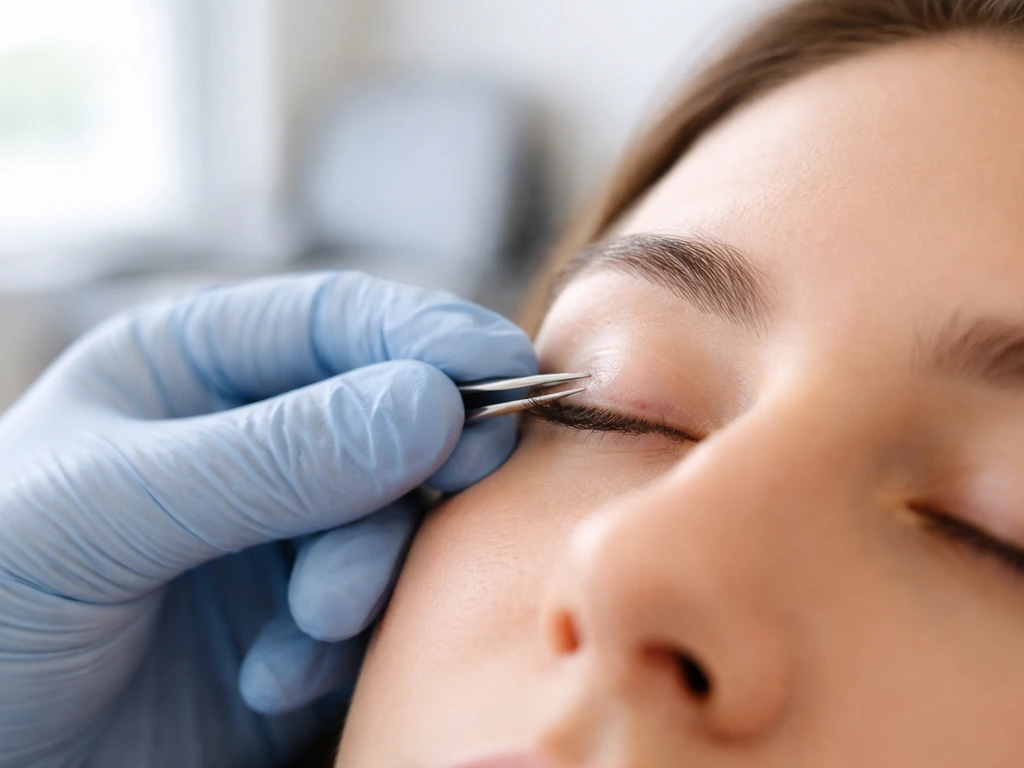
An eye doctor or trained technician can remove the offending lash with forceps in seconds. Relief is immediate because the corneal contact stops. The major limitation is that the follicle is still there and the lash regrows in three to six weeks, usually in the same wrong direction. Epilation is best used as a bridge while you wait for a more definitive procedure, or for isolated lashes in someone who has mild, stable trichiasis.
Electrolysis and radiofrequency ablation
These procedures destroy the follicle using electrical current or radiofrequency energy applied with a fine probe inserted into the follicle opening. When performed correctly, follicle destruction is permanent and the lash does not regrow. Success rates vary depending on the skill of the provider and how deeply the follicle is treated. Multiple sessions are sometimes needed for complete destruction, and there is a small risk of surrounding tissue damage if the probe is misdirected.
Laser ablation
Laser treatment, typically argon or diode laser, is used in ophthalmology clinics to ablate individual or groups of misdirected follicles. It has the advantage of precision with less mechanical trauma to surrounding tissue. Like electrolysis, the goal is permanent follicle destruction. It works well for focal trichiasis with a limited number of affected lashes.
Surgical correction
When the underlying cause is entropion (the entire lid is rolling inward) or when large segments of the lid margin have follicles growing in the wrong direction due to scarring, surgery is the appropriate fix. Eyelid margin rotation procedures, tarsal strip procedures, or scar revision operations reposition the lid so that lashes grow away from the eye again. This is typically performed by an oculoplastic surgeon and is the most durable solution when structural anatomy is the root problem.
Addressing the underlying inflammation
If blepharitis is driving the trichiasis, you also need to control that inflammation or the problem will keep recurring even after follicle removal. This usually means a consistent eyelid hygiene routine, and in more resistant cases a short course of topical antibiotic-steroid drops or an oral antibiotic in the tetracycline family (like doxycycline) prescribed by your doctor. Omega-3 supplementation has some evidence for improving meibomian gland function, which reduces the inflammatory environment at the lid margin over time.
What to expect for recovery and keeping it from coming back
After simple epilation, the eye typically feels better within hours. After laser or electrolysis, there may be a few days of mild lid swelling and redness, then significant or complete relief once the treated follicles are confirmed inactive. Surgical lid procedures usually involve one to three weeks of recovery before swelling resolves fully, though many patients notice functional improvement within the first week.
Prevention after treatment depends heavily on what caused the trichiasis in the first place. For inflammation-driven cases, maintaining an eyelid hygiene routine long-term is non-negotiable. Skipping lid scrubs for weeks at a time is how blepharitis comes back and starts the cycle over. For people who had trauma or scarring as the cause, regular follow-ups with their ophthalmologist catch any new misdirected lashes before they cause corneal damage. For children with epiblepharon, monitoring growth and watching for spontaneous resolution is usually the plan unless corneal contact is causing damage.
One thing I hear from people who have dealt with recurring trichiasis: it is easy to under-treat because the symptom (a slight gritty feeling) becomes the new normal. Do not accept constant eye irritation as baseline. Each contact episode between a lash and the cornea is a potential micro-abrasion, and cumulative corneal damage is hard to undo.
What lash serums, castor oil, and extensions actually do here
Because this site covers lash growth extensively, it is worth being direct about something: none of the popular lash-enhancing approaches change the direction of follicle growth. Castor oil, biotin supplements, peptide serums, and even bimatoprost-based prescription serums work by influencing the growth cycle, extending anagen (growth phase), or improving follicle health.
If you are wondering whether products like Wild Growth can grow eyelashes, the key point is that growth-promoting ingredients may still not fix inward-growing lashes and could even worsen active trichiasis can wild growth grow eyelashes. They cannot reorient a follicle that is pointed the wrong way.
In fact, applying growth-promoting serums to eyelids with active trichiasis can make things worse by encouraging faster regrowth of the same offending lash and by introducing oils or active ingredients to an already-inflamed lid margin.
Eyelash extensions are similarly contraindicated while trichiasis is unresolved. The adhesive and the weight of extensions can alter the position of existing lashes, and the application process involves contact with the very margin where the problem is occurring. If you are interested in improving lash density or thickness after your trichiasis is fully treated and the underlying inflammation is controlled, that is a different conversation. But treating inward-growing lashes and enhancing lash growth are two separate goals that need to happen in sequence, not simultaneously.
If you are someone who already uses lash serums and notices one or two lashes seem to be rubbing your eye, that is not necessarily serum-related.
It is worth checking whether you have always had a slightly misdirected lash that went unnoticed when your lashes were shorter or thinner, which is a subtle version of what happens when people ask why lashes sometimes grow into the corner of the eye or appear to grow toward the surface of the eye rather than outward.
A common related concern people search for is the place where lashes grow, which can hint at how misdirection starts why lashes sometimes grow into the corner of the eye. This is related to whether eyelashes can grow into your eye due to a misdirected follicle can eyelashes grow into your eye. It can help to understand where eyelashes grow from and why their natural angles can sometimes point toward the eye.
The biology of where lashes grow from and the angles they naturally take is individual, which is why even a single rogue follicle can suddenly become noticeable.
FAQ
How can I tell if it is actually trichiasis versus an irritation from dry eye or allergies?
Trichiasis usually feels like a specific lash is contacting the cornea, blinking temporarily increases friction, and you may be able to see a lash pointing inward or find a consistent “gritty” spot. Dry eye and allergies tend to cause more diffuse burning, itch, or fluctuating discomfort without a persistent single contact point. Any persistent light sensitivity, worsening redness, or vision change should be treated as a red flag.
Is it safe to pluck or cut the inward-growing lashes myself?
It is not ideal. Plucking can traumatize the follicle and eyelid margin, potentially worsening scarring or altering lash direction, and cutting can leave sharp edges that still scrape the eye. If you are going to remove an individual lash while waiting for care, epilation by an eye professional is the safer, more controlled approach.
What does it mean if only one lash is growing inward?
Even a single misdirected follicle can repeatedly abrade the cornea, so the issue is still treated seriously. Your doctor may start with removal or focal follicle destruction if it is truly isolated, but the plan depends on whether the underlying cause is blepharitis, scarring, or a structural lid problem.
Can inward-growing lashes be contagious or caused by an infection like pink eye?
Trichiasis itself is not contagious. However, infections and inflammatory eyelid conditions can leave changes in the eyelid margin that redirect growth, and some causes of eyelid irritation can mimic each other at first. If you have thick discharge, fever, or rapidly increasing redness, that warrants prompt evaluation for infectious causes.
How quickly should I be seen after I notice inward-growing lashes?
If you have significant pain, light sensitivity, reduced or blurry vision that does not clear quickly, a visible corneal spot or cloudiness, or thick discharge, seek same-day care. If symptoms are mild but persistent, do not wait weeks, because micro-abrasions can accumulate even when the sensation feels minor.
Does everyone with inward lashes need a permanent procedure?
Not always. Epilation can be appropriate as a temporary bridge, especially for a small number of lashes. Permanent follicle destruction or surgery is more likely when there are multiple lashes, rapid recurrence, evidence of corneal injury, or when a structural problem like entropion is present.
Can entropion be mistaken for trichiasis?
Yes. With entropion, the eyelid margin itself turns inward, so the lashes may already be “pointing the right way” relative to the lash follicle but still rub because the lid rotates. Eye doctors typically assess lid position and may check for both conditions during the same exam.
What should I expect during a clinical exam for inward-growing lashes?
Expect a close lash-by-lid assessment with magnification, checking eyelid margin direction, and evaluating the cornea for abrasions or inflammation (often with a dye test). The provider will also look for related issues such as entropion or distichiasis, since treatment differs based on which mechanism is causing the rubbing.
Why do symptoms sometimes come and go even when the lash is still misdirected?
Comfort can fluctuate with tear film quality, eyelid swelling, and how often the lash contacts the cornea at a given time. Also, as abrasions heal and then get re-injured, the “gritty” sensation may temporarily lessen. Recurrence does not mean the cornea is safe, it means the cycle is ongoing.
Are lash-enhancing products like bimatoprost, peptides, or oils completely useless if I have trichiasis?
They cannot correct the direction of a misdirected follicle. In some people, growth-promoting ingredients can increase regrowth rate and increase irritation if applied while the condition is active, and oils or active ingredients can further inflame an already irritated lid margin. It is generally safer to pause these until the underlying issue is controlled.
After treatment, when is it reasonable to restart normal eye makeup or contact lenses?
Timing depends on what procedure you had and how your cornea looks. As a practical rule, wait until the treated area is no longer significantly irritated and your eye doctor says the cornea is healed, especially if you had follicle destruction or any corneal abrasion. Contact lenses can increase risk if the surface is not fully recovered.
If I have inward lashes due to scarring or trauma, will they keep coming back?
They can. Scarring can affect multiple follicles and may be progressive, especially after chemical burns or conditions that cause cicatricial changes. Ongoing follow-ups help catch new misdirected lashes early, so the cornea is protected before repeated abrasions lead to long-term damage.
Next Article
Can an Eyelash Grow Inside the Eyelid? Causes and What to Do
Can an eyelash grow inside the eyelid? Learn likely causes, how to check safely, and when to see an eye doctor.