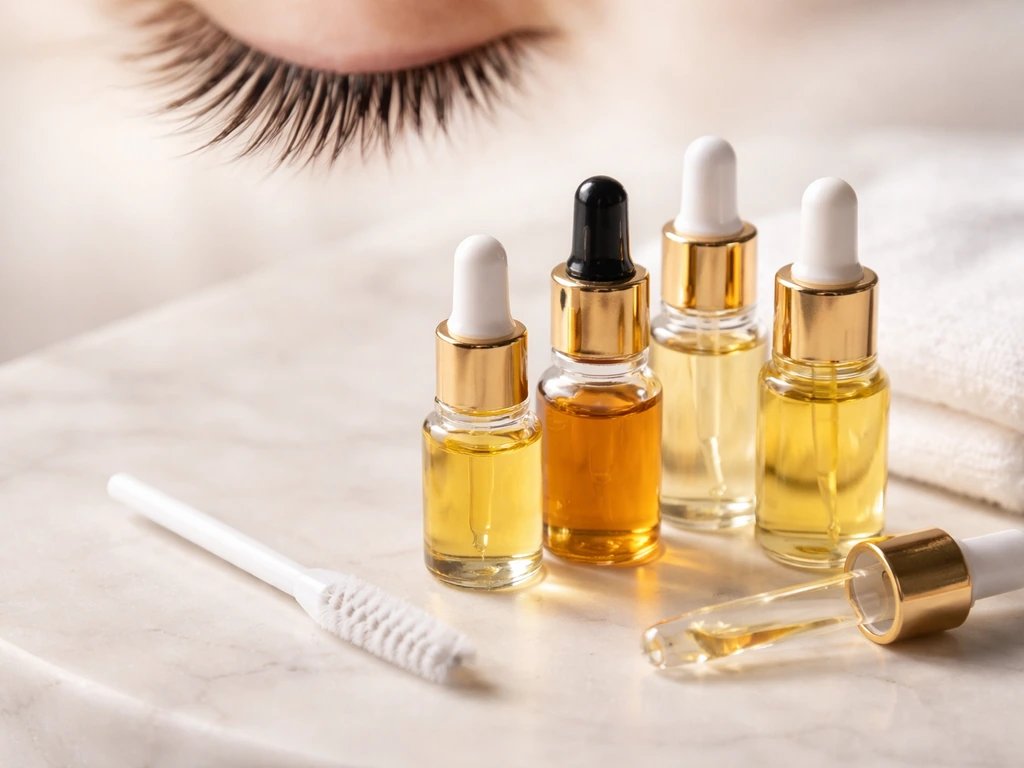
Argan oil can support healthier-looking lashes, but it won't directly stimulate new lash growth the way a clinical treatment like bimatoprost does. Because bimatoprost is an evidence-backed option for eyelash growth, people often ask whether can flaxseed gel grow eyelashes in the same way. What it can do is condition the lash shaft, reduce brittleness, and cut down on breakage, which means your existing lashes look fuller and survive longer before they shed. That's a real benefit, but it's a different thing from actually making your follicles produce longer or thicker hairs. If you go in with that distinction clear, argan oil is genuinely useful. If you expect it to work like a lash serum, you'll be disappointed.
Can Argan Oil Grow Eyelashes? What to Expect and How
Rachel Nguyen
29 Apr 2026
Does argan oil (Moroccan oil) actually grow eyelashes?
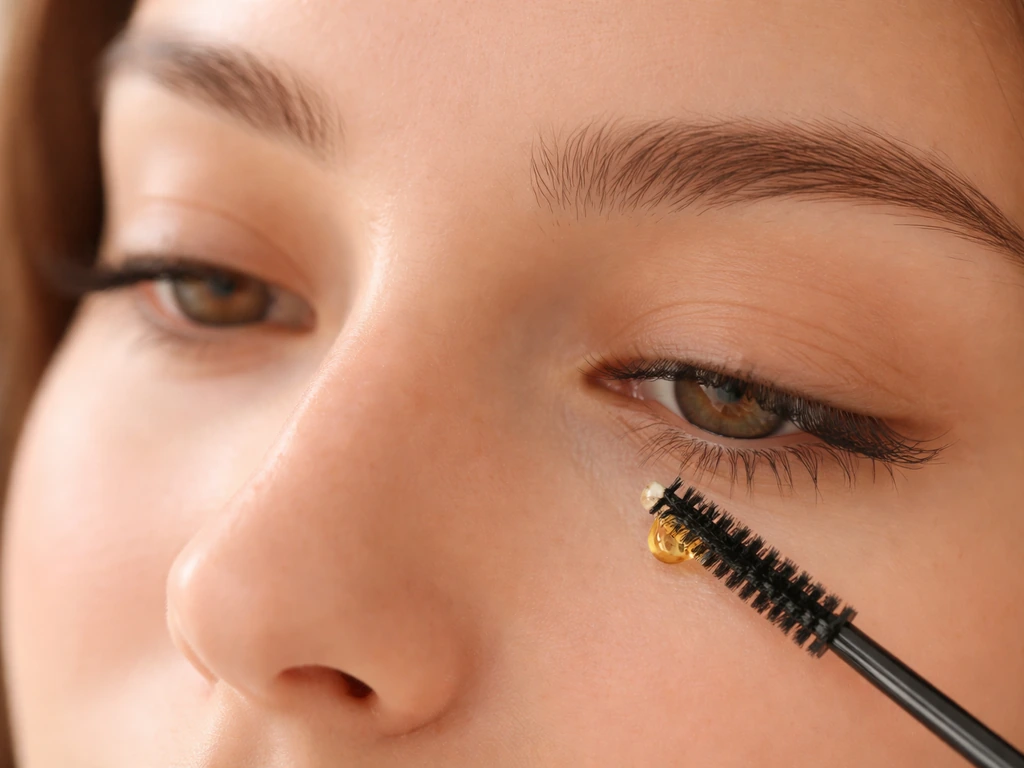
Argan oil, often sold as Moroccan oil, comes from the kernels of the Moroccan argan tree and is packed with oleic acid, linoleic acid, vitamin E (tocopherols), and other bioactive lipids. Lab research confirms these compounds have antioxidant and anti-inflammatory activity at the cellular level. That's promising on paper, but the jump from "antioxidant in a test tube" to "grows your lashes" is a big one, and no controlled clinical trial has demonstrated that argan oil applied to the lash line actually extends the anagen (growth) phase or produces measurably longer lashes. Because the evidence gap is big, you should not expect sunflower oil to grow eyelashes the way true growth treatments do grows your lashes.
For comparison, consider castor oil, which is probably the most talked-about natural lash remedy. Medical reviewers have concluded there is no scientific evidence that castor oil stimulates eyelash growth either. Argan oil is in the same category. That doesn't make it useless, it just means you should be honest about what you're getting: a conditioning treatment, not a growth stimulant. Black seed oil is similar in that it may improve the look of lashes through conditioning, but there is no strong evidence that it directly grows eyelashes conditioning treatment, not a growth stimulant. If you're wondering whether canola oil can grow eyelashes, the evidence for true growth is also limited compared with prescription options lash growth.
There is one indirect growth mechanism worth mentioning. Some researchers have noted that ricinoleic acid (found in castor oil, and structurally related to prostaglandins) may have some hair-growth-adjacent activity. Argan oil doesn't contain ricinoleic acid, so even that speculative edge doesn't apply here. The honest verdict: argan oil is a solid conditioning oil with good tolerability near the eye area, but if true lash growth is your goal, it's not the primary tool.
How eyelash growth actually works
Every lash follicle cycles through four phases: anagen (active growth), catagen (transition), telogen (resting), and exogen (shedding). According to StatPearls, lashes grow at roughly 0.12 to 0.14 mm per day during the anagen phase, and the telogen (resting) phase alone lasts four to nine months. That last number is the one most people don't know, and it completely changes how you interpret what any lash product is doing.
When a lash sheds, the follicle doesn't immediately start producing a new one. It may sit in resting phase for months before the next anagen cycle begins. This means if you lose lashes due to damage, extensions, or a medical issue, waiting for regrowth is genuinely slow, sometimes feeling like nothing is happening for weeks. What looks like a lash growing in after you start using an oil might just be a follicle that was already mid-cycle finally making its way out.
True growth stimulants, like bimatoprost (Latisse), work by nudging follicles from the telogen phase into anagen and then prolonging that anagen phase. Clinical trials showed statistically significant improvements in length and fullness starting around week 8, with most people seeing appreciable results by week 16. That's the gold standard. Oils don't operate on follicle cycling at all. Understanding this split between "breakage reduction" and "actual regrowth" is critical to setting realistic expectations.
What argan oil can actually do for your lashes
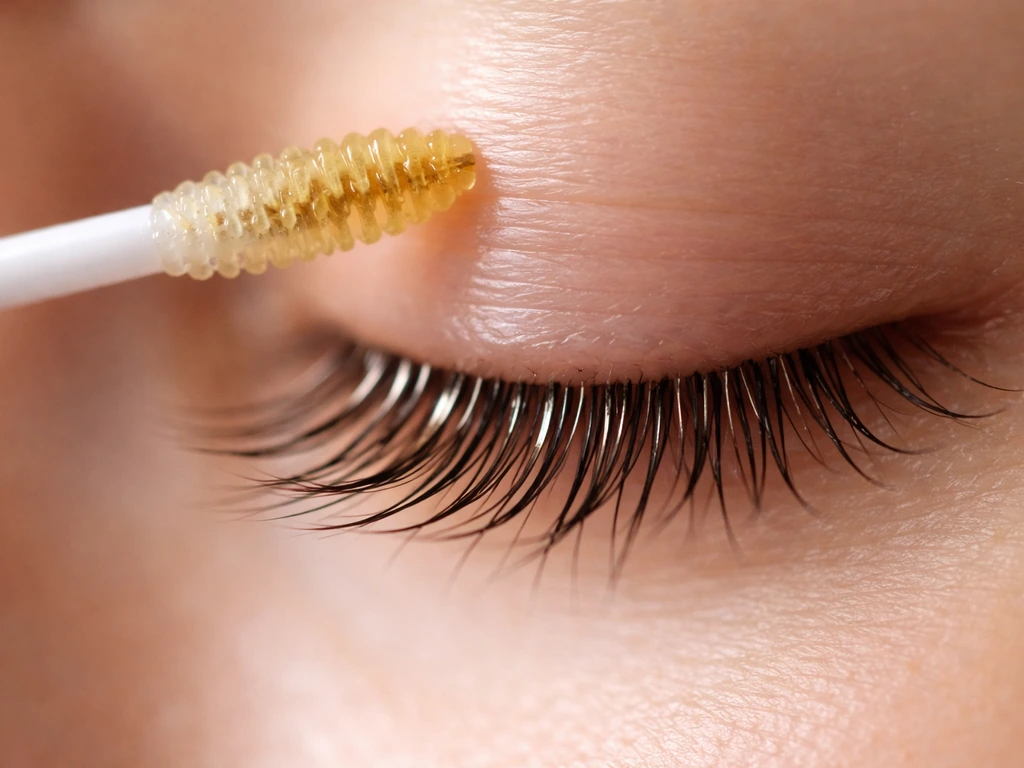
Even without directly triggering follicle activity, argan oil provides real benefits that matter for lash appearance and health:
- Shaft conditioning: The fatty acids in argan oil (primarily oleic and linoleic) coat and smooth the lash cuticle, reducing brittleness and the micro-fractures that cause lashes to snap mid-shaft before completing their full growth cycle.
- Antioxidant protection: Vitamin E and other bioactive lipids in argan oil offer some protection against oxidative stress, which can degrade the lash shaft over time, particularly if you use heated tools or heavy eye makeup regularly.
- Reduced mechanical damage: Lashes that are well-conditioned bend more easily under tension, so rubbing, mascara removal, and general friction cause less breakage. Fewer broken lashes means your lash line looks fuller even if no new growth is occurring.
- Eyelid skin support: Argan oil is non-comedogenic and absorbs relatively quickly, making it gentler on the delicate eyelid skin than heavier oils. A healthier lid margin is a better environment for the follicles sitting just beneath the skin surface.
- Reduced inflammation at the lid margin: If you have mild dryness or irritation at the lash base, the anti-inflammatory properties of argan oil's lipid profile may offer minor relief, though this is not a substitute for treating conditions like blepharitis.
The net effect is that lashes that might have broken off two-thirds of the way through their growth cycle instead survive to their full natural length. Over a couple of months, this can create a visible improvement in density and length. It's real, but it's not the same as producing new growth.
How to use argan oil on your lashes safely
Application near the eye area always carries some risk. The American Academy of Dermatology describes contact dermatitis as inflammation triggered by substances that irritate or cause allergic reactions, which helps explain why some people can get periocular contact reactions from products applied near the eyes Application near the eye area always carries some risk.. The FDA flags that cosmetic products applied near the eyes can cause allergic contact dermatitis, and that anyone with active eye infections or inflammation should avoid applying products to the area entirely. Keep those cautions in mind before you start.
Step-by-step application
- Remove all eye makeup first. Applying oil over mascara or liner residue defeats the purpose and increases the chance of transferring irritants into the eye.
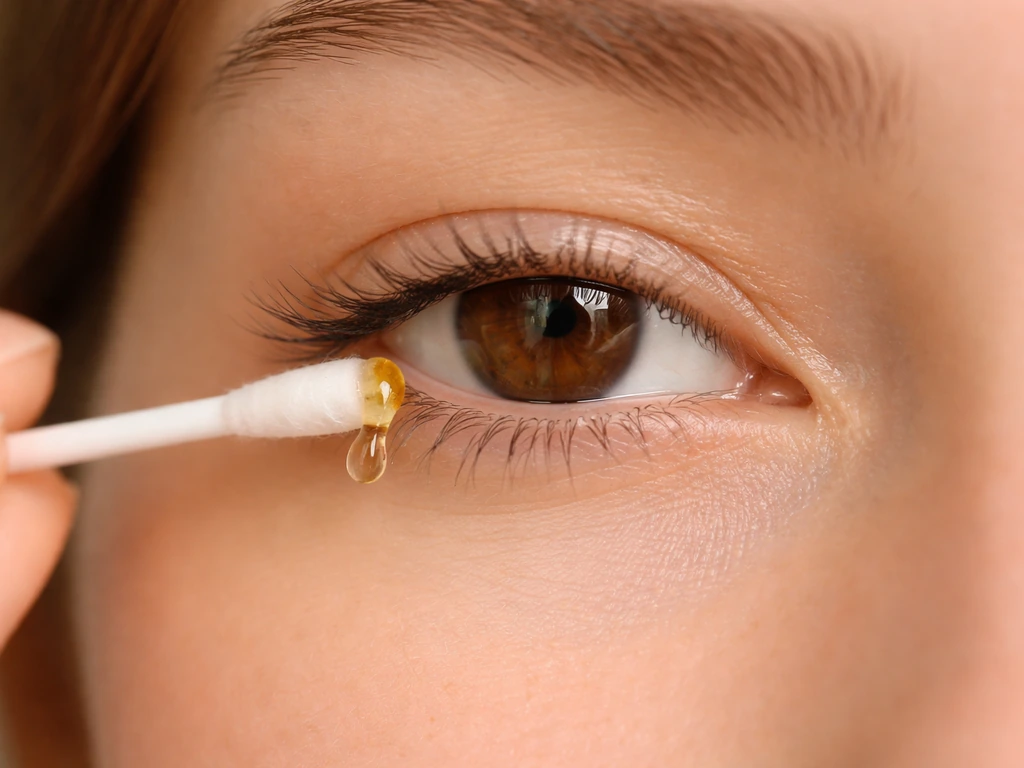
- Use a clean mascara wand, a fine eyeliner brush, or even a clean fingertip. A disposable mascara spoolie is ideal because it distributes a thin, even coat along the lash line without overloading the area.
- Dip the applicator lightly into the argan oil. You want a thin film, not a saturated brush. Too much oil will migrate into the eye during sleep.
- Stroke from the base of the lashes toward the tips, just as you would apply mascara. Focus on the base where the lash emerges from the follicle.
- Apply once daily, ideally at night before bed. Nighttime application lets the oil absorb without interference from makeup and reduces the chance of it migrating into the eye while you're awake and blinking it away.
- Use pure, 100% argan oil with no added fragrance. Fragrance compounds are a leading trigger for periocular contact dermatitis.
- Do a patch test on the inner forearm before using it near the eye for the first time. Give it 24 hours and check for any redness, itching, or swelling.
Safety cautions worth taking seriously
Stop using argan oil near your eyes immediately if you notice redness, itching, swelling, or any change in your vision. Oil getting directly into the eye is generally not dangerous in small amounts (argan oil is not toxic), but it can temporarily blur vision and cause irritation. If you wear contact lenses, remove them before applying and wait at least 15 minutes before reinserting. If you have blepharitis, a stye, or any active eyelid condition, talk to an eye doctor before adding any oil to your routine, since oily products can worsen some lid-margin conditions. The American Optometric Association notes that blepharitis is eyelid inflammation and can lead to problems such as missing or misdirected eyelashes and inflammation of other eye tissues blepharitis, a stye, or any active eyelid condition.
How long to wait before judging results
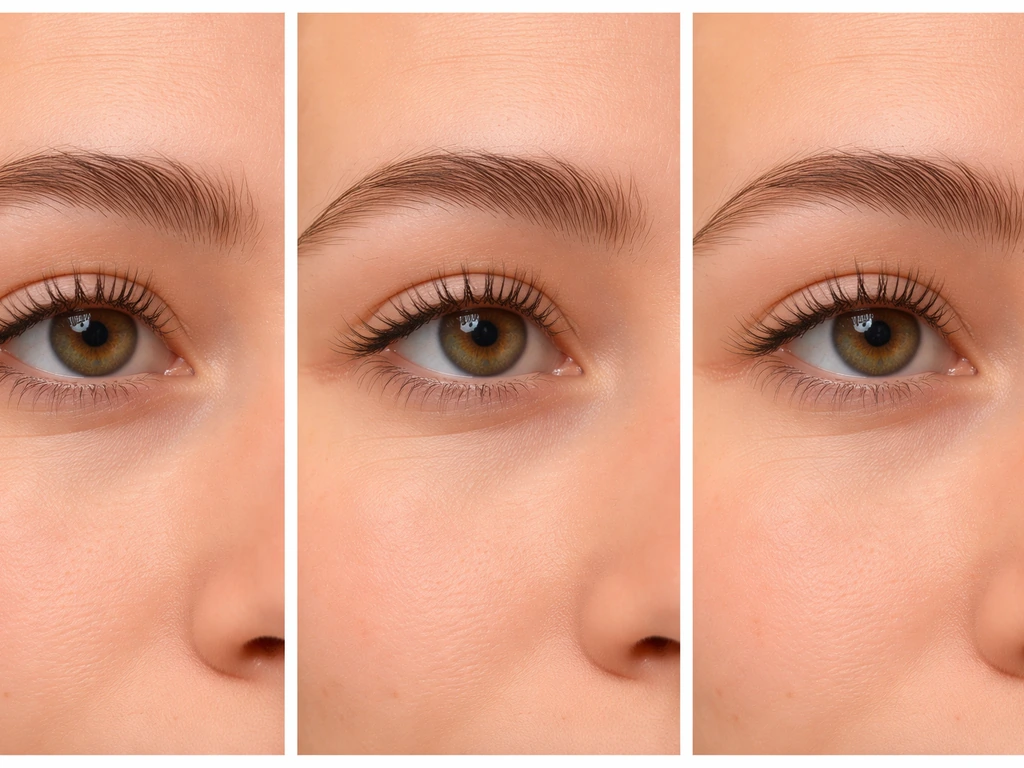
Given the lash growth cycle, you need to commit to at least 8 to 12 weeks of consistent nightly use before drawing any conclusions. Here's roughly what that timeline looks like:
| Timeframe | What you might notice | What's actually happening |
|---|---|---|
| Weeks 1–2 | Lashes feel softer, less brittle | Surface conditioning of the shaft cuticle |
| Weeks 3–5 | Slightly less fallout during makeup removal | Reduced mechanical breakage from better-conditioned lashes |
| Weeks 6–10 | Marginal improvement in fullness at the lash line | Existing lashes surviving longer in their cycle without snapping |
| Weeks 10–12+ | Modest visible improvement in density or apparent length | Full-length lashes completing their cycle; any new follicles exiting telogen starting their anagen phase naturally |
Don't expect dramatic changes. If your lashes are thinning due to an underlying cause (nutritional deficiency, thyroid issue, post-extension trauma, or a skin condition), argan oil alone will not address the root problem. It will condition whatever lashes are there, but it won't accelerate recovery from serious lash loss.
When argan oil isn't enough: other options and when to see a doctor
If you've used argan oil consistently for 12 weeks and aren't satisfied with the results, or if you're dealing with noticeable lash loss rather than just dull or brittle lashes, it's time to escalate.
Lash serums with active ingredients
Over-the-counter lash serums formulated with peptides and growth-factor technologies are one step up from pure oils. These products are designed to influence keratin production and lash cycling through topical delivery of bioactive peptides, though the evidence base is thinner than for prostaglandin analogs. They're worth trying before going the prescription route, and they can be layered with a conditioning oil (apply the serum first, let it absorb, then apply oil if needed). The main difference between these and argan oil is that serums are targeting follicle behavior, not just shaft condition.
Prescription bimatoprost (Latisse)
If you need actual growth, not just conditioning, bimatoprost 0.03% is the only FDA-approved treatment for lash hypotrichosis. It works by extending the anagen phase and pulling dormant follicles out of telogen. Clinical trial data shows significant, measurable improvement in length, thickness, and darkness by week 16. It requires a prescription and consistent use, and stopping treatment reverses the gains over time. It's a commitment, but it's the evidence-backed option when oils and serums fall short.
Other oils worth comparing
Argan oil isn't the only oil people use for lashes, and if you're curious whether a different oil might work better for you, there are several worth looking into. Castor oil is the most commonly tried alternative and contains ricinoleic acid, which has the most discussed (if still unproven) connection to hair growth activity. Batana oil, amla oil, black seed oil, sunflower oil, and flaxseed gel are all searched by people asking the same core question, and each has a different fatty acid and bioactive profile. If you're considering batana oil specifically, it's generally considered more of a conditioning option than a true lash growth treatment. The honest answer across all of them is similar: none have robust clinical evidence for lash growth, but their conditioning properties vary, and some may be better tolerated than others depending on your skin type.
When to see a doctor
See a dermatologist or ophthalmologist if your lash loss is sudden, patchy, or accelerating. Conditions like alopecia areata, thyroid dysfunction, and blepharitis can all cause lash loss that no oil will fix on its own. If you're also experiencing scalp hair changes, skin changes on the eyelid, or any eye discomfort, those are signals that the issue is systemic or inflammatory, not a conditioning problem. Getting a diagnosis first saves you months of trying products that can't address the actual cause.
FAQ
If argan oil cannot create new lash growth, can it still make my lashes look longer?
Generally, yes if it is used as a conditioning product, but results are limited to the lashes you already have. If your goal is noticeably longer or thicker new growth, argan oil is unlikely to deliver that, because it does not have evidence of shifting follicles into a longer growth phase.
How can I use argan oil around my eyes without irritating them?
Patch test first by applying a small amount to the skin on your inner arm or behind your ear, then wait 24 to 48 hours. Near the eyes, use only a tiny amount, avoid the lash root if you get irritation easily, and stop at the first signs of redness or itching.
How long should I give argan oil before deciding it does not work?
Consistency matters because lashes shed according to their cycle, so sporadic use can look like “nothing is happening.” Aim for nightly use for at least 8 to 12 weeks before judging, and don’t change products every few days.
Will the benefits of argan oil disappear quickly if I stop?
If you stop after only a short trial, you may not see the main benefit, which is fewer broken lashes over time. For conditioning improvements, maintenance is usually needed, since the effect is on breakage and appearance rather than permanent follicle change.
Can argan oil get into my eye and affect my vision?
Yes, oils can temporarily blur vision if they migrate into the eye or get on the waterline. Apply carefully with a clean applicator, let it settle before blinking in a calm, seated position, and remove excess if you notice wetness or discomfort.
What should I do if I use argan oil but wear contact lenses?
If you wear contacts, remove them before application and wait at least 15 minutes before reinserting. Also consider avoiding oil on the upper waterline if you are prone to lens irritation or dry eye symptoms.
What lash loss signs mean argan oil is not enough?
Sudden, patchy, or progressively worsening lash loss is a red flag that may involve inflammation or a medical condition. In those cases, see an eye doctor or dermatologist rather than relying on oil to fix the underlying cause.
Is argan oil safe if I have blepharitis or frequent styes?
If you have blepharitis, recurring styes, eczema on the eyelids, or other lid-margin issues, adding an oil can sometimes worsen irritation for some people. Ask an ophthalmologist before starting, especially if your eyelids are already inflamed.
Can I layer argan oil with an OTC lash serum?
Yes. You can often combine a lash serum for follicle-targeting with argan oil for shaft conditioning, but apply in the right order: serum first, let it fully absorb, then apply a very small amount of oil. If you get irritation, simplify to one product.
Does the type of argan oil matter, for example cold-pressed, Moroccan oil, or scented versions?
Avoid very thick, unfiltered, or fragranced eye products, and do not use products meant for hair or body that contain strong essential oils or irritating fragrance. For the lash area, choose a simple, low-additive argan oil product and use a minimal amount.
Can argan oil help after lash extensions, where my lashes feel damaged?
If you are trying to recover from extension-related damage, focus on reducing tugging and breakage, not expecting immediate length gains. Once you have stable lash shedding, conditioning can help the remaining lashes stay intact while your cycle catches up.
What should I do if my eyes react to argan oil?
If you experience redness, itching, swelling, or any vision change, stop immediately. You can also rinse the area gently with clean, lukewarm water and seek medical advice if symptoms persist or eye discomfort continues.
Next Article
Best Oil to Grow Eyelashes: Safe Options, Routine, Timelines
Ranked eyelash oils vs essential oils, safe routine, timelines for growth, and which oils to avoid.