Quick answer: does coconut oil actually grow lashes?
Coconut oil does not directly stimulate new eyelash growth the way a clinical treatment like bimatoprost does. There is no peer-reviewed evidence that applying coconut oil to your lash line pushes follicles into the growth phase or makes lashes grow faster. What coconut oil genuinely does is condition the lash shaft, reduce protein loss, and cut down on breakage and shedding. For a lot of people, that is enough to make lashes look visibly longer and fuller over time, because lashes that used to snap off mid-cycle are now surviving to their full natural length. So the honest answer is: coconut oil can help your lashes look better and may help them recover after damage, but it is not a growth stimulator in the clinical sense.
How lash growth actually works
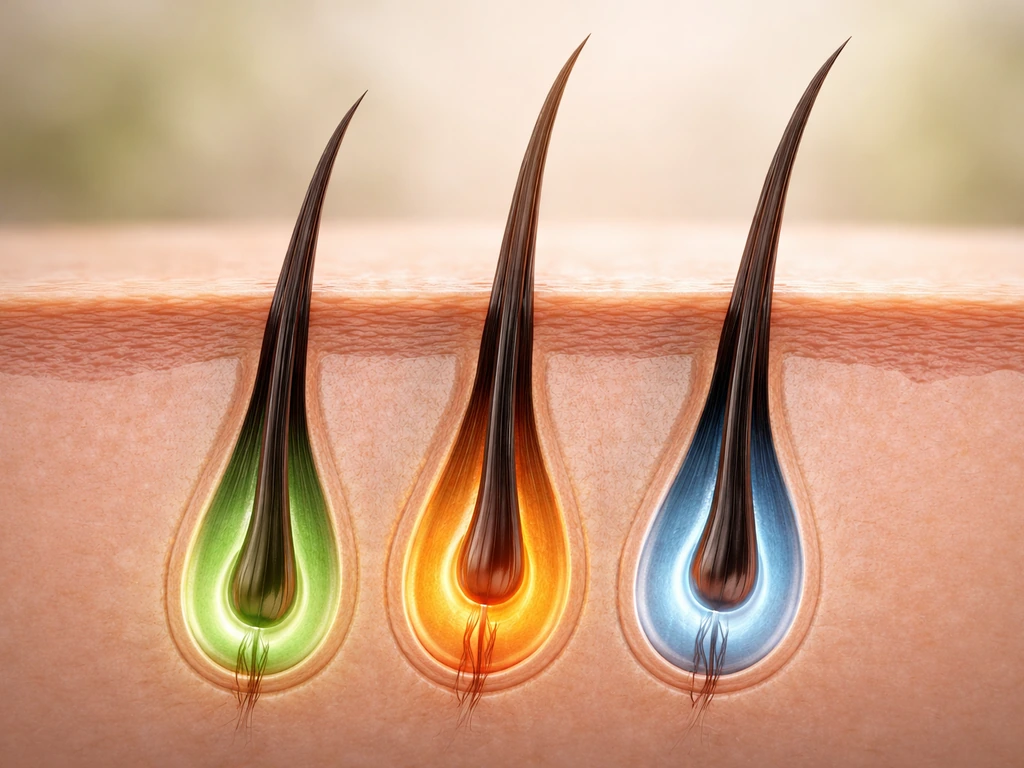
Before you can set realistic expectations for any oil or serum, you need to understand what lash growth actually involves. Each eyelash follicle cycles through three phases independently. The anagen phase (active growth) lasts roughly 30 to 45 days for lashes, which is much shorter than scalp hair. Because the anagen phase for lashes is only about 30 to 45 days, most people do not see major length changes from coconut oil overnight how long does coconut oil take to grow eyelashes. The catagen phase (transition) runs about 14 to 21 days. Then comes telogen (resting), which can last anywhere from 4 to 9 months before the lash finally sheds and the cycle restarts. Total cycle: roughly 5 to 6 months from start to finish.
This is why lash results of any kind take so long. If you have significant lash loss, the resting phase alone means some follicles will not even attempt regrowth for months. This also explains why length, thickness, and regrowth are three different problems. Length is about how long a lash survives before it breaks or sheds. Thickness is about follicle health and the diameter of each individual hair shaft. Regrowth is about whether a dormant follicle re-enters anagen. Coconut oil can genuinely help with the first one and partially with the second, but it has minimal direct influence on the third.
What the evidence actually says about coconut oil on lashes
Coconut oil's most studied property is its ability to penetrate the hair shaft. Unlike most oils, which just coat the surface, the lauric acid in coconut oil has a low molecular weight and high affinity for hair proteins, which lets it get inside the shaft and reduce protein loss from daily handling and environmental stress. The research on this was done on scalp hair, not lashes specifically, but lash hair is structurally similar enough that the mechanism applies.
For lash regrowth after damage, like the kind caused by heavy extensions, mechanical rubbing, or product irritation, coconut oil can support recovery by keeping the remaining lashes intact and creating a healthier environment around the lash line. Virgin coconut oil is the better choice here. It is cold-pressed, unrefined, and retains more of its natural fatty acids and antioxidants compared to refined versions. If you are going to use coconut oil on your eyes at all, use virgin or extra-virgin. Refined coconut oil is not harmful, but you are losing some of what makes the ingredient useful.
To put this in context: clinical treatments like bimatoprost work partly by prolonging the anagen phase and accelerating the shift from telogen back into anagen. DailyMed’s labeling for bimatoprost ophthalmic solution 0.03% states it is FDA-indicated to treat hypotrichosis of the eyelashes by increasing eyelash growth clinical treatments like bimatoprost. Coconut oil does not do that. If your issue is true hypotrichosis or significant follicle dormancy, an oil alone will not get you where you want to go. But if your issue is fragile, sparse-looking lashes due to breakage, coconut oil is a genuinely useful tool.
How to use coconut oil on your lashes, step by step
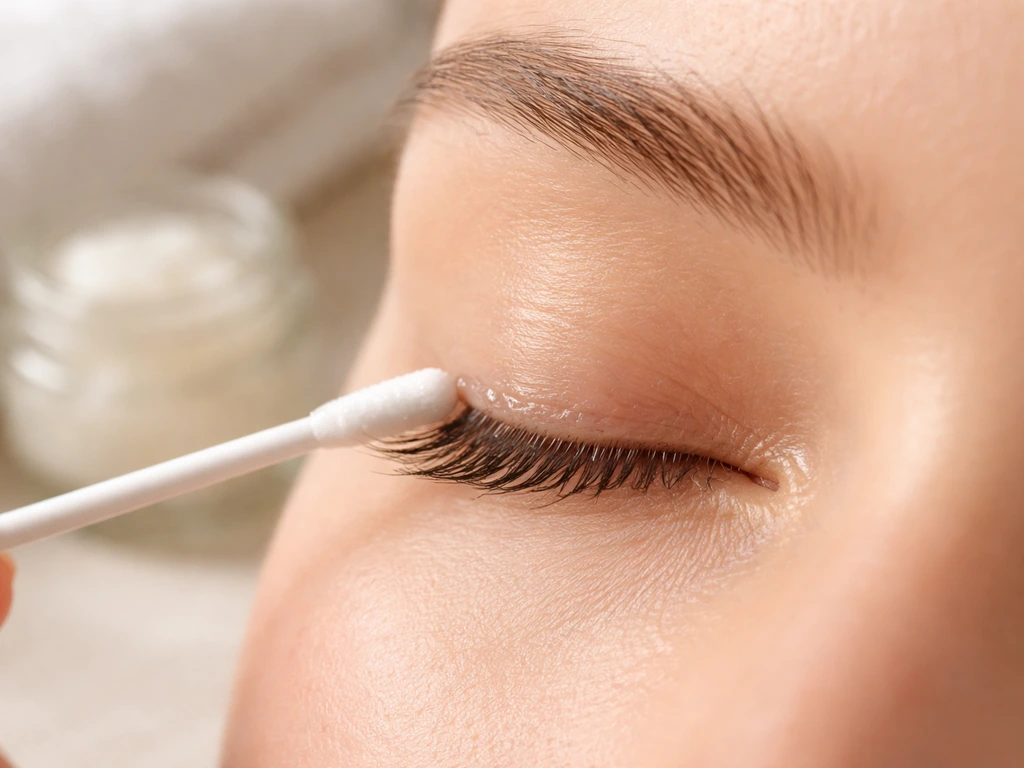
Application matters a lot here, both for effectiveness and safety. Getting oil directly into your eye is uncomfortable and can blur vision temporarily. Getting oil on the inner lash line repeatedly without good hygiene can contribute to bacterial buildup around the follicle openings. Here is exactly how to do it right.
- Remove all eye makeup first. Use a gentle, oil-based or micellar cleanser. Starting with mascara or liner still on the lashes defeats the purpose.
- Wash your hands thoroughly. You are working millimeters from your eyes.
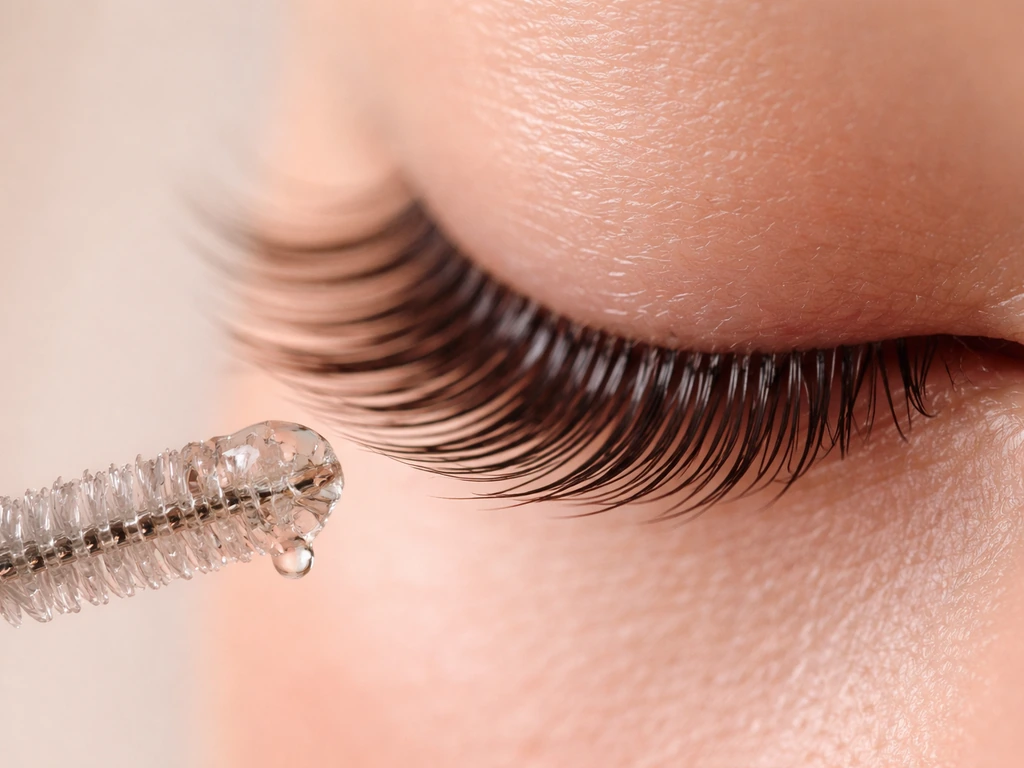
- Scoop a tiny amount of virgin coconut oil, about the size of a grain of rice, onto a clean fingertip or a fresh disposable mascara wand.
- If the oil is solid (it solidifies below about 76°F / 24°C), warm it between your fingertips for a few seconds until it melts. You only need a thin, barely-there coating.
- Apply to the upper lashes by lightly sweeping from the mid-shaft toward the tips. Avoid pressing into the lash line or inner lid margin. You are conditioning the hair shaft, not treating the follicle.
- For lower lashes, use an even smaller amount and apply carefully to the outer portion of the lashes only.
- Leave it on overnight. Coconut oil absorbs slowly and works best with extended contact time.
- Rinse gently in the morning with your normal face wash. If any residue remains around the eye, a warm damp cloth clears it easily.
Frequency: 4 to 5 nights per week is the sweet spot. Every single night can cause minor milia (tiny white bumps) around the eye area in people with oily or acne-prone skin, because coconut oil is comedogenic. A few nights off per week prevents that without sacrificing results. Give it at least 6 to 8 weeks of consistent use before judging whether it is working, because that timeline covers roughly one full anagen cycle.
Coconut oil vs castor oil vs coconut oil combos
This is the comparison most people searching this topic actually need. Castor oil gets more attention for lash growth, and there is a reasonable explanation for why. Castor oil is thicker than coconut oil, and many people find it helps lashes look fuller over time, especially when they are breaking or thinning from damage grow eyelashes with castor oil. Castor oil may help some people with lash growth, so it is worth comparing it directly to coconut oil if you are trying to grow eyelashes can castor oil grow eyelashes. If you are wondering how long castor oil takes to grow eyelashes, the timeline usually still depends on your natural lash cycle, so results are not immediate. Castor oil's main fatty acid is ricinoleic acid, which has demonstrated anti-inflammatory properties that may support a healthier scalp and follicle environment. It is also thicker, which means it coats the lash shaft more heavily and may reduce moisture loss more effectively. Coconut oil is thinner, penetrates deeper into the shaft, and is much gentler. Neither has clinical trial data specifically proving eyelash growth, but they work through different mechanisms.
| Property | Coconut Oil | Castor Oil | Coconut + Castor Mix |
|---|
| Main fatty acid | Lauric acid | Ricinoleic acid | Both |
| Texture | Light, liquid at room temp | Thick, viscous | Medium, more manageable than pure castor |
| Penetrates hair shaft | Yes | Mostly coats surface | Yes (coconut component) |
| Anti-inflammatory potential | Mild | Stronger | Moderate |
| Comedogenic risk | Moderate | Lower | Moderate |
| Best for | Fragile, brittle lashes; breakage | Sparse, thin lashes; volume | Both concerns together |
| Ease of application | Easy | Can feel sticky | Easier than pure castor oil |
Mixing coconut oil and castor oil is genuinely a good practical strategy. A 1:1 blend gives you the penetrating conditioning of coconut oil with the heavier coating and potential anti-inflammatory benefit of castor oil, and it is far easier to apply than straight castor oil, which can feel like trying to paint your lashes with honey. Apply the blend the same way described above. The castor oil component is also what most people in the lash community focus on for regrowth specifically, so if regrowth is your primary goal, lean toward a castor-heavier ratio.
Coconut oil and Vaseline is another combination people ask about. Vaseline (plain petroleum jelly) is an occlusive, meaning it seals moisture in but does not penetrate the hair shaft or add any conditioning benefit on its own. Adding it to coconut oil can extend how long the oil stays on the lash surface overnight, which may improve hydration slightly. But it does not add any hair-growth mechanism. It also increases the risk of milia and can be harder to rinse off completely. The coconut oil alone, or the coconut-castor blend, is the more effective and lower-risk choice.
Using coconut oil for both eyebrows and eyelashes
Coconut oil works well for eyebrows for the same reasons it works on lashes: it conditions coarse brow hairs, reduces breakage from daily grooming, and can improve the overall appearance of sparse or over-plucked areas. The brow hair cycle is actually longer than the lash cycle, so patience is even more important there. Application is simpler for brows because you are further from the eye surface and the risk of getting oil in the eye is lower.
For a combined routine, apply oil to brows first using a clean spoolie brush, working it through the hairs in the direction of growth. Then move to lashes using the separate disposable wand technique described above. Never use the same applicator on brows and lash lines, partly for hygiene and partly because you want much less product near the eye. Keep the brow application a little more generous and the lash application very minimal.
One thing worth noting: if your brow thinning or lash loss is significant and seems to be progressing rather than stable, that is a different conversation than a cosmetic conditioning routine. Thyroid issues, alopecia areata, and several other conditions can cause both brow and lash loss and will not respond to topical oils. A dermatologist visit is the right move in that case.
Safety, real risks, and when to move on to something stronger
Coconut oil is generally safe for use near the eyes, but a few practical cautions are worth spelling out clearly. Mayo Clinic also notes pediatric-age cautions for bimatoprost when it is used as an eyelash-growth indication, along with general side-effect and usage considerations Mayo Clinic notes pediatric-age cautions for bimatoprost eyelash use.
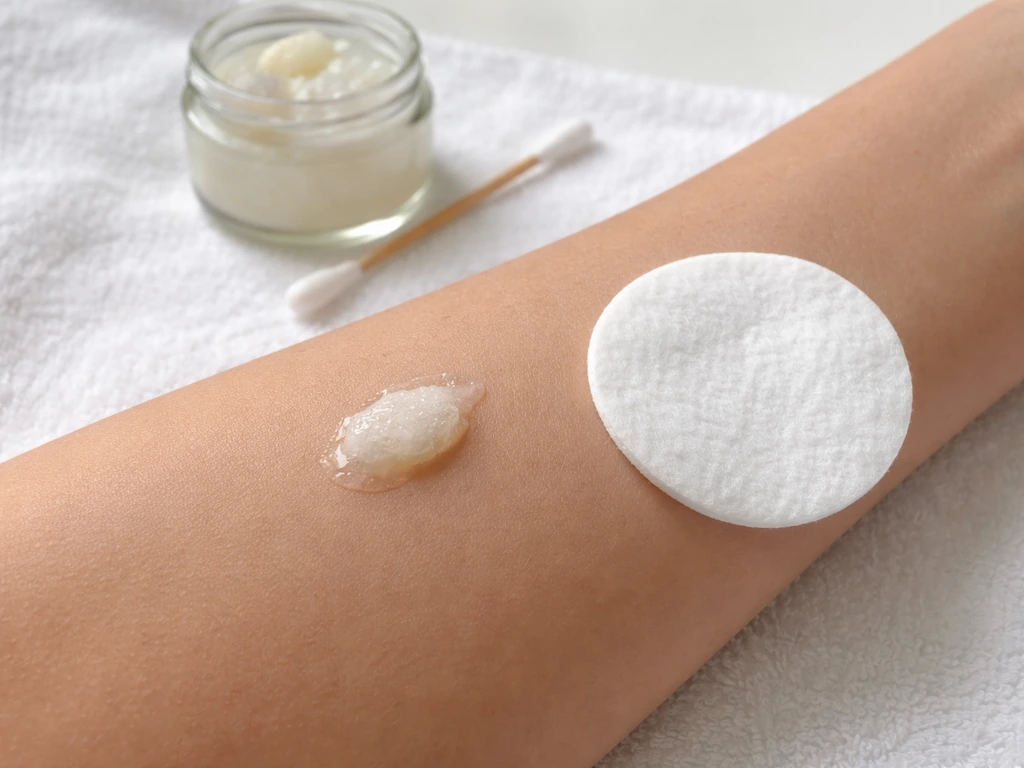
- Patch test first if you have sensitive skin: apply a small amount to your inner arm and wait 24 hours before using it near your eyes.
- Do not apply if you wear contact lenses and plan to put them in soon after. Oil residue can coat lenses and blur vision. Apply only at night after lenses are out.
- Avoid pressing directly onto the lash line or inner lid margin. The meibomian glands along the lid margin can be disrupted by regular oil application right at the edge, potentially contributing to MGD (meibomian gland dysfunction) in sensitive individuals.
- If you experience redness, itching, swelling, or any change in vision, stop immediately and rinse with clean water.
- Use only fresh, clean applicators every time. Do not dip a used wand back into your oil jar. Contamination near the eye is a real infection risk.
- People prone to styes or blepharitis should be cautious. Oil around the lash follicles can exacerbate these conditions.
If you have been consistent with coconut oil for 8 to 12 weeks and are not seeing any improvement in lash condition or fullness, it is time to reassess. Either your lash issue goes beyond what conditioning can address, or you need a more targeted ingredient. Jamaican black castor oil is often discussed for lash thinning, so it can be helpful to compare it with coconut oil if growth is your main goal can jamaican black castor oil grow eyelashes. Castor oil specifically, including Jamaican black castor oil, has a stronger reputation in the lash community for cases involving real thinning. And if your lashes are genuinely sparse or slow to regrow after chemotherapy, extensions damage, or a medical condition, a prescription prostaglandin treatment or over-the-counter lash serum with peptides or biotin is a more appropriate tool. Coconut oil is a good supportive measure and a solid first step, but it has a ceiling.
The bottom line is that putting coconut oil on your lashes can genuinely help, as long as you are clear on what help means here. If you are specifically looking for how to grow eyelashes with olive oil, use it similarly for conditioning, but expect results based on your natural lash cycle rather than true follicle regrowth help means here. It is not going to trigger follicles that have stopped working. Who What Wear’s best eyelash serums overview notes that the most proven lash-growth ingredients are prostaglandin analogs that act on the lash growth cycle, unlike coconut oil which does not trigger inactive follicles blank" rel="noopener noreferrer">It is not going to trigger follicles that have stopped working.. But for lashes that are thinning from breakage, brittleness, or extension damage, consistent use of virgin coconut oil over 6 to 8 weeks can produce a real visible difference. Keep your expectations calibrated to the biology, apply it carefully, and you are unlikely to be disappointed.