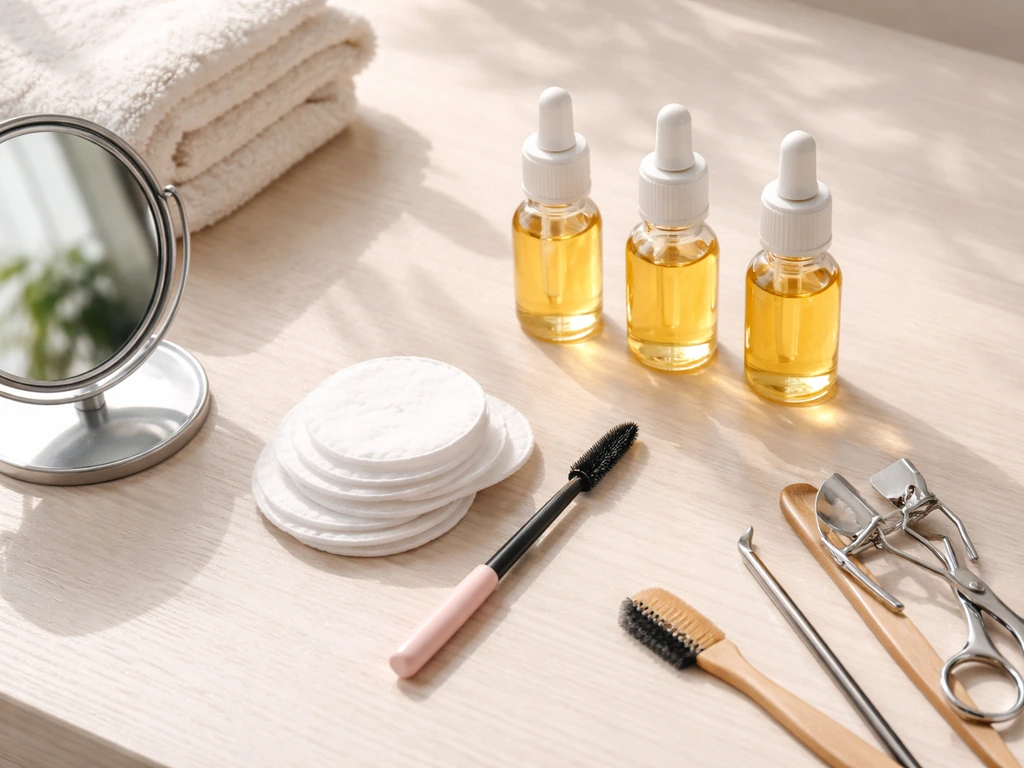
Castor oil can help your eyelashes look longer, feel stronger, and break less often. Whether it can trigger true new growth from a dormant follicle is a different question, and the honest answer is: probably not in the way a prescription treatment like bimatoprost (LATISSE) can. But that doesn't mean it's useless. If your lashes are thinning from breakage, dryness, or damage from extensions, castor oil may be exactly what you need. Here's what the evidence actually says and how to use it properly.
Can Castor Oil Grow Eyelashes? Evidence, Use, and Timeline

Rachel Nguyen
19 Apr 2026
Does castor oil grow eyelashes or just make them look better?
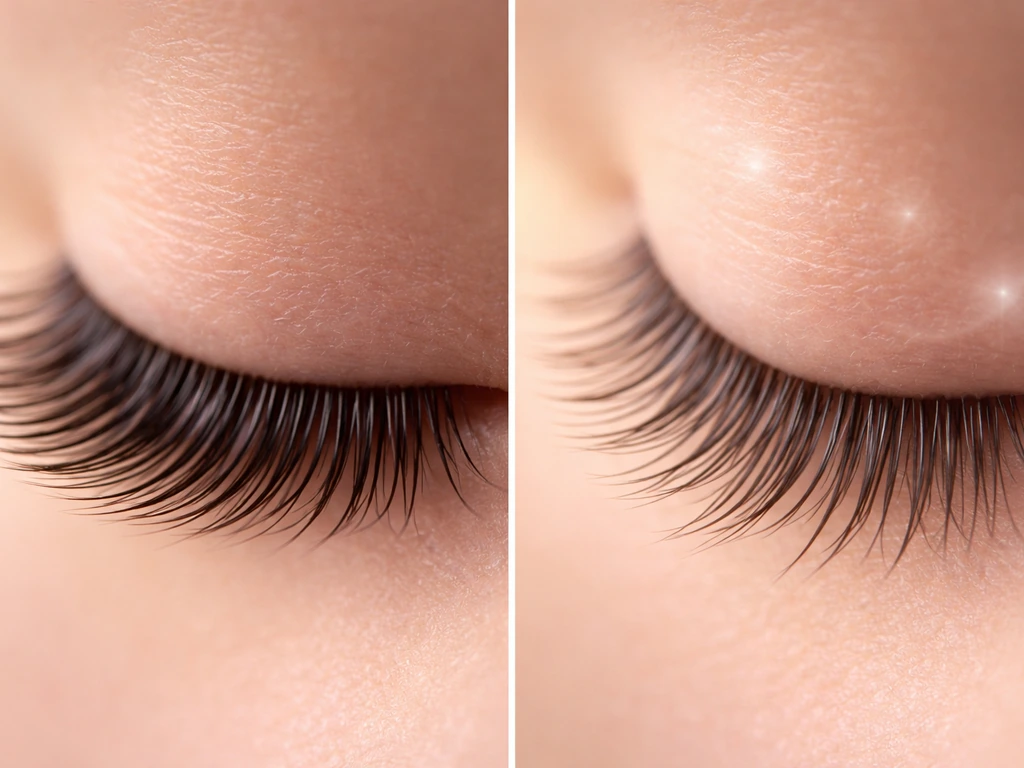
This is the question worth answering first, because confusing "growth" with "appearance" leads to a lot of disappointment. True eyelash growth means extending the anagen (active growth) phase of the lash cycle or reactivating a follicle that has stopped producing hair. That's what pharmaceutical options like bimatoprost are clinically proven to do, and it's why LATISSE is the only FDA-approved product for eyelash growth in the United States.
Castor oil hasn't been shown to do that in controlled clinical studies. What it has been shown to do, including in a randomized trial examining topical castor oil for blepharitis, is soothe and lubricate the eyelid margin, reduce lash matting, and improve signs of eyelid inflammation. In practical terms, this means castor oil creates a better environment for the lashes you already have to survive longer, break less, and appear thicker. If you're losing lashes primarily because they're brittle, dried out, or the follicle area is irritated, castor oil can genuinely help. If your follicles are dormant or you have medical-level hypotrichosis, it's unlikely to be enough on its own.
The distinction matters. People who use castor oil consistently often notice their lashes look longer and fuller after a few weeks, and that's real. It's just happening because fewer lashes are snapping off mid-cycle, not because new lashes are sprouting faster. That said, keeping existing lashes intact through a full growth cycle is genuinely meaningful, especially if damage from extensions, rubbing, or over-curling has been shortening your visible lash length.
How castor oil may actually help your lashes
Castor oil is rich in ricinoleic acid, a fatty acid that makes up roughly 85 to 95 percent of its composition. This gives it a thick, highly occlusive texture that coats the lash shaft, seals in moisture, and reduces friction-related breakage. Here's how that plays out biologically.
- Conditioning and reducing breakage: Lashes that are well-coated resist mechanical damage from rubbing, makeup removal, and curling irons. Fewer breaks mean lashes stay on the follicle longer and reach their full length.
- Lubricating the lid margin: The blepharitis trial mentioned above found castor oil improved eyelid margin health, which matters because follicles sit right at that margin. A healthier follicle environment supports normal lash cycling.
- Anti-inflammatory properties: Ricinoleic acid has demonstrated anti-inflammatory activity in research, and chronic low-level eyelid inflammation (like mild blepharitis or post-extension irritation) is a known contributor to lash shedding.
- Moisturizing the follicle zone: Dry skin around the lash line can disrupt the telogen-to-anagen transition. Keeping this area hydrated may support a smoother cycle.
None of these mechanisms are the same as pharmacologically extending the anagen phase, but they're not nothing either. Think of castor oil as optimizing the conditions for your existing lash cycle rather than overriding it.
Realistic timelines: what to expect and when

The eyelash growth cycle has three phases: anagen (active growth, roughly 22 to 55 days for lashes), catagen (a transition phase lasting about 15 days where the lash stops growing and detaches from its blood supply), and telogen (the resting and shedding phase, which can last 4 to 9 months). That long telogen phase is important. It means a lash you lose today may not be replaced visibly for several months, which has nothing to do with what product you're using.
With consistent castor oil use, most people report noticing a difference in lash texture and fullness somewhere between 4 and 8 weeks. That aligns with one full lash replacement cycle in the faster end of the range. If your lashes are damaged or sparse from extensions or pulling, give it a full 3 months of nightly application before making a judgment call. What you're watching for is less shedding, a slightly fuller lash line, and lashes that seem to reach longer lengths before falling out.
Before-and-after photos taken in the same lighting, at the same angle, every four weeks are the most reliable way to track real progress. Changes are gradual enough that day-to-day comparison is misleading. If after 3 months of consistent nightly use you see no meaningful difference, castor oil probably isn't going to be the solution for your specific situation, and it's worth exploring other options.
How to apply castor oil to your eyelashes safely
Application method matters a lot here, both for effectiveness and for avoiding eye irritation. Sloppy application is the main reason people end up with blurry vision or irritated eyes after trying castor oil on lashes.
- Remove all eye makeup first. Castor oil applied over mascara or eyeliner is less effective and harder to keep out of the eye.
- Wash your hands and make sure your face is clean and dry.
- Dip a clean, disposable mascara wand or a very fine eyeliner brush into a small amount of castor oil. You only need a tiny amount, about the size of a sesame seed, for both eyes.
- Apply along the base of your upper lash line, as close to the lash roots as possible without getting oil directly into the eye. Think of it as where you'd apply eyeliner, not where you'd apply mascara.
- Blink gently. A small amount of transfer to the lower lashes is fine.
- Leave it on overnight. Castor oil is too thick and heavy to wear comfortably under makeup.
- Wash it off in the morning with your regular cleanser. An oil-based or micellar cleanser removes it most easily.
- Repeat nightly or at least 4 to 5 nights per week for consistent results.
The key tool is a clean, fine-tipped applicator. A mascara wand (the disposable kind you can buy in bulk) works well because it distributes the oil evenly through the lashes. A cotton swab can also work but tends to deposit too much product and is harder to control near the eye. Never apply castor oil with your fingers directly to the lash line because the amount deposited is too unpredictable and finger contact increases the risk of introducing bacteria to the eye area. If you want to also treat your brows, use the same wand technique and stroke it through the brow hairs toward the growth direction.
Which type of castor oil is actually worth buying

The market is full of labels like cold-pressed, organic, pure, Jamaican black, and hexane-free, and it's genuinely confusing. Here's a breakdown of what the differences actually mean for eyelash use.
| Type | What it is | Best for lashes? |
|---|---|---|
| Cold-pressed castor oil | Extracted without heat, preserving more of the fatty acid content and natural color (pale yellow) | Yes, this is the gold standard for skin and lash use |
| Organic castor oil | Cold-pressed from organically grown beans, free from pesticide residues | Yes, especially if you're sensitive or applying near the eyes |
| Pure/refined castor oil | Processed and decolorized, often clearer and thinner, some nutrients stripped | Acceptable, but slightly less nutrient-dense than cold-pressed |
| Jamaican Black Castor Oil (JBCO) | Made from roasted castor beans; darker color and higher ash content from roasting | Popular for hair, fine for lashes, but no strong evidence it outperforms regular cold-pressed |
| Hexane-extracted castor oil | Uses chemical solvents to extract oil; cheaper but may leave trace residues | Avoid near the eye area |
For eyelash use, cold-pressed organic castor oil is the practical recommendation. It has the highest ricinoleic acid content, is less likely to contain processing residues, and is widely available for under $15 for a bottle that will last months. Jamaican Black Castor Oil has a strong following in the natural hair community and is perfectly safe, but the roasting process doesn't add proven lash-growth benefit over standard cold-pressed. If you're comparing castor oil to other oils for lashes, <a data-article-id="059139B4-5C4E-454B-8A17-A5460CB8776B">like coconut oil</a>, castor oil wins on thickness and occlusive barrier properties, though coconut oil has its own conditioning benefits for finer lashes. Append a related option for comparing oils by noting that coconut oil has its own eyelash timeline question: how long does coconut oil take to grow eyelashes like coconut oil. If you prefer olive oil, use it in a similar way and make sure you avoid getting it too close to your eyes like coconut oil.
Safety, side effects, and what to watch out for
Applying anything near your eyes carries real risks, and castor oil is not entirely without them. The most important thing to know is that castor oil can cause allergic contact dermatitis in some people. Case reports have documented sensitization reactions to castor oil even on first-time use, sometimes involving the eyelids or periocular skin. This isn't common, but it's worth knowing before you slather it on nightly.
Always do a patch test first. Apply a small amount of castor oil to the inside of your wrist or the back of your ear and wait 24 hours. If you see redness, itching, or swelling, skip it entirely. If you get the green light, start with every other night for the first week to see how your eyelid skin responds before going nightly.
- Blurry vision: If castor oil gets into the eye, it will temporarily blur your vision. This isn't dangerous but is disorienting. Apply carefully and blink slowly after application. If it happens, blink it out or rinse with water.
- Eyelid irritation or stinging: Stop use if you notice persistent redness, swelling, or a burning sensation at the lash line.
- Milia or clogged follicles: Castor oil is very occlusive. Some people develop small white bumps (milia) around the eye area from nightly heavy oil application. If this happens, reduce frequency or switch to a lighter oil.
- Contaminated product: Because you're dipping an applicator into the bottle repeatedly near your eye, bacteria buildup is a real concern. Decant a small amount into a separate clean container and replace it weekly. Never dip a used wand back into the main bottle.
- Avoid during active eye infections: Don't use castor oil on your lashes if you have conjunctivitis, a stye, or any active eye infection.
Contact lens wearers should apply castor oil at night after removing lenses and wait until the morning to reinsert them. Even small amounts of oil on lenses can distort vision and damage the lens material.
When castor oil isn't enough: next steps and alternatives
If you've been consistent for 3 months and your lashes haven't responded, it's a signal to look at what's actually driving the loss. Castor oil works best on lashes that are damaged or breaking, not on lashes that are thinning due to hormonal changes, nutritional deficiencies, thyroid issues, or alopecia. Ruling out an underlying cause with a dermatologist or your GP is a worthwhile step before investing more time in topical treatments.
For more significant thinning or regrowth after a medical condition, prescription bimatoprost (LATISSE) is the only FDA-approved option with clinical evidence behind it. Studies measured meaningful improvements at 8, 12, and 16 weeks of use, which is a faster and more reliable timeline than castor oil for true follicle-level regrowth. It's worth having a conversation with a dermatologist or ophthalmologist if you're at that stage.
Over-the-counter lash serums often contain peptides, biotin, and panthenol alongside oils, and some have decent evidence for improving lash thickness and reducing shedding without the cost of a prescription. Biotin supplementation is popular, though evidence for topical biotin on lash growth specifically is limited. Addressing nutrition gaps (particularly iron and protein, both of which affect hair cycling) can also make a real difference if deficiency is a factor.
If you're recovering from extension damage specifically, the conditioning and anti-breakage benefits of castor oil are at their most relevant. The trauma from adhesive removal and the pulling stress on follicles responds well to a consistent oil routine combined with a break from extensions. Pairing castor oil with a peptide-based serum during this recovery phase is a combination worth trying before escalating to prescription treatments. How long that recovery takes depends on how many lash cycles were disrupted, but most people see meaningful improvement within 2 to 3 full cycles, roughly 3 to 6 months.
FAQ
Can castor oil make lashes grow from zero, like if I have almost none left?
If your follicle area is dormant, castor oil is unlikely to restart growth. It may still help by reducing inflammation and breakage, so you might see better retention of whatever lashes remain, but true new lash regrowth is not consistently supported.
Is it better to use castor oil every night or a few times per week?
Start every other night for the first week to check for irritation, then switch to nightly if your eyelid skin tolerates it. Using less often usually reduces benefit since the goal is to protect against ongoing friction and dryness through each lash cycle.
How close should I apply it to the lash line without getting it in my eyes?
Keep the product off the wet inner corner and off the waterline. Use a fine, clean wand to coat the lashes from near the base outward, aiming for the lash shaft rather than flooding the eyelid margin.
Can I wear makeup or lash extensions while using castor oil?
You should avoid putting oil under extensions during the densest part of recovery, since trapped oils can worsen irritation for some people. If you wear mascara, apply castor oil at night and use a gentle remover in the morning, avoiding aggressive rubbing.
What if my eyes get blurry after application?
Blurriness usually means the oil migrated into the eye or spread across the eyelid in a way that affects the tear film. Stop and re-apply more lightly next time, keep it farther from the waterline, and if blur or burning continues, discontinue.
Do I need to wash the applicator wand between uses?
Yes. Reusing a contaminated or oil-soaked wand increases the risk of introducing bacteria to the periocular area. Ideally use a disposable wand for each application or sanitize and fully dry it before reuse.
Can castor oil clog glands or trigger styes?
It can be an issue for people prone to meibomian gland dysfunction or styes, especially if too much product gets onto the eyelid margin. If you notice recurring stinging, swelling, or tender bumps, switch to a lighter application or pause and check with an eye care professional.
Is there any sign my castor oil allergy is developing before it gets serious?
Watch for itching, redness on the eyelids, or a rash-like reaction within 24 to 72 hours of starting. Even one reaction can indicate sensitization, so discontinue and avoid re-testing without medical guidance.
Should I stop if I see more shedding at first?
A temporary increase in shedding can happen because lashes naturally cycle through telogen and shedding can occur regardless of topical products. If shedding continues alongside no improvement after about 8 to 12 weeks, reassess whether breakage, dryness, or a different underlying cause is driving the problem.
If I’m wearing contact lenses, can I use castor oil during the day?
Best practice is to apply at night after removing lenses, then wait until morning to reinsert. Daytime use increases the chance oil transfers to lenses, which can distort vision and potentially affect lens material.
Will castor oil work faster if I pair it with a peptide lash serum?
It can, especially during extension recovery where the main win is improved retention and reduced breakage. However, stack only one new product at a time if you are irritation-prone, since combining too many actives makes it harder to identify what caused redness.
How do I know castor oil isn’t working for me?
Use consistent, same-lighting photos every four weeks. If there is no meaningful improvement after 3 months of nightly use, it likely means your lash thinning is driven by hormones, nutrition gaps, thyroid issues, alopecia, or a follicle-level problem where castor oil is not sufficient.
Is it safe to use castor oil on both brows and lashes?
Yes for many people if you use the same wand technique and follow patch-testing, but brow skin can react differently. Apply lightly and avoid letting oil run toward the eyes, especially near the inner brow where it can drift.
Next Article
How to Grow Eyelashes Naturally at Home: Step by Step
Step-by-step natural eyelash growth plan: safe home care, growth-cycle biology, timelines, remedies, and when to see a d