Certain foods genuinely support eyelash growth by supplying the nutrients your follicles need to produce strong, full lashes: eggs and lean meat for protein and biotin, lentils and spinach for iron, pumpkin seeds and oysters for zinc, sweet potatoes and carrots for vitamin A, and fatty fish for omega-3s. None of them work overnight, and none will compensate for a clinical issue like alopecia on their own, but if your diet is missing these building blocks, your lashes will show it, and fixing the gap makes a real difference.
What Food Makes Your Eyelashes Grow Faster: Best Nutrients

Rachel Nguyen
7 May 2026
Why food matters for lash growth (and what it can't do)
Eyelash follicles cycle through three phases: anagen (active growth), catagen (a short transition of about 15 days), and telogen (rest and shedding). At any given moment, roughly 50% of your upper lash follicles are in telogen, which is a much higher resting fraction than scalp hair. The full cycle takes somewhere between 4 and 11 months. That timeline matters because diet changes don't bypass the cycle. What food does is fuel the anagen phase so the lashes that are actively growing come in thicker, longer, and stronger instead of weak and sparse.
What food can't do is instantly flip resting follicles into active growth or reverse damage from extensions, heat, or rubbing. Since eyelash growth is mostly driven by follicle cycling and nutrient availability, sunlight itself does not appear to be the factor that makes your eyelashes grow does sunlight make eyelashes grow. It also won't replace a clinical treatment if you're dealing with something like alopecia areata. Where diet genuinely moves the needle is in preventing deficiency-driven shedding.
Research on telogen effluvium (the diffuse shedding pattern triggered by internal stressors) consistently lists crash dieting and low protein intake as direct causes. Cut calories too aggressively or chronically under-eat protein, and you can push follicles into early rest. Fix those deficits, and you remove one of the most common and correctable reasons lashes thin out.
Key nutrients lashes need and their food sources
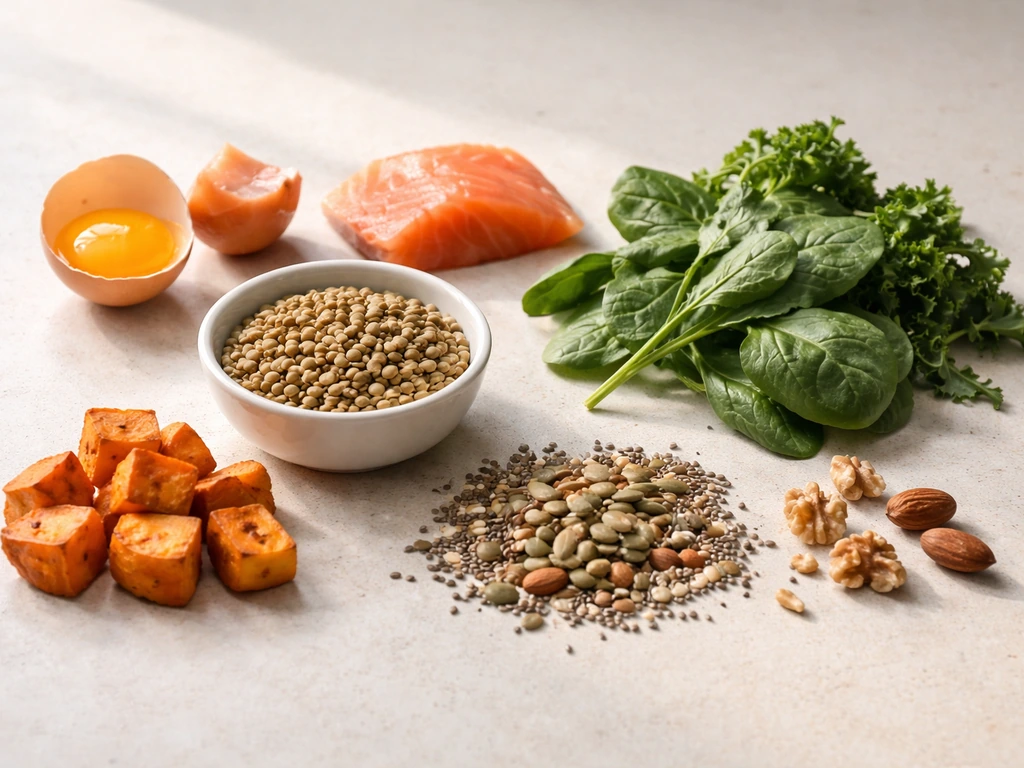
Lash hairs are made almost entirely of keratin, a protein. Every nutrient below either builds that protein structure directly or keeps the follicle environment healthy enough to produce it.
| Nutrient | Why it matters for lashes | Top food sources | Daily target (adults) |
|---|---|---|---|
| Protein | Raw material for keratin, the structural protein lashes are made of | Eggs, chicken, fish, Greek yogurt, lentils | 0.8g per kg body weight minimum; more if recovering |
| Biotin (B7) | Deficiency causes thinning and body-wide hair loss; supports keratin synthesis | Eggs, liver, salmon, sunflower seeds, sweet potato | 30 mcg (deficiency is rare but impactful) |
| Iron | Deficiency is directly linked to telogen effluvium and diffuse shedding | Red meat, spinach, lentils, tofu, fortified cereals | 18 mg/day (women); 8 mg/day (men) |
| Zinc | Deficiency causes alopecia; supports follicle repair and protein synthesis | Oysters, pumpkin seeds, beef, chickpeas, cashews | 8 mg/day (women); 11 mg/day (men) |
| Vitamin A | Deficiency causes follicular changes and hair loss; supports cell turnover in follicles | Sweet potato, carrots, liver, spinach, eggs | 700 mcg RAE/day (women); 900 mcg RAE/day (men) |
| Vitamin C | Supports collagen production and improves iron absorption from plant foods | Bell peppers, citrus, strawberries, broccoli, kiwi | 75–90 mg/day |
| Vitamin E | Antioxidant that protects follicle cells from oxidative stress | Almonds, sunflower seeds, avocado, olive oil | 15 mg/day |
| Omega-3 fatty acids | Reduce inflammation around follicles; support scalp and lash line health | Salmon, sardines, walnuts, flaxseed, chia seeds | 1.1–1.6g ALA/day minimum |
A quick note on biotin specifically: supplementing it when you're not deficient does very little according to a systematic review of the evidence. Green tea is sometimes discussed for lash growth, but evidence for it specifically is limited, so treat it as a potential add-on rather than a reliable strategy biotin specifically. Biotin supplements are everywhere in the beauty space, but the science says the benefit is largely confined to people who are actually deficient. Getting biotin from food (eggs are the easiest source) is sensible, but spending money on high-dose biotin pills when your levels are fine is unlikely to do much for your lashes.
Best foods to eat for longer, thicker lashes
Eggs
Eggs are probably the single most efficient lash-support food. One whole egg delivers complete protein (all essential amino acids your follicles use to build keratin), biotin, vitamin A, and some zinc. Two eggs at breakfast covers a meaningful portion of your daily biotin needs without any supplement.
Fatty fish (salmon, sardines, mackerel)
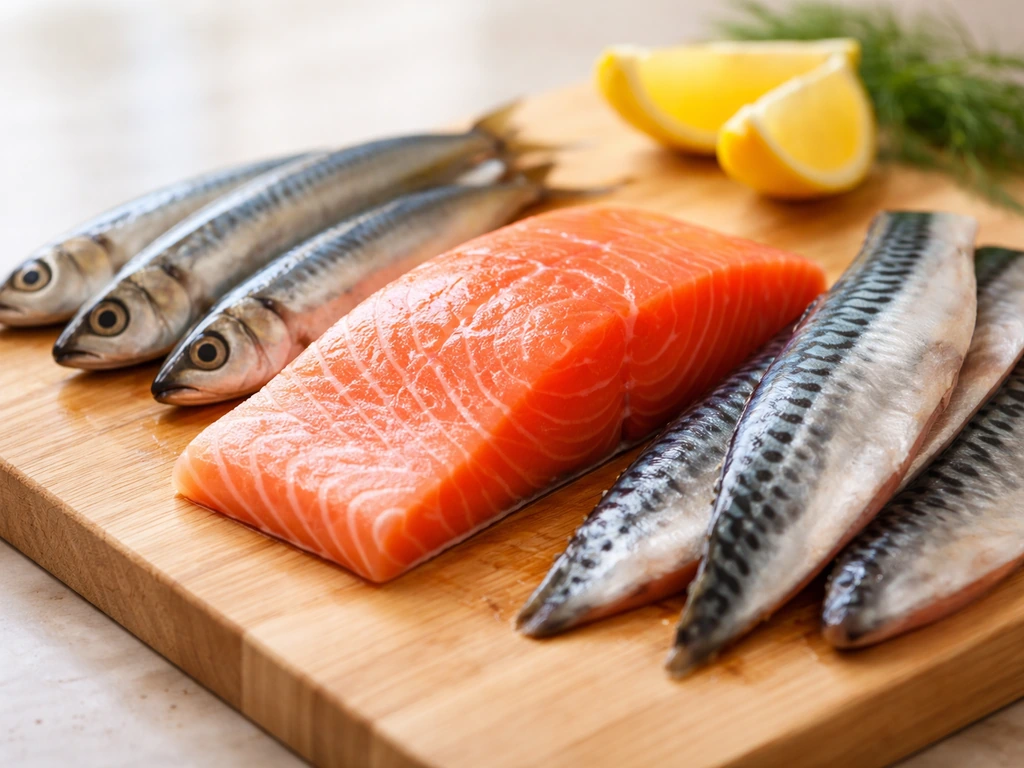
Salmon and sardines give you omega-3s to reduce follicle inflammation, protein for keratin building, and vitamin D, which also appears in the nutrient-deficiency hair loss literature. Aim for two to three servings a week. Canned sardines and mackerel are cheaper options that deliver the same nutritional profile.
Lentils and legumes
Lentils are a powerhouse for plant-based eaters: one cooked cup delivers protein, iron, zinc, and folate (a B vitamin involved in cell division in the follicle). Pair them with vitamin C-rich foods like bell peppers or tomatoes to boost iron absorption, since plant-based iron is less readily absorbed than the kind from meat.
Sweet potatoes and carrots
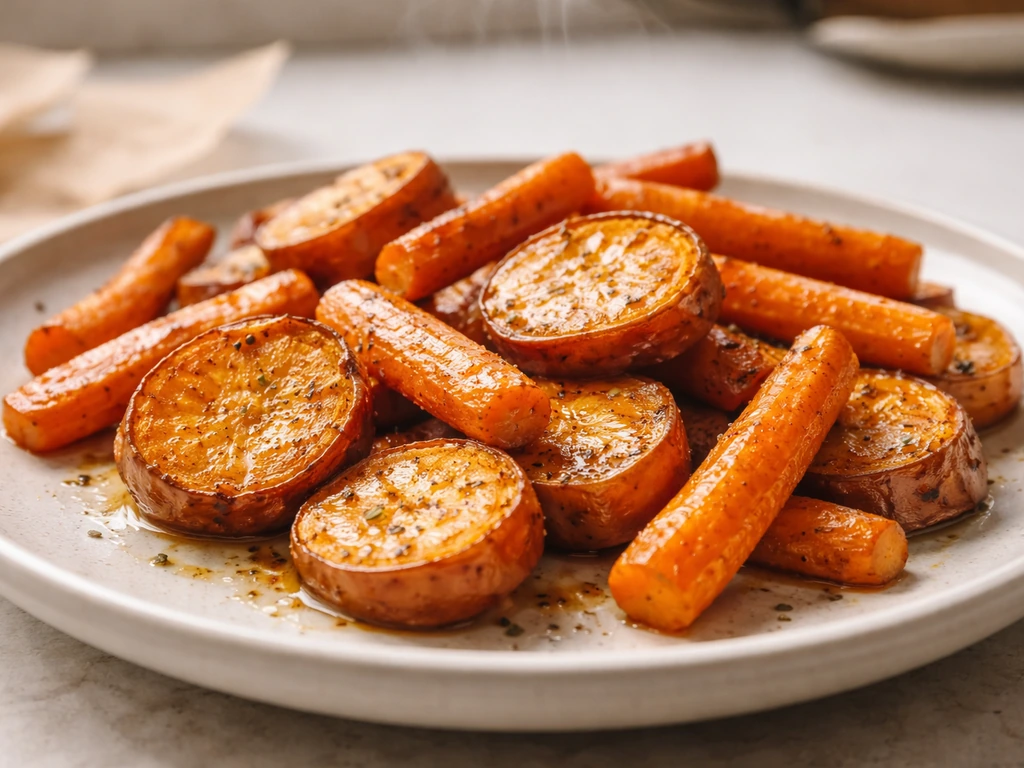
Both are loaded with beta-carotene, which your body converts to vitamin A. Vitamin A deficiency is associated with follicular changes that impair hair production, and it's an easy gap to close with a medium sweet potato (which contains well over the daily RDA for vitamin A). Men need 900 μg RAE/day of vitamin A and women need 700 μg RAE/day, which is the RDA value commonly used for targeting intake 900 μg RAE/day for men and 700 μg RAE/day for women. One caution: excessive vitamin A from supplements, not food, can actually trigger hair loss, so stick to food sources.
Pumpkin seeds and oysters
Zinc is one of the more overlooked lash nutrients. Oysters are the highest dietary zinc source by a wide margin. For people who don't eat shellfish, a handful of pumpkin seeds daily (about 28g) provides roughly 2–3 mg of zinc and fits easily into any eating pattern as a snack or salad topper.
Spinach and dark leafy greens
Spinach delivers iron, vitamin A, vitamin C, and some vitamin E in a single food. It's one of the most efficient nutrient-dense choices for lash support, especially if you're vegetarian or vegan and need to be deliberate about getting iron and fat-soluble vitamins.
Nuts, seeds, and avocado
Almonds and sunflower seeds are reliable vitamin E sources. Walnuts add omega-3s. Avocado contributes both vitamin E and healthy fats that help absorb fat-soluble vitamins A, D, and E from other foods you eat at the same meal. These are easy additions to meals without much effort.
Foods to limit if you're trying to regrow lashes
No single food directly destroys lash growth, but patterns and deficits matter a lot. These are the dietary habits most likely to work against your follicles.
- Very low calorie diets and crash dieting: This is the biggest one. Aggressive caloric restriction is a documented trigger for telogen effluvium, where follicles shift into a resting and shedding phase. The shedding typically shows up 2–3 months after the period of restriction, which is why people often don't connect the cause and effect.
- Chronically low protein intake: Lash hairs are made of keratin. If you're consistently eating very little protein (common in restrictive diets or just from not prioritizing it), your body will deprioritize hair and lash production in favor of critical functions.
- Processed foods high in refined sugar: These displace nutrient-dense foods and can promote inflammation, which is not a helpful environment for follicle health. They're not toxic to lashes in small amounts, but a diet dominated by them creates consistent micronutrient gaps.
- Alcohol in large quantities: Heavy alcohol intake interferes with nutrient absorption, particularly zinc, iron, and B vitamins, all of which your lashes need. Moderate occasional drinking is unlikely to matter, but chronic heavy use compounds nutritional deficits.
- Raw egg whites in large amounts: A niche one, but worth mentioning since eggs are recommended for biotin. Raw egg white contains avidin, a protein that blocks biotin absorption. Cooking deactivates it, so this only applies to people consuming large quantities of raw egg whites regularly.
Simple daily lash-growth meal ideas and grocery list
You don't need a complicated plan. The goal is to consistently hit your protein target and rotate through the key nutrients above across meals. Here's a simple framework that covers all the major lash-support nutrients without being a restrictive diet.
Sample daily meal structure
- Breakfast: Two scrambled eggs with spinach and a glass of orange juice (protein, biotin, iron, vitamin C to boost iron absorption, vitamin A).
- Lunch: Lentil soup or a chickpea salad with roasted red peppers, olive oil, and a handful of pumpkin seeds on top (iron, zinc, vitamin C, protein, vitamin E).
- Snack: A small handful of almonds or walnuts with a piece of fruit (vitamin E, omega-3s, vitamin C).
- Dinner: Baked salmon or sardines with roasted sweet potato and steamed broccoli (omega-3s, protein, vitamin A, vitamin C, vitamin D).
- Optional add-on: Half an avocado anywhere in the day to boost fat-soluble vitamin absorption.
Grocery list to keep on hand
- Eggs (a staple, buy weekly)
- Canned salmon or sardines (easy, affordable, shelf-stable)
- Lentils or canned chickpeas
- Spinach (fresh or frozen both work)
- Sweet potatoes and carrots
- Bell peppers (any color, high in vitamin C)
- Pumpkin seeds and almonds
- Walnuts or flaxseed
- Avocados
- Greek yogurt (bonus protein and some zinc)
- Citrus fruit or berries (vitamin C)
How long diet takes to show results and what to do next
Be realistic about timing. The eyelash growth cycle runs 4 to 11 months in total. Even if you improve your diet starting today, you're fueling follicles that are moving through their current cycle stage. You're unlikely to see obvious lash improvement before 2 to 3 months of consistent eating changes, and that's on the early end. Think of the first month as stopping the damage, the second and third months as laying groundwork, and months three through six as when you might notice lashes coming in fuller in a new growth phase.
If you've been crash dieting or severely restricting protein, research suggests the shedding lag from telogen effluvium runs about 2–3 months after the triggering period. That means if you fix your diet now, the shedding that started from that restriction may still continue for a short time before it stops. That's normal and not a sign that diet isn't working.
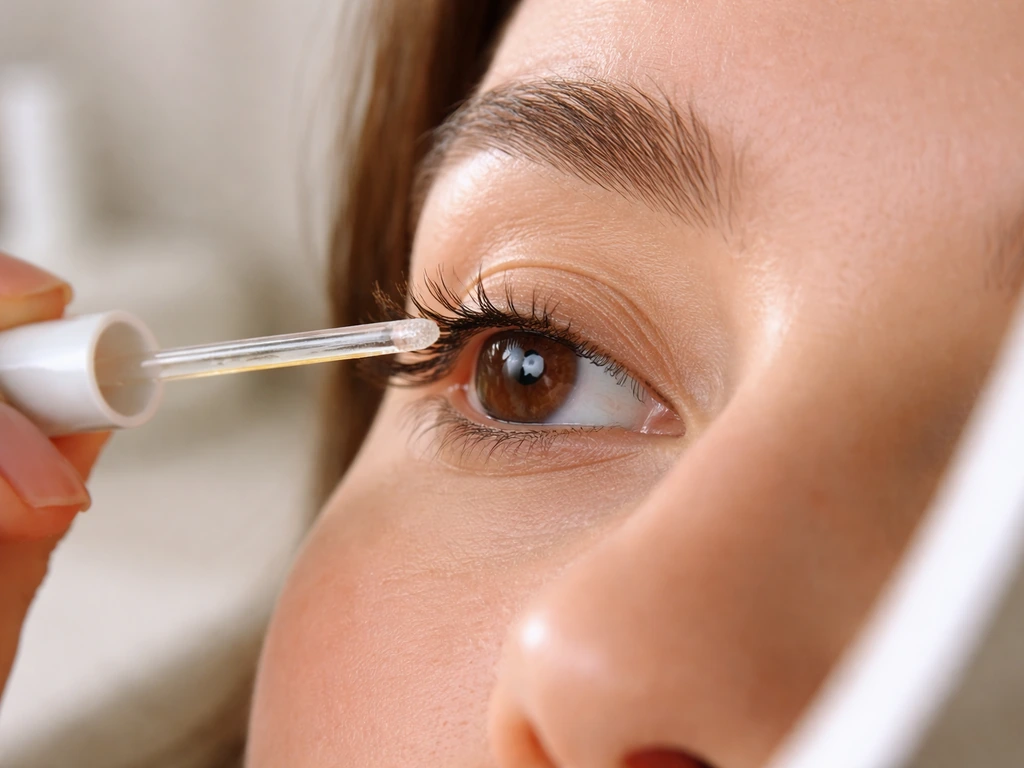
Diet is the foundation, but it's rarely the only lever worth pulling. Water alone does not directly make eyelashes grow, but staying hydrated supports overall health. If you're also applying a lash-supportive oil (like castor oil or a vitamin E-rich oil along the lash line), or using an evidence-based eyelash serum, you're supporting the follicle from both the inside and outside simultaneously, which is the most efficient approach.
If you're considering a contact solution or any other topical product around your lash line, look for evidence-based ingredients rather than assuming it will act like a lash serum evidence-based eyelash serum. Salt water is not a proven way to grow eyelashes, and using it around the eyes can irritate the skin and potentially do more harm than good.
Similarly, if you've been curious about whether specific topical applications like green tea or hyaluronic acid can support lash growth, those work through different mechanisms than diet but can complement a nutrient-rich eating plan. Topical approaches and diet aren't competing strategies.
If you've genuinely cleaned up your diet for three to six months, you're hitting your protein and micronutrient targets, and your lashes still aren't recovering, it's worth getting bloodwork done to check ferritin (stored iron), zinc, vitamin D, and thyroid function. Sometimes a deficiency is deeper than diet alone can correct quickly, or there's an underlying issue (thyroid disorders are a common one) driving the thinning. That's when a dermatologist conversation makes sense and when prescription-grade options may be more appropriate than continuing to wait.
FAQ
How long after changing my diet will I actually notice my eyelashes getting longer or thicker?
Most visible change takes at least 2 to 3 months, because lashes follow a multi month follicle cycle. If your thinning was triggered by a past diet change, shedding can continue for about 2 to 3 months after you improve intake, then gradually slow.
Can I take high-dose biotin pills to make my eyelashes grow faster?
If you are not biotin deficient, high-dose supplements usually do not add much. Food sources are enough for most people, and very large supplemental doses can also interfere with certain lab tests, so check with a clinician before high-dose use.
What should I eat if I do not eat eggs or shellfish?
Use plant and other animal protein sources for keratin building, include iron plus vitamin C together (like lentils with tomatoes or bell peppers), and cover zinc with alternatives such as pumpkin seeds. For omega 3s, choose fatty fish you do eat, or consider algae based omega 3 to replace shellfish fatty fish.
Are there any foods that will cancel out the growth benefits of nutrients?
There are not specific foods that directly destroy eyelash growth, but chronic patterns like very low calorie intake and consistently low protein can push follicles toward earlier resting. Alcohol excess and overall poor nutrition can also make deficiencies more likely.
What protein amount should I target to avoid diet related eyelash shedding?
A practical approach is to aim for a steady daily protein intake across meals rather than one heavy dose. If you have been restricting calories, prioritize protein first, because telogen effluvium risk is higher when protein is consistently too low.
Can vitamin A help if I already eat a lot of vegetables?
Vitamin A from food can support follicle function, but more is not always better. Keep it food based, since excessive vitamin A from supplements is more likely to trigger shedding than carrot or sweet potato intake.
Do omega 3 supplements work, or is it only about eating fatty fish?
Omega 3s can come from food or supplements, but if your diet already includes fatty fish a few times weekly, adding supplements may not add much. If you do use supplements, choose reputable brands and do not treat them as a replacement for protein and micronutrient adequacy.
If my eyelashes are falling out unevenly or in patches, should I still focus on food?
Patchy, sudden, or rapidly worsening loss can point to a clinical issue rather than diet deficiency. Diet can still support overall health, but you should seek medical advice if you suspect conditions like alopecia areata.
Can I use lash oil or serum while I adjust my diet?
Yes, combining internal nutrition with a lash supportive topical can be helpful, but avoid putting irritating products on the lash line. If you use a serum, choose one with evidence based ingredients rather than relying on unproven claims, and stop if you get redness or stinging.
What blood tests are most useful if my lashes do not improve after 3 to 6 months?
Consider asking about ferritin (stored iron), zinc, vitamin D, and thyroid related tests. Correcting an underlying deficiency is often necessary when diet alone did not resolve shedding.
Next Article
Does Crying Make Your Eyelashes Grow? The Truth and Fixes
Crying does not grow eyelashes. Learn the biology, why tears seem to help, and science-backed ways to grow longer, thick