
Brushing your eyelashes does not make them grow. It cannot wake up dormant follicles, extend your anagen phase, or add a single millimeter of length on its own. What brushing can do is keep lashes clean, detangled, and less prone to mechanical breakage, which means the lashes you already have look fuller and stay on your lids longer. That is genuinely useful, but it is a maintenance tool, not a growth trigger.
Does Brushing Your Eyelashes Help Them Grow? What Helps

Rachel Nguyen
15 May 2026
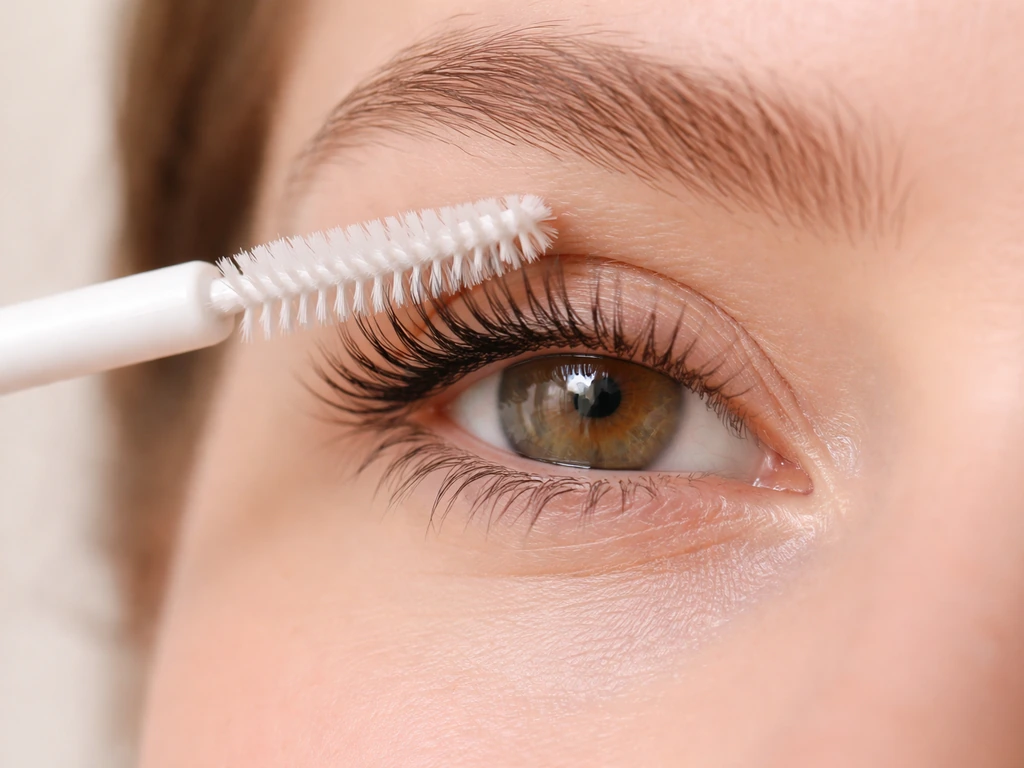
Does eyelash brushing actually affect growth?
The honest answer is no, not directly. Growth is controlled entirely at the follicle level, driven by cell signaling, nutrition, hormones, and the natural cycle each follicle runs through. No amount of brushing changes that biology. Where brushing earns a partial pass is in secondary effects: when lashes are clean and detangled, there is less friction during blinking, less chance of a lash catching and snapping, and a cleaner base for anything you apply afterward, like a growth serum or conditioning oil. So brushing can preserve lash length indirectly, but it does not stimulate new growth in any clinical or measurable sense.
How eyelash growth actually works
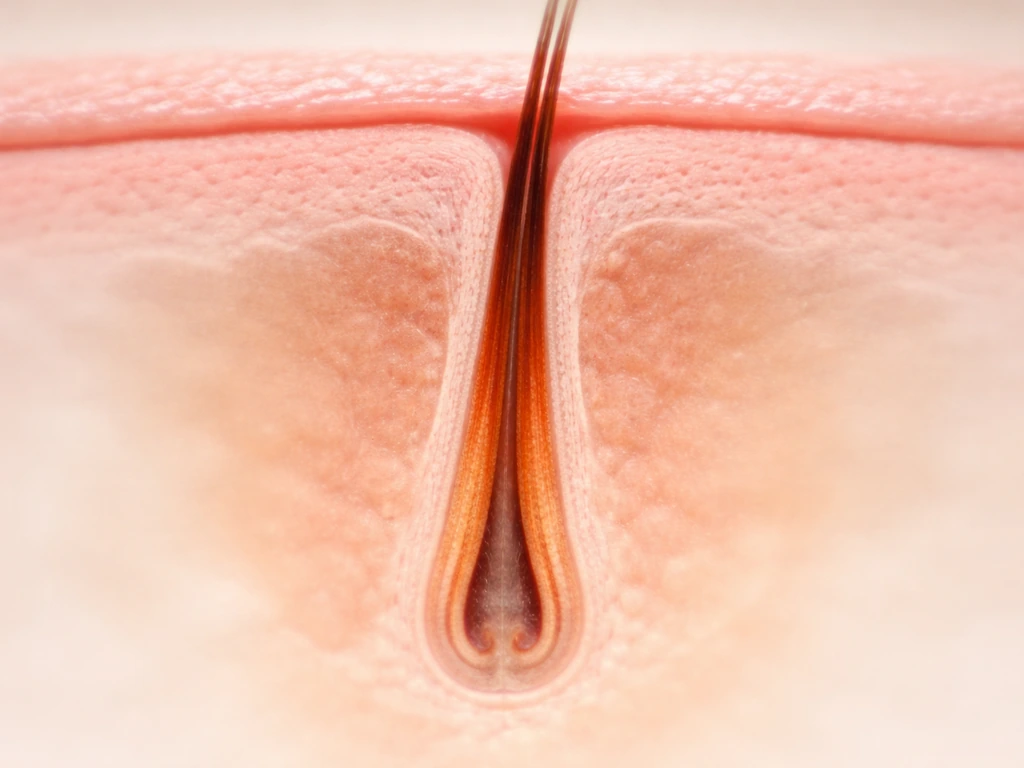
Each eyelash follicle cycles through three phases independently of every other follicle on your lid. The anagen phase is the active growth window, and for eyelashes it lasts only about 30 to 45 days, which is why lashes stay short compared to scalp hair. The catagen phase is a brief two to three week transition where the follicle shrinks and growth stops.
The telogen phase is the resting and shedding stage, lasting roughly 100 days, after which the old lash falls out and the cycle restarts. At any given moment, roughly 40 percent of your upper lashes are in telogen, meaning they are sitting there doing nothing and waiting to shed. This is why you lose a few lashes every week and why visible regrowth after loss takes a full cycle, typically three to four months, before you notice a real difference.
The follicle itself sits about 2mm below the eyelid skin. What happens at the follicle, including blood supply, sebum production from the meibomian glands, and inflammatory status of the eyelid margin, has a direct impact on how well each growth cycle runs. Disrupting any of those factors, through chronic rubbing, poor lid hygiene, or extension glue reactions, slows the cycle or pushes follicles into telogen early.
What brushing can realistically do for your lashes
Gentle, regular brushing with a clean spoolie does a few genuinely useful things. It separates lashes that have stuck together with mascara residue or sebum, reducing the chance that blinking or eye rubbing will pull out a clump of lashes at once. It distributes any conditioning product (oil, serum) you apply more evenly along the lash shaft. So if you are wondering whether lash conditioner grows eyelashes, the key idea is that it mainly helps by reducing breakage and supporting healthier lash health, not by directly triggering new growth conditioning product (oil, serum).
And it removes loose debris from the lash line, which matters because buildup at the base can block meibomian gland openings and contribute to blepharitis, a condition that is one of the more common causes of lash thinning and shedding. Mayo Clinic and Johns Hopkins both describe eyelid hygiene, including gentle cleansing at the lash base, as the cornerstone of blepharitis management. Brushing is not a medical treatment, but keeping the lash line clean is.
So the realistic benefit list looks like this:
- Fewer mechanical breakages from tangled or clumped lashes
- Even distribution of oils or serums along the lash shaft
- Cleaner lash base, reducing the chance of irritation or blocked glands
- Lashes that look more separated and therefore appear fuller
- Easier, less traumatic makeup removal when lashes are not matted
The real risks of brushing too hard or too often
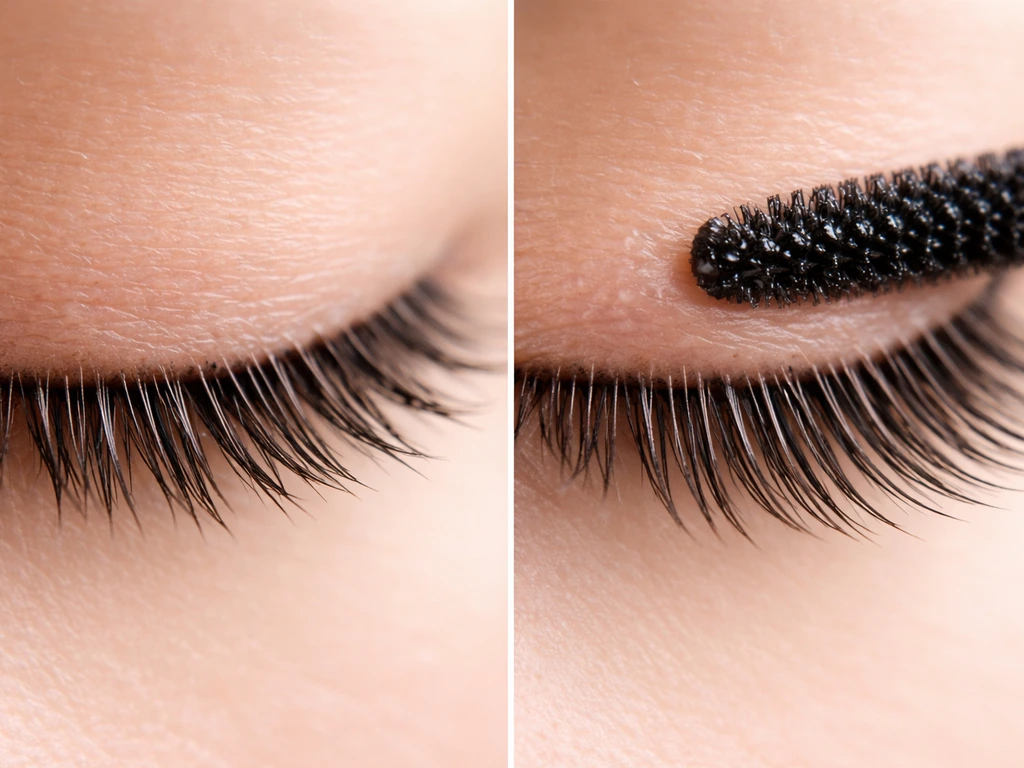
Aggressive brushing is one of those habits that feels productive but actively works against you. Tugging a dry spoolie through lashes that are stuck together creates traction on the follicle, the same mechanism that causes traction alopecia in scalp hair. The American Academy of Ophthalmology flags traction-related lash loss as a known complication even from eyelash extensions, which rest on the lashes rather than the follicle directly. The American Academy of Ophthalmology (AAO) notes that eyelash extensions can raise safety concerns such as traction alopecia (lash loss or stunted growth) and allergic blepharitis blank" rel="noopener noreferrer">traction-related lash loss. Imagine what a hard-bristled brush dragging repeatedly across the lash line can do.
Specific risks to know about:
- Mechanical lash breakage from pulling on tangled lashes, shortening your visible length
- Follicle inflammation from repeated tugging, which can disrupt the growth cycle
- Eyelid irritation and contact dermatitis, especially if the spoolie has residue from old mascara or product
- Infection risk from a dirty brush transferring bacteria directly to the eyelid margin, one of the most infection-prone areas on your face
- Corneal abrasion risk if the spoolie slips and contacts the eye surface
The infection and inflammation risks are not theoretical. The eyelid margin hosts a specific microbiome and is closely associated with the meibomian glands. A dirty spoolie pressed repeatedly into that zone is a real hygiene problem, not just a cosmetic one.
What actually works for length and thickness
If brushing is maintenance and not growth, what moves the needle on actual lash length and density? The evidence points to a short list of ingredients and one prescription option.
Bimatoprost (the only clinically proven option)
Bimatoprost is the active ingredient in Latisse, the only FDA-approved lash growth treatment. It works by extending the anagen phase and increasing the number of follicles in active growth at any one time. Clinical trials show measurable increases in lash length, thickness, and darkness after 16 weeks of consistent use. It requires a prescription and has known side effects including eyelid darkening and iris pigmentation changes in some users, so it is worth discussing with a dermatologist or ophthalmologist before starting.
Over-the-counter serums with peptides and prostaglandin analogs
Many OTC lash serums contain prostaglandin analogs (weaker versions of bimatoprost's mechanism) or peptides designed to signal follicle activity. Results are more modest than prescription options, but some users see a noticeable improvement in lash density over two to three months of daily use. Look for serums with ingredients like isopropyl cloprostenate, myristoyl pentapeptide-17, or biotin-peptide complexes. Apply to the upper lash line only, never the lower lid, and patch-test on the inner forearm before using near your eyes.
Castor oil
Castor oil is the most popular natural option and gets a lot of credit online. The evidence is anecdotal rather than clinical, but it is plausible as a conditioning agent. Ricinoleic acid, the main fatty acid in castor oil, has anti-inflammatory properties and may support a healthier follicle environment. It will not extend your anagen phase, but it can coat and protect the lash shaft, reducing breakage. Use a clean spoolie, apply a thin layer to the lash line at night, and wash it off in the morning. Heavy application can actually block gland openings, so less is more.
Biotin and nutrition
Biotin supplements are widely marketed for lash and hair growth, but the evidence only supports a benefit if you have an actual biotin deficiency, which is relatively uncommon. If your diet is balanced, extra biotin is largely excreted. More relevant nutritional factors for lash health include iron levels, protein intake, and vitamin D. If your lashes are thinning with no obvious cause, a blood panel checking ferritin, thyroid hormones, and B12 is more informative than buying biotin gummies.
| Option | Evidence Level | Realistic Timeline | Key Consideration |
|---|---|---|---|
| Bimatoprost (Latisse) | FDA-approved clinical data | 12 to 16 weeks | Prescription required; side effect profile to review with a doctor |
| OTC lash serums (peptides/prostaglandin analogs) | Moderate, varies by formula | 8 to 12 weeks | Patch-test first; avoid lower lid application |
| Castor oil | Anecdotal, conditioning benefit only | No set timeline | Use sparingly; clean spoolie each use |
| Biotin supplements | Only effective if deficient | Months | Get blood work before supplementing |
| Brushing alone | No growth evidence | Not applicable | Useful for maintenance and product distribution |
It is worth noting that lash conditioners and primers, like lash growth serums, work through a similar logic: they condition or coat existing lashes rather than driving new growth from the follicle. However, lash primers are mainly conditioners, so you will not get new growth from the follicle. A lash conditioner can help condition existing lashes, but it cannot reliably grow new eyelashes from the follicle lash conditioners and primers. If you are exploring those products alongside brushing, keep expectations calibrated to what they can realistically do.
The right at-home routine starting today
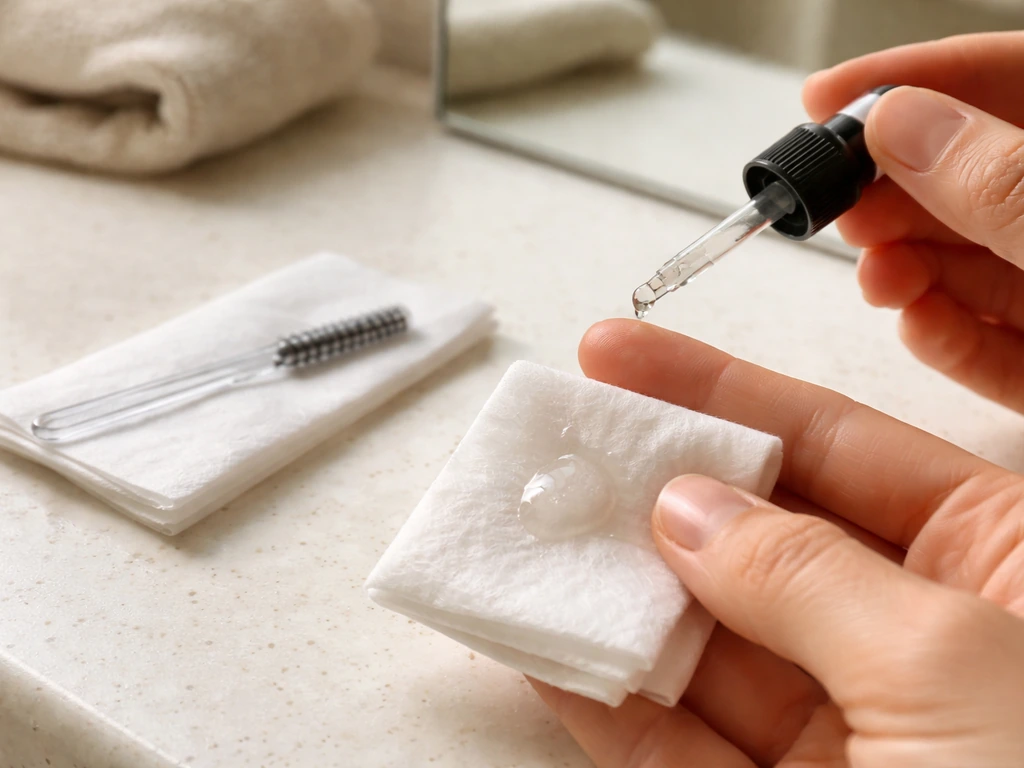
Here is what a safe, practical daily routine looks like if you want to protect and gradually improve your lashes without causing damage:
- Evening makeup removal: Use a gentle, oil-based or micellar cleanser on a soft cotton pad. Press and hold against the closed eye for 10 to 15 seconds before wiping, rather than rubbing back and forth. Rubbing is one of the top causes of mechanical lash loss.
- Lash base cleanse: A couple of times a week, use a cotton-tipped applicator with diluted baby shampoo or a dedicated eyelid cleanser to gently clean the lash margin where debris and oils accumulate. This mirrors the blepharitis hygiene protocol recommended by Mayo Clinic and is good practice for everyone.
- Spoolie brushing: Once daily, use a clean disposable or freshly washed spoolie. Start at the base of the lashes and brush in one smooth upward stroke, no back-and-forth scrubbing. Do this when lashes are clean, not when they are stiff with mascara.
- Spoolie hygiene: Replace disposable spoolies weekly. If you use a reusable one, wash it with gentle soap after every use and let it dry fully. A contaminated brush pressed against your eyelid margin is a direct infection risk.
- Apply serum or oil if using: After cleansing at night, apply your chosen serum or a thin layer of castor oil using the product applicator or a fresh spoolie. Patch-test any new product on the inside of your forearm 48 hours before applying near your eye.
- Morning: Rinse lashes gently with water if you applied oil overnight, then do your clean spoolie brush-through before applying any makeup.
Frequency matters here. Brushing once a day with a clean spoolie is enough. More than that does not speed up anything and increases the chance of mechanical irritation. The same principle applies to castor oil: nightly is fine, twice daily is overkill and can clog the gland openings at your lash base.
When to stop DIY and see a clinician
Most people using a sensible routine will see gradual improvement over one to three growth cycles (three to nine months). But there are specific situations where a dermatologist or ophthalmologist needs to be involved, and waiting on castor oil and spoolie brushing will only delay recovery.
- Patchy lash loss with no obvious cause: This can signal alopecia areata, a treatable autoimmune condition, or thyroid dysfunction. A dermatologist can diagnose and treat both.
- Lash loss that started after extensions: The AAO has documented that improper extension application can cause traction alopecia and allergic blepharitis. If lashes are not recovering three to four months after removing extensions, a clinician can assess whether follicle damage is permanent or inflammation is ongoing.
- Eyelid redness, scaling, or crusting at the lash base: These are classic blepharitis signs. Chronic, untreated blepharitis causes ongoing lash thinning and shedding. A doctor can prescribe topical antibiotics, azithromycin, or recommend in-office lid hygiene treatments like LipiFlow or BlephEx.
- Sudden or rapid shedding: If you are losing noticeably more lashes than usual over a few weeks, get blood work to check ferritin, thyroid (TSH, T3, T4), and vitamin D before assuming it is a product or habit issue.
- Scarring or thickened eyelid skin: Scarring alopecia at the lash line is not reversible with home remedies. Early intervention gives the best chance of preserving remaining follicles.
- Any lash loss connected to a known medical condition or medication: Chemotherapy, autoimmune diseases, and several common medications cause telogen effluvium of the lashes. Medical management of the underlying cause is the primary lever here, not topical oils.
The bottom line is that brushing your eyelashes is a reasonable hygiene and maintenance habit, not a growth strategy. Protect what you have, create a clean environment for your follicles, add a well-formulated serum if you want to push the biology further, and escalate to a clinician whenever the picture looks like more than normal variation. That is the full scope of what works. For blepharitis self-care, Mayo Clinic recommends washing the eyelids and lash base with a clean washcloth or a cotton-tipped applicator moistened with warm water and diluted baby shampoo or a nonprescription eyelid cleanser to remove oily debris or scales washing the eyelids and lash base with a nonprescription cleanser to remove oily debris or scales.
FAQ
How often should I brush my eyelashes if I’m trying to avoid lash loss?
Use a clean spoolie and limit brushing to once daily. Brushing right after washing can be okay if lashes are damp but not rubbing your eyelid margin. Stop if you feel stinging, see redness, or notice increased shedding, because irritation can push follicles toward an earlier resting phase.
Should I brush my lower eyelashes too?
Don’t brush the lower lid with the same technique. Many growth products, including prescription and prostaglandin analog serums, are intended for the upper lash line only, and the lower lid is easier to spread product into the eye area. Lower-lid brushing can also increase friction and irritation where the skin is more sensitive.
If I start brushing and using a serum today, when will I actually see growth?
Brushing can help detangle and reduce breakage, but it cannot change how quickly a follicle cycles. After significant loss, visible improvement typically takes one full cycle (often 3 to 4 months), then may continue over another cycle. If you expect major change in a few weeks, that expectation is usually not realistic.
What’s the safest way to detangle lashes without making them fall out?
Avoid hard, downward tugging, and don’t scrub at the lash base. A safer approach is to gently separate lashes and lightly sweep debris upward, using short, light strokes. Aggressive traction during detangling is one of the most common mistakes that increases mechanical shedding.
How do I keep my eyelash brush (spoolie) clean?
A dirty spoolie is a direct hygiene risk. Rinse with lukewarm water, then clean the brush regularly (many people use mild soap and fully dry it, then replace if bristles lose shape). Do not share spoolies, and never reuse mascara wands that touched the eye.
Can I brush my lashes immediately after applying a lash growth serum?
If you use a growth serum, brush timing matters. Apply serum only to the upper lash line, let it fully absorb, then brush only gently the next day to detangle. Brushing immediately after application can move product into the wrong area and increase irritation.
What are signs that brushing or oils are irritating my eyes or worsening lash thinning?
Yes, it can happen, especially with frequent rubbing or if you apply oily products too close to the eyelid margin. Signs that your eyelid hygiene routine is backfiring include itching, gritty eyes, redness at the lid edge, or clumping that suggests blocked gland openings. In that case, reduce product amount, simplify routine, and consider a clinician check if symptoms persist.
Does brushing help if I have eyelash extensions?
If you have lash extensions, be extra cautious. Extensions add traction and can increase breakage even when the follicle is healthy, so aggressive brushing can worsen loss. Focus on gentle separation, avoid yanking, and consider professional removal if lashes look uneven or you have persistent irritation.
When should I stop troubleshooting at home and see an ophthalmologist or dermatologist?
If shedding is sudden, much heavier than your normal weekly variation, or associated with scalp hair loss, itching, burning, or eyelid swelling, don’t rely on brushing or conditioners. A clinician can check eyelid inflammation, allergies, thyroid or iron issues, and medication-related causes before you waste months on maintenance-only steps.
Should I take biotin for lash growth, or get labs instead?
Yes. If diet is adequate, extra biotin usually does not translate into lash growth. More useful “investigate first” labs when thinning is unexplained include ferritin (iron stores), thyroid markers, and B12, because deficiencies can affect hair cycles and overall follicle function.
How can I use castor oil without clogging the lash line?
Don’t assume castor oil is the problem if your eyelids are oily too. The key issue is application amount. Heavy or frequent oiling can coat the lash base and potentially interfere with meibomian gland outflow. If you want to try it, use a thin layer at night, then remove in the morning.
Next Article
Does Mustard Oil Grow Eyelashes? Safety and What Works
Find out if mustard oil grows eyelashes, risks to eyelids, and safer options with realistic timelines and when to see a
