
Collagen supplements are unlikely to directly grow your eyelashes longer or thicker in any meaningful, measurable way. There's no clinical evidence specifically showing collagen intake increases eyelash length or density. That said, collagen plays a real role in the skin biology that supports hair follicles, so it's not completely irrelevant. It's just not the lever you want to pull if growing your lashes is the actual goal.
Does Collagen Help Eyelashes Grow? Evidence and Options
Rachel Nguyen
5 May 2026
How collagen fits into lash growth biology
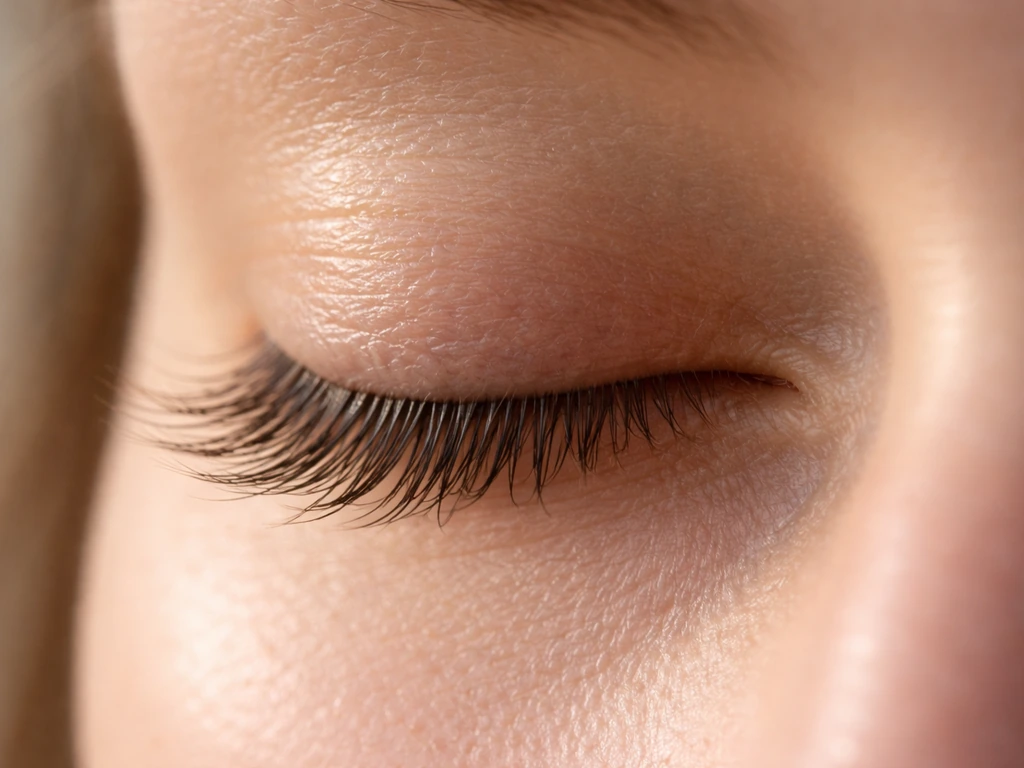
Your eyelash follicles sit in the dermis, the structural layer of skin that is largely made of collagen. Collagen fibers create the scaffolding around each follicle, help maintain the tissue integrity of the follicle sheath, and support the microvascular network that delivers nutrients to growing lash hairs. When collagen in the dermis degrades, as it naturally does with age or UV exposure, follicle anchoring and the surrounding support structure can weaken. In theory, maintaining or boosting dermal collagen levels could support a healthier follicle environment.
The mechanism sounds logical on paper: more collagen in the dermis, better-supported follicles, healthier hair growth. The problem is that the leap from "supports skin structure" to "grows longer lashes" requires much more than a plausible mechanism. It requires actual evidence in eyelash tissue specifically, and that evidence doesn't exist yet.
What the research actually shows (and where it falls short)

A 2019 systematic review of oral collagen supplementation covered a wide range of dermatological endpoints, including skin elasticity, hydration, and wound healing. Eyelash length, thickness, or density weren't among the outcomes measured in any of those trials. So the most comprehensive review of collagen supplementation data simply doesn't address lashes at all.
There is one human study that tested 6 grams of collagen per day (3 g at breakfast and 3 g at dinner) for three months in 24 women aged 40 to 60, specifically looking at eyebrow growth. It found some positive effects on eyebrows, which is at least in the right neighborhood. But eyebrows and eyelashes have different growth cycles, follicle depths, and hormonal sensitivities, so you can't automatically apply eyebrow findings to lashes. And even that study is small and focused on a different hair type.
A 2025 systematic review and meta-analysis of oral nutraceuticals for hair growth did quantify real outcomes like hair count, density, and anagen-to-telogen ratios. It found some evidence for certain supplements improving scalp hair. But again, eyelash-specific data was absent. An eyelash serum study from 2020 that tested peptide and botanical oil formulations also didn't single out collagen peptides as a driver of lash growth. The pattern is consistent: collagen shows up in the periphery of hair biology research but never as a confirmed, tested ingredient for eyelash growth specifically.
Setting realistic expectations and timelines
Eyelashes follow a growth cycle that is much shorter than scalp hair. The anagen (active growth) phase for lashes lasts roughly 30 to 45 days, telogen (resting) lasts around 100 days, and the full cycle from shed to grown-back lash takes about 4 to 16 weeks depending on the person and any underlying damage. That means even if an intervention works, you won't see full results for at least 6 to 8 weeks, and a fair assessment of any product or supplement takes 3 months minimum.
If your lashes are damaged from extensions, over-rubbing, or a medical condition, the timeline can stretch further because you're waiting for compromised follicles to recover, not just for normal cycling to complete. Managing that expectation upfront saves a lot of frustration. No supplement, including collagen, will override a damaged follicle environment in a matter of weeks.
More proven options to actually try today
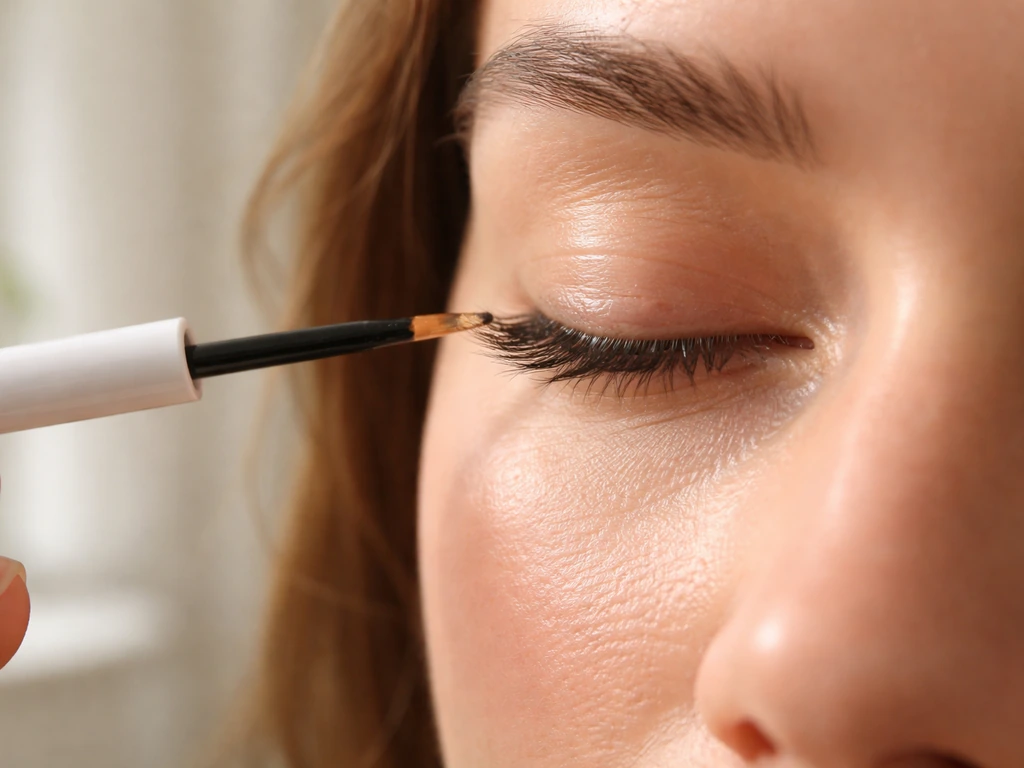
If your goal is measurably longer or thicker lashes, these are the approaches with real evidence behind them, starting with the strongest.
Bimatoprost-based serums (prescription)
Bimatoprost (the active ingredient in Latisse) is the only FDA-approved treatment specifically for eyelash growth. Two multicenter controlled studies in Japanese subjects found that applying bimatoprost 0. 03% once nightly for 4 months improved eyelash length, thickness, and darkness and was generally safe for eyelash hypotrichosis [Bimatoprost (the active ingredient in Latisse) is the only FDA-approved treatment specifically for eyelash growth. ](https://pmc.
ncbi. nlm. nih. gov/articles/PMC4003339/).
It works by extending the anagen phase of the lash cycle, which means lashes stay in active growth longer and reach greater length. Clinical trials showed [significant increases in lash length, thickness, and darkness over 16 weeks. ](https://pmc. ncbi.
nlm. nih. gov/articles/PMC2861943/) It requires a prescription, costs more, and can have side effects like iris pigmentation changes in some people, so it's worth discussing with a dermatologist or ophthalmologist. But if you want the clearest evidence of what actually grows lashes, this is it.
Peptide-based lash serums (over-the-counter)
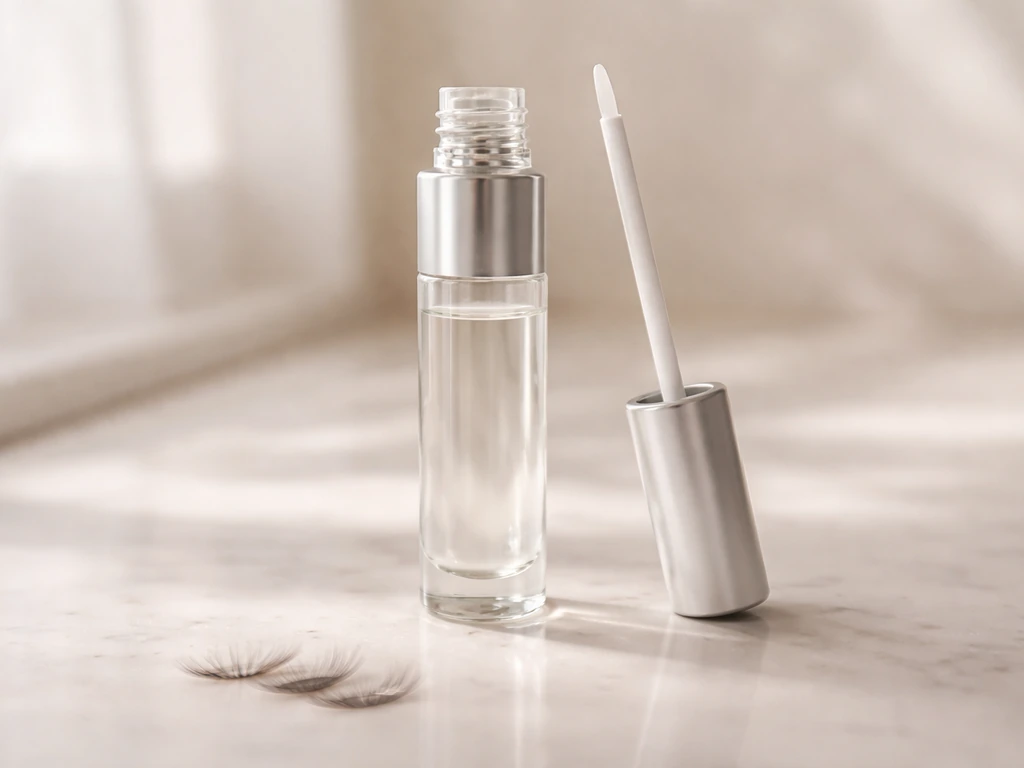
Over-the-counter lash serums with peptide complexes, like myristoyl pentapeptide-17, work by signaling keratin production in the follicle. They won't match bimatoprost results, but studies on peptide-containing lash serums have shown real, measurable improvements in lash length and thickness with consistent use over 8 to 12 weeks. These are a solid starting point if you want an accessible, daily-use option without a prescription. Look for serums that list specific peptides in their ingredients rather than vague "growth factor blend" language.
Keratin and protein support
Lashes are made of keratin, so ingredients that support keratin production and structural integrity matter more for lash strength and retention than collagen does. In general, keratin support can help lashes feel stronger and shed less, but it doesn't have strong evidence for directly making lashes grow faster support keratin production and structural integrity. Keratin-focused approaches are worth exploring alongside peptide serums, particularly if breakage rather than slow growth is your main issue.
Where castor oil and biotin actually fit in
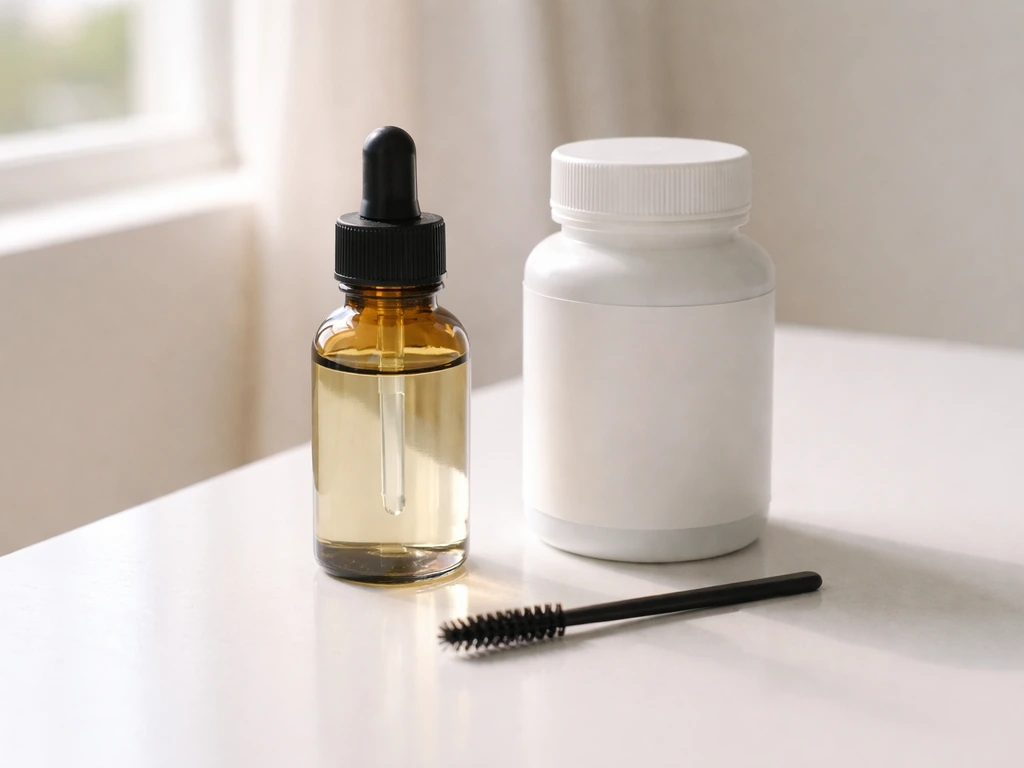
Castor oil gets a lot of attention, and it's worth being specific about what it probably does and doesn't do. Castor oil is rich in ricinoleic acid, which has some anti-inflammatory and antimicrobial properties. It coats and conditions the lash hair shaft, reducing breakage and moisture loss. The result is that lashes look fuller and healthier, and you lose fewer of them to brittleness. What castor oil likely doesn't do is stimulate follicle activity or extend the anagen phase. So it won't make lashes grow from a follicle that isn't already active, but it can help retain the growth you already have. Applied nightly to a clean lash line with a clean spoolie or cotton swab, it's low-risk and inexpensive.
Biotin is the supplement most commonly linked to hair growth, and the evidence supports it mainly for people who have a biotin deficiency. If you're deficient, correcting that can dramatically improve hair quality across your body, including lashes and brows. If you're already getting adequate biotin through diet (eggs, salmon, nuts, and seeds are good sources), adding more through supplements is unlikely to produce noticeable lash changes.
The 2025 nutraceutical meta-analysis supports a role for certain oral supplements in scalp hair, but the evidence doesn't strongly extend to eyelashes. Biotin is safe at typical supplement doses (2,500 to 5,000 mcg), but it can interfere with certain lab tests, including thyroid and cardiac biomarkers, so flag it to your doctor if you're having bloodwork done.
Compared to collagen, both castor oil and biotin have a slightly stronger case for lash-adjacent benefits, though neither has robust eyelash-specific clinical evidence either. Vitamin C also contributes to collagen synthesis in the skin, which ties back to the follicle support mechanism, but again falls short of being a direct lash-growth driver on its own. And for what it's worth, prenatal vitamins contain a mix of biotin, folate, and other nutrients that often get credit for lash and brow improvements, though the effect is likely attributable to correcting multiple nutritional deficiencies at once. If you are using prenatal vitamins, any lash benefits are more likely from correcting nutrient deficiencies than from prenatal vitamins directly stimulating lash follicles.
An at-home plan that protects your lashes while you work on growth
Growth takes months. The fastest way to ruin the progress you make is to keep doing things that cause lash damage and shedding. Here's a practical plan that balances active growth support with protective habits.
- Choose one active growth approach and commit to it for at least 8 to 12 weeks. Either a peptide serum applied nightly to the lash line, or a bimatoprost prescription if you want the strongest evidence-based option. Don't layer too many products at once; it makes it harder to know what's working.
- Apply castor oil on the nights you're not using an active serum, or use it on the lower lash line as a complement. Keep application precise with a clean spoolie to avoid getting oil in your eyes.
- Remove eye makeup gently and completely every night. Rubbing and tugging at the lash line is one of the most common causes of mechanical lash loss. Use a micellar water or an oil-based remover and press a cotton pad against closed lids rather than dragging across them.
- If you wear lash extensions, take breaks between sets. Extensions place mechanical stress on natural lashes, and back-to-back appointments without recovery time are a well-documented cause of traction-related lash loss.
- Avoid lash curlers with excessive heat or force, and skip the waterproof mascara on days you don't need it since removal of waterproof formulas is harder and more abrasive.
- If you choose to take collagen, biotin, or other supplements, log your lash condition with a close-up photo every 4 weeks. You need a baseline and consistent tracking to know if anything is actually changing.
- If lash shedding is sudden, dramatic, or accompanied by other symptoms like brow loss or fatigue, see a doctor before trying topical remedies. Conditions like thyroid disorders, alopecia areata, and nutritional deficiencies need to be ruled out.
Product safety tips worth keeping in mind
The lash line is close to the eye, which means ingredient safety matters more here than almost anywhere else on the face. With any new serum or oil, do a patch test on the inner arm for 24 hours before applying near the eye. Stop using anything that causes redness, itching, or swelling along the lash line immediately. For prostaglandin-adjacent serums (including some OTC options that mimic bimatoprost's mechanism), watch for eye redness or darkening of the eyelid skin, which are known side effects in some people. And buy from established brands with clear ingredient lists rather than generic products with no transparency about what's in them.
Collagen supplementation probably won't hurt your lashes, and it may offer other skin and joint benefits worth having. Red light therapy has been marketed for lash growth, but the eyelash-specific evidence is limited compared with options that have clearer trial results. But if lash growth is the specific goal, your time, money, and consistency are better directed at peptide serums, castor oil as a conditioning habit, and addressing any underlying nutritional gaps with targeted testing rather than blanket supplementation. If you're specifically looking for what helps eyebrows and eyelashes grow, peptide serums and prostaglandin-based options have more direct evidence than collagen supplementation.
FAQ
If collagen is unlikely to help, how long would it take to know whether it’s working for eyelashes?
Most people will not see a measurable change from collagen alone because studies have not tested collagen peptides for eyelash length or density. If you still want to try, treat it as a general skin or joint supplement, not a lash-specific intervention, and reassess after at least 8 to 12 weeks (not 2 to 4) to judge any indirect effects.
Can I combine collagen with a lash serum, or would it be a waste of money?
Yes, you can use collagen alongside lash serums, but collagen will not replace evidence-based eyelash growth ingredients. If you try both, separate the timing so the lash serum is applied only along the lash line and collagen is taken by mouth, then track results with the same lighting or a monthly photo to avoid placebo-driven expectations.
Does the type or dose of collagen matter for eyelash growth?
Collagen powders vary, but eyelash outcomes are not proven even with doses studied in skin research. If you choose collagen, look for the type listed (often hydrolyzed collagen peptides) and aim for consistent daily intake, but remember that dosing precision will not overcome the lack of eyelash-specific clinical evidence.
What if my lashes are falling out or thinning quickly, does collagen help that?
If you have lash loss or thinning from extensions, rubbing, blepharitis, eczema, or hormonal or medication changes, collagen is unlikely to fix the root cause. Address the trigger first, and consider a clinician evaluation if shedding is sudden, patchy, associated with itching or redness, or accompanied by eyebrow changes.
Are there any safety red flags with lash serums if I’m trying to improve growth?
Be cautious with “prostaglandin-adjacent” lash serums and any product that causes eyelid or eye redness. The article notes potential eyelid skin darkening and other irritation, so stop immediately if you get burning, swelling, or worsening redness, and talk to an ophthalmologist if symptoms persist.
How can I tell if I’m damaging my lashes instead of helping them?
A simple sign you are overdoing it is increased lash breakage, more fallout during cleansing, or visible dryness at the lash line. If that happens, scale back application frequency, ensure you are using a clean spoolie or applicator, and prioritize conditioning and gentler removal rather than adding more actives.
Where exactly should castor oil or lash serum be applied to avoid eye irritation?
Castor oil and many lash serums can get into the eye if the wand touches the waterline or if you apply too close. Keep the applicator on the lash line (not inside the eye), use a thin layer, and remove any excess before it migrates; discontinue if you notice eye irritation or persistent redness.
If I take biotin or collagen, do I need to change anything before getting bloodwork?
If you plan to supplement, avoid assuming more is better. Biotin can interfere with lab tests, so stop supplements and tell your clinician before bloodwork if you take typical higher doses (common supplement ranges are 2,500 to 5,000 mcg), and verify the plan with them.
What’s the best way to track lash growth progress so I don’t misjudge results?
Yes. The most useful way to evaluate lash changes is standardized comparison: take photos in the same lighting and from the same distance every 2 to 4 weeks, and avoid switching products mid-cycle. Since lashes cycle over weeks, aim to judge after 8 to 12 weeks, not daily.
How do I know whether biotin would actually help my lashes?
Biotin helps mainly when someone is deficient, so people without deficiency often see minimal change. If you want a data-driven approach, consider targeted testing for nutritional gaps rather than broad high-dose supplementation, especially if you are not seeing other signs of deficiency.
Next Article
Does Mustard Oil Grow Eyelashes? Safety and What Works
Find out if mustard oil grows eyelashes, risks to eyelids, and safer options with realistic timelines and when to see a
