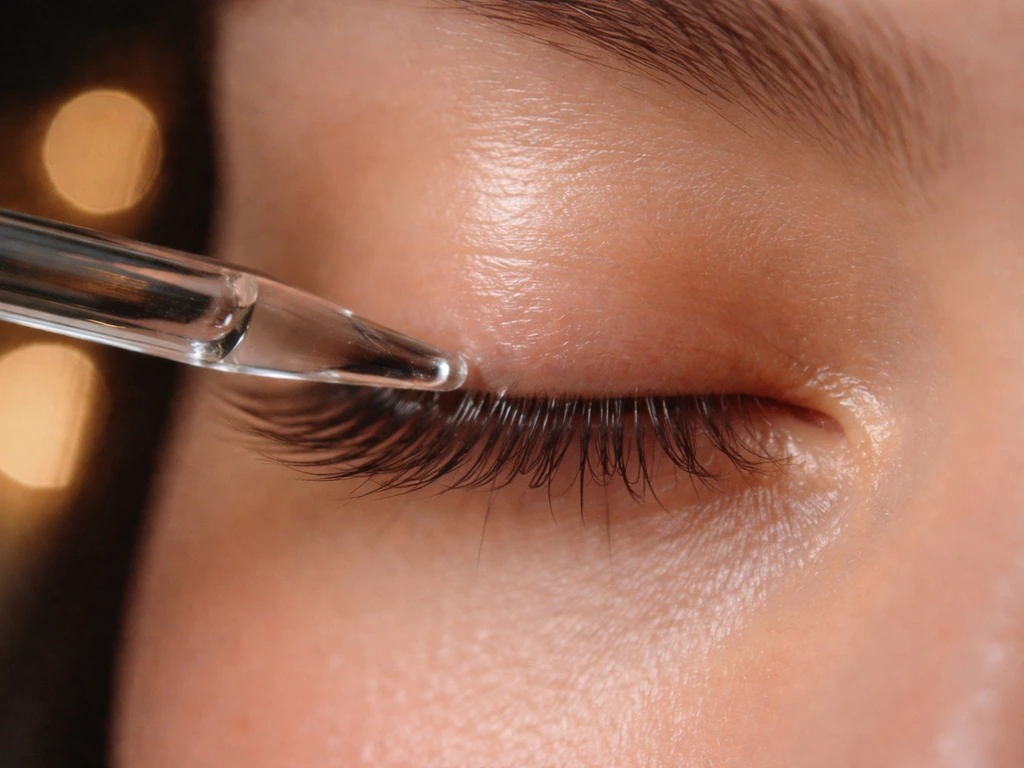
You can grow longer, fuller lashes without a serum by combining consistent lid hygiene, a targeted oil application routine, protective habits that stop breakage, and enough patience to let your follicles complete their natural cycle. It takes roughly 4 to 16 weeks to see meaningful change, depending on whether your starting point is damage, thinning, or just wanting more length. The approach works, it just doesn't have a shortcut.
How to Grow Lashes Without Serum: A Step-by-Step Plan
Rachel Nguyen
29 Apr 2026
How lash growth actually works (and why it matters for your plan)
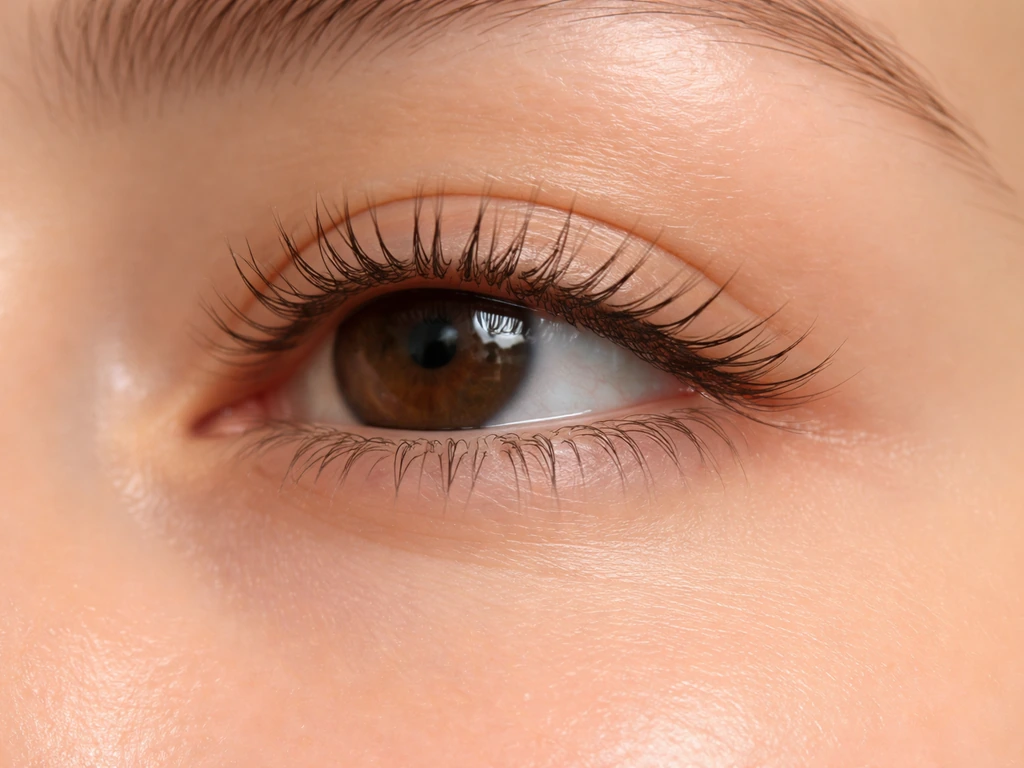
Each eyelash follicle cycles independently through three phases: anagen (active growth), catagen (transition), and telogen (resting and shedding). Research on eyelash follicle biology puts daily growth at about 0.12 to 0.14 mm per day during anagen, which is slower than scalp hair. The anagen phase for lashes only lasts 4 to 10 weeks, compared to years for scalp hair, and the full cycle from growth to shedding runs roughly 4 to 11 months. That short active-growth window is exactly why lashes stay short: they simply don't have as long to grow before they fall out and restart.
This biology creates three distinct problems that look similar but need different fixes. If your lashes are short, you're working with the anagen window and growth rate. If they're thin or sparse, you may be dealing with follicle health or cycle disruption. If they keep snapping or falling out prematurely, that's breakage or premature shedding, not a growth problem. Identifying which one applies to you shapes everything about your no-serum strategy. If you're looking for how to grow your lashes diy, start by narrowing down which of those issues applies to you no-serum strategy.
Prescription lash serums like bimatoprost work by shifting follicles from telogen into anagen and prolonging that active growth phase. Without that pharmacological push, your plan is to protect what's there, nourish the follicle environment, and avoid anything that shortens the anagen phase artificially. That's still a very actionable plan.
Stop the damage first or nothing else will work
Before any oil or supplement can help, you need to eliminate the habits that are cutting the growth cycle short. The American Academy of Ophthalmology has linked eyelash extensions to traction alopecia, allergic blepharitis, and stunted follicle growth from repeated mechanical stress. When a follicle experiences ongoing tension or inflammation, the dermal papilla (the part responsible for generating new hair) gets damaged, and recovery stalls.
Extensions and strip lashes
If you've been wearing extensions, give your lashes a break of at least 8 to 12 weeks before expecting real recovery. Extensions add weight and tension to each natural lash, and over time that mechanical stress contributes to traction alopecia, the same mechanism that causes scalp hair loss from tight ponytails. Strip lash adhesive is a separate issue: repeated application and removal tugs at the lash line and can pull out telogen lashes before they're ready, resetting the clock. If you want to wear something during recovery, clean mascara is a better option for the follicles than adhesive.
Rubbing and makeup removal
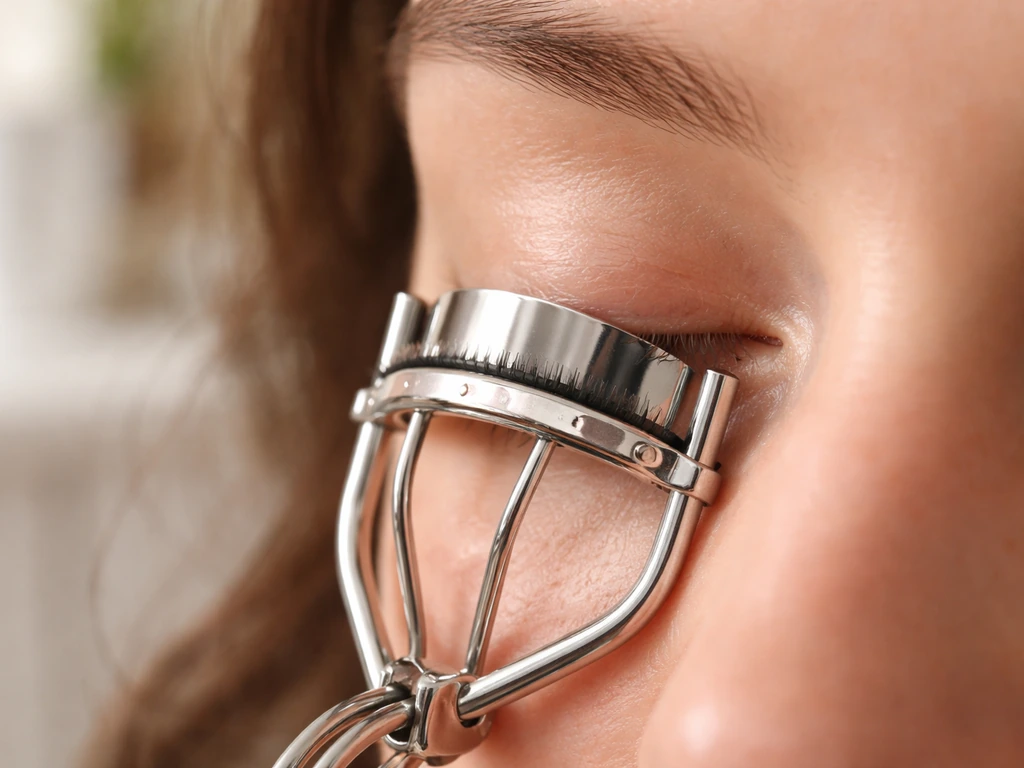
Rubbing your eyes is one of the most underrated causes of lash thinning. It physically dislodges lashes in catagen and telogen phases, and repeated friction inflames the lid margin. Remove eye makeup gently with a micellar water or oil-based cleanser on a soft cotton pad, pressing and holding for a few seconds before wiping rather than scrubbing. Never go to bed with mascara on. Dried mascara stiffens the lashes and makes them brittle, so overnight wear leads to mechanical breakage by morning.
Curling and heat
Heated lash curlers and aggressive mechanical curlers both stress the lash shaft. If you curl, do it before mascara, not after, and clamp gently with minimal heat. This alone can reduce the rate of mid-shaft breakage that makes lashes look shorter even when the follicle is healthy.
Your at-home no-serum routine
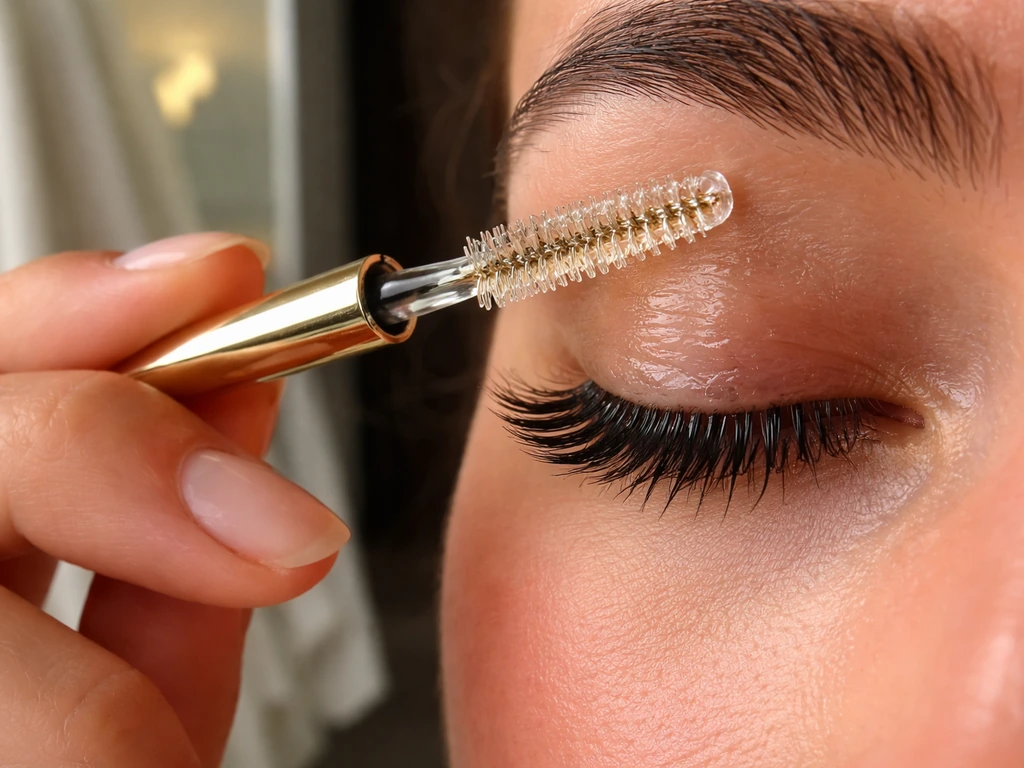
Consistency matters more than any single product here. A routine you actually do every night outperforms an elaborate one you skip half the time. Here's a practical daily and weekly structure.
Daily routine (morning and evening)
- Morning: Apply a small amount of your chosen oil (see the oils section below) to a clean spoolie or cotton swab and brush through the lashes from root to tip. Let it absorb while you do the rest of your routine, then apply makeup as normal. Don't over-apply or it will interfere with mascara adhesion.
- Evening: Remove all makeup first using a gentle micellar or oil-based remover, patting rather than rubbing.
- Evening: Do a warm compress. Soak a clean cloth in warm (not hot) water, wring it out, and hold it against closed eyes for 1 to 2 minutes. This softens any debris at the lash line and supports meibomian gland function, which matters for the health of the follicle environment. NHS blepharitis guidelines recommend this step once or twice daily as a first-line hygiene measure.
- Evening: After the compress, do a gentle lid scrub along the lash margin. Use a diluted baby shampoo on a cotton swab or a dedicated lid scrub pad, and clean the base of the lashes in small strokes. This removes built-up oils, skin cells, and any residue that can clog follicles.
- Evening: Apply your oil again to clean, dry lashes before bed. This is your main application window because there's no makeup to interfere and the oil sits overnight.
Weekly habits
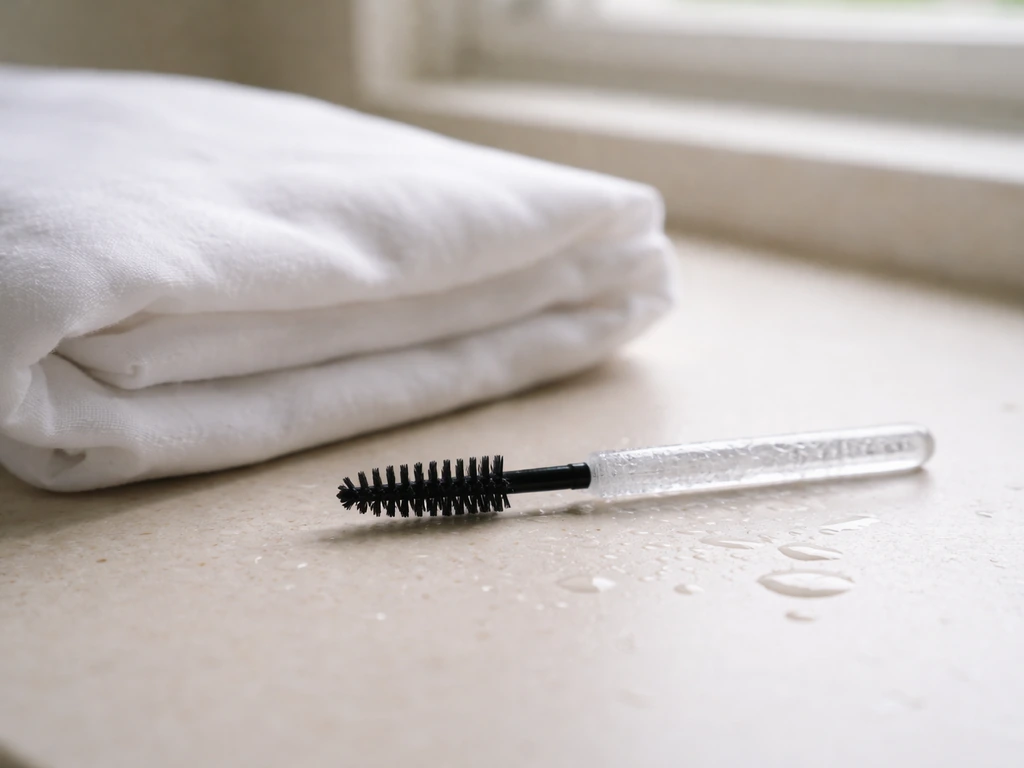
- Wash pillowcases at least once a week. Old makeup residue and bacteria accumulate on pillowcases and transfer back to the lash line nightly.
- Clean your spoolie or applicator brush. A dirty applicator reintroduces bacteria and product buildup right where you don't want it.
- Do a quick lash check: look for brittleness, increased shedding, or irritation. Catching a problem early is far easier than recovering from it.
Oils and non-serum ingredients: what the evidence actually says
This is where most of the noise is, so let's be direct about what the research does and doesn't support.
Castor oil
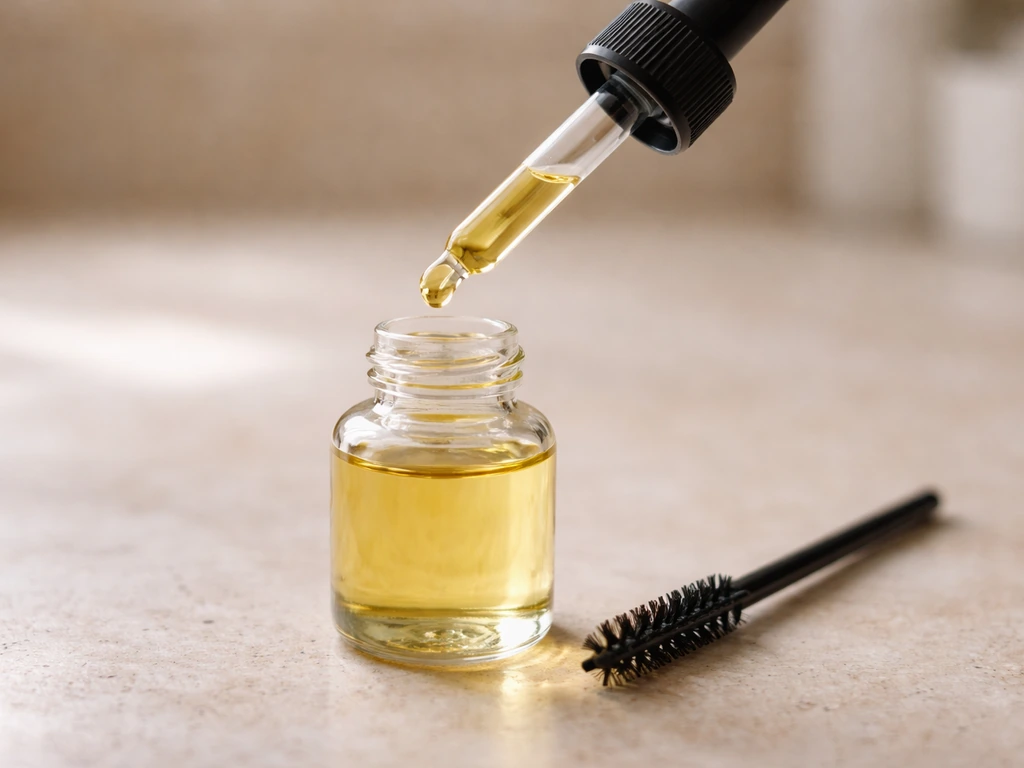
Castor oil is the most popular non-serum option, and the evidence is genuinely mixed. Medical News Today is correct that no study has proven castor oil grows lashes by itself. However, a randomized clinical trial published in a peer-reviewed journal found that a topical castor oil formulation applied to eyelids twice daily for 4 weeks produced measurable clinical improvement in blepharitis signs and some eyelash findings like matting and madarosis-related symptoms. Separately, a PubMed-indexed review found plausible benefit in conditions affecting the ocular surface including meibomian gland dysfunction. The honest read: castor oil likely helps most when the barrier to lash growth is eyelid inflammation or poor follicle environment health, which is common after extension damage or blepharitis. It's not a growth accelerator the way bimatoprost is, but it's not nothing either. Apply a tiny amount to a clean spoolie and coat the lash line nightly. Patch test first on the inner arm for 24 hours, since ricinoleic acid in castor oil has triggered allergic contact dermatitis in some people. Keep it out of the eye itself.
Other oils worth trying
Several other oils have less clinical data on lashes specifically but a reasonable safety profile and some biological rationale. Vitamin E oil is an antioxidant that may reduce oxidative stress at the follicle level. Argan oil and jojoba oil are lightweight and close in composition to the skin's natural sebum, making them good conditioning agents that reduce shaft brittleness. Coconut oil penetrates the hair shaft better than most oils due to its small molecular structure, which may reduce protein loss from the lash. None of these have controlled trial evidence for eyelash growth, but conditioning the lash shaft reduces breakage, and reducing breakage means lashes appear to grow longer because they're not snapping before they reach full length.
| Oil | Main benefit | Evidence level | Safety note |
|---|---|---|---|
| Castor oil | Eyelid/follicle environment support, possible anti-inflammatory effect | Moderate: clinical trial data for blepharitis; no standalone lash growth proof | Patch test required; keep out of eyes; can feel heavy |
| Coconut oil | Shaft conditioning, reduces protein loss and breakage | Low: hair shaft studies, not lash-specific | Generally safe; may cause mild irritation in sensitive individuals |
| Vitamin E oil | Antioxidant support at follicle level | Low: theoretical rationale, no lash-specific RCTs | Use diluted; pure vitamin E can feel greasy |
| Argan oil | Conditioning, reduces brittleness | Low: cosmetic use, no lash growth trials | Well tolerated; lightweight |
| Jojoba oil | Mimics sebum, moisturizes lash line | Low: general skin research only | Very low irritation risk; good for sensitive skin |
If you want one recommendation: start with castor oil if your lashes have been affected by blepharitis, extension damage, or inflammation. If your lashes are just fine but you want more length, a lighter conditioning oil like jojoba or argan is a better daily-use option because it won't weigh lashes down or cause buildup.
Can biotin or supplements actually help?
Biotin is the supplement most people reach for when they want better hair growth, and it's worth being specific about what it can and can't do. StatPearls and multiple clinical reviews are consistent on this: the evidence for biotin improving hair or nail growth is most robust in people who are actually biotin deficient. In people with normal biotin levels, supplementation has mixed and generally weak results. A randomized placebo-controlled trial found that only a subset of people with hair loss complaints were actually biotin deficient, and outcomes outside clear deficiency states were inconsistent.
That said, biotin deficiency is more common than people realize, particularly in those with poor diet variety, people who eat a lot of raw eggs (which block biotin absorption), or individuals on certain medications. If you suspect deficiency, a basic blood test is worth getting before spending money on high-dose supplements. If you're not deficient, a standard daily multivitamin with biotin (around 30 micrograms) is a reasonable baseline, but don't expect the 5,000 to 10,000 mcg megadoses sold specifically for hair growth to produce dramatic results without an underlying deficiency to correct.
Other nutrients worth considering: iron deficiency is a documented cause of telogen effluvium (excess shedding), and correcting it can help significantly. Zinc, vitamin D, and protein intake also play roles in hair follicle cycling. If your lash loss is diffuse and accompanied by scalp shedding, a full nutritional panel is more useful than any topical routine.
Realistic timelines: what 'faster' actually looks like without a serum
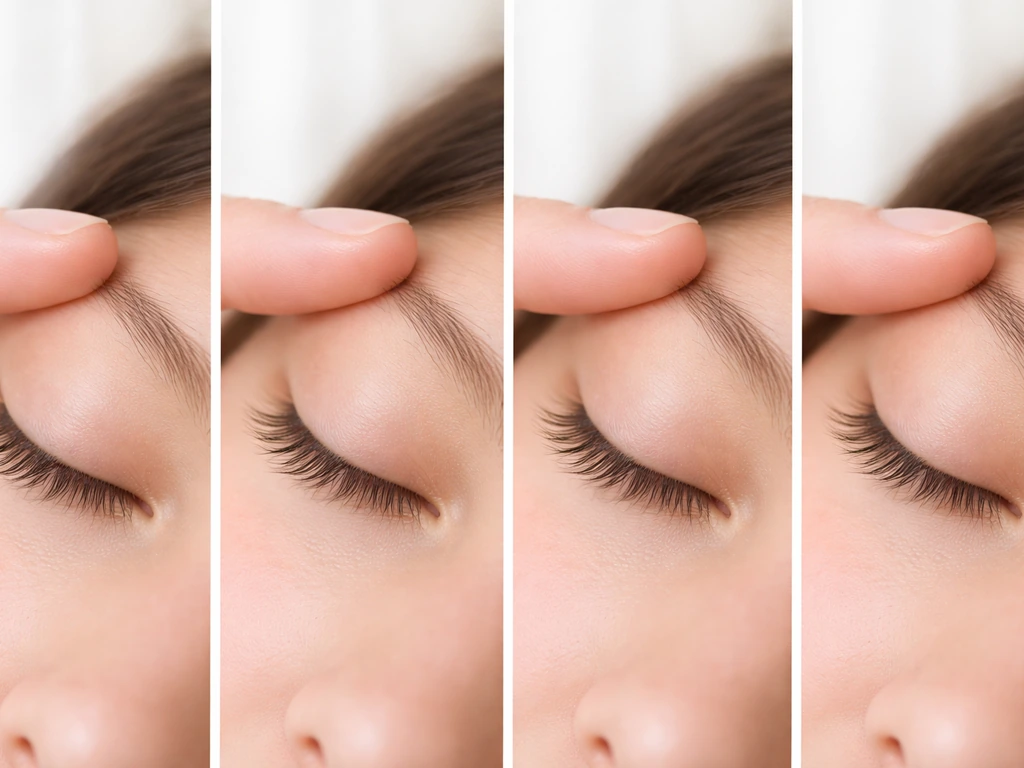
Here's the honest version of what to expect, based on lash biology rather than marketing language. At 0.12 to 0.14 mm per day of growth during anagen, a lash growing for its full 4 to 10 week anagen window gains roughly 3.4 to 9.8 mm of length. Most people's natural lashes max out around 10 to 12 mm. You can't extend the anagen phase the way bimatoprost does, but you can stop the premature breakage and shedding that's cutting lashes short before they reach that ceiling.
| Timeframe | What you can realistically expect |
|---|---|
| 2 to 4 weeks | Reduced breakage, lashes look slightly less ragged; eyelid skin feels healthier with lid hygiene routine |
| 4 to 8 weeks | Noticeable improvement in lash density if damage was the issue; new lashes completing an anagen cycle starting to appear |
| 8 to 12 weeks | Meaningful length improvement visible if routine is consistent; most post-extension recovery happens in this window |
| 12 to 16 weeks | Near-full natural recovery for most non-medical cases; clinical serum data (like Latisse) uses 16 weeks as the benchmark for full effect even with medication |
| 6 to 12 months | Full lash cycle turnover; if you started with significant damage or sparse lashes, this is the realistic full recovery window |
The biggest mistake people make is stopping their routine at 4 to 6 weeks because they don't see dramatic results. That's exactly when new lashes are still completing their anagen phase and haven't fully emerged yet. Commit to at least 12 weeks before evaluating whether your approach is working.
When something's wrong: troubleshooting shedding, irritation, and medical causes
More shedding than usual
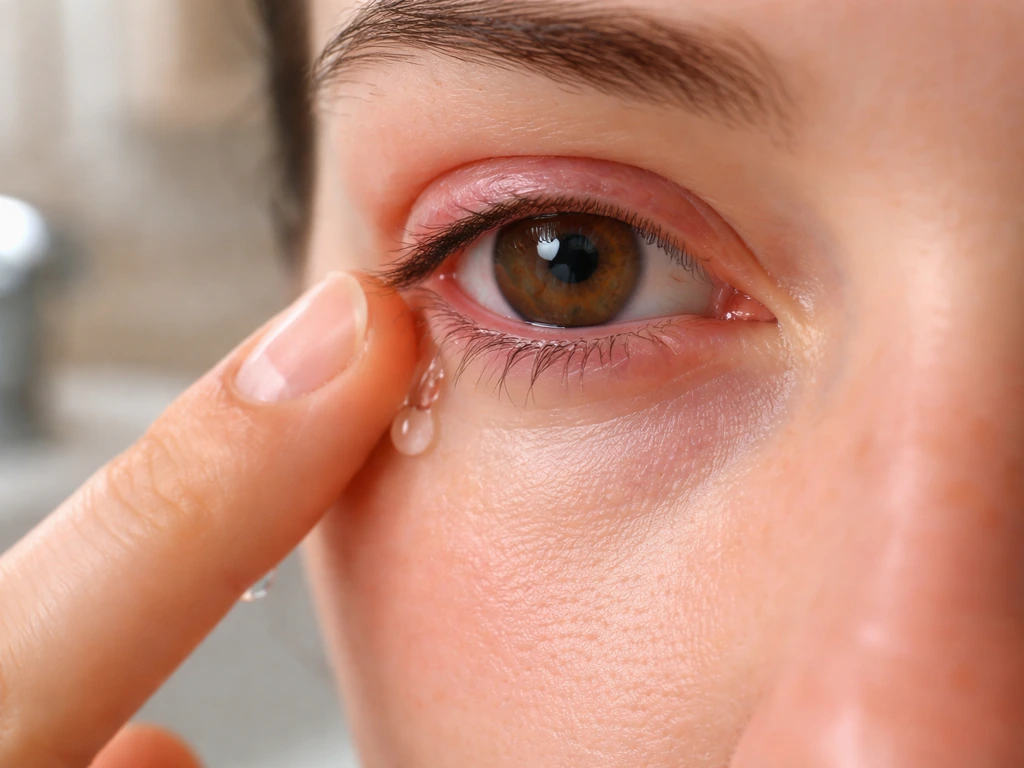
Losing a few lashes daily is normal, part of the telogen phase. If you're noticing clumps, patchy gaps, or significant loss that doesn't correlate with extension removal or rubbing, that's worth investigating. StatPearls lists the causes of eyelash loss (madarosis) as ranging from allergic contact dermatitis and blepharitis to autoimmune conditions like alopecia areata, systemic drug side effects, and infections. StatPearls (NCBI Bookshelf) emphasizes that core management for blepharitis includes daily eyelid hygiene and warm compresses, and that during symptomatic exacerbations eyelid hygiene may be performed 2 to 4 times daily. The Cleveland Clinic notes that if the underlying cause is treated before the follicle is permanently damaged, lashes can return. Permanent follicle damage is rare but real, especially after prolonged severe inflammation.
Irritation from oils or ingredients
If you develop redness, stinging, swelling, or itching after starting any oil routine, stop immediately and rinse the area with clean water. Eyelid contact dermatitis is a documented condition, and castor oil's ricinoleic acid specifically has been shown in patch testing to cause allergic reactions in some people. The eyelid skin is among the thinnest on the body and highly reactive, so reactions that wouldn't occur on the arm can occur at the lash line. Always patch test any new ingredient on the inner forearm for 24 hours before applying near the eye.
Signs you need a clinician, not more product
- Lash loss is patchy and appearing in round, well-defined bald patches (possible alopecia areata)
- Loss is accompanied by scalp shedding, fatigue, or other systemic symptoms (thyroid issues, iron deficiency, medication effects)
- You have a history of eye disease, chronic dry eye, or allergy history and are considering any new lash treatment
- There's persistent inflammation, crusting, or redness at the lid margin that doesn't improve with 2 to 4 weeks of lid hygiene (may need antibiotic or steroid treatment for blepharitis)
- You had a severe allergic reaction to extension adhesive or any topical product near the eye
- Lashes haven't recovered after 6 months of consistent routine following extension removal or damage
A dermatologist or ophthalmologist can diagnose the underlying cause quickly, and in many cases, treating the cause (whether it's blepharitis, a nutritional deficiency, or an autoimmune condition) is the only thing that will actually work. No oil routine fixes alopecia areata.
Your no-serum starting checklist
If you want to start today, here's exactly what to do. Keep it simple and consistent rather than complicated and occasional.
- Stop any habits causing mechanical damage: pause extensions, switch to gentle makeup removal, stop rubbing your eyes.
- Add a warm compress (1 to 2 minutes on closed lids) to your nightly routine tonight.
- Follow it with a gentle lid scrub along the lash margin using diluted baby shampoo or a dedicated lid cleanser.
- Choose one oil (castor oil for inflamed or damaged lashes, jojoba or argan for general conditioning), patch test it on your inner arm for 24 hours, then begin nightly application to clean dry lashes using a spoolie.
- Audit your diet: make sure you're getting enough protein, iron, and general micronutrients. Consider a basic multivitamin if your diet is restricted. Get blood work if you've had persistent shedding.
- Set a 12-week minimum commitment in your calendar before evaluating results. Take a close-up photo now so you have a baseline to compare.
- If irritation, significant patchy loss, or no improvement by week 8, see a dermatologist or ophthalmologist.
Growing lashes without a serum is genuinely achievable for most people, it just requires respecting the biology. You're working with a follicle that grows slowly, cycles independently, and responds to both mechanical stress and nutritional environment. Remove the damage, support the environment, and give it enough time. That combination handles the majority of cases where lashes are short, thin, or recovering from wear.
FAQ
How long should I wait before I can tell if my no-serum lash routine is working?
Give it at least 12 weeks, because new lashes may still be completing their growth phase before they fully emerge and become visible. If there is a clear trigger like extension removal or a recent reduction in rubbing, you may see early improvement sooner, but don’t judge the results before the 3-month mark.
Can I use multiple oils at the same time, or is it better to stick to one?
Stick to one oil for 4 to 6 weeks first, so you can tell whether it helps or irritates. Mixing increases the chance of buildup and makes it harder to identify contact dermatitis, especially since the eyelid skin can react even if the same oil felt fine on the arm.
Is it safe to put oil on my lash line if I wear contact lenses?
Be extra cautious. Avoid getting oil in or around the eye, and don’t apply right before inserting contacts. If you need lenses during the day, apply the oil only at night after removing contacts and allow it to fully settle, then keep your eye makeup routine very gentle the next morning.
What’s the correct way to apply oil so it doesn’t cause irritation or clogged pores?
Use a tiny amount on a clean spoolie or cotton swab, then coat the lash line and lashes lightly. If you see visible residue, you used too much. Never rub it in, and stop if you notice burning, stinging, or new redness within the same day.
Will lash growth oil work if I have blepharitis or frequent eye irritation?
It may help indirectly by supporting a calmer eyelid environment, but it is not a substitute for treating the underlying inflammation. If you have itching, crusting, chronic redness, or recurrent symptoms, focus on eyelid hygiene and consider professional treatment, since persistent inflammation can keep lashes from recovering.
If my lashes are shedding a lot, how can I tell normal shedding from a problem?
Normal shedding is usually a small number of lashes, not patchy gaps or clumps. Consider getting evaluated if you see sudden increased loss, significant uneven thinning, loss that continues for more than a few weeks, or accompanying symptoms like itching, scaling, or eyelid swelling.
Can I still curl my lashes while growing them out without serum?
Yes, but avoid doing it after mascara has dried or after you’ve applied oil. Curl before makeup, use minimal heat if your curler is heated, and clamp gently. If you notice mid-shaft breaking, reduce curling frequency first, because that can make lashes appear shorter even when follicles are healthy.
Are lash extensions completely off-limits during recovery?
During an 8 to 12 week break, extensions are best avoided because weight and tension can prolong follicle stress. If you want an alternative, choose non-adhesive options that don’t tug at the lash line, and prioritize gentle removal to avoid resetting the cycle.
What if I get an allergic reaction from castor oil or another oil?
Stop immediately, rinse with clean water, and don’t try to “push through.” Contact dermatitis near the lash line is common enough that patch testing on inner forearm for 24 hours is worth it before trying a new product again.
Can biotin pills help my lashes if my hair and nails seem normal?
Probably only if you are deficient, because stronger results are mainly seen in people with low biotin status. If you’re unsure, consider a blood test rather than high-dose megadoses, especially since very high biotin intake can also interfere with some lab tests.
Do I need to change anything in my makeup routine to prevent lash loss?
Yes. Remove eye makeup gently by pressing and holding with micellar water or a cleanser on a soft pad, then wipe lightly. Avoid waterproof mascara if it requires heavy scrubbing to remove, and never go to bed with mascara on because dried product increases brittleness and breakage overnight.
How do I know whether my issue is growth length, thinning, or breakage?
Shortness with otherwise full density often points to the natural anagen window, while thinning or patchy gaps can indicate follicle health or shedding issues. If you see shorter-looking lashes with rough, split, or snapped shafts, that usually signals breakage, and the priority becomes reducing friction, curling stress, and oil buildup rather than expecting faster follicle growth.
Next Article
What to Put on Eyelashes to Make Them Grow Safely
Step-by-step at-home guide on safe lash growth: what to apply, best ingredients, avoiding irritants, and realistic timel