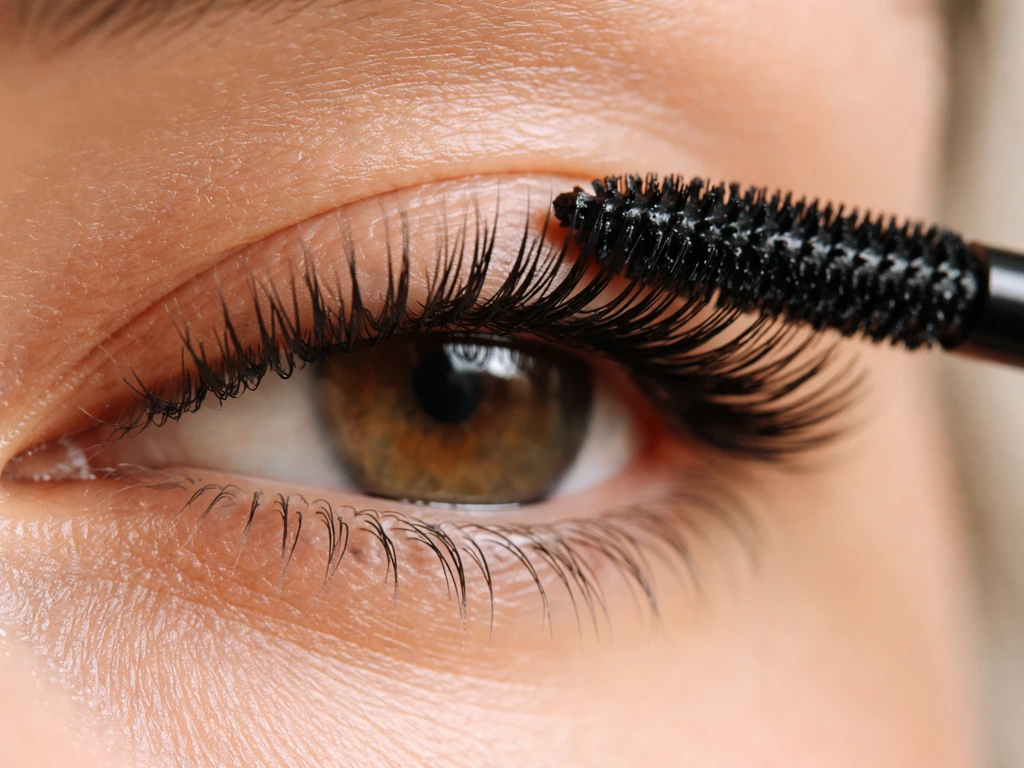
Stopping mascara won't magically make your eyelashes grow longer overnight, but it can absolutely help them look longer and fuller over time by reducing the breakage, dryness, and low-grade inflammation that mascara use often causes. The distinction matters: mascara doesn't suppress lash growth at the follicle level the way some medications do, but repeated mechanical stress, harsh removal, and allergic reactions can shorten lashes by snapping them off or disrupting the follicle environment. Remove that stress, and lashes that were breaking before now survive their full growth cycle. That difference can be significant.
If I Stop Wearing Mascara, Will My Eyelashes Grow?
Rachel Nguyen
2 May 2026
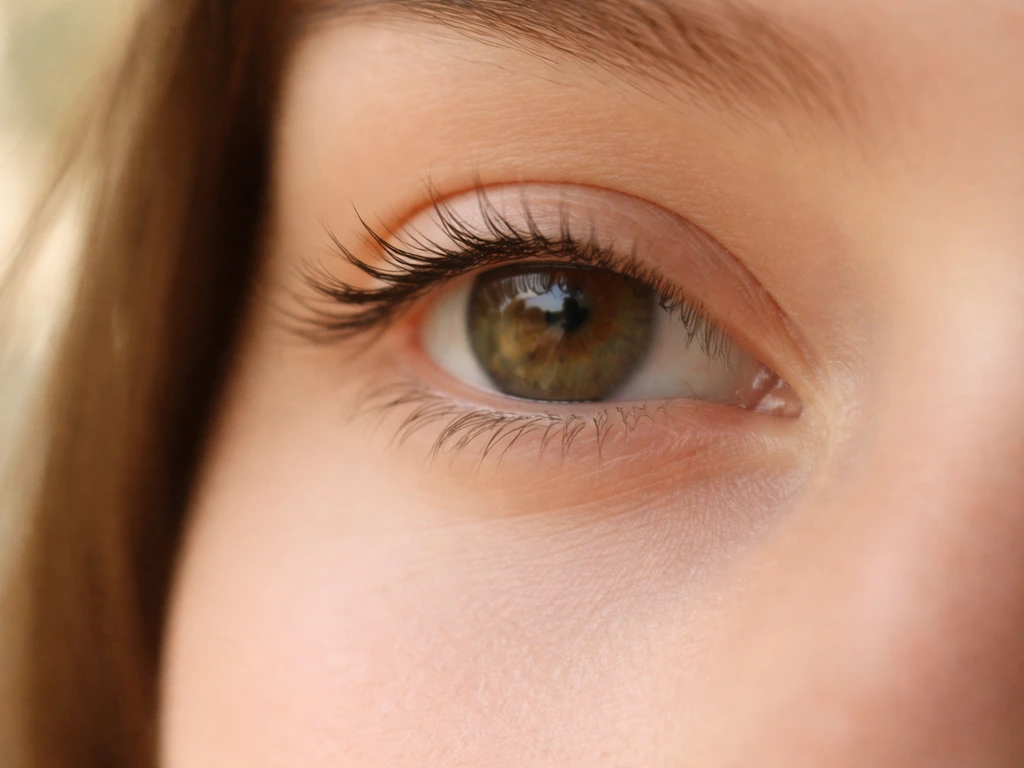
How mascara actually affects your lashes
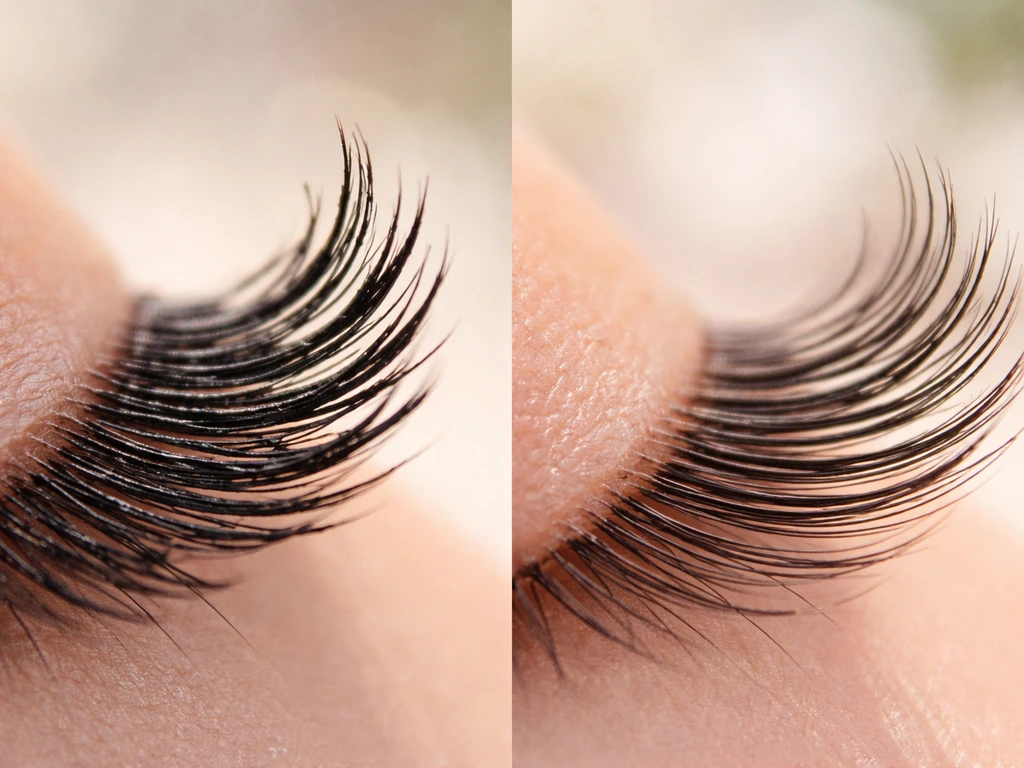
Mascara doesn't block growth from happening inside the follicle, but it creates a chain of small problems that chip away at lash health from the outside. Understanding those mechanisms makes it easier to know what you're actually fixing when you stop.
Mechanical breakage
Mascara dries and stiffens lashes. When you rub your eyes, sleep on your side, or aggressively remove makeup with a washcloth, you're snapping brittle, coated lashes that would otherwise flex. Waterproof formulas are especially stiff and often require harder rubbing to remove. An eyelash that breaks halfway through its growth cycle is gone for months, not days, because the follicle has to reset before a new lash can grow in.
Allergic and irritant reactions
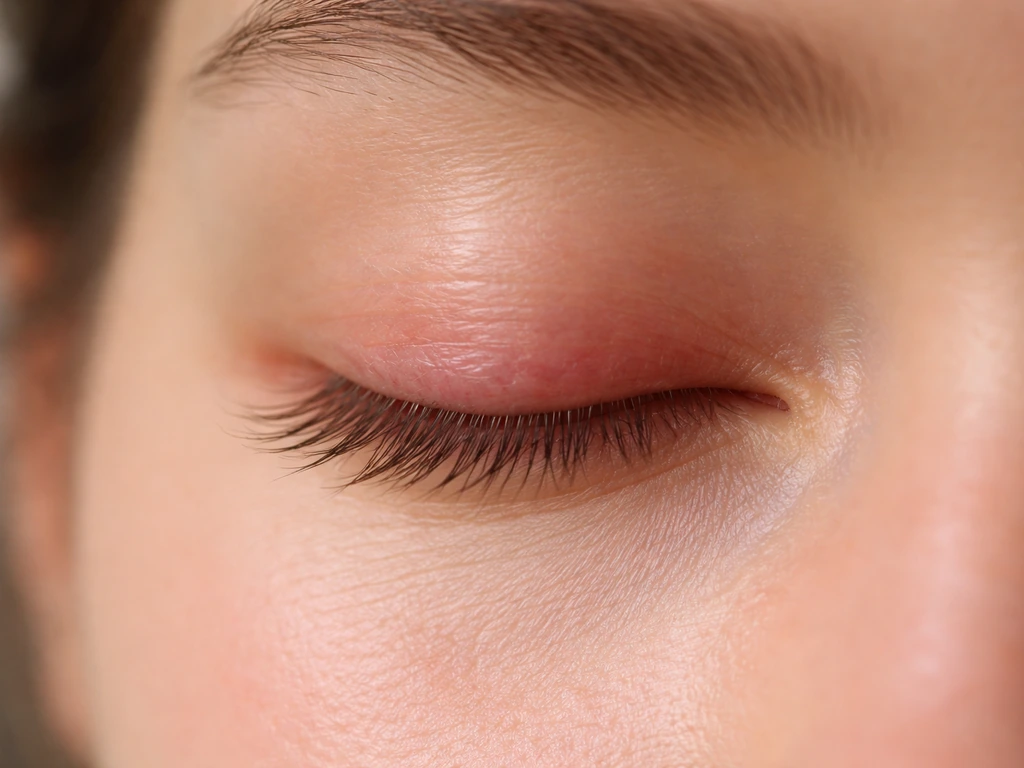
This is the more underappreciated problem. Both the Cleveland Clinic and DermNet list mascara as a recognized trigger for eyelid contact dermatitis, either allergic (your immune system reacts to a specific ingredient like shellac or preservatives) or irritant (the formula simply irritates the skin chemically). Chronic low-grade inflammation at the eyelid margin disrupts the environment around the follicle base. You may not notice obvious redness or swelling, but repeated subclinical irritation over months adds up. The FDA's own eye cosmetic safety guidance recommends stopping any product that causes irritation and consulting a healthcare provider if reactions persist.
Follicle-level disruption from inflammation
Blepharitis, which is inflammation of the eyelid margin right where lashes emerge, is recognized as a cause of eyelash loss (madarosis) by multiple sources including the American Academy of Ophthalmology. Mascara residue that isn't fully removed can accumulate at the lash line and contribute to that kind of inflammation. It's not a dramatic cause-and-effect, but a mascara user who skips thorough removal consistently over months is stacking a real risk of follicle disruption.
What the eyelash growth cycle tells you about timing
Eyelash follicles cycle through three phases: anagen (active growth), catagen (transition), and telogen (resting/shedding). The anagen phase for eyelashes is short, roughly 1 to 2 months, compared to the scalp's multi-year growth phase. The telogen phase is long, about 4 to 5 months. That means a significant proportion of your lash follicles are resting at any given time, and the full eyelash life cycle spans roughly 4 to 11 months depending on the follicle.
What this means practically: if you stop wearing mascara today, lashes that were already in the anagen phase will grow normally over the next 4 to 8 weeks. What to do right now to protect your lashes is more important than most people expect, and it also helps answer whether will not wearing mascara help your eyelashes grow for your specific timing. But lashes that were prematurely shed or broken won't appear overnight. You're waiting on the follicle to cycle back into anagen and then grow a full new lash, which can take several months. Most people start noticing a visible difference in lash fullness somewhere between 6 and 12 weeks, assuming they've eliminated the source of damage.
What to do right now to protect your lashes
Whether you stop mascara entirely or just cut back, how you treat your lashes daily has a bigger impact than most people expect. These aren't complicated steps, but they do require consistency.
- Remove eye makeup gently every single night. Use a dedicated oil-based or micellar eye makeup remover on a cotton pad, held against the lashes for 15 to 20 seconds before wiping. This dissolves mascara instead of dragging it off mechanically. Rubbing and scrubbing is the fastest way to snap lashes.
- Avoid waterproof mascara. If you're still wearing mascara during this recovery period, regular formula is easier to remove and less brittle when dry. Waterproof versions compound breakage.
- Stop using a lash curler aggressively, especially on mascara-coated lashes. Mechanical crimping on stiff lashes causes snapping. If you curl, do it before mascara application on clean, dry lashes only.
- Don't pick or pull at flaking mascara during the day. This is one of the most common unconscious causes of lash loss.
- Clean your lash line regularly. A gentle eyelid wash or diluted baby shampoo on a cotton pad at the base of the lashes removes residue that contributes to blepharitis-type inflammation. The College of Optometrists includes this kind of lid hygiene in evidence-based blepharitis management.
- Replace mascara tubes every 3 months. Old mascara harbors bacteria that can cause eyelid infections, adding another source of inflammation and follicle disruption.
Options that actually support lash growth
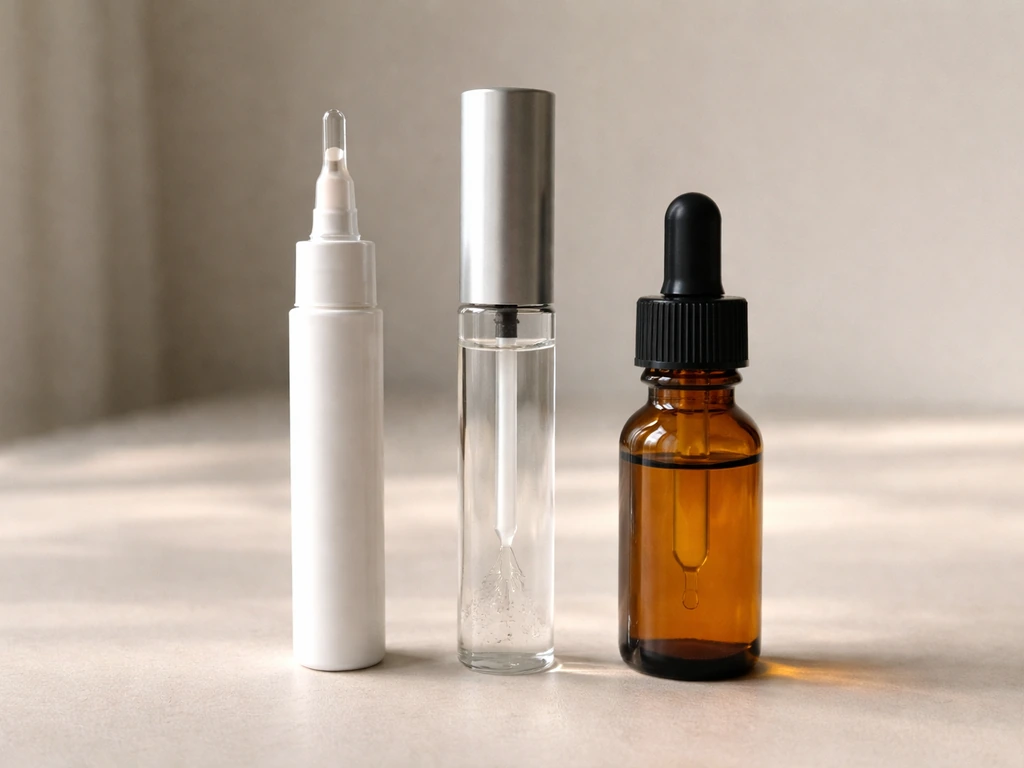
Once you've removed the damage sources, you can layer in growth-supportive strategies. Here's an honest look at what has real evidence behind it versus what's more speculative.
Prescription lash serums (bimatoprost)
The strongest clinical evidence for actually increasing lash length, thickness, and darkness points to prescription prostaglandin analogs, specifically bimatoprost 0.03% (sold as Latisse). Clinical data shows appreciable improvement typically appears around week 8 of consistent use, which aligns with the anagen cycle timing. It works by extending the anagen phase of the follicle, meaning lashes have more time to grow before they shed. The FDA label includes real warnings to take seriously: potential permanent increased brown iris pigmentation if the solution contacts the eye, eyelid skin darkening, and other adverse effects including conjunctival redness and eye irritation. It also requires a prescription and careful application to the upper eyelid margin only, not lower. It's the most effective option available, but it's not casual or risk-free.
Over-the-counter lash serums
The OTC serum category is a mixed bag. Some products contain peptides, panthenol, or biotin, which may condition lashes and reduce breakage but don't have strong evidence for stimulating follicle-level growth the way prostaglandins do. More concerning: a 2022 LC-MS/MS study found that some cosmetic lash serums contained undeclared prostaglandin analog ingredients, meaning you could unknowingly be getting prescription-level actives without prescription-level guidance or monitoring. If you use an OTC serum and notice iris color changes, persistent eye redness, or eyelid darkening, stop using it and see an eye doctor. Apply any serum to the upper lash line only, keep it away from the eye itself, and patch-test the eyelid skin first for a few days before full use.
Castor oil and other conditioning oils
Castor oil is by far the most popular natural remedy people try, but the evidence is genuinely thin. Medical News Today and GoodRx both note there are no clinical trials specifically demonstrating that castor oil increases eyelash length or thickness. What it likely does is coat and condition the lash shaft, reducing brittleness and breakage, which can help lashes survive their full growth cycle and appear longer. That's still useful if you're trying to recover from mascara damage, just don't expect it to trigger new follicle activity the way bimatoprost does. Apply a tiny amount with a clean mascara wand or cotton swab to lash roots before bed, and remove in the morning. Avoid getting it in your eyes, as it can temporarily blur vision and cause irritation.
| Option | Evidence Level | What It Actually Does | Realistic Timeline | Key Risks |
|---|---|---|---|---|
| Bimatoprost (Latisse) | Strong clinical evidence | Extends anagen phase, increases length/thickness/darkness | Visible results ~8 weeks | Iris pigmentation (possibly permanent), eyelid darkening, eye irritation; requires Rx |
| OTC peptide/biotin serums | Weak to moderate | May condition lashes, reduce breakage; some may contain hidden prostaglandins | Variable, 8–12 weeks | Unknown ingredients in some products; potential irritation |
| Castor oil | No clinical trials for growth | Conditions lash shaft, reduces breakage | 4–8 weeks for breakage reduction | Generally safe; avoid direct eye contact |
| Stopping mascara + gentle removal | Indirect but logical | Removes source of mechanical and chemical damage | 6–12 weeks for visible fullness improvement | None if done correctly |
A note on biotin
Biotin supplements are widely marketed for hair and lash growth, but the evidence for biotin supplementation helping lash growth in people who are not biotin-deficient is not strong. If you're already getting enough biotin through diet (eggs, nuts, whole grains), extra supplementation is unlikely to make a visible difference. It's not harmful at standard doses, but it's not a shortcut either.
When lash loss isn't about mascara at all
If you stop mascara, clean up your removal habits, and your lashes are still visibly thinning or falling out after 8 to 12 weeks, it's time to consider that something else is going on. Eyelash loss (madarosis) has a long list of non-cosmetic causes, and wasting months on castor oil when you have an underlying medical condition isn't a good plan.
Signs that warrant a doctor visit
- Lash loss that is patchy, rapid, or affecting one area more than another (could indicate alopecia areata or localized infection)
- Persistent eyelid redness, scaling, crusting, or itching at the lash line (blepharitis, eczema, or contact dermatitis that needs treatment, not just mascara removal)
- Lash loss occurring alongside eyebrow thinning, hair shedding, fatigue, or skin/temperature changes (possible thyroid dysfunction, which is a recognized cause of madarosis)
- Eye or eyelid swelling that doesn't resolve after stopping a product (allergic contact dermatitis that may need topical steroid treatment)
- Any lash loss following a skin rash or blistering around the eye (possible herpes zoster, which is a medical emergency in that location)
- Lash loss that started after a new medication (several systemic medications are associated with eyelash changes)
The Cleveland Clinic notes that madarosis caused by conditions like blepharitis or eczema is often reversible once the underlying cause is treated. But 'reversible' depends on actually treating it, not just switching mascara brands. StatPearls lists recognized causes including atopic dermatitis, alopecia areata, acne rosacea with blepharitis, and herpes zoster, all of which need medical evaluation rather than a cosmetic fix. If there's any doubt about whether what you're experiencing is normal post-mascara recovery or something more, an appointment with a dermatologist or ophthalmologist is worth it.
The realistic picture for the next 4 to 12 weeks
Week 1 to 2: your lashes won't look dramatically different yet, but you'll have stopped adding new damage. This is also when you'll notice if you have any product sensitivity, since irritation and flaking often become more obvious once you start looking. Weeks 3 to 6: lashes that were in active growth at the time you stopped mascara will be completing their anagen phase. If breakage was your main issue, you may start to notice slightly longer, healthier-looking lashes appearing. Weeks 6 to 12: this is typically when people report a real visible difference in fullness, assuming they've consistently used gentle removal, kept the lash line clean, and optionally added a conditioning oil or supportive serum. If you've added a prostaglandin-based prescription serum, the clinical data suggests around week 8 is when appreciable changes typically show.
It's worth noting that the question of whether mascara itself can ever support lash growth is a separate one. That brings us to whether specific mascaras, like Thrive, can actually make your lashes grow does thrive mascara make your lashes grow. Some mascaras market themselves as growth-boosting, and a few contain conditioning ingredients that reduce breakage, but the evidence for mascara as a growth tool is thin. The lash-growth question and the 'stop mascara' question are essentially two sides of the same coin: cosmetic products can maintain or degrade what you have, but genuine follicle-level growth changes require more than a formula swap. If you're trying to choose the best mascara to grow eyelashes, focus on gentler formulas that reduce breakage and irritation rather than expecting true follicle-level growth.
FAQ
Will stopping mascara make my lashes grow back faster if I used it for a long time?
Not usually. If you were wearing mascara for years, you may need to wait through a full lash cycle to judge results, because lashes that were already broken or shedding do not regrow “all at once.” A realistic visible change is often closer to 6 to 12 weeks, even after you stop.
Could stopping mascara still make my lashes look worse at first?
Sometimes. If your lashes are brittle or you rub your eyes while removing makeup, they can snap before a new lash grows in, which can look like “loss.” Switch to very gentle removal (no washcloth friction), and avoid waterproof formulas if they tempt you to scrub.
If I stop mascara but keep using other eye products, could my lashes still fail to improve?
Irritation can keep you from getting benefits even if you stop the mascara. Any eyelid-makeup remover, eye cream, lash tint, or lash lift residue that continues to sting, flake, or redden the lid margin can prolong inflammation. If symptoms persist after stopping all suspected products, get an eye doctor evaluation.
How do I know whether my problem is irritation versus normal lash shedding?
If you suspect an allergy or chronic irritation, don’t keep “testing” the same brand. Ingredients in the formula (and even certain removal products) can be triggers. Consider patch-testing any new eye-adjacent product on the eyelid skin before full use, and stop if you notice persistent itching, swelling, or eyelid darkening.
What if my lashes keep falling out after I stop mascara?
Yes, lash shedding can be normal during the telogen phase. What is not typical is ongoing shedding that continues beyond about 8 to 12 weeks after removing the main damage source. If you see progressive thinning, lash loss at the outer lid, or symptoms like itching or burning, get checked rather than waiting indefinitely.
Should I stop using an eyelash curler too?
Avoid lash curler pressure and repeated coating during recovery, even if you stop mascara. Curlers can increase breakage, especially if lashes are dry from makeup removal. If you use a curler, be sure it is clean, apply light pressure, and skip it if you notice snagging.
Is Latisse a safer option than continuing to use mascara?
Prescription prostaglandin analogs can increase lash length, but they must be applied precisely and can cause side effects, including eyelid skin darkening and possible iris pigmentation if the medication contacts the eye. If you have eye surface disease, recent eye surgery, or persistent redness, ask your ophthalmologist whether it is appropriate for you.
Do OTC lash serums help if my lashes are thinning from breakage?
It depends. If your lashes are thinning due to breakage or irritation, conditioning can help them look fuller by preventing snapped shafts, even if it does not change follicle growth. Choose products designed for the upper lash line and avoid applying them into the eye or lash waterline.
How should I use castor oil so I do not irritate my eyes?
Be cautious with castor oil. It may condition the lash shaft, but it is not proven to stimulate growth at the follicle. Use only a tiny amount on the upper lash roots with a clean applicator, stop if you get redness or blurred vision, and avoid it if you have sensitive eyes.
Are there special precautions if I wear contacts or have lash treatments like tinting or lifts?
If you wear contacts, make sure any serum or oil is applied away from the eye so it cannot wick into the eye area. Also consider pausing lash tinting or any lash treatments during recovery, because those add additional chemical and mechanical stress to the lash line.
Next Article
Best Mascara to Grow Eyelashes: Drugstore Picks & Tips
Best drugstore mascaras for lash growth support, ingredient tips, what to expect, and how to apply without breakage.