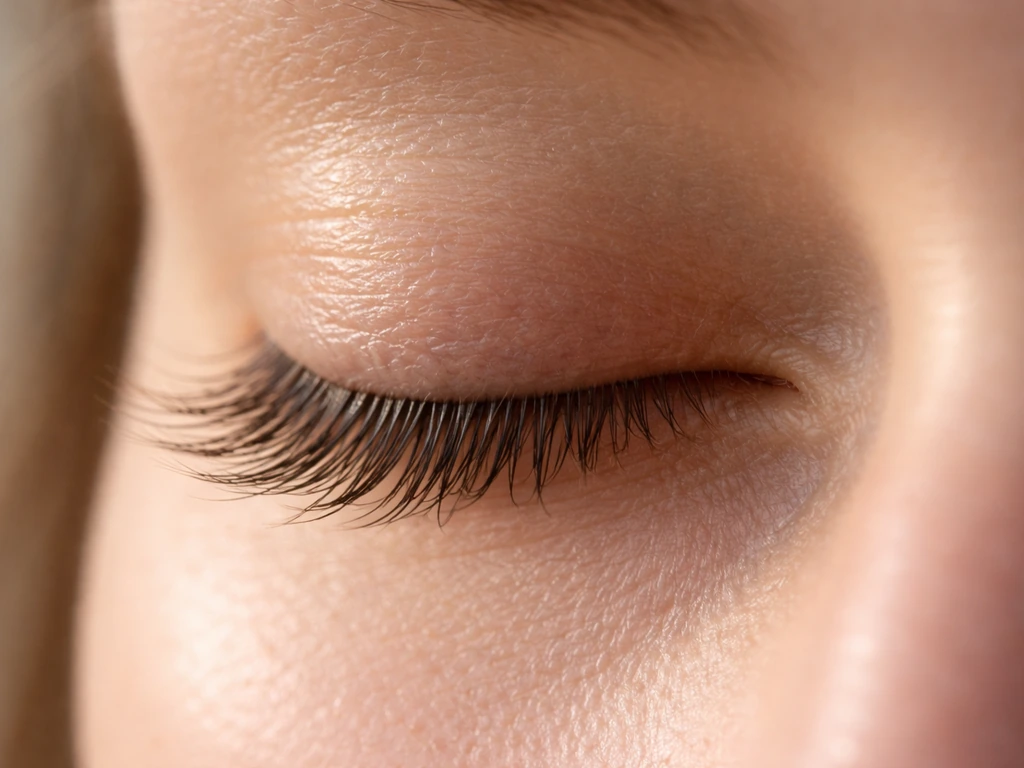
The ingredients and habits that genuinely help eyebrows and eyelashes grow come down to a short list: protect the follicle from damage, keep the lid margin clean, apply a conditioning oil or a peptide-based serum to support the hair shaft and skin around it, and if you want the fastest clinically proven results, ask a dermatologist about bimatoprost (sold as Latisse). Everything else, supplements, exotic oils, at-home gadgets, sits somewhere between mildly useful and unproven, depending on why your lashes or brows thinned in the first place.
What Helps Eyebrows and Eyelashes Grow Faster Safely
Rachel Nguyen
12 May 2026
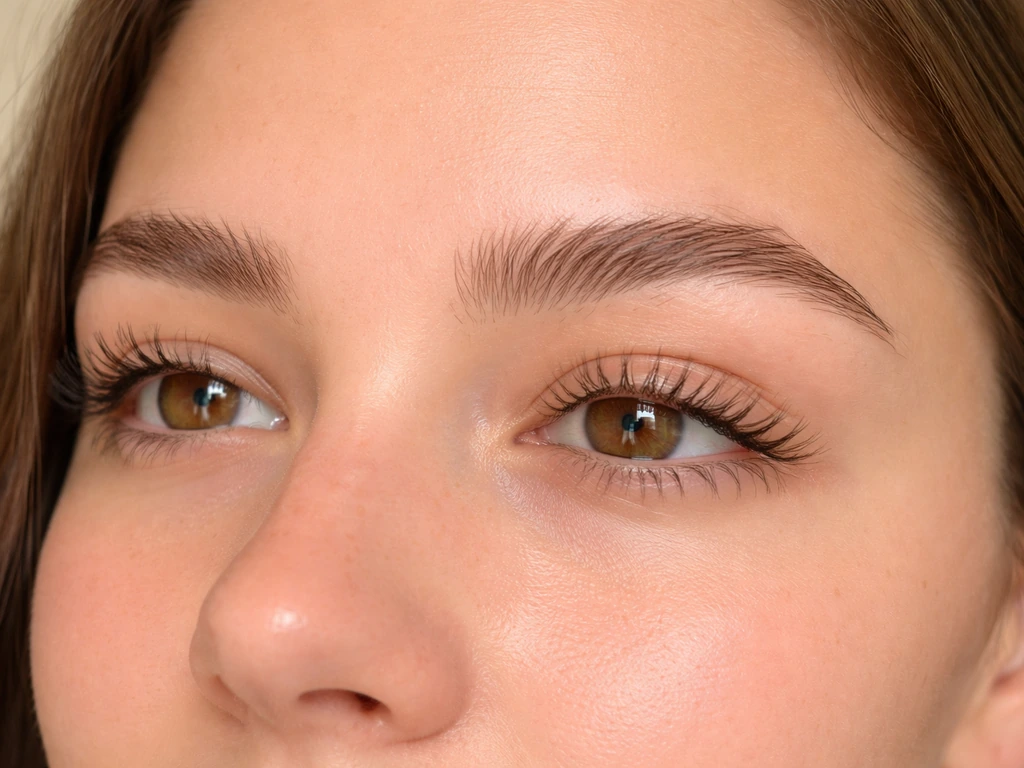
Why lashes and brows stop growing (or start falling out)
Before throwing products at the problem, it helps to know what caused it. Lashes and brows shed for different reasons, and several of the most common ones are entirely fixable once you spot them.
- Mechanical damage: rubbing your eyes, sleeping face-down on a rough pillowcase, and aggressive makeup removal all physically snap lashes and disrupt follicles. Eyelash extensions are a big one here—they can cause traction alopecia (follicle stress from weight and pulling), allergic blepharitis from adhesive glues, and conjunctival erosion from fixation tape.
- Inflammation of the eyelid margin (blepharitis): this is chronic inflammation driven by bacterial colonization, meibomian gland dysfunction, seborrheic dermatitis, rosacea, or Demodex mites. Left untreated, it leads to madarosis—actual reduction in lash numbers—and in severe cases, misdirected or permanently lost lashes.
- Harsh cleansers and makeup removers: alcohol-heavy removers and strong surfactants dry out the follicle environment and cause brittleness and breakage.
- Hormonal shifts: thyroid disorders, postpartum hormone changes, and menopause are among the most common systemic reasons for brow thinning. The outer third of the eyebrow going sparse is a classic low-thyroid sign.
- Medications: chemotherapy is the well-known culprit, but beta-blockers, retinoids, anticoagulants, and some acne treatments can also trigger shedding.
- Nutritional gaps: a genuine biotin deficiency, low iron, or protein restriction can slow hair growth system-wide, including lashes and brows. This is less common than supplement brands suggest.
- Over-tweezing and waxing: repeated trauma to brow follicles, especially over years, can cause follicles to stop producing hair permanently.
The good news is that most madarosis from localized conditions or mechanical causes is non-scarring, meaning the follicle is still intact and hair can regrow once the trigger is removed. Scarring madarosis (from burns, severe infection, or prolonged inflammation) is the exception and needs clinical assessment.
Fastest things you can do at home right now
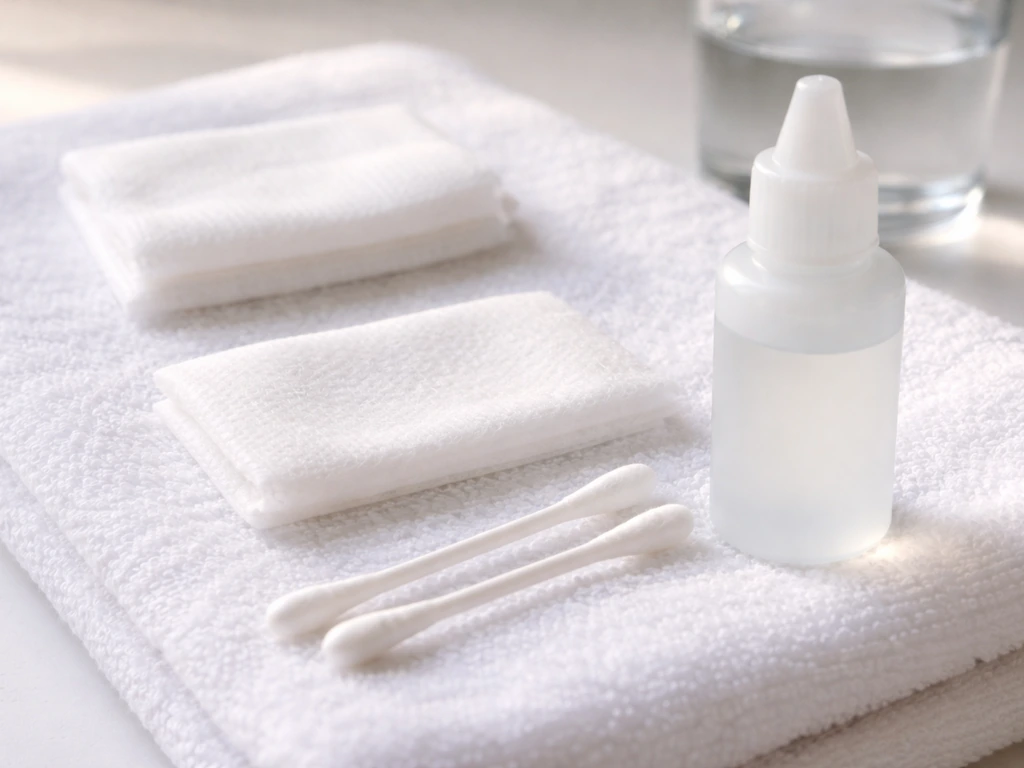
These aren't exciting, but they genuinely move the needle, and several work faster than any serum because they stop active damage.
Gentle cleansing at the lid margin
Clean the base of your lashes nightly with a diluted, fragrance-free cleanser or a pre-moistened lid hygiene wipe. This removes oils, dead skin, and any Demodex-friendly buildup that feeds blepharitis. Mayo Clinic recommends self-care such as gently cleansing the eyelids and using warm compresses, and diagnosis is based on careful examination of the eyelid and eyes This removes oils, dead skin, and any Demodex-friendly buildup that feeds blepharitis.. Use a cotton swab or a clean fingertip, not a cloth you drag across. The goal is clean but not irritated, overly vigorous scrubbing causes its own mechanical damage.
Take your makeup off properly
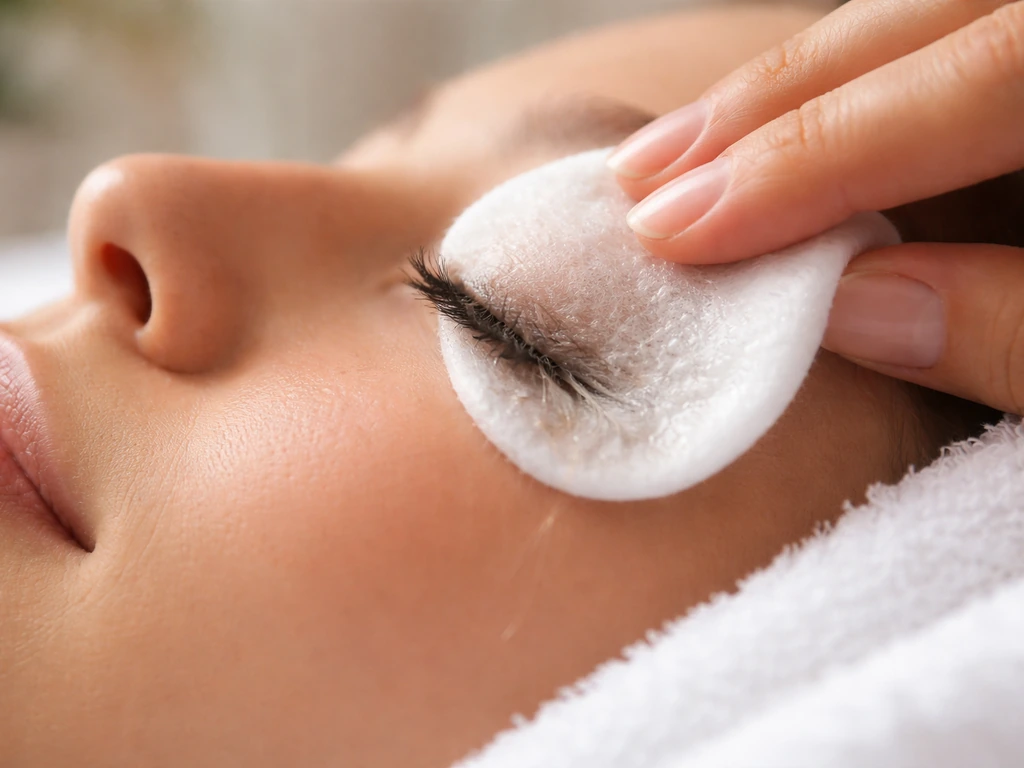
Use a micellar water or an oil-based remover on a soft pad, and let it sit on the lash line for 10 to 15 seconds before wiping. Then wipe downward and outward, not back and forth. That single habit change reduces the mechanical lash loss that happens when people rub waterproof mascara off hard.
Reduce friction everywhere
Switch to a silk or satin pillowcase if you sleep on your side or face. Stop touching and rubbing your eye area during the day. If you wear glasses, make sure the frames aren't resting on your brow line and creating constant pressure. These feel like small changes but they add up to a lot less mechanical stress over a lash growth cycle.
Give the lash and brow area moisture
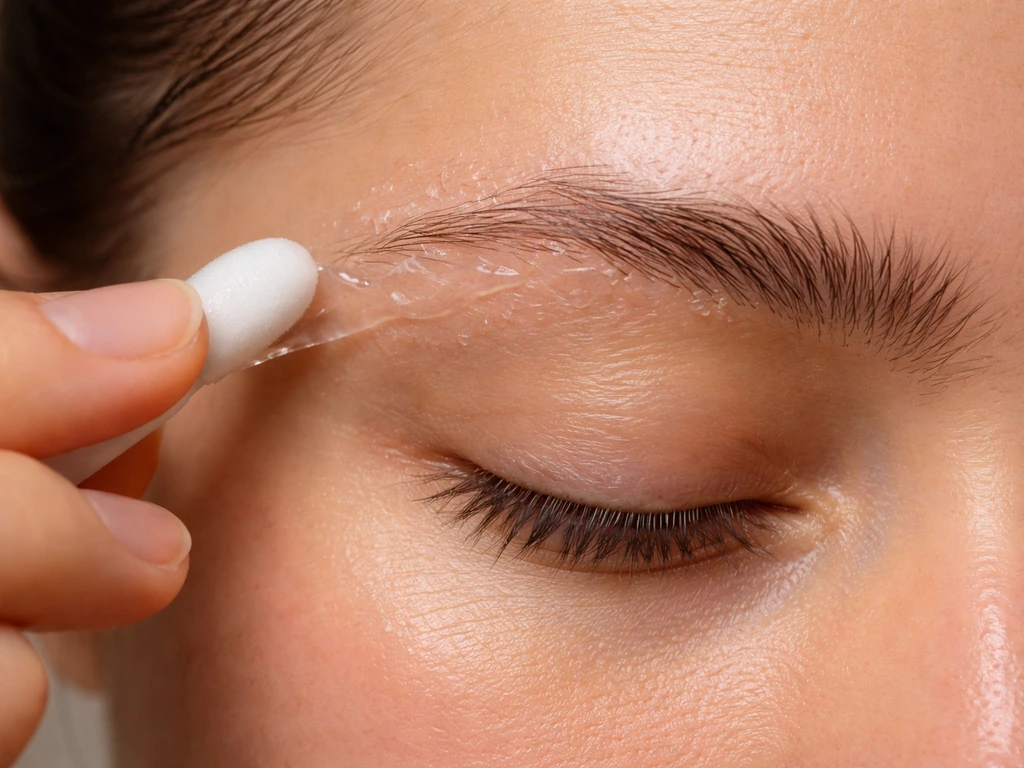
Dry, flaky skin around the follicles slows growth and causes breakage. A light, non-comedogenic moisturizer applied to the brow area each night keeps the skin environment healthier. For lashes, a conditioning oil (more on this below) does the same job.
Take a break from extensions and heavy mascara
If your lashes are visibly thinning and you're wearing extensions, that combination is almost certainly making it worse. Traction alopecia from extension weight needs rest to recover, you can't out-serum ongoing mechanical damage. A break of at least 8 to 12 weeks gives the follicles a chance to cycle through and produce new growth.
Evidence-based ingredients and oils that actually do something

Here's where I want to be honest with you: the research on natural oils and lash growth is thin. Most studies are small, industry-funded, or simply don't exist. That said, some ingredients have real mechanisms worth understanding. If you are curious about light-based options, does red light therapy help eyelashes grow may be a useful related consideration.
Castor oil
Castor oil is the most widely used home remedy for lashes and brows, and it's not without reason, even if the growth claims are overblown. Its high ricinoleic acid content makes it an excellent occlusive and conditioning agent. It coats and seals the hair shaft, reducing moisture loss and breakage. It also has documented anti-inflammatory and antimicrobial properties that may help keep the follicle environment healthier. Does it trigger new growth from inactive follicles? Probably not in any significant way. But reducing breakage is real, visible progress, and for most people that's the actual bottleneck. Apply a tiny amount to a clean spoolie and brush through lashes and brows at night. Less is more, too much blocks follicles.
Other conditioning oils
Argan oil, sweet almond oil, and vitamin E oil work on similar principles: they condition the shaft, reduce brittleness, and protect from environmental damage. None have strong clinical evidence for growing new lashes, but they're safe, inexpensive, and reduce the breakage that makes lashes look shorter than they actually are. Coconut oil penetrates the hair shaft slightly differently than most oils because of its smaller molecular size, which may help with protein retention in the hair.
Biotin and supplements
Biotin (vitamin B7) is worth mentioning because it's everywhere in lash and hair marketing. The reality: biotin supplementation improves hair growth when there's an actual deficiency, but there's little controlled evidence it does much for people who are already sufficient. If you're eating a reasonably balanced diet, you're almost certainly not biotin-deficient. That said, if you've recently been through a crash diet, bariatric surgery, or extended illness, a general hair-support supplement with biotin, zinc, and iron may help fill real gaps. Collagen supplementation has some emerging evidence for hair health too, and keratin-focused supplements show up in this space, though the mechanism is indirect.
Peptides and growth factors in topical products
Some over-the-counter serums include peptides like biotinoyl tripeptide-1 or myristoyl pentapeptide-17, which are theorized to signal follicles and support keratin production. The studies behind these are mostly small and sponsored by the brands themselves, but the mechanism is plausible and adverse effects are low. They sit in a useful middle ground between castor oil and prescription treatments.
Lash and brow serums: how to choose one and what to expect
The serum market ranges from genuinely useful to pure packaging. Here's how to think through it.
Prescription bimatoprost (Latisse)
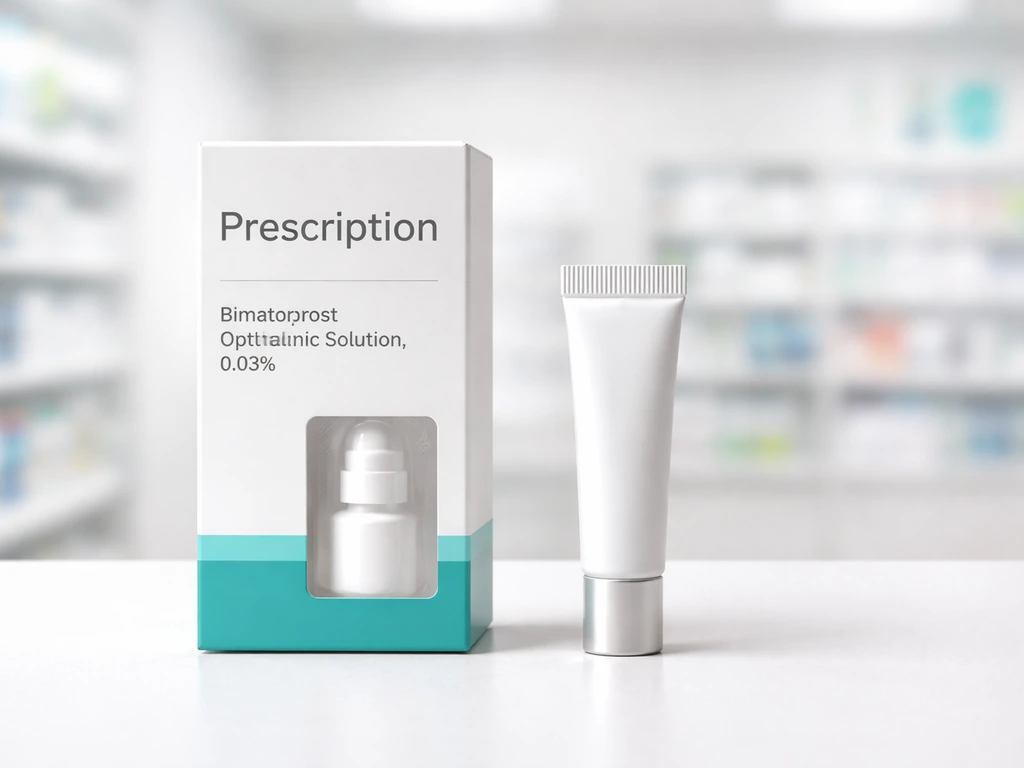
This is the only FDA-approved treatment for lash hypotrichosis (inadequate lash growth), and it has the strongest evidence by a significant margin. Bimatoprost 0.03% is a prostaglandin analog that extends the anagen (active growth) phase of the lash cycle, resulting in longer, thicker, and darker lashes. Clinical trials show measurable results at 8 weeks, with full results around 16 weeks. It's applied once nightly to the upper lash line only, not the lower lid, with the applicators provided. Side effects are real and worth knowing: it can cause conjunctival redness, eyelid skin darkening, and with prolonged use, potentially a change in iris pigmentation in some people. It requires a prescription and dermatologist or ophthalmologist oversight.
OTC prostaglandin-analog serums
Several over-the-counter serums use prostaglandin analogs like isopropyl cloprostenate at lower concentrations. They work on a similar principle to bimatoprost but are less potent. They can produce noticeable improvement in 8 to 12 weeks and carry similar (though generally milder) risks, particularly potential for skin darkening around the eye and redness. These are the products you see most often in beauty retail at $50 to $150 per tube.
Peptide-based serums (no prostaglandin analogs)
If you're sensitive to prostaglandins or pregnant, peptide-only serums are the lower-risk alternative. They condition and support rather than directly trigger follicle activity. Results are subtler and slower, think 12 to 20 weeks, but the safety profile is better.
What to look for on the label
- Active or key ingredient listed clearly (bimatoprost requires a prescription; isopropyl cloprostenate or similar analogs in OTC products should be listed)
- Peptide serums should name specific peptides (biotinoyl tripeptide-1, myristoyl pentapeptide-17) rather than vague 'peptide complex' language
- No fragrance or alcohol in the first several ingredients—both irritate the eye area
- Patch test any new serum on the inner arm for 24 hours before applying near the eyes
- Applicator type matters: a fine brush or doe-foot applicator limits how much product contacts the actual eye
Realistic timelines for lash and brow regrowth
Lashes grow at roughly 0.12 to 0.14 mm per day. Their active growth phase (anagen) is short, about 30 to 45 days, and the resting phase (telogen) can last four to nine months before a lash sheds and restarts. Brows have an even shorter anagen phase, roughly 28 days, which is why over-tweezed brows can take so long to fill back in.
| Approach | Visible change | Significant result | Notes |
|---|---|---|---|
| Stop active damage (friction, extensions) | 2 to 4 weeks | 8 to 12 weeks | Fastest-acting step; prevents further loss |
| Conditioning oils (castor, argan, etc.) | 4 to 8 weeks | 12 to 16 weeks | Mainly reduces breakage, not new growth |
| OTC peptide serums | 8 to 12 weeks | 16 to 24 weeks | Subtle but safe; good for sensitive eyes |
| OTC prostaglandin-analog serums | 6 to 8 weeks | 12 to 16 weeks | More potent; monitor for side effects |
| Prescription bimatoprost (Latisse) | 8 weeks | 16 weeks | Strongest evidence; requires Rx and monitoring |
One thing people don't expect: results from prostaglandin-based serums reverse when you stop using them. Lashes return to their baseline length over several weeks because the treatment was extending the growth phase, not permanently changing follicle behavior. Keep that in mind when budgeting.
Mistakes that slow growth down (or make things worse)
Some of the most common things people do while trying to grow lashes and brows are actively working against them.
- Applying too much oil: heavy occlusive layers over the follicle opening can block it. A light swipe at night is enough. You don't need to saturate the lash line.
- Using serums on both the upper and lower lash margins when the label says upper only: Latisse specifically warns against applying to the lower lash line—the lower lashes are contacted when you blink, and the excess product can cause periorbital pigmentation.
- Continuing to wear extensions through a recovery period: you cannot repair traction alopecia while the weight causing it is still there.
- Rubbing in serums or oils aggressively: the follicles are close to the eye surface. Apply gently and let the product sit, don't massage it in like a skincare product.
- Expecting supplements to do the work when behavior is the actual problem: no biotin supplement fixes the damage from rubbing your eyes every night.
- Skipping a patch test: eye-area skin is thin and reactive. Allergic blepharitis from serum ingredients is a real problem—it makes shedding worse, not better.
- Switching products every few weeks: lash and brow growth cycles are slow. Changing products before 8 to 12 weeks means you never give anything a real chance to work.
When to see a clinician
See a dermatologist or ophthalmologist if: your lash or brow loss is sudden, patchy, or asymmetrical (this can signal alopecia areata, thyroid dysfunction, or other systemic issues); you have persistent redness, scaling, or crusting at the lid margin that doesn't clear with gentle hygiene (this is blepharitis and needs treatment, not just serums); you're experiencing eye pain, vision changes, or foreign body sensation; or you've had a recent burn, trauma, or infection near the eye. These aren't situations that conditioning oils and serums will fix, and some of them can involve scarring that makes regrowth impossible without medical intervention.
Recovery after damage: extensions, friction, burns, and medications
If your lashes or brows were damaged by a specific event or chronic habit, the recovery process is a bit more structured than general growth support.
After eyelash extensions
Traction alopecia from extensions is one of the most common causes of lash thinning I hear about. The protocol: remove all extensions completely (by a professional if possible, to avoid further damage), rest for at least 8 to 12 weeks without reapplication, use a nightly conditioning oil or peptide serum during that window, and assess honestly whether full lashes are coming back. If patchy areas persist beyond 12 to 16 weeks, see a dermatologist. Extension adhesive allergies cause allergic blepharitis that can continue to damage follicles even after extensions are removed if the inflammation isn't treated.
After chronic rubbing or friction
The follicle is surprisingly resilient to mechanical damage as long as it hasn't been rubbed raw repeatedly over years. Stop the rubbing habit (harder than it sounds, if eye allergies are driving it, treat the allergies), implement the gentle lid hygiene routine above, and give it 2 to 3 full lash growth cycles, meaning 4 to 6 months, before concluding there's permanent loss.
After chemotherapy or medication-related shedding
Chemo-related lash and brow loss typically begins regrowing within 3 to 6 months of completing treatment, though texture and pigmentation may be temporarily different. During regrowth, the same rules apply: condition, protect from friction, avoid harsh products. Bimatoprost has been studied in chemotherapy patients for brow and lash recovery with promising results, and it's worth discussing with your oncologist or dermatologist once treatment ends.
After burns or severe inflammation
This requires clinical evaluation first, not home remedies. Scarring at the follicle level can prevent any regrowth, and a dermatologist needs to assess whether the follicle is still viable before recommending a treatment path. In some cases, platelet-rich plasma (PRP) or other clinical interventions may be appropriate for stimulating remaining follicles.
One last thing worth knowing: several specific nutrients and compounds beyond oils and serums show up in lash and brow recovery research. Vitamin C's role in collagen synthesis touches on lash support indirectly, and red light therapy has emerging evidence for stimulating follicle activity. Because collagen is made from building blocks like vitamin C, supporting collagen synthesis may play an indirect role in lash and brow health Vitamin C's role in collagen synthesis. Prenatal vitamins often get credited for lash growth, mainly because of their iron, folate, and biotin content. Keratin and collagen supplements also appear frequently in this space. None of these are magic, but they round out the full picture of what the research currently shows.
FAQ
Can I use multiple eyebrow and eyelash products at the same time to speed results?
Yes, but only if they can be tied to an actual mechanism. For example, consistent lid hygiene helps blepharitis-related shedding, while prostaglandin-type serums can extend the growth phase. If your hair loss is scarring, from burns, or related to an ongoing allergy or inflammation, oil-only routines will not be enough, and you should get evaluated first.
How should I layer castor oil, peptide serums, and prescription options without irritating my eyes?
Use serums and oils on clean, dry skin, and avoid layering too many actives at once. A practical approach is cleanse at night, then apply one conditioning product (oil or peptide serum) or one prescription-style serum, not both. If you use bimatoprost, do not combine it with other lash serums on top, since added ingredients can increase irritation and make side effects harder to track.
What side effects should make me pause and see a doctor rather than continue my regimen?
Stop and reassess if you develop increasing redness, burning, eyelid swelling, or crusting after starting a new product. For prostaglandin analogs, redness is common early but persistent discomfort, worsening irritation, or any vision symptoms warrants prompt clinician review. Consider switching to peptide-only formulas if irritation starts quickly after application.
What are common application mistakes that prevent lash growth or cause irritation?
I would not use a “bigger dose” strategy. For castor oil, a tiny amount is enough, too much can occlude the area and increase irritation. For prostaglandin-based treatments, apply only to the upper lash line as directed, and avoid the lower lid, because stray product is a common reason for unwanted redness or skin changes.
How do I tell if my lashes are thinning from shedding versus breaking?
If lashes look less, it may be breakage rather than less growth. An easy check is whether you are seeing short, frayed pieces (breakage) versus a true sparse pattern (growth-cycle issue). Conditioning oils and gentler makeup removal help breakage, while sparse, patchy thinning or sudden changes need medical evaluation.
What if my lash loss started after extensions, can I still use serums?
Yes. If you wear extensions, the key variable is whether traction or inflammation is still present. Remove extensions completely, give the follicles rest for at least 8 to 12 weeks, and use conditioning during recovery. If you see no meaningful improvement by 12 to 16 weeks, get a dermatologist assessment for conditions like allergic blepharitis or alopecia areata.
Will my lashes stay longer after I stop using bimatoprost or prostaglandin serums?
For prostaglandin-based results, plan around reversibility. Improvement typically declines over several weeks after stopping because the growth phase extension ends. If you want long-term maintenance, you may need ongoing treatment, but discuss an individualized plan with an ophthalmologist or dermatologist, especially if you have pigment or redness concerns.
What are safer options if I’m pregnant or my eyes are very sensitive?
Pregnancy and eye-surface sensitivity matter. If you are pregnant or you are having trouble tolerating prostaglandins, peptide-only conditioning is the lower-risk route mentioned in the article. Also prioritize mechanical fixes (lid hygiene, less rubbing, removing extensions) because those do not carry the same pharmacologic risk.
How long should I try at-home care before I seek a medical evaluation?
If you have sudden, patchy, or asymmetrical loss, do not wait for a cosmetic timeline. Sudden changes can reflect alopecia areata, thyroid dysfunction, or other systemic issues, and persistent lid margin inflammation can be blepharitis. A clinician can also check for signs of scarring that would change the treatment plan entirely.
When should I expect visible results, and when is it reasonable to conclude it is not working?
It depends on what you changed and the lash cycle. Brows regrow more slowly than lashes, and both need at least one full growth cycle to judge. A reasonable rule is to reassess at about 8 to 16 weeks for most serums, and closer to 4 to 6 months if the cause was mechanical damage (like chronic rubbing or over-tweezing).
If red light therapy helps, how should I combine it with the basics?
Red light therapy is still emerging, and protocols vary widely. If you try it, treat it as an add-on to the basics (gentle hygiene, reduced friction, conditioning) rather than a replacement. Track your progress with baseline photos and stop if you irritate your eyes or notice worsening lid symptoms.
Next Article
Does Collagen Help Eyelashes Grow? Evidence and Options
Find out if collagen can grow longer thicker eyelashes, what the evidence says, and what to try instead for real results