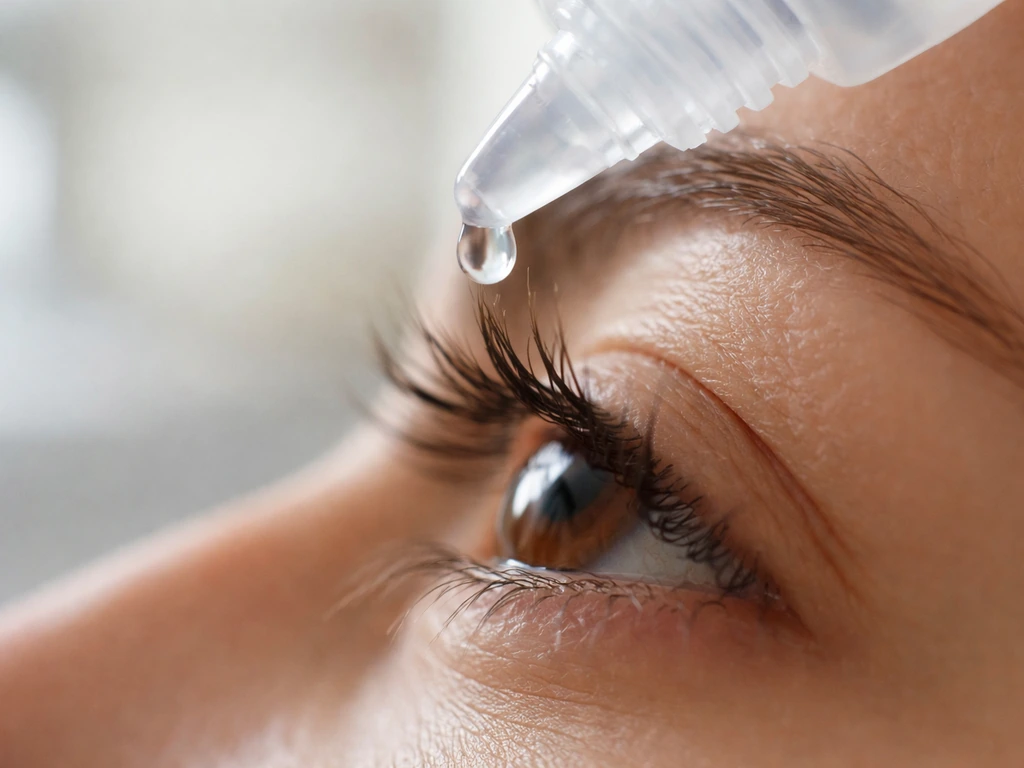
Brimonidine does not make eyelashes grow in any meaningful, evidence-backed way. If you are wondering whether dorzolamide can help, the evidence and expected mechanism are quite different, so it helps to look at what has actually been studied for lash growth Brimonidine. It is an alpha-2 adrenergic agonist approved for lowering intraocular pressure in glaucoma and ocular hypertension, and its FDA label makes zero mention of eyelash lengthening or thickening as an intended or observed benefit. There is one case-level observation in the periocular pigmentation literature noting possible eyelash changes when brimonidine was part of a multi-drug regimen, but that is a far cry from clinical evidence that brimonidine itself drives lash growth. If longer, fuller lashes are your goal, brimonidine is not the tool for the job.
Does Brimonidine Make Eyelashes Grow? Evidence, Safety

What brimonidine actually does in the body
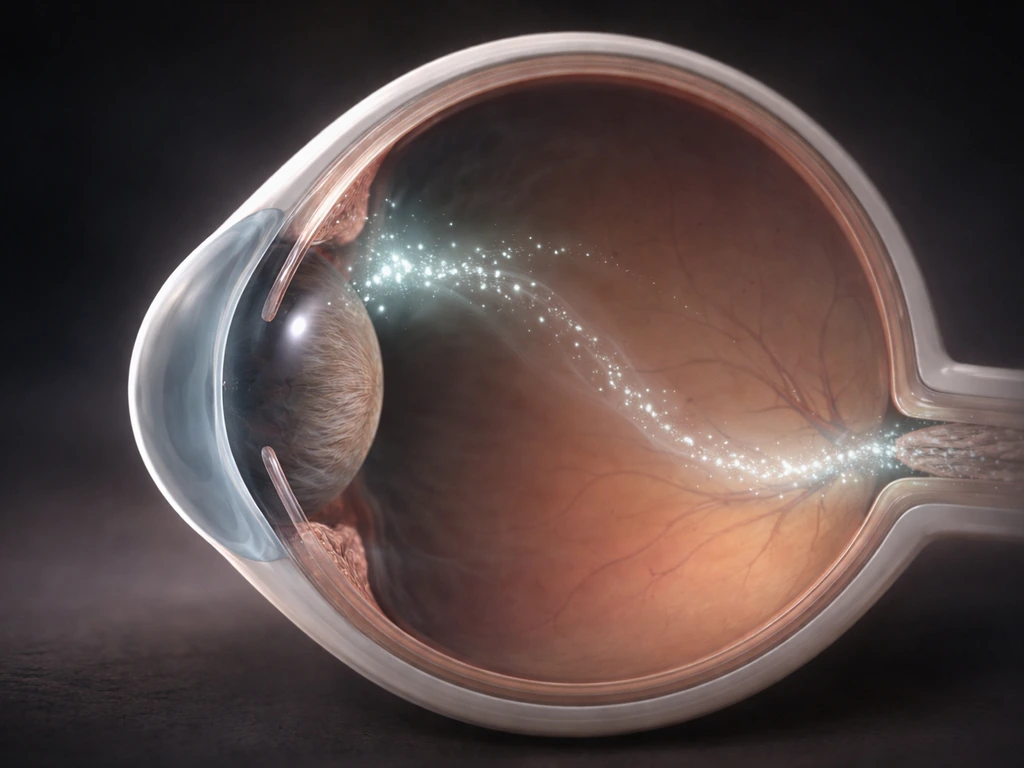
Brimonidine works by selectively activating alpha-2 adrenergic receptors. In the eye, that activation reduces the production of aqueous humor and increases its drainage, which brings intraocular pressure down. That is the entire clinical story for which it was developed and approved. On the skin, brimonidine (sold as Mirvaso) activates the same receptor type in blood vessels, causing vasoconstriction that temporarily reduces redness in rosacea.
The question people naturally ask is whether alpha-2 receptor signaling could somehow influence hair follicles. In theory it is not a crazy idea: adrenergic signaling does play a role in various tissue processes, and researchers have studied alpha-2 agonists in neuroprotection and cell-signaling models. But here is the key distinction: none of that research establishes alpha-2 agonism as a regulator of the anagen/telogen cycle in hair follicles, and no brimonidine-specific research has been done on eyelash follicles. The biology just does not connect the dots the way it does for, say, prostaglandin analogs.
What the evidence actually shows (and what it doesn't)
There are no controlled trials, randomized studies, or even well-documented case series testing brimonidine specifically for eyelash growth. The closest thing in the literature is a paper on blank" rel="noopener noreferrer">increased periocular pigmentation with ocular hypotensive lipid therapy in which brimonidine was part of the patient's overall regimen, and the authors noted eyelash growth as a possible complication in that context. That is an anecdotal observation from a multi-drug scenario, not evidence that brimonidine caused the lash changes. Bimatoprost (Latisse) is one of the best-studied medications for eyelash growth, with trials showing increases in length, thickness, and darkness.
Contrast that with the evidence base for bimatoprost, a prostaglandin analog. Bimatoprost 0.03% (Latisse) has been evaluated in multiple multicenter randomized controlled trials, where applying it to the upper eyelid margin produced statistically significant increases in eyelash length, thickness, and darkness at month 4 versus vehicle. Long-term controlled data exist for both idiopathic and chemotherapy-induced eyelash hypotrichosis. Brimonidine has nothing remotely comparable. When you look at the standard evidence base for eyelash enhancement, brimonidine simply is not in it.
Timeline reality check: how eyelash growth actually works
Even if a drug does influence lash follicles, the eyelash growth cycle puts a hard biological ceiling on how fast you can see results. Eyelashes have one of the shortest anagen (active growth) phases of any hair on the body: somewhere between 30 and 45 days in most people, with some estimates placing it as short as 30 days. StatPearls (NCBI Bookshelf) describes eyelash anagen (growth phase) as varying from about 4 to 10 weeks, with periocular hair having a low anagen:tologen ratio at any given time, meaning lashes spend much time not actively growing anagen (active growth) phases. The telogen (resting/shedding) phase, on the other hand, lasts roughly 4 to 5 months. The full cycle from growth to shed runs about 5 to 6 months total.
That cycle structure means that at any given moment, most of your eyelash follicles are resting, not actively growing. For any treatment to produce visible lengthening, it needs to either extend the anagen phase or recruit more follicles into anagen simultaneously. Prostaglandin analogs like bimatoprost do this in a measurable way. Brimonidine has no demonstrated mechanism for doing either. So even if you were to apply brimonidine to your lash line and wait the full 5 to 6 months, you would not have biological grounds to expect a meaningful change in lash length or density.
Side effects and who should absolutely avoid this
Using brimonidine off-label around the eyelashes introduces real risks with essentially no proven upside for lash growth. The FDA-approved label for brimonidine ophthalmic solution lists a range of adverse reactions that are directly relevant to anyone considering peri-ocular use: ocular hyperemia, burning and stinging, eye dryness, ocular pruritus, and eyelid-specific reactions including eyelid erythema, edema, and pruritus. Skin reactions including rashes and erythema are also documented. If you are applying it near the lash line in an off-label context, those irritation risks apply and arguably increase because you are deviating from the intended delivery and dose.
There are also clearer contraindications to keep in mind. People with known hypersensitivity to brimonidine or any component of the formulation should not use it, full stop. Contact dermatitis risk is a real concern with repeated periocular application. Beyond that, systemic absorption from ocular or periocular use is well established enough that the FDA label explicitly warns against use in nursing mothers (due to potential CNS depression and apnea in nursing infants) and carries a pediatric contraindication for children under 2 years. Pregnancy data are insufficient to assess risk.
- People with sensitive eyes or a history of ocular surface disease
- Anyone with a known hypersensitivity or allergy to brimonidine
- Nursing mothers (FDA label specifically advises against use due to infant CNS risks)
- Pregnant individuals (insufficient safety data for risk assessment)
- Parents considering any form of periocular application in children under 2
- People already using other ocular medications without confirming interactions with a doctor
What actually works instead
If you are serious about growing or restoring your lashes, there are options with actual evidence behind them. Bimatoprost 0.03% (Latisse) is the only FDA-approved treatment specifically for eyelash hypotrichosis, and the clinical trial data are solid. It requires a prescription, costs roughly $100 to $200 per month depending on where you get it, and takes about 16 weeks to show full results. Side effects worth knowing about include potential iris and periocular skin pigmentation changes with long-term use, as well as some of the same eyelid irritation risks seen with other ocular hypotensives. Other prostaglandin-class glaucoma medications like bimatoprost 0.01% (used off-label), latanoprost (Xalatan), and travoprost (Travatan Z) have also been studied for lash effects with varying evidence, making them sibling topics worth understanding if you are exploring this class.
For people who want an over-the-counter or at-home approach, the options are more modest but legitimate. Peptide-based lash serums (look for ingredients like myristoyl pentapeptide-17) are widely used and have some supporting data for improving lash appearance, though the effects are subtler than bimatoprost. Castor oil applied nightly is a popular conditioning choice: it does not stimulate follicles in a clinically proven way, but it reduces breakage and brittleness, which means existing lashes look longer and fuller for longer. Biotin supplementation is commonly recommended, but the evidence specifically for lashes is weak unless you have a documented deficiency.
A practical at-home regimen you can start today
- Talk to a dermatologist or ophthalmologist first if you have significant lash thinning. They can rule out underlying causes (thyroid issues, alopecia, medication side effects) and prescribe bimatoprost if appropriate.
- If going OTC, choose a peptide lash serum and apply it once nightly to clean, dry upper lash margins using the applicator brush. Be consistent: skip nights and you lose momentum.
- Add a thin coat of castor oil over the lashes 2 to 3 nights per week as a conditioning layer. Use a clean mascara wand, avoid getting it in the eye, and wipe off any excess.
- Stop using eyelash curlers and waterproof mascara daily. Both accelerate breakage and work against any growth effort.
- Track progress with a close-up photo every 4 weeks in consistent lighting. Given the lash growth cycle, do not judge results before the 8 to 12 week mark.
- If no improvement at 12 weeks with OTC methods, revisit the conversation with a prescriber about bimatoprost or another evidence-backed clinical option.
Brimonidine vs. proven lash treatments at a glance

| Treatment | Evidence for lash growth | Mechanism | Requires prescription | Key risks |
|---|---|---|---|---|
| Brimonidine (ophthalmic/topical) | None (no controlled trials for lashes) | Alpha-2 adrenergic agonist; lowers IOP | Yes (ophthalmic) | Eyelid irritation, erythema, off-label systemic absorption risks |
| Bimatoprost 0.03% (Latisse) | Strong (multiple RCTs; FDA-approved for hypotrichosis) | Prostaglandin analog; extends anagen phase | Yes | Periocular pigmentation, iris color changes, eyelid irritation |
| OTC peptide lash serum | Moderate (ingredient-level studies; no large RCTs) | Stimulates keratin production in follicle | No | Mild irritation; results subtler than bimatoprost |
| Castor oil | Weak (no RCTs for growth; evidence for conditioning) | Occlusive; reduces breakage | No | Eye irritation if it enters the eye; low overall risk |
The bottom line is that brimonidine is a well-studied drug, just not for your lashes. If you are asking can Rogaine make my eyelashes grow, the answer is that it is not established as an eyelash treatment in the way proven lash-enhancing options are. If you are wondering about Restasis specifically, it is not known as a proven lash-growth treatment either, so the evidence is limited does restasis make your eyelashes grow. It has a clear mechanism, a clear indication, and a clear safety profile, and none of those things point toward eyelash growth. Using it off-label near the lash line would expose you to documented side effects for a benefit that has never been demonstrated. Stick with options that have actual lash-specific evidence behind them, and give those options the full biological timeline they need to work.
FAQ
I tried brimonidine on my lashes, how long should I wait to see if it works or if I should stop?
If you already tried brimonidine near your lash line, the most useful next step is to stop the periocular use and let irritation settle. Brimonidine can cause eyelid redness, swelling, itching, and burning, so continuing often increases the chance of contact dermatitis. If you develop persistent redness, pain, or discharge, get evaluated promptly by an eye clinician.
If eyelash growth cycles are slow, could brimonidine still work given enough time?
No. The key issue is that there are no controlled studies showing brimonidine increases eyelash length, thickness, or density, and eyelash growth depends on the anagen cycle and follicle recruitment. Even waiting through the full lash growth cycle (about 5 to 6 months) does not change the evidence gap.
Does it matter if I use brimonidine as eye drops versus applying it directly to the lash line?
Swapping delivery methods does not fix the underlying problem. Whether you use it as drops, a gel, or apply it with a cotton swab, you are still exposing the ocular and eyelid tissues to a drug with known local side effects, without evidence that it affects lash follicle growth.
Can I combine brimonidine with other lash serums or growth products to boost results?
It is not a safe or evidence-based plan. Brimonidine ophthalmic solution is formulated for specific dosing and intraocular use, and off-label periocular application increases the risk of irritation. Combining it with other lash products can also make it harder to tell what caused irritation or pigmentation changes.
What should I do instead of brimonidine if I want visible lash length or thickness?
If your goal is longer, thicker lashes, bimatoprost 0.03% is the best-supported prescription option and has a predictable onset timeline. If your goal is preventing breakage and making existing lashes look fuller, conditioning approaches like careful nightly oil use may be safer, but they improve appearance rather than stimulating new follicle growth.
Could brimonidine at least darken lashes, even if it does not increase length?
Some people notice increased periocular pigmentation when brimonidine is used as part of a multi-drug regimen, but that does not prove brimonidine is the cause. A reliable approach is to treat pigmentation risk as a possibility with any long-term periocular exposure, and avoid experimenting without clinician guidance.
Who should not use brimonidine around the eyes for any reason?
Yes, certain groups should be extra cautious or avoid use. Hypersensitivity is a hard stop, and the label warns against use in nursing mothers and contraindicates children under 2 years. Pregnancy risk is not well established, so you should discuss alternatives with an eye care professional before any off-label periocular use.
How can I tell if a lash product is actually working versus just irritating my eyelids?
If you want to assess whether a product is affecting your lashes, track photos in the same lighting and at the same distance, once every 4 to 8 weeks. Brimonidine will likely show no meaningful change, so if you see irritation getting worse, that is a clear sign to discontinue.
Does Restasis Make Your Eyelashes Grow? Evidence and Timeline
Evidence on whether Restasis grows or thickens eyelashes, typical timeline, side effects, and safer lash growth alternat