
Restasis can cause eyelash changes, but it is not a lash growth treatment. The FDA label includes a warning about "potential unexpected hair growth or eyelash changes" as a precaution, not a benefit. Brimonidine is sometimes discussed as a potential lash growth option, but it is not established as an effective eyelash growth treatment in the way purpose-built products are.
Does Restasis Make Your Eyelashes Grow? Evidence and Timeline

Rachel Nguyen
14 May 2026
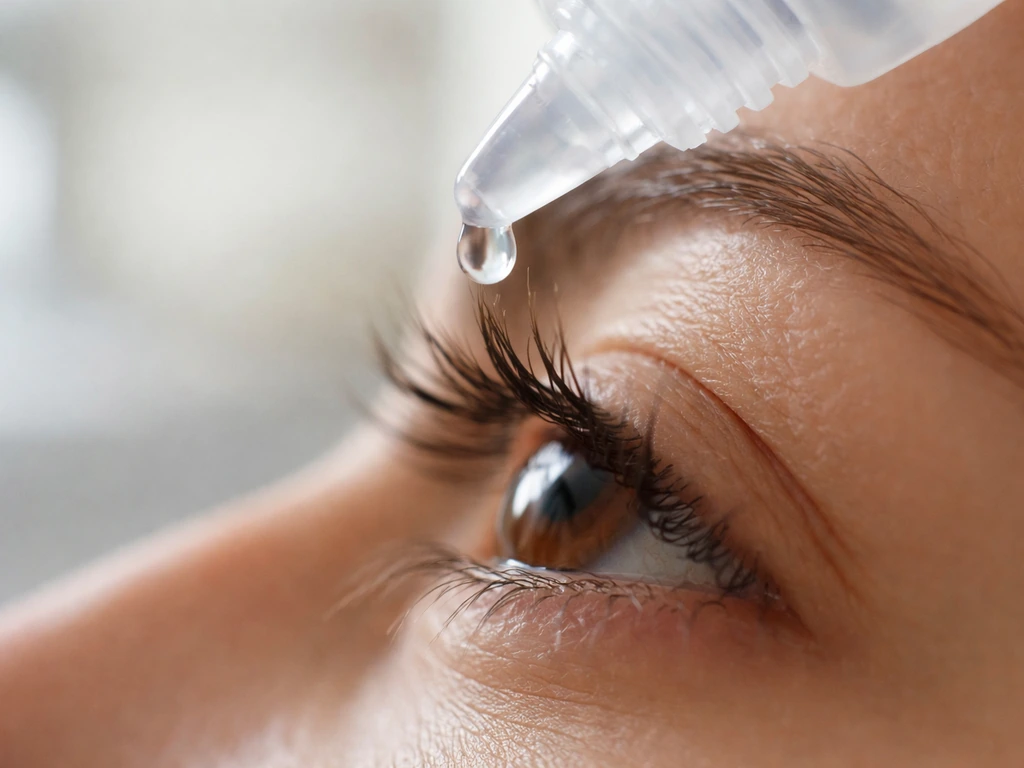
There is one published case report of a patient developing elongated, darker lashes after five months of using cyclosporine 0. 05% eye drops four times daily, but that is a single anecdote, not a clinical trial. If longer lashes show up while you are using Restasis for dry eye, consider it an unexpected bonus, not a reliable outcome you can plan for.
What Restasis actually is (and why the lash rumor started)
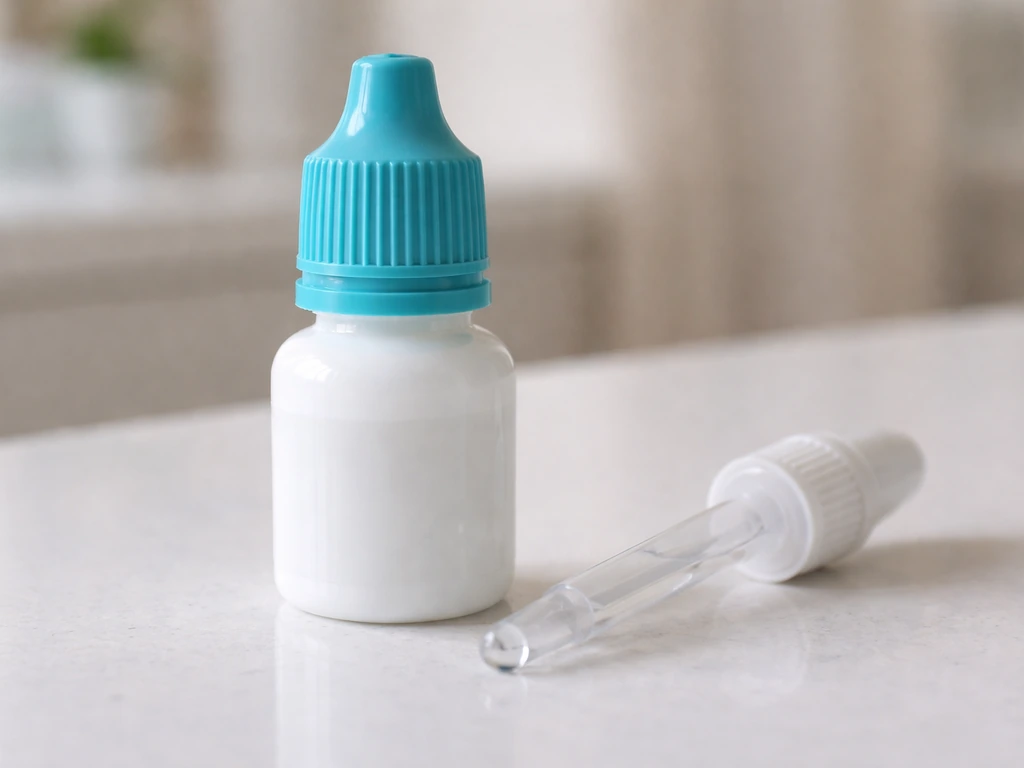
Restasis (cyclosporine ophthalmic emulsion 0.05%) is a prescription eye drop approved specifically to treat dry eye disease in patients who are not getting enough relief from artificial tears. Its active ingredient, cyclosporine, is an immunomodulator. In the eye, it works by suppressing the inflammatory process that damages tear-producing cells, not by doing anything to your lash follicles directly.
The lash speculation comes from a few different directions. Cyclosporine, when studied in animal models, has been shown to push hair follicles toward anagen (the active growth phase) rather than letting them drift into the resting phase called telogen. Organ culture studies on mouse follicles also found that cyclosporine A stimulated hair shaft growth by inhibiting the catagen-like regression that normally slows things down. So there is a real biological mechanism on paper. The problem is that none of this research was done on human eyelash follicles, and none of it involved the low concentrations or infrequent dosing typical of Restasis used for dry eye.
Does Restasis actually make eyelashes grow longer or thicker?
Technically, yes, it can, but the evidence is thin and inconsistent. The strongest data point is one published case report describing a patient with giant papillary conjunctivitis who developed visibly elongated and darker lashes after five months of treatment. The authors noted that this side effect had not been reported before in the literature and recommended that ophthalmologists warn their patients it could happen. That is not exactly a ringing endorsement of Restasis as a lash serum.
The FDA label takes a cautious angle, acknowledging the possibility of "unexpected" eyelash changes including differences between eyes in length, thickness, pigmentation, or number of lashes. The word "unexpected" matters here. It signals a real-world signal that something can happen, but it also tells you this was not studied or controlled. You might get more lashes on one eye than the other, or darker lashes on one side, which is not a great look if your goal is cosmetic improvement.
There are no controlled clinical trials testing Restasis for eyelash growth as an endpoint. If you are also considering other eye-drop ingredients like dorzolamide, you may be wondering, does dorzolamide make eyelashes grow? Every study on Restasis measures things like tear production, corneal staining, and dry eye symptoms. Lash length is never on the outcomes list.
Compare that to LATISSE (bimatoprost 0. It is different from LATISSE, a prostaglandin analog that is specifically approved to grow eyelashes. 03%), which ran a pivotal US trial of 278 participants and showed significantly fuller, longer, and darker eyelashes at 16 weeks versus a vehicle control. LATISSE (bimatoprost) is FDA-indicated for hypotrichosis of the eyelashes, with effects that include increased length, thickness, and darkness [LATISSE (bimatoprost 0.
03%), which ran a pivotal US trial of 278 participants](https://dailymed. nlm. nih. gov/dailymed/search.
cfm? query=LATISSE). If you are specifically looking for what medication makes eyelashes grow, LATISSE is the best-known option with trial data LATISSE (bimatoprost 0. 03%).
The difference in evidence quality is significant.
Timeline: when lash changes might appear and when to stop waiting
The single documented case took five months of daily use at four times per day before elongated lashes were noticeable. That is a long runway for an outcome that is not guaranteed. If you are already using Restasis for dry eye and hoping to see some lash benefit as a side effect, here is a realistic way to think about the timeline:
- Months 1 to 3: Unlikely to see any lash changes. The eyelash growth cycle itself (anagen phase) typically runs 4 to 11 months, so early changes would be subtle at best.
- Month 4 to 6: This is the window where, based on the case report, any elongation or pigmentation change might become noticeable. Pay attention to whether lashes look different between eyes.
- Beyond 6 months with no change: Do not expect it to eventually kick in. If you have been on Restasis for half a year or more and see no lash difference, you are unlikely to see one.
If lash improvement is your primary goal rather than a nice side effect, waiting five-plus months on a drug not designed for lashes while hoping for an outcome seen in one patient is not a practical strategy. There are better-studied options available right now.
Safety and side effects to know before using Restasis near your lash line
Restasis is designed to be instilled in the eye, so using it is not inherently dangerous, but the side effect profile matters for anyone thinking about it from a lash-growth angle. LATISSE safety information notes that frequently reported adverse reactions include eye pruritus and conjunctival hyperemia, along with other eyelid or periocular effects, and that postmarketing experience includes temporary lash-loss or breakage and eyelid or periorbital changes. The most commonly reported adverse reaction in clinical trials was ocular burning, affecting 17% of users. That is not a trivial number, especially if you are applying it daily for cosmetic reasons rather than because you have dry eye disease that demands treatment.
- Ocular burning (reported in 17% of clinical trial participants)
- Eye redness and irritation at the instillation site
- Potential asymmetry in eyelash changes between the two eyes (length, thickness, pigmentation, or count)
- Superficial eye injury from the tip of the vial accidentally touching the eye during application
- Post-marketing reports of hypersensitivity reactions, including rare cases of severe angioedema
- Potential for unexpected or uneven growth of vellus (fine) hairs around the eye area
The asymmetry risk is worth highlighting specifically. The FDA label warns that the eyelash changes may not be the same in both eyes. If you end up with noticeably longer or darker lashes on one side, that is harder to manage cosmetically than simply not having the lash growth you wanted. Using Restasis off-label with the sole goal of growing lashes introduces risks without the controlled, predictable outcomes that come from a purpose-built lash treatment.
Restasis is a prescription medication. Using it without a dry eye diagnosis means obtaining it off-label, and your prescribing doctor would need to be on board with that reasoning. Most ophthalmologists would direct you toward LATISSE instead, since it has an actual FDA-approved indication for eyelash hypotrichosis.
Restasis vs your real lash growth options
Knowing how Restasis stacks up against options actually designed for lash growth makes the choice much clearer.
| Option | Approved for Lash Growth | Evidence Quality | Typical Timeline | Key Risks |
|---|---|---|---|---|
| Restasis (cyclosporine 0.05%) | No (dry eye only) | 1 case report, animal studies | 5+ months, unpredictable | Ocular burning, asymmetric lash changes, hypersensitivity |
| LATISSE (bimatoprost 0.03%) | Yes (FDA-approved) | Controlled trial, N=278 | 16 weeks (4 months) | Eye redness, iris darkening, periorbital skin changes |
| OTC lash serums (prostaglandin analogues) | No (cosmetic claims only) | Limited; some safety warnings from ophthalmology groups | Variable, often 8-12 weeks | Similar prostaglandin side effects without prescription oversight |
| Castor oil / conditioning oils | No | Anecdotal and limited mechanistic support | Ongoing maintenance needed | Generally low risk; primarily reduces breakage rather than growing new lashes |
| Biotin supplementation | No | Effective only if deficiency is present | 3-6 months | Low risk; unlikely to help if biotin levels are normal |
The clear winner for someone who genuinely wants longer, thicker, darker lashes with proven results is bimatoprost (LATISSE). It has the clinical trial data, a defined timeline of 16 weeks, and an FDA indication specifically for eyelash hypotrichosis. It does carry its own side effect profile, including potential changes to iris or skin pigmentation around the eye, but at least those trade-offs have been studied in real human trials. Other prescription eye drops in this category, including some prostaglandin analogues used for glaucoma, have also been observed to affect lash growth as a side effect, which is a well-documented phenomenon in ophthalmology.
If your lashes are thin or short primarily because of damage, extensions, or breakage rather than true hypotrichosis, the more important intervention is reducing the damage and letting the natural growth cycle complete. Conditioning-focused approaches like castor oil and gentle handling actually make sense here because they address the breakage problem rather than trying to push the follicle to produce more hair.
If Restasis is not working for lashes: what to do next
If you tried Restasis for dry eye and hoped for a lash bonus that never came, or if you are starting from scratch and want thicker, fuller lashes, here are the most practical next steps ranked by evidence and accessibility.
- Talk to your doctor about LATISSE. This is the most direct path if you want a prescription-strength, clinically tested option. It is FDA-approved for lash growth, the dosing protocol is well-established, and the 16-week timeline gives you a concrete point at which to evaluate whether it is working.
- Evaluate OTC lash serums carefully. Many over-the-counter serums contain prostaglandin analogues at lower concentrations. Ophthalmology organizations have issued warnings about these because the same mechanisms that grow lashes can also cause periorbital skin darkening and potential eye pressure changes. Read ingredients before you buy.
- Focus on breakage reduction if damage is the issue. If your lashes are short because they keep breaking (from extensions, curlers, or rubbing), the follicle is probably fine. Switch to a gentle oil-based makeup remover, stop using mechanical lash curlers daily, and apply a light coat of castor oil or argan oil to the lash line at night to reduce brittleness.
- Check your nutrition basics. Biotin deficiency can slow lash and hair growth, but supplementing biotin only helps if you are actually deficient. A basic blood panel can tell you quickly. If deficiency is confirmed, supplementation typically shows results in three to six months.
- Give any treatment a real growth cycle. The eyelash growth cycle runs roughly four to eleven months for a full anagen phase. No treatment, prescription or otherwise, will show dramatic results in two to three weeks. Set a minimum of eight to sixteen weeks before making a final call on whether something is working.
The bottom line is that Restasis is a real eye medication with a real place in treating dry eye disease. Its effect on eyelashes is a possible side effect, not a feature. If thicker or longer lashes are your actual goal, you deserve a treatment built for that purpose, not one where you are hoping to hit a side effect that showed up in one patient in one case report.
FAQ
If my eyelashes change while I am using Restasis, does that mean it is definitely growing them?
If you are using Restasis and lashes look different, stop guessing the cause. The most likely reasons are normal shedding and regrowth cycling, irritation-related eyelid changes, or the medication causing “unexpected hair growth” that the label warns about. Track changes in both eyes separately (length, darkness, and number) for at least 2 to 3 months, and tell your prescriber if the difference is noticeable or bothersome.
How long should I wait to know whether Restasis will actually make my eyelashes grow?
Usually not. The key point is that Restasis does not have clinical trials where lash length is measured as an endpoint, so you cannot reliably time results the way you can with bimatoprost. If you want a predictable timeline, consider discussing an eyelash-specific option (for example, bimatoprost) with your eye clinician instead of waiting indefinitely for a potential side effect.
Is it safe to use Restasis mainly for lash growth, instead of treating dry eye?
If your goal is cosmetic lash growth, using Restasis off-label adds uncertainty. It can cause eyelash changes, but the same label also highlights that the changes may differ between eyes, and the most common side effect in trials is burning in the eye (17%). Ask your clinician to weigh whether you are treating dry eye appropriately, or whether another option with studied lash outcomes would be safer for your goal.
What should I do if Restasis causes irritation while I am hoping for lash changes?
Yes, but it is not something to “power through” if it is significant. The burning sensation is common, and contact with the eyelid margin can worsen irritation. If you experience persistent redness, worsening pain, discharge, or you notice lash-related asymmetry that is rapidly developing, contact your prescriber promptly rather than waiting for the next refill.
Can lash extensions or other lash products make Restasis lash changes harder to interpret?
Lash extensions, lash growth serums, and even harsh lash removal can make it hard to tell what is happening from Restasis. If you want a clearer read, pause lash-thickening products for a few weeks and avoid extensions during observation, because breakage and shedding from these factors can mimic “growth.”
What if my lashes are short from damage, not hypotrichosis?
If you have truly short lashes due to breakage or damage, pushing follicles is not the main lever. The more practical approach is minimizing trauma (gentle cleansing, avoiding rubbing, careful removal, and conditioning if tolerated) and addressing the underlying cause. If you have lash loss that is not just breakage, ask your clinician whether the issue fits hypotrichosis and whether eyelash-specific therapy is appropriate.
If my lashes change in an unwanted way, should I stop Restasis right away?
Do not change dosing or stop it suddenly without medical advice. Restasis is a prescription anti-inflammatory for dry eye, and stopping can worsen symptoms. If you are also using it for a possible lash side effect, the decision should be individualized based on your dry eye control and the severity of eyelash changes.
Could my technique for applying Restasis affect whether I notice lash changes or irritation?
Eye drops can sometimes be misapplied so that they hit the eyelid margin, which may increase eyelid irritation and the chance you notice eyelash changes. Use the prescribed technique (including how long to keep your eyes closed and any spacing from other eye drops), and confirm the order of medications with your pharmacist if you use multiple drops.
Next Article
Does Mustard Oil Grow Eyelashes? Safety and What Works
Find out if mustard oil grows eyelashes, risks to eyelids, and safer options with realistic timelines and when to see a
