
Yes, latanoprost does grow eyelashes. It's a prostaglandin analog eye drop primarily prescribed to lower intraocular pressure in glaucoma patients, but one of its well-documented side effects is increased eyelash length, thickness, pigmentation, and number. This isn't a fringe observation: the FDA-approved prescribing information for Xalatan (latanoprost 0.005%) explicitly lists these eyelash changes, noting they develop gradually in the treated eye and are usually reversible when you stop using the medication. So the short version is: it works, but it's a prescription drug with real risks, and it's not approved or designed specifically for cosmetic lash growth.
Does Latanoprost Grow Eyelashes? Results, Safety, Timing

Rachel Nguyen
3 May 2026
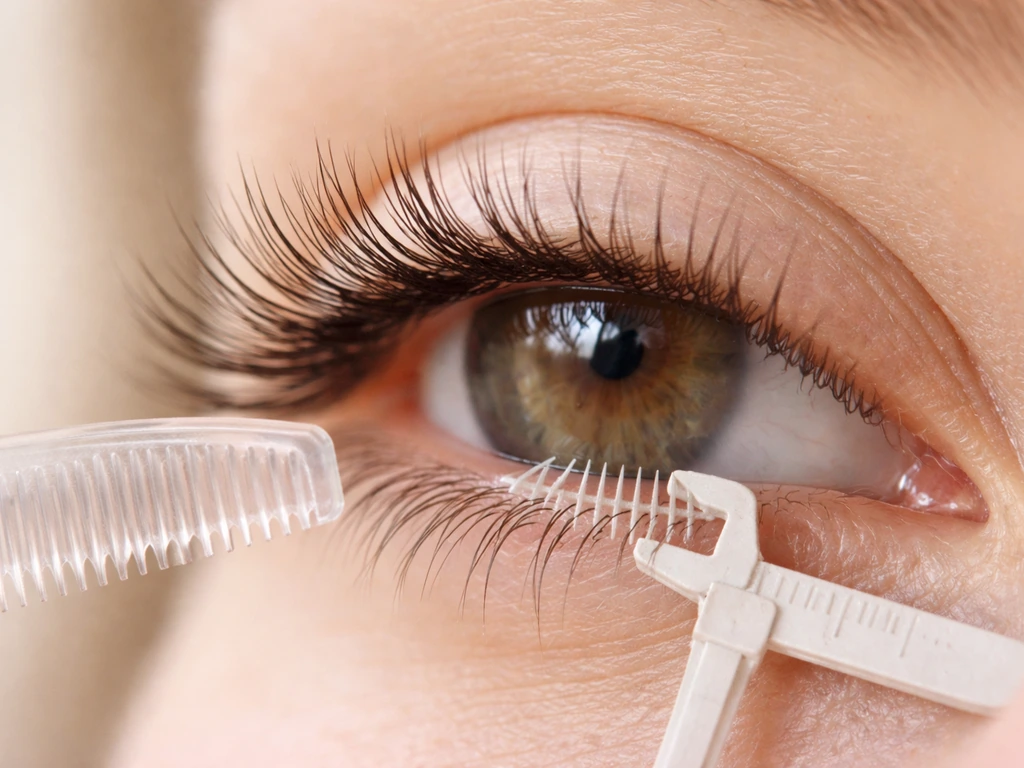
Latanoprost and lash growth: what the evidence actually says
Latanoprost is a prodrug. After you apply it, corneal esterases rapidly convert it to its active form (latanoprost acid), which then acts on prostaglandin FP receptors in the eye and surrounding tissue. Those receptors influence the hair follicle cycle, which is why lash changes show up consistently in people using it for glaucoma.
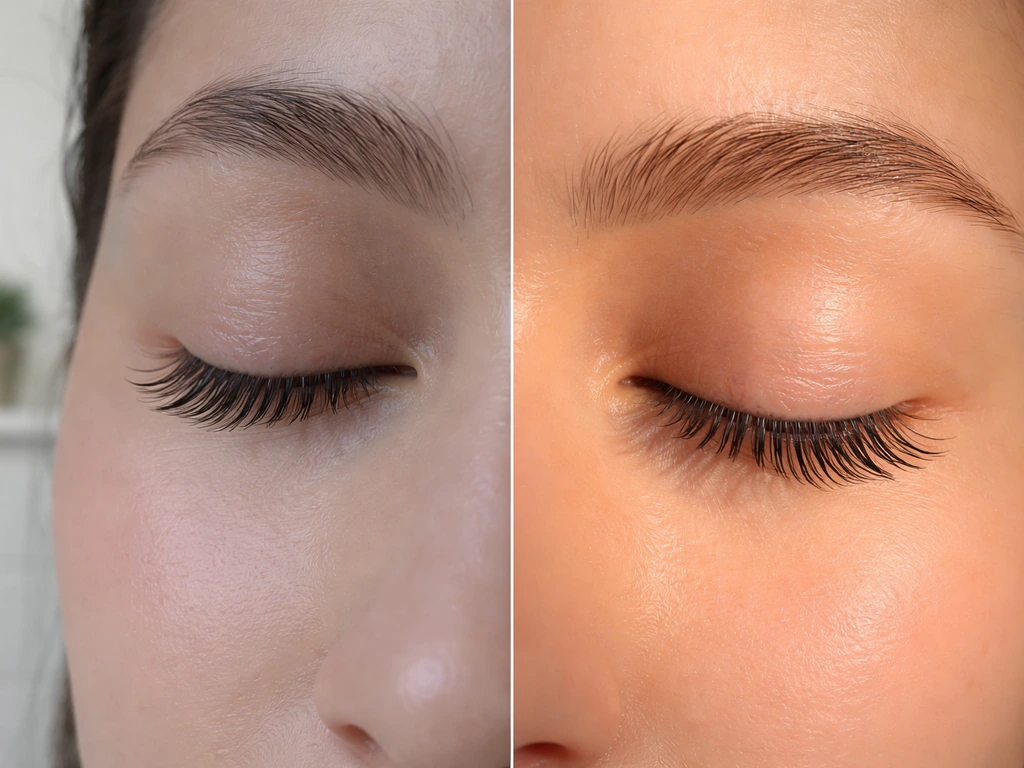
The changes latanoprost produces in lashes include increased length, thickness, darkness, and number of lashes, plus occasionally misdirected growth (lashes growing at odd angles). One prospective study tracking latanoprost users found zero eyelash changes at one month, 33.8% of patients showing changes by three months, 44.4% by six months, and 46.2% by twelve months. That data tells you two things: it takes real time to kick in, and not everyone responds.
There's also a compelling case report of a patient who had total eyelash loss from alopecia for five years and regrew lashes after latanoprost treatment. That's case-level evidence only, but it suggests the drug can stimulate follicles even in cases of longstanding loss, not just thin or short lashes.
A randomized, double-blind, placebo-controlled pilot study specifically evaluating latanoprost (0.005%) for cosmetic eyelash growth found significant improvement in eyelash length and color in the latanoprost group, with measurable growth beginning by month one. In a 3-month randomized, double-blind, placebo-controlled pilot study, topical latanoprost was evaluated for eyelash growth/aesthetics using a controlled protocol to help avoid instilling it into the eye blank" rel="noopener noreferrer">a 3-month randomized, double-blind, placebo-controlled pilot study evaluated topical latanoprost for eyelash growth. A separate quantitative study measured lash length at baseline and then at two, six, and ten weeks of topical latanoprost use, providing a precise early-timeline window. In a quantitative eyelash study of 17 patients, blank" rel="noopener noreferrer">eyelash length was measured at baseline and after 2, 6, and 10 weeks of topical latanoprost, supporting an early-to-mid timeline assessment approach.
Bimatoprost vs latanoprost: which one is actually known for lash growth
Both drugs belong to the prostaglandin analog class and both cause eyelash changes, but they are not the same compound and they are not equally established for cosmetic lash use.
| Feature | Latanoprost (e.g., Xalatan) | Bimatoprost (e.g., Lumigan, Latisse) |
|---|---|---|
| Drug class | Prostaglandin F2α isopropyl ester prodrug | Synthetic prostamide analog (FP receptor agonist) |
| Primary FDA-approved use | Lower intraocular pressure (glaucoma) | Lower IOP (Lumigan); eyelash hypotrichosis (Latisse) |
| FDA-approved for lash growth? | No | Yes (Latisse 0.03%, applied to eyelid margin) |
| Eyelash change documentation | Listed as side effect in Xalatan labeling | Formally studied and approved in Latisse pivotal trials |
| Measured lash improvement | Significant in pilot RCT; onset by ~month 1 | ~1.4 mm increase in length by week 16 vs ~0.1 mm for vehicle; ~25% longer, ~106% thicker |
| Application for lash use | Off-label (eye drop) | On-label (Latisse applied to upper eyelid margin) |
| Reversibility after stopping | Usually reversible (per labeling) | Effects progressively lost after stopping |
| Preservative (irritation risk) | Benzalkonium chloride (BAK) | BAK also present in Lumigan; Latisse uses lower concentration |
Bimatoprost has the stronger clinical evidence stack for eyelash enhancement. The pivotal Latisse trials showed dramatic measurable improvements by week 16, and that data drove FDA approval specifically for eyelash hypotrichosis. Latanoprost's eyelash effects are real and documented, but they're a side effect discovered in glaucoma patients, not the result of a dedicated lash-growth approval program. If you're evaluating these drugs specifically for lash growth, bimatoprost (as Latisse) is the one with an actual indication. Latanoprost is working through the same basic mechanism but has not been through the same regulatory pathway for this specific use.
Eyebrows vs eyelashes: do both respond the same way?
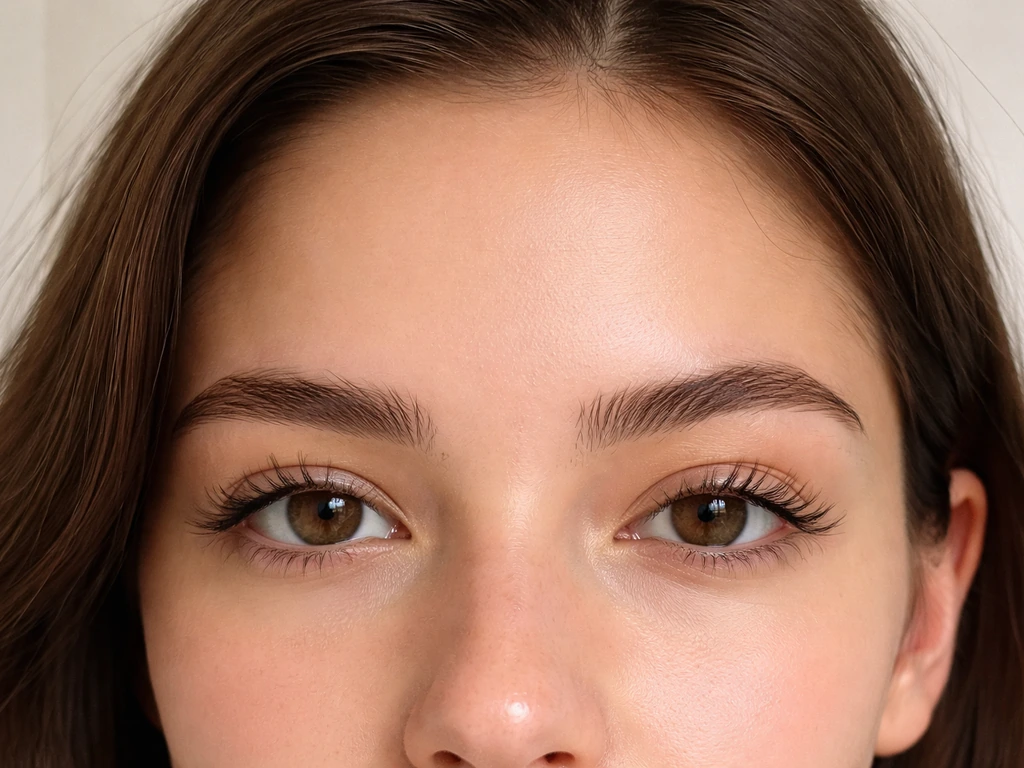
Most of the research on prostaglandin analogs and hair growth focuses on eyelashes. Eyebrows are a different territory. There are randomized controlled trials and case reports exploring bimatoprost 0.03% for eyebrow hypotrichosis, and early results look promising, but the evidence base is much thinner than it is for lashes.
One case report noted eyebrow changes appearing as early as eight weeks, with maximum improvement coming later in the treatment course. But eyebrow follicles have a different hair cycle and different follicle density than eyelash follicles, which means you should not assume the same timeline or response rate applies to both areas.
The practical takeaway: eyelashes have a clearer, more established response to prostaglandin analogs. Eyebrow enhancement with these drugs is plausible but still emerging territory, studied primarily with bimatoprost and at the clinical trial or case-report level. If eyebrow growth is your main goal, that conversation with a clinician needs to happen before you assume these drops will work there too.
How long it actually takes to see results
Here's the honest timeline based on the clinical data, not the optimistic version you'll find on brand websites.
- Weeks 2 to 6: This is the earliest window where measurable lash lengthening can begin. The quantitative latanoprost study measured changes at two, six, and ten weeks, so some objective change is detectable early. You probably won't notice it in the mirror yet.
- Month 1 to 2: The latanoprost pilot RCT found significant changes by month one in the treatment group. The prospective observational data shows roughly 0% of glaucoma patients had noticeable eyelash changes at one month, but the cosmetic-use study with more attentive monitoring found earlier signals. You may start to see something by the end of month two.
- Month 3 to 4: This is when the majority of responders start showing visible results. In the latanoprost observational study, 33.8% of users had lash changes at three months. For bimatoprost (Latisse), week 16 is the main clinical endpoint where the biggest gains were recorded.
- Month 4 to 6: Results continue accumulating. Nearly half of latanoprost glaucoma patients (44.4%) showed changes at six months. Most patients on bimatoprost see appreciable improvement by week 8 according to review data, with peak results around month four.
- Month 6 to 12: Results start to plateau. The latanoprost incidence rate moved only slightly from 44.4% at six months to 46.2% at twelve months, suggesting most of the growth you're going to get has happened by month six.
- After stopping: Effects are progressive lost. They don't vanish overnight, but one long-term bimatoprost RCT found that improvements made over 36 weeks were progressively lost after discontinuation. Eyelash changes are described as usually reversible, while iris pigmentation changes (a different concern) may be permanent.
The key mindset shift: this is a months-long process, not a weeks-long one. If you start latanoprost or bimatoprost and check your lashes every morning after two weeks, you'll get frustrated. The mechanism works through the hair growth cycle, and that cycle takes time.
Side effects and who should not use these drops
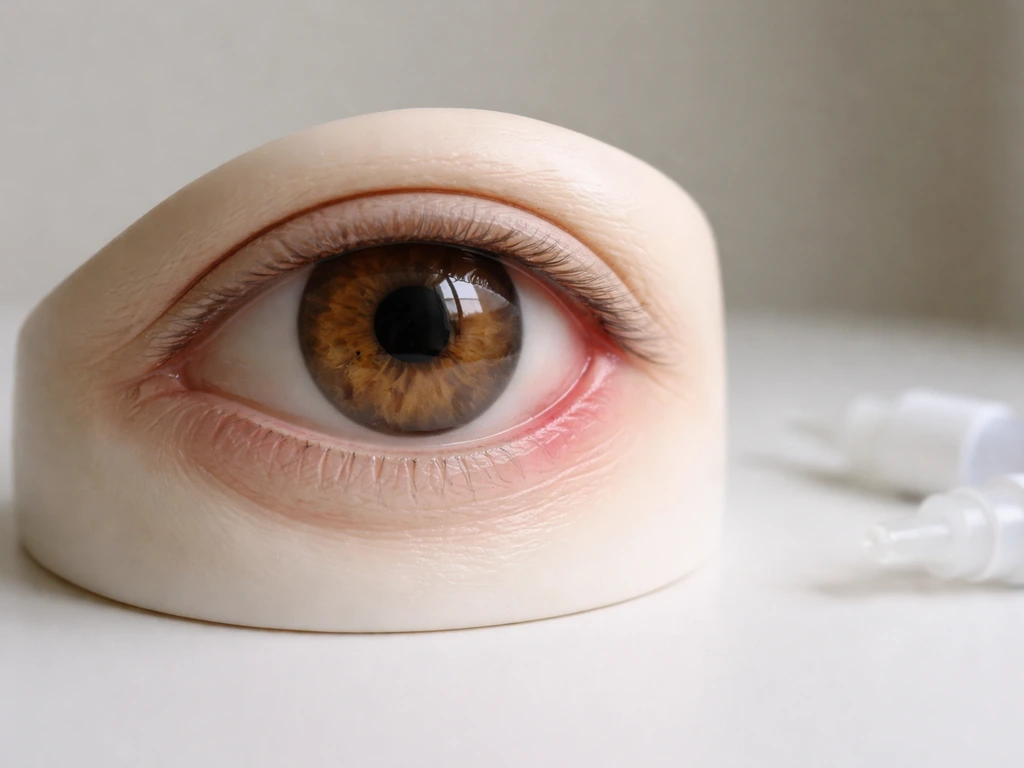
These are prescription drugs. The side-effect list is not trivial, and it matters more when someone is using these drops specifically for cosmetic lash enhancement (meaning the eyes weren't in trouble to begin with, so you're adding risk purely for aesthetics).
Common side effects you need to know about
- Iris pigmentation changes: latanoprost can cause a permanent darkening of brown pigment in the iris. The Xalatan label is explicit that this change is likely permanent even after stopping the drug. If you have hazel or mixed-color eyes, this is a real cosmetic risk.
- Eyelid and periorbital skin darkening: both latanoprost and bimatoprost can darken the eyelid skin and surrounding area. This is usually reversible after stopping, but a case report documented periocular skin hyperpigmentation that took about two months post-discontinuation to decrease.
- Deepening of the upper eyelid sulcus: this is part of what's called prostaglandin-associated periorbitopathy. The upper eyelid can appear to sink or hollow out with prolonged use. Clinical research specifically evaluating latanoprost documented this effect.
- Misdirected lash growth (trichiasis): lashes can grow in abnormal directions, which can be uncomfortable or scratch the eye surface.
- Conjunctival hyperemia: redness of the white part of the eye is a common adverse effect listed across both Lumigan and Xalatan labeling.
- Postmarketing reactions with bimatoprost (Latisse): these include eyelid edema, eyelid ptosis (drooping), madarosis (lash loss, paradoxically), trichorrhexis, rash, dry skin, increased tearing, blurred vision, and hordeolum (stye).
- Unwanted hair growth outside the treatment area: if the drops contact skin beyond the eyelid margin, hair can grow in unintended spots.
- Serious but less common risks: cystoid macular edema is listed in bimatoprost labeling. This is not a rash or irritation; it is a structural eye concern that requires medical evaluation.
Who should avoid these drugs
- Anyone with a hypersensitivity to bimatoprost or latanoprost (or any product ingredient including benzalkonium chloride): this is the formal contraindication listed in Latisse prescribing information.
- People with active eye disease, inflammation, or infection: using prostaglandin analog drops on compromised eyes adds layered risk.
- Contact lens wearers: benzalkonium chloride, the preservative in latanoprost (Xalatan) and Lumigan, is absorbed by soft contact lenses. The Xalatan label includes specific contamination precautions.
- Anyone considering DIY application of glaucoma drops for cosmetic purposes: latanoprost 0.005% (Xalatan) is formulated for the eye, not for eyelid-margin application the way Latisse is. Using a glaucoma drop off-label without clinical supervision means no one is monitoring you for the side effects above.
- People with mixed or light-colored eyes who are concerned about permanent iris darkening: this risk is real and deserves an honest conversation with a doctor before starting.
One practical note on the preservative: benzalkonium chloride is present in both Xalatan (at 0.02% in the standard formulation) and Lumigan 0.03% (at 0. Will Lumigan 0.01 grow eyelashes? In general, prostaglandin-analog drops can, but the specific product and strength matter, so you should confirm with your prescriber Lumigan 0.03%. 05 mg/mL). When these drops are used daily for months, that's ongoing preservative exposure to the ocular surface and eyelid skin, which is a relevant tolerability factor especially if your skin is sensitive.
What to do next: how to approach this with a clinician and what else to consider

If you want to pursue latanoprost or bimatoprost for lash growth, the starting point is a conversation with a dermatologist or ophthalmologist, not a beauty retailer or a friend who has a leftover prescription. Here's what that conversation should cover:
- Ask specifically about Latisse (bimatoprost 0.03%), since it is the only FDA-approved option in this drug class for eyelash hypotrichosis. If a clinician is going to prescribe something in this category for cosmetic lash growth, Latisse is the one with the actual indication and the clearest application protocol (nightly to the upper eyelid margin).
- Ask about your specific risk factors: eye color (iris pigmentation risk), skin sensitivity (periorbital skin darkening risk), and whether you wear contact lenses.
- Ask what monitoring looks like: for how long should you use it, at what point should you expect to see results, and what signs should prompt you to stop and come back in.
- Ask what happens when you stop: be clear that effects are not permanent and plan ahead for whether you want to maintain treatment or cycle off.
- Ask about the eyelid sulcus risk: deepening of the upper eyelid sulcus (the hollow above the eye) is a real and documented effect of prostaglandin analogs used long-term. It's worth knowing before you start.
Evaluating alternatives based on your starting point
Not every reader starting this search is a candidate for prescription prostaglandin analogs, and not every lash situation requires them. The right approach depends on why your lashes are thin or sparse.
| Starting Point | Best-fit approach | Realistic expectations |
|---|---|---|
| Naturally thin or short lashes (no damage) | OTC lash serum with peptides or biotin, or Latisse if clinically appropriate | Gradual improvement over 8 to 16 weeks; no permanent change |
| Lashes damaged by extensions or overuse of makeup | Reduce mechanical stress first, then peptide serum or castor oil; Latisse for faster results | Recovery timeline 4 to 8 weeks once the cause is removed |
| Lash loss from a medical condition (alopecia, chemotherapy) | Clinician-guided; Latisse or latanoprost off-label may be appropriate; case evidence exists for alopecia scenarios | Variable; longer timelines expected; medical supervision important |
| Just want darker, more prominent lashes | Latisse or a strong peptide serum; bimatoprost has the most evidence for pigmentation and prominence combined | Expect 3 to 4 months for full effect |
| Concerned about drug side effects or want no-prescription options | Peptide-based lash serums, castor oil, or biotin-focused strategies | Slower and more modest results than prostaglandin analogs, but no drug-related risks |
Prescription prostaglandin analogs sit at the top of the evidence hierarchy for eyelash enhancement. If you're wondering what glaucoma drops make eyelashes grow, the next question is which option has the stronger evidence for lash enhancement. Reviews comparing prescription and over-the-counter options consistently find that bimatoprost has stronger efficacy data than most OTC alternatives. If you're asking what eye drops make your eyelashes grow, this is where the evidence trade-offs versus over-the-counter options really matter. But stronger evidence doesn't automatically mean the right choice for every person. The side-effect profile, the need for a prescription, the reversibility of results, and the ongoing cost are all real trade-offs. If you're exploring other eye drops in this drug class, bimatoprost's role in other products like Lumigan is worth understanding, as is how other glaucoma medications compare for this specific use. If you are specifically comparing Lumigan, you may also want to review how long does it take for lumigan to grow eyelashes before deciding what timeline to expect.
The bottom line: latanoprost grows eyelashes. The evidence is solid, the mechanism is understood, and the clinical data shows results in a meaningful percentage of users by month three to six. But it's a glaucoma drug being used off-label for cosmetics, and the risks that come with it are not trivial. Bimatoprost, specifically as Latisse, is the smarter prescription path for someone whose primary goal is lash growth, because it has the regulatory backing and application protocol designed for that purpose. If you go the prescription route, do it with medical supervision. If you want to start somewhere lower-stakes, OTC peptide serums and evidence-informed topicals are a reasonable first step while you figure out whether a prescription approach makes sense for your situation. These same types of evidence-informed options are also the starting point for anyone wondering whether can latisse grow hair on head.
FAQ
How long does it take before latanoprost lash growth is noticeable?
Yes, but it does not typically happen instantly. In studies, many people see no change at about one month, while a meaningful portion develop changes by three to six months. If you are checking for results earlier than that, you may miss the real timeline.
If I stop latanoprost, will my eyelashes go back to normal?
Usually the look changes are reversible, meaning lashes tend to return toward baseline after stopping. However, reversibility is not always immediate and can vary by how long you used it and how your follicles responded.
Can latanoprost cause lashes to grow the wrong way?
It can, including lashes growing in odd directions (misdirected growth). If you get irritation, stabbing sensations, or lashes turning toward the eye, you should stop and contact your prescriber rather than trying to “tough it out.”
Does latanoprost only make lashes longer, or does it change color and thickness too?
Yes, because it affects pigment and density. Some people notice darker, thicker lashes, and that cosmetic change can persist as long as you keep using the drops, so expectations should be set for a visible difference, not just longer lashes.
Can I use latanoprost just for cosmetic lash growth without glaucoma?
Latanoprost can change lashes even if you are not diagnosed with glaucoma, but using it purely for cosmetics is off-label. That means you should not reuse someone else’s prescription and should confirm the dosing schedule, eyedrop choice, and whether you have any contraindications.
Is latanoprost as effective as Latisse for growing eyelashes?
No. Latanoprost is not bimatoprost, and the evidence and regulatory approval for lash hypotrichosis are stronger for bimatoprost (Latisse). If your goal is lashes specifically, switching within the prostaglandin class should be done only with clinician guidance.
How do preservatives in latanoprost affect comfort during months of use?
If you have dry eye, eyelid irritation, or sensitive skin, the daily exposure to preservatives like benzalkonium chloride can be a bigger issue. Ask your clinician whether preservative-free options or mitigation strategies (like artificial tears timed correctly) are appropriate for you.
Who should be extra cautious before starting latanoprost for lash growth?
Yes, there are higher-risk situations to discuss first, including active eye inflammation, certain eye conditions, or if you wear contact lenses. Latanoprost can worsen ocular surface problems, so your eye history matters before starting.
What happens if I miss doses or stop latanoprost midway through the process?
If you skip doses or stop early, you may not reach the later window where most changes show up. For prostaglandin analogs, the growth cycle is the limiting factor, so consistent use on the prescribed schedule is important.
When are lash changes from latanoprost not “normal,” and I should seek medical help?
A doctor should evaluate it. Sudden redness, pain, light sensitivity, vision changes, or worsening irritation are not normal cosmetic progression and can signal an eye surface or inflammatory problem that needs prompt care.
Next Article
Does Mustard Oil Grow Eyelashes? Safety and What Works
Find out if mustard oil grows eyelashes, risks to eyelids, and safer options with realistic timelines and when to see a
