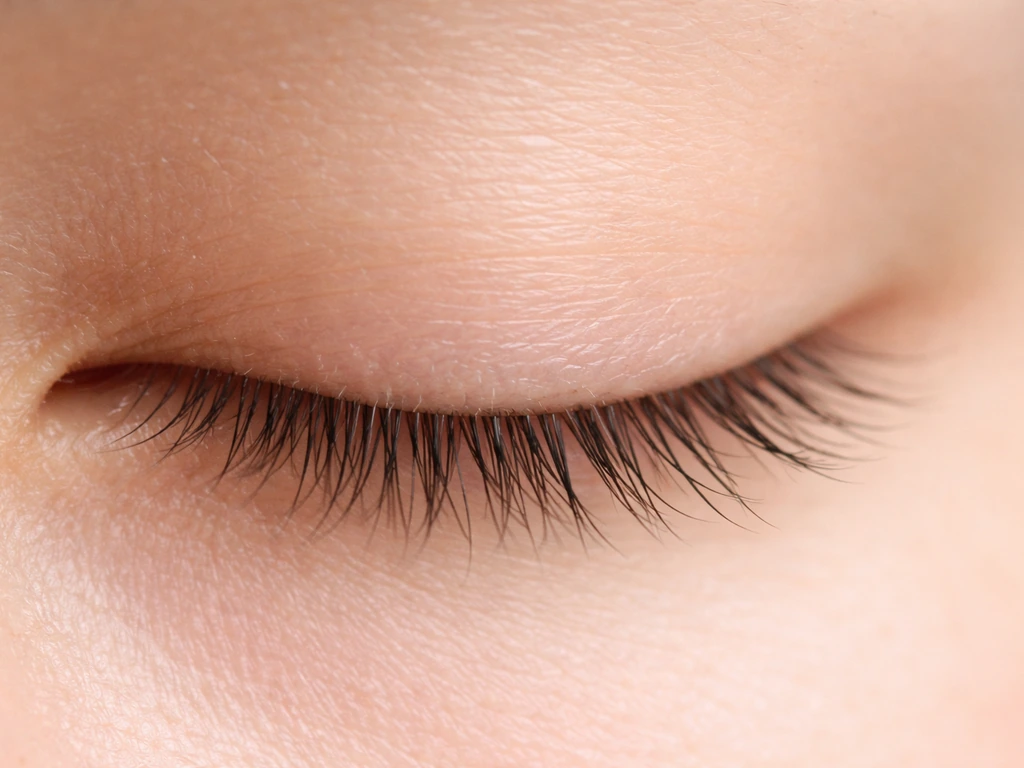
Eyelashes grow at roughly 0.12 to 0.15 mm per day. That sounds precise, but what it means in practice is that you will not notice much happening for several weeks, and full regrowth after real loss can take months. If you are trying to figure out whether your lashes are growing back, or just want to grow them faster and thicker, the honest answer is: biology sets the pace, but there is a real amount you can do to work with it rather than against it. If you are wondering about the newborn timeline specifically, see when do newborn eyelashes grow as a related age-focused reference.
How Fast Does Eyelashes Grow Back? Timeline and Tips

Rachel Nguyen
20 Apr 2026
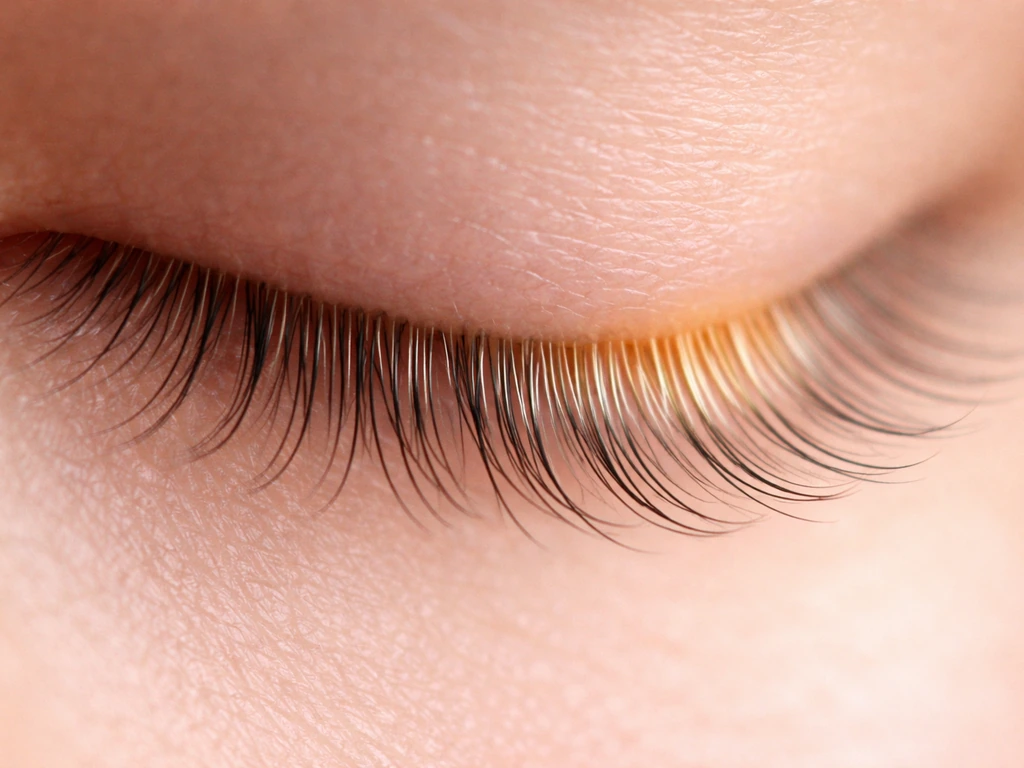
Normal eyelash growth rate basics
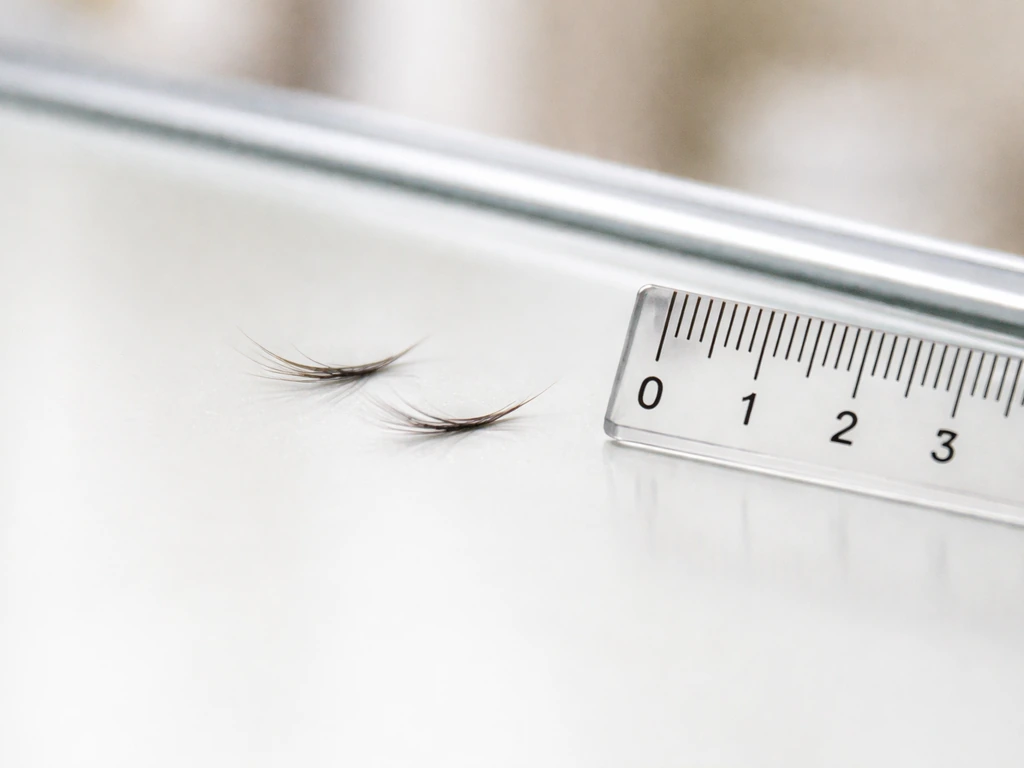
At 0.12 to 0.15 mm per day, a lash gaining around 1 mm takes roughly a week. That is why looking in the mirror every morning is a recipe for frustration. A full-length lash (typically 7 to 12 mm depending on genetics) does not appear overnight; it builds slowly over weeks. The speed itself does not vary wildly from person to person, but what does vary is how long the lash spends in its active growing phase before it stops, rests, and eventually sheds. That is where genetics, health, and age play in.
One thing worth understanding early: not all your lashes are growing at the same time. Eyelash follicles cycle asynchronously, meaning some are actively growing, some are resting, and some are about to shed simultaneously. That is actually a good thing because it is why you do not lose all your lashes at once. But it also means that when you are trying to evaluate regrowth progress, looking at the line as a whole is more useful than fixating on individual lashes.
The eyelash growth cycle, broken down
Every eyelash follicle cycles through three phases: anagen (active growth), catagen (transition), and telogen (resting/shedding). Understanding these phases tells you exactly why regrowth can feel painfully slow.
| Phase | What's happening | Duration |
|---|---|---|
| Anagen (growth) | The follicle is actively producing a new lash shaft | 4 to 10 weeks |
| Catagen (transition) | Growth stops; the follicle shrinks and detaches from blood supply | About 15 days |
| Telogen (resting) | The lash sits dormant before shedding; new anagen eventually restarts | 100 days up to 9 months |
The telogen phase is where the big variability lives. Clinical reviews report a range of roughly 100 days to nine months for eyelash telogen, which is dramatically longer than most people expect. This is why, after a lash falls out or is removed, you might see a tiny new lash appear within a few weeks (a follicle that was already in late telogen or early anagen), while a neighboring follicle takes six months to show anything. It is not that regrowth failed; it is that the follicle is still resting. This asynchronous cycling also explains why complete lash recovery after significant loss looks like a slow, uneven process rather than a uniform fill-in.
Compared to scalp hair, the anagen phase for eyelashes is quite short (4 to 10 weeks versus two to seven years on your head). That short anagen window is the reason lashes naturally stay short. If you want a deeper look at how the full timeline plays out week by week, the question of how long it takes for eyelashes to grow and how much growth happens in a single month each deserve their own breakdown.
How fast lashes grow back after loss or damage

If your lashes were cut, burned, or shed cleanly and the follicles are undamaged, expect to see visible regrowth within roughly six weeks. After lash extension removal (assuming no follicle damage), most people notice the lashes filling in around that same six-week window, though full density can take a few cycles longer. Epilation-regrowth guidance from ophthalmology clinics puts the benchmark at about ten weeks for meaningful regrowth.
The more important variable is whether the follicle itself is intact. Scarring madarosis (lash loss from follicle-destroying causes like severe burns, certain autoimmune conditions, or chronic scarring blepharitis) can result in permanent or very delayed regrowth because the follicle is no longer viable. Non-scarring causes, like stress shedding, over-rubbing, extension damage, or trichotillomania, typically allow full regrowth once the underlying cause is addressed, but the timeline still depends on where each follicle sits in its cycle when you start the clock.
A realistic practical timeline: you will probably see some new lashes poking through within three to six weeks of a clean loss event. The line will look noticeably fuller by weeks eight to twelve. Getting back to full, pre-loss density can take four to six months or longer depending on the extent of the loss. Patience is genuinely required here, not a platitude.
What slows eyelash growth down
Most of the common growth blockers are things people either do not notice or dismiss as minor habits. The biggest ones worth addressing:
- Chronic rubbing and pulling: mechanical trauma to follicles is one of the most common preventable causes of thinning; it disrupts the growth cycle and, over time, can cause follicle damage
- Blepharitis and eyelid inflammation: this is bigger than most people realize; chronic lid margin inflammation is directly associated with lash loss (madarosis) and can stall regrowth if left untreated
- Over-use of heavy extensions or lash glue: repeated adhesive application and the weight of extensions can put mechanical stress on follicles, particularly thin or damaged ones
- Aggressive makeup removal: scrubbing mascara off rather than dissolving it first pulls lashes prematurely out of the follicle
- Hormonal changes: thyroid dysfunction, postpartum hormone shifts, and certain medications (including some retinoids and anticoagulants) can push follicles into telogen early, causing diffuse shedding
- Nutritional deficiencies: low iron, zinc, and biotin (in cases of genuine deficiency) are associated with hair shedding across the body, including lashes
- Age: anagen duration tends to shorten with age, meaning older adults often see lashes grow in finer and shorter over time
- Stress: physical or psychological stress can trigger telogen effluvium, shifting more follicles into the resting phase simultaneously
Eyelid inflammation deserves special mention here. Blepharitis is extremely common and very often undiagnosed as a contributor to lash thinning. If your lids feel itchy, crusty in the morning, or you notice flaking at the lash line, that inflammation is actively working against growth. Treating the root cause matters more in that scenario than adding any serum.
What you can do today to support faster, thicker growth
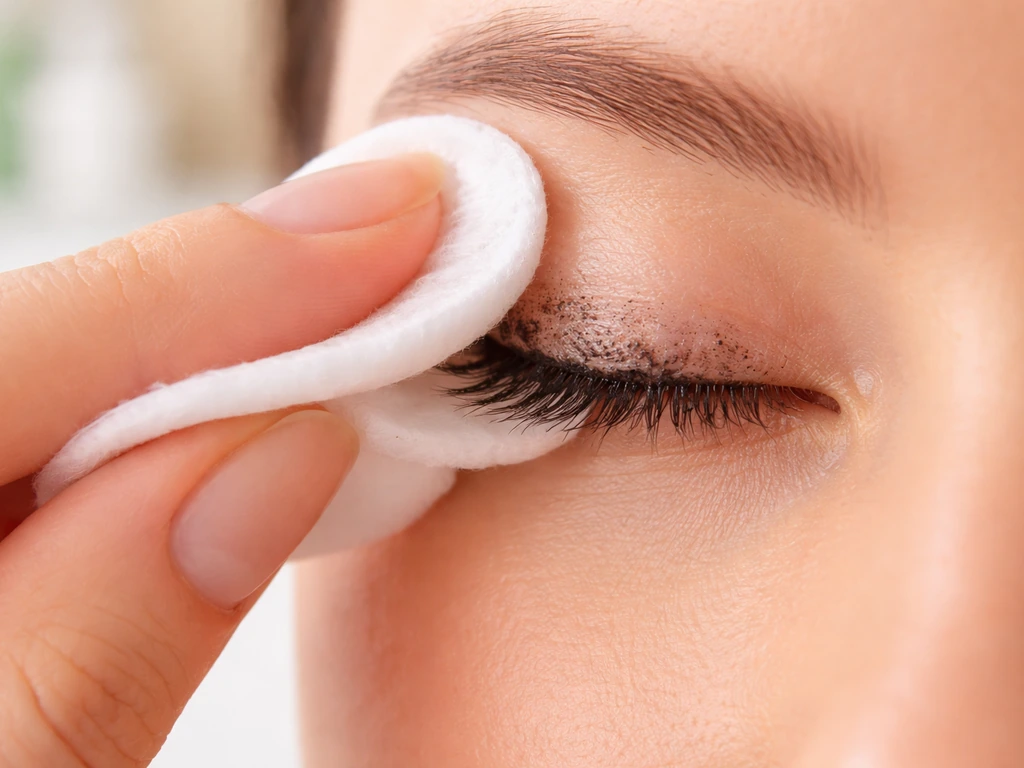
Reduce the mechanical damage first
Before reaching for anything, stop the damage. Switch to an oil-based or micellar makeup remover and let it dissolve mascara before wiping. Use a soft cotton pad with almost no pressure. Avoid rubbing your eyes. If you use lash curlers, make sure they are not crimping dry lashes cold, and give lashes a break from extensions if you have been wearing them continuously. These changes cost nothing and directly reduce the rate at which lashes are being prematurely pulled or broken.
Clean the lash line consistently
A clean lash line is foundational. Evidence-based blepharitis management relies heavily on regular eyelid hygiene: warm compresses followed by gentle cleaning of the lid margin removes debris, reduces bacterial load, and addresses the inflammation that blocks healthy lash cycling. Even if you do not have diagnosed blepharitis, this routine supports follicle health and reduces the kind of low-grade irritation that many people chalk up to 'sensitive eyes.'
Castor oil as a conditioning option
Castor oil has legitimate supporting evidence for eyelid health, not just social media claims. A randomized paired-eye trial found that twice-daily topical castor oil application over four weeks produced clinical improvements in blepharitis signs including eyelash matting and madarosis. The mechanism is partly anti-inflammatory and partly conditioning. Applied sparingly to the lash line with a clean spoolie before bed, castor oil is a low-risk option that may help reduce the inflammatory environment that slows growth. It is not a fast-acting lash serum, but it is one of the better-supported natural options.
Nutrition and hydration
If you suspect a nutritional gap, getting iron, zinc, and vitamin D levels checked is worth it. These deficiencies are common and genuinely do affect hair cycling. For biotin specifically: the evidence is solid that supplementing helps when you are deficient, but limited outside of deficiency. If you are eating a reasonably varied diet, adding a biotin supplement is unlikely to noticeably speed your lash growth. That said, a complete B-vitamin complex is low-risk and cheap. Hydration and overall protein intake matter too since lash hair is made of keratin and needs amino acids to build.
Serums and popular remedies: the honest breakdown
Bimatoprost (Latisse): the only prescription-strength option with real clinical data
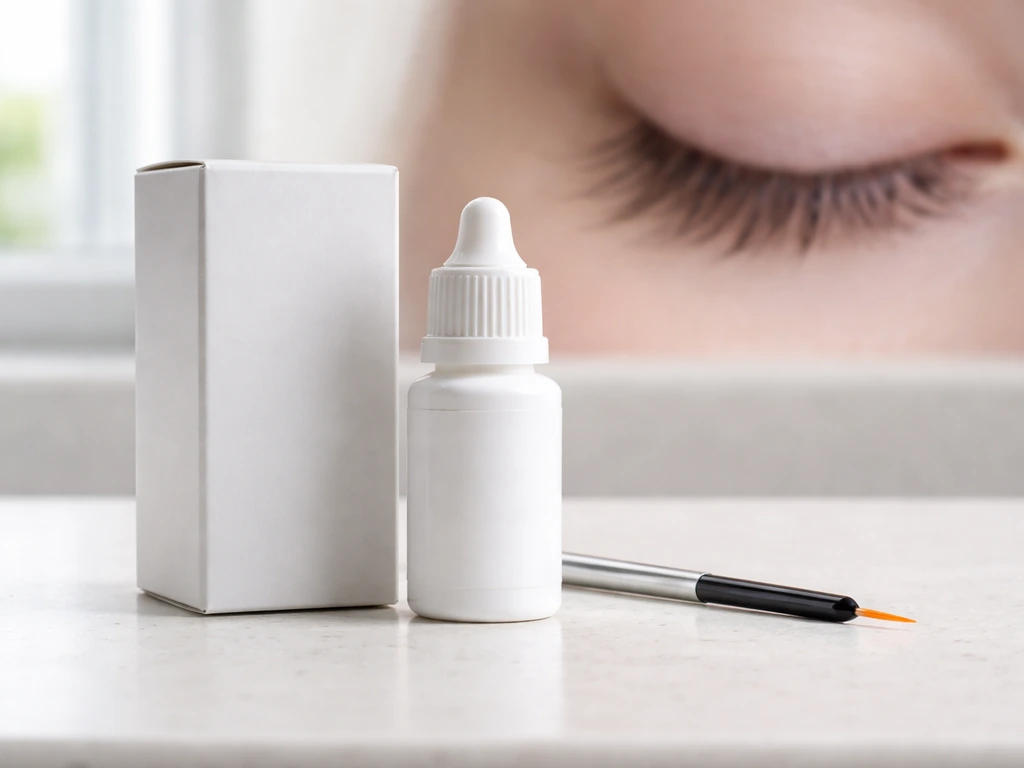
Bimatoprost 0.03% (Latisse) is a prostaglandin analog originally developed as a glaucoma medication, and it is the only FDA-approved treatment for eyelash hypotrichosis. Clinical trials documented statistically significant improvements in lash length, thickness, and darkness at weeks 8, 12, and 16 compared to vehicle. That timeline matters: you are not going to see dramatic change in the first month. Most people using it start noticing a difference around week eight.
The trade-offs are real and worth knowing before starting. Reported adverse effects include eyelid skin darkening (periocular hyperpigmentation), eye surface irritation, dry eyes, and eyelid changes. Postmarketing data also notes rare cases of madarosis and trichorrhexis (temporary lash loss and breakage) as identified adverse events, which is ironic given its intended use. Orbital fat atrophy is a risk raised in clinical commentary for long-term, higher-dose use. It requires a prescription and ongoing use to maintain results; lashes return to baseline after stopping. It is a genuine tool, but it deserves informed use under a doctor's guidance, not casual application.
Over-the-counter lash serums
The OTC lash serum market is enormous and ranges from genuinely helpful to pure marketing. Peptide-based serums (look for ingredients like myristoyl pentapeptide-17 or similar) aim to stimulate keratin production and may support lash thickness over time, though they lack the clinical evidence base that bimatoprost has. Some contain prostaglandin analogs or prostaglandin-like compounds that produce similar effects to Latisse but are not regulated as drugs; these can carry similar risks (especially periocular darkening) without the regulatory oversight. Read ingredient lists carefully. Any serum that promises dramatic lengthening in two weeks is not being honest with you; the biology simply does not work that fast.
Biotin supplements: tempered expectations
Biotin (vitamin B7) is probably the most marketed supplement for hair and lash growth, and the evidence is more nuanced than the marketing suggests. StatPearls and clinical reviewers are clear: biotin supplementation has its strongest evidence in cases of actual deficiency. For people with normal biotin levels, the effect on hair and lash growth is limited and not well established in rigorous randomized trials. That does not mean it is worthless, but if you are taking biotin expecting to grow noticeably longer lashes in a month, the data does not support that expectation.
Quick comparison: main growth-support options
| Option | Evidence level | Realistic timeline | Key risk or limitation |
|---|---|---|---|
| Bimatoprost (Latisse, Rx) | Strong: FDA-approved, RCT data | 8 to 16 weeks for visible change | Periocular darkening, irritation, requires prescription; results reverse after stopping |
| OTC peptide serums | Moderate: limited independent RCTs | 8 to 12+ weeks | Variable quality; prostaglandin-containing OTC products carry similar risks to Latisse |
| Castor oil | Moderate: RCT in blepharitis context | 4 to 8 weeks for anti-inflammatory benefit | Low risk; works best as a lash-line conditioner, not a dramatic lengthener |
| Lash line hygiene (warm compress + cleaning) | Strong: standard blepharitis care | Weeks if blepharitis is the root cause | Not a serum; foundational and often overlooked |
| Biotin supplements | Limited outside deficiency | Months, if effective at all | Minimal risk; limited benefit without confirmed deficiency |
The practical recommendation: start with eyelid hygiene and mechanical damage reduction because they cost nothing and remove active blockers. Add castor oil if your lash line is prone to irritation or you have noticed matting or crusting. If you want clinical-grade results, talk to a dermatologist or ophthalmologist about bimatoprost. Skip OTC serums with vague proprietary blends and no ingredient transparency.
When slow regrowth is a signal worth taking seriously
If you have addressed the obvious causes (stopped rubbing, removed extensions, cleaned up your lash line hygiene) and you are still seeing minimal regrowth after three to four months, it is worth looking deeper. Some things to consider:
- Thyroid dysfunction (both hypo- and hyperthyroidism) is a common and often under-detected cause of diffuse lash and eyebrow thinning; a simple blood test can rule this out
- Alopecia areata can affect the lash line; it often presents in patches and can affect the lids even when the scalp is not involved
- Scarring conditions like cicatricial pemphigoid, lichen planus, or severe chronic blepharitis can permanently damage follicles; late intervention matters here
- Trichotillomania (compulsive pulling) may be present without full conscious awareness, especially during stress; follicle damage accumulates over time
- Certain medications, including chemotherapy agents, retinoids at high doses, and some anticoagulants, can cause reversible lash shedding that resolves after the medication is changed or stopped
The key distinction is scarring versus non-scarring causes. As noted in ophthalmic literature, scarring madarosis can be irreversible because the follicle is structurally destroyed, while non-scarring causes leave the follicle intact and capable of cycling again once the trigger is removed. If the lash loss pattern is patchy, accelerating, or accompanied by eyelid texture changes, redness, or pain, see an ophthalmologist or dermatologist rather than waiting it out.
If bimatoprost has been tried in an alopecia context, it is worth knowing that studies show mixed results: the drug can increase darkness and length in some patients, but it may not reliably induce regrowth in cases of alopecia totalis or universalis where follicle activity is severely suppressed. A clinician can help set realistic expectations based on the specific cause of your lash loss.
The bottom line for most people: lash growth is slow by design, 0.12 to 0.15 mm a day, with a resting phase that can stretch months. Clean loss with no follicle damage means visible regrowth in six to twelve weeks and full recovery in four to six months. Removing blockers (inflammation, rubbing, aggressive makeup removal) is the highest-leverage thing you can do starting today. Serums and oils can help at the margins, but they work with a slow biological clock, not against it.
FAQ
If I start a lash serum or castor oil today, how fast will my eyelashes visibly grow?
Yes, but you usually will not see a “true” speed change. Your lashes still grow at the same biological pace, while what appears faster is often earlier shedding recovery from follicles already entering an active growth stage. If you recently stopped a blocker (rubbing, extensions, untreated blepharitis), regrowth can look more dramatic because the follicles can finally cycle.
How can I tell whether my eyelashes are actually regrowing versus just a few random lashes?
Look for density changes and a longer visible length at the outer third and mid-lash line, not just a few “lucky” lashes. Because follicles cycle asynchronously, you can have new growth within weeks while other lashes lag for months, so judging by the whole row gives a more accurate picture.
What timeline counts as “not working” when I’m trying to regrow eyelashes?
If you have a clean loss event like cutting or extensions coming off, visible regrowth is often around the 6 to 12 week range. If you see no meaningful increase after 3 to 4 months despite good eyelid hygiene and no further damage, that is the point where scarring causes, chronic inflammation, or an ongoing trigger may be involved.
When should lash loss make me see a clinician instead of waiting for regrowth?
You can have lashes shed more than usual without it being an emergency, but seek prompt evaluation if you have painful eyelids, significant redness, worsening crusting, new lash loss in distinct patches, or changes in eyelid skin texture (especially if it is progressing). These patterns raise concern for conditions that may damage follicles.
Does waterproof mascara or my remover routine affect how fast eyelashes grow back?
Makeup removal technique matters because broken lashes can make regrowth look slow even when follicles are cycling normally. Use gentle, low-friction removal (dissolve mascara first, avoid dragging), and stop waterproof mascara if it forces aggressive rubbing. If you use removers, micellar or oil-based options that wipe cleanly usually cause fewer breaks than dry scrubbing.
Is it normal to shed more lashes after starting a growth routine or serum?
Most people should expect some shedding during regrowth cycles, so “purging” can be misleading. If loss continues rapidly for weeks, spreads, or comes with itch, burning, or crusting, that suggests an ongoing irritation or inflammation issue rather than normal cycling. The fix is reducing the trigger, not adding more growth products immediately.
Should I take biotin or other vitamins to make eyelashes grow faster?
Hair growth supplements generally only help when you are deficient, especially for biotin. If you eat a varied diet, adding biotin is unlikely to speed growth measurably within a month, but checking iron, zinc, and vitamin D can be useful if you suspect a nutritional gap. Consider lab work before spending on multiple supplements.
If I use bimatoprost (Latisse), will my eyelashes stay longer after I stop?
Yes, eyelashes can return to baseline after stopping bimatoprost, because the treatment supports growth while you use it. Also plan around the timeline, most noticeable improvements are around week eight and beyond, so quitting early can make results seem like “it did not work.”
Can dry eye or sensitive eyes slow eyelash regrowth or make treatments harder to tolerate?
Be extra cautious if you have dry eye symptoms, because prostaglandin analogs can aggravate irritation in some people. Before starting, a clinician may evaluate the eye surface, and during use you may need to adjust frequency or pair with dry eye management rather than pushing through discomfort.
Why do my eyelashes seem to grow but never reach a full length?
Avoid assuming that shorter lashes automatically mean slower growth. Common reasons lashes look short include a shorter active growth window due to inflammation or frequent breaks, and natural variation in maximum length by genetics. Track regrowth by length at 8 to 12 weeks, not just day-to-day thickness changes.
After lash extension removal, does my eyelash growth rate change or is it mostly follicle cycling?
Extensions removal itself is not the issue, the problem is whether lashes and follicles were stressed by prolonged wear, repeated gluing, or rubbing. If you had extensions for a long time, also check for ongoing lid inflammation and irritation from remover or adhesive, because that can delay the refill even if follicles are not damaged.
Next Article
How Long Does It Take for Eyelashes to Grow Back
Eyelash growth timeline: how long regrowth takes, what affects it, and which serums and habits help safely.