
Most eyelashes take somewhere between 4 and 16 weeks to grow back after being lost, depending on how they were lost and what's going on with your body. If you're just trying to grow them longer or thicker from their current length, that's a slower process that runs on a biological clock you can nudge but not override. Here's the full picture, broken down into timelines you can actually use.
How Long Does It Take for Eyelashes to Grow Back

Rachel Nguyen
17 Apr 2026
The eyelash growth cycle, explained plainly
Every lash goes through three phases: anagen (active growth), catagen (transition/degradation), and telogen (resting before the lash sheds). The catagen phase lasts roughly 2 to 3 weeks. After that comes telogen, and then a new lash pushes the old one out and begins growing. What makes eyelashes different from your scalp hair is that their cycles are much shorter overall. Scalp hair can stay in anagen for years; eyelash anagen is dramatically briefer, and the full follicle cycle from start to finish is estimated at somewhere between 3 and 12 months. That's a wide range, and it's why two people in the same situation can have noticeably different regrowth timelines.
Understanding how often your eyelashes grow and shed matters here because not all lashes are in the same phase at the same time. You're always in some state of mixed growth and resting across your lash line, which is why you don't go suddenly bald from a natural shedding cycle. It's gradual and constant.
Week-by-week timeline for eyelash regrowth
One useful clinical benchmark: replacement of an eyelash after loss is documented as occurring between 4 and 8 weeks in procedural references. That covers the core regrowth window most people are asking about. But "visible" isn't the same as "back to full length," so here's how it tends to break down:
| Timeframe | What to expect |
|---|---|
| Week 1–2 | Nothing visible at the surface. The follicle is in or finishing catagen; no lash is emerging yet. |
| Week 3–4 | Tiny new lash tips may just become visible, especially with good lighting. They'll be short and pale. |
| Week 5–8 | Lashes are visibly growing. Length is returning but still noticeably shorter than mature lashes. |
| Week 8–12 | Most people see significant regrowth. Lashes reach functional length and start blending in. |
| Month 3–6 | Full length and density restored in most healthy individuals with no underlying conditions. |
| Month 6+ | If regrowth is still incomplete, something is slowing the cycle: health, damage, or ongoing irritation. |
If you want a sharper sense of how fast eyelashes grow in terms of millimeters per day, the short answer is slowly. Eyelash anagen is brief compared to scalp hair, which means less total growth per cycle. Don't expect to see daily progress you can measure with a ruler.
How long after loss specifically?
This is where most people's anxiety sits. You pulled a lash, or extensions removed a chunk of your natural lashes, or you noticed a bald patch. The 4-to-8-week replacement window is a reasonable baseline for a single lash lost under normal conditions. But "growing back" across a larger area after damage takes longer because multiple follicles may be disrupted at different stages simultaneously. Realistically, expect 2 to 3 months before a damaged lash line looks close to normal, and up to 6 months for full density to return.
Regrowth vs growing them out vs getting them thicker: these are different goals
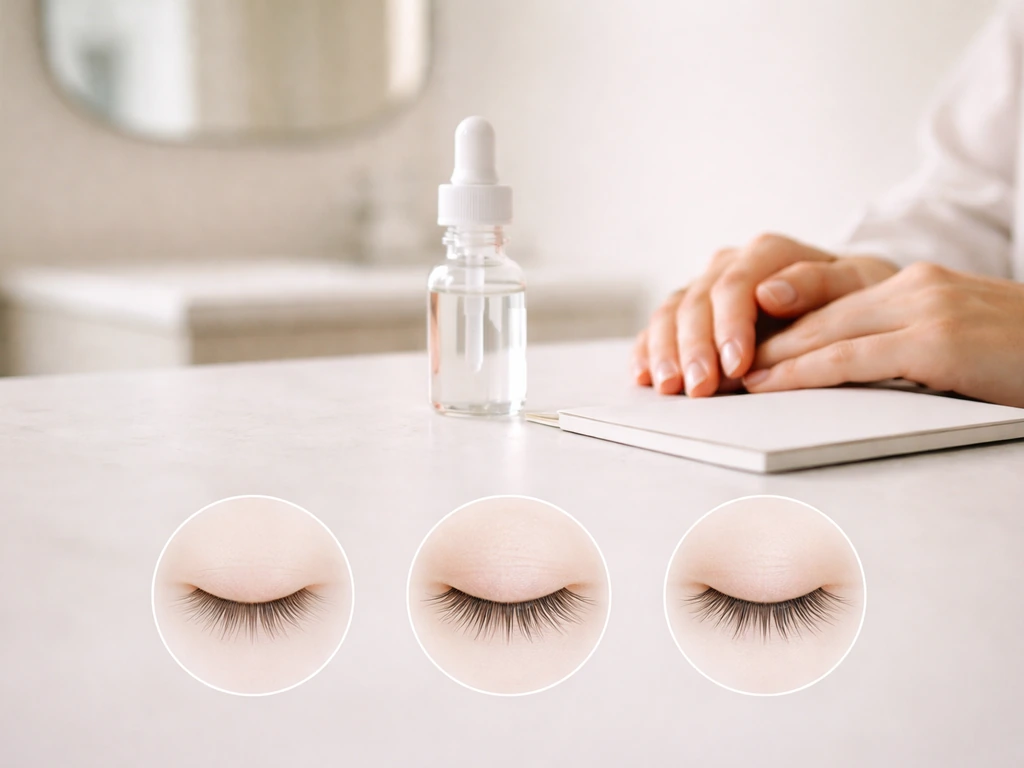
These three scenarios get conflated but they're biologically distinct, and your timeline changes based on which one you're actually dealing with.
- Regrowth after complete loss: A lash was shed or pulled. The follicle needs to cycle from scratch. Timeline: 4 to 16 weeks depending on cause and health.
- Growing out (from a trim or breakage): The follicle is intact and still in anagen. You're just waiting for the shaft to lengthen. This is faster. A trimmed lash can reach its original length in 4 to 8 weeks since no new cycle needs to start.
- Growing longer or thicker than your baseline: You're trying to push beyond your genetics. This requires extending anagen duration or increasing follicle output, which is where serums and supportive habits come in. Results take months, not weeks.
It's also worth knowing how much eyelashes grow in a month when everything is working normally, so you have a realistic benchmark for what's achievable without clinical intervention.
What actually changes your timeline
Biology isn't uniform. Several factors push your regrowth timeline in one direction or another.
Age
Hair cycling slows with age. Follicles spend less time in anagen and produce thinner, lighter shafts. If you're in your 40s or 50s and noticing your lashes aren't bouncing back as fast as they used to, that's a real biological shift, not just perception. Interestingly, people sometimes wonder when newborns' eyelashes grow and how that first cycle works, which is a helpful reminder that follicle programming is active from the very beginning of life.
Hormones and thyroid function
Hypothyroidism is one of the more common and underdiagnosed reasons for slowed or patchy lash regrowth. It can trigger telogen effluvium (mass shedding) and is associated with milphosis, which is eyelash loss. If your lashes are thinning alongside other symptoms like fatigue, dry skin, or hair loss on your scalp and outer eyebrows, it's worth asking your doctor to check thyroid function. Treating the underlying hormonal issue is what resolves the lash loss in these cases, not any topical serum.
Damage from extensions, rubbing, and chronic irritation
Repeated mechanical stress on the lash line is one of the most common reasons regrowth stalls. Eyelash extensions, particularly when removed improperly or worn in repeated cycles without breaks, can cause traction-related follicle damage. Chronic eye rubbing does the same. Conditions like blepharitis (chronic eyelid margin inflammation) are documented causes of madarosis (eyelash loss), and if the inflammation isn't addressed, new lashes continue to be disrupted even as they try to grow in. An NHS patient information leaflet on meibomian gland dysfunction also recommends using warm compresses followed by gentle lid-margin cleaning as part of routine care to help manage eyelid inflammation Conditions like blepharitis (chronic eyelid margin inflammation). The fix here is treating the lid disease first.
Nutrition and iron levels
Iron deficiency is a known driver of diffuse hair loss, and lashes are hair. If your diet is low in protein, iron, or B vitamins, follicle output suffers. This is correctable, and often faster to fix than people expect once deficiencies are addressed.
Medications
Chemotherapy is the most dramatic example: it causes eyelash loss as part of broader hair loss, and post-chemo regrowth studies have documented that lash improvement can be measurable as early as month 4 of recovery. Other medications, including some blood pressure drugs and retinoids, can affect hair cycling. If you've recently changed medications and noticed lash thinning, that connection is worth discussing with your prescriber.
At-home habits that actually support growth
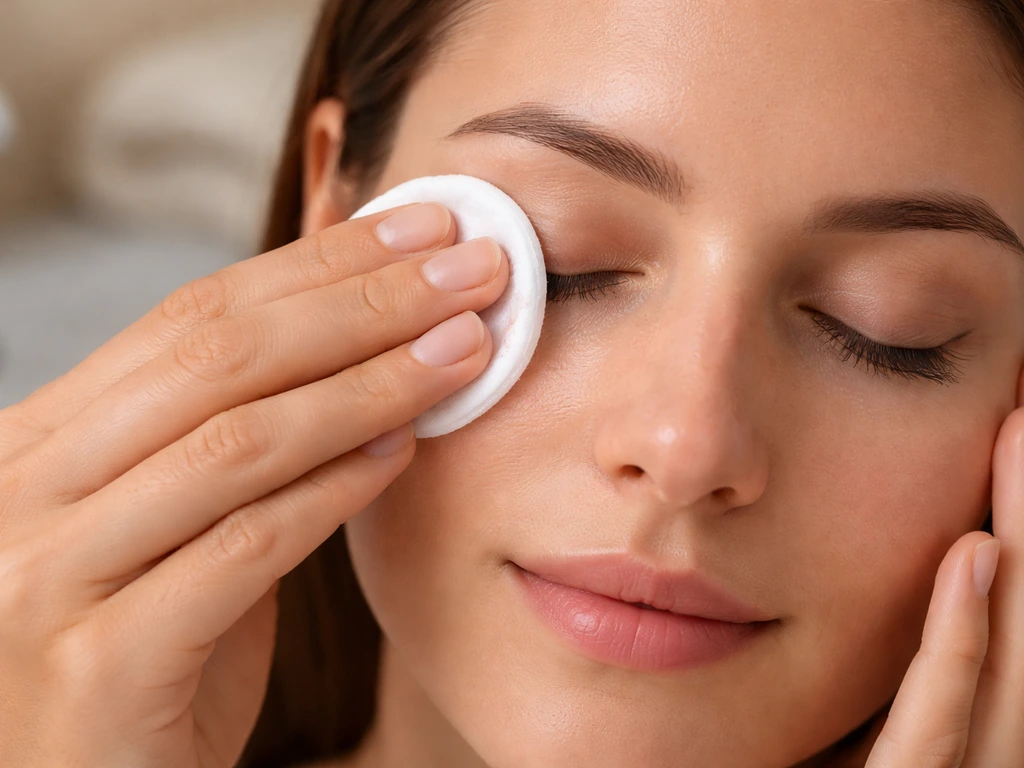
You can't dramatically accelerate biology, but you can definitely stop sabotaging it. These are the practical habits that make a real difference.
- Stop rubbing your eyes. This is probably the single most impactful habit change. Mechanical stress disrupts follicles and can cause lashes to fall prematurely.
- Clean your eyelid margins regularly. If you have any blepharitis or meibomian gland issues, warm compresses followed by gentle lid scrubs are the NHS-recommended and clinically supported routine. Warm the lids for 1 to 2 minutes, then use a clean cloth or lid scrub pad to gently clean the lash line. This reduces the inflammation that disrupts follicles.
- Be careful with makeup removal. Pulling or rubbing off mascara stresses lashes. Use a gentle, oil-based remover and press rather than drag.
- Eat enough protein and consider your iron intake. Follicles are protein-dependent structures. Crash diets or very low protein intake will show up in your lashes within a few months.
- Take extension breaks. If you wear lash extensions, your natural lashes need periodic rest. Back-to-back extension sets without breaks do cumulative follicle damage.
What the evidence says about popular growth solutions
Prescription lash serums (prostaglandin analogs)
Bimatoprost 0.03% (sold as Latisse) is the most evidence-backed option available. It's a prostaglandin analog originally developed for glaucoma, and the lash-lengthening effect was noticed as a side effect. Clinical trials have measured outcomes at months 4, 6, 10, and 12, with meaningful improvements in lash length, thickness, and darkness. A split-face study also showed improvements over a 12-week period. In post-chemotherapy patients specifically, bimatoprost showed measurable improvements by month 4. That's the realistic timeframe: don't expect dramatic results before 3 to 4 months of consistent use.
The trade-off is a real side effect profile. RANZCO's guidance highlights ocular and periocular adverse effects linked to cosmetic eyelash serums that contain prostaglandin analogues side effect profile. Postmarketing reports for Latisse include periocular skin darkening, eyelid swelling, ocular surface irritation, and in some cases eyelash loss or misdirected lash growth (trichiasis). The bigger concern with prostaglandin-analog lash serums is prostaglandin-associated periorbitopathy, which involves periocular fat loss and potential iris color changes. The RANZCO position statement specifically flags these risks including skin hyperpigmentation and irreversible iris darkening. More recently, in June 2025, the Scientific Committee on Consumer Safety released a preliminary opinion stating that none of the evaluated prostaglandin analogues could be considered safe for use in cosmetics. That's a meaningful red flag for over-the-counter serums that include prostaglandin-like substances but are marketed as cosmetics rather than drugs. If you want to use a prostaglandin-based serum, the safest route is the prescription version under clinical supervision.
Castor oil
Castor oil is the most popular natural option, and the evidence for it is largely anecdotal. There are no robust clinical trials demonstrating it significantly extends anagen or increases follicle output. What it does do: it's a conditioning agent that reduces lash breakage and may make existing lashes look fuller and healthier. That's not nothing, especially if your lashes are brittle from product use or dryness. Apply a tiny amount to the lash line before bed with a clean spoolie. The main risk is eye irritation if it migrates into the eye, so less is more.
Biotin
Biotin supplementation is widely marketed for hair and lash growth. The evidence supports it only in people who are genuinely biotin-deficient, which is relatively uncommon. If you're eating a reasonably balanced diet, adding more biotin on top is unlikely to produce noticeable results. It's also worth knowing that high-dose biotin can interfere with certain lab tests, including thyroid panels, which is relevant if you're already investigating hormonal causes of lash loss.
| Solution | Evidence level | Realistic timeline | Main risks |
|---|---|---|---|
| Bimatoprost 0.03% (Rx) | Strong: multiple RCTs | 3–6 months for visible results | Periocular pigmentation, fat loss, iris changes, irritation |
| OTC prostaglandin-analog serums | Moderate efficacy evidence, safety concerns | 3–6 months | Same mechanism risks; unregulated doses; SCCS safety concerns (2025) |
| Castor oil | Weak: no clinical trials | Conditioning effect ongoing | Eye irritation if overused; no true growth stimulation proven |
| Biotin supplements | Weak: only effective if deficient | Months, if deficient | Lab test interference at high doses |
| Lid hygiene routine | Strong for inflammation-related loss | Improvement in weeks with consistent use | Minimal if done gently |
When slow regrowth is a sign of something medical
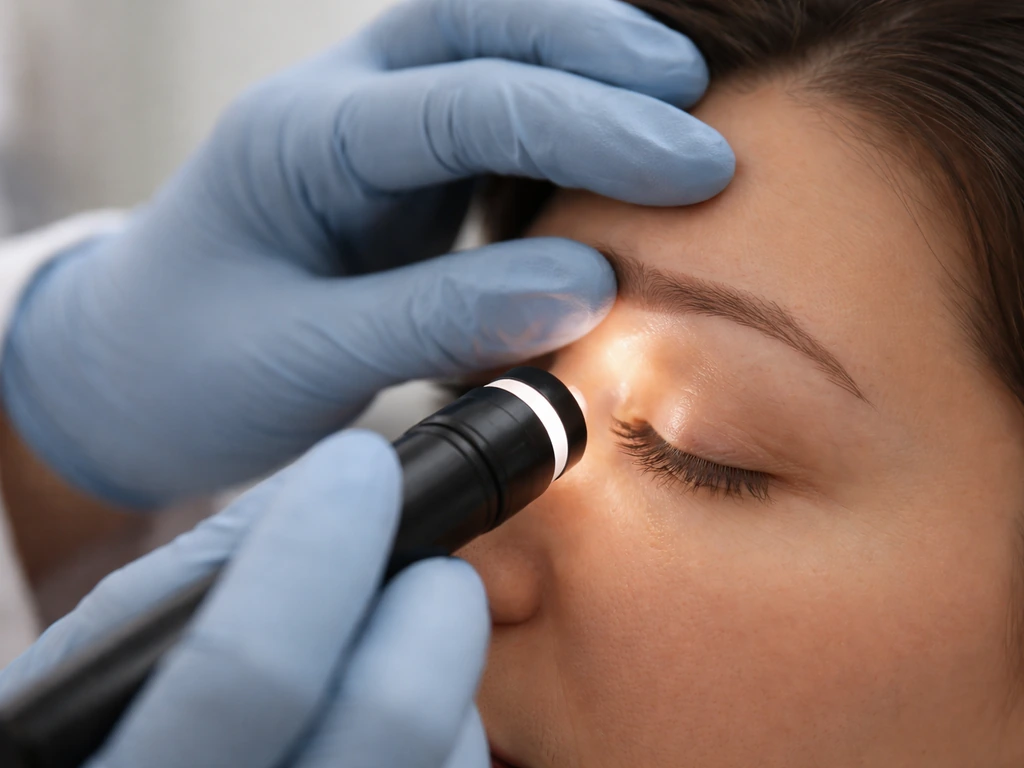
Most slow or incomplete regrowth is situational, meaning it resolves once you address the cause. But there are patterns that warrant a visit to a clinician rather than more waiting.
- Patchy or complete lash loss (madarosis) with no obvious mechanical cause: This can be a sign of inflammatory skin conditions (seborrheic dermatitis, eczema, acne rosacea), infections, alopecia areata, or in rarer cases, malignancy. Madarosis is a clinical sign associated with a wide range of systemic and local causes and should be evaluated if it persists.
- Loss accompanied by eyelid inflammation, scaling, or crusting: This points to blepharitis or a related eyelid condition. Chronic blepharitis can lead to permanent follicle damage and misdirected lash growth (trichiasis) if not treated. You need to treat the lid disease, not just wait for regrowth.
- Misdirected lashes growing inward: Trichiasis (lashes growing toward the eye) is associated with blepharitis, conjunctival scarring from conditions like ocular mucous membrane pemphigoid, and posttraumatic changes. It's not a "growth problem" you manage at home; it needs professional assessment.
- Loss alongside outer eyebrow thinning, fatigue, or cold intolerance: This triad points strongly toward hypothyroidism. Get a thyroid panel.
- Lash loss that doesn't recover after 6 months: If you've addressed all the obvious factors (no more extensions, no rubbing, good nutrition, no ongoing inflammation) and still see significant gaps at 6 months, a dermatologist or ophthalmologist can assess whether follicle scarring has occurred, which would mean the follicle is no longer viable.
- Compulsive hair pulling (trichotillomania): This causes lash loss that won't resolve until the behavior is addressed. It's a recognized condition, not a habit failure, and responds to behavioral therapy.
The reassuring point here, backed by Cleveland Clinic guidance, is that madarosis is usually reversible once the underlying cause is identified and treated. The key word is treated, not just waited out. If you're past the 3-month mark with no meaningful regrowth and no clear reason, that's when you stop experimenting with serums and start talking to a clinician.
FAQ
How long does it take eyelashes to grow back after you pull one out? Will it return to full length?
If you lost a lash only once (single lash pulling) you are usually looking at the 4 to 8 week replacement window. If you have a widening gap, missing lashes across an area, or a patch that keeps growing, regrowth is often slower because multiple follicles are out of sync at the same time, commonly closer to 2 to 3 months for the area to look near normal and up to 6 months for density.
Why don’t my eyelashes look like they’re growing even though it’s been weeks? What should I expect day to day?
You typically will not see steady daily growth. Eyelashes cycle and shed gradually, so the lash line can look unchanged for weeks, then suddenly fill in. A practical way to track is to take the same-angle photo every 2 weeks and compare coverage, not individual lash tips.
What’s the difference between eyelashes being replaced and eyelashes coming back to normal?
Not always. “Replacement” can occur while length and thickness still lag behind. That is why someone may have new lashes by 4 to 8 weeks but not feel like they have “their original lashes back” until 2 to 6 months, especially if the lashes were damaged or the lash line is sparse.
If I’m older, does that mean my eyelashes will never regrow as fast, or can something else be causing it?
Age-related slowdown is real, but it is not the only explanation. If you are in your 40s or 50s and your lashes are thinning more than expected, it helps to check for reversible causes too, especially thyroid issues, iron deficiency, chronic eyelid inflammation, or medication changes. Age can lower the pace, but it usually should not be the only reason to ignore symptoms.
Could hypothyroidism or other medical conditions be why my lash regrowth is slower or patchy?
Yes, certain health conditions can change the timeline. Hypothyroidism can lead to mass shedding and patchiness, which means waiting without addressing the underlying issue often fails. If lash loss is paired with fatigue, dry skin, scalp hair loss, or outer eyebrow thinning, a thyroid workup is a sensible next step.
How long should I wait if extensions were removed improperly, and what should I stop doing to help regrowth?
If the issue is traction or chronic irritation, stopping the trigger matters more than any serum. Give your lash line a true break from extensions and avoid eye rubbing, and treat eyelid margin inflammation if present. Without addressing blepharitis or mechanical stress, you can keep stimulating damaged follicles that are still cycling poorly.
How soon can bimatoprost-based lash serums realistically work, and how long should I try before deciding it isn’t for me?
Bimatoprost products can start showing measurable changes around month 3 to 4 for many people, with more meaningful improvements continuing through later months. A common mistake is quitting too early, before enough cycles have passed to affect length, thickness, and darkness.
What are the main risks of prostaglandin-analog lash serums, and who should avoid them?
Prescription supervision matters because of risk. Potential side effects include eyelid swelling or irritation, possible ocular surface discomfort, and in rare cases misdirected growth. More concerning are periocular fat loss and potential iris color changes, which is why prostaglandin analog use is treated as a medical decision rather than a casual cosmetic add-on.
If eyelashes fell out from chemotherapy, what timeline should I expect, and should I check anything with my oncologist?
If you have eyelash loss after chemo, improvement often tracks the broader recovery timeline, with measurable lash improvement reported by about month 4 in recovery studies. You still need to coordinate with your oncology team because treatments and immune status can affect eye health and what topical products are appropriate.
Is castor oil likely to regrow eyelashes, or is it mainly for conditioning and reducing breakage?
Castor oil is most useful as a conditioning aid, mainly to reduce breakage and improve the look of existing lashes. It does not have strong evidence for significantly increasing follicle output, so if your lashes are genuinely sparse, it is better thought of as supportive rather than a primary fix.
Should I take biotin for lash growth, and could it interfere with thyroid testing?
If you are not biotin-deficient, adding extra biotin is unlikely to produce noticeable lash growth. Also, high-dose biotin can interfere with certain lab tests like thyroid-related blood work, so if you suspect a hormonal cause, avoid “blind” high-dose supplements before labs.
At what point is it no longer normal to wait, and what should a clinician check?
A good rule of thumb is to talk to a clinician if you have minimal or no meaningful regrowth after about 3 months, or sooner if there is a new, spreading patch, significant irritation, or other hair loss signs. At that point, a targeted evaluation for thyroid disease, iron deficiency, eyelid inflammation, and medication effects is usually more productive than repeatedly switching serums.
Next Article
Does Mustard Oil Grow Eyelashes? Safety and What Works
Find out if mustard oil grows eyelashes, risks to eyelids, and safer options with realistic timelines and when to see a
