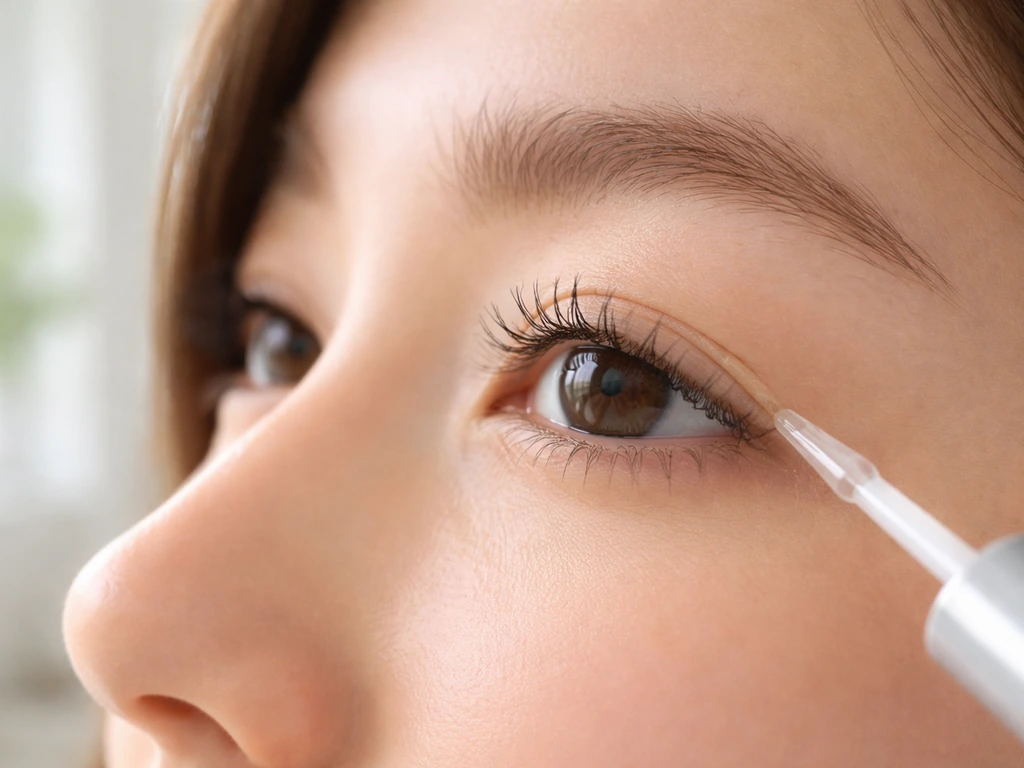
Biotin can help your eyelashes grow, but only if your lashes are struggling because of a biotin deficiency. If your levels are already normal, adding more biotin, whether through supplements or a serum, is unlikely to produce noticeable results. That distinction matters more than almost anything else when you're trying to figure out whether biotin is worth your time and money.
Can Biotin Help Eyelashes Grow? What to Expect and How
Rachel Nguyen
28 Apr 2026
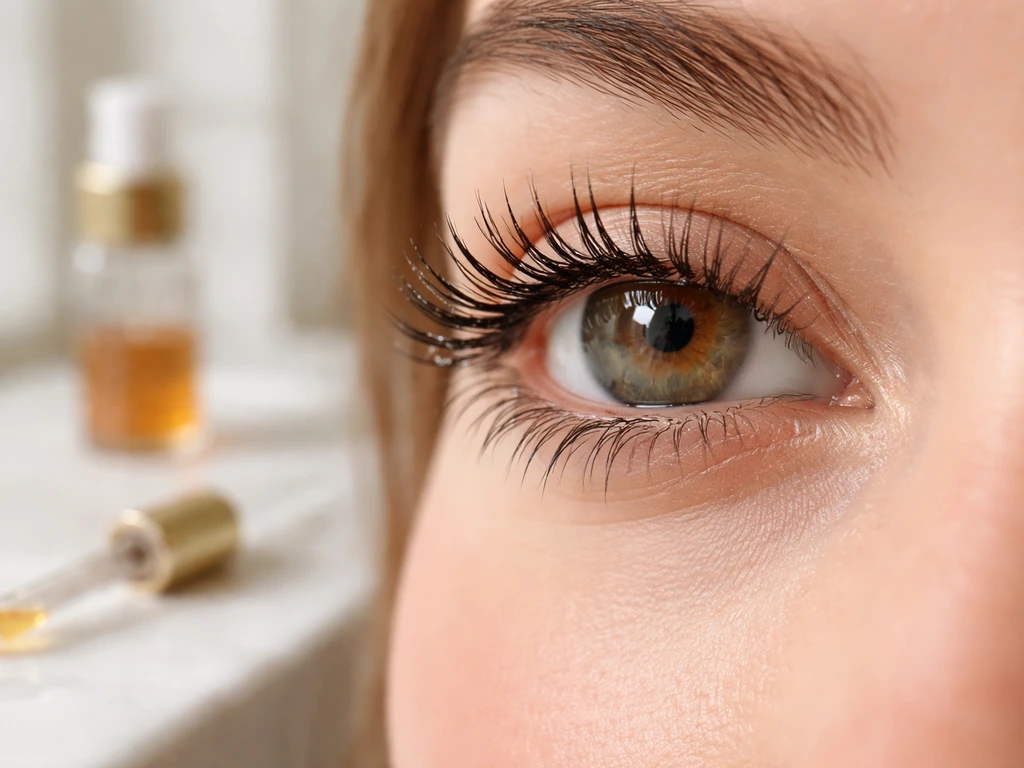
Biotin and eyelash growth: what the science actually says
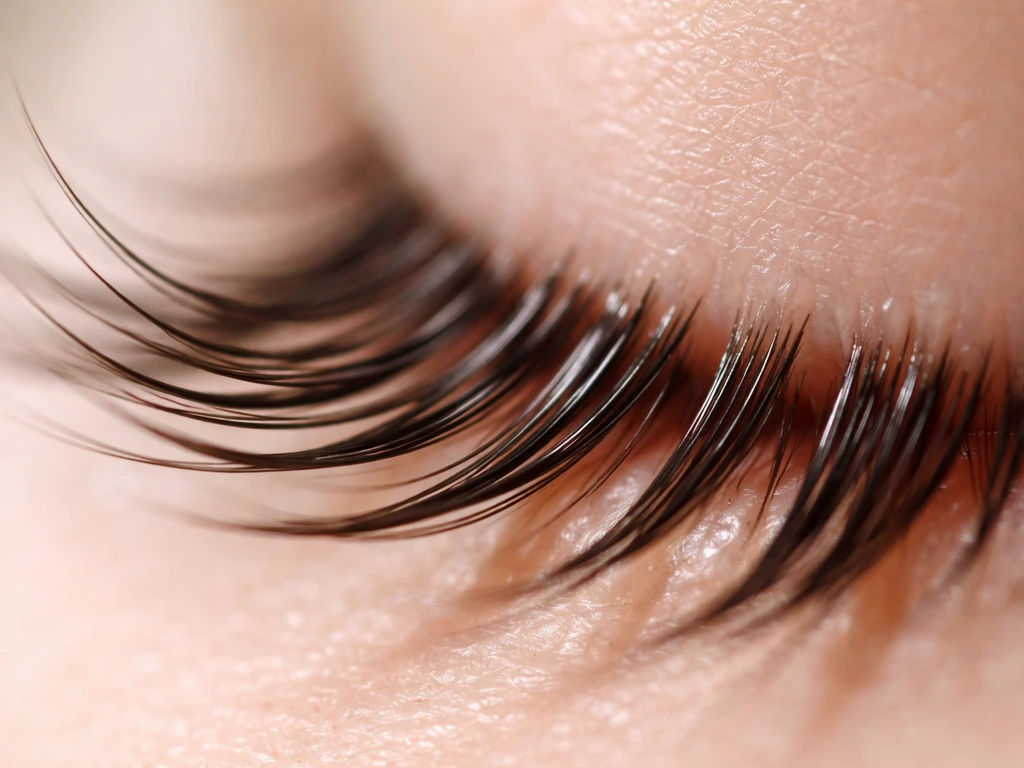
Biotin (vitamin B7) is a water-soluble vitamin that plays a key role in keratin production. Since eyelashes are made of keratin, the logic of 'take more biotin, grow more lashes' seems reasonable. But biology doesn't always follow that kind of straight-line reasoning.
What the research actually shows is that biotin supplementation supports hair growth most reliably when deficiency is the root cause. StatPearls notes that clinical evidence for biotin improving hair in people without a documented deficiency is limited. There are no large, well-controlled studies specifically showing that biotin supplements grow longer or thicker eyelashes in healthy adults. Compare that to bimatoprost (the active ingredient in Latisse), which earned FDA approval specifically because clinical trials proved it increases eyelash length, thickness, and darkness. Biotin has no equivalent evidence trail for lash-specific outcomes.
That doesn't mean biotin is useless. It means you need to know where you're starting from before deciding whether it belongs in your routine.
When biotin might work (deficiency vs normal biotin levels)
The NIH Office of Dietary Supplements describes biotin deficiency as 'very rare' in the United States, so statistically most people reading this don't have one. But 'rare' isn't the same as 'impossible,' and certain groups are at higher risk: people who eat raw egg whites regularly (avidin in raw egg whites blocks biotin absorption), those with Crohn's disease or other malabsorption conditions, heavy alcohol users, and people who've been on long-term anticonvulsant medications.
When deficiency does occur, the symptoms are fairly recognizable. The NIH lists gradual thinning of hair that can progress to loss of all body hair, including lashes and brows, plus a scaly skin rash around body openings (nose, mouth, eyes) and sometimes conjunctivitis. If that cluster of symptoms sounds familiar, a blood test to check your biotin status is the right first move, not just adding supplements and hoping for the best.
If you have a confirmed or strongly suspected deficiency, correcting it can visibly restore lash fullness. If your levels are fine, you're essentially trying to add fuel to a tank that's already full. The excess biotin just gets excreted in urine, and your lashes stay the same.
Topical biotin vs biotin supplements: what to try and why

This is where personal experimentation and real-world feedback get interesting. Both forms of biotin show up in lash products, and they work through different mechanisms.
Oral biotin supplements
Supplements are the more studied route. Common doses in hair-focused products range from 1,000 to 10,000 mcg (1 to 10 mg) per day, though the adequate intake level set by NIH for adults is just 30 mcg daily. There's no established upper limit because biotin toxicity hasn't been documented, but very high doses can interfere with certain lab tests (including thyroid panels and cardiac troponin tests), which is a real safety concern worth mentioning to your doctor. If you suspect a deficiency, a lower dose like 1,000 to 2,500 mcg is a reasonable starting point rather than jumping straight to megadoses.
Topical biotin in serums and conditioners
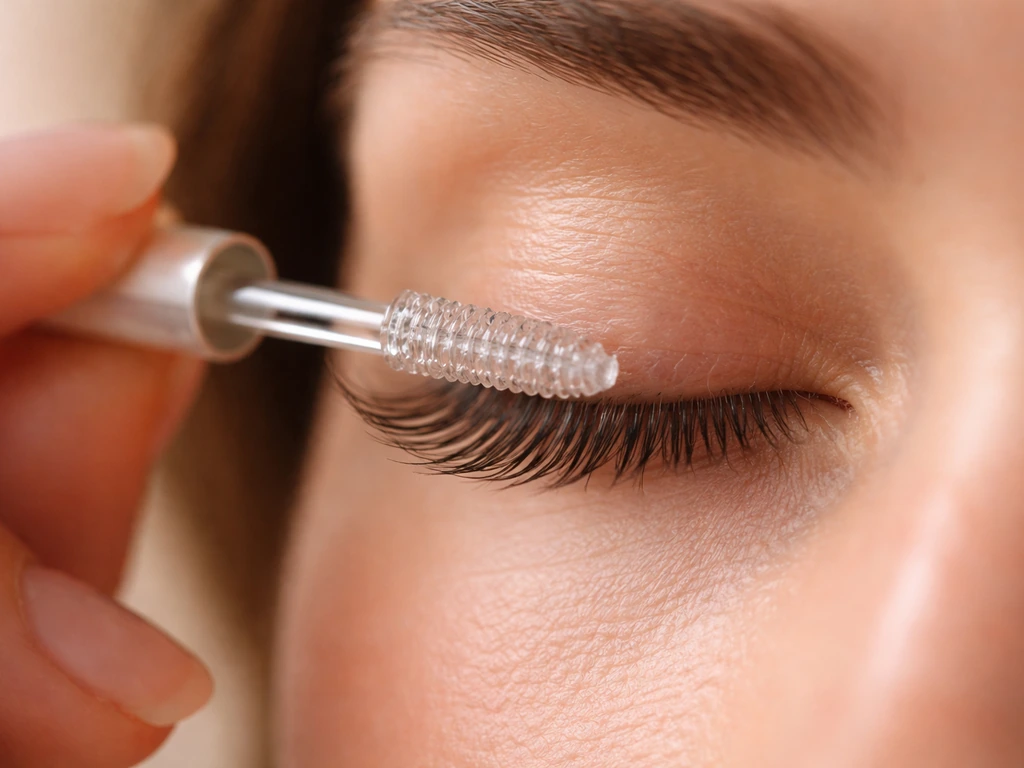
Topical biotin appears in lash serums, conditioning mascaras, and brow gels. The idea is that direct application to the follicle bypasses the digestion-and-absorption step. In practice, there's very little clinical data confirming that topical biotin penetrates deeply enough to meaningfully affect follicle function. That said, many topical lash products contain biotin alongside other ingredients (peptides, panthenol, hyaluronic acid) that can reduce breakage and improve lash flexibility, which makes lashes look fuller even if the follicle isn't being directly stimulated. If you're going to try topical biotin, look for it as an ingredient in a serum that also contains proven conditioning agents, not as a standalone biotin oil applied to the lash line.
| Form | How it works | Best for | Realistic expectation |
|---|---|---|---|
| Oral supplement | Systemic absorption via digestion | Confirmed or suspected deficiency | Visible improvement in 3-6 months if deficiency was the cause |
| Topical serum/conditioner | Direct application to lash base | Reducing breakage, improving lash condition | Softer, less brittle lashes; minimal follicle stimulation |
| Biotin-infused mascara | Surface coating only | Cosmetic appearance boost | No growth effect; temporary conditioning |
Realistic timelines and what results to expect
Eyelashes follow a growth cycle with three phases: anagen (active growth, lasting 30 to 45 days), catagen (transition, about 2 to 3 weeks), and telogen (resting and shedding, up to 100 days). A full lash cycle runs roughly 4 to 6 months. That timeline governs everything, including how quickly you'd see results from biotin.
If biotin is going to help you, expect to wait at least 2 to 3 months before you notice a meaningful change, and ideally 4 to 6 months for a full assessment. Anyone promising visible lash growth from biotin in 2 to 4 weeks is selling you something. What you might notice earlier (around 4 to 6 weeks) is reduced shedding and lashes that feel less brittle, which is a good sign but not the same as new growth from the follicle.
For context, 'growth' in lashes can mean a few different things: longer individual lashes, denser lash lines (more lashes visible per row), reduced shedding, faster regrowth after damage, or thicker individual lash shafts. Biotin, if it works for you, is more likely to affect shedding rate and thickness than to dramatically change the length ceiling your follicles are genetically set to produce.
Common reasons eyelashes stop growing (damage, breakage, irritation)
Before attributing sparse or short lashes to a biotin issue, it's worth going through the more common causes. In my experience, most people dealing with lash loss or stunted growth have at least one of these at play:
- Lash extension damage: the adhesive and removal process can stress or permanently damage follicles, especially with repeated applications over months or years
- Rubbing and mechanical breakage: rubbing your eyes, removing eye makeup too aggressively, or using a lash curler on already fragile lashes all break hairs mid-shaft without affecting the follicle
- Eyelid and eye irritation: chronic blepharitis, contact dermatitis from eyeliner or mascara ingredients, or allergic reactions can inflame the follicle environment and disrupt the growth cycle
- Heavy or waterproof mascara: daily use of waterproof formulas, especially if you use makeup wipes or tugging to remove them, causes significant mechanical breakage over time
- Thyroid disorders: both hyperthyroidism and hypothyroidism can cause lash and brow thinning independent of biotin status
- Trichotillomania or compulsive pulling: often goes unrecognized, especially under stress
- Nutritional deficiencies beyond biotin: low iron, low zinc, and very low-calorie diets can all impact lash growth cycles
If damage from extensions or irritation is the culprit, biotin supplementation alone won't fix the problem because the follicle environment itself is compromised. You'd need to address the inflammation or mechanical stress first, then support regrowth with nutrition and targeted products.
How to use biotin safely around the eyes
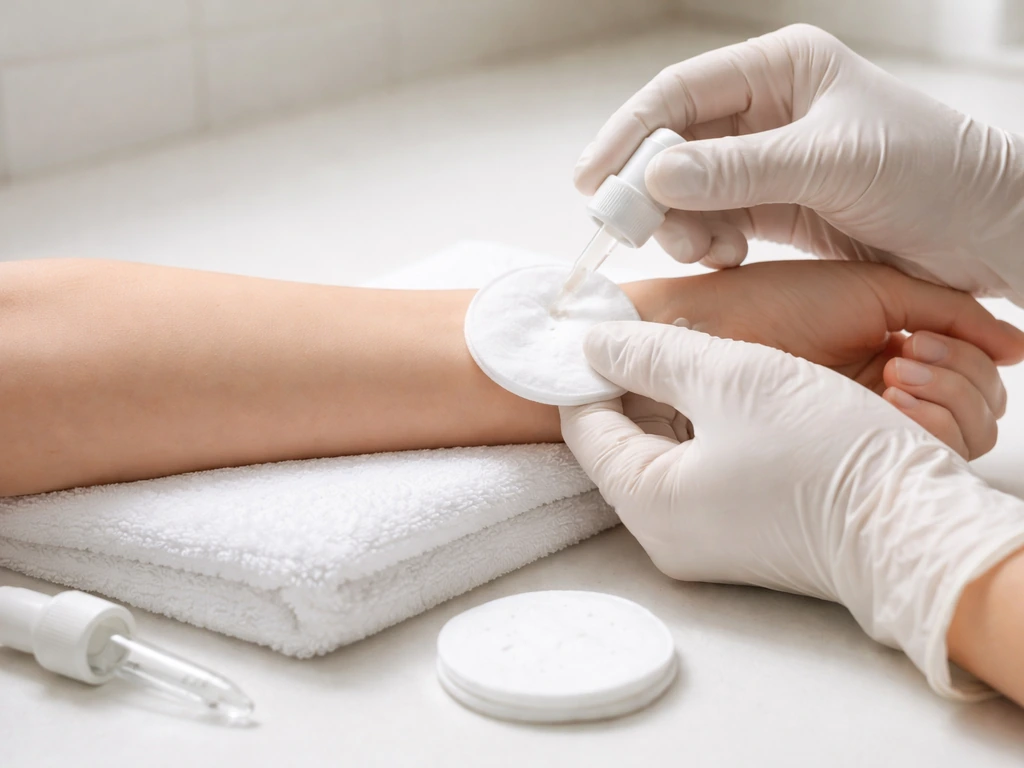
The eye area is sensitive enough that even products marketed specifically for lashes can cause reactions if you're not careful. Here's how to approach biotin use at the lash line without creating new problems:
- Patch test any new topical product before applying it to the lash line. Apply a small amount to the inner arm or behind the ear for 24 to 48 hours. If you see redness, swelling, or itching, skip the product entirely.
- Apply topical serums at the lash base only, not inside the waterline. Use the applicator tip to trace the upper lash line where lashes emerge from the skin, exactly where you'd apply eyeliner.
- Apply at night after thoroughly removing all makeup. Clean, dry skin absorbs actives better and reduces the risk of mixing with cosmetic ingredients that could cause reactions.
- If you're using oral supplements, inform your doctor or anyone ordering lab work. High-dose biotin (above 5 mg/day) can interfere with immunoassay-based lab tests including thyroid hormones and cardiac markers, potentially producing falsely abnormal results.
- Discontinue use immediately if you notice eye redness, increased tearing, swollen eyelids, or any change in vision, and consult an eye care professional.
- If your lash loss is sudden, patchy, or accompanied by brow thinning, skin changes, or fatigue, see a doctor before self-treating with supplements. These can be signs of thyroid conditions, alopecia areata, or other medical causes that need diagnosis, not just vitamins.
What to do if biotin doesn't help: next proven options
If you've tried biotin consistently for 4 to 6 months without seeing a change, it's a strong signal that deficiency wasn't your issue. That's actually useful information because it narrows down what to try next.
The most clinically proven option for eyelash growth is bimatoprost 0.03% solution (Latisse), a prescription prostaglandin analog that received FDA approval after clinical trials demonstrated measurable increases in lash length, thickness, and darkness. Results typically appear within 8 weeks and are most pronounced at 16 weeks. It requires a prescription, costs more than over-the-counter options, and needs ongoing use to maintain results, but it's the gold standard when you want evidence-backed lash growth.
For those who prefer to stay in the natural and at-home category, a few options have real-world support and a reasonable mechanism of action. Castor oil applied to the lash line is a popular conditioning treatment that may reduce lash breakage and create a better environment for growth, though it won't stimulate the follicle the way a prostaglandin does. Peptide-based lash serums (look for ingredients like myristoyl pentapeptide-17) have some published data suggesting they can extend the anagen phase. And addressing any nutrient gaps more broadly, not just biotin but also iron, zinc, and vitamin D, is worth doing with blood work before spending money on serums.
Other vitamins also come up in this conversation regularly. Vitamin E, for example, is another antioxidant with a role in scalp and follicle health, and exploring whether it adds anything to a lash routine is worth considering alongside biotin. Vitamin E can support overall skin and follicle health, but the question is whether it actually helps eyelashes grow beyond general conditioning help eyelashes grow. Similarly, if you're curious about whether a multi-ingredient supplement approach (like Nutrafol) might do more than a single-nutrient supplement, that's a legitimate question given how interconnected hair-growth nutrition actually is. If you're wondering whether Nutrafol can improve eyelash growth, it's helpful to look at what the supplement is designed to support and what evidence exists for lashes specifically does nutrafol help eyelashes grow.
The bottom line is this: biotin is worth trying first if you have any reason to suspect a deficiency, it's low-risk, and it's inexpensive. But if your levels are normal and your lashes still aren't growing, it's time to look at what's actually blocking growth, whether that's mechanical damage, inflammation, a medical cause, or simply genetics, and choose a tool that targets the real problem.
FAQ
How can I tell if biotin is likely to work for my eyelashes or if my levels are already normal?
If you have normal biotin levels, adding more usually will not increase lash length much because the vitamin is not the limiting factor. A practical check is to use a blood test or speak with a clinician if you have symptoms that fit biotin deficiency (thinning hair plus a scaly rash around body openings).
What timeline should I use to judge whether biotin is actually helping my lashes grow?
Plan on a 4 to 6 month trial before deciding it is not helping, since lashes go through a full growth cycle in that timeframe. If you see only less shedding or less brittleness at 4 to 6 weeks, that is conditioning benefit, not proof of follicle-driven length growth.
What dose should I try first, and is it a mistake to jump straight to high-dose biotin?
Do not start with a megadose to “catch up.” A reasonable step is a lower supplement range (such as 1,000 to 2,500 mcg daily) and reassess after several months, especially if you have no confirmed deficiency. Also confirm you are not already getting substantial biotin from a multivitamin or hair supplement.
Can taking biotin affect my lab tests or cause safety issues?
Biotin can interfere with certain lab tests, especially immunoassay-based tests used for thyroid function and cardiac troponin. If you have upcoming blood work, ask your clinician how long to stop biotin beforehand, because the needed washout period can vary by test.
Is topical biotin safe to use around the eyes, and how do I avoid irritation?
Yes, but the limiting factor is usually eyelid irritation rather than follicle stimulation. Avoid getting serum into the eye, consider patch testing on the inner arm or behind the ear first, and stop if you get redness, stinging, swelling, or persistent dryness.
If I’m using a prescription lash-growth product, should I add biotin too?
If you use prostaglandin products like bimatoprost, do not assume biotin will layer seamlessly. Use one change at a time so you can attribute results, and follow your prescriber’s instructions for other lash products to reduce the chance of irritation and contamination.
What should I do if I try biotin for months and my lashes still do not change?
If you do not see any improvement after 4 to 6 months of consistent use, it strongly suggests deficiency was not the issue. At that point, focus on the more common blockers: extension or rubbing damage, eyelid inflammation, inadequate overall nutrition (iron, zinc, vitamin D), and genetics.
Am I in a higher-risk group for biotin deficiency that would make supplementation more justified?
Biotin deficiency symptoms are uncommon, but risk increases with conditions that reduce absorption (for example, Crohn’s disease or other malabsorption), heavy alcohol intake, long-term anticonvulsant use, and regular consumption of raw egg whites. If you fit one of these profiles, it is more reasonable to test before spending on repeated supplements.
How do I measure progress so I know whether biotin is helping?
Treat “growth” carefully, because products can reduce shedding or breakage without changing lash length. Track photos at a fixed distance and lighting every 4 to 6 weeks, and note whether you are seeing denser visible lashes, fewer broken lashes, or true length at the outer corner.
When should I stop self-treating and get checked for a medical cause of lash loss?
If you have patchy loss, itching, scaling around the eyelids, or sudden changes, do not attribute it to biotin alone. These can point to inflammatory or dermatologic causes, and a clinician should evaluate your eyelids before continuing self-treatment.
Next Article
What Helps Make Eyelashes Grow: Fast, Safe Steps
Step-by-step ways to make lashes grow: recovery timelines, safe serums and ingredients, and why growth stalls