
The short answer: a combination of a prescription-grade or over-the-counter lash serum containing prostaglandin analogs (or peptides as a gentler alternative), a conditioning oil like castor or vitamin E oil applied nightly, and protecting your lashes from mechanical damage will do more for growth than anything else you can buy or do at home. That said, which of those tools is right for you depends entirely on why your lashes are short, thin, or missing in the first place. Let's work through that.
What Helps Make Eyelashes Grow: Fast, Safe Steps
Rachel Nguyen
18 Apr 2026
How eyelash growth actually works
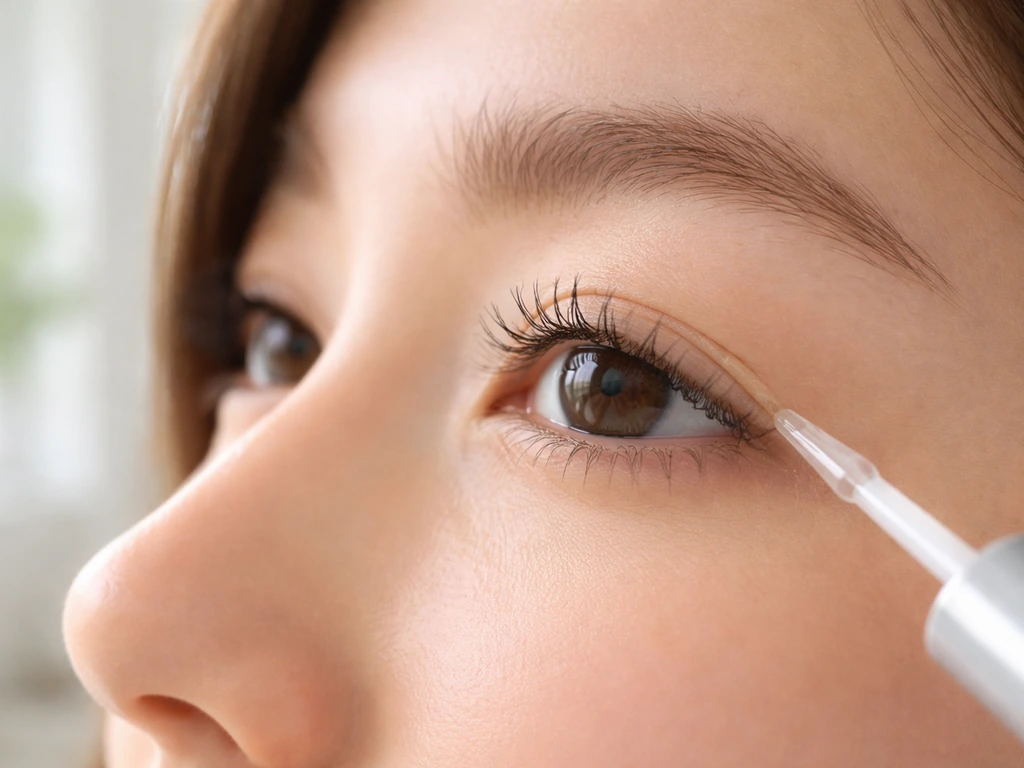
Eyelashes grow in a cycle, just like scalp hair, but on a much shorter clock. Research characterizing human eyelash follicles puts the active growth phase (anagen) at an average of about 34 days, give or take 9 days, with the full follicle cycle completing in roughly 90 days. Growth rate averages around 0.12 mm per day, which is slow enough that you won't notice day-to-day progress. Because the anagen phase is so short compared to scalp hair, lashes rarely grow longer than 12 mm. That's not a health problem; it's just how the biology is wired.
Length and thickness are controlled by different mechanisms. Length is largely determined by how long your follicle stays in anagen before it shuts down and sheds the lash. Extending that window is exactly what prescription serums like bimatoprost (Latisse) do. Thickness, on the other hand, is tied to the diameter of the follicle itself and how well it is nourished. Peptide-based serums and oils tend to work on this side of the equation more than on length. If you want both, you generally need to address both.
Why your lashes stopped growing (or started falling out)
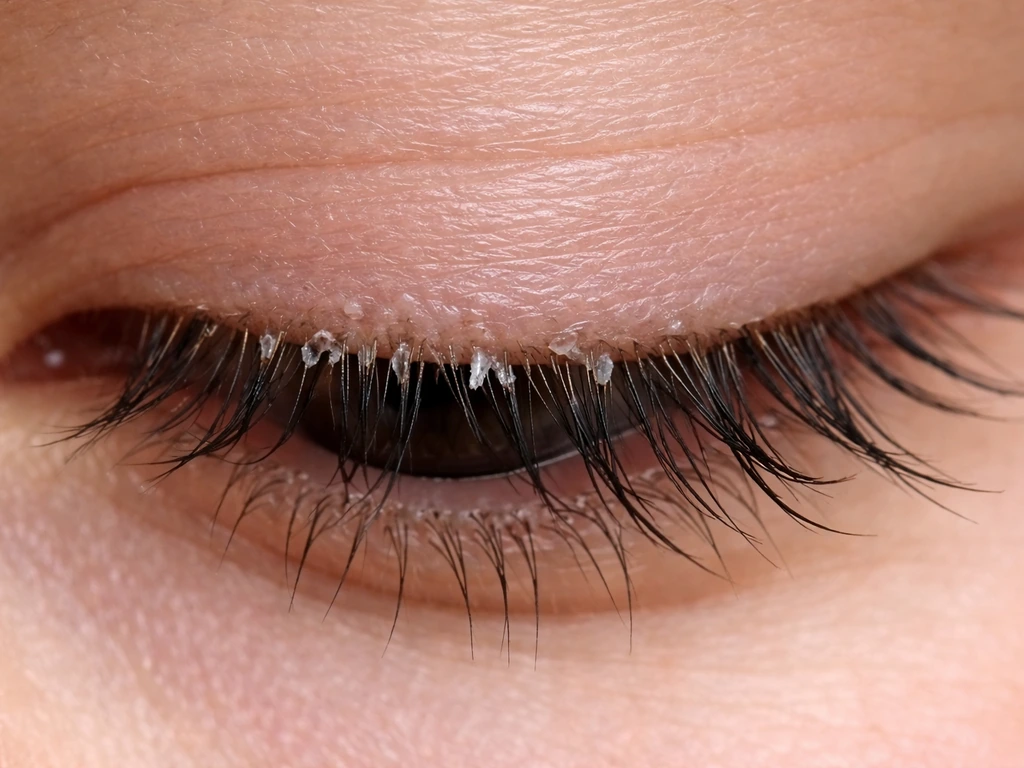
Before you reach for a product, it helps to know what you're dealing with. The cause shapes everything about the solution and the timeline.
- Extensions and adhesive damage: Lash extensions put mechanical tension on follicles and the adhesive removal process often pulls lashes out prematurely. If this happened recently, the follicles are almost certainly still intact and lashes will cycle back in on their own, but you can speed up recovery.
- Rubbing and mechanical breakage: Rubbing your eyes hard, using a rough makeup remover, or sleeping face-down crushes and breaks lashes before they finish their growth phase. The lash is gone but the follicle is fine.
- Waterproof mascara overuse: Heavy formulas and the force needed to remove them stress the follicle opening repeatedly. Over weeks this shortens the visible lash before it even sheds.
- Nutritional gaps: Low iron, low biotin, and low protein intake are the most common dietary contributors to thin or slow-growing lashes. Biotin specifically plays a documented role in keratin production, which is what lashes are made of.
- Thyroid dysfunction: Both hypothyroidism and hyperthyroidism cause diffuse hair and lash thinning. If your lashes have thinned gradually across the whole lash line and you haven't changed anything else, get your thyroid checked before buying serums.
- Alopecia areata: An autoimmune condition that can affect lashes as well as scalp hair. Patchy loss rather than overall thinning is a clue.
- Chemotherapy or medication side effects: Many systemic drugs thin lashes temporarily. Growth typically resumes after the medication course ends.
- Age-related follicle miniaturization: Follicles shrink and slow with age, producing finer, shorter lashes over time.
If you suspect a medical cause, address that first. No serum in the world will overcome an untreated thyroid disorder or an active autoimmune flare. For everyone else, the practical routine below is where to start.
The fastest at-home routine you can start today
This is the routine I'd recommend if someone asked me right now, based on what the evidence actually supports and what is realistic to do every evening without a fuss.
- Remove makeup gently: Switch to a micellar water or oil-based remover and use a cotton pad pressed against your lashes for 20 seconds before wiping. Never rub. This alone stops a lot of unnecessary breakage.
- Clean the lash line: Use a foam lash cleanser or diluted baby shampoo on a soft brush to clear debris from the follicle openings. Clogged follicles grow slower. Do this every evening.
- Apply your serum or oil: Using a clean spoolie or the applicator wand, apply a thin line of serum or oil along the upper lash line at the base, where the follicle is. For oil alone, a tiny amount of cold-pressed castor oil or vitamin E oil worked in with a clean spoolie works well. Apply to lower lashes too if they are your concern.
- Take stock of your nutrition: Add a biotin supplement (2,500–5,000 mcg is the common effective range in hair studies) if you are not already getting adequate dietary intake, along with a multivitamin that covers iron and zinc. Results from supplements take 8–12 weeks minimum.
- Stop using waterproof mascara daily: Reserve it for special occasions and switch to a fiber-free, conditioning daily mascara on regular days.
- Protect lashes at night: If you sleep on your side or stomach, a silk pillowcase significantly reduces friction-related breakage.
Consistency is the non-negotiable part. Because lash anagen lasts only about 34 days on average, you need at least two full growth cycles, so roughly 60 to 90 days, before you can fairly judge whether anything is working.
Best ingredients and products that actually support growth
Not every ingredient in a lash serum does the same thing. Here's what the evidence shows, ranked by strength of effect.
Prostaglandin analogs (prescription and OTC)
Bimatoprost (sold as Latisse by prescription) is the only FDA-approved topical treatment for hypotrichosis of the eyelashes. It works by extending the anagen phase, which directly increases maximum achievable length. Clinical trials showed measurable increases in lash length, thickness, and darkness within 16 weeks. In a blank" rel="noopener noreferrer">randomized vehicle-controlled trial of 278 patients, bimatoprost increased eyelash length by an average of 1.4 mm (25%) after 16 weeks versus 0.1 mm (2%) with vehicle. A review discussing prostaglandin analog eyelash treatments reports measurable increases in lash length, thickness, and darkness within about 16 weeks blank" rel="noopener noreferrer">length, thickness, and darkness within 16 weeks. Some OTC serums use prostaglandin analogs or weaker prostaglandin precursors (like isopropyl cloprostenate) to skirt prescription requirements. These can produce visible results but are less studied than bimatoprost and carry a real risk of side effects (more on that below).
Peptides
Peptide-based serums are the most popular prescription-free alternative. Ingredients like biotinoyl tripeptide-1, myristoyl pentapeptide-17, and acetyl tetrapeptide-3 signal follicle cells to stay in active growth longer and support keratin production. Results are slower and more modest than prostaglandins, but the side effect profile is much gentler, making peptide serums the better first choice for people with sensitive eyes or contact lens wearers.
Castor oil
Cold-pressed castor oil is the most well-known natural option, and while it lacks robust clinical trial data for lashes specifically, it contains ricinoleic acid (a fatty acid with anti-inflammatory properties) and provides a physical conditioning effect that reduces breakage and improves lash appearance. It won't extend anagen, but it keeps the lashes you have from snapping off, which matters. Apply a tiny amount with a clean spoolie nightly.
Vitamin E oil
Vitamin E is an antioxidant that supports scalp and follicle health in studies focused on hair loss. Applied topically to the lash line, it helps reduce oxidative stress around follicles and conditions the lash shaft. It pairs well with castor oil and can be mixed together. If you want the specific answer to what vitamin helps eyelashes grow, vitamin E is best known for helping condition the lash and reduce oxidative stress rather than extending the full growth cycle vitamin E oil. For a deeper look at what vitamin E specifically does for lashes, that topic is worth exploring on its own. If you want to know whether vitamin E alone can speed eyelash growth, the research points more to conditioning than extending the growth cycle.
Biotin (oral)
Biotin supports keratin infrastructure, the structural protein lashes are built from. Oral supplementation is most useful when there is an underlying deficiency. The evidence for biotin helping hair and nail growth in people who are already sufficient in it is weaker than the marketing suggests, but for those with poor diets or absorption issues, it can make a real difference. Oral biotin may help if you are dealing with a nutritional deficiency, but it is not a guaranteed solution for everyone. There is a dedicated deep dive on biotin and eyelash growth that covers dosing and realistic outcomes in more detail.
Quick ingredient comparison
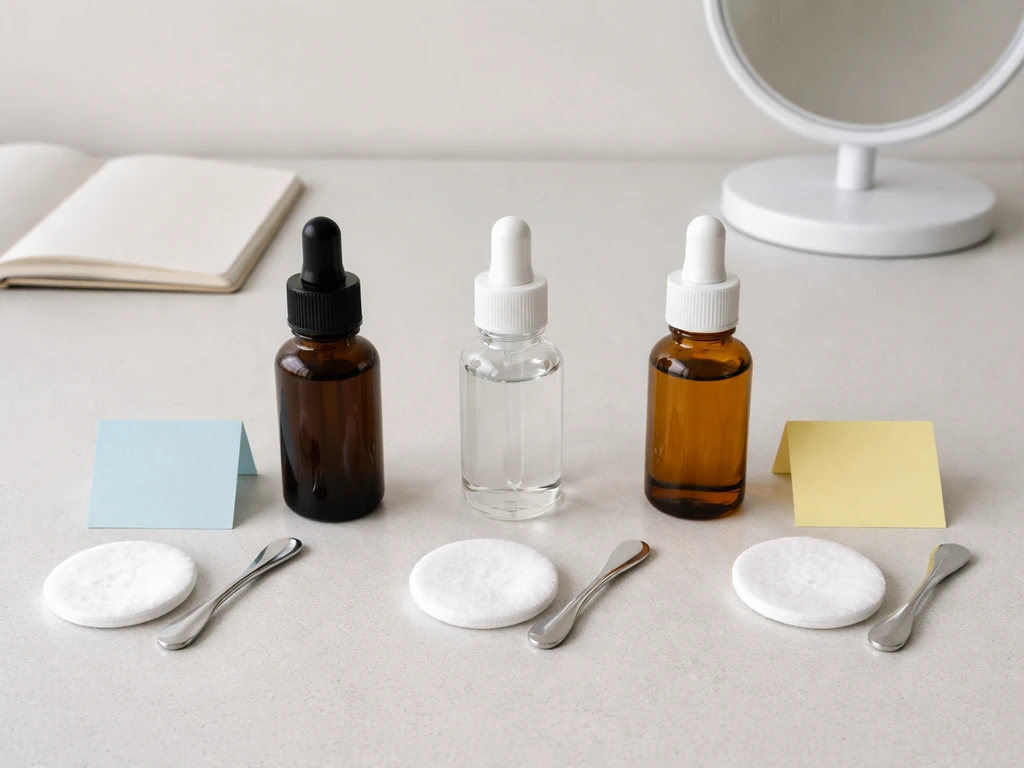
| Ingredient | Primary effect | Speed of results | Best for | Main concern |
|---|---|---|---|---|
| Bimatoprost (Latisse) | Extends anagen phase | 16 weeks | Maximum length + thickness | Prescription required; side effects possible |
| OTC prostaglandin analogs | Extends anagen phase (milder) | 12–16 weeks | Visible growth without Rx | Less studied; irritation risk |
| Peptide complexes | Stimulates follicle signaling | 12–16 weeks | Sensitive eyes; first-time serum users | Results more modest |
| Castor oil | Conditions and reduces breakage | 4–8 weeks | Thin, brittle lashes; natural preference | No direct growth mechanism |
| Vitamin E oil | Antioxidant; follicle support | 8–12 weeks | Pairing with other oils | Limited standalone data |
| Biotin (oral) | Keratin production support | 8–12 weeks | Deficiency-related thinning | Less effective if already sufficient |
What natural products can realistically do
I want to be straight with you here, because the wellness internet oversells this category badly. Natural oils and supplements cannot override your lash follicle's genetic programming or meaningfully extend anagen the way prostaglandins do. What they can do, and this is genuinely useful, is reduce preventable loss. When lashes are snapping off due to dryness, brittleness, or mechanical stress, conditioning them with castor oil, argan oil, or vitamin E keeps more of the lash intact for longer. You end up with a fuller-looking lash line not because new growth sped up but because less breakage is occurring.
Supplements like biotin, iron, zinc, and broader hair-support formulas (including products like Nutrafol, which combines multiple nutrients and botanicals) work on the systemic side, supporting the biological environment in which follicles operate. If you're wondering, does Nutrafol help eyelashes grow, the evidence is more supportive for nutritional support and reducing shedding than for directly extending lash growth cycles. If your lashes are thinning because of nutritional gaps or stress-related shedding, these can genuinely help. If your follicles are healthy and your diet is adequate, the marginal benefit is small. Managing those expectations up front saves a lot of money and frustration.
One natural route that often gets overlooked: reducing inflammation at the lash line. Blepharitis (eyelid inflammation) physically impairs follicle function and is extremely common. Warm compresses for 5 minutes nightly and keeping the lash line clean do more for lash growth in people with this issue than any oil or supplement.
Regrowing lashes after damage: realistic timeline and what to expect
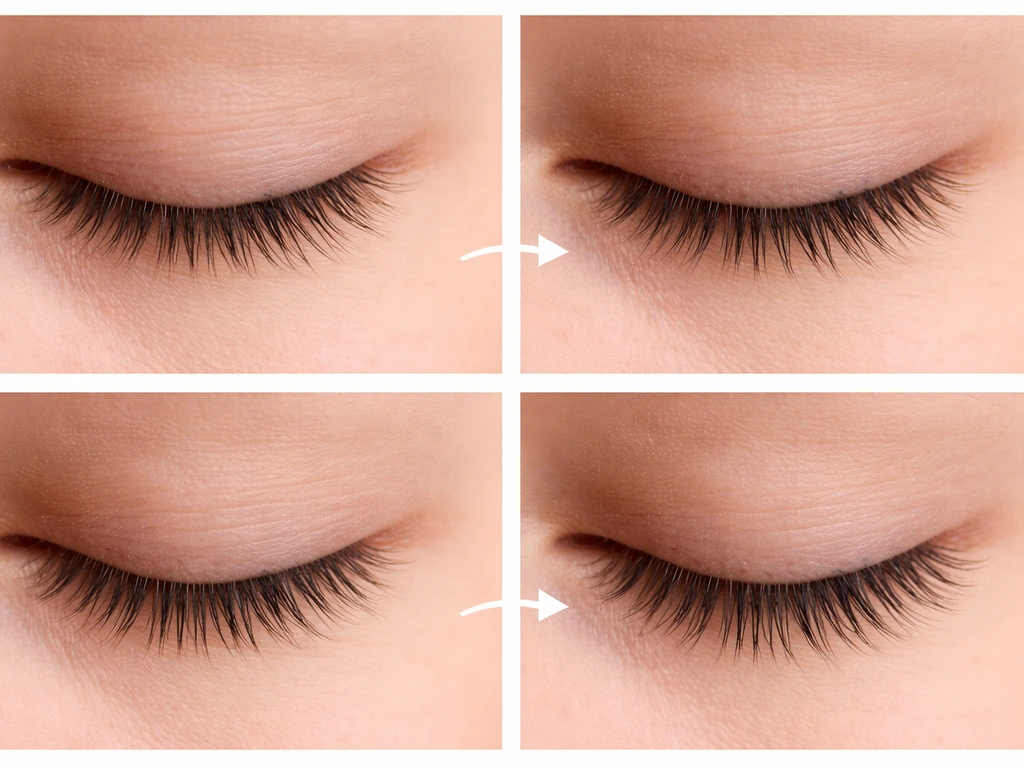
If your lashes fell out or broke off from extensions, aggressive removal, illness, or a medication course, the most important thing to understand is that follicle survival is almost always intact. What you are waiting for is the follicle to restart its cycle, which takes time you cannot shortcut entirely.
Here is a realistic week-by-week framework based on the known 90-day average full cycle:
| Timeframe | What's happening | What you should see |
|---|---|---|
| Weeks 1–2 | Follicles in telogen (resting); no visible growth | Nothing yet. This is normal. |
| Weeks 3–5 | New anagen begins; lash stub emerges | Short, fine lashes appearing at lash line |
| Weeks 6–10 | Active growth at ~0.12 mm/day | Lashes visibly lengthening; sparse but present |
| Weeks 10–14 | Continued growth; lashes approach prior density | Thicker appearance as multiple follicles enter anagen |
| Weeks 14–16+ | Full cycle nearing completion for first wave | Lashes close to original length; second wave beginning |
If you are at week 10 or beyond and seeing nothing, that's when to investigate harder. Persistent patchy regrowth is a signal worth discussing with a dermatologist. Diffuse slowness across the whole lash line usually points to a nutritional, hormonal, or medication-related cause rather than follicle death.
Using a lash serum from week one of recovery is the right move. You're not going to speed up the resting phase dramatically, but keeping follicles conditioned and stimulated from the moment new growth starts means that first wave of lashes grows in as strong and long as possible.
Safety, side effects, and how to choose a product that won't irritate your eyes
The eye area is delicate in a way that most other skin isn't, and some of the most effective lash ingredients carry real risks when used incorrectly or in sensitive individuals.
Prostaglandin analog warnings
Bimatoprost and OTC prostaglandin analogs can cause iris pigmentation changes (permanent darkening of light-colored eyes with prolonged use), periorbital fat loss (a subtle hollowing around the eye socket with extended use), and redness or irritation at the application site. These are not rare occurrences; they are well-documented in the clinical literature. If you have light-colored eyes or are prone to eye sensitivity, start with a peptide serum instead and revisit prostaglandins only if results are unsatisfactory after 12–16 weeks.
What to look for (and avoid) on ingredient labels
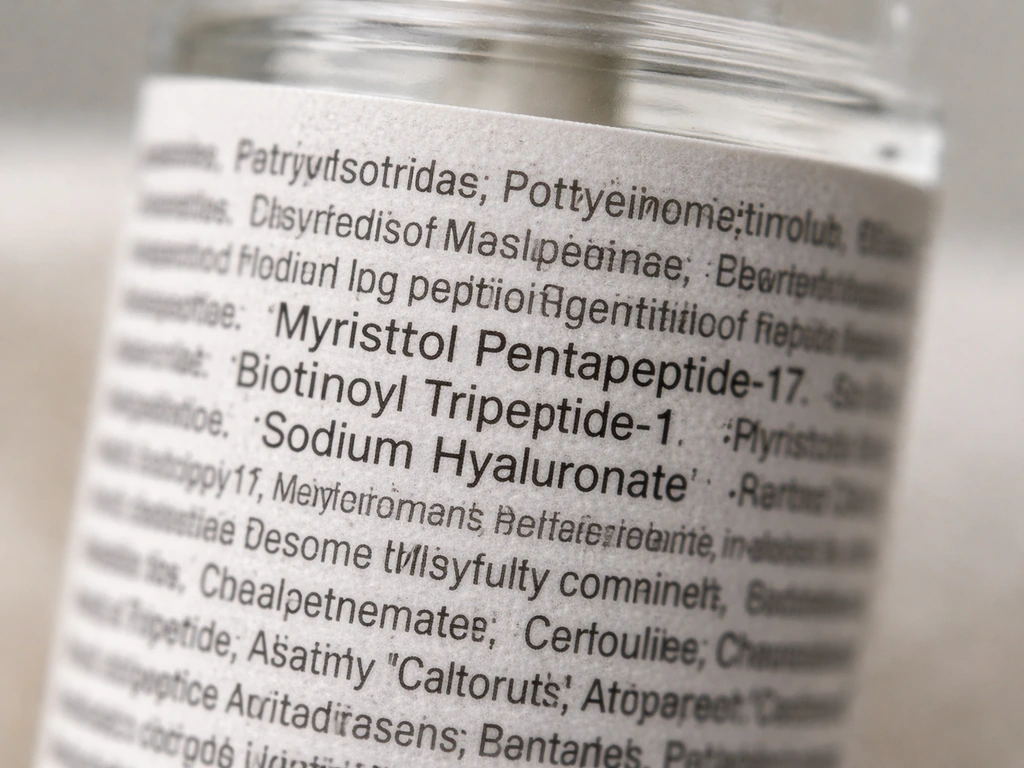
- Look for: peptide complexes (biotinoyl tripeptide-1, myristoyl pentapeptide-17), hyaluronic acid (for follicle hydration), panthenol (B5, conditions lash shaft), and biotin as a topical support ingredient.
- Be cautious with: isopropyl cloprostenate, dechloro dihydroxy difluoro ethylcloprostenolamide, or any ingredient ending in '-prostenate' in OTC serums. These are prostaglandin analogs and carry the same risk profile as Latisse.
- Avoid: fragrances, alcohol high in the ingredient list, and preservatives like benzalkonium chloride (BAK) if you wear contact lenses. BAK absorbs into soft contacts and causes corneal irritation.
- Patch test: Apply a small amount to the inner arm for 24 hours before putting anything new near your eyes.
Application tips to minimize risk
- Apply serums to the upper lash line only, not directly to the lower waterline. Product migrates naturally.
- Use the smallest effective amount. More product does not mean more growth; it means more risk of getting product in the eye.
- Apply at night, after contact lenses are removed.
- Do not apply to broken or inflamed skin on the eyelid.
- If you experience persistent redness, blurred vision, or increased iris pigmentation, stop the product and consult an eye doctor.
Your action plan, summed up
Start by identifying your likely cause: mechanical damage from extensions or mascara, a nutritional gap, or a possible medical factor. If it's mechanical, clean up your removal routine today, start a peptide serum or nightly castor oil application tonight, and give it two full growth cycles (about 90 days) before reassessing. If you want faster or more dramatic results and don't have contraindications, talk to a dermatologist about bimatoprost. If nutrition is a factor, add biotin and cover your basics with a multivitamin. And if nothing is moving after 10 to 12 weeks of consistent effort, get your thyroid and iron levels checked before spending more money on products.
The biology here is actually working in your favor: at roughly 0.12 mm of growth per day, lashes that fell out 8 weeks ago should be well on their way back already. Your main job is to stop breaking them before they reach their potential and, if needed, give the follicle a nudge with the right ingredient. That combination, done consistently, is genuinely what helps eyelashes grow.
FAQ
How long does it actually take to see results from what helps make eyelashes grow?
Plan on two full anagen cycles, about 60 to 90 days, before judging a serum. You may notice less breakage sooner (within 2 to 4 weeks) if you switch to conditioning, but lengthening is slower because lash follicles switch phases on that 30 to 40 day clock.
Can I make eyelashes grow faster by using multiple serums at the same time?
Usually no. Stacking prostaglandin analog products, or layering a prostaglandin serum with a second lash activator, increases irritation risk without clear added benefit. If you use a peptide serum and an oil, keep it simple, one active at night plus conditioning, and stop if you get persistent redness or itching.
What helps if my eyelashes are thinning but not really breaking?
If the lashes look sparse rather than snapped short, focus more on follicle support and root causes. A peptide-based serum is a reasonable first move, while also checking for blepharitis, hormonal shifts, medication effects, or nutritional gaps, since oils mainly reduce breakage rather than restart anagen.
Are lash growth serums safe for contact lens wearers or sensitive eyes?
Peptide-based serums are generally the gentler starting option. Also avoid getting product into the eye, and use a clean applicator so you do not introduce bacteria to the lash line. If you wear contacts, consider applying at least an hour before inserting them, and discontinue if stinging persists.
What should I do if I get redness or darkening around my eyes after using a lash serum?
Stop the active ingredient and switch to conditioning-only for a week, then reassess. Redness at the application site is a common early side effect with prostaglandin analogs. Darkening or persistent irritation is a reason to consult an eye professional before restarting or switching products.
Can vitamin E make eyelashes grow longer, or does it only condition them?
Vitamin E is most helpful for conditioning and reducing oxidative stress around follicles, so it can improve appearance by making lashes less brittle. It is unlikely to extend the growth cycle the way bimatoprost does, so if your main issue is very short lashes, pair expectations accordingly.
If I used eyelash extensions and they fell out, will my follicles be dead?
Most of the time, follicles survive, the lashes just need time to restart their cycle. Expect regrowth to be noticeable within weeks, but give it roughly 90 days for a full picture, and avoid aggressive lash removal products during the recovery window.
Does biotin help eyelashes grow if I already eat a balanced diet?
Biotin helps most when there is a deficiency or absorption issue. If your diet is adequate, the benefit is often minimal because there is less to correct, and you will usually see more progress from conditioning and from addressing blepharitis or mechanical damage.
How do I know if my slow growth is from breakage versus slow follicle cycling?
Breakage usually looks like uneven short pieces, frayed tips, or lashes snapping during makeup removal. Slow cycling looks more like overall sparse length that gradually fills in. A quick clue, if you are not seeing improvement after reducing mechanical stress, it may be time to consider serum support and possible medical factors.
What is the biggest mistake people make when trying to what helps make eyelashes grow?
Inconsistent use and restarting too late. Because the growth phase is short, you need nightly application and enough time, about 60 to 90 days, to judge results. Also, placing serum too close to the eye or skipping eye-line hygiene can increase irritation and reduce effectiveness.
Should I get my thyroid or iron tested, and when is it worth it?
Consider testing if there is diffuse slowness across the whole lash line, or if nothing changes after about 10 to 12 weeks of consistent routine. Persistently sparse regrowth can reflect hormonal or nutritional drivers, and checking thyroid and iron can prevent wasted spending on repeat products.
How can I reduce inflammation at the lash line safely while trying growth products?
Warm compresses for about 5 minutes nightly and gentle lash-line cleaning help with blepharitis, which can impair follicles. Do this before your serum routine, let the area dry fully, and avoid harsh scrubbing that could add mechanical stress.
Next Article
Does Mustard Oil Grow Eyelashes? Safety and What Works
Find out if mustard oil grows eyelashes, risks to eyelids, and safer options with realistic timelines and when to see a
