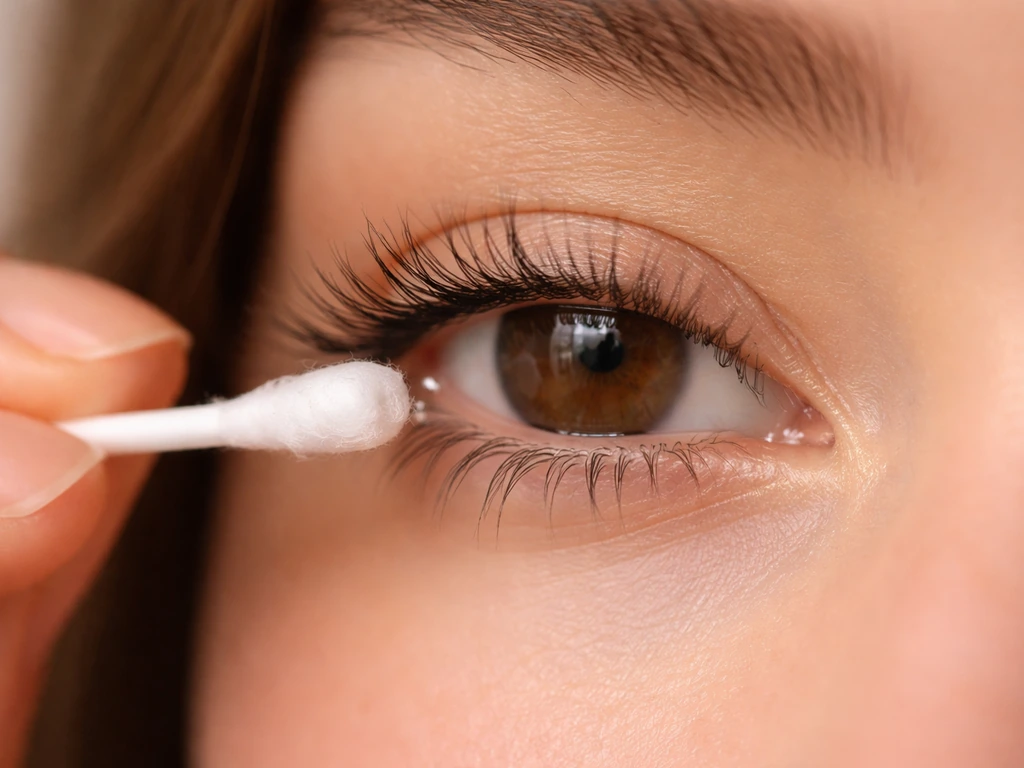
Petroleum jelly cannot make your eyelashes grow faster or longer on its own. It has no biological mechanism to stimulate hair follicles, extend the growth phase, or speed up the lash cycle. What it can do is act as an occlusive conditioner that seals moisture into the lash shaft, reduces dryness and brittleness, and helps protect lashes from breakage. That means your lashes may look fuller and healthier, and you may retain more length over time simply because fewer lashes are snapping off. That is a real benefit, but it is not the same as actual lash growth.
Can Petroleum Jelly Help Grow Eyelashes Longer? Safety and Tips
Rachel Nguyen
30 Apr 2026
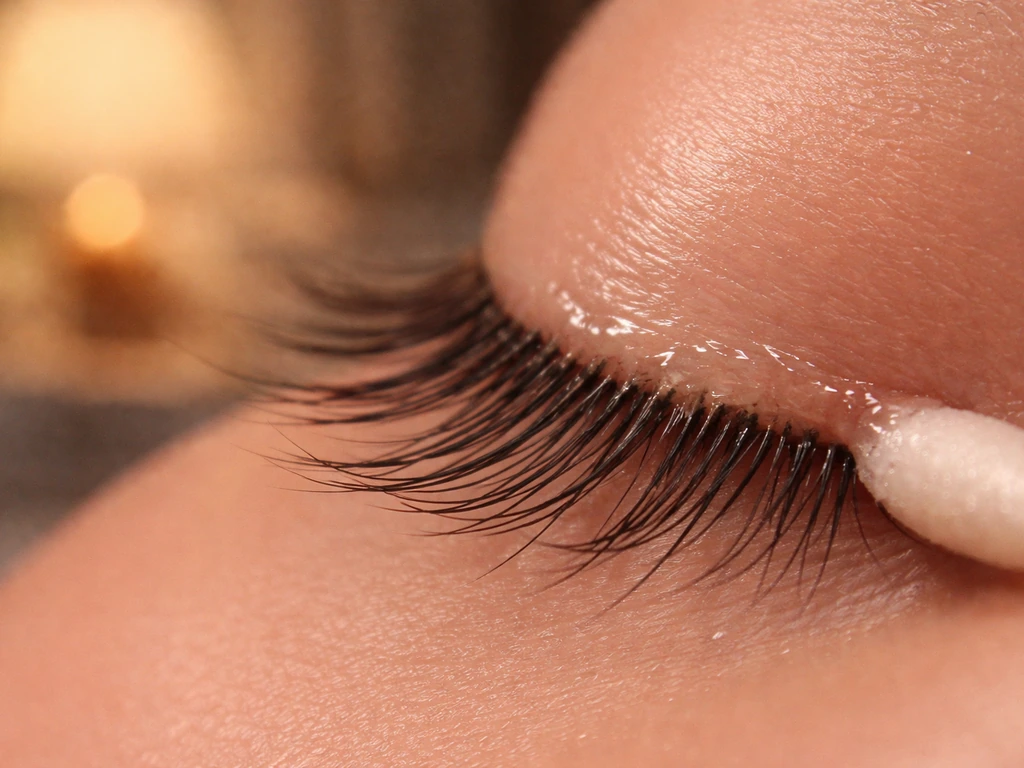
What petroleum jelly actually does to your lashes
Petrolatum (the active ingredient in Vaseline and most petroleum jelly products) is classified as an occlusive moisturizer. Research published in StatPearls notes it reduces transepidermal water loss by nearly 99%, which is an extraordinary level of hydration protection for skin and hair. When you coat your lashes with it, you are essentially wrapping each strand in a moisture-locking barrier. Dry, brittle lashes are more prone to snapping during makeup removal, rubbing, or even sleeping, so keeping them hydrated does reduce mechanical breakage.
The key distinction here is coating versus stimulating. Petroleum jelly sits on the surface of the lash and the surrounding skin. It does not penetrate the follicle, it does not signal any phase transition in the hair cycle, and it contains no growth-active compounds. Dermatologists and estheticians alike flag the 'petroleum jelly grows lashes' claim as a myth precisely because petrolatum is chemically inert in terms of follicle biology. You are conditioning, not cultivating.
What the science actually says
True eyelash growth happens at the follicle level and is governed by the hair cycle: anagen (active growth), catagen (transition, roughly 14 to 21 days), and telogen (resting, which can last 4 to 9 months for lashes). For a product to genuinely increase lash length, it needs to either prolong the anagen phase, accelerate the telogen-to-anagen transition, or meaningfully increase the growth rate during anagen.
The only ingredient currently shown in controlled clinical trials to do this is bimatoprost, a prostaglandin analog approved by the FDA under the brand name Latisse. In contrast, many people ask whether cocoa butter or Vaseline can help eyelashes grow, but evidence for true growth from those products is lacking bimatoprost.
Studies in multiple populations, including Japanese subjects and post-chemotherapy patients, showed measurable improvements in lash length, thickness, and darkness at the four-month mark, with continued changes observed at six and twelve months.
Petroleum jelly has no such evidence. There are no peer-reviewed studies showing petrolatum extends anagen or changes any measurable aspect of lash follicle biology. What the research does support is that conditioning and protecting lashes from breakage can help you retain the length you already grow, which is a meaningful outcome if your lashes are currently damaged or very dry. But if your follicles are healthy and your lashes are already staying intact, the effect will be minimal to invisible.
Realistic expectations: if you start applying petroleum jelly tonight, you might notice lashes that feel softer and look slightly glossier within a few days. Over four to eight weeks of consistent use, you may see marginally more retained length if breakage was a problem. You will not see the kind of measurable growth documented in bimatoprost trials. That is why products like Vicks usually do not help your eyelashes grow longer in a measurable way You will not see the kind of measurable growth documented in bimatoprost trials.. Any change you observe is almost certainly about retaining existing lashes rather than growing new length.
How to apply petroleum jelly to your lashes safely
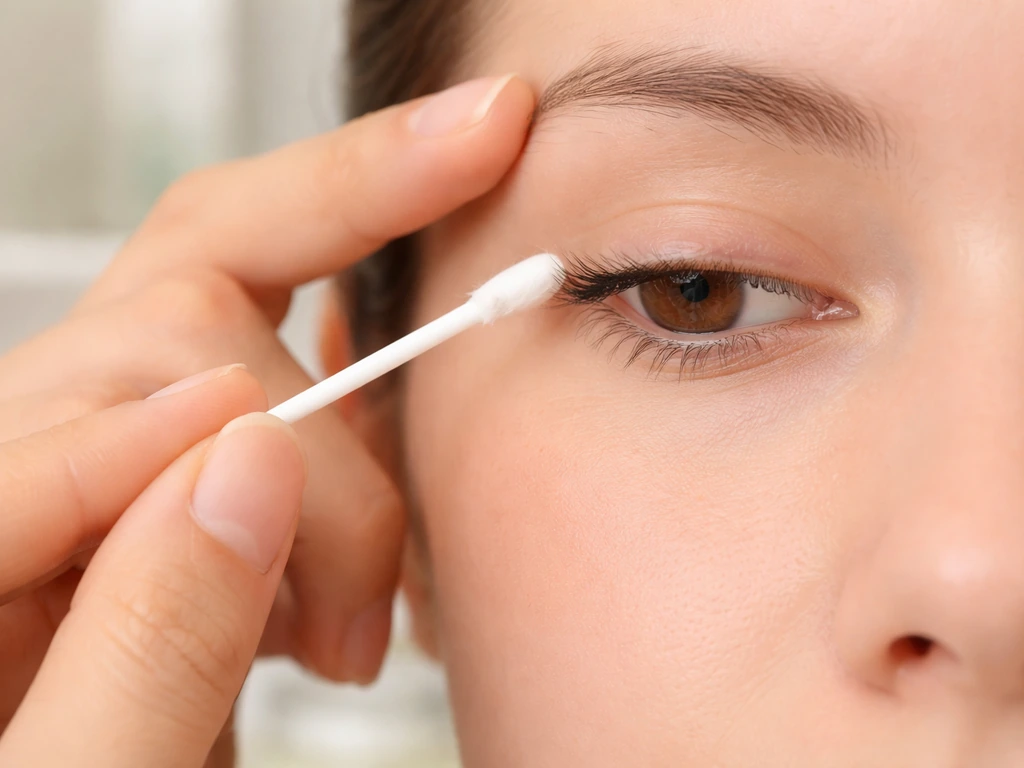
If you want to try it, technique matters a lot here, especially for eye safety. The lash line is right next to your meibomian glands and conjunctiva, so being careless with a thick, occlusive product is asking for trouble. Meibomian gland dysfunction is a key contributor to dry eye disease, and the blank" rel="noopener noreferrer">meibomian glands produce the oily layer of the tear film. Here is the method that minimizes risk.
- Remove all eye makeup thoroughly before starting. Petroleum jelly applied over mascara can push residue toward the waterline.
- Wash your hands well with soap and water. This is non-negotiable when you are working near your eyes.
- Take a clean, unused cotton swab or a clean spoolie brush. Do not double-dip into the jar with a used applicator, as contamination is a real risk.
- Pick up a tiny amount of petroleum jelly, about the size of a grain of rice. You need much less than you think.
- Gently swipe the applicator along the base of your upper lashes from inner to outer corner, staying on the lash line itself rather than the inner waterline or on the lid margin where the meibomian glands open.
- You can lightly run the spoolie through the lashes to distribute the product and coat the shafts, which is where the conditioning benefit comes from.
- Apply to lower lashes only if you have a steady hand and are confident keeping the product away from the waterline.
- Leave it on overnight. Morning is the best time to remove it by gently cleansing with a mild, oil-tolerant cleanser or micellar water.
- Repeat nightly or every other night. Daily use is fine for most people, but if you notice any irritation, reduce frequency immediately.
One practical note: petroleum jelly is hydrophobic and does not come off easily with water alone. Use a gentle oil-based or micellar cleanser in the morning to remove it fully. Leaving residue on the lid margin day after day is how blocked glands and irritation start.
Risks, side effects, and who should skip this entirely
Petroleum jelly is generally considered safe for skin use, but the eye area has its own set of vulnerabilities. Here is what you need to know before making this part of your nightly routine.
Blocked meibomian glands and styes
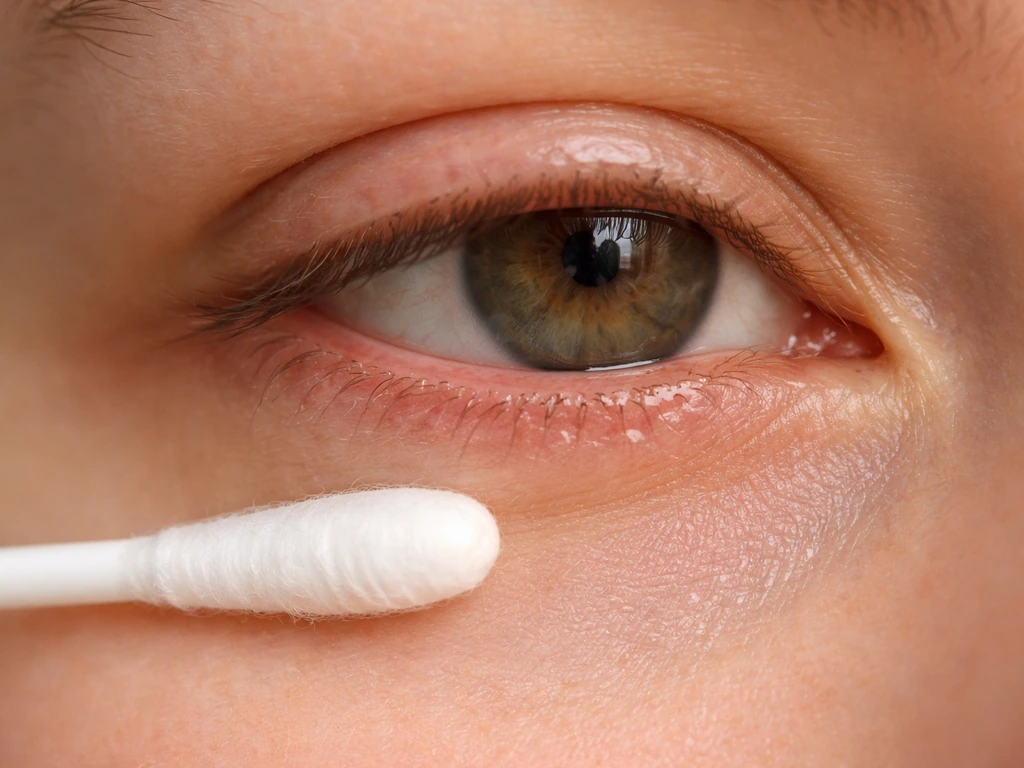
The meibomian glands sit along the eyelid margin and produce the oily layer of your tear film. Getting a thick occlusive product directly into the gland openings can clog them, which can lead to styes or meibomian gland dysfunction over time. This is why staying on the lash line (the base of the lashes) rather than the inner lid margin is so important.
Eye irritation and contact dermatitis
While pure petrolatum is a low-allergen ingredient, eyelid skin is among the most reactive skin on the body. A 2023 review on contact dermatitis around the eyes confirmed that periorbital dermatitis is common and can be triggered by topical agents used near the eye. If any product migrates onto the conjunctiva or into the eye itself, it can cause blurry vision, watering, or a gritty sensation. Stop use and rinse with clean water if this happens. If symptoms persist beyond an hour or you have pain or visible redness, contact a doctor.
Contact lens wearers
Do not apply petroleum jelly while wearing contact lenses. The product can coat and cloud lenses permanently. Apply only after lenses are removed for the night.
Lash extensions
Oil-based products, including petroleum jelly, break down the adhesive used in lash extensions. If you have extensions and are hoping to use petroleum jelly to condition the natural lashes underneath, you will likely compromise the bond and lose extensions prematurely. The American Academy of Ophthalmology's EyeWiki also flags that extensions themselves carry risks for ocular conditions, so layering an oil-based product into the mix adds another variable to manage. blank" rel="noopener noreferrer">EyeWiki outlines safety concerns associated with eyelash extensions and lists ocular conditions that have been associated with the procedure, including allergic blepharitis and keratoconjunctivitis.
Blepharitis and lid inflammation
If you already have blepharitis (chronic inflammation along the eyelid margin), petroleum jelly is not the right tool. Blepharitis requires consistent lid hygiene, typically with dilute baby shampoo or a commercial lid cleanser on a cotton pad, not occlusive products that can trap bacteria or debris along an already-inflamed margin. Lash shedding related to blepharitis needs the underlying condition treated first.
Jar contamination
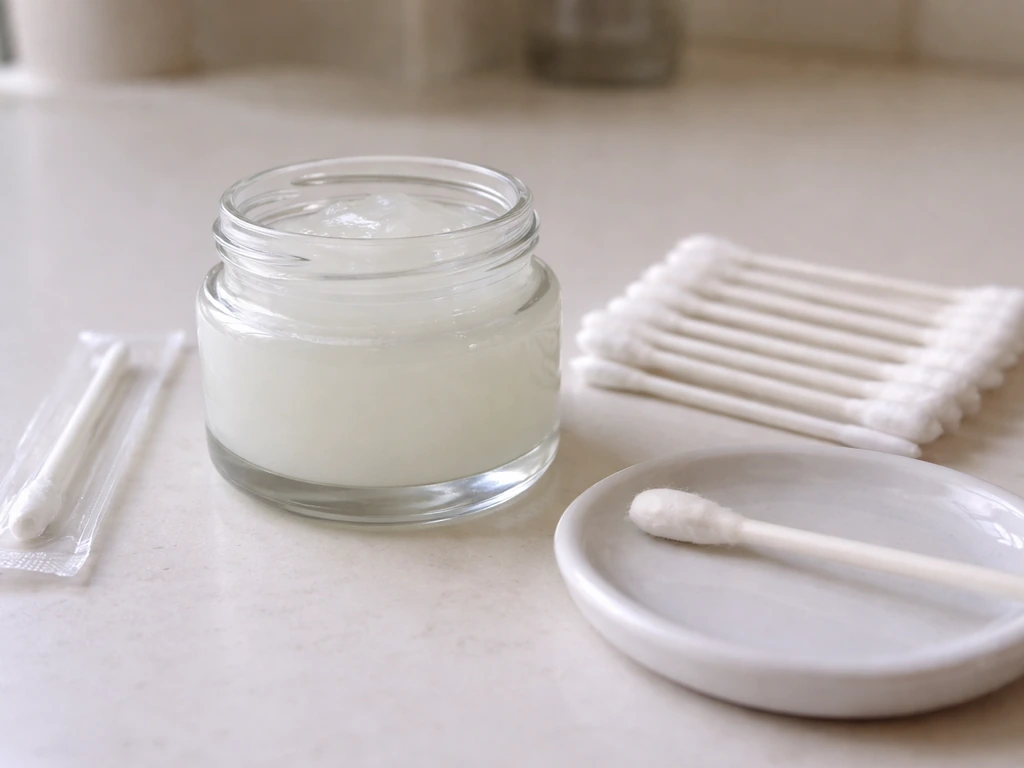
A shared jar of petroleum jelly touched with fingers repeatedly is a contamination risk over time. Use single-use cotton swabs or a clean dedicated spoolie every time, and consider transferring a small amount to a separate, dedicated container rather than dipping into a large jar nightly.
Better options if you actually want longer, thicker lashes
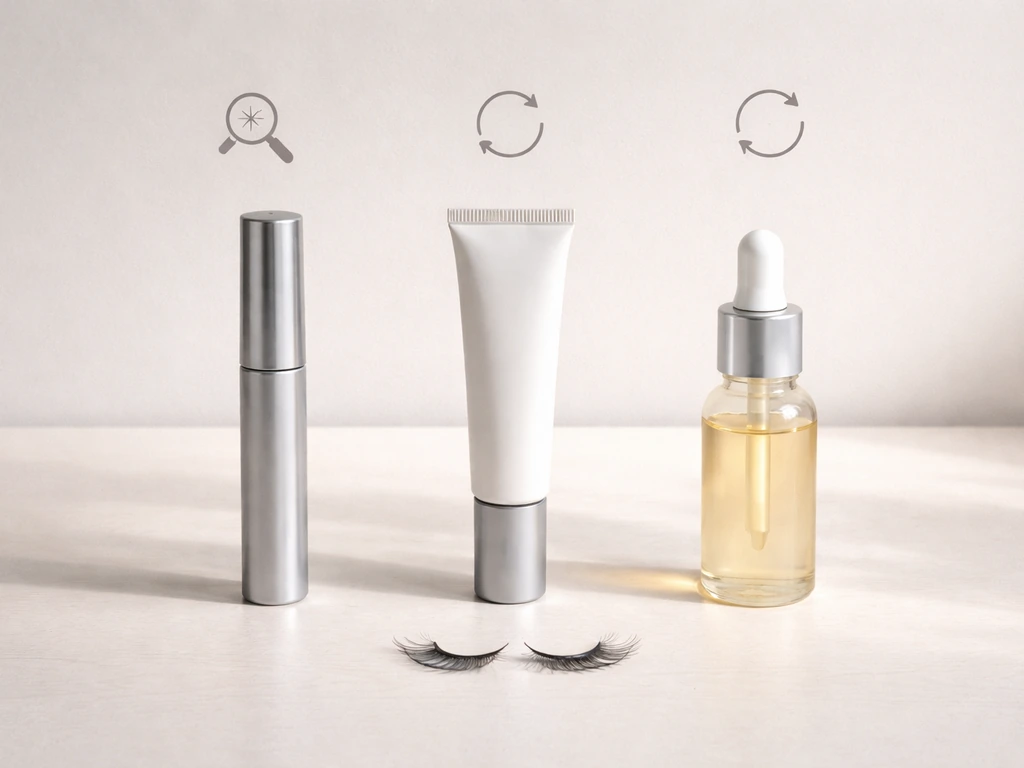
If your goal is genuinely longer or thicker lashes rather than just conditioned ones, petroleum jelly is not your strongest option. Here is how it stacks up against the alternatives with more evidence behind them.
| Option | Mechanism | Evidence Level | Realistic Timeline | Key Consideration |
|---|---|---|---|---|
| Petroleum jelly | Occlusive conditioning, reduces breakage | Anecdotal / low | Marginal improvement in 4 to 8 weeks | No growth stimulation; risk of clogged glands |
| Castor oil | Occlusive conditioning, may reduce breakage; sometimes combined with ricinoleic acid claims | Anecdotal / low to moderate | Similar to petroleum jelly | Similar application risks; no strong clinical trials for lash growth |
| Lash growth serums (bimatoprost/Latisse) | Prolongs anagen phase, stimulates telogen-to-anagen transition | High (multiple RCTs) | Measurable change at 4 months | Prescription required; side effects include periocular pigmentation, possible misdirected lash growth |
| Over-the-counter peptide serums | Claim to support follicle environment; variable ingredients | Low to moderate | Variable, 8 to 16 weeks | Quality varies widely; check for prostaglandin analogs if concerned about side effects |
| Biotin / nutritional support | Addresses deficiency-related hair loss; supports keratin production | Moderate for deficiency cases | 3 to 6 months | Only effective if deficiency is present; otherwise minimal impact |
Castor oil is probably the closest sibling to petroleum jelly in terms of mechanism. Like petrolatum, it is primarily an occlusive product that conditions and coats the lash shaft. Some of its reputation for lash growth may also be tied to reducing breakage rather than stimulating follicles. The application process and risks are similar, which is worth knowing if you are comparing the two.
For people experiencing meaningful lash loss, especially after chemotherapy, from extensions damage, or from an autoimmune or inflammatory condition, the conversation is different. In those cases, petroleum jelly and castor oil are unlikely to move the needle enough, and it is worth speaking to a dermatologist or ophthalmologist. Prescription bimatoprost has clinical evidence for post-chemotherapy lash restoration. Conditions like blepharitis, trichiasis, or alopecia areata affecting the lashes need diagnosis and targeted treatment, not topical moisturizers.
When to see a professional instead
Some lash problems are cosmetic and some are medical. If you are noticing significant shedding, patchy loss, lashes growing in the wrong direction, or persistent eyelid irritation, those are signs to see a doctor before reaching for any topical remedy. Blepharitis and trichiasis both need clinical management. Lash loss from medications, thyroid conditions, or autoimmune causes requires addressing the root issue first. A dermatologist can also evaluate whether a prostaglandin-based serum like Latisse is appropriate for your specific situation and monitor for side effects like periocular pigmentation, which do not apply to petroleum jelly but are a real consideration with the prescription options.
The bottom line is straightforward: petroleum jelly is a safe, inexpensive option for conditioning your lashes and reducing breakage, and there is nothing wrong with adding it to your nighttime routine if you are doing it correctly. Just go in with clear expectations. It is a protective measure, not a growth treatment. Does Vaporub help eyelashes grow?
It is unlikely to create true follicle-level lash growth, though it may affect the feel or appearance of lashes real lash growth. If you want real, measurable lash growth, you need to look at options that actually interact with your hair follicle biology, and that conversation usually starts with a prescription or at least a well-formulated serum from a reputable brand.
If you want real, measurable lash growth, you need to look at options that actually interact with your hair follicle biology, and that conversation usually starts with a prescription or at least a well-formulated serum from a reputable brand can vaseline make your eyelashes grow.
FAQ
If I stop petroleum jelly after a few weeks, will my lashes “lose” the longer look?
Yes, it can help you keep lashes from snapping, but it will not increase the number of hairs in the lash line or change the hair growth cycle. If your lashes already grow normally and are not brittle, you may see little to no visible difference.
What should I do if petroleum jelly irritates my eyes or causes blurry vision?
Do not treat irritation as “normal getting used to it.” If you get stinging, blurry vision, heavy watering, or noticeable redness, rinse promptly and stop. If symptoms last more than about an hour, or you have pain, get medical advice.
Can I use petroleum jelly on my natural lashes if I have eyelash extensions?
If you wear lash extensions, oil-based products can weaken the adhesive and shorten the lifespan of the extension set. Even if you only apply near the lash base, there is still a risk of bond failure.
How much petroleum jelly should I apply, and where exactly on the lash line?
Using too much is one of the biggest problems. A tiny amount on the base of the lashes is enough, and you should avoid the inner lid margin where oil ducts open, to reduce the chance of clogging and irritation.
Can petroleum jelly contribute to styes or clogged meibomian glands?
It can, especially if residue migrates overnight. If you develop frequent styes, worsening tenderness, or new dry-eye or grittiness, stop and consider checking with an eye professional rather than continuing and “hoping it passes.”
Is there a hygiene risk with using petroleum jelly from a shared jar?
Switch to a dedicated applicator routine. Use a fresh cotton swab or clean spoolie each night, and avoid dipping fingers into the jar. If you need to keep it sanitary, transfer a small amount to a separate container you open less often.
What if I already have blepharitis, and I still want to use petroleum jelly?
If you have active blepharitis or an inflamed eyelid margin, petrolatum is usually a poor fit because it is occlusive and can trap debris. Lid hygiene and treating the underlying inflammation come first.
How long should I try it to know if it is working, and how do I measure results?
Not reliably. Some people notice softness or less breakage, but those changes can be subtle and vary. A practical approach is to trial for 4 to 8 weeks, take a clear photo from the same angle and lighting, and evaluate breakage and retention rather than expecting “new growth.”
Can petroleum jelly regrow lashes that were lost due to medication or medical conditions?
Probably not. Petroleum jelly is inert with respect to follicle signaling, so it should not meaningfully restore lashes lost from medical causes. If you have patchy loss, significant shedding, or loss related to chemotherapy, autoimmune conditions, thyroid disease, or trichiasis, talk to a clinician.
Can I use petroleum jelly while wearing contact lenses?
Yes, it can cloud contacts permanently. Apply petroleum jelly only after removing lenses, and wait until your skin and lids are fully cleared before putting contacts back.
Next Article
Can Vaseline Make Your Eyelashes Grow? Safe Guide & Timelines
Can Vaseline make eyelashes grow? Realistic timelines, safe how-to using Vaseline mixes, and when to seek proven lash tr