
Vaseline cannot make your eyelashes grow longer in any biological sense. It has no ingredients that stimulate hair follicles, extend the growth phase, or trigger new lash production. What it can do is condition your lashes, reduce moisture loss, and cut down on the kind of everyday breakage that makes lashes look thin and short. For some people that difference is noticeable enough to feel like growth. For others, especially those dealing with actual lash loss from extensions, chemotherapy, or medical conditions, Vaseline alone will not be enough.
Can Vaseline Make Your Eyelashes Grow? Safe Guide & Timelines
Rachel Nguyen
18 Apr 2026
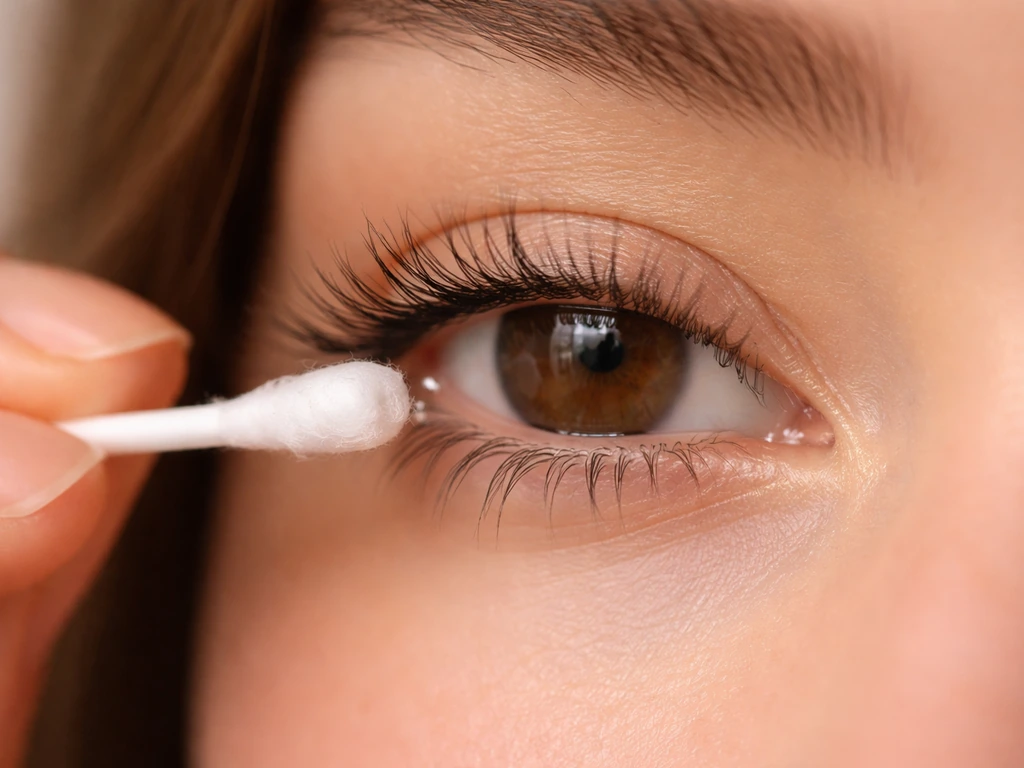
What the evidence actually says about Vaseline and lash growth
Petroleum jelly, the active ingredient in Vaseline, is classified by dermatologists as an occlusive moisturizer. Its job is to form a physical barrier on the surface of whatever it touches, reducing transepidermal water loss by up to 99% according to published moisturizer research. That is genuinely impressive for a barrier function, but it is a surface-level effect. It does not penetrate the follicle, alter the growth cycle, or behave anything like prescription lash-growth treatments.
True lash growth, in the biological sense, depends on the anagen (active growth) phase of the hair follicle cycle. For eyelashes, that phase lasts roughly 30 to 45 days, and the full replacement cycle runs 4 to 8 weeks. Prescription agents like bimatoprost (the active compound in Latisse) work by extending and restoring follicles to the anagen phase, which is why clinical studies show measurable improvements starting around week 8 and continuing through week 16. Vaseline does nothing to that mechanism. If you are wondering, can petroleum jelly help grow eyelashes, the evidence points to it improving appearance through moisturization rather than true growth. Healthline's dermatology coverage is direct on this point: petroleum jelly does not make lashes grow faster or longer. It moisturizes them.
There is one indirect angle worth mentioning. Published case reports describe blank" rel="noopener noreferrer">contact dermatitis associated with white petrolatum, supporting that petrolatum can trigger allergic or irritant reactions in some people. A 2024/2025 hypothesis paper published in PMC explored whether applying petroleum jelly around the eyelash roots at bedtime might help immobilize Demodex mites, which are associated with blepharitis and dry eye. The authors themselves describe it as a hypothesis with limited supporting evidence. It is not a proven lash-growth mechanism, but it does suggest that Vaseline around the lash line is not a completely random folk remedy either. If you are hoping for true regrowth, it helps to separate conditioning from treatments that claim to address lash growth, like the question does vaporub help eyelashes grow. If you have chronic blepharitis contributing to lash loss, this is a thread worth discussing with an eye doctor rather than experimenting with on your own.
How Vaseline actually affects your lashes (and why people think it works)
The reason Vaseline has such stubborn reputation for helping lashes is that its conditioning effect is real, even if growth is not. Here is what is actually happening when people report better-looking lashes after using it consistently:
- Reduced breakage: Dry, brittle lashes snap off more easily. The occlusive barrier Vaseline forms keeps lashes hydrated overnight, which makes individual hairs more flexible and less likely to break from rubbing, makeup removal, or friction against a pillow.
- Fuller appearance: A thin coat of petroleum jelly makes lashes slightly shinier and clump together less aggressively than mascara, giving them a fuller, more defined look without any actual length added.
- Retention of existing lashes: Lashes that do not break prematurely reach the end of their natural growth phase before falling out. Over a few weeks this can translate to more lashes on the lid at any given time, which reads as improvement.
- Soothing the lid margin: If mild dryness or irritation at the base of lashes is contributing to premature shedding, the barrier effect can reduce that irritation and help the follicle environment stay stable.
None of these mechanisms stimulate actual new growth. They preserve what is already there. That distinction matters a lot if your goal is recovering from significant lash loss versus just improving the appearance of naturally thin lashes.
How to use Vaseline safely on your lashes
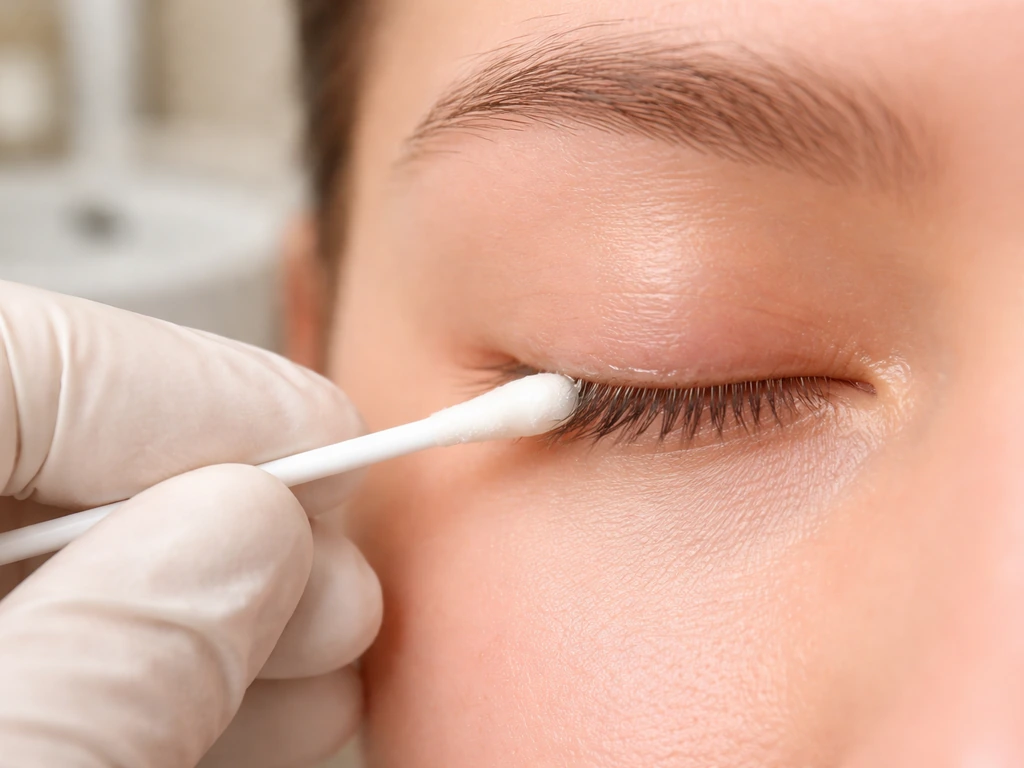
If you want to try Vaseline for lash conditioning, the application method matters more than people realize. Getting it wrong means eye irritation, blurry vision overnight, or contaminating the jar and introducing bacteria close to your eyes. Here is how to do it cleanly:
- Remove all eye makeup first. Applying Vaseline over mascara or eyeliner residue traps those ingredients against the lid overnight. Use a gentle micellar water or oil-based cleanser and make sure the lash line is completely clean.
- Wash your hands thoroughly before touching the product or your eye area.
- Use a clean, dedicated tool. A clean disposable mascara wand, a cotton swab, or even a clean fingertip works. Never dip a used applicator back into the jar. This is the main contamination risk.
- Scoop a very small amount, roughly the size of a pea or smaller, from the jar. You need far less than you think.
- Apply a thin coat along the base of your lashes and through the lash hairs, similar to how you would apply a clear mascara. Less is more. A heavy application will smear into your eyes as you sleep and cause blurry vision.
- Leave it on overnight and rinse your eye area gently with warm water in the morning.
- Repeat every evening. Consistency over weeks is what produces any visible difference, not a single application.
The FDA advises stopping any eye cosmetic use if you experience irritation, redness, or swelling, and contacting a healthcare provider if you have a bad reaction. This applies to Vaseline too. blank" rel="noopener noreferrer">Allergic contact dermatitis from white petrolatum has been documented in published case reports, particularly on damaged or sensitive skin. The periorbital area is among the most reactive on the body. If your eyelids get red, itchy, or swollen after using Vaseline, stop immediately. A Reddit thread also describes suspected petroleum jelly triggering eyelid swelling, itching, or allergic contact dermatitis especially on damaged skin, so take those symptoms seriously and stop if they occur red, itchy, or swollen after using Vaseline.
One product note: if you have sensitive skin, look for a 100% petrolatum product without added fragrances or preservatives. Standard Vaseline Original is fine for most people, but the scented or tinted variations add ingredients that increase irritation risk near the eye.
How long before you see any difference
Overnight results are not realistic, regardless of what you may have seen on social media. The 4 to 8 week eyelash replacement cycle is a biological floor, not a suggestion. Even prescription bimatoprost, which actually does stimulate follicle activity, takes until week 8 before statistically significant improvements show up in clinical data.
With Vaseline, here is a more honest timeline based on what the conditioning mechanism can realistically deliver:
| Timeframe | What you might notice | What is actually happening |
|---|---|---|
| 1 to 3 days | Lashes look slightly shinier or more defined | Residual coating effect, not structural change |
| 1 to 2 weeks | Lashes feel softer, less brittle | Improved moisture retention reducing dryness |
| 3 to 4 weeks | Slightly fewer lashes falling out on your makeup pad | Reduced breakage from better hydration |
| 6 to 8 weeks | Lashes may look marginally fuller or longer | Retained lashes completing full growth cycle instead of breaking early |
| Beyond 8 weeks | No additional length beyond natural maximum | Vaseline has no follicle-stimulating effect to build on |
If you are trying Vaseline after getting extensions removed or after a period of heavy lash damage, keep in mind that your lashes need to cycle through naturally before you see their true state. Give it at minimum 6 to 8 weeks of consistent nightly use before drawing conclusions.
Vaseline combinations: castor oil, olive oil, and lip therapy
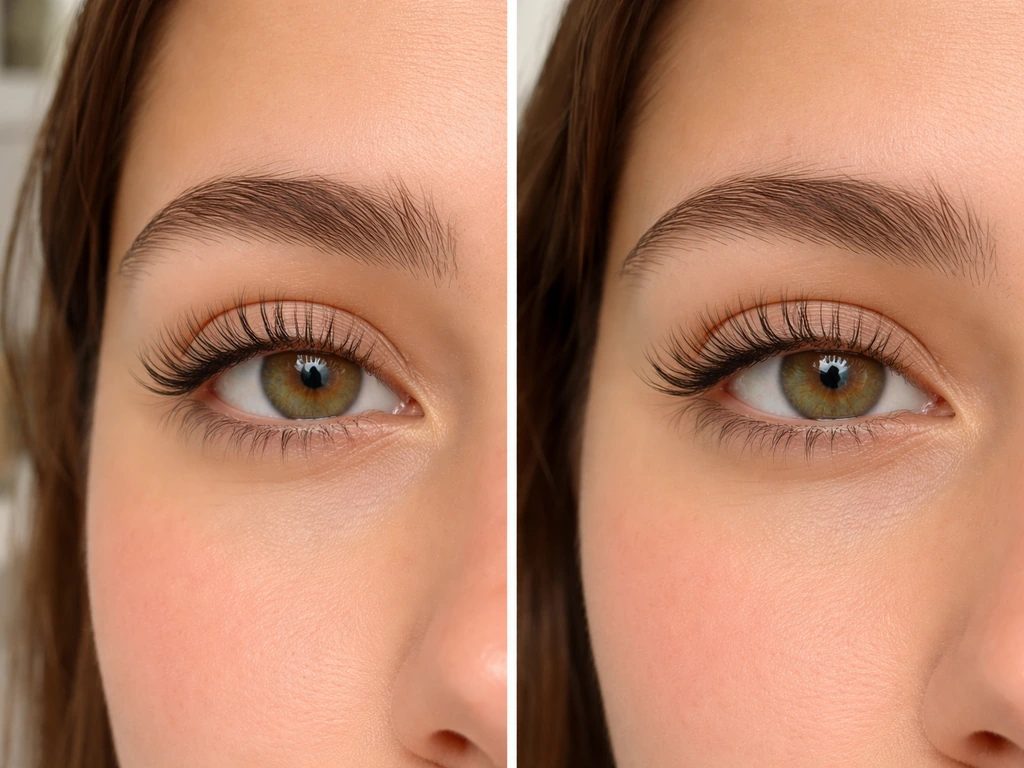
The most common combinations people try are Vaseline mixed with castor oil, Vaseline with olive oil, and Vaseline Lip Therapy used directly on lashes. Here is what the evidence actually supports for each.
Vaseline and castor oil
Castor oil gets the most attention in lash communities, and it does have some actual research behind it, though not quite for lash growth specifically. A randomized clinical trial found that topical periocular castor oil improved symptoms of blepharitis after four weeks of twice-daily use, including eyelash-related signs. That is a blepharitis treatment outcome, not a growth stimulation finding. Mixing castor oil with Vaseline gives you a combination of emollient (castor oil, which conditions and softens) and occlusive (petroleum jelly, which seals in moisture). The result is potentially better conditioning than either alone, but still no direct follicle stimulation. If you are going to try a Vaseline-based mix, this is the most defensible one.
Vaseline and olive oil
Olive oil is a decent emollient with fatty acid content that can soften hair, but Healthline's review of olive oil for hair growth is clear: there is no strong evidence it increases hair growth rate. Any impression of faster growth from olive oil is more likely explained by reduced breakage and soothing effects. Adding it to Vaseline gives a similar combined occlusive-plus-emollient effect as the castor oil version, but with even less targeted evidence. If you already have olive oil and want to try it, it is not harmful, just do not expect it to outperform straight Vaseline in any meaningful way.
Vaseline Lip Therapy
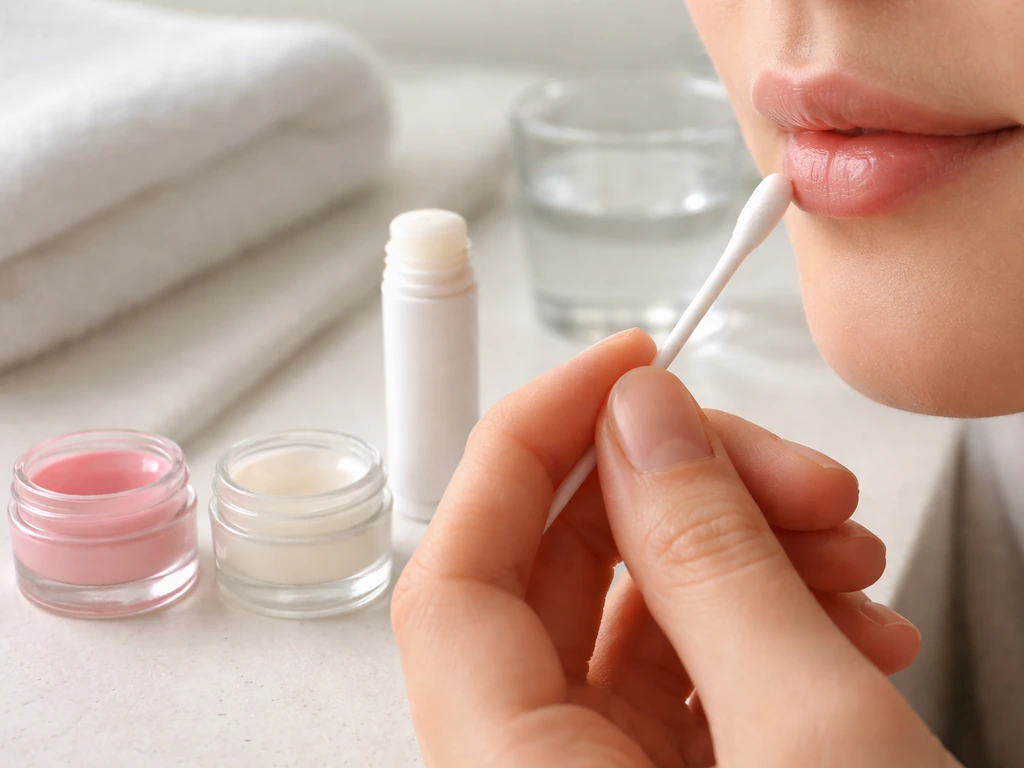
Vaseline Lip Therapy is not the same as plain Vaseline. Depending on the variant, it contains additional ingredients like aloe, cocoa butter, or fragrance. Those additions are fine on lips but add unnecessary variables near the eyes. The conditioning benefit comes from the petroleum jelly base, and there is no advantage to using the Lip Therapy version over plain petroleum jelly for eyelash application. If anything, the added ingredients slightly increase irritation risk. Stick with the original.
It is worth noting that petroleum jelly-based remedies come up in several forms across the lash-care world, including discussions around other Vaseline-family products and similar occlusives. The mechanism is always the same: barrier protection and moisture retention, not follicle stimulation.
When Vaseline is not going to be enough
Vaseline works best as a maintenance tool for healthy lashes that are just a bit dry or prone to breakage. It is not a recovery solution for more serious lash loss scenarios. Here are the situations where it will fall short, and what to consider instead:
- Lash loss from extensions: Eyelash extensions can damage follicles through tension, adhesive contact, and improper removal. If the follicle itself is damaged, no amount of surface conditioning will restart growth. You need time (at least one full growth cycle) and ideally a conversation with a dermatologist about whether follicle damage is the issue.
- Medical causes: Conditions like alopecia areata, thyroid disorders, and trichotillomania cause lash loss through mechanisms that have nothing to do with moisture or breakage. Vaseline cannot address these.
- Nutritional deficiency: If poor lash growth is tied to deficiencies in biotin, iron, or other nutrients, topical petroleum jelly does nothing to fix the underlying supply problem.
- Chemotherapy-related lash loss: The follicle disruption from chemotherapy is systemic. Prescription options like bimatoprost have actual clinical data in post-chemotherapy subjects. Vaseline does not.
- Chemical or burn damage: Physical damage to the eyelid or follicle from chemical exposure requires medical evaluation, not home remedies.
- Chronic blepharitis or meibomian gland dysfunction: These conditions can cause ongoing lash issues and are best managed with the treatment protocols recommended by the American Academy of Ophthalmology, including warm compresses, lid hygiene, omega-3 supplementation, and in some cases medication, not Vaseline alone.
If you have been consistent with a nightly Vaseline routine for 8 weeks and are not seeing any improvement in lash fullness or retention, that is a signal worth taking seriously. A dermatologist or ophthalmologist can evaluate whether there is an underlying cause, and if true growth stimulation is the goal, prescription bimatoprost is the only treatment with solid clinical evidence behind it. The difference between managing lash appearance and actually regrowing lashes is a meaningful one, and it is worth knowing which problem you are actually dealing with before putting all your effort into a conditioning routine.
FAQ
Can Vaseline make eyelashes look longer even if it cannot truly grow them?
Yes, because it can temporarily reduce dryness-related brittleness and make lashes lie flatter or feel smoother, which can improve the look of density. Expect subtle cosmetic changes, not an increase in actual lash count, and plan to judge results after your natural 4 to 8 week lash replacement cycle.
How do I apply Vaseline safely around my lash line without getting irritation or blurry vision?
Use a clean spoolie or cotton swab to apply a very thin layer only to the lash roots and upper lash line, avoid the inner corners and lower waterline, and remove excess. If it migrates into your eye overnight, it can cause blur or watering, so less is usually better.
Is it better to apply Vaseline during the day or only at night?
Night application is usually preferred because it is less likely to interfere with eye makeup and rubbing. Daytime use increases the chance it smears into the eye or transfers to contact lenses, so if you wear contacts, skip daytime application.
Can I use Vaseline if I wear contact lenses or use eyelash extensions?
If you still have extensions, avoid getting petrolatum on the adhesive area because it may loosen or weaken them. For contact lenses, do not apply right before insertion, and stop using it if it causes stinging or lens discomfort.
Will mixing Vaseline with castor oil or olive oil increase lash growth?
No, mixtures mainly provide better conditioning (emollient plus occlusive), not follicle stimulation. Castor oil may help blepharitis-related symptoms in some people, but that is different from true lash regrowth.
What if I already have lash loss, from extensions, chemotherapy, or a medical condition?
Vaseline is unlikely to restore lashes lost from those causes because it does not change the growth cycle. For new or ongoing lash loss, consider an ophthalmology or dermatology evaluation, especially if you also have itching, burning, crusting, or patchy thinning.
Can Vaseline worsen blepharitis or dry eye?
It can if it encourages irritation, clogs the lash line, or you are prone to meibomian gland dysfunction. If you notice increased burning, redness, or watery eyes after starting, stop and get checked for eyelid inflammation or Demodex-related issues.
What product type should I choose, and should I avoid scented versions?
Choose plain 100% petrolatum with no fragrance or added actives for the eyelid area. Scented or tinted variants add extra ingredients that increase the chance of allergic contact dermatitis on sensitive periocular skin.
What is the earliest time I can expect any noticeable improvement?
If you are going to see a cosmetic difference, it is usually from better conditioning and reduced breakage, which can appear within a couple of weeks. If you do not see any change by about 6 to 8 weeks of consistent use, it is a sign to reassess rather than keep waiting.
How will I know if I should stop using Vaseline and seek medical care?
Stop immediately if you develop redness, itching, swelling, hives, significant watering, or pain. Seek prompt care if symptoms persist, if one eye is much worse, or if you suspect infection or an allergic reaction.
Is Vaseline Lip Therapy safe to use on eyelashes?
It is not recommended as a swap for plain petrolatum. Lip Therapy variants often include extra ingredients like fragrance or cocoa butter that can raise irritation risk near the eyes, and there is no lash-specific advantage over using original petroleum jelly.
Can I apply Vaseline to the bottom lashes or waterline?
It is safer to avoid the waterline. The lower lash line and inner corner are more likely to migrate into the eye, causing discomfort, especially at night. Stick to the upper lash roots if you try it at all.
Next Article
Does Mustard Oil Grow Eyelashes? Safety and What Works
Find out if mustard oil grows eyelashes, risks to eyelids, and safer options with realistic timelines and when to see a
