
You can grow longer, thicker, and healthier eyelashes, but the honest answer is that it takes consistency, the right approach, and realistic expectations. There is no overnight fix, but there are methods that genuinely work: conditioning the follicle, protecting existing lashes from damage, and (if you want clinical speed) using a prescription or over-the-counter serum with proven ingredients. This guide walks through everything, from the biology of how lashes actually grow to daily routines, topical options, and recovery timelines when your lashes have fallen out or been damaged.
How Do You Grow Eyelashes Back Longer, Thicker, Faster

Rachel Nguyen
17 Apr 2026
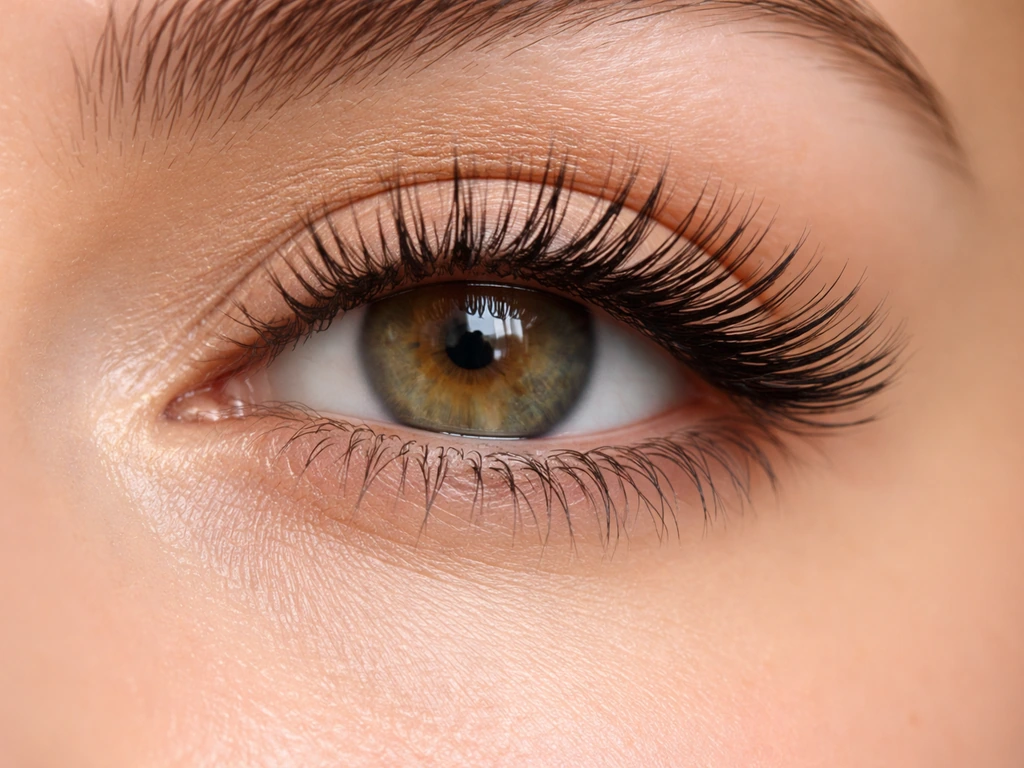
How eyelash growth actually works
Every eyelash grows from a follicle embedded in the eyelid, and each follicle cycles through three distinct phases: anagen (active growth), catagen (transition), and telogen (rest and shedding). Understanding these phases explains why your lashes stop at a certain length and why regrowth takes as long as it does.
During anagen, the follicle is connected to its blood supply and the lash shaft is actively being produced. This phase is shorter for eyelashes than for scalp hair, which is why lashes don't grow down to your shoulders. After anagen ends, the follicle enters catagen, a transition phase lasting roughly 2 to 3 weeks, during which the lash converts to a club hair and detaches from its blood supply. Then comes telogen, the resting phase. According to StatPearls, telogen for eyelashes can last anywhere from four to nine months before the lash finally falls out and a new anagen phase begins.
That long telogen window is important to understand. It means a lash that sheds today was essentially "done" growing months ago, and the follicle is just now completing its cycle. Full replacement of an eyelash, from shedding to a fully grown new lash, takes roughly 4 to 8 weeks in straightforward cases, but the surrounding biology can stretch that timeline significantly. Density and length are largely determined by genetics and follicle health, but you can push both in a positive direction by keeping follicles conditioned and minimizing damage.
If you want a deeper dive into the specific ingredients and biological triggers behind lash growth, what makes eyelashes grow breaks that down in more detail.
Why your lashes aren't growing back
If your lashes are thin, short, or sparse and nothing seems to be helping, something is disrupting the growth cycle. The most common culprits:
- Mechanical damage from rubbing your eyes, improper mascara removal, or sleeping face-down. Repeated friction physically breaks lashes and can stress the follicle over time.
- Eyelash extensions and the adhesive removal process. Extensions add weight, and aggressive removal pulls out lashes that were in mid-anagen, resetting the clock on follicles that were actively growing.
- Blepharitis (inflammation of the eyelid margin) and eyelid allergies. Both create an environment hostile to healthy follicle cycling and are frequently overlooked as growth blockers.
- Certain medications, including chemotherapy agents, retinoids, anticoagulants, and some thyroid drugs, are documented to cause lash shedding.
- Nutritional deficiencies, particularly iron, protein, biotin, and zinc. These aren't always the cause, but they are worth ruling out if shedding is unexplained.
- Trichotillomania (compulsive lash pulling) or chronic eye-rubbing habits.
- Thyroid disorders, both hypothyroidism and hyperthyroidism, are a systemic cause of lash thinning that won't improve without treating the underlying condition.
The reason this matters: if you don't identify and remove the cause, no serum or oil will keep up with the ongoing damage. Growth strategies only work when the follicle is getting a fair chance.
Step-by-step lash growth routine
A practical routine comes down to three pillars: cleanse the lash line, condition the follicles, and protect what you have. Here is what that looks like day to day.
Every night
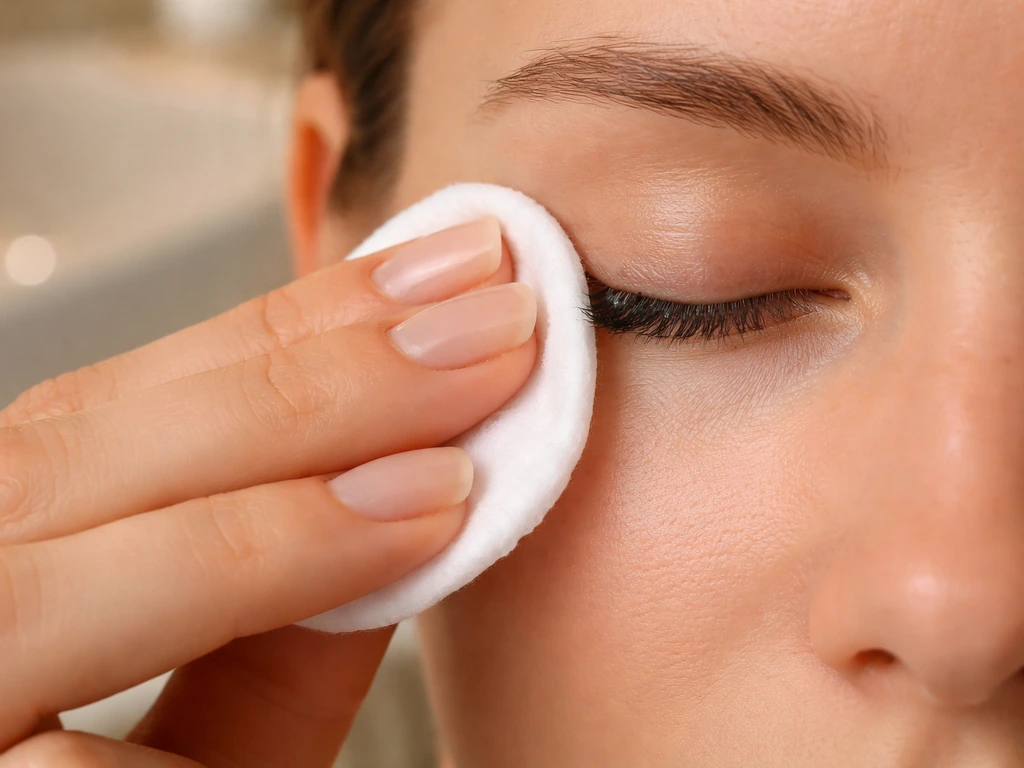
- Remove all eye makeup completely before bed. Use a gentle, oil-based or micellar cleanser and a soft cotton pad. Never tug or rub. Press and hold for a few seconds to dissolve mascara, then wipe gently in the direction lashes grow.
- Cleanse the eyelid margin. Blepharitis and debris buildup at the lash line block follicles. Use a dedicated lid scrub or diluted baby shampoo on a cotton swab and gently clean the base of the lashes.
- Apply your conditioning treatment (see the topical section below) using a clean spoolie or applicator brush, drawing it along the lash line from inner to outer corner. Less is more: excess product that gets into the eye is both uncomfortable and wasteful.
- If you use a lash serum, apply it before any oil or moisturizer so the active ingredients can contact the skin without a barrier.
Every morning
- Gently comb lashes with a clean spoolie to detangle and stimulate circulation along the lash line. This takes about 20 seconds and costs nothing.
- If you wear mascara, apply only to the mid-length and tips, not the base. Buildup at the follicle opening can cause blockage and breakage.
- Choose a non-waterproof formula whenever possible. Waterproof mascara requires more aggressive removal, which adds mechanical stress.
Weekly
- Do a gentle 60-second eyelid massage using clean fingertips or the flat back of a clean spoolie. Circular motions along the lash line improve localized circulation without the risk of tugging individual lashes.
- Audit your products: check that any eye creams, makeup removers, or lash-adjacent skincare products are not formulated with ingredients known to irritate the eyelid (fragrance, denatured alcohol, strong preservatives).
Topical options that actually help
Not all topical options are created equal. Here is a realistic breakdown of what works, how well, and how to use each one.
Castor oil
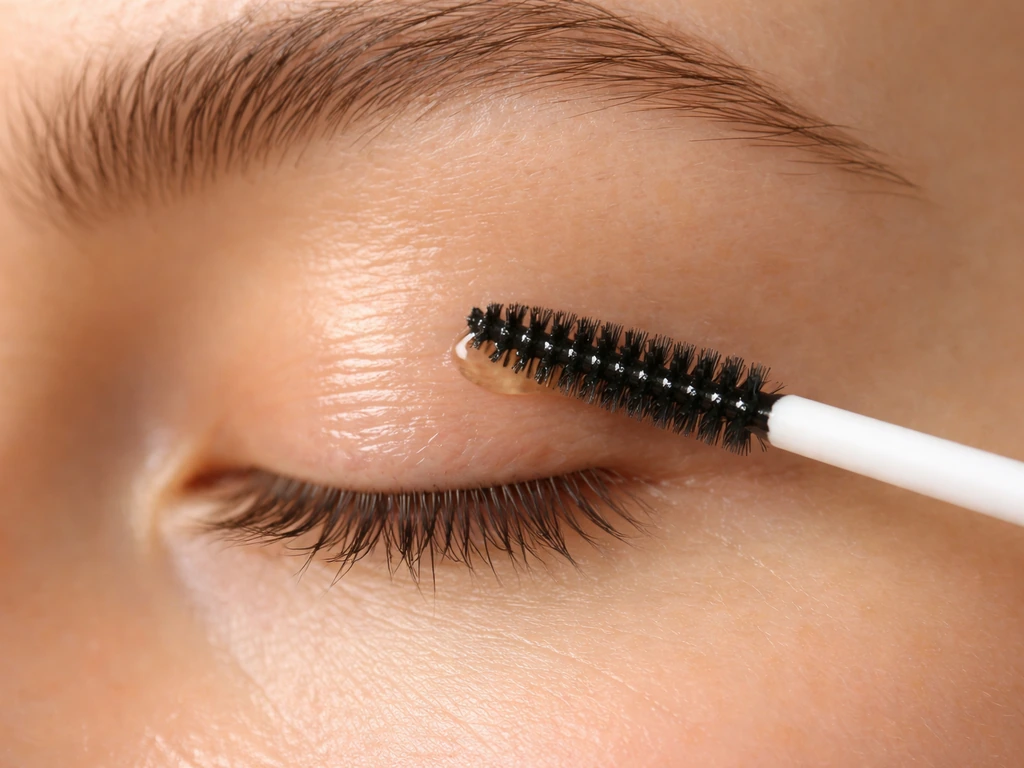
Castor oil is the most popular natural option, and for good reason. It is rich in ricinoleic acid, a fatty acid with known anti-inflammatory properties that may support the scalp and eyelid microenvironment. It also coats and conditions the lash shaft, reducing breakage from everyday handling. The evidence for direct follicle stimulation is limited, but reduced breakage and improved lash health are real and measurable. Apply a tiny amount (less than you think you need) to a clean spoolie or cotton swab and run it along the upper lash line before bed. Use pure, cold-pressed, hexane-free castor oil. Avoid the eye itself.
Other conditioning oils
Argan oil, vitamin E oil, and coconut oil are frequently mentioned alternatives. They work primarily as emollients, softening and strengthening the lash shaft to reduce mechanical breakage. None of these have strong direct evidence for stimulating follicle activity, but they are safe, affordable, and useful for people who find castor oil too thick or irritating.
Over-the-counter lash serums
OTC serums typically rely on peptides, panthenol, biotin, and plant extracts. Biotin applied topically has limited absorption through intact skin, so its lash benefits in serums are more about follicle conditioning than the same mechanism as oral biotin. That said, well-formulated OTC serums do show meaningful improvements in lash density and length with consistent 8 to 12 week use. Look for serums that include peptides (especially myristoyl pentapeptide-17) alongside conditioning agents.
Prescription bimatoprost (Latisse)
Bimatoprost is a prostaglandin analog originally used for glaucoma that was found to extend the anagen (growth) phase of eyelash follicles, producing measurably longer, darker, and fuller lashes. It is the only FDA-approved treatment for hypotrichosis (inadequate lashes). A recent review notes that none of several eyelid hygiene, oral, topical, or device options are FDA approved to treat Demodex blepharitis, while focusing on mite- and inflammation-targeted management approaches. Clinical trials show results in as little as 8 weeks, with full results at 16 weeks. Side effects include potential iris pigmentation changes in people with light eyes, eyelid skin darkening, and eye redness. It requires a prescription and costs significantly more than OTC options. If natural methods have failed after several months, this is the most evidence-backed clinical step.
| Option | Mechanism | Evidence Level | Timeline to Results | Cost Range |
|---|---|---|---|---|
| Castor oil | Conditions shaft, anti-inflammatory | Low (anecdotal + indirect) | 8–12 weeks for shaft improvement | Low ($10–$20) |
| Other conditioning oils | Emollient, reduces breakage | Low (anecdotal) | 8–12 weeks | Low ($5–$25) |
| OTC peptide serums | Follicle conditioning, peptide signaling | Moderate | 8–12 weeks | Moderate ($30–$80) |
| Prescription bimatoprost | Extends anagen phase | High (FDA-approved) | 8–16 weeks | High ($120–$200+/month) |
Regrowing missing or damaged lashes: what to expect
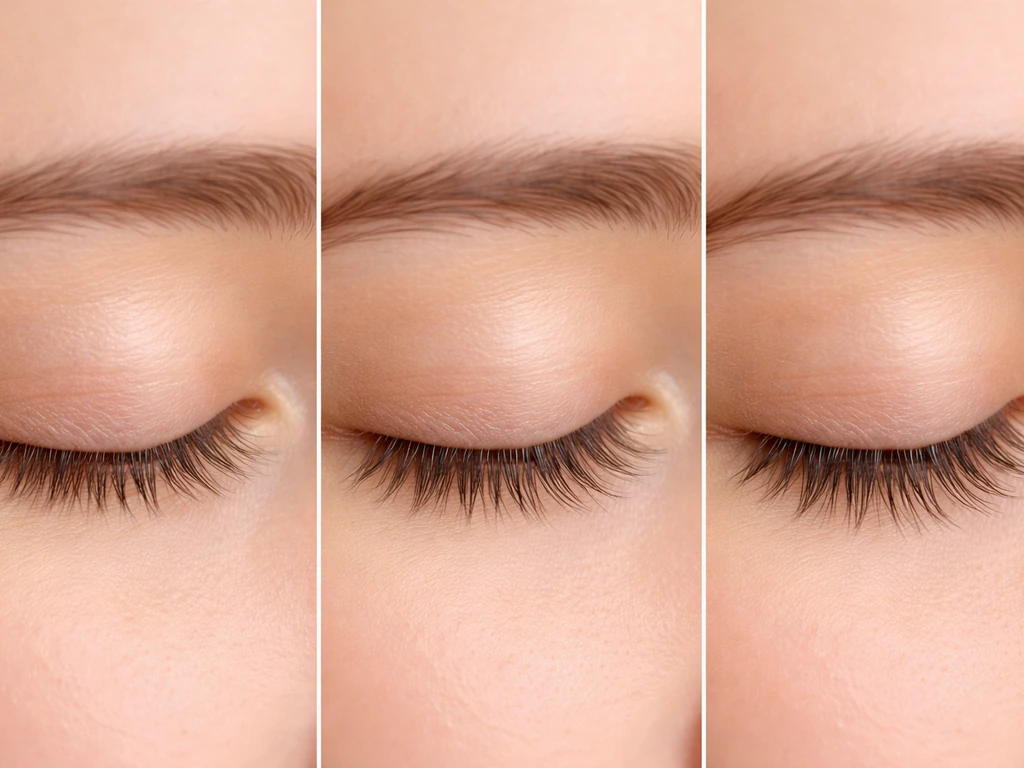
This is the question I get asked most often, and people are almost always surprised by the answer. If a lash falls out naturally (completes its telogen phase), the follicle immediately begins a new anagen phase and you can expect visible regrowth within 4 to 8 weeks, with full length restored in roughly 3 months. The follicle is healthy; it just needs time.
The timeline gets longer when damage is involved. If lashes were pulled out prematurely (from extensions, rubbing, or trauma), the follicle needs to recover before it can re-enter anagen efficiently. In these cases, you might wait 2 to 3 months before seeing meaningful growth, and full density can take 4 to 6 months. If the follicle itself was damaged (from burns, scarring, or chronic inflammation like severe blepharitis), regrowth may be partial or, in rare cases, permanently impaired. Cochrane evidence reviews indicate there is not strong evidence that any single treatment reliably cures chronic blepharitis, and it can still lead to permanent eyelid margin alterations and ocular complications in severe cases blank" rel="noopener noreferrer">chronic inflammation like severe blepharitis.
If you are specifically dealing with regrowth after extensions or other damage, whether you can grow your eyelashes back goes into recovery scenarios in more detail, including what early regrowth signs look like and how to tell if a follicle is recovering.
During the regrowth window, the most important thing you can do is stop the cause of damage, keep the lash line clean, and apply a conditioning treatment nightly. Patience is genuinely the active ingredient here. Checking for new growth weekly (under good lighting with a magnifying mirror) can help you track progress without panicking that nothing is happening.
Making lashes look longer while they grow
Growing lashes takes months. In the meantime, a few safe grooming habits can make a real visual difference without setting back your progress.
- Use an eyelash curler before mascara, not after. Curling after mascara application increases the risk of snapping lashes. A good curl lifts and opens the eye more than most lengthening mascaras do on their own.
- Apply mascara in an upward zigzag motion from root to tip. This separates and coats each lash individually rather than clumping them together.
- Use a white or clear lash primer before dark mascara. It builds thickness and length before the pigmented coat goes on.
- Tight-line your upper waterline with a nude or skin-toned eyeliner instead of black to create the illusion of fuller lash density without adding product to the lash line itself.
- Try a brown-black mascara instead of pure black if your lashes are sparse. It looks less obviously mascara-heavy at the tips.
- Skip the lower lash mascara on days when your lower lashes are growing back. Heavy lower mascara draws attention to sparse patches.
A note for anyone who has found community threads helpful for troubleshooting: what people on Reddit actually do to grow their eyelashes rounds up real-world routines and product experiences that complement the clinical information above.
And if you are a man reading this, the fundamentals are identical, but there are some specific grooming considerations worth knowing. Growing eyelashes as a man covers product application techniques and habits that work without requiring any visible grooming products during the day.
Safety, irritation, and when to call a doctor
The eye area is delicate and close to a mucous membrane, which means irritation can escalate quickly. Here are the non-negotiables:
- Never apply any oil or serum directly into the eye. Apply to the skin of the upper lash line only, with a clean applicator. Blink naturally and let any minimal migration happen on its own.
- Stop any topical treatment immediately if you experience persistent redness, itching, swelling, or blurry vision. These can indicate contact dermatitis, allergy, or product contamination.
- Do not share applicators. Contaminated spoolies and brushes can introduce bacteria to the eyelid margin, triggering or worsening blepharitis.
- If you have a history of herpes simplex eye infection, consult an ophthalmologist before using any lash serum. Some active ingredients may not be appropriate.
- Prostaglandin-based serums (including bimatoprost) can change iris pigmentation in people with hazel or light brown eyes over time. This change is typically irreversible. Discuss this with a prescribing doctor before starting.
- Oral biotin supplements at high doses (5,000–10,000 mcg, which are commonly sold) can interfere with several blood lab tests, including thyroid panels and troponin (cardiac) assays. If you are taking high-dose biotin and need blood work, tell your doctor and stop supplementing 48–72 hours before the draw.
- If lashes are not regrowing after 3 to 4 months with consistent effort and no obvious ongoing damage, see a dermatologist or ophthalmologist. Unexplained persistent lash loss can be a sign of alopecia areata, eyelid tumors, thyroid disease, or nutritional deficiency that needs proper evaluation.
The bottom line on safety is simple: the closer you are to the eye, the more conservatively you should approach anything new. Patch test new products on your inner wrist first. Introduce one new product at a time so you can identify any reaction. And when something feels wrong with your eyes, trust that signal and stop.
FAQ
Where exactly should I apply lash growth products (lash tips, lash line, or waterline)?
If you are using an eyelash serum or oil, apply it only to the upper lash line (where the follicle sits), not directly onto the eyeball or waterline. This reduces the chance of irritation, redness, and blurred vision from product migration. If you wear contact lenses, wait until the product is fully dry and consider avoiding contacts for a few hours after application.
How do I know if my lashes are actually regrowing or just shedding?
It is normal to see some shedding before you see length. New growth usually starts as shorter, thicker-looking lashes closer to the lash line, then length catches up over subsequent weeks. If you see irritation, matting, or stinging, stop immediately and switch to a simpler routine (cleanse plus a gentle conditioning option) until your eyes feel normal again.
Can I combine lash serums and oils to grow lashes faster?
Do not expect faster results by doubling up products. Using multiple “active” treatments (for example, a prostaglandin-type prescription and an OTC serum) can increase irritation risk without reliably speeding growth. Choose one growth-support option, stick to it consistently for 8 to 12 weeks, and only then decide whether to switch.
What’s the best way to track progress without getting discouraged?
A good rule of thumb is to measure progress with the same method each week. Take photos in the same lighting and distance, and check the upper lash line for density and the mid-lash area for increasing length. If you can only see changes in the mirror but photos do not show any difference after 8 to 12 weeks, it is likely either the cause of shedding remains or the product is not appropriate for you.
If I stop using a lash serum, will my lashes stay longer?
If you stop a serum, the benefit often tapers, because you are supporting the follicle cycle rather than permanently locking in growth. Many people need ongoing nightly use for the best maintenance, especially if their lashes are naturally thin or they have a lingering damage trigger (rubbing, extensions, or chronic lid irritation).
Why do lash products stop working after a few weeks?
The biggest reason “nothing works” is continuing an ongoing trigger like mechanical rubbing, improper removal of makeup, harsh cleansers, or eyelash extensions and glue residue. Review your habits first: be gentle when removing mascara, avoid pulling on lashes, and keep eyelids clean with a mild routine. If you have chronic redness, itching, or flaking (possible blepharitis), address that with appropriate care rather than only using growth products.
How long should I wait to remove extensions if I want regrowth to start?
Yes, lash extensions can delay regrowth because premature pulling and repeated damage can keep follicles out of an efficient growth cycle. If extensions were involved, switch to a damage-minimizing plan immediately, avoid new extensions until you see stable regrowth, and expect meaningful changes to take longer (often 2 to 3 months for noticeable growth, longer for full density).
When should I see a dermatologist or eye doctor for lash loss?
Some people have a slower replacement timeline, especially if shedding is tied to inflammation or scarring. If you have patchy loss, visible eyelid skin changes, or long-term sparse lashes that do not improve, you should see an eye care professional. They can determine whether the follicle is inflamed, permanently impaired, or affected by an underlying condition.
What are the safest ways to start a new lash product if I have sensitive eyes?
Do a quick test when introducing anything new, then give your skin and eyes time to settle. Patch test on the inner wrist and use only a small amount on the upper lash line the first few nights. If you develop burning, swelling, significant redness, or watering that does not fade quickly, stop the product and do not “push through.”
Can I regrow lashes fully if the follicles were damaged or scarred?
You generally cannot restore a lash that has permanent follicle damage, such as scarring from burns or chronic severe inflammation. In these cases, regrowth may be partial, and the goal becomes preventing further loss and optimizing what follicles remain. If loss is uneven and persistent, that is a sign to get evaluated rather than trying multiple serums.
Is castor oil better than OTC serums, and how do I use it without irritation?
If you use castor oil, use a tiny amount and apply it with a clean spoolie or cotton swab to avoid getting it into the eye. Choose pure, cold-pressed, hexane-free castor oil if you use it, and discontinue if you notice irritation. Mechanical breakage reduction can help appearance even if direct stimulation evidence is limited.
What side effects should I watch for if I use prescription lash treatment?
Bimatoprost works on the growth cycle, but side effects are a key tradeoff. If you have light-colored eyes or notice eyelid skin darkening or persistent redness, contact your prescriber. Also, keep application controlled and avoid getting it beyond the lash line, since diffusion can increase the chance of irritation or discoloration.
Next Article
Does Mustard Oil Grow Eyelashes? Safety and What Works
Find out if mustard oil grows eyelashes, risks to eyelids, and safer options with realistic timelines and when to see a
