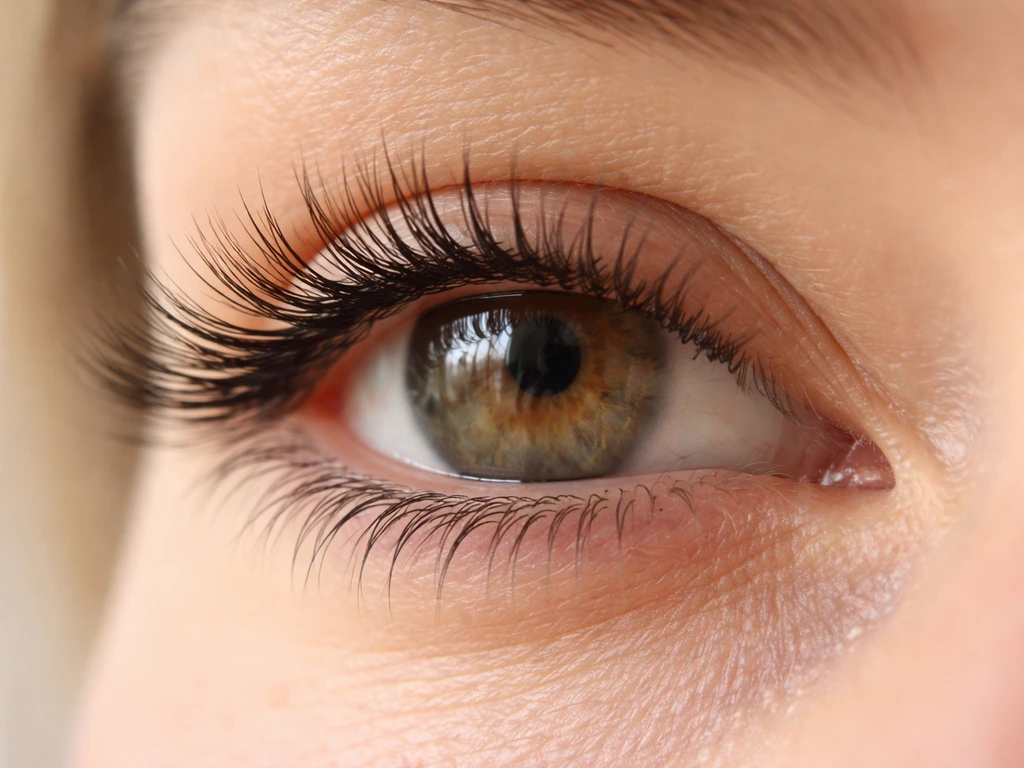
Growing eyelashes back in 2 days is not biologically possible. Eyelashes follow a growth cycle measured in weeks, not hours, so no oil, serum, or home remedy can produce new lash growth in 48 hours. What you can do in 2 days is stop further loss, reduce irritation, condition the lashes you have so they look noticeably fuller, and set up the right environment for real regrowth over the next several weeks. Although you cannot truly grow new lashes in 5 minutes, the fastest realistic improvements focus on reducing loss, soothing irritation, and conditioning the lashes you already have. That is what this guide is about.
How to Grow Eyelashes Back in 2 Days: Safe Steps

Rachel Nguyen
1 May 2026
Can you really regrow eyelashes in 2 days?
No, and it is worth understanding exactly why, because that understanding will save you from wasting money on products that promise otherwise. Eyelash follicles cycle through three distinct phases: anagen (active growth, where the lash is actually lengthening), catagen (a transition phase where the blood supply to the follicle cuts off and growth stops), and telogen (a resting and shedding phase). A complete cycle takes roughly 4 to 11 months depending on the individual, and the anagen phase alone for eyelashes is considerably shorter than for scalp hair, which is part of why lashes max out at a certain length. Once a lash has shed or been pulled, the follicle has to restart from the beginning of that cycle. Clinical research on prescription treatments like bimatoprost (Latisse) evaluates results over months, not days, and that is with a pharmacologically active prostaglandin analog working on the follicle every single night.
The realistic timeline for noticeable regrowth after significant lash loss is 6 to 12 weeks for most people. A full, thick return can take closer to 4 to 6 months. If you have seen other timelines on this site, you will notice a pattern: whether the goal is growing lashes in 3 days, in a week, or even in 1 day, the biology does not change. If you are focused on how to grow eyelashes in 1 day, this article explains what is and is not possible, and the best way to get visible improvements fast growing lashes in 3 days, in a week, or even in 1 day. If you are specifically trying to follow a “grow eyelashes in 3 days” plan, focus on short-term lash health and appearance, not true regrowth growing lashes in 3 days. What changes is how aggressively you protect, condition, and support the follicles already doing their job. Two days is enough time to make a real difference in lash health and appearance, even if true regrowth takes longer.
Why your lashes fell out or look thinner
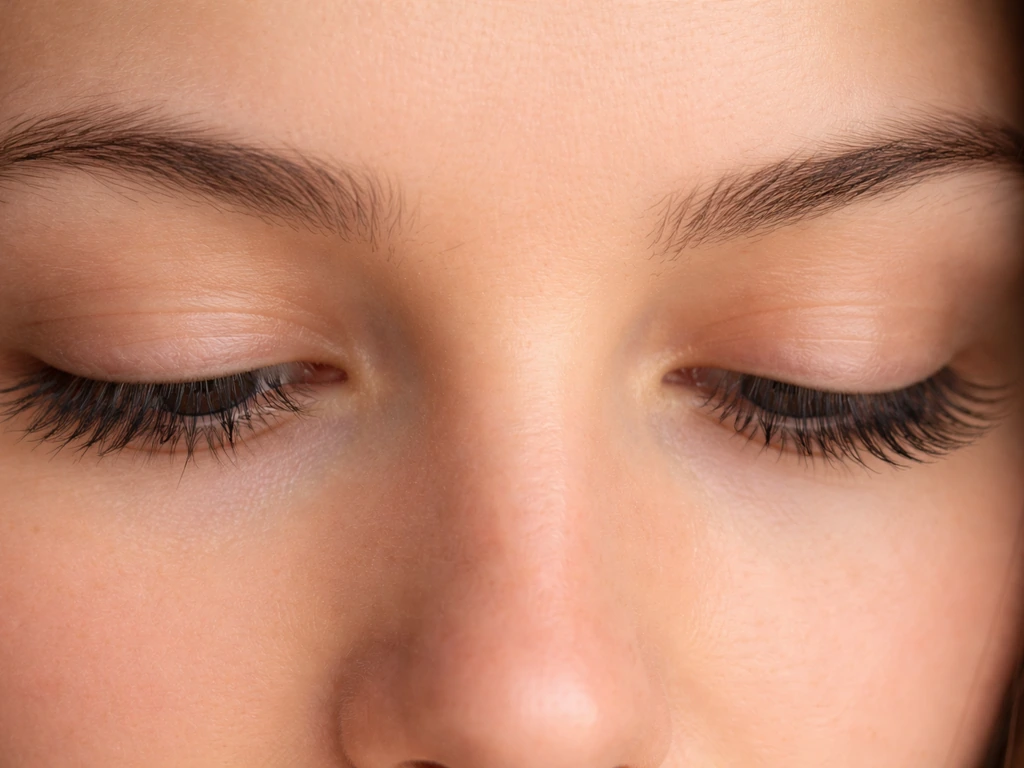
Before you can pick the right approach, you need to know what caused the problem. The routine for someone recovering from extension removal is different from someone dealing with blepharitis or a thyroid issue. Here are the most common culprits:
- Extensions and improper removal: Heavy lash extensions put mechanical stress on natural lashes, and removing them without proper glue dissolvent or patience pulls the lash out before it is ready to shed. This is one of the most common causes of traction-related lash loss.
- Chemical damage from lash lifts and lamination: The perming solutions used in lash lifts break down disulfide bonds in the lash structure. Overprocessed or repeated lifts can cause lashes to snap at the base or weaken so severely they shed prematurely.
- Rubbing and traction: Habitual eye rubbing, aggressive mascara removal, or sleeping face-down on a pillow all create friction that breaks or dislodges lashes before their natural shedding point.
- Blepharitis and eyelid inflammation: This chronic condition causes oily debris, crusting, and inflammation around the lash follicles, which disrupts the growth cycle and causes lashes to fall out or grow irregularly.
- Mascara habits: Tugging at clumped mascara, using waterproof formulas daily without proper remover, and not fully cleansing the lash line all contribute to lash breakage and follicle clogging.
- Over-plucking: Repeated plucking from the same follicle can eventually cause permanent or prolonged damage to that follicle, especially with forceful tweezing.
- Medical and medication-related causes: Thyroid dysfunction (both hypo and hyperthyroidism), alopecia areata, iron deficiency, and certain medications including chemotherapy agents, beta-blockers, and retinoids can trigger lash loss as a systemic effect.
If your lash loss came on suddenly, is accompanied by other hair loss, or does not correlate with any of the physical or cosmetic causes above, that is a signal to look at the medical category more seriously. More on that in the final section.
Your 48-hour rescue routine
Think of the next two days as a protection and conditioning phase, not a growth phase. The goal is to stop the bleeding, so to speak: halt any ongoing damage, calm inflammation, and give the lashes you still have the best possible environment to survive and thrive.
Morning routine (AM)
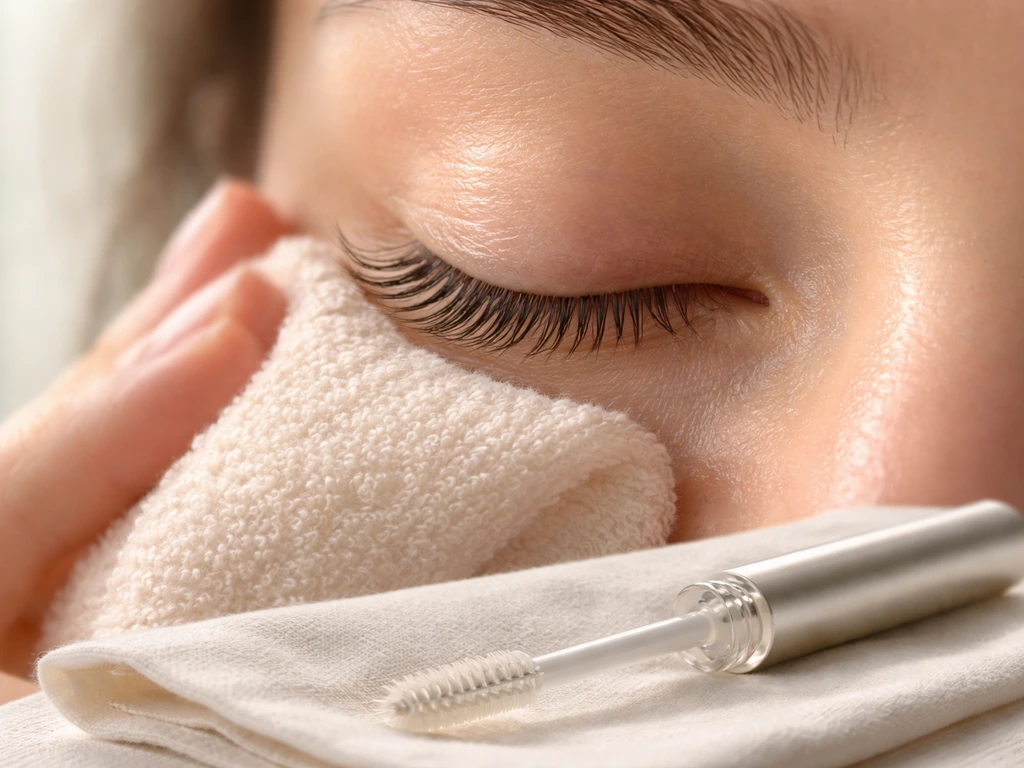
- Warm compress first: Soak a clean washcloth in warm (not hot) water, wring it out, and hold it gently over your closed eyelids for 10 minutes. Johns Hopkins recommends this for blepharitis specifically, but it benefits almost any lash-loss situation because it softens debris, opens follicle openings, and increases circulation to the eyelid margin. Do this before anything else.
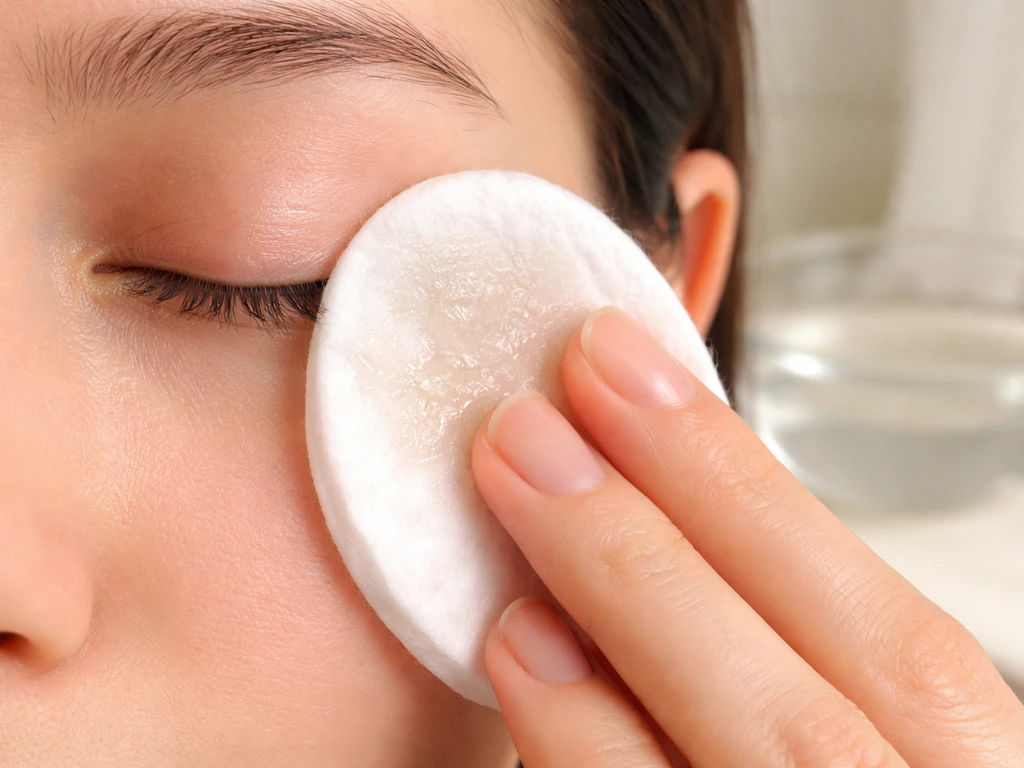
- Gentle lid cleanse: After the compress, use a diluted baby shampoo (a drop in a few tablespoons of water) or a dedicated eyelid cleanser on a cotton pad. Swipe along the lash line from the inner to the outer corner. This removes overnight oil buildup and any debris without harsh rubbing.
- Pat dry, never rub: Use a clean, soft cloth or a lint-free pad. Rubbing with a regular towel is one of the most overlooked causes of mechanical lash breakage.
- Apply a conditioning lash serum or oil (see the next section for which type): A very thin application to the base of the lashes using a clean spoolie or the applicator that came with the product. Less is more, especially near the eyes.
- Skip mascara if you can: If you need to wear it, choose a tubing mascara over a traditional film formula. Tubing mascaras wrap around each lash rather than coating them with pigment, and they slide off cleanly with warm water without any pulling.
Evening routine (PM)
- Remove all makeup with a gentle, oil-based or micellar cleanser: Apply to a cotton pad and hold it against the closed eye for 10 to 15 seconds to let the product dissolve mascara before you wipe. Never drag the pad downward across the lashes.
- Second warm compress: Repeat the 10-minute warm compress from the morning. This second session in the evening is especially valuable if you have any inflammation, crusting, or blepharitis symptoms.
- Cleanse the lash line again: Same gentle method as the morning step.
- Apply your conditioning treatment: Nighttime is the best window for oils and serums because you are not blinking them away or exposing them to environmental stressors. Apply a small, precise amount to the lash roots.
- Protect your pillow position: If possible, sleep on your back or use a silk pillowcase. Cotton pillowcases create friction that can physically pull lashes out while you sleep.
Two full days of this routine will not grow new lashes, but they can meaningfully reduce ongoing breakage, calm any active irritation, and make the lashes you have look more conditioned and defined. That is a real, visible improvement.
Fast-acting options that can actually improve appearance and thickness
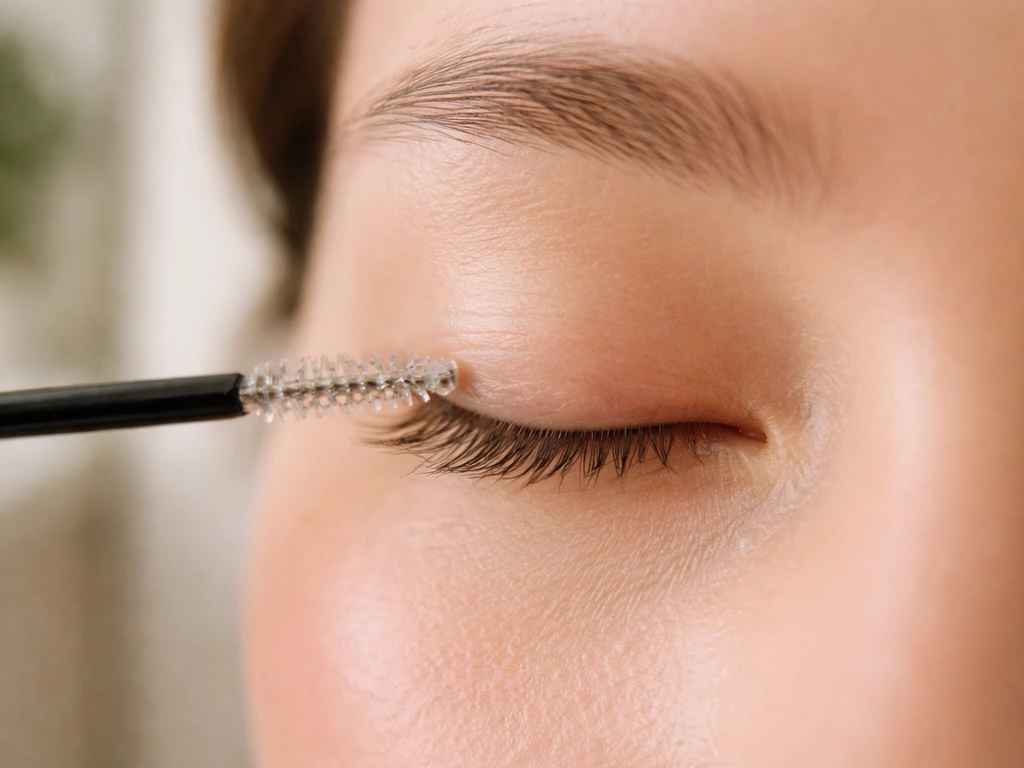
No topical product regrows a lash in 48 hours, but some can make a real difference in how lashes look and how healthy the follicle environment is. Here is an honest breakdown of what is worth using and why.
Castor oil
Castor oil is the most popular DIY lash remedy and it is not without merit, though the mechanism is largely conditioning rather than follicle stimulation. It is rich in ricinoleic acid, which has documented anti-inflammatory properties, and its thick texture coats and physically plumps each lash strand, which can make lashes look fuller almost immediately after application. The key is applying a tiny amount (a clean mascara wand dipped lightly into the oil works well) and only to the roots and mid-shaft, not the tips, to avoid the oil migrating into the eye. Cold-pressed, hexane-free castor oil is the grade to use. If your eyes are already irritated or you have a sensitivity, patch test on your inner arm for 24 hours first.
Other conditioning oils
Argan oil, sweet almond oil, and vitamin E oil all work on a similar principle: they coat and condition the lash structure, reducing brittleness and breakage. Argan oil is lighter than castor oil, which makes it a better choice for people with sensitive or easily irritated eyes. None of these oils will stimulate a dormant follicle to produce a new lash in 48 hours, but they can prevent existing lashes from snapping off, which is a real form of lash preservation.
Peptide-based lash serums
Over-the-counter lash serums that contain peptides (like myristoyl pentapeptide-17) and biotin are formulated to support the keratin structure of the lash. These do not work in 48 hours either, but starting one now means you will begin seeing the benefits within 4 to 8 weeks of consistent use. They are a better daily-use option than oils for people who wear contact lenses or who have found oils cause irritation, because the formulas are lighter and designed for the lash line specifically.
What about biotin?
Oral biotin supplements are frequently recommended for hair and lash growth, and there is some evidence they help in people who have a genuine biotin deficiency. The problem is that most people are not deficient, and taking more biotin than you need does not accelerate growth in a follicle that already has enough. Topical biotin in serums may help as a conditioning agent but is unlikely to penetrate the follicle in clinically meaningful concentrations. If you want to try biotin supplements, a standard dose of 2,500 to 5,000 mcg daily is what most formulations use, but expect to wait weeks to months to evaluate any effect, not days.
Prescription options (not a 48-hour fix, but worth knowing)
Bimatoprost 0.03% (Latisse) is the only FDA-approved topical treatment for eyelash hypotrichosis and is clinically proven to increase lash length, thickness, and darkness over a 16-week treatment period. A pooled safety analysis of six randomized, double-masked trials on PMC also reviews the FDA approval history for bimatoprost 0.03% (LATISSE) and describes its intended effect of increasing eyelash prominence, including length, thickness, and darkness FDA-approved topical treatment for eyelash hypotrichosis. It works by extending the anagen (active growth) phase of the lash cycle, essentially keeping follicles in their productive state longer. It requires a prescription and carries real side effects including potential iris pigmentation changes and eyelid skin darkening. It is not relevant to a 48-hour goal, but if your lash loss is significant and persistent, it is the most evidence-backed intervention available.
A realistic plan for the next 2 weeks
Two weeks is not enough time for a full lash regrowth cycle, but it is enough time to see measurable progress if you are consistent. Here is how to think about it and what to track.
| Timeline | What is happening | What you should see |
|---|---|---|
| Days 1 to 2 | Protection phase: stop damage, reduce inflammation, start conditioning | Less irritation, lashes look more conditioned and defined |
| Days 3 to 7 | Stabilization: follicles in the resting phase are undisturbed; conditioning routine is established | Noticeably less breakage and shedding; lash line looks tidier |
| Days 7 to 14 | Early support phase: if follicles were in early anagen before the routine started, very early new growth may be visible as tiny, fine lashes at the base | Possible new baby lashes at the roots; existing lashes healthier and less brittle |
To track progress objectively, take a close-up photo of your lash line in consistent lighting every 3 to 4 days. It is very hard to notice gradual regrowth day-to-day, but comparing a photo from day 1 to day 14 often shows clear improvement that you would otherwise miss. Measure by counting visible lashes in a section, or by noting how far the lash line extends toward the outer corner.
For the full two weeks, keep the AM and PM routine described above running every single day without skipping. Consistency matters more than any single product. Avoid mascara if possible, or limit it to 2 to 3 days per week with thorough and gentle removal each time. Eat enough protein and iron, since lash follicles need both for keratin synthesis. If you are interested in what a longer natural timeline looks like, the one-week and multi-week growth plans cover the extended progression in more detail. If you specifically want guidance for a fast timeline, the one-week and multi-week growth plans show how to structure your routine to maximize what is realistically possible. If you are trying to figure out how to grow eyelashes naturally in a week, follow the guidance in the one-week section and keep expectations realistic one-week and multi-week growth plans.
Common mistakes that make things worse
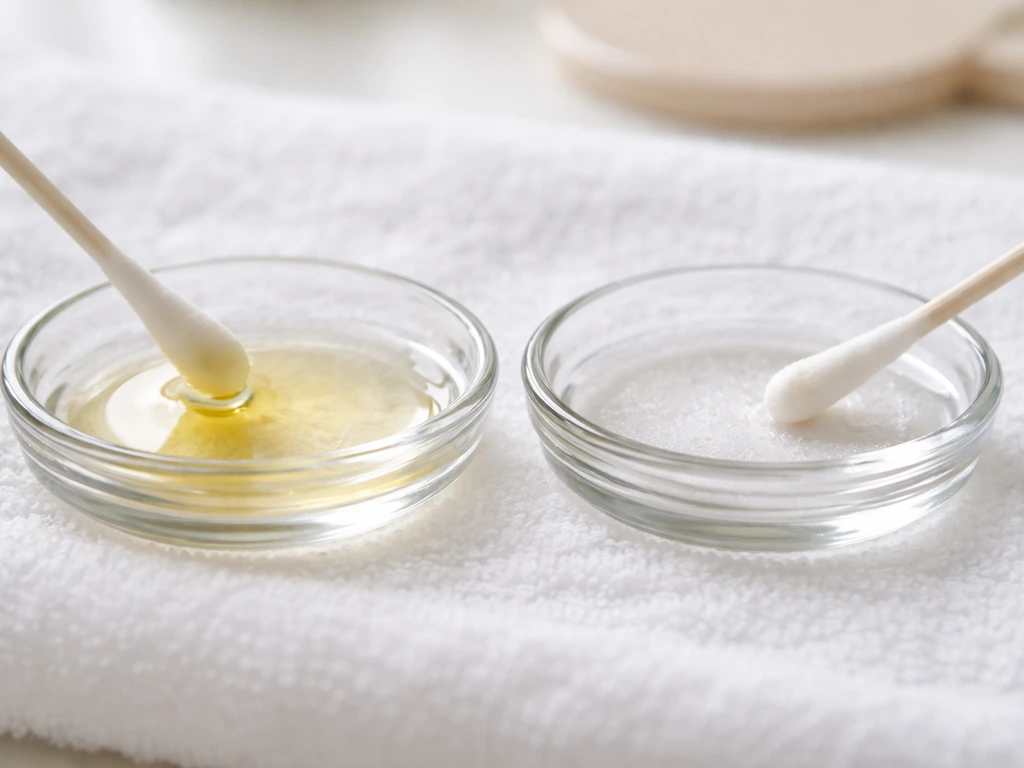
A lot of people trying to speed up lash recovery accidentally slow it down or cause new damage. These are the mistakes worth actively avoiding:
- Applying too much oil: A heavy application of castor oil or any oil to the lash line can seep into the eye and cause blurry vision, irritation, or even lipid keratopathy with repeated exposure. Use the smallest effective amount on a clean applicator.
- Skipping the patch test: Any new product applied near the eyes should be patch-tested on the inner wrist or behind the ear for 24 hours before use. Allergic reactions near the eyes can cause swelling and inflammation that makes lash loss worse.
- Using products with irritating ingredients: Some eyelash serums contain prostaglandin analogs that are not FDA-approved for OTC use, or preservatives like benzalkonium chloride that can irritate the conjunctiva and lid margin. Read ingredient lists carefully.
- Continuing to wear lash extensions during recovery: If extensions were part of the cause, reapplying them before the natural lashes have recovered adds more traction stress. Wait at least 4 to 6 weeks.
- Rubbing in the oil or serum: Pressing or rubbing any product into the lash line moves it toward the eyeball and increases irritation risk. Gentle dabbing or a precise applicator brush is always the right technique.
- Expecting overnight results and over-applying: Doubling the amount of product or using it three times a day does not accelerate growth and significantly increases the chance of a reaction.
- Neglecting the lid margin: Most of the follicle action happens right at the lash root, where the eyelid skin meets the lash. If that area stays inflamed or clogged with debris, no topical product can work well.
When to see a doctor instead of treating at home
Home care is appropriate for most cosmetic and mechanical causes of lash loss, but some situations need professional evaluation. Stop self-treating and see a dermatologist or ophthalmologist if you notice any of the following:
- Pain, significant swelling, or redness around the eyelid that is worsening rather than improving
- Discharge, crusting, or a gritty feeling in the eye that does not resolve with gentle cleansing (these can indicate blepharitis that needs medicated treatment, or an infection)
- Lash loss that is patchy or follows the lash line in a specific pattern, which can suggest alopecia areata affecting the lashes
- Loss of lashes alongside loss of eyebrow hair, scalp hair, or other body hair, which points toward a systemic cause
- Recent changes in weight, energy levels, or temperature sensitivity alongside lash loss, which are classic thyroid dysfunction symptoms
- Lash loss that started after a new medication, particularly chemotherapy, anticoagulants, retinoids, or beta-blockers
- Any eyelid lesion, bump, or thickened skin near the lash line that was not there before
Blepharitis in its more severe forms, hormonal causes, and medication-induced lash loss all require either prescription treatment or addressing the root condition before lash regrowth can realistically occur. No amount of castor oil reverses a thyroid disorder. If a doctor rules out underlying causes and confirms the loss is mechanical or cosmetic, you can return to the home routine above with confidence.
Your next steps starting today
Here is what to actually do right now. Run a warm compress for 10 minutes tonight. A Reddit r/Makeup discussion also points out that tubing mascara may not come off fully with warm water alone and may need additional troubleshooting steps. Gently cleanse the lash line. Apply a small amount of cold-pressed castor oil or a peptide lash serum to the roots with a clean spoolie, and go to sleep on a silk pillowcase or on your back. Tomorrow morning, repeat the compress and cleanse, skip mascara if you can, and photograph your lash line for a baseline. Do that for 14 days straight. You will not have a full new set of lashes in 48 hours, nobody will, but by day 14 you will almost certainly have healthier, less brittle lashes with noticeably less ongoing shedding, and potentially some early new growth at the base if your follicles were already in the anagen phase when you started. That is real, measurable progress toward the full recovery that takes 6 to 12 weeks to complete.
FAQ
Can I really make my lashes look fuller in 2 days with castor oil or serums?
Yes, but only as a conditioning and protection step. If you apply castor oil or a peptide serum, use a tiny amount and keep it off the lash tips so it does not migrate into the eye overnight. If you get stinging, redness, or watery eyes, stop and switch to a gentler, oil-free lash serum, and consider patch testing again before continuing.
What if I just had lash extensions removed, when should I start the 2-day routine?
Do not apply after removing extensions if your lash line is actively inflamed, crusty, or very tender. Wait until the area is calm for at least 24 hours, then start with warm compress (for 10 minutes), gentle cleansing, and only then a small amount of serum or castor oil at the roots. If you see worsening swelling or pain, get an eye exam instead of continuing at-home treatment.
Is it okay to use lash extensions or false lashes while trying to recover in 2 days?
Avoid magnetic or adhesive lash “extensions” during the 2-day reset, especially if you are already shedding. The added tug and friction can increase breakage, which looks like “growth” failure but is really mechanical loss. If you need coverage, use a careful mascara or a strip-free approach that does not pull at the lash line.
How do I know if my lash loss is too serious for at-home care?
In most cases, no. If you have a sudden, patchy, or fast-growing pattern of lash loss, that can point to an underlying condition that home oils cannot correct. A dermatologist or ophthalmologist is especially important if lash loss is paired with eyebrow loss, scalp hair changes, new skin rashes around the eyes, or symptoms like burning, itching, or light sensitivity.
Can I use lash oil or serum if I wear contact lenses?
Yes, but do it cautiously. If you wear contact lenses, pick an eyelash serum designed for the lash line (often lighter than oils) and keep it away from the inner corner and the lid margin. Plan on stopping any product that causes blurred vision, eye irritation, or lens discomfort, since those are signals the formula is traveling into the eye.
Should I take biotin to regrow eyelashes faster in 2 days?
Biotin is only likely to help if you are deficient, and that is uncommon. If you do supplement, avoid stacking multiple high-dose products (for example, hair, skin, nails vitamins plus a separate biotin pill). Also check with a clinician if you have thyroid disease or you take medications, because supplements can interfere with certain lab tests.
How soon can I realistically expect to see new lash growth at the base?
Sometimes. If follicles were not fully dormant when you started, you may see early changes at the base or less shedding by day 7 to 14, which shows the environment is improving. But day-to-day changes are subtle, so track with standardized close-up photos every 3 to 4 days to avoid over-interpreting normal shedding.
What’s the safest way to use a warm compress for lash recovery?
A warm compress helps, but you should avoid very hot water and aggressive rubbing. Limit to 10 minutes, then cleanse gently with minimal friction. Overheating or scrubbing can worsen eyelid irritation and trigger more shedding, which undermines the whole “2-day reset” goal.
If I use Latisse (bimatoprost), will I see results within 2 days?
If you are using bimatoprost, do not treat it like a 48-hour plan. Expect changes over months, and follow prescribing instructions exactly. If you are not prescribed it, do not try to obtain or use it on your own, because side effects like eyelid skin darkening and iris pigmentation require medical oversight.
What are the most common mistakes that prevent visible improvement by day 14?
Yes. Inconsistent cleansing, skipping the routine, or using makeup removal that tugs on the lash line are common reasons people see more breakage. Aim for consistent AM and PM care, gentle removal (or limiting mascara), and enough protein and iron in your diet, since the follicles need building blocks to complete regrowth over weeks.
Next Article
How to Grow Eyelashes in 3 Days: Home Steps and What Works
Realistic 72-hour plan to reduce lash fallout and boost appearance using safe at-home oil care and proven serums.