You can grow longer, thicker eyelashes at home using a combination of targeted oils, nutrition, and protective habits. The honest catch: nothing speeds up your follicle biology dramatically. What you can do is stop the things that slow growth down, support the conditions that let follicles thrive, and use a handful of evidence-backed remedies to improve the lash environment. This guide walks through exactly how to do that, plus realistic timelines and a clear-eyed look at what oils and serums actually do versus what they just claim.
How to Grow Eyelashes Naturally at Home: Step by Step
Rachel Nguyen
19 Apr 2026
How eyelash growth actually works
Every eyelash follows a three-phase cycle: anagen (active growth), catagen (transition), and telogen (resting/shedding). Research measuring human eyelash follicle biology found that the anagen phase lasts about 34 days on average, catagen lasts roughly 15 days, and telogen can stretch anywhere from about 100 days to nine months depending on the individual. The full cycle clocks in at around 90 days, though total lash lifespan can range from about 4 to 11 months.
That short anagen window is the main reason eyelashes don't grow as long as scalp hair. A lash only has about 30 to 45 days of active growth before it stops and eventually sheds. This biologically limits eyelash length to around 10 mm in most people. It is not just breakage holding lashes back; the follicle is programmed to stop growing well before that point. Thickness, on the other hand, is determined by follicle diameter and health, and that is something nutrition and scalp-level care can influence more meaningfully.
What 'natural' methods can actually change: they cannot override the anagen clock, but they can help more follicles stay in anagen longer, reduce premature shedding caused by inflammation or trauma, and prevent the breakage that makes lashes look shorter than they are. That is the real target.
Realistic timeline for growing lashes back
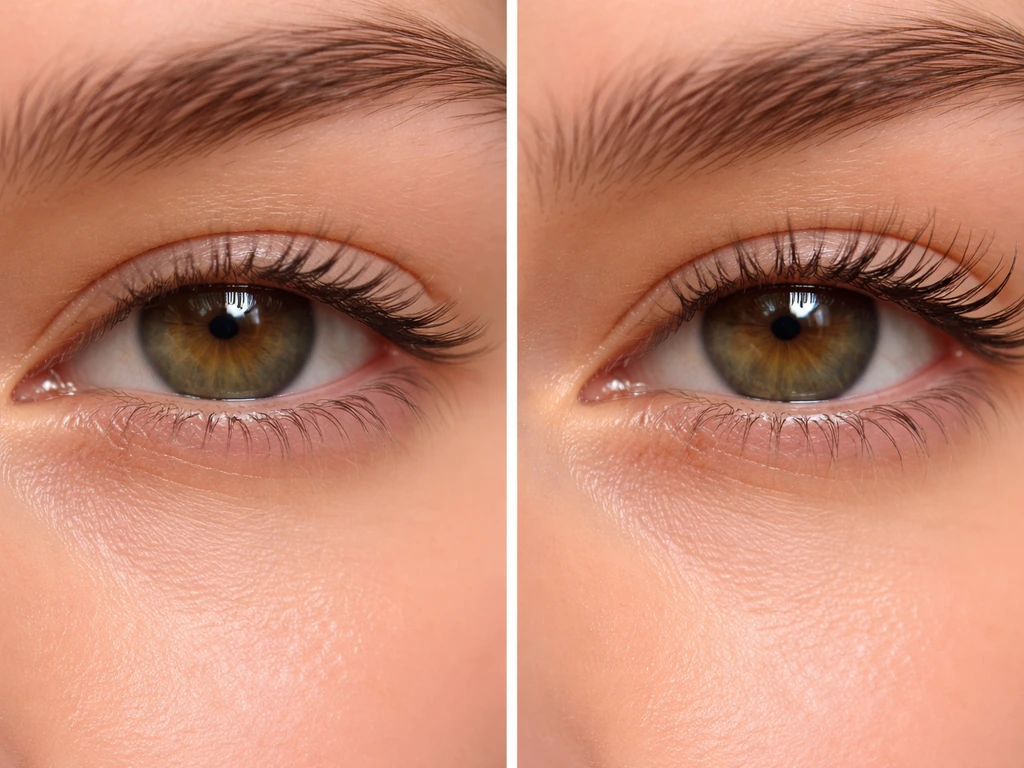
If your lashes are just short or sparse from general neglect or moderate breakage, you can expect visible improvement in about 4 to 8 weeks once you are consistently doing the right things. That aligns with a full anagen replacement cycle: after a lash sheds, a new one becomes visible over roughly that same 4-to-8-week window.
If your lashes are damaged from extensions, harsh rubbing, or chemical exposure, the timeline stretches. Traction alopecia from extensions and inflammatory reactions can delay follicle recovery beyond a single cycle. Expect 2 to 3 months before you see meaningful regrowth, and up to 6 months for things to normalize if there was significant irritation or follicle stress involved.
If your lashes thinned due to a systemic stressor like illness, crash dieting, iron deficiency, or hormonal changes, you may be dealing with something closer to telogen effluvium. In that scenario, shedding typically starts 3 to 6 months after the trigger, and cosmetically significant regrowth can take 12 to 18 months after the trigger is resolved. Lashes may look thin for longer than feels fair. Patience and fixing the underlying cause matter more than any topical remedy in that situation.
At-home habits that make a real difference (no products required)
The most underrated lash-growth strategy is simply stopping the things that damage lashes in the first place. Mechanical trauma, whether from rubbing your eyes, sleeping face-down, using an eyelash curler with too much force, or tearing off mascara, is one of the most common causes of breakage and premature shedding. It is worth auditing your daily routine before adding anything new.
Gentle cleansing and makeup removal
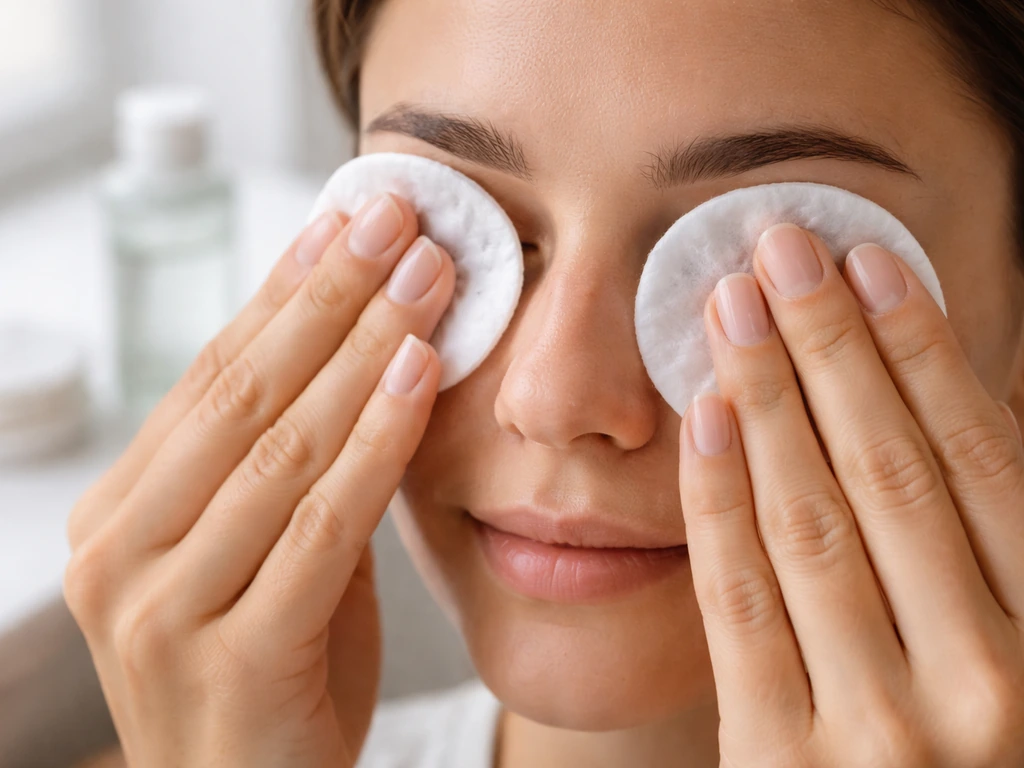
Use a gentle, oil-based or micellar cleanser to dissolve eye makeup rather than scrubbing it off. Press a soaked cotton pad against closed eyes for 10 to 15 seconds to let the product do the work, then wipe downward softly. Never drag horizontally across the lash line. Waterproof mascara is especially rough on lashes because removing it requires more friction; if you use it daily, switching to a regular formula alone can noticeably reduce breakage over a few weeks.
Reducing heat and mechanical stress
Heated lash curlers and prolonged heat exposure from hair dryers near the face weaken the lash shaft. If you curl your lashes, use a room-temperature curler and do it before applying mascara, not after, since dried mascara makes the lash more brittle under pressure. Sleeping on a silk or satin pillowcase reduces friction for people who sleep on their side.
Nutrition for follicle health

Hair follicles are among the most metabolically active structures in the body, which makes them sensitive to nutritional deficits. For eyelash growth specifically, the nutrients that matter most are protein (lashes are made of keratin, a protein), iron, zinc, and vitamins B7 (biotin), D, and E. If your diet is consistently low in any of these, lash quality and retention will suffer. You do not need supplements if your diet is balanced; food sources like eggs, leafy greens, legumes, nuts, and lean meats cover the bases for most people.
Sleep and stress management
Poor sleep and chronic stress elevate cortisol, which can push hair follicles into telogen prematurely. There is no magic number of hours, but consistently getting 7 to 9 hours and managing ongoing stress (whether through exercise, reduced caffeine, or whatever actually works for you) keeps the hormonal environment more favorable for follicle cycling. This is not a glamorous tip, but it is one of the most impactful systemic ones.
Home remedies and oils: what to use and how
Oil-based home remedies are by far the most searched approach for growing lashes naturally, and they do have some real-world utility, just not always for the reason people think. Most oils do not stimulate follicle growth in the way prescription treatments do. What they do is condition the lash shaft, reduce breakage, and in some cases improve the eyelid margin environment that follicles sit in.
Castor oil
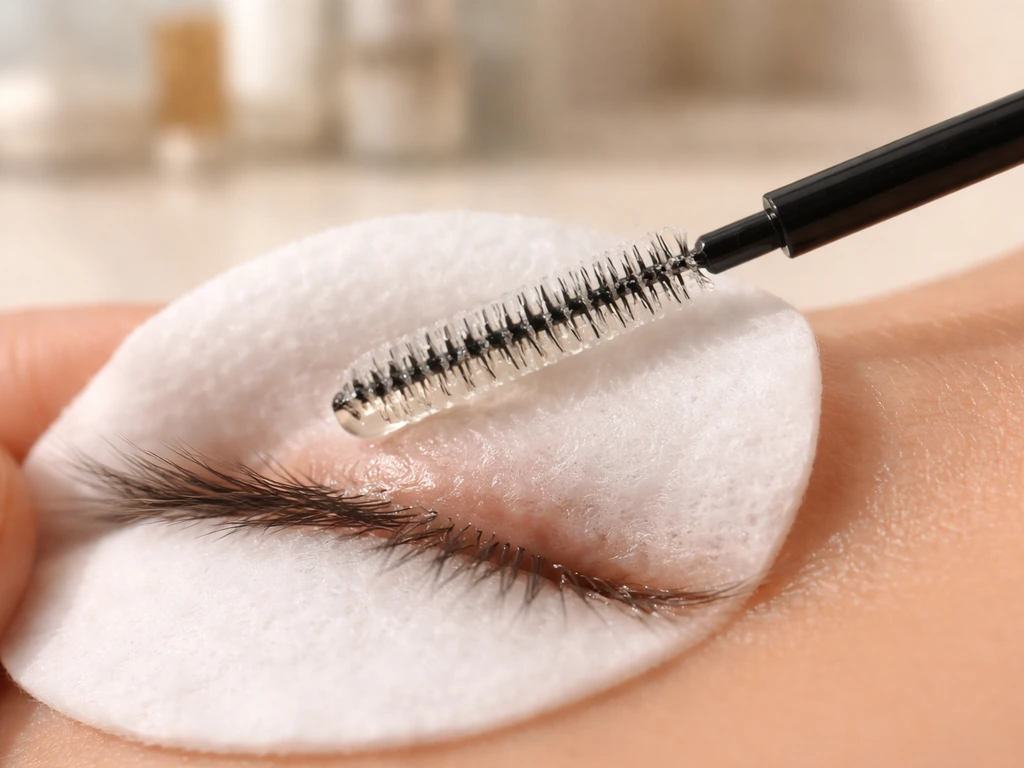
Castor oil is the most popular home remedy for lash growth, and it has more supporting context than most. A randomized clinical trial found that topical periocular castor oil applied twice daily for four weeks improved signs and symptoms of blepharitis, including at the lash margin. Separately, castor oil's ricinoleic acid content gives it anti-inflammatory properties that may help reduce the low-grade eyelid inflammation that can impair follicle cycling. A cosmetic ingredient safety assessment found that undiluted castor oil produced minimal ocular toxicity and was not significantly irritating or sensitizing in human clinical tests, though people prone to skin reactions should patch-test first.
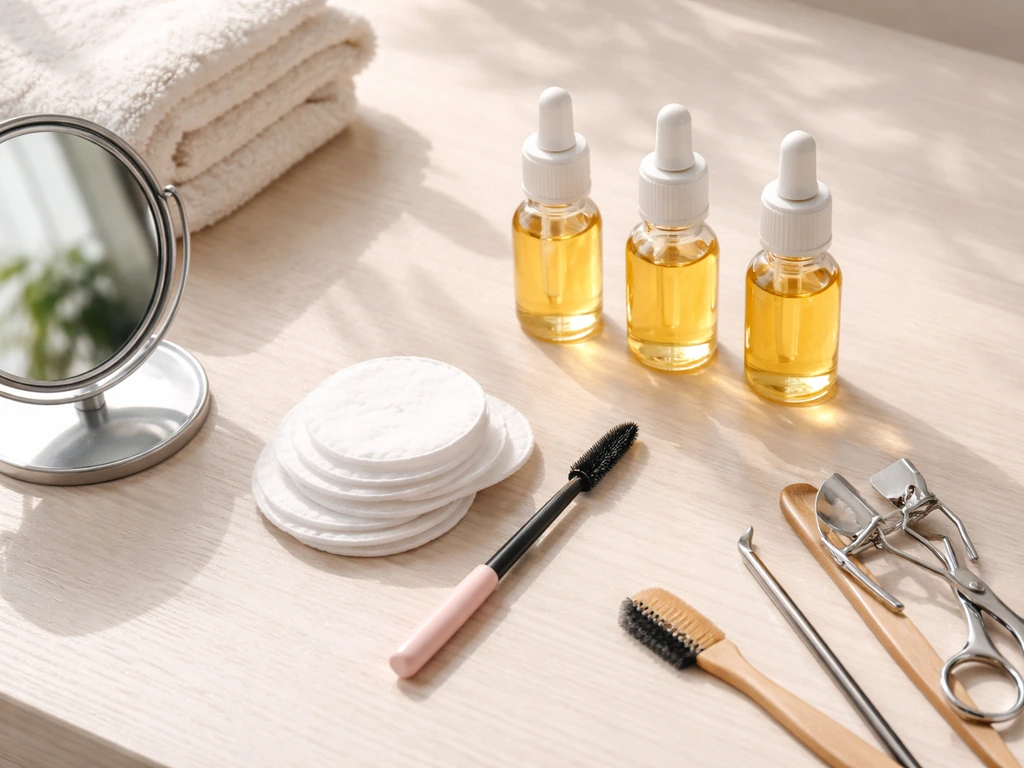
How to apply it: use a clean, disposable mascara wand or a clean fingertip. Dip lightly so you have a thin coating, not a dripping amount. Apply along the upper lash line before bed, keeping the oil on the skin at the lash base rather than directly on the lash shaft or eyeball. Wash off in the morning. Nightly use for 4 to 8 weeks is the minimum window to evaluate any effect.
Other oils worth trying
Vitamin E oil is a reasonable addition, either applied directly or by breaking open a capsule. It is a known antioxidant that supports skin barrier health at the follicle base. Coconut oil and argan oil are popular but primarily function as conditioning agents for the lash shaft, reducing protein loss and brittleness rather than directly stimulating growth. Olive oil is another mild option with similar conditioning effects. None of these have strong direct evidence for stimulating new eyelash growth, but they consistently reduce breakage when used regularly, which makes lashes appear longer and fuller over time.
| Oil | Primary benefit | Best evidence level | Safe for eye area? |
|---|---|---|---|
| Castor oil | Lash margin health, anti-inflammatory, conditioning | Clinical trial (blepharitis context) | Yes, with care; minimal ocular toxicity in safety testing |
| Vitamin E oil | Antioxidant support, follicle skin health | General antioxidant literature | Yes; avoid direct eye contact |
| Coconut oil | Shaft conditioning, reduces protein loss | Hair shaft studies | Yes; low irritation risk |
| Argan oil | Conditioning, reduces brittleness | Cosmetic studies | Yes; low irritation risk |
| Olive oil | Mild conditioning | General use | Yes; very low irritation risk |
Application safety around the eye
A few firm rules: always use a clean applicator each time, never double-dip into your oil supply, and keep containers sealed when not in use to prevent bacterial contamination. Less is more. Excess oil that migrates into the eye can temporarily blur vision and irritate the ocular surface. If you wear contact lenses, apply oils at night after removing them. Stop immediately if you notice redness, swelling, or itching that persists beyond a minute or two.
Choosing a growth product: non-prescription options, serums, and biotin
If you want to move beyond oils and lifestyle changes, the product landscape splits into two meaningful categories: over-the-counter lash serums and prescription bimatoprost (Latisse). They work very differently, and the gap in efficacy is real.
OTC lash serums
Most over-the-counter lash serums use peptides, panthenol, biotin, or low-concentration prostaglandin analogs to condition and modestly strengthen lashes. They generally do not extend the anagen phase the way prescription bimatoprost does. Some OTC serums contain prostaglandin analogs at lower concentrations than Latisse, and while they can produce cosmetic results, the safety data is less robust. The RANZCO ophthalmology body has issued position statements warning about periocular side effects from prostaglandin-containing OTC serums, including skin hyperpigmentation and periocular fat changes with prolonged use. That is worth knowing before committing to long-term use.
Prescription bimatoprost (Latisse)
Latisse (bimatoprost 0.03%) is the only FDA-approved treatment for eyelash hypotrichosis and has the strongest efficacy data. It works by increasing the percentage of lashes in anagen and extending the duration of that growth phase, which directly addresses the biological ceiling. That said, it requires a prescription for a reason. Reported adverse events include eye itching, conjunctival redness, eyelid skin pigmentation, and, in some cases, temporary eyelash loss or breakage listed as postmarketing reactions. It is a legitimate option when natural approaches are not enough, but it should be started with a doctor's guidance.
Does biotin actually help?
Biotin supplementation is heavily marketed for lash and hair growth, and it does help, but only if you are actually deficient in it. If your diet already includes eggs, nuts, salmon, and other biotin-rich foods, adding a biotin supplement will likely not change your lashes at all. True biotin deficiency causes hair and lash thinning, and correcting the deficiency restores normal growth. For most people eating a reasonably varied diet, biotin supplements are unnecessary for lash growth purposes. Protein intake, iron levels, and vitamin D status are often more relevant to investigate first.
Troubleshooting: damaged lashes, patchy regrowth, and post-extension recovery
If you are dealing with sparse or patchy lashes after extensions, the most important first step is removing all extension residue and letting the follicles rest. Eyelash extensions can cause traction alopecia when applied incorrectly or worn too long, meaning the repeated mechanical pull on the follicle disrupts normal cycling. Inflammatory reactions, including allergic blepharitis and contact dermatitis, are also documented extension complications that delay follicle recovery. In these cases, soothing the eyelid skin, stopping all irritant exposures, and giving the cycle time to reset is the actual treatment. Applying more products on already-irritated skin often makes it worse.
For patchy regrowth, check whether the patchiness corresponds to areas that had more mechanical trauma or adhesive contact. Patchy loss in specific zones usually points to localized follicle disruption rather than a systemic cause. If the pattern is diffuse and affects eyebrows too, a systemic issue like thyroid dysfunction, nutritional deficiency, or autoimmune alopecia areata is more likely and warrants a medical evaluation rather than topical remedies.
If your lashes went through a heavy shedding phase following stress, illness, or a major hormonal shift (postpartum being a common one), treat it like telogen effluvium. Address the root trigger, support your nutrition, and wait. The shedding stops before regrowth becomes visible, so there is a frustrating lag period. Continuing to apply oils and eat well during that lag is still worthwhile for supporting the environment, but it will not shortcut the timeline.
One practical note for anyone trying to accelerate regrowth after a break from extensions or overuse of mascara: a gentle daily lash massage along the lash line (using clean fingertips) may modestly improve circulation at the follicle base. Keep it light, 20 to 30 seconds, and only do it on skin that is not inflamed or broken.
Safety, warning signs, and when to see a professional
Growing lashes naturally at home is low-risk when done sensibly, but there are real stop signs worth knowing. If you want a clear, step-by-step routine in Hindi, follow the guide on how to grow eyelashes naturally at home. The eye area has very little tolerance for contaminated products, prolonged irritant exposure, or ongoing inflammation.
Signs to stop and reassess
- Persistent redness, swelling, or itching at the lash line after applying any oil or product: stop use and wait 48 hours before trying again, if at all
- Eyelashes growing in an abnormal direction and touching the eye surface (trichiasis): this causes pain, tearing, and redness and needs a medical evaluation, not home management
- Sudden, significant lash loss with no obvious mechanical cause: this is a clinical sign, not a cosmetic issue, and warrants seeing a dermatologist or ophthalmologist
- Lash loss accompanied by eyebrow loss, scalp hair shedding, or skin changes: likely a systemic condition requiring diagnosis
- Any chemical injury or severe irritation following extension removal: this can cause keratitis and corneal damage; seek eye care promptly
Scarring vs non-scarring lash loss
The most important clinical distinction for eyelash regrowth is whether follicles are intact or permanently damaged. Non-scarring madarosis (lash loss from temporary causes like inflammation, traction, or medication effects) is reversible. Scarring madarosis, caused by destructive processes that replace the follicle with scar tissue, is not. A dermatologist or ophthalmologist can usually distinguish these; home remedies cannot reverse scarring follicle damage, and continuing to apply products to a scarred follicle zone is pointless. If you have had significant chemical exposure, radiation, severe burns, or chronic eyelid disease and are not seeing any regrowth after several months, get an evaluation to determine whether follicles are still viable.
Contamination and hygiene rules
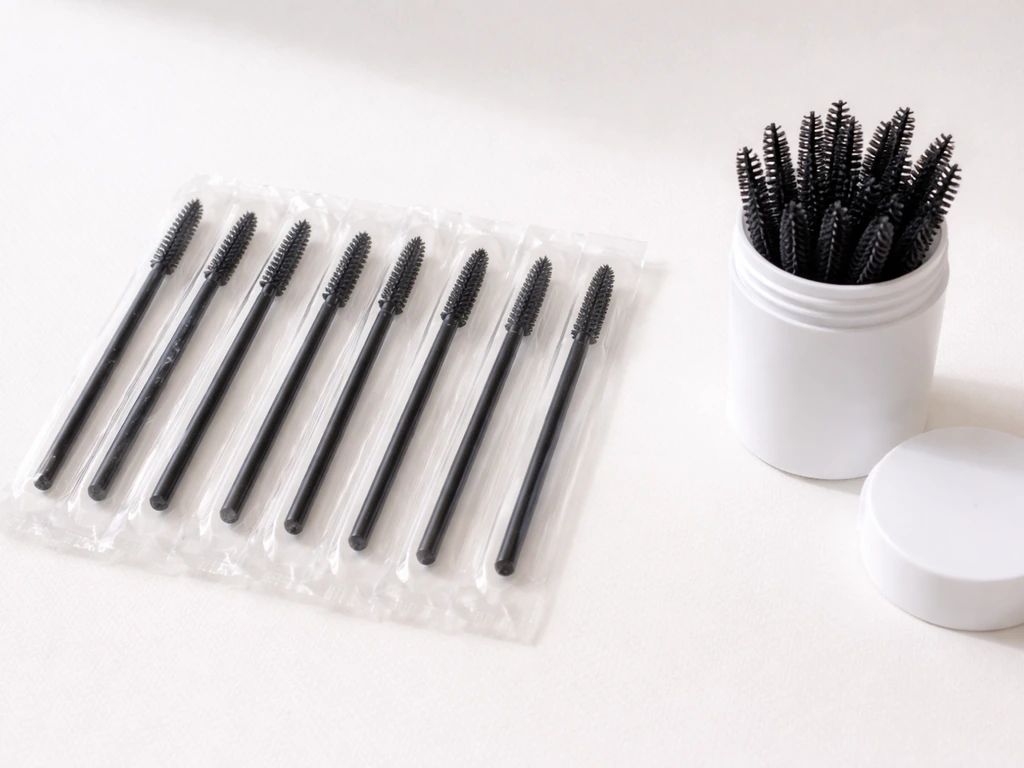
Always use clean applicators. A shared mascara wand used to apply castor oil or any other product near the eye line is a contamination risk. Disposable mascara spoolies are cheap and worth it. Do not use the same dropper or jar applicator for weeks without cleaning it. Keep lids tightly closed between uses. Any product that has changed color, smell, or texture should be discarded.
When to see a professional
See an ophthalmologist if you have eye pain, vision changes, persistent redness, or symptoms of ocular surface disease. See a dermatologist if lash loss is diffuse, progressive, or associated with skin or scalp changes. See your primary care provider if you suspect a systemic trigger like thyroid disease, iron deficiency, or a recent hormonal shift. Natural home methods are genuinely effective for many people, but they are not a substitute for diagnosis when something is clinically wrong.
The practical plan: what to actually do starting today
The most effective at-home approach stacks protective habits with consistent oil use and nutritional support. If you are looking for how to grow eyelashes naturally at home overnight, the key is focusing on habits that reduce breakage and support healthy follicle cycling. Start by eliminating the damage sources: gentler makeup removal, no waterproof mascara every day, no harsh rubbing. Add nightly castor oil along the lash line using a clean spoolie. Audit your diet for protein, iron, and vitamin D; supplement only if you have a documented deficiency. Give it a full 8 weeks before you evaluate results, because one lash cycle is the minimum meaningful window. If you want faster, more dramatic results and none of the above is moving the needle, a conversation with a dermatologist about prescription bimatoprost is the honest next step.
- Switch to gentle, oil-based or micellar eye makeup remover and stop scrubbing
- Apply a thin layer of castor oil along the upper lash line nightly using a clean disposable spoolie
- Eat enough protein daily (at least 0.8 g per kg of body weight) and get regular sources of iron and zinc
- Stop using waterproof mascara daily and reduce heated curler use
- Sleep on a silk or satin pillowcase if you are a side sleeper
- Get a blood test if you suspect iron, ferritin, vitamin D, or thyroid issues
- Evaluate after 8 full weeks before deciding whether to try an OTC serum or seek a prescription option
FAQ
How long should I try natural lash growth methods before expecting results?
Plan on evaluating after 8 weeks of consistent habits and nightly oil application, since a meaningful change typically needs at least one full growth-and-shed cycle. If you saw no improvement by 2 to 3 months, reassess for causes like ongoing irritation, extension trauma, or a systemic trigger.
Can I use lash growth oils if I have blepharitis or frequent eye irritation?
Be cautious. Castor oil may help some eyelid margin inflammation, but if your eyes are already red, itchy, or gritty, start by controlling the underlying eyelid issue first. Stop any product that worsens symptoms and consider an ophthalmologist if irritation persists.
Is it safe to apply castor oil or other oils during the day?
It is safer at night for most people. Daytime application increases the chance of oil migrating into the eye, which can blur vision and irritate the ocular surface. If you must use it daytime, use a very thin amount and avoid contact with the inner lash waterline.
Will biotin supplements grow eyelashes faster even if my diet is good?
Usually no. Biotin mainly helps if you are deficient. If you already eat biotin-rich foods (like eggs, nuts, legumes, and meat), prioritize protein intake, iron status, and vitamin D, since those are more often linked to lash quality and retention.
Do OTC lash serums work, or are they mostly marketing?
Some can improve lash appearance by conditioning and reducing breakage, and a few may modestly support density. However, they generally do not extend the growth phase as strongly as prescription bimatoprost, and prostaglandin-containing products can carry specific side effects with long-term use, so check the ingredient type and your risk profile.
I used to use extensions, now my lashes are patchy. Should I keep applying oils to fill gaps?
Continue only if the eyelids are not irritated and extension residue is fully removed. Patchy loss often reflects localized follicle disruption, but if the pattern worsened or your eyelids are inflamed, adding more products can delay recovery. In persistent or progressive cases, get assessed to rule out traction damage or allergic contact dermatitis.
How can I reduce breakage if my lashes keep snapping at the tips?
Focus on friction and removal habits first: avoid rubbing, do not tear off mascara, and use gentle cleansing by pressing remover onto closed eyes for a short time. If you curl lashes, use room-temperature tools and curl before mascara, since dried mascara can make lashes more brittle under pressure.
Can I use eyelash oil if I wear contact lenses?
Yes, but time it carefully. Apply oils after removing lenses and avoid re-inserting contacts until the product is fully off (or if it is meant for overnight use, keep lenses out until you cleanse in the morning). Oils that get onto the lens can increase irritation.
What are the safest ways to apply oils to avoid contamination and irritation?
Use a disposable mascara wand or clean fingertip every time, do not double-dip, and keep the container tightly sealed. If an applicator or dropper touches the eye area, discard and start fresh to reduce contamination risk.
When should I stop home treatments and see a doctor?
Seek urgent ophthalmology care for eye pain, vision changes, persistent redness, or symptoms of ocular surface disease. See a dermatologist or ophthalmologist if lash loss is progressive, diffuse, or linked with skin or scalp changes, and consider primary care if you suspect thyroid issues, iron deficiency, or a recent hormonal shift.
Next Article
How to Naturally Grow Eyelashes: Safe At-Home Steps
Evidence based steps to naturally grow, thicken, and regrow eyelashes safely at home with proper care and recovery timel