What natural approaches can realistically do is reduce the things that slow or stall your lash growth (damage, inflammation, poor follicle environment) and support the follicles that are already doing their job. What they cannot do is force lashes to grow faster than your biology allows or meaningfully extend maximum length beyond your genetic ceiling. That distinction matters, because plenty of products and social media routines oversell the first category while quietly relying on the second.
There is a meaningful difference between growing lashes naturally when they are healthy but short, and regrowing them after damage, extensions, or a medical condition. Both are possible with a natural approach, but recovery takes longer and requires removing the original cause of loss first. The sections below walk through each scenario with specific timelines and steps.
How eyelash growth actually works: the cycle, the timeline, and why lashes stop
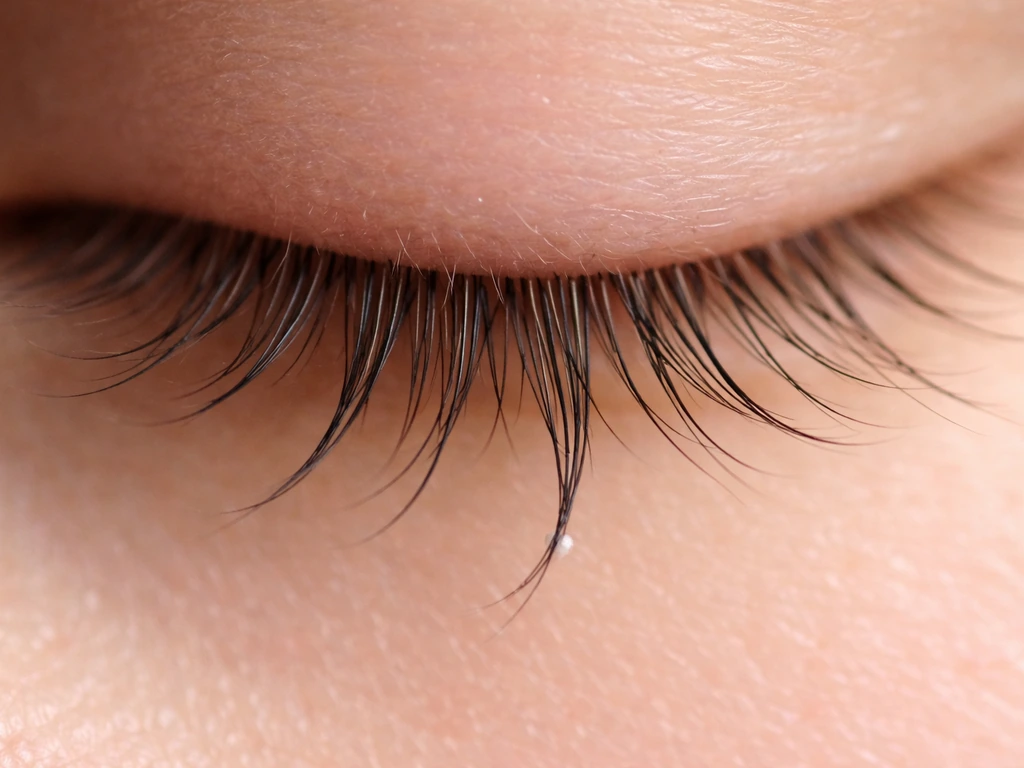
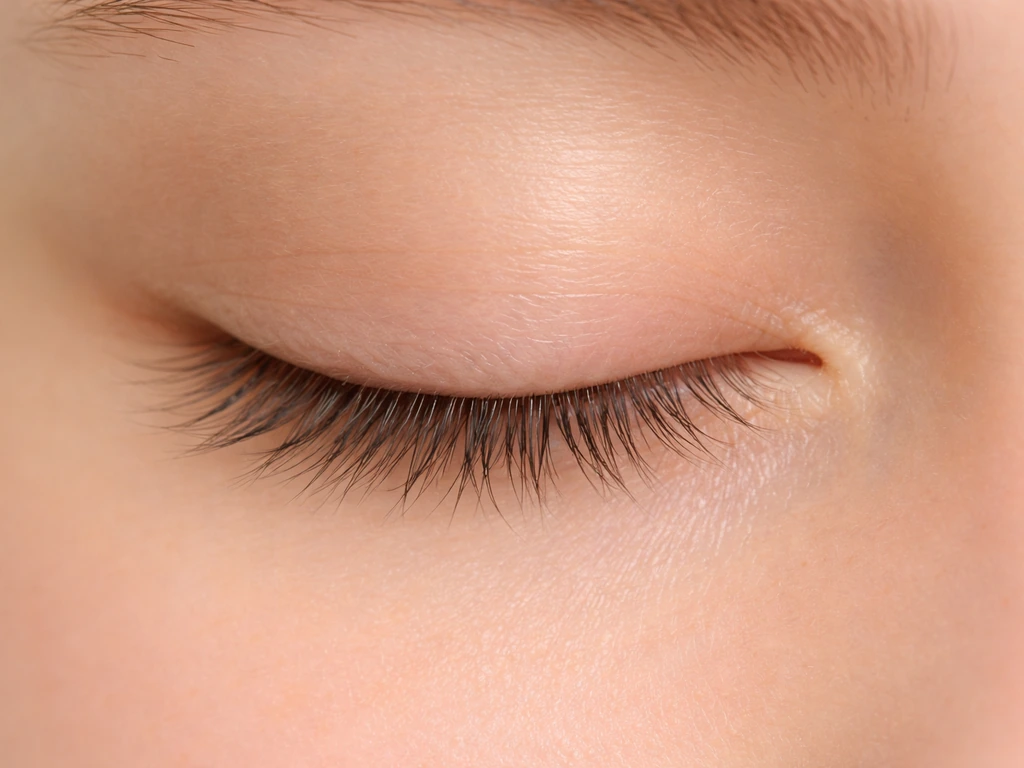
Every eyelash goes through three phases: anagen (active growth), catagen (transition and degradation), and telogen (rest and shedding). StatPearls clinical literature describes catagen as a short transition phase lasting around 15 days, during which the lash converts to a club hair and growth stops. The full cycle from new growth to natural shedding typically runs between 4 and 11 months depending on the individual. Upper lashes have around 90 to 160 lashes at any given time, and because each one is at a different phase, you are always shedding and replacing a small number daily. That is normal.
The reason lashes stop growing, thin out, or fall prematurely usually comes down to one of a few blockers: physical damage to the follicle (from rubbing, extensions, or tools), chronic inflammation at the eyelid margin (blepharitis is a common culprit), nutritional deficiencies that deprive follicles of what they need, or aggressive product use that causes contact dermatitis or allergy. Understanding which blocker applies to you is more useful than any oil or supplement, because if the blocker is still present, no topical remedy is going to overcome it.
Common reasons lashes thin or stall
- Traction from extensions, eyelash curlers, or rubbing pulling hairs out before the end of their cycle
- Allergic blepharitis or contact dermatitis from glues, formaldehyde-containing tapes, or eye cosmetics
- Chronic blepharitis causing inflammation at the follicle base and scaling along the lash line
- Nutritional gaps, particularly in biotin, iron, zinc, and protein
- Hormonal shifts (thyroid issues, postpartum changes) that push more follicles into telogen simultaneously
- Aging, which shortens the anagen phase and reduces lash density over time
What actually helps lashes grow naturally
The honest answer is that the strongest clinical evidence for eyelash growth belongs to prescription bimatoprost, which in a multicenter, double-masked, vehicle-controlled study achieved a meaningful improvement in global eyelash assessment in 78.1% of subjects versus 18.4% with vehicle after 16 weeks. That is a prescription medication, not a natural approach. What the evidence does support for natural methods is mostly indirect: keeping the follicle environment healthy, reducing inflammation, conditioning lashes to reduce breakage, and correcting nutritional deficiencies that limit growth. None of those are flashy, but they work because they remove the actual obstacles.
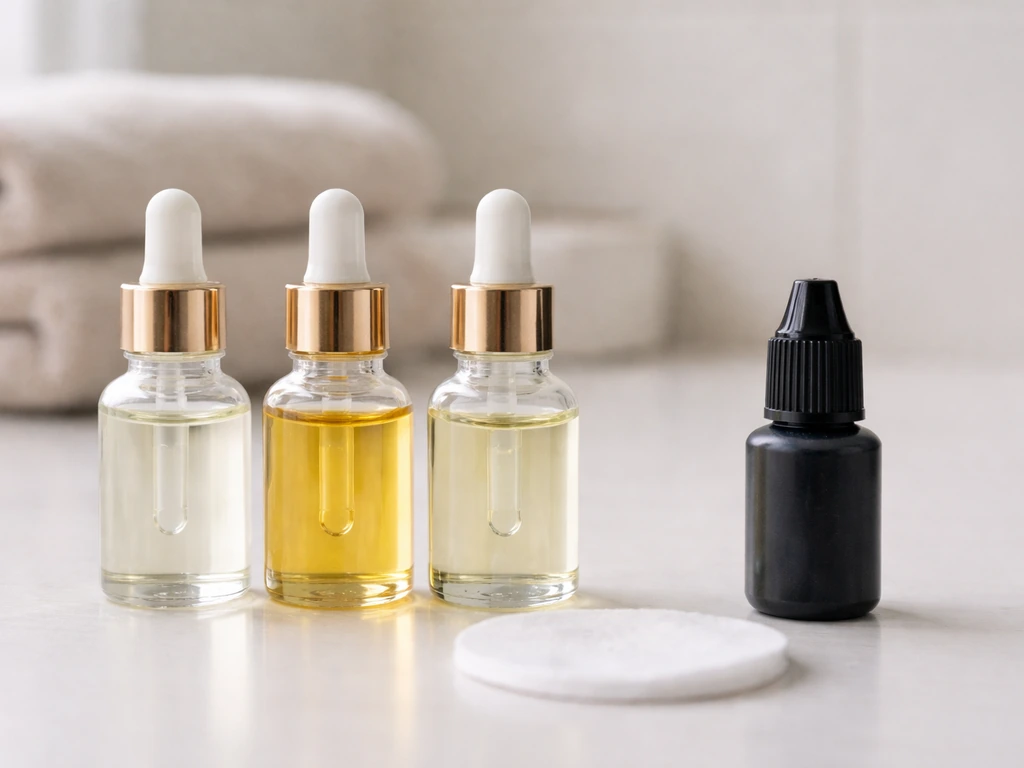
Castor oil, argan oil, and vitamin E oil are the most popular at-home choices. The mechanism is conditioning rather than pharmacological stimulation. They coat the lash shaft to reduce breakage and may help maintain a healthy follicle environment, but there is no robust clinical trial proving castor oil extends lash length the way bimatoprost does. That does not make them useless; it means you should use them to protect and condition rather than to dramatically lengthen. Gentle daily massage along the lash line can also improve local circulation, which supports follicle health, though again the evidence here is mechanistic rather than from large controlled trials.
A practical at-home routine for longer, thicker, fuller lashes
A consistent routine beats any single miracle product. In this guide, you will learn how to grow eyelashes naturally at home by following a routine that supports the lash growth cycle A consistent routine beats any single miracle product. In this section, we focus on a practical approach to <a data-article-id="A4EBCC6C-82F5-4AD8-AF1B-959DC36FD7E9">how to grow eyelids naturally at home. </a>.
The routine below is designed to reduce lash loss, improve the follicle environment, and condition existing lashes for better retention. If you follow an at-home routine like this consistently, it can support how to grow eyelashes naturally at home by improving lash retention and the follicle environment. You can adapt the frequency to your lifestyle, but consistency over 6 to 12 weeks is what produces noticeable results.
- Every evening: Remove makeup gently with a non-oily, ophthalmologist-tested micellar water or lash-safe makeup remover. Never rub or pull. Use a soft cotton pad and press lightly, then sweep downward.
- 2 to 3 times per week (or nightly if you have blepharitis symptoms): Apply a warm compress to closed eyelids for 5 to 10 minutes. NHS and VA clinical guidance both recommend warm compresses as the cornerstone of daily eyelid hygiene for blepharitis, which is one of the most underdiagnosed causes of lash thinning.
- After warm compress: Gently clean the lash line with a diluted baby shampoo or purpose-made lid scrub on a cotton swab, working along the base of the lashes to remove debris, oils, and any crusting.
- Every night: Apply a very small amount of a lash-safe oil (castor oil, argan oil, or vitamin E oil) using a clean mascara wand or cotton swab, focusing on the lash roots rather than the tips. Avoid getting oil into the eye itself.
- Daily: Take a look at your diet. Lash follicles need protein, biotin (found in eggs, nuts, and whole grains), iron, and zinc. If your diet is consistently low in any of these, consider a targeted supplement after checking with a clinician.
- Ongoing behavior changes: Ditch the lash curler if your lashes are fragile or recovering. Avoid waterproof mascaras if you are actively regrowing (they require harder removal). Sleep on a silk pillowcase if friction is a concern.
This routine addresses the most common growth blockers simultaneously. The warm compress and lid hygiene steps in particular are worth emphasizing because they are backed by clinical guidance and are almost always skipped in "natural lash growth" content online. The NHS advises using warm flannel or cotton wool placed on closed eyelids for 5 to 10 minutes as part of eyelid hygiene for blepharitis. If blepharitis-related inflammation is quietly suppressing your follicles, no oil routine is going to compensate for that.
How fast can lashes grow naturally: what's realistic versus overhyped
Human eyelashes grow at approximately 0. 12 to 0. 14 mm per day, which works out to roughly 3 to 4 mm per month. [Eyelashes grow at approximately 0.
12 to 0. 14 mm per day](https://www. ncbi. nlm.
nih. gov/sites/books/n/statpearls/article-44002/), and the catagen phase lasts about 15 days when the lash converts to a club hair and growth stops. That is the biological ceiling for growth rate, regardless of what you apply topically. No oil, serum, or supplement will meaningfully exceed that.
What you can influence with a good routine is lash retention (keeping more of the lashes you grow instead of losing them to breakage or premature shedding) and lash health (shinier, less brittle, better conditioned). When people report dramatic results from at-home methods in two weeks, they are usually experiencing improved retention and conditioning, not accelerated growth.
A realistic natural timeline: you should see some improvement in lash fullness and condition within 6 to 8 weeks of a consistent routine. Noticeable changes in length, if there is underlying deficiency or damage being corrected, typically show up between 8 and 16 weeks. For comparison, prescription bimatoprost in controlled studies showed significant measurable results at 16 weeks with daily use.
The natural route takes at least as long and produces more modest results, but carries none of the prescription medication risks. If you want an honest benchmark, commit to 12 weeks before deciding whether the approach is working for you. Related overnight approaches tend to be more about intensive conditioning than actual accelerated growth, so expectations there should be similarly calibrated.
If you are aiming for an overnight routine, focus on conditioning and reducing breakage rather than expecting true accelerated growth.
Growing lashes back after damage or extensions: a recovery plan
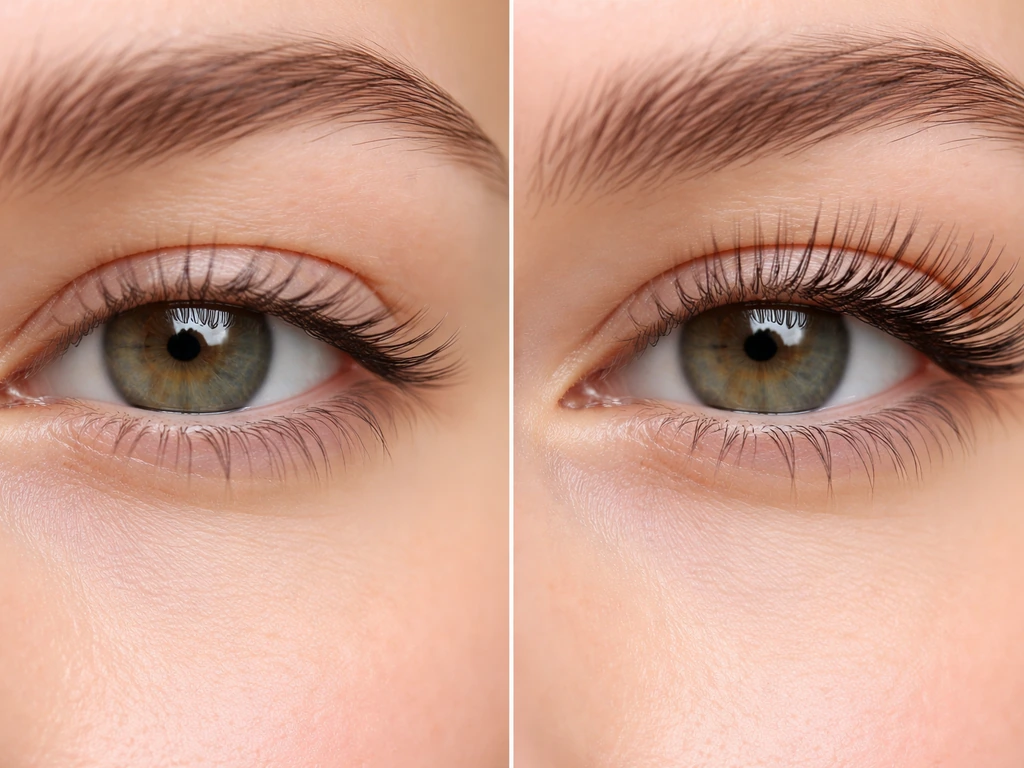
If your lashes thinned out or fell from extensions, rubbing, or a reaction, recovery follows a different path than simple enhancement. The first priority is stopping the cause of damage before anything else. American Academy of Ophthalmology sources document that eyelash extensions are associated with traction alopecia and allergic blepharitis, and that formaldehyde in extension glues and fixing tapes is a likely driver of allergic reactions. University of Utah Health guidance specifically recommends taking a break between extension sets to allow follicle recovery. If the follicle is still being subjected to traction or chemical exposure, it cannot recover regardless of what you apply to it.
Once you have removed the cause, recovery typically follows the lash growth cycle. If follicles were not permanently damaged, you can expect initial regrowth to appear within 6 to 8 weeks, with fuller recovery at 3 to 6 months. This timeline aligns with the anagen phase restarting after the follicle exits a forced or stress-induced telogen rest. Traction alopecia, if mild, is usually reversible; severe or long-standing follicle damage can result in permanent loss, which is why catching it early matters.
- Stop the cause: Remove extensions professionally, stop using the product or tool that caused the reaction, and avoid all lash-curling or tugging until lashes have visibly recovered.
- Treat any remaining inflammation: If you have redness, swelling, or scaling along the lash line, start warm compresses and gentle lid hygiene daily. If symptoms persist beyond 1 to 2 weeks, see a clinician, as blepharitis or contact dermatitis may need treatment.
- Condition the lash line nightly with a small amount of castor or argan oil to support the follicle environment during regrowth.
- Be patient with the timeline: Early regrowth hairs are thin and may look different from your original lashes. That is normal. Full restoration typically takes 3 to 6 months.
- Avoid mascara and heavy eye cosmetics on the recovering area for at least 4 to 6 weeks, or until regrowth is clearly established.
Ingredients to use (and ones to avoid)

Not all lash-adjacent ingredients are created equal, and the eye area is sensitive enough that a bad ingredient choice can set you back rather than help. Here is a practical breakdown of what the evidence and safety data support.
| Ingredient / Product | Use Case | Evidence Level | Safety Notes |
|---|
| Castor oil (cold-pressed, hexane-free) | Conditioning, reducing breakage, follicle environment | Anecdotal/mechanistic; no large RCTs | Generally well tolerated; avoid getting directly in eyes; test on skin first |
| Argan oil | Conditioning shaft and follicle area | Limited but reasonable for conditioning | Low irritation risk; suitable for sensitive skin |
| Vitamin E oil (tocopherol) | Antioxidant support, conditioning | Some mechanistic support; limited lash-specific trials | Use sparingly; can cause milia if overused around eyes |
| Biotin (oral supplement) | Supports keratin production if deficient | Evidence mainly in people with deficiency; limited benefit if levels are normal | Generally safe; high doses unnecessary; check with clinician |
| Peptide-based lash serums | Conditioning and support; some marketed for length | Variable; few have rigorous clinical data | Check ingredient lists for prostaglandin analogs if sensitive to darkening effects |
| Bimatoprost (Latisse, prescription only) | Clinically proven lash growth in hypotrichosis | Strong RCT evidence (78.1% responder rate at 16 weeks vs 18.4% vehicle) | Side effects include periocular hyperpigmentation, iris pigmentation, madarosis, eyelid edema; requires prescription |
| Formaldehyde-containing extension glues/tapes | Avoid entirely | Associated with allergic blepharitis and follicle damage | AAO identifies as driver of allergic reactions |
| Waterproof mascara (during regrowth) | Avoid during active recovery | Requires aggressive removal, increasing traction and breakage risk | Switch to tubing or regular formula during recovery phases |
On the biotin question specifically: biotin (vitamin B7) is widely marketed for hair and lash growth. The evidence supports it mainly when there is an actual deficiency, which is not as common as supplement marketing implies. If you eat a reasonably varied diet with eggs, nuts, and whole grains, you are likely getting adequate biotin already. Taking more does not produce more growth beyond what your follicles can do biologically. If you suspect a deficiency (brittle nails, hair loss across the scalp, skin issues), a blood panel with a clinician will give you a definitive answer.
Safety, troubleshooting, and when to get a clinician involved
The eye area is not a forgiving testing ground. The FDA's guidance on eye cosmetic safety is direct: if a product causes any irritation, stop using it immediately. That advice applies to oils, serums, and any topical you introduce near the lash line. Itching, redness, swelling, or watering eyes after applying something new is a signal to remove it gently with clean water and discontinue use, not to push through hoping it settles.
Increased shedding during the first 2 to 4 weeks of a new routine is sometimes normal, reflecting the telogen effluvium-like response when follicles transition phases. But if shedding is heavy, patchy, or accompanied by visible bald spots along the lash line, that is not a routine adjustment response. Similarly, if you notice lash loss concentrated in one area with redness or scaling, blepharitis or an allergic reaction is more likely than normal cycling. If you suspect blepharitis or an allergy and are troubleshooting shedding, also revisit how to grow eyelids naturally with a routine focused on eyelid hygiene and gentle conditioning.
When to stop at-home efforts and see a clinician
- Significant lash loss (more than 25 to 30% of density) that has not begun to recover within 8 weeks of removing the suspected cause
- Persistent redness, swelling, or crusting along the eyelid margin that does not respond to warm compresses and lid hygiene within 1 to 2 weeks
- Any signs of an allergic reaction: intense itching, eyelid edema, or conjunctival redness after applying a new product
- Lash loss accompanied by eyebrow thinning or scalp hair loss, which may point to a thyroid or autoimmune condition
- Eye pain, changes in vision, or discharge, which require urgent ophthalmologic evaluation regardless of lash status
- No improvement after 12 to 16 weeks of a consistent, well-executed natural routine, at which point discussing prescription options with a dermatologist or ophthalmologist is a reasonable next step
One practical note on prescription options: if you and a clinician decide bimatoprost is appropriate, it is worth knowing that the same prescribing information that documents its effectiveness also lists postmarketing adverse events including madarosis (lash loss) and trichorrhexis (temporary lash breakage) in addition to the better-known pigmentation side effects. That is not a reason to avoid it if it is medically indicated, but it is a reason to use it under guidance rather than sourcing it informally. Natural approaches, for all their slower timeline, do not carry those specific risks when used with reasonable care and good ingredient choices.
Growing eyelashes naturally is less about a single hero product and more about consistent habits: protecting what you have, keeping the eyelid environment healthy, conditioning lashes to reduce breakage, and giving follicles the nutritional support they need. If you are recovering from damage, that means adding the step of eliminating the cause first and giving the biology time to catch up. Twelve weeks of a clean, consistent routine will tell you more about your lashes than any before-and-after photo from a brand.