If you want to grow your eyelashes, the honest answer is: a few things genuinely work, most things do not, and the biggest factor is understanding why your lashes are sparse in the first place. Whether you're recovering from extension damage, dealing with thin lashes you've always had, or noticing sudden shedding, the path forward is the same: stop what's causing damage, support the growth cycle, and pick the right tool for your situation. Here's exactly what that looks like.
What Grow Eyelashes: What Works, What’s Hype, Timelines

Rachel Nguyen
20 Apr 2026
How eyelashes actually grow (and why they stop)
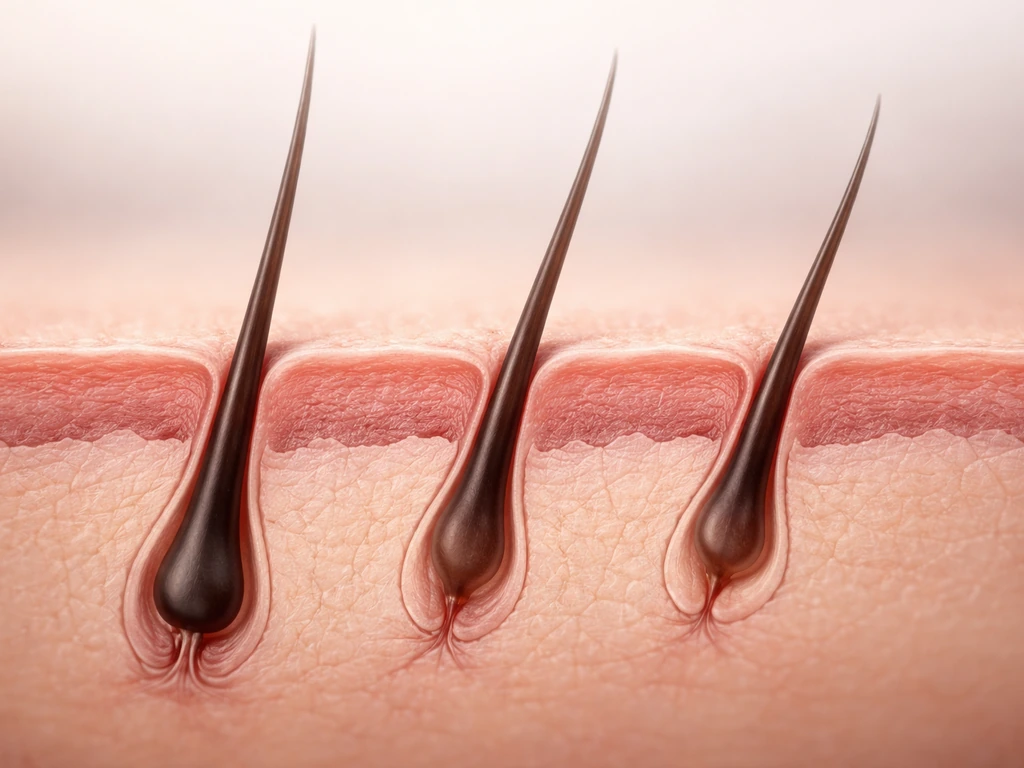
Eyelash follicles cycle through three phases: anagen (active growth), catagen (transition), and telogen (rest and shedding). The key thing to understand is that eyelash anagen is much shorter than scalp hair anagen, roughly 2 to 3 months compared to years on your head. Catagen lasts about 3 to 4 weeks. Telogen, the resting phase where the hair sits in the follicle before falling out, lasts 4 to 9 months. That long telogen window is why lash regrowth feels slow, and why a lash you lose today might not visibly replace itself for several months.
Lashes stop growing or stay short for a few reasons: the anagen phase is genetically short (which determines maximum length), follicles are physically damaged or inflamed, underlying conditions like alopecia or thyroid dysfunction are disrupting the cycle, or repeated mechanical trauma (rubbing, pulling, extensions) is breaking hairs before they reach full length. Knowing which of these applies to you is what determines which solution actually works.
What actually helps lashes grow: serums vs. oils vs. other remedies
There is really only one ingredient with strong clinical evidence behind it for eyelash growth: bimatoprost, the active ingredient in the prescription product Latisse. Everything else, including castor oil, peptide serums, and vitamin E, sits somewhere between plausible and unproven. That doesn't mean natural options have zero value, but it does mean you need to calibrate your expectations before you spend money or months waiting for results.
Prescription bimatoprost (Latisse)
Bimatoprost 0. 03% is a prostaglandin analogue originally developed as a glaucoma eye drop. A [randomized, double-masked, vehicle-controlled study](https://pmc. ncbi.
nlm. nih. gov/articles/PMC3047948/) in 278 patients found statistically significant improvements in lash length, fullness, and darkness at weeks 8, 12, and 16 compared to vehicle (the inactive comparison). One clinical review reported that bimatoprost produced more than a 12-fold greater increase in eyelash length than vehicle, with a mean increase of about 1.
4 mm in the bimatoprost group versus 0. 1 mm in the vehicle group. That's real, measurable growth. You apply a single drop to the upper eyelid margin at the base of the lashes using a sterile disposable applicator, once nightly.
You blot excess product so it doesn't run onto other skin. More is not better, and applying it to the lower lid is not recommended. The side effects are real too: conjunctival redness, ocular irritation, dry eye, eyelid skin darkening, and in some cases unwanted hair growth on surrounding skin if product spreads. These events occurred in under 4% of patients in clinical trials, but they're worth knowing about before you start.
Over-the-counter lash serums
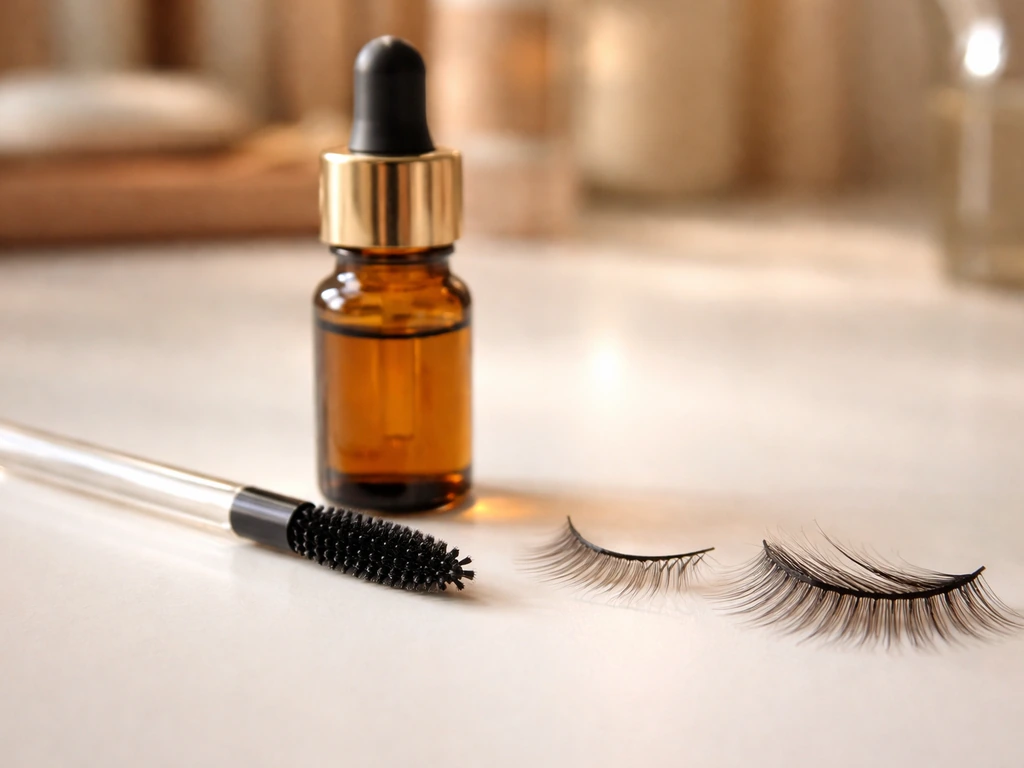
Many OTC serums marketed for lash growth contain peptides, panthenol, biotin, and sometimes isopropyl cloprostenate, a prostaglandin analogue similar to bimatoprost. Products with prostaglandin analogues carry some of the same side effect risks as Latisse (periocular skin darkening, potential iris color changes with repeated use) without the regulatory oversight of a prescription product. Peptide-based serums without prostaglandins are generally safer but have much weaker evidence for actual growth. They may help condition existing lashes and reduce breakage, which can make lashes appear fuller, but that's not the same as stimulating follicle activity.
Castor oil
Castor oil is probably the most popular at-home remedy. It's been studied in a periocular context for blepharitis (eyelid inflammation), and there is some evidence it supports eyelid margin health and the tear film. What's missing is a direct randomized controlled trial showing castor oil increases lash length or density. That said, applying castor oil to a clean lash line each night is low-risk, costs very little, and may help reduce lash breakage by conditioning the hair shaft and supporting a healthier eyelid environment. Think of it as supportive care rather than a growth stimulator.
Popular ingredients: what's promising and what's not

| Ingredient | Evidence level | What it actually does | Worth trying? |
|---|---|---|---|
| Bimatoprost (Latisse) | Strong clinical trials | Extends anagen phase, increases length, thickness, darkness | Yes, with a prescription and awareness of side effects |
| Castor oil | Weak (eyelid health context only) | Conditions lashes, supports lid margin health | Yes, as low-risk supportive care |
| Biotin (oral) | Weak for people without deficiency | May support hair growth if you're biotin-deficient | Only if you have a confirmed deficiency |
| Peptide serums (no prostaglandin) | Very limited | May reduce breakage and condition lashes | Reasonable for maintenance, not regrowth |
| OTC serums with prostaglandin analogues | Moderate, but unregulated | Similar mechanism to Latisse, less oversight | Use caution; similar side effect risk applies |
| Vitamin E oil | Anecdotal only | Antioxidant; no direct lash growth evidence | Low risk, low evidence |
| Olive/coconut oil | Anecdotal only | Conditioning only, no follicle stimulation evidence | Fine for conditioning, won't grow lashes |
Biotin deserves a specific callout because it's heavily marketed for hair growth. Oral biotin supplementation has shown benefits for hair and nail growth in people with a biotin deficiency, but most people eating a balanced diet are not deficient. If you're already getting enough biotin from food, adding more likely won't move the needle on your lashes. It's not harmful, but it's also not a reliable growth strategy unless you've actually had your levels tested.
An at-home routine that actually supports growth
The most underrated lash-growth strategy is simply stopping the things that are breaking your lashes. If you want the fastest path to longer lashes, focus on the right cause-and-solution approach, and use evidence-backed options for how do you grow eyelashes. Mechanical trauma, harsh makeup removal, rubbing your eyes, and sleeping face-down on a pillow can all fragment lashes before they reach full length. Pair that with a consistent supportive routine, and many people see improvement without any active growth product.
- Remove eye makeup gently every night. Use a micellar water or oil-based cleanser on a soft pad. Press and hold rather than rub. This alone prevents a surprising amount of breakage.
- Wash your eyelid margins regularly. Warm water plus a gentle lid-safe cleanser (or a commercially available lid wipe) removes debris and bacteria that can cause low-grade inflammation and disrupt follicle health. This is especially relevant if you have blepharitis.
- Apply castor oil or a conditioning serum to the lash line before bed. Use a clean mascara wand or cotton swab. A thin coat is enough. Do this consistently for at least 8 to 12 weeks before evaluating results.
- Avoid waterproof mascara daily. Waterproof formulas require heavy rubbing to remove, which causes mechanical damage over time. Save them for special occasions.
- Don't curl lashes aggressively or use a heated curler too close to the root. Crimping near the follicle can cause breakage right at the base.
- Sleep on a silk or satin pillowcase if you sleep on your side or stomach. The reduced friction makes a measurable difference in hair breakage over weeks.
- If you're using Latisse or a prostaglandin serum, apply it after your nightly face routine on clean dry skin, and blot any excess away from the eyelid edges.
Consistency matters more than any single product. The follicle cycle moves slowly, and any supportive routine needs at least two to three months of uninterrupted use before you can realistically judge whether it's working.
How long it realistically takes to see results
This is where a lot of people give up too early, or expect too much too fast. Here's a realistic timeline based on what the biology and the clinical data actually show:
- Weeks 1 to 4: No visible change. This is normal. You're working within the existing cycle of lashes that are already in catagen or telogen.
- Weeks 4 to 8: Possibly some early new growth visible at the inner corner or along the lash line if you're using bimatoprost. With natural methods, you may just be noticing less breakage.
- Weeks 8 to 12: The point where bimatoprost clinical trials showed statistically significant improvements in length, thickness, and darkness. This is when most people using Latisse notice a clear difference. With castor oil or peptide serums, some people see modest improvement by week 10 to 12, mostly in lash condition and reduced shedding.
- Months 3 to 6: For lashes growing back after damage (extensions, breakage, medical triggers), you're looking at this range for visible recovery, because new lashes need to complete a full anagen phase of up to 3 months before reaching full length.
- 6+ months: If you've had significant follicle damage or a medical cause of lash loss, recovery can take this long or longer. Patience isn't just a platitude here, it's a biological reality.
To track progress, take a close-up photo of your lash line every four weeks in consistent lighting. It's very easy to forget what your baseline looked like, and photos give you objective data rather than a subjective daily impression.
Troubleshooting sparse or damaged lashes
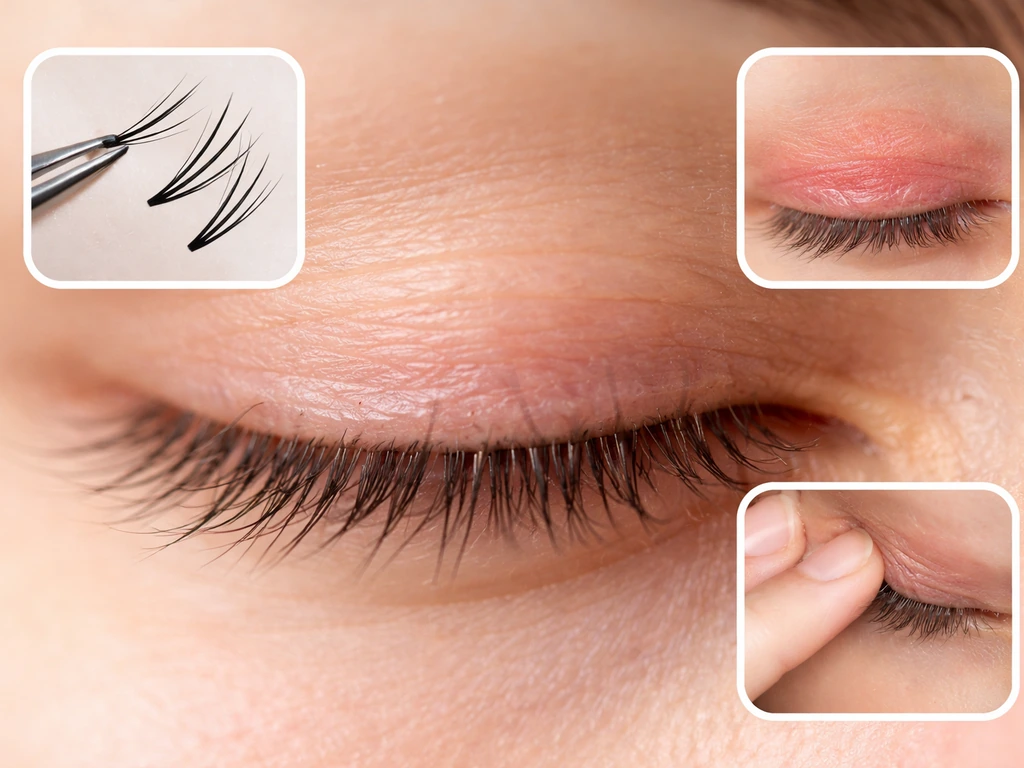
Before you reach for any product, try to identify your actual cause. The treatment path looks different depending on what's behind the thinning.
Extensions and traction alopecia
Eyelash extensions have been linked to traction alopecia, allergic blepharitis, keratoconjunctivitis, and conjunctival erosion. Traction alopecia from extensions is caused by the weight and mechanical stress of the extensions repeatedly pulling on the natural lash root. If this is your situation, the first step is to stop extensions entirely and give follicles a chance to recover. Depending on the severity, this can take 3 to 6 months. Keep the lash line clean, use gentle conditioning, and resist the urge to get extensions again before you've seen full regrowth.
Allergic blepharitis and irritants
If your lash line is itchy, red, or scaling, you may have allergic or seborrheic blepharitis. Chronic inflammation around the follicle disrupts the growth cycle. Lid hygiene (warm compresses followed by gentle mechanical cleaning of the lid margin) is the foundation of treatment. The American Optometric Association similarly recommends lid hygiene, including gentle lid cleaning or scrubbing and warm compresses, for anterior blepharitis involving the outside front edge of the eyelid where eyelashes attach lid hygiene (warm compresses followed by gentle mechanical cleaning of the lid margin). Warm compresses loosen debris on the eyelid margin and lashes, making the subsequent cleaning step more effective. If symptoms don't clear with basic hygiene, this needs a professional evaluation.
Rubbing and compulsive pulling
Habitual eye rubbing and trichotillomania (compulsive lash pulling) are underrecognized causes of lash loss. If pulling is the issue, no serum will outpace the damage. Behavioral approaches like habit reversal training, which includes redirecting the hand movement when the urge arises, are the clinically recognized treatment for trichotillomania. This is worth addressing directly rather than trying to compensate with growth products.
Medical and systemic causes
Thyroid disorders, alopecia areata, nutritional deficiencies, and certain medications can all cause eyelash thinning or loss. Lash alopecia can involve inflammatory and autoimmune mechanisms. If your lash loss is sudden, patchy, or accompanied by other symptoms (fatigue, hair loss elsewhere, dry skin), this is not a condition where DIY solutions will help. You need a diagnosis first.
When to see a professional, and what to ask
See a dermatologist or ophthalmologist if: your lash loss is sudden or patchy, you have persistent eyelid redness or irritation that doesn't respond to basic hygiene, you've had ongoing lash thinning for more than 3 to 4 months without an obvious cause, or you want to start Latisse (you'll need a prescription and a clinical assessment to make sure it's appropriate for you).
When you're at the appointment, don't just ask for a product. Ask what's causing the loss. A dermatologist can rule out alopecia areata, check for blepharitis, and order blood work for thyroid function or nutrient deficiencies if warranted. If you specifically want to discuss bimatoprost, ask about Latisse, what side effects to watch for in your case, and whether any of your current medications interact with prostaglandin analogues. An ophthalmologist is especially useful if you have any existing eye conditions, since bimatoprost can affect intraocular pressure and iris pigmentation with long-term use.
The experience of growing eyelashes looks quite different depending on whether you're male or female, whether you're recovering from damage versus working with naturally sparse lashes, and what other factors might be in play. Men approaching this topic, for instance, often have different baseline thickness and different causes of loss than the general approach assumes.
This guide also covers how to grow eyelashes in men with the right approach for your baseline and causes of loss how to grow eyelashes men. This guide also covers how to grow eyelashes in men with the right approach for your baseline and causes of loss can you grow your eyelashes.
The route to longer, thicker lashes starts with honest identification of your actual situation, then picking tools that match it rather than defaulting to whatever is most heavily marketed. This guide also covers how to grow eyelashes in men with the right approach for your baseline and causes of loss can you grow your eyelashes how to grow eyelashes reddit.
FAQ
How long should I wait before I decide a lash serum or Latisse is not working?
If you are using bimatoprost nightly, judge results around the 12 to 16 week mark (not earlier). For OTC conditioning serums, if you see no visible change by 8 to 12 weeks, it often means the product is not addressing the real cause, or you are losing lashes faster than you can regrow.
Can I use Latisse on both the upper and lower lash lines?
Stick to the upper lash line only. Applying to the lower lid increases the chance that product migrates to nearby tissues, which can raise the risk of irritation and unwanted hair growth on surrounding skin.
What’s the safest way to apply bimatoprost so it doesn’t cause side effects?
Use a sterile applicator and apply at the base of the upper lashes, then blot any excess so it does not run onto the eyelid skin or under-eye area. Avoid spreading by touching the skin with the applicator tip, and stop use and contact a clinician if you get significant redness, pain, or vision changes.
Will bimatoprost make my eyes or eyelids dry?
Yes, ocular irritation and dry eye can happen. If dryness occurs, consider preservative-free lubricating drops and reassess your technique (less product, better blotting). If symptoms persist or worsen, discontinue and get checked by an ophthalmologist.
Can prostaglandin-analogue lash products change my iris color?
Long-term use may be associated with iris pigmentation changes in some people, especially if enough drug reaches the eye. If you have mixed-color eyes or are prone to eye irritation, ask an ophthalmologist whether your risk is higher and discuss monitoring.
Do lash extensions or mascara ruin the results of growth treatments?
Extensions can undo progress if they continue traction damage, especially if regrowth is incomplete. For mascara, the bigger issue is removal technique, since aggressive scrubbing can cause breakage. Use gentle removal, avoid rubbing, and avoid waterproof formulas if they make you tug at the lashes.
What if I stop Latisse after I see results, will my lashes stay long?
Eyelash length and darkness typically decline after you stop because you are no longer actively supporting the follicle cycle. Most people who respond maintain a regimen to preserve results, but the exact schedule should be individualized with your prescriber.
Is biotin actually required for lash growth?
Only if you are deficient. For most people with a balanced diet, extra biotin does not reliably translate into longer lashes. If you want to explore this, talk to a clinician and avoid megadoses, since high biotin can interfere with certain lab tests.
What should I do if my lash loss is patchy, sudden, or comes with other symptoms?
Do not rely on serums alone. Patchy or rapidly changing loss, or lash loss with other hair changes, fatigue, or skin symptoms, warrants evaluation for conditions like alopecia areata or thyroid issues before starting or continuing DIY treatments.
How do I tell if my sparse lashes are due to breakage versus true shedding?
Breakage usually looks like shorter, uneven hairs with tips that appear snapped and a history of rubbing, pulling, or harsh removal. True shedding often looks more like reduced density from the root and tends to be linked to inflammation, mechanical traction, or systemic triggers. A clinician can differentiate if the pattern is unclear.
Are there situations where I should not use Latisse or prostaglandin analogues?
If you have existing eye surface disease, active inflammation, or certain glaucoma-related considerations, you should get ophthalmology input first. Also be cautious if you wear contact lenses, since irritation risk can be higher, and discuss any current eye drops or medications with your prescriber.
Do warm compresses and lid hygiene actually help lashes grow?
They can, when inflammation at the lid margin is the driver of thinning. Warm compresses loosen debris and make gentle cleaning more effective, which can reduce irritation and support the growth cycle. If redness, itching, or scaling does not improve with hygiene, you likely need a diagnosis and targeted treatment.
Is eye rubbing or compulsive lash pulling treatable, and should I wait to see results from products?
If pulling or rubbing is ongoing, serums cannot outpace mechanical damage. Address the behavior directly (for example, habit reversal strategies) first or at the same time, and expect noticeable improvement only after the triggering behavior decreases.
What’s the best way to track progress if I wear makeup or lashes vary daily?
Take photos of the same eye, same angle, and same lighting every 4 weeks. Try to standardize mascara use (or skip it) and remove makeup fully. Consistency matters more than perfect framing, because lash appearance can change day to day.
Next Article
How Do You Grow Eyelashes Back Longer, Thicker, Faster
Learn how to grow eyelashes longer, thicker, and regrow fallen lashes with safe routines, serums, and timelines