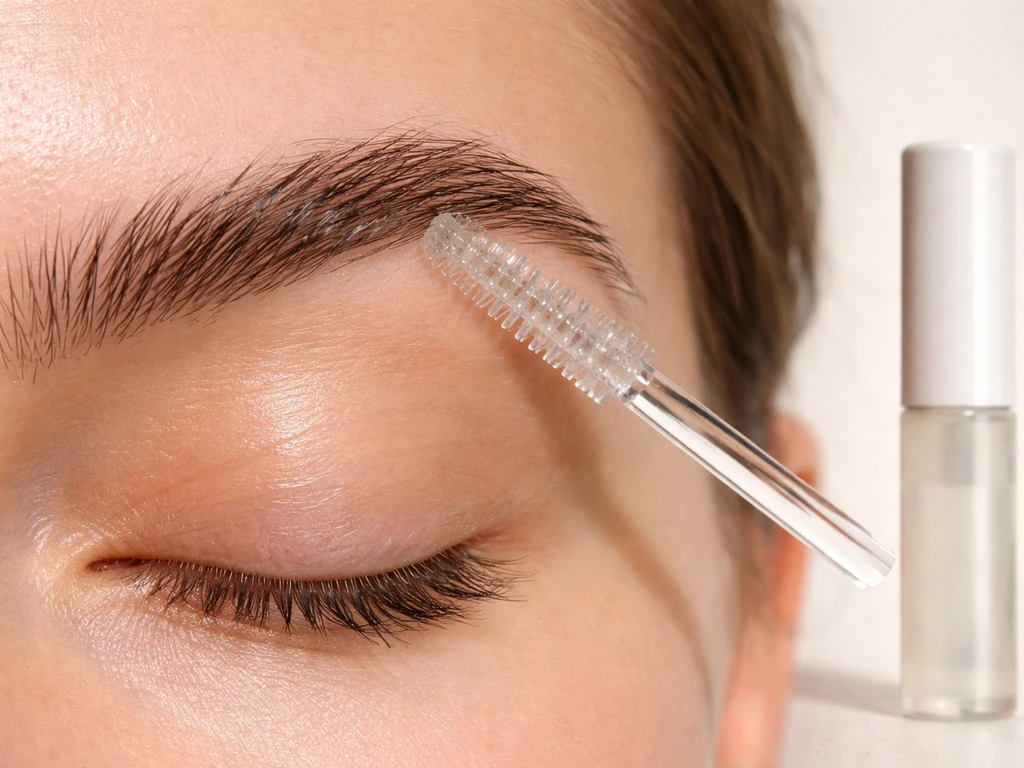
Yes, a lash serum can genuinely grow your eyelashes, but the word 'grow' means different things depending on the ingredient. Some serums extend the anagen (active growth) phase of your lash follicles so hairs get longer and thicker before they shed. Others mainly condition and protect existing lashes so fewer break off. The ones that actually stimulate new growth rely on specific, well-studied ingredients, and if a serum doesn't contain at least one of them, it's a conditioning product with good marketing, not a real growth serum.
Can Grow Lash Serum? Evidence, Reviews, and How to Use It
Rachel Nguyen
23 May 2026
What lash growth serums are and how they actually work

Your eyelashes go through a three-phase cycle: anagen (active growth, roughly 30 to 45 days for lashes), catagen (transition, about 2 to 3 weeks), and telogen (resting and shedding, up to 100 days). The ratio of follicles in each phase at any given time determines how full and long your lashes look. Most people with thin or short lashes simply have more follicles sitting in telogen than they should.
Lash serums that genuinely grow lashes work by interfering with that cycle. blank" rel="noopener noreferrer">Prostaglandin analogs, the most clinically proven class, push more follicles into anagen and extend how long they stay there. The result is longer individual hairs and more hairs actively growing at once. Bimatoprost, the active ingredient in FDA-approved LATISSE (0.03%), is blank" rel="noopener noreferrer">a synthetic prostamide F2α analog and the only ingredient with direct regulatory approval for eyelash growth in hypotrichosis. Peptide-based serums take a different angle: they signal follicles to produce more keratin and stay active longer, with a gentler mechanism and a slower payoff. Conditioning serums (most of the drugstore shelf) deposit oils, panthenol, or biotin onto the lash shaft to reduce breakage. That's not growth, it's retention. Both matter, but you need to know which one you're actually buying.
How to tell if a lash serum can actually grow your lashes
The biggest problem with lash serum shopping is that most products use 'growth' language for what is really a conditioning effect. Here's a practical checklist to cut through the noise before you spend money.
- Check the active ingredient list first. Bimatoprost, isopropyl cloprostenate, dechloro dihydroxy difluoro ethylcloprostenolamide, or myristoyl pentapeptide-17 are the ingredients with the most mechanistic evidence for stimulating follicle activity. If you see only castor oil, panthenol, and biotin on a product labeled a 'growth serum,' manage your expectations.
- Look for a clinical study attached to the brand, not a third-party ingredient study. A study on bimatoprost in general doesn't prove a specific brand's formula works if the concentration is different.
- Read before-and-after review photos critically. Real growth looks like longer, denser lash lines over 8 to 16 weeks. Glossy, full-looking lashes in week-one photos usually reflect conditioning or coating effects, not new follicle activity.
- Check whether reviews mention regrowth after stopping. True growth serums often show a reversal when you quit using them because the follicle cycle returns to baseline. If reviews never mention this, the product may only be a conditioner.
- Avoid products that promise results 'in 7 days.' The anagen phase for lashes takes weeks to produce visible length. Any seven-day result is a cosmetic coating, a tint, or a volumizing fiber, not biological growth.
- Scan for side effect mentions in reviews. Prostaglandin-based serums frequently generate reviews mentioning iris darkening, lid skin hyperpigmentation, or eye redness. The absence of any side effect mentions in a prostaglandin-labeled product is itself suspicious.
- Look for a clear concentration or percentage. Legitimate clinical products disclose their active ingredient concentration. Vague 'proprietary blend' language with no percentages is a red flag.
What to look for in a lash serum that can genuinely grow lashes
Rather than naming specific brands (formulations change and availability shifts), here's how to evaluate what you find on shelves or online based on your specific situation.
For lash damage from extensions or overuse of makeup
Extensions and heavy mechanical stress cause breakage and, in persistent cases, traction-related follicle damage. You need both a stimulating ingredient to reactivate follicles and a conditioning agent to prevent ongoing breakage. Look for a peptide-based serum (myristoyl pentapeptide-17 or similar) combined with a humectant like hyaluronic acid or glycerin. A prostaglandin analog is an option here but may be overkill if the damage is recent and follicles just need time to recover.
For general thinning or age-related lash loss
As estrogen levels shift with age, more follicles spend longer in telogen. This is exactly the scenario where prostaglandin analog serums show the strongest clinical benefit. Prescription bimatoprost (LATISSE) is the gold standard here. If you want an OTC option, look for isopropyl cloprostenate at a disclosed concentration. Peptide serums also work but require longer commitment (12 to 16 weeks) before results are meaningful.
For lash recovery after medical treatment (chemo, thyroid issues)
This is a clinical recovery scenario and deserves a conversation with your doctor before adding any active serum. That said, once medically cleared, bimatoprost has the strongest evidence for re-stimulating dormant follicles post-chemotherapy. Peptide serums are a gentler starting point if you have sensitive or reactive eyes during recovery.
How to apply lash serum and what timeline to expect
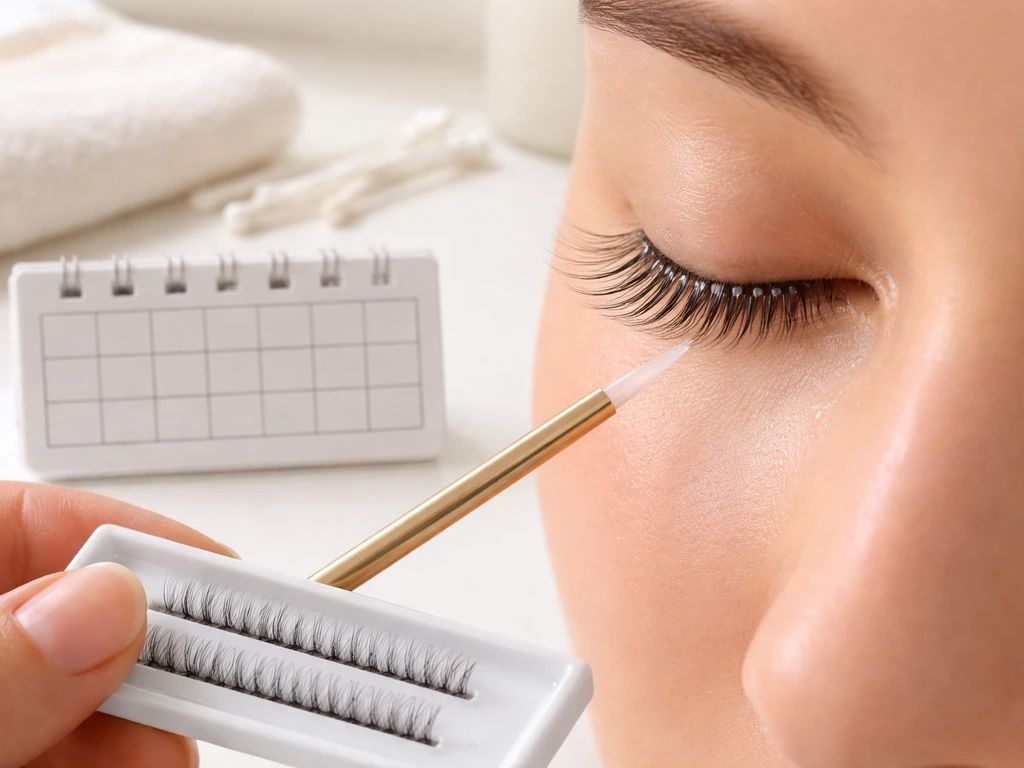
Application technique matters more than most people realize. Here's the exact routine that gets the best results and avoids common mistakes.
- Remove all makeup and contact lenses before applying. Residue on your lash line blocks serum contact with the follicle opening and can trap irritants against your eye.
- Patch test first: apply a small amount to the inner wrist or behind the ear for 24 hours before your first lid application. This is especially important for prostaglandin-based formulas.
- Apply once daily, at night only. Nighttime application lets the serum sit on the lash line during your longest period of inactivity, which maximizes follicle contact time. Most clinical protocols (including LATISSE) are based on once-nightly use.
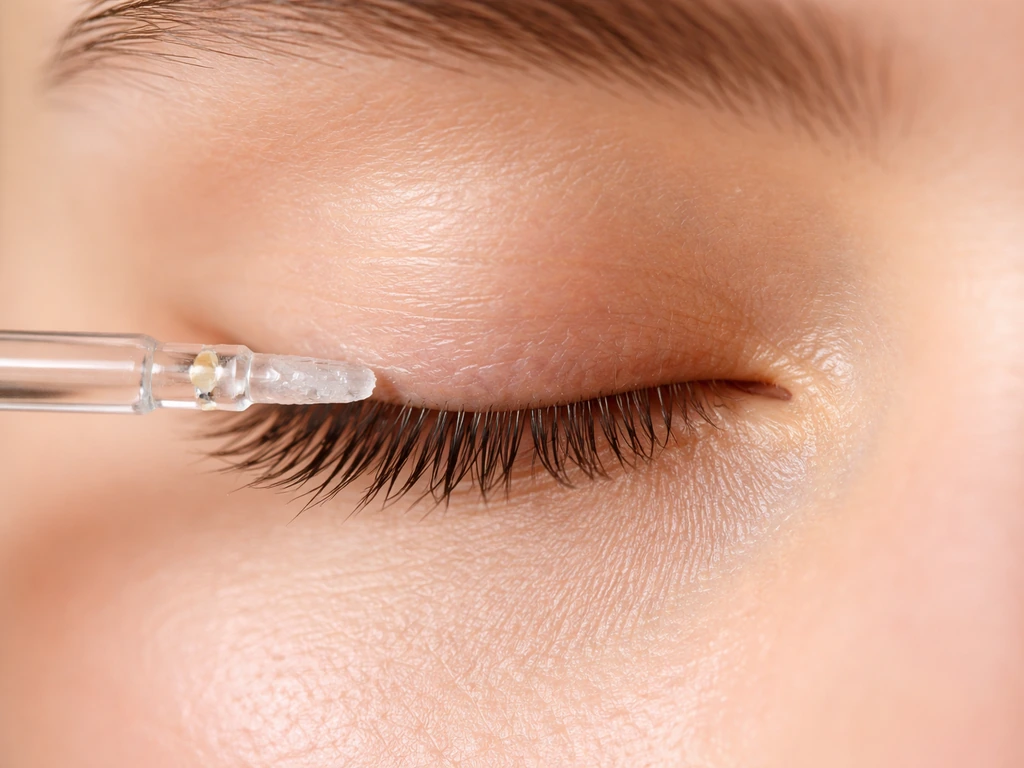
- Apply to the upper lash line only, using the brush or applicator provided. Draw a thin line at the base of the upper lashes, exactly where eyeliner would go. Avoid applying directly to the lower lash line, as the serum migrates downward naturally through blinking.
- Use one stroke per eye and don't overload the applicator. More product doesn't mean more growth and increases the risk of getting serum into the eye itself.
- Let it dry for 2 to 3 minutes before lying down. This prevents transfer to your pillow and inadvertent contact with other parts of your face, which matters because prostaglandin analogs can cause hair growth and skin darkening wherever they repeatedly contact.
On timing: don't expect anything in the first two weeks. You're waiting for the current telogen-phase follicles to re-enter anagen, which takes time. Most people using a prostaglandin-based serum notice first changes around weeks 6 to 8, with full visible results at 12 to 16 weeks. Peptide serums typically show noticeable change at the 10 to 14 week mark. If you're at 16 weeks with zero change on any serum, the formula likely isn't active enough for your biology, and it's worth switching ingredients or consulting a dermatologist.
Safety, side effects, and who should avoid certain ingredients
Lash serums are applied close to your eye, so the safety profile matters a lot more here than with most skincare. Prostaglandin analogs carry the most significant risk profile of any OTC lash ingredient.
- Iris color change: bimatoprost and related prostaglandin analogs can permanently darken the iris in people with hazel, green, or mixed-color eyes. This is not reversible. People with light-colored irises should weigh this risk seriously before using prescription or OTC prostaglandin serums.
- Periorbital skin darkening: darkening of the eyelid skin at the application site is common and usually reversible on stopping, but it can take months to fade.
- Eye redness and irritation: particularly in the first few weeks. Mild redness often settles as your eyes adjust. Persistent redness, pain, or vision changes mean stop immediately and see a doctor.
- Fat atrophy around the eye: long-term use of prostaglandin analogs has been linked to a sunken appearance around the eyes in some users, attributed to orbital fat loss. This is a reason to use the minimum effective frequency rather than doubling up applications.
- Contact lens wearers: remove lenses before applying and wait at least 15 minutes before reinserting. Many serums contain preservatives or active ingredients that can be absorbed by soft lenses.
- People with active eye infections, inflammatory conditions (uveitis, iritis), or recent eye surgery should not use active lash serums without medical clearance.
- Pregnant or breastfeeding: prostaglandin analogs are not recommended. Peptide and conditioning serums are generally considered lower risk, but consult your OB before using anything near your eyes during pregnancy.
Castor oil, biotin, and other alternatives versus lash serums
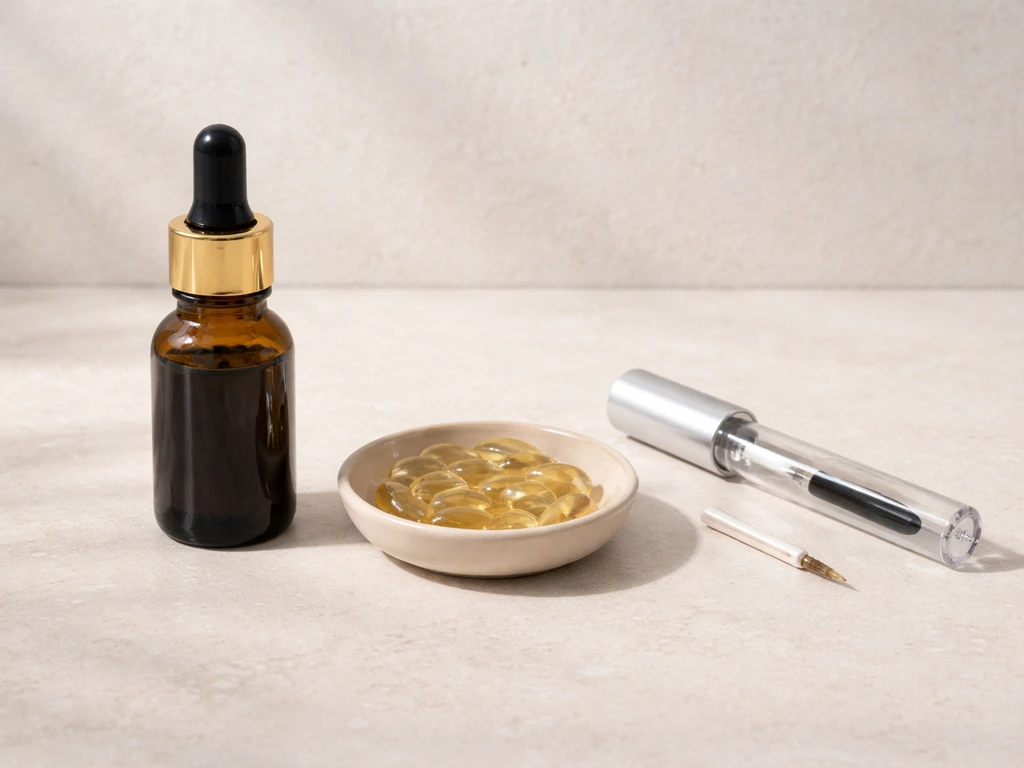
A fair amount of people reading this are wondering whether they really need to buy a serum at all. Castor oil and biotin come up constantly in lash growth conversations, so here's an honest comparison.
| Option | Mechanism | Evidence Level | Timeline | Best For | Main Downside |
|---|---|---|---|---|---|
| Bimatoprost serum (prescription) | Prostaglandin analog extends anagen phase | FDA-approved clinical evidence | 6 to 16 weeks | Significant thinning, hypotrichosis, post-medical recovery | Cost, prescription required, iris darkening risk |
| OTC prostaglandin analog serum | Similar mechanism to bimatoprost at lower or disclosed concentration | Moderate (some clinical data) | 8 to 16 weeks | General thinning, age-related loss | Variable quality, side effects still possible |
| Peptide serum (e.g., myristoyl pentapeptide-17) | Signals follicles to stay in anagen longer | Moderate (in vitro and limited clinical) | 10 to 16 weeks | Extension damage recovery, sensitive eyes | Slower results, less dramatic than prostaglandins |
| Castor oil | Conditions lash shaft, may reduce breakage; ricinoleic acid has weak anti-inflammatory properties | Anecdotal and traditional use only | Results are retention-based, not true growth | Mild thinning from breakage, budget option | No robust clinical evidence for follicle stimulation; can cause allergic reactions |
| Biotin supplements (oral) | Corrects biotin deficiency if present; supports keratin production | Only evidence-based in proven deficiency | 3 to 6 months minimum | People with confirmed biotin deficiency | No effect if you're not deficient; lashes are a small part of the benefit |
The honest takeaway: castor oil is cheap, low-risk, and worth using if you want to reduce breakage and add shine. It is not going to lengthen lashes in the clinical sense. Biotin supplements are reasonable if you have a documented deficiency, but supplementing above your needs doesn't give you extra lash growth. If your goal is genuinely longer or denser lashes on a meaningful timeline, a serum with an active ingredient (prostaglandin analog or clinically-dosed peptide) is the only route with real biological rationale. You can use castor oil alongside a serum without conflict. For more depth on how oral supplements stack up, the research on whether viviscal influences eyelash growth covers that angle specifically.
How to evaluate reviews, avoid scams, and choose the right product
The lash serum market is flooded with products making identical claims. Here's how to use reviews intelligently and avoid wasting money. If you are comparing popular options, reading mascara grow lashes reviews can help you gauge whether a product is mostly conditioning or truly designed to stimulate growth.
Reading reviews the right way
- Filter for reviews that mention specific timelines. 'Amazing after 3 months' is far more useful than 'love this product.' Growth takes weeks, so quick-turnaround reviews are almost always reporting a cosmetic or conditioner effect.
- Look for before-and-after photo reviewers and check whether their lash line (not the overall eye) is visibly denser. Many photos highlight eye makeup improvement, not actual lash density change.
- Check for one-star reviews mentioning irritation or side effects. Paradoxically, a legitimate active serum will have some irritation reviews. An absence of any side effect mentions on a product claiming prostaglandin action is a sign the concentration is negligible.
- Be skeptical of review clusters. A product with 500 five-star reviews posted within a 3-week window and no verified purchases is a purchased review situation.
- Look for community forum discussions (Reddit r/Skincare, beauty forums) rather than relying solely on retailer reviews. These tend to be unsponsored and more detailed about long-term outcomes.
Red flags that suggest a scam or ineffective product
- No ingredient list disclosed on the product page or packaging
- Claims of results in under 2 weeks for 'growth' (not conditioning)
- Undisclosed 'proprietary blend' with no active ingredient named
- Extremely low price for a product claiming prescription-equivalent results
- Before-and-after images that look like the 'after' photo was taken with better lighting or after mascara was applied
Your practical next steps right now
- Identify your specific lash problem: breakage and brittleness, general thinning, post-damage recovery, or medical-related loss. The right ingredient class differs for each.
- If you want the strongest evidence-based option, talk to a dermatologist about bimatoprost. If you want OTC, find a serum that names a prostaglandin analog or clinically-studied peptide in its ingredient list with a disclosed concentration.
- Do a patch test before the first application and use the serum at night, upper lash line only, once daily.
- Photograph your lash line in the same lighting every 4 weeks from the start. This is how you objectively assess whether it's working, rather than relying on memory.
- Commit to a minimum 12-week trial before judging whether a serum works. Reassess at that point: if you see no change, change the active ingredient, not just the brand.
The bottom line is that lash serums absolutely can grow eyelashes in the biological sense when they contain the right active ingredients at effective concentrations. If you want the best eyelash serum to grow lashes, focus on formulations with prostaglandin analogs or clinically active peptide ingredients rather than marketing alone. The key is distinguishing true growth serums from conditioning products with aspirational marketing, using the checklist above, and giving your chosen product a realistic runway to prove itself. Related questions worth exploring: whether a specific serum is best for your situation, how different ingredients compare for growing lashes generally, and whether lash serum can also work on eyebrows are all nuanced enough to deserve their own look once you've settled on your approach.
FAQ
How long should I try a lash serum before deciding it is not working?
Give it a full biologically realistic trial. If you are using a prostaglandin analog, expect first visible changes around weeks 6 to 8 and aim for 12 to 16 weeks before judging. For peptide-based serums, meaningful change often takes 12 to 16 weeks. If you see absolutely no change by 16 weeks, double-check the ingredient class and concentration on the label, then consider switching to a prostaglandin analog or a clinically dosed peptide, or consult a dermatologist.
Can lash serum work if I have short lashes but no extensions or breakage?
Yes, if your issue is more about lash cycling than mechanical damage. Serums that push follicles into a longer active growth phase (especially prostaglandin analogs) target the underlying cycle imbalance. If your lashes are short mainly due to brittleness or frequent rubbing, an active-growth serum may be less efficient than pairing it with a conditioning strategy to reduce breakage.
Is it safe to use lash serum if I wear contact lenses or have sensitive eyes?
Often you can, but you need a more cautious approach. Avoid applying the serum right along the lash line if it migrates toward the inner eye, and use it at a time when your eyes are least irritated. If you notice stinging, redness, or persistent irritation, stop and switch to a gentler peptide-based or conditioning option. If you have glaucoma or uveitis history, get clinician guidance before using prostaglandin analogs.
Can I combine lash serums with eyelash extensions, or should I stop?
If you currently have extensions, be careful. Extensions usually add mechanical stress that increases breakage, which can make results look worse even if the serum is stimulating growth. If you continue using extensions, prioritize a conditioning ingredient to reduce breakage and consider pausing active-growth serums until after a full extension break to assess true lash density recovery.
What is the best way to apply so I do not get migration into my eyes?
Use a fine, controlled amount and apply close to the lash roots without flooding. Let it dry fully before blinking normally for a few seconds. Many people overapply, which increases the risk of product getting into the eye. If you notice irritation, reduce quantity and ensure you are not applying too far onto the lid skin.
How often should I use lash serum, once a day or more?
More is not better. For most active-growth serums, follow the product’s frequency instructions, typically once nightly for prostaglandin analog-type products. Using it more frequently can raise the chance of side effects without improving growth because the limiting factor is follicle biology, not application volume.
Will lash serum make my lashes fall out at first?
Temporary shedding can happen, but it should not be dramatic. Lashes naturally shed during the resting phase, and shifting the cycle can make changes noticeable. If you experience sudden heavy lash loss, burning, swelling, or ongoing irritation, stop the serum and assess for allergy or incorrect application. Switching from an aggressive active-growth ingredient to a peptide-based formula is often a safer next step.
Can I use castor oil or biotin if I am also using an active lash serum?
Yes, they can be used together, but keep expectations realistic. Castor oil mainly helps reduce breakage and adds shine, it does not typically drive new follicle growth. Biotin supplements only help if you are deficient. If you use both a serum and castor oil, avoid layering so thickly that it increases migration or irritation near the lash line.
What side effects should I watch for with prostaglandin analog lash serums?
Common concerns include eye redness or irritation, dryness, and eyelid skin darkening or changes where the product contacts skin. Less obvious but important is the risk of increased sensitivity to light or worsening ocular symptoms. If you have any persistent eye pain, vision changes, or severe redness, stop immediately and seek medical advice.
Can lash serum help grow eyebrows too?
Sometimes, but success depends on whether you are treating a true growth issue versus overplucking or dermatitis. The same biology may apply, yet eyebrow skin and hair density differ from eyelids, so the safest approach is using a compatible formula and avoiding transfer into the eye area. If eyebrow thinning is rapid or patchy, consider a dermatologist evaluation before relying on cosmetic serums.
Why do two serums with similar marketing claims produce different results?
Because “growth” language is often inconsistent with the actual ingredient class and effective dosing. Look specifically for clinically meaningful active ingredient categories, not just peptides or generic “natural oils.” Also check that the product discloses the ingredient and form, because under-dosed actives can behave like conditioning products even if the label sounds similar.
Next Article
Can Eyelash Serum Grow Eyebrows? What Works and How
Learn if eyelash serum can grow eyebrows, which ingredients help, how to apply safely, timelines, and alternatives.