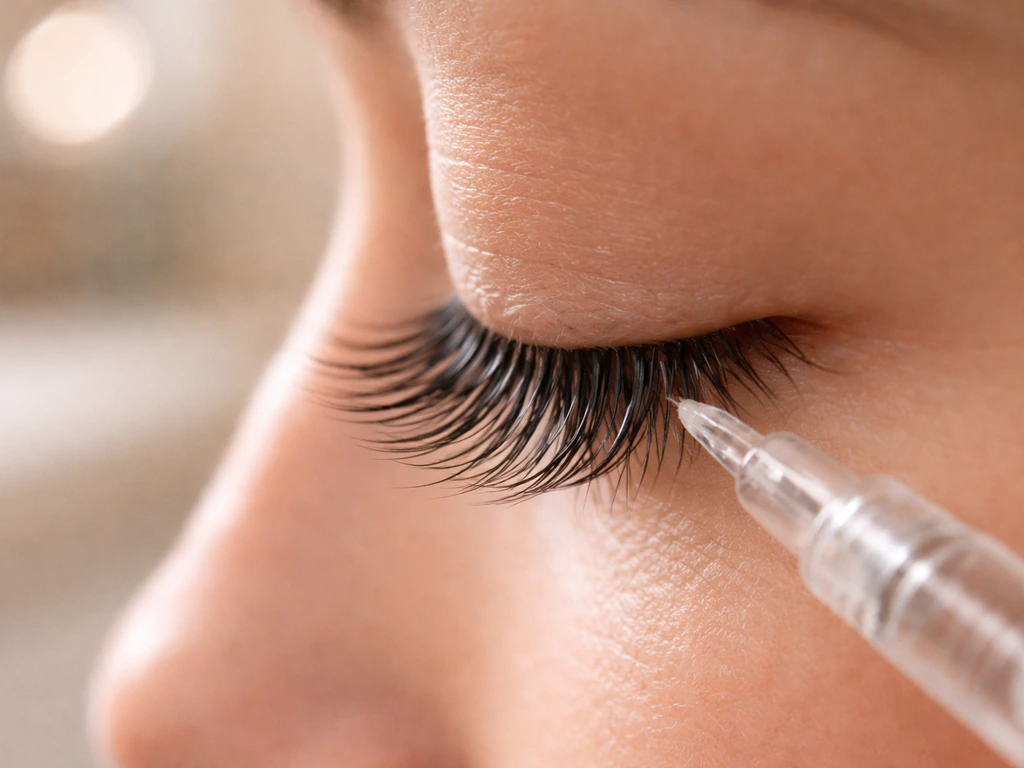
Yes, eyelashes can grow back, and in most cases, they will, even after damage, extensions, or heavy shedding. The real question is how long it takes, what you can do to support the process, and whether anything you try at home actually moves the needle. If you are aiming for how to grow lashes quickly, the key is pairing safe daily habits with the right evidence-based product timeline support the process. The short answer: a consistent routine starting today can meaningfully improve what you see in the mirror over the next 4 to 12 weeks. Here is exactly what to do.
How to Grow Back Lashes: Step-by-Step Recovery Plan

Rachel Nguyen
22 Apr 2026
Why lashes fall out in the first place
Understanding why your lashes fell out matters because the cause shapes how fast they come back. Eyelashes cycle through three phases: anagen (active growth), catagen (transition, lasting roughly 14 to 21 days), and telogen (resting and shedding, which can last anywhere from 4 to 9 months). Because the anagen phase for lashes is much shorter than for scalp hair, and the ratio of resting follicles to growing follicles is naturally high, lashes are more prone to looking sparse when anything disrupts the cycle.
The most common causes of lash loss or thinning include:
- Traction and physical damage: rubbing your eyes hard, using a lash curler aggressively, or pulling at extensions can yank hairs out of the follicle prematurely
- Extension-related trauma: the weight of extensions and the adhesives used can cause traction alopecia over time
- Skin and eye conditions: blepharitis, contact dermatitis, or allergic reactions (sometimes triggered by extension glues containing cyanoacrylate) can inflame follicles and interrupt growth
- Nutritional gaps: deficiencies in biotin, iron, and protein are linked to hair thinning across the body, including lashes
- Hormonal shifts and stress: thyroid disorders, postpartum changes, and chronic stress are common but overlooked drivers
- Medications and medical treatments: chemotherapy is the most dramatic example, but other medications also affect lash density
- Habitual behaviors: sleeping with eye makeup on, using harsh makeup removers, and compulsive lash pulling (trichotillomania) all damage follicles repeatedly
What changes regrowth is removing or addressing the cause. If you are still wearing heavy extensions, sleeping in mascara, or rubbing your eyes every morning, no serum or oil will fully compensate for the ongoing damage. Fix the source first, then support regrowth.
Realistic timelines: how fast can lashes actually grow back
Here is the honest version that most articles skip past: eyelash regrowth is slow by biological design. The full growth cycle, from a shed lash to a fully grown replacement, spans roughly 90 days to as long as 11.5 months depending on the individual and the phase the follicle is currently in. If a follicle is in late telogen when you start a regrowth routine, you might see visible stubble within a few weeks. If it just entered telogen, you could be waiting several months before anything emerges.
As a practical benchmark, most people with damage-related loss (extensions, rubbing, tweezing) start to see noticeable filling-in around the 6 to 10 week mark, with fuller results appearing closer to 12 to 16 weeks. Clinical trials on bimatoprost, the active ingredient in prescription lash serums, use 16 weeks as the primary endpoint for a reason. That timeframe is what the biology requires to show meaningful, measurable change. If you are expecting transformation in two weeks, you will be disappointed regardless of what you use.
What to use: serums, oils, and basic care compared
There are three tiers of options here, and being clear about what each one actually does will save you money and frustration.
Prescription lash serums (bimatoprost / prostaglandin analogs)
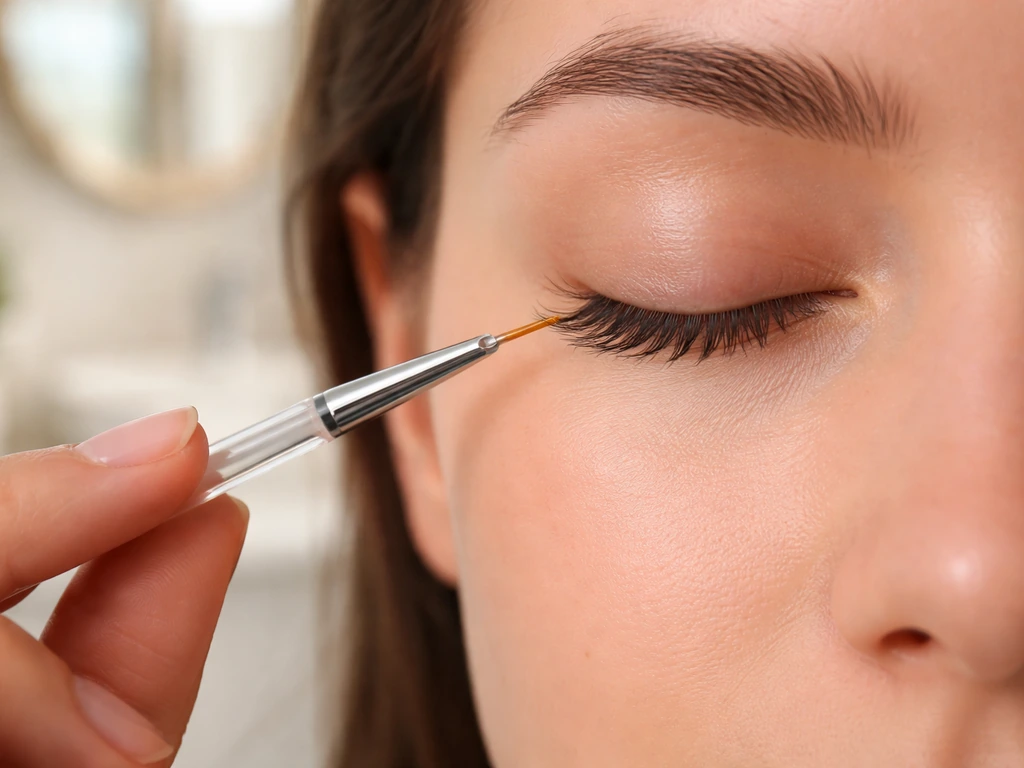
Bimatoprost 0. 03% (sold as Latisse in the US) is the only FDA-approved treatment for eyelash hypotrichosis, and the clinical data behind it is solid. A 16-week controlled trial showed a mean increase of 1. 4 mm in lash length with bimatoprost versus just 0.
1 mm with the vehicle (placebo). That is a real, measurable difference. It also improves fullness and darkness. The trade-off is that it requires a prescription, it must be applied nightly to the upper eyelid margin at the base of the lashes, and it carries a real side-effect profile.
Common reactions include eye itching, conjunctival redness, eyelid skin darkening, and dry-eye symptoms. Less common but important: iris pigmentation changes (which can be permanent) and periorbital fat changes that can make the eye socket look deeper. These effects are rare, but they are worth knowing before you start. And critically: results abate when you stop using it, so this is an ongoing commitment, not a one-time fix.
Over-the-counter lash serums (peptide and conditioning formulas)
OTC serums typically contain conditioning peptides, biotin, panthenol, and sometimes plant-derived prostaglandin precursors. They do not have the clinical evidence base that bimatoprost does, but they can reduce breakage, moisturize the follicle environment, and make existing lashes look better. Think of them as a supportive tool rather than a growth driver. They are a reasonable starting point if you cannot access a prescription or want to avoid the risks of prostaglandin analogs.
Castor oil and natural oils
Castor oil is the most popular home remedy for lash regrowth, and the enthusiasm around it on social media far exceeds the evidence. There is no published clinical trial proving castor oil grows lashes. What it does do is coat the lash shaft, reduce moisture loss, and provide a slightly conditioning environment for the follicle. Applied carefully to the lash line with a clean spoolie, it is low-risk.
The key word there is carefully. Getting castor oil into the eye itself can cause irritation, reduce tear quality, blur vision, and trigger allergic reactions. Unsterilized castor oil near the eye also carries a small infection risk. Use it on the lash line, not on the eyeball, and choose a cosmetic-grade, cold-pressed version.
Other oils like vitamin E, argan, and coconut oil are occasionally mentioned but have even less evidence behind them for lash growth specifically.
| Option | Evidence level | Main benefit | Key risks | Commitment |
|---|---|---|---|---|
| Bimatoprost (Rx) | Strong clinical trials | Measurable length and fullness increase | Iris pigmentation, eyelid changes, redness | Nightly, ongoing |
| OTC peptide serums | Limited / anecdotal | Conditioning, reduces breakage | Mild irritation if misapplied | Nightly, ongoing |
| Castor oil | No clinical trial data | Moisturizes lash line, may reduce breakage | Eye irritation, infection risk if unsterile | Nightly or a few times per week |
| Basic lash care (no product) | Foundational | Prevents further damage | None | Daily habits |
The honest recommendation: start with basic lash care and an OTC serum or castor oil. If you see little improvement after 12 weeks and lash loss is significant, talk to a dermatologist about bimatoprost.
How to apply lash-growth products safely
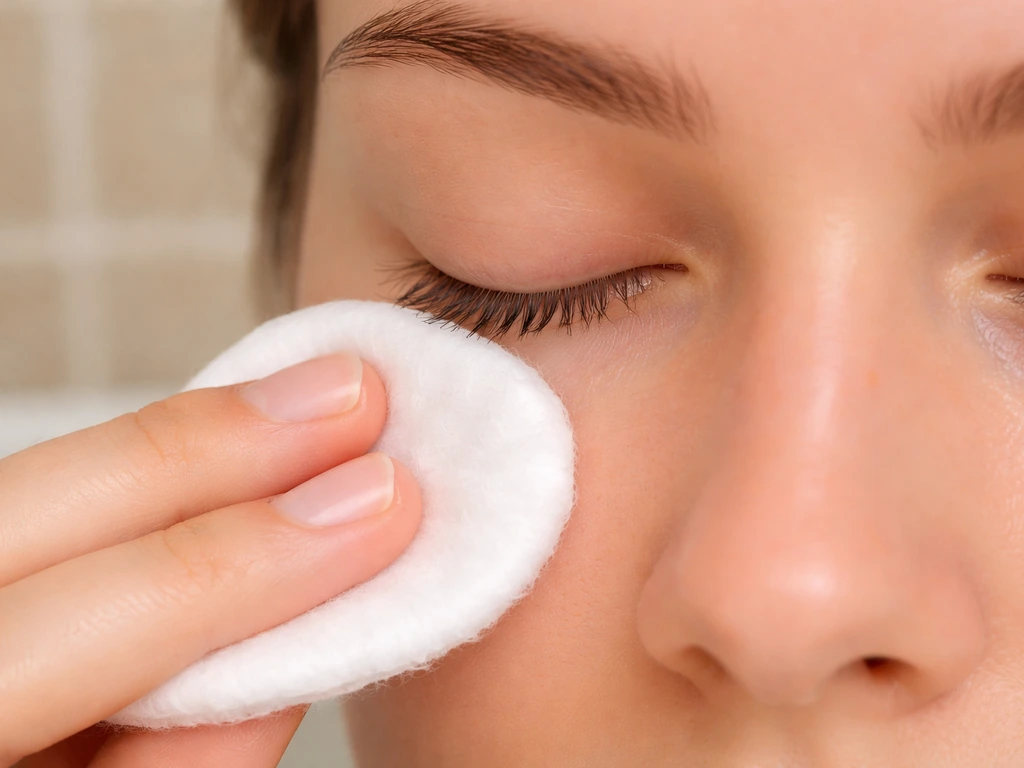
The eye area is one of the most sensitive on the body. How you apply anything here matters as much as what you apply. Follow this routine:
- Remove all eye makeup completely before applying anything. Use a gentle, oil-free micellar water or a fragrance-free cleanser on a soft cotton pad. No rubbing.
- Wash your hands thoroughly. This is not optional when working near your eyes.
- If using a lash serum with a wand applicator, apply a thin line to the upper eyelid margin at the very base of the upper lashes only — not the lower lash line, not the eyelid skin generally, and definitely not the eyeball itself. This mirrors the Latisse application protocol.
- If using castor oil, dip a clean spoolie or cotton swab into a small amount of oil and apply it to the base of the upper lashes. Use less than you think you need — excess will migrate into the eye.
- Do this at night, after your skincare routine, as the last step before sleep. Products have time to absorb without interference from makeup or environmental exposure.
- Do not apply to lower lash line routinely. Product migrates downward when you blink and close your eyes, so lower lashes often get indirect coverage anyway.
- In the morning, gently cleanse the eye area with water or micellar water to remove any residue before applying makeup.
If you experience persistent redness, itching, or swelling within the first few days of using any new product near your eyes, stop immediately and give the area at least a week before trying again with a different formula.
Daily habits that protect new lashes while they grow
New lashes are fragile. The ones just emerging from the follicle are fine, short, and easy to snap off or dislodge. If you do not change the habits that caused the loss, you will keep losing lashes faster than they grow back.
Stop the damage cycle
- Do not rub your eyes. If you have allergies or dry eyes driving the rubbing, treat those first.
- Retire the eyelash curler for at least 8 to 12 weeks. Mechanical curlers snap fragile new growth.
- Avoid waterproof mascara during recovery. It requires harder removal and more rubbing.
- If you must wear mascara, apply it to mid-shaft and tips only, avoiding the lash base where new growth is emerging.
- Always remove eye makeup the same day. Never sleep in it.
Gentle cleansing
Use a dedicated eye makeup remover that does not require friction. Saturate a cotton pad, hold it against the closed eye for 10 to 15 seconds, then slide it gently downward. Do not scrub sideways. For the lash line specifically, a clean cotton swab dipped in micellar water helps remove residue at the root without pulling on lashes.
Nutrition and internal support
Hair grows from the inside out. Make sure you are eating enough protein (lashes are made of keratin), getting adequate iron (low ferritin is a surprisingly common driver of lash and hair loss, especially in women), and not severely restricting calories. A biotin supplement is commonly recommended, and while the evidence is strongest for people who are actually deficient, it is low-risk and inexpensive to try for a few months.
Regrowing lashes after extensions or ripping
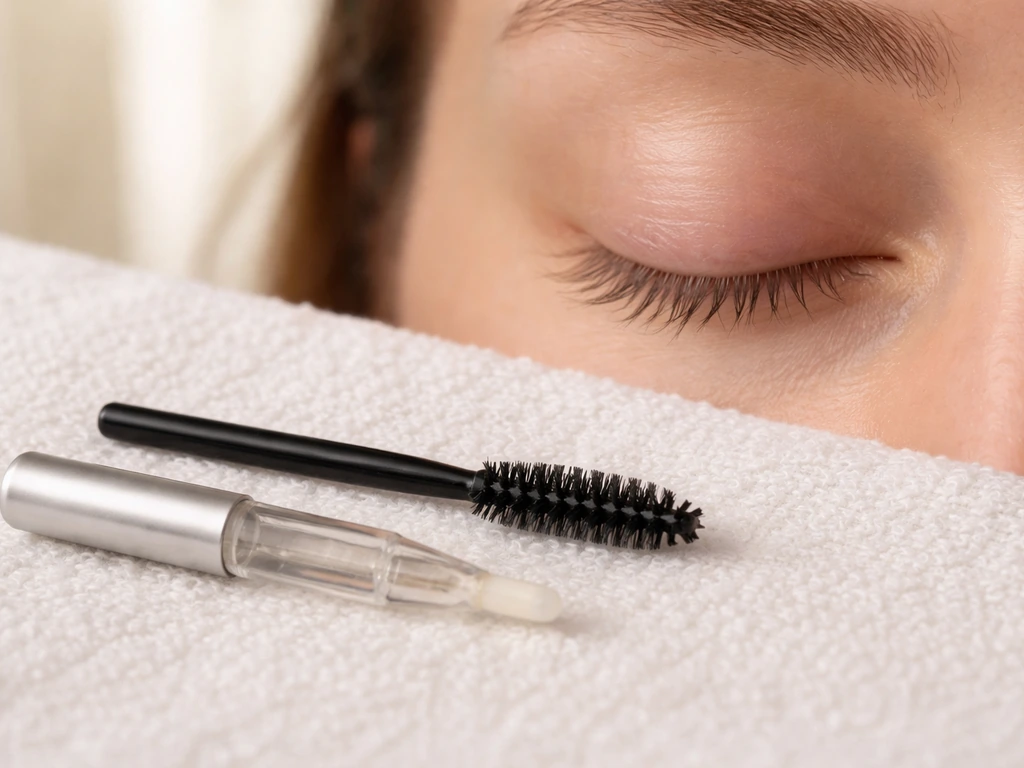
Extension-related lash loss deserves its own section because it has a specific mechanism and some additional considerations. blank" rel="noopener noreferrer">Eyelash extensions have been associated with traction alopecia (hair loss from sustained mechanical tension), allergic blepharitis, and keratoconjunctivitis, largely due to cyanoacrylate-based adhesives used in the bonding process. The adhesives themselves can cause allergic contact dermatitis and even corneal complications in severe cases. If you recently had extensions removed and noticed your lashes look significantly shorter, thinner, or patchy, that is a combination of traction damage and the fact that extension removal often removes lashes that were already in the shedding phase.
If your lashes were physically ripped out (from aggressive removal, rubbing, or an accident), the recovery timeline depends on whether the follicle itself was damaged. A follicle that was pulled hard can go into a prolonged resting phase or, in rare cases of repeated trauma, may scar. For most people, ripped-out lashes do regrow, but it can take the full 3 to 6 month window before you see normal density return.
Special steps for post-extension recovery:
- Take a complete break from extensions for at least 3 to 4 months to allow follicles to recover without ongoing traction
- If your lash line feels inflamed or your eyelids are itchy and swollen after extension removal, treat the blepharitis first before applying any growth products — adding a new product to an already irritated follicle environment can slow recovery
- Use a gentle lid scrub or diluted baby shampoo on a cotton swab to clean along the lash line daily during the inflammation phase
- Once irritation has resolved (usually 1 to 2 weeks), you can introduce a nightly conditioning serum or castor oil at the lash base
- Be patient: post-extension regrowth often looks uneven at first because follicles were in different phases when the damage occurred
If you are working on regrowing lashes after extensions, the process shares a lot with general regrowth strategies, but the recovery piece comes first. Getting the foundation healthy before layering on growth products will give you better results.
When this is not a cosmetic problem: red flags that need a doctor
Most lash loss is cosmetic or lifestyle-driven. But some causes are medical, and if you apply this guide diligently for 8 to 12 weeks and see no improvement, or if any of the following apply to you, please see a doctor rather than continuing to layer on home remedies.
- Lash loss is accompanied by eyebrow thinning, scalp hair loss, or body hair changes — this suggests a systemic issue like thyroid dysfunction or alopecia areata
- Your eyelids are chronically red, scaly, or crusty along the lash line, which could indicate blepharitis or seborrheic dermatitis requiring treatment
- You notice any change in your vision, persistent eye pain, or significant swelling around the eye
- Lash loss started around the same time as a new medication
- You find yourself pulling your own lashes out compulsively — trichotillomania is a body-focused repetitive behavior that benefits from psychological support, not more lash serum
- There is patchiness that looks asymmetric and spreading, which could indicate an inflammatory skin condition
A dermatologist can test for thyroid function, ferritin levels, and autoimmune markers in a single blood panel, which rules out the most common medical drivers fast. If medical causes are cleared, that is when a prescription for bimatoprost makes the most sense to discuss.
What to expect week by week and how to track your progress
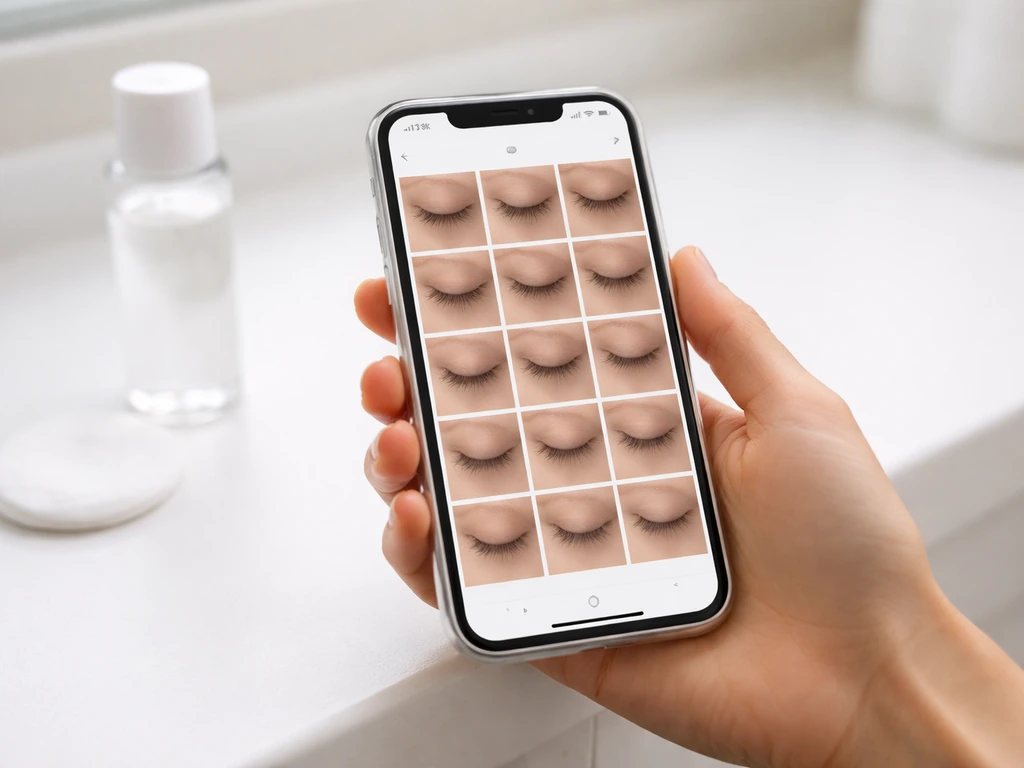
Progress with lash regrowth is easy to miss because it happens gradually and you see your own face every day. Set yourself up to actually notice it by taking a close-up photo of each eye under consistent lighting (same lamp, same angle) every two weeks. Use a ruler or ruler app if you want to track actual millimeter changes. This is not vanity, it is the same method used in clinical trials, and it will stop you from giving up too early.
| Timeframe | What you might notice | What to do |
|---|---|---|
| Weeks 1 to 2 | Little visible change; possibly reduced shedding | Focus on stopping damage and establishing your nightly routine |
| Weeks 3 to 4 | Tiny stubble-like growth at the lash line; existing lashes may look better conditioned | Stay consistent; do not add extra products hoping to speed things up |
| Weeks 5 to 8 | Noticeable new growth, lash line filling in gradually; some unevenness is normal | Review photos to see real progress; adjust if any irritation has appeared |
| Weeks 9 to 12 | Meaningful density improvement; new lashes approaching fuller length | Assess whether OTC approach is sufficient or a dermatology consult makes sense |
| Week 16+ | Near-full recovery for most damage-related cases; medical cases may still be progressing | Maintain protective habits; consider if ongoing serum use is right for you |
If you are using an OTC serum or castor oil and reach the 12-week mark with minimal visible change, that is useful information, not a failure. It either means the cause has not been fully addressed, the growth cycle timing is just slow for you, or you may benefit from a prescription-level intervention. Adjust based on what you actually observe, not what you hoped for.
One more thing worth knowing: growing back lashes and growing them longer or thicker are related but slightly different goals. Once you have restored baseline density, you may find you want to push further, making them longer or adding visible thickness. Growing back is one step, but focusing on how to make your lashes grow longer can help you tailor your routine once you see baseline regrowth.
Once you have restored baseline density, you may find you want to push further, and focusing on how to grow thicker lashes can help you tailor your routine once you see baseline regrowth. Those goals build on the same foundation you are establishing now, and the strategies for supporting them overlap significantly with what you are already doing. EyeWiki from the AAO notes that anterior blepharitis involving the eyelash follicles is managed with [gentle lid hygiene](https://eyewiki. aao.
org/Blepharitis), including approaches similar to using baby shampoo.
FAQ
How long after my lashes start shedding should I begin a regrowth routine?
You can start right away with lash-friendly habits (no rubbing, gentle removal), but for products that aim to support regrowth, use a realistic timeline. If you are actively losing lashes from an ongoing trigger (extensions, irritation, new mascara, eye rubbing), regrowth support will be limited until you remove the trigger. If you are unsure, pause extension use and avoid new eye products for 2 to 3 weeks, then restart a single, simple regimen so you can tell what is helping.
Will stopping my lash serum or castor oil make lashes fall out again?
Stopping OTC serums and castor oil usually does not cause a “shedding rebound,” because they are mainly conditioning and anti-breakage. With bimatoprost, results can fade when you stop, since it affects the growth cycle. If you use any product and then quit, take progress photos and be prepared for some regression back toward your baseline density.
Can I speed up results by using multiple lash growth products at the same time?
Usually not. Layering products increases irritation risk (which can worsen shedding) and makes it hard to identify what is working. A practical approach is to choose one category (OTC serum or carefully applied castor oil) and run it consistently for 12 weeks while you fix the cause. If there is irritation, stop that product and switch rather than combining it with another formula.
Is it safe to apply lash oil or serum right up to the lash roots?
You want coverage at the lash line and base, but avoid getting product into the eye. For oils, keep the applicator on the lash line only, use a clean spoolie or cotton swab, and apply a thin layer. For serums, follow the labeled placement and dose, and do not extend application onto the waterline where it is more likely to migrate into the eye.
What should I do if I get itchy or red eyes after starting an OTC serum or castor oil?
Stop the product immediately and give your eyes a recovery break, ideally at least a week before changing to a different formula. Do not “push through” symptoms, since inflammation can keep lashes in a shedding-prone state. If you develop significant pain, light sensitivity, or persistent swelling, seek medical care rather than trying another cosmetic.
How do I know whether my lash thinning is from traction versus allergies or breakage?
Traction tends to cause gradual thinning along the lash line with a history of extensions, aggressive removal, or frequent rubbing. Allergic or irritant causes often come with recurring itching, redness, crusting, or eyelid irritation. Breakage can look uneven, with shorter-looking lashes even when follicles are still active. If symptoms are present, a doctor can evaluate eyelid inflammation and contact dermatitis instead of treating blindly.
Will lash regrowth look patchy at first, and then fill in later?
Yes, patchiness early on is common because follicles are not all in the same phase at the time you start. You might notice short stubble before full length and then gradual spreading of density over subsequent growth cycles. That is why consistent photos every two weeks and waiting through the 12 to 16 week window is more informative than daily judging.
Can I use waterproof mascara, eyelash curlers, or lash tint while I am trying to regrow lashes?
If you are actively regrowing, waterproof mascara and harsh removers can increase friction and breakage, so choose gentler formulas and removal methods. Eyelash curlers are more likely to snap emerging lashes, so limit curling until you see stable density and less breakage. Lash tint or perming adds chemical exposure, so it is best to pause those until your eyes are not irritated and your lashes look consistently healthy.
When should I see a dermatologist instead of waiting the full timeline?
See a dermatologist sooner (rather than continuing home remedies for another cycle) if you have persistent eyelid redness or swelling, noticeable loss in just one area, lash loss alongside hair loss elsewhere, or no improvement after about 8 to 12 weeks of consistent, trigger-free routine. Also seek care urgently if you have eye pain, vision changes, or signs of infection or severe allergic reaction.
What is the best way to measure progress without biasing myself?
Use standardized close-up photos under consistent lighting, same camera distance, and same head position every two weeks. If you want extra precision, mark a consistent reference point (like the inner corner to outer corner) and compare relative length and density. A simple ruler measurement of a few visible lashes can help, but focus mostly on overall density and whether new short lashes are appearing along the lash line.
Next Article
How to Grow Lashes Quickly: Fast Timeline, Routine, and What Works
How to grow lashes quickly with realistic timelines, a daily routine, and serum ingredient tips to regrow safely.