
The fastest safe way to grow eyelashes is a two-part strategy: stop the damage first, then add a growth stimulator. If you skip part one, nothing in part two will work as well as it should. Realistically, you can expect to see meaningful improvement in lash length and thickness between weeks 4 and 12, depending on whether you are growing from a baseline of breakage, shedding, or healthy follicles that just need a nudge.
How to Grow Lashes Quickly: Fast Timeline, Routine, and What Works

Rachel Nguyen
21 Apr 2026
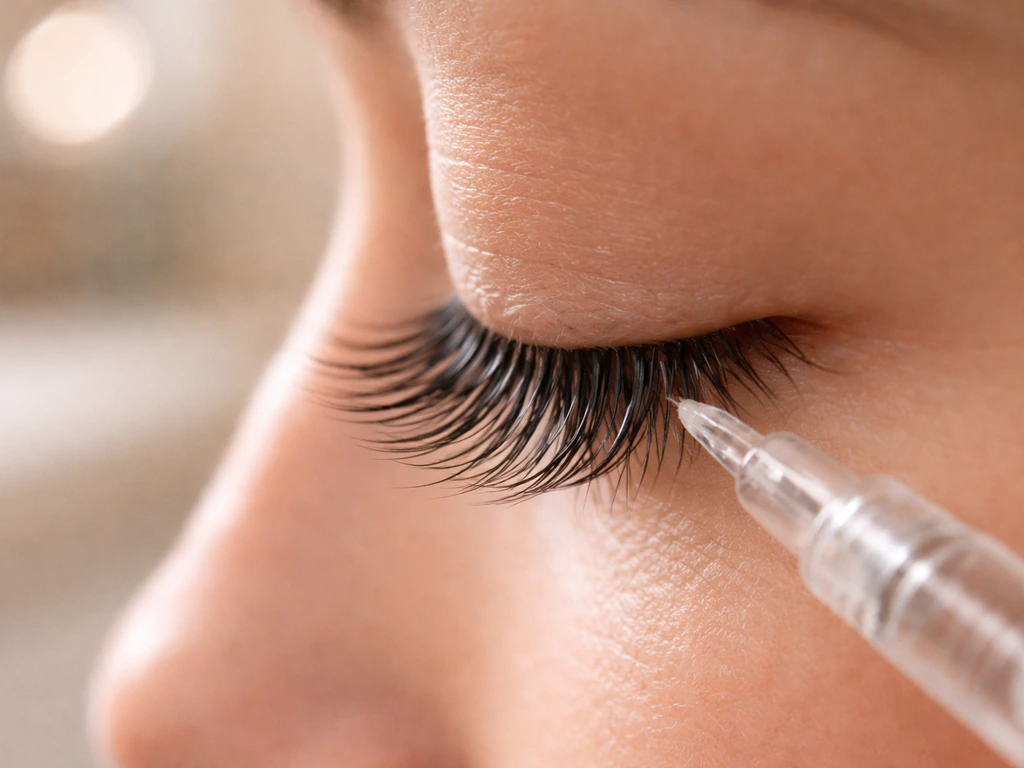
How fast eyelashes actually grow (and what 'quickly' really means)
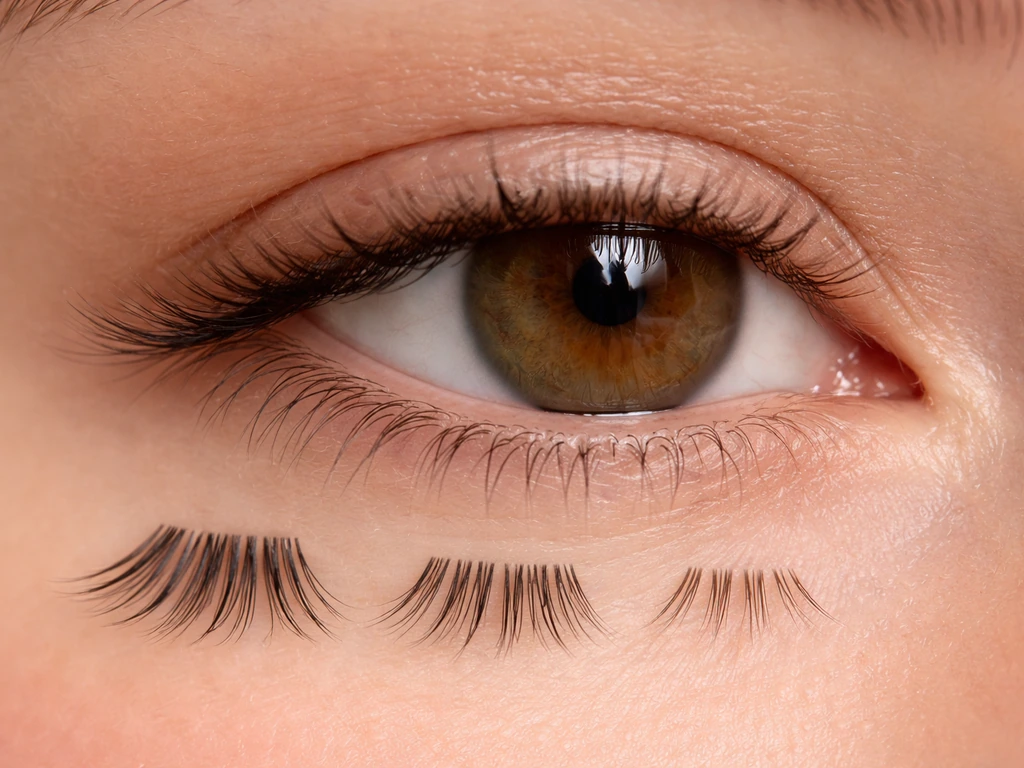
Eyelashes follow a three-phase growth cycle: anagen (active growth), catagen (a roughly 15-day transition phase where the follicle degrades), and telogen (resting), after which the lash sheds and the cycle starts over. The anagen phase for lashes is much shorter than it is for scalp hair, which is why lashes have a natural length ceiling. You cannot force a lash to grow faster than its biology allows, but you can extend the anagen phase and prevent premature shedding, which is where real results come from.
In practical terms, 'quickly' means somewhere between 4 and 16 weeks depending on what you are working with. Clinical data on bimatoprost (the most studied lash growth agent) shows that many users see appreciable improvements in prominence, length, and darkness starting around month 1, with thickness improvements measurable by month 2 when applied once nightly. Natural approaches take longer, typically 8 to 12 weeks before you notice a visible difference. If you are regrowing lashes after damage or extensions, add another 4 to 6 weeks to those timelines. Going in with that expectation will stop you from quitting early.
Why your lashes aren't growing fast right now
Most people who feel like their lashes 'won't grow' are dealing with one of three problems: breakage, premature shedding, or follicle-level damage. These are meaningfully different and require different fixes.
Breakage happens at the lash shaft, not the follicle. Waterproof mascaras, aggressive removal, lash curlers used on dry or already brittle lashes, and rubbing your eyes all cause shaft breakage. The lash is still growing underneath, but the tip keeps snapping off before you see any length. This is the most common reason people think their lashes have stopped growing.
Premature shedding is a follicle-level problem. It can be triggered by contact dermatitis from lash glue or certain eye makeup, chronic eye rubbing, traction from extensions or heavy falsies, nutritional deficiencies, stress, or systemic conditions. When the follicle is repeatedly inflamed or under mechanical stress, it gets pushed into telogen early and sheds lashes ahead of schedule. You can also see this temporarily after stopping lash serums that artificially extend anagen, which causes a wave of shedding as lashes catch up to their natural cycle.
Follicle damage from long-term traction, scarring (from chronic blepharitis or lash glue trauma), or medical causes like alopecia areata is the most serious category. If your lashes are missing in patches, growing back sporadically, or if you had a strong allergic reaction to lash products, that warrants a professional look before you layer on growth serums.
A quick at-home routine to protect lashes and reduce breakage
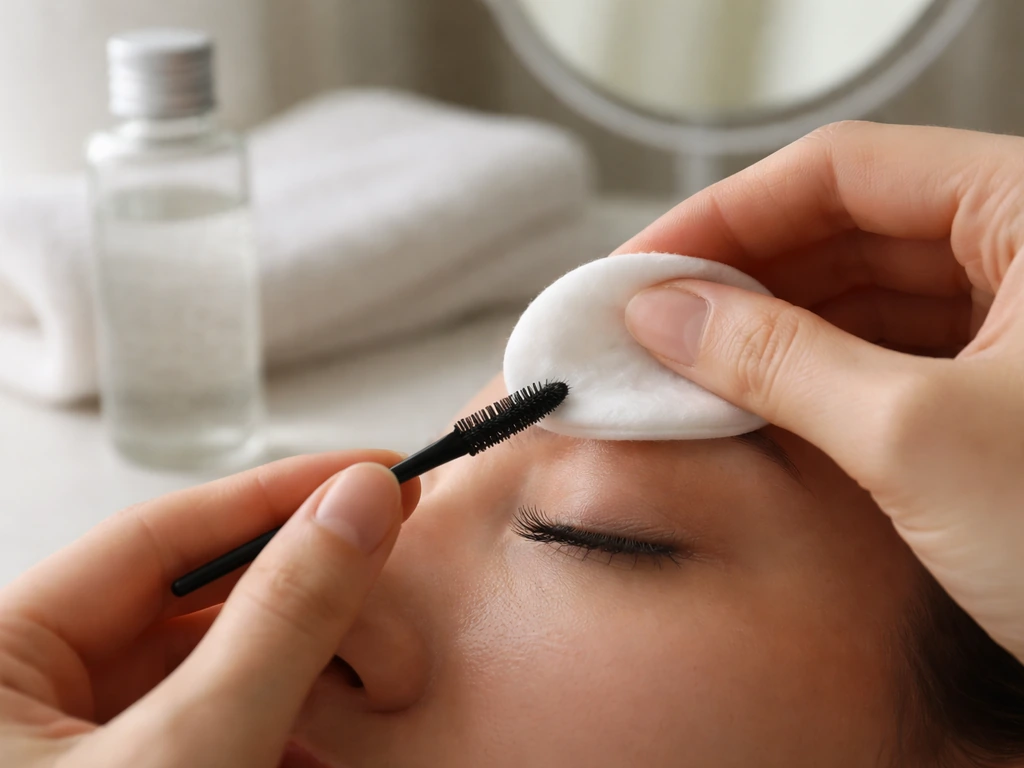
Before any growth strategy works, you need to stop the thing that is undoing your progress. This daily routine takes under 5 minutes and addresses the most common breakage causes.
- Cleanse gently every night: Use a micellar water or oil-based cleanser on a lint-free cotton pad. Press it against closed lashes for 20 to 30 seconds to dissolve mascara before wiping. Never rub back and forth across the lash line.
- Skip waterproof mascara daily: Waterproof formulas require more force to remove and dry out the lash shaft. Save them for special occasions and switch to a tubing or regular formula for everyday wear.
- Stop using a lash curler on dry lashes: If you curl, do it before mascara and on clean lashes. Metal curlers on coated lashes are one of the fastest ways to snap off the middle third of a lash.
- Apply a conditioning oil or serum to the lash line at night: Use a clean spoolie or a thin eyeliner brush to apply castor oil, argan oil, or your chosen lash serum. Work from root to tip on the upper lash line after cleansing.
- Protect during sleep: Sleep on your back or use a silk pillowcase if you tend to press your face into the pillow. Side sleeping with your face in a cotton pillowcase creates friction that breaks lashes night after night.
- Use a clean spoolie each morning: Brush lashes downward and then upward before applying makeup. This separates lashes without pulling and keeps you from tugging at any that are in late telogen and ready to shed naturally.
Natural vs. proven growth boosters: what actually works
There is a clear hierarchy here, and being honest about it saves you time and money. Prostaglandin-based prescription serums have the strongest clinical evidence. Over-the-counter peptide and conditioning serums are a solid middle ground. Oils like castor oil work mostly as conditioning agents rather than growth stimulators, but they reduce breakage enough to make lashes appear longer and fuller over time. Biotin supplements have weak evidence for people who are not actually deficient.
| Option | Mechanism | Realistic Timeline | Evidence Level | Main Cautions |
|---|---|---|---|---|
| Bimatoprost 0.03% (prescription) | Extends anagen phase, shifts telogen follicles to anagen | Visible at 4 weeks, full effect by 4 months | Strongest (multiple RCTs) | Periocular pigmentation, redness, dryness, iris color change with overuse |
| OTC lash serums (peptides, amino acids) | Condition follicle environment, reduce shedding signals | 8 to 12 weeks | Moderate (limited RCTs, strong cosmetic evidence) | Irritation if applied too close to eye; patch test first |
| Castor oil | Conditions shaft and scalp, reduces friction and breakage | 8 to 16 weeks | Anecdotal/weak formal evidence | Can cause blocked follicles if applied too heavily; avoid inner lid |
| Argan/vitamin E oil | Antioxidant conditioning, reduces oxidative stress on follicle | 10 to 16 weeks | Low (indirect evidence) | Minimal if used externally on lash line |
| Biotin supplement | Supports keratin synthesis if deficient | 12+ weeks | Weak (only useful if deficient) | Can interfere with thyroid and other lab tests at high doses |
The recommendation
If you want the fastest results and you have a dermatologist or ophthalmologist you can consult, ask about a prescription prostaglandin analog. If you want an accessible, no-prescription approach, combine a well-formulated OTC peptide serum applied nightly with castor oil as a weekly deep-conditioning treatment (not every night, as heavy oil can block follicles). Add biotin only if your diet is poor or you have confirmed a deficiency. Applying bimatoprost or any serum more than once per day does not speed up results and increases the risk of side effects.
How to regrow lashes fast after extensions or lash loss
Recovery after extension damage, allergic reactions, or traction alopecia follows a predictable timeline, but only if you stop the damaging behavior first. Continuing to wear extensions while trying to regrow lashes is like trying to heal a blister while still wearing the shoes that caused it.
What to stop immediately
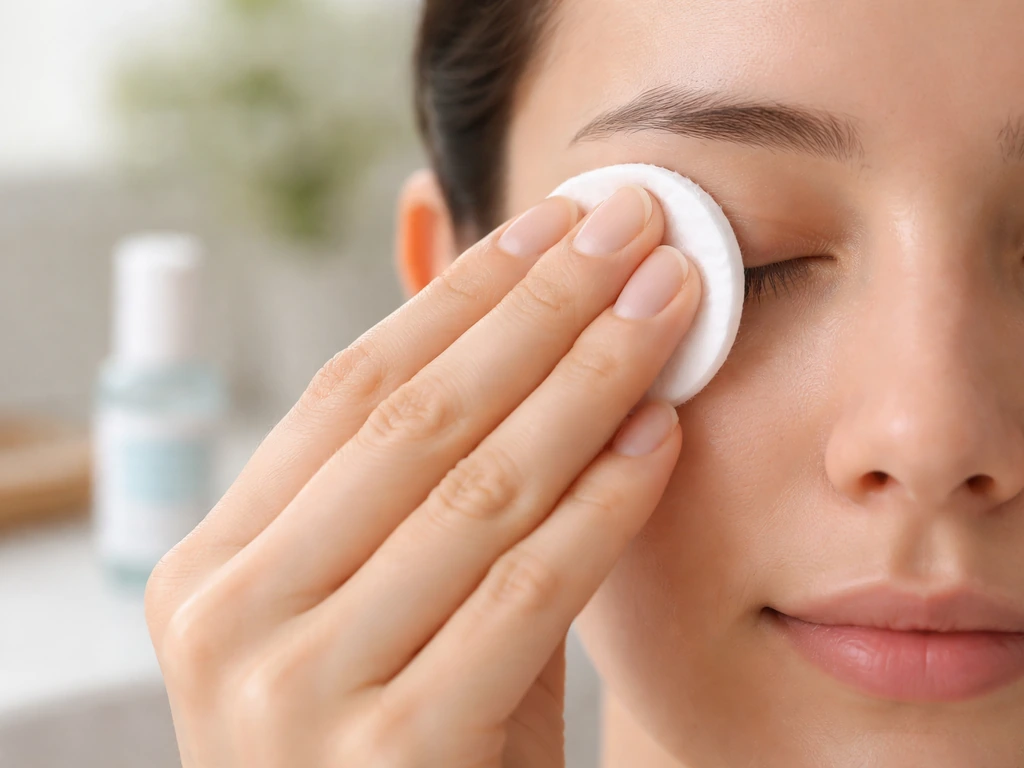
- All lash extensions and lash glue until the lash line has fully recovered
- Rubbing or picking at the lash line, even if it is itchy from residual adhesive
- Any mascara or liner applied directly to the waterline or inner lash margin during active irritation
- Heavy eye makeup that requires hard removal pressure
- Any product you suspect triggered a reaction, including serums, removers, or primers
Recovery timeline
If the follicles are intact and the damage is from traction or breakage rather than scarring, most people see new lash growth emerging within 6 to 8 weeks of stopping the damaging cause. Full density recovery typically takes 3 to 6 months. If you experienced a significant allergic reaction (contact dermatitis, swelling, weeping) from lash glue or a serum, give the area at least 2 to 4 weeks with nothing applied before introducing a new product, and see an allergist or dermatologist if symptoms persisted beyond a few days. A clinical lash serum introduced after the skin has settled can accelerate regrowth by keeping new follicles in the anagen phase for longer.
One thing worth knowing: if you have been using a prostaglandin serum and stop it, lashes can return toward their pre-treatment baseline within a few weeks to months. This is not damage, it is just the anagen extension effect wearing off. Plan to continue maintenance use if you want to preserve results.
Getting longer vs. thicker lashes: they need slightly different approaches
Length and thickness are related but not identical goals, and the habits that drive each are worth separating. If you want to understand the full picture on one or the other, the strategies for growing longer lashes and growing thicker lashes each deserve their own deep dive, but here is the practical split.
Length comes from extending the anagen phase and preventing shaft breakage. For more on proven options and realistic timelines, see the guidance on how to make your lashes grow longer extending the anagen phase. The biggest levers are stopping waterproof mascara, conditioning the shaft nightly, and using a prostaglandin-based serum if you want clinical-grade results. Prostaglandin data from Japanese multicenter trials shows measurable length improvements starting at month 1 with once-nightly application. Length is also where castor oil and consistent conditioning make the most noticeable cosmetic difference, because even modest breakage reduction preserves the tip, making each lash visibly longer.
Thickness means more lashes and/or wider diameter lashes. This requires reducing premature shedding and, ideally, stimulating more follicles from telogen into anagen simultaneously. blank" rel="noopener noreferrer">Bimatoprost data shows thickness improvements become measurable at month 2, slightly later than length. Bimatoprost 0.03% has been assessed in a pooled safety analysis of six randomized, double-masked trials in eyelash hypotrichosis, with ocular and periocular safety findings reported from those studies blank" rel="noopener noreferrer">Bimatoprost data. For natural approaches, reducing inflammation at the lash line (gentle cleansing, no tugging, treating any underlying blepharitis) is the most impactful thing you can do. Peptide-based serums marketed for 'fuller' lashes are targeting this mechanism too, with more modest results than prescription options.
Safety, irritation prevention, and when to see a professional
Most lash growth products are applied at the base of the upper eyelid margin, which puts them very close to the ocular surface. The side effect profile of prostaglandin-based serums is well documented: conjunctival hyperemia (redness), dryness, itching, eyelid erythema, and periocular skin pigmentation (darkening of the skin around the eye) are the most commonly reported effects. Iris pigmentation changes are possible with chronic overuse. Applying with a fine brush or single-use applicator and blotting any excess is the standard way to minimize eye exposure.
OTC peptide serums have a gentler side-effect profile, but any product applied to the eyelid margin can cause contact dermatitis in sensitive individuals. Always patch test a new lash product on the inner arm for 48 hours before applying it near the eye. If you develop redness, swelling, or persistent itching after starting any lash serum, stop it immediately and let the area recover before trying something else.
See a dermatologist or ophthalmologist if: your lashes are falling out in patches, you have lost lashes on the lower lid in significant quantity, there is visible scarring or scaling at the lash margin, the loss started after a medication change, or redness and irritation have not cleared after two weeks of stopping all lash products. If you are focused specifically on how to grow bottom lashes, you can use the same core approach but take extra care to avoid irritating the lower lash line. Conditions like alopecia areata, tinea, or blepharitis affecting the follicle need treatment, not just a growth serum layered on top.
Troubleshooting: why results are slow and how to adjust
If you have been consistent for 8 to 10 weeks and see no change, the answer is almost always one of these five things:
- You are still breaking lashes faster than they grow: Check your removal routine. Use an oil cleanser and let it dissolve mascara rather than wiping it off. Even one night of rough makeup removal per week can undo a week of conditioning.
- You are applying the serum incorrectly: Lash serums should be applied to the skin of the upper eyelid margin at the base of the lashes, not to the lash shaft itself. Think of it like painting a thin line where a liner would go, using a very fine brush. Applying it to the mid-shaft does little for follicle stimulation.
- You switched products or ran out: The growth cycle requires consistent stimulation. Stopping and restarting a serum resets some of the anagen-extension effect.
- An underlying issue is overriding the product: Chronic eye rubbing (sometimes triggered by allergies), blepharitis, or nutritional gaps suppress growth regardless of what you apply. Address the root cause first.
- Your expectations are calibrated to the wrong timeline: If you are 6 weeks in, you may simply be at the midpoint of a normal response curve. Take a photo under the same lighting and compare it to your week-one photo. Progress is often invisible in the mirror because it happens gradually, but clear in a direct comparison.
One final adjustment worth making: if you are not seeing thickness improvement but are seeing some length, consider whether shedding rather than breakage is your main obstacle. Thickness requires follicle recruitment, and that responds better to prostaglandin-class serums than to conditioning alone. If you have been relying only on oils and conditioning, that is the upgrade that tends to shift stalled results.
FAQ
How long should I try a lash serum before I decide it is not working?
Give it at least 8 to 10 weeks if you have stopped the main damaging behavior. If you see no change by then, re-check the root cause (breakage versus shedding versus follicle damage) and confirm you are using it once nightly with clean, undamaged application to the lash line.
Will lash extensions slow down growth, even if I am using a serum?
Yes. If you are still wearing extensions or heavy falsies, the traction and glue contact keep pushing follicles toward early shedding. The fastest “regrow” approach is to pause extensions long enough to let the lash line calm down, then restart your growth routine.
What is the quickest way to tell whether I am dealing with breakage or shedding?
If lashes snap at the tip and you notice short, frayed ends, that points to shaft breakage. If you see lashes falling out from the base, especially in clumps or with eyelid irritation, that suggests premature shedding from inflammation or contact dermatitis.
Can I speed results by applying lash serum twice a day?
No. More frequent application does not usually accelerate lash growth, and it increases the chance of side effects like redness, dryness, itching, and periocular skin darkening. Stick to once nightly unless your clinician tells you otherwise.
Is castor oil worth using for faster lash growth?
It is mainly helpful as a conditioning and breakage-reduction tool, so it can make lashes look fuller sooner by preventing snapping. For true “more growth,” especially for thickness, an anagen-supporting option (like prostaglandin-class therapy or an evidence-based peptide) is typically the bigger lever.
Should I stop a prescription prostaglandin serum after I reach my goal length?
If you stop, many people see a return toward their baseline within weeks to months due to the anagen extension effect wearing off. If you want to preserve results, plan for ongoing maintenance use with your prescriber’s guidance.
What should I do if I get redness or itching after starting a lash serum?
Stop the product immediately. Do not switch products right away, give the area time to recover, and consider seeing a dermatologist if symptoms persist beyond a short window. If you had swelling, weeping, or strong contact reactions, a clinician should assess you before restarting any growth product.
How do I safely apply a lash serum to reduce eye exposure?
Apply at the lash base using a fine brush or single-use applicator, then blot any excess so it does not run toward the eyeball. Avoid getting product into the lower lid or onto the ocular surface, since that is where irritation risk rises.
Do I really need to patch test lash products?
Yes, especially if you have sensitive skin or past reactions to cosmetics. Patch test on the inner arm for 48 hours before using anything near the eyelids, and stop at the first sign of redness or persistent itching.
Can I use lash growth products if I wear contacts or get dry eyes?
Be cautious. If your eyes are already prone to dryness, irritation from anything applied to the lash line may be worse. Consider discussing options with an ophthalmologist, and ensure strict control of application so product does not migrate into the eye.
Why am I seeing length improvement but not thickness?
That pattern usually means shaft breakage is improving, but follicle recruitment and reduced shedding are still not addressed enough. Thickness tends to respond better to strategies that support follicle cycling, not just conditioning, especially if you were originally losing lashes.
What if I lost lashes in patches or have lower-lid loss?
That needs medical evaluation rather than trial-and-error with serums. Patchy loss, significant lower-lid loss, or symptoms starting after a medication change can signal follicle or systemic causes that require targeted treatment.
Next Article
Does Mustard Oil Grow Eyelashes? Safety and What Works
Find out if mustard oil grows eyelashes, risks to eyelids, and safer options with realistic timelines and when to see a
