You can make your lashes grow longer by protecting the ones you already have from breakage, keeping follicles healthy with a consistent nightly routine, and using proven actives like a peptide or bimatoprost-based serum if you want clinical results. The honest truth is that your lash length is partly capped by biology: eyelash follicles have a shorter anagen (growth) phase than scalp hair, so there is a ceiling. But most people are not hitting that ceiling. They are losing length to friction, poor makeup removal, over-use of extensions, and general neglect. Fix those things first, then layer in the growth-supporting ingredients, and you will see a real difference within two to three months.
How to Make Your Lashes Grow Longer: A Step-By-Step Guide

Rachel Nguyen
23 Apr 2026
How eyelash growth actually works
Every single lash goes through three phases: anagen (active growth), catagen (transition, where the follicle shrinks and the lash detaches from its blood supply), and telogen (resting and eventual shedding). The telogen phase alone can last 4 to 9 months, which is a long time for a lash to just sit there before falling out and being replaced. The anagen growth phase for eyelashes is much shorter than for scalp hair, which is why your lashes never reach shoulder length.
During that growth window, lashes grow roughly 0. 12 to 0. 16 mm per day. That works out to somewhere between 3.
5 and 5 mm per month, and since a full lash cycle from growth to shed spans about 4 to 11 months depending on the individual, you can see why patience is non-negotiable.
Here is something worth knowing: if your lashes look shorter or thinner right now, it does not necessarily mean they stopped growing. It often means more of them are in the telogen or catagen phase simultaneously, which can happen after stress, illness, nutritional gaps, or damage from extensions. The follicle is still there. You just need to let it cycle back into anagen, and give it the conditions to do so.
Your daily at-home routine for longer lashes
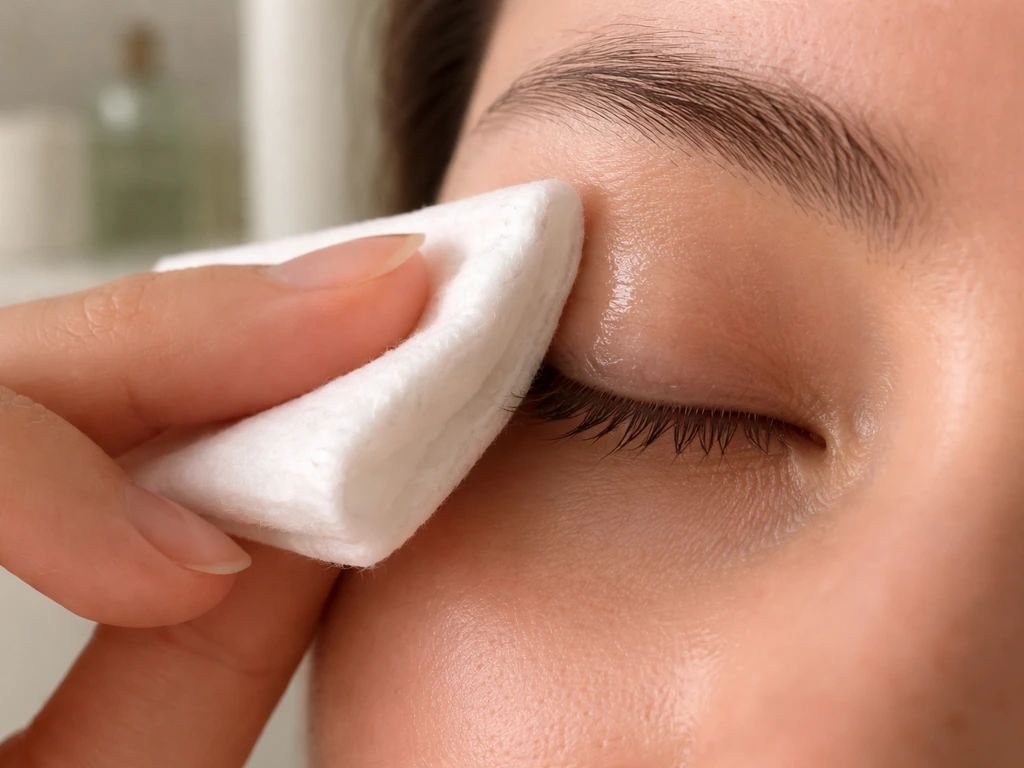
This is the part most people skip past because it sounds boring. It is not boring. It is the foundation that makes everything else work. If you are applying a lash serum every night but still aggressively rubbing your eyes with a makeup wipe, you are undoing your own progress.
- Remove eye makeup with a gentle, oil-based or micellar cleanser using a soft cotton pad. Press it against your lashes for 10 to 15 seconds to dissolve mascara before you wipe, instead of dragging across the lash line.
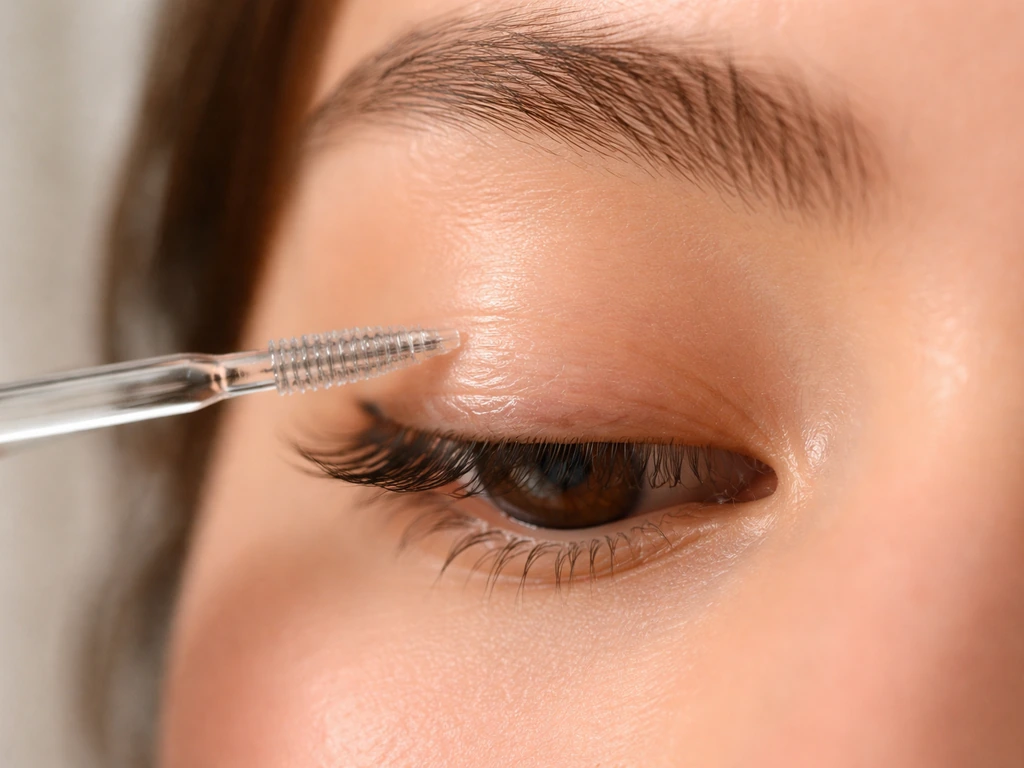
- Apply your chosen lash treatment (oil, serum, or conditioner) at night along the upper lash line after cleansing, using the applicator or a clean spoolie brush. Let it absorb before touching your face.
- Use a clean spoolie brush every morning to gently comb lashes upward. This separates them without pulling and helps you spot any unusual shedding early.
- Avoid sleeping face-down. Pressing your eye against a pillow nightly breaks lashes mechanically over time. A silk pillowcase also reduces friction significantly.
- If you wear mascara, choose a water-based, non-waterproof formula on most days. Waterproof formulas require harder removal and are one of the underrated causes of lash breakage.
- Take a mascara-free day at least two to three times per week to let follicles breathe and reduce cumulative product buildup at the lash line.
Natural ingredients worth trying (and what they actually do)
Natural remedies for lash growth are not a myth, but they work differently than a prescription serum. Think of them as conditioning and protective rather than growth-stimulating in a pharmaceutical sense. They help lashes stay on longer, break less, and look fuller. That alone can create the appearance of meaningfully longer lashes within six to eight weeks.
Castor oil
Castor oil is the most talked-about lash remedy and there is some logic to it. It is rich in ricinoleic acid, which has anti-inflammatory properties and may support a healthy follicle environment. It is also thick enough to coat the lash shaft and reduce moisture loss, which means less brittleness and breakage. Apply a tiny amount along the upper lash line with a clean spoolie or cotton swab each night. Use very little. Too much migrates into the eye and causes temporary blurry vision. The evidence for castor oil actually stimulating new growth is anecdotal, but the conditioning effect is real.
Other carrier and essential oils
Argan oil, sweet almond oil, and vitamin E oil are commonly used as lash conditioners. They work similarly to castor oil but are lighter and easier to apply. Some people layer them with castor oil if their lashes are especially dry or damaged after extensions. Avoid essential oils directly on the lash line without significant dilution as they can cause contact dermatitis around the delicate eye area.
Peptide and growth-factor serums
Over-the-counter lash serums typically contain peptides (like myristoyl pentapeptide-17 or similar sequences) that are marketed to extend the anagen phase or stimulate follicle activity. Clinical evidence for OTC peptide serums is mixed but generally more convincing than for oils alone. A published safety and efficacy study on a polygrowth factor lash serum showed measurable improvements in lash length and density after consistent use over several weeks. These are not miracle products, but they are a step above a conditioning oil in terms of targeted action.
Biotin

Biotin (vitamin B7) is the go-to supplement recommendation for lash and hair growth. The honest caveat: biotin supplementation is most beneficial if you are actually deficient, which is uncommon in people eating a varied diet. If your lashes are thinning due to nutritional gaps, getting enough biotin (and protein, iron, and zinc) through diet or supplementation can help. But if your levels are already adequate, extra biotin is mostly expensive urine. It does not hurt to try, but it is not a standalone solution.
Prescription bimatoprost (Latisse)
If you want the most evidence-backed option for actually making lashes longer, bimatoprost (sold as Latisse) is it. Originally a glaucoma medication, it was discovered to significantly extend the anagen phase and increase lash pigmentation and thickness. Cleveland Clinic notes that bimatoprost (including the brand name Latisse) is used to increase eyelash growth and outlines key side effects and safety considerations [Bimatoprost (brand names including Latisse) is used to increase eyelash growth](https://my. clevelandclinic.
org/health/drugs/19323-bimatoprost-eye-solution-eyelash-growth). It requires a prescription and comes with potential side effects including iris pigmentation changes and periorbital darkening, which is why you need a dermatologist or ophthalmologist involved. It is the gold standard for clinical lash lengthening, and it genuinely works in a way that no OTC product fully replicates.
How long until you actually see longer lashes
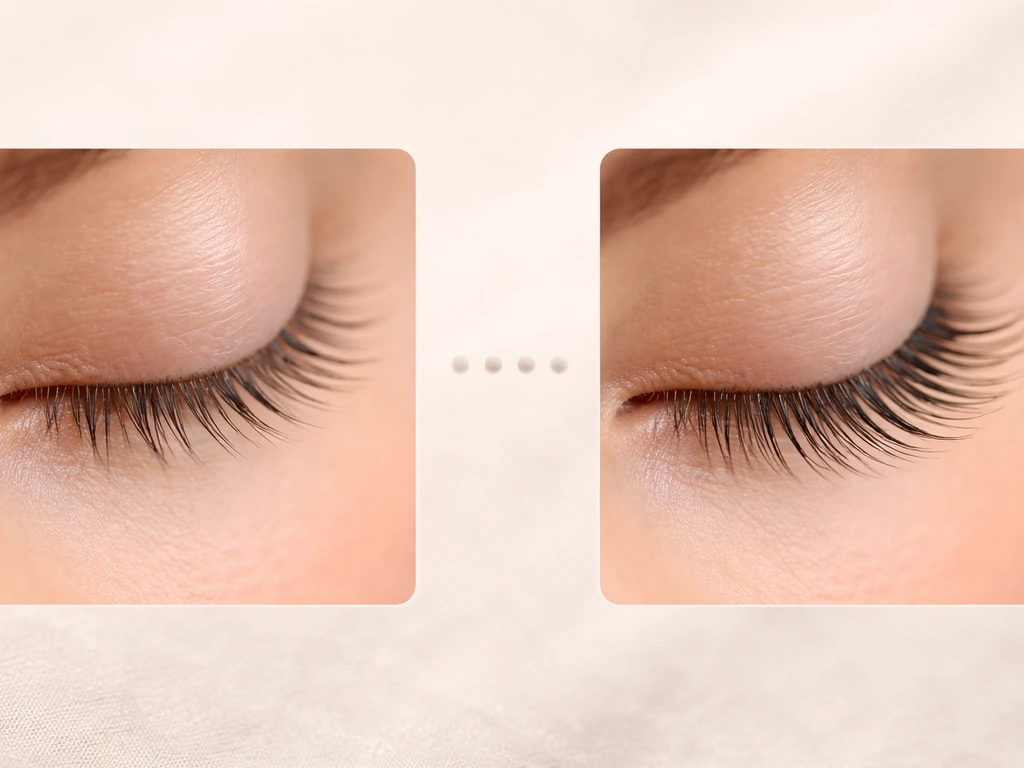
This is the question everyone wants a shortcut for, and the biology does not allow one. Here is a realistic breakdown based on the growth cycle data and common recovery scenarios.
| Scenario | Realistic timeline | What to expect |
|---|---|---|
| General lash improvement with daily care + oil | 6 to 8 weeks | Less breakage, fuller appearance, modest length gain |
| OTC peptide serum used consistently | 8 to 12 weeks | Noticeable length and density improvement if used every night |
| Recovery after extensions or damage | 2 to 4 months | Follicles cycle back; patience required, shedding normalizes first |
| Recovery after illness, stress, or medication | 3 to 6 months | Systemic trigger must resolve; growth resumes but takes full cycle |
| Prescription bimatoprost (Latisse) | 4 to 8 weeks for early results, 16 weeks for full effect | Measurable length and darkness increase; must continue use to maintain |
One thing that confuses a lot of people: during the early weeks of a recovery or serum routine, lashes may seem to shed more. This is often normal. Lashes that were stuck in an extended telogen phase start to release, making room for new anagen growth. If shedding is dramatic or patchy, that is a different story and covered below.
If your goal is to grow back lashes after damage or loss specifically, or to understand the recovery timeline in detail, that scenario has its own nuances worth exploring separately. Similarly, if you are trying to grow bottom lashes or thicker lashes rather than longer ones, the approach overlaps but is not identical.
What is actually making your lashes shorter (stop doing these)
You can use the best serum in the world and still see no progress if you are actively damaging your lashes every day. These are the biggest culprits.
- Eyelash extensions: repeated use, especially with heavy individual extensions, creates traction on the natural lash and can cause traction alopecia of the lash line. If you are a regular extension user and noticing thinning, this is likely the primary cause. Take a break of at least six to eight weeks.
- Rubbing your eyes: this is the most underrated cause of lash breakage. Rubbing mechanically snaps lashes mid-shaft and can dislodge follicles in their telogen phase earlier than natural. Even gentle habitual rubbing adds up.
- Harsh makeup removers: alcohol-based removers, waterproof mascara formulas, and scrubbing to remove stubborn product all damage the lash shaft and irritate the follicle at the lash line.
- Lash curlers used aggressively or on dry lashes: mechanical curlers can crimp and break lashes, especially if the rubber pad is old and cracked. If you use one, heat it gently and always curl before mascara, not after.
- Sleeping in mascara: dried mascara makes lashes rigid. Any movement during sleep can snap them. It also blocks follicle openings at the lash line, contributing to inflammation over time.
- Superglue or harsh adhesives near the lash line: this is worth flagging explicitly. Glue-on lash strips applied improperly or removed forcefully are a documented cause of lash injury and can cause permanent follicle damage if adhesive enters the eye.
- Nutritional deficiencies left unaddressed: prolonged low protein intake, iron deficiency (especially common in women), or very low calorie diets affect hair follicle cycling systemically, including lashes.
When something is actually wrong (time to see a doctor)
Normal lash shedding is about one to five lashes per day. Most people never notice it. If you are noticing significant loss, patchy gaps along your lash line, or lashes that seem to stop regrowing after several months, that is not something to try to fix with castor oil. It needs a professional evaluation.
- Patchy lash loss without a clear mechanical cause (like extensions or rubbing) can indicate alopecia areata, which can affect lash follicles just as it does scalp hair.
- Lash loss accompanied by skin changes, flaking, or redness at the eyelid margin may point to blepharitis, seborrheic dermatitis, or demodex mite infestation, all of which require specific treatment rather than general lash care.
- Irritation, swelling, or chronic itching at the lash line after using any product is a signal to stop immediately. Contact dermatitis from serum ingredients (particularly prostaglandin analogs or preservatives) can worsen the problem significantly.
- If you have noticed lash loss alongside other hair loss (brows, scalp, body hair), thyroid dysfunction or autoimmune conditions should be ruled out by a physician.
- Any foreign material, including glue or lash adhesive, that contacts the eye directly warrants medical attention, not a home remedy.
A dermatologist or ophthalmologist can evaluate the lash follicle margin, run relevant bloodwork, and help you figure out whether loss is structural, hormonal, or inflammatory. This matters because the treatment for each is completely different, and using a growth serum on an inflamed or infected lash line can make things worse.
How to choose a lash serum without getting burned
The lash serum market is saturated with products making claims that range from plausible to ridiculous. Here is how to evaluate them without wasting money or irritating your eyes.
Check the active ingredient
Look for products with a disclosed, named active ingredient. Peptides like myristoyl pentapeptide-17 or biotin-complex formulas have some evidence behind them. Vague terms like 'growth complex' or 'proprietary blend' with no ingredient transparency are red flags. If the serum contains a prostaglandin analog (like isopropyl cloprostenate), be aware this is a pharmaceutical-class ingredient that some OTC serums include without full disclosure. It can cause iris color changes in predisposed individuals.
Patch test before full use
Apply the serum to the inner forearm for two to three days before using it on your lash line. The skin around the eye is thinner and more reactive than most areas. A product that causes no reaction on your arm will generally be fine on your lash line, but skipping this step risks irritation right where you can least afford it.
Use it correctly and consistently
Most serums are designed for once-nightly application to the upper lash line only, not the waterline, not the lower lashes unless explicitly stated. Using more than directed does not speed up results and increases the risk of irritation. Consistency matters far more than quantity: two nights on, one night off does not have the same effect as seven nights a week. Set a specific part of your nightly routine as the trigger for application so it actually becomes a habit.
Manage your expectations around timelines
Any legitimate serum will tell you to expect 8 to 16 weeks for visible results. If a product promises dramatic results in two weeks, that is a marketing claim, not biology. The anagen cycle simply does not accelerate on that schedule. Take a close-up baseline photo on day one so you have an objective reference point. Lash changes are gradual enough that your memory alone will not be a reliable guide.
OTC vs prescription: a quick comparison
| Factor | OTC peptide serum | Prescription bimatoprost (Latisse) |
|---|---|---|
| Strength of evidence | Moderate (some clinical studies, mostly manufacturer-funded) | Strong (multiple independent clinical trials) |
| Access | No prescription needed | Requires prescription and dermatologist or ophthalmologist consult |
| Cost | Roughly $30 to $120 per month | Roughly $120 to $200+ per month without insurance |
| Side effect risk | Low to moderate (irritation, contact dermatitis) | Moderate (iris pigmentation change, lid darkening, redness) |
| Results if discontinued | Lashes gradually return to baseline | Lashes return to baseline within weeks to months |
| Best for | General lash support, prevention, mild thinning | Significant thinning, medically supervised lash recovery |
The bottom line on making your lashes grow longer is this: you cannot override your follicle biology, but you can absolutely give your lashes the best environment to reach their natural maximum. If your specific goal is how to grow bottom lashes, the same principles apply, but you need to be extra careful with application around the lower lash line grow longer.
If your main goal is how to grow thicker lashes, focus on protecting breakage and choosing the right active that supports fuller-looking growth. Start with removing damage sources from your routine, add a nightly conditioning or serum step, be patient for at least two to three months, and escalate to a prescription option only if OTC approaches have not moved the needle after a genuine consistent effort.
That sequence works, and it is based on how lash follicles actually function rather than wishful thinking.
FAQ
How long does it actually take to see your lashes look longer, not just “healthier”?
Visible length changes usually show up after 8 to 16 weeks of consistent protection and nightly application. If you notice a big change sooner, it is often reduced breakage or less fallout rather than true new length, so track with a close-up baseline photo on day one to confirm real growth.
Should I apply lash serum to my lower lash line too?
Only do so if the product is explicitly made for lower lashes. The lower lash area is more reactive, and misapplication can increase irritation and unwanted eye-area pigmentation risk with stronger actives. If the directions say “upper lash line only,” follow that.
What if my lashes shed more in the first few weeks? Does that mean the serum is failing?
Early shedding can be normal because lashes in an extended resting phase release as new growth starts. What is not normal is dramatic or patchy gaps, crusting, redness, or burning. If those show up, stop the product and get an eye or skin evaluation.
How can I tell the difference between shedding from stress versus lash damage from rubbing or extensions?
Stress-related shedding is usually more even along the lash line, and it tends to follow a trigger like illness or a major life event. Damage from extensions and aggressive makeup removal often shows up as shorter, more brittle-looking lashes that break near the middle or tip. If you are unsure, avoid extensions and switch to gentler removal while you assess over 6 to 8 weeks.
Is castor oil safe to use every night, and how much is “too much”?
Using a tiny amount on the upper lash line is generally safer than “coating” the lashes. Too much can migrate into the eye and cause temporary blurry vision. A good rule is one light pass with a clean spoolie, and never apply it on the waterline.
Can I use multiple lash oils or conditioners together to get faster results?
Layering can help with dryness, but it can also increase irritation risk and make it harder to know what is working. If you do layer, keep it simple (for example, one oil plus castor oil on the driest lashes only) and avoid adding new products every week. If your eyes sting or look red, scale back immediately.
What ingredients should I look for to avoid wasting money or causing irritation?
Prioritize products with clear, named actives (for example specific peptide names) and avoid “mystery blend” formulas. Be cautious with any prostaglandin analog claims if the ingredient list is unclear, because these can have medication-like side effects even in “cosmetic” packaging.
How should I test a lash serum if I have sensitive skin?
Do a patch test on the inner forearm for 2 to 3 days before using it near the eyes. Also consider starting every other night for a week, then increasing if there is no redness, swelling, or itching. If you have eczema or known contact allergies, be extra strict with patch testing.
Why am I seeing uneven growth or bald spots along my lash line?
Unevenness can come from focal follicle inflammation, scarring conditions, or repeated mechanical trauma from rubbing or adhesives. If gaps are patchy and not improving over a few months, or you see redness, scaling, or lash direction changes, get evaluated rather than continuing DIY conditioning.
Does biotin actually help lash growth if I am not deficient?
Extra biotin usually helps only when intake is low. In people who eat a varied diet and already meet nutrition needs, it is often not the main driver of lash changes. If thinning is the issue, focus on overall protein, iron, and zinc adequacy first, and consider labs if you suspect deficiency.
When should I consider a prescription option like bimatoprost?
Consider escalation only after a genuine, consistent OTC routine (typically 8 to 16 weeks) plus damage reduction has not produced meaningful change. Prescription options require clinician oversight due to potential side effects like periorbital darkening and iris pigmentation changes in predisposed individuals, so discuss your risk profile before starting.
Can I speed up results by applying serum more often or using thicker layers?
More is not better. Most lash serums are designed for once-nightly use on the upper lash line, and increasing frequency or amount mainly raises irritation risk without reliably increasing growth rate. Stick to the directed dose and focus on consistency.
What’s the most common reason people get no results even when they use a serum?
Ongoing lash trauma is the big one. Common culprits include rubbing eyes with makeup wipes, skipping gentle makeup removal, sleeping in heavy eye makeup, or using extensions that repeatedly pull or irritate the lash line. If your routine still damages lashes, the serum cannot compensate.
How can I prevent lash breakage while removing makeup?
Use a gentle, eye-safe remover and avoid tugging on the lash line. Apply remover with minimal rubbing, then wipe slowly from root toward tip. After, blot rather than scrub, and skip waterproof formulas if they force you to use more friction during removal.
Next Article
How to Grow Back Lashes: Step-by-Step Recovery Plan
Step-by-step at-home plan to regrow and thicken lashes after extensions, damage, or tweezing, with safe application tips