
You can make eyelashes grow faster, but only within the limits of your biology. Lashes grow at roughly 0.12 mm per day, and the full growth cycle takes anywhere from a few months to close to a year. That means there is no shortcut that adds inches overnight, but there is a real difference between lashes growing at their best pace and lashes stuck in a slow, damaged cycle. The practical goal is to remove what is holding your lashes back, support the conditions that encourage healthy growth, and use the right ingredients to nudge things along. That is exactly what this guide covers.
How Eyelashes Grow Faster: Timeline and Safe Steps

Rachel Nguyen
21 Apr 2026
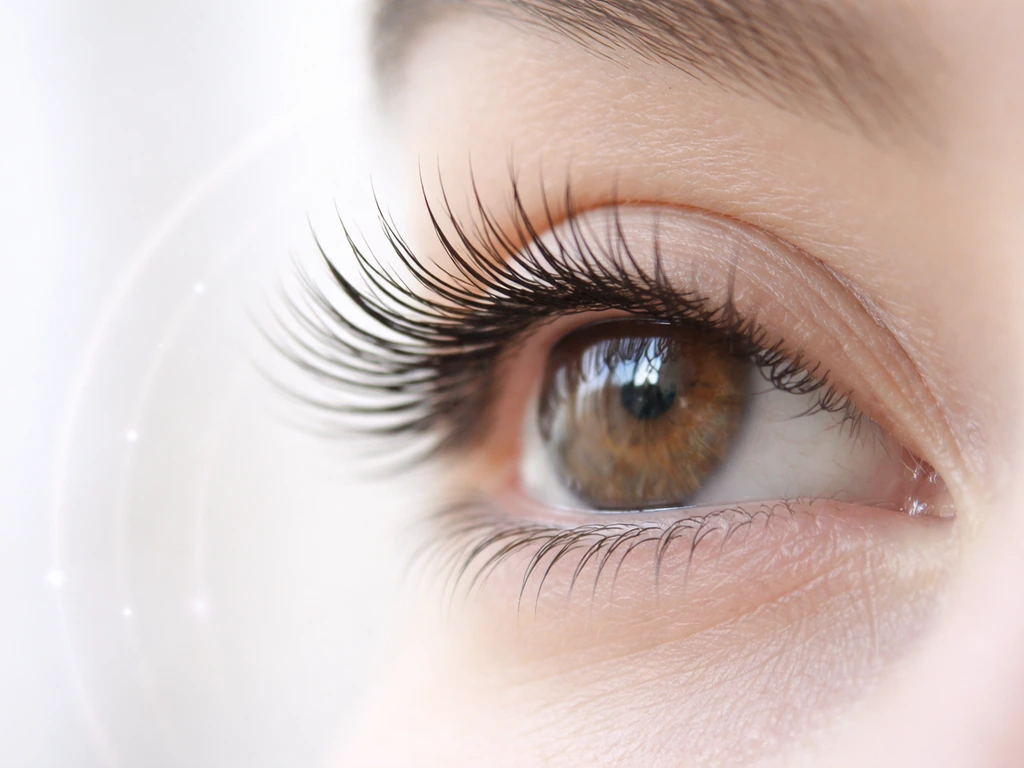
Eyelash growth basics and what 'faster' really means
Every eyelash goes through three phases: anagen (active growth), catagen (transition), and telogen (resting). During anagen, the follicle is actively building the lash shaft. This phase lasts roughly 1 to 3 months depending on your genetics and overall health. Catagen is a short transition period of about 3 to 4 weeks where growth stops and the follicle shrinks. Telogen is the resting phase, and this is where lashes sit the longest, potentially up to 9 months, before the old lash sheds and a new anagen phase begins. Catagen lasts about 15 days, while telogen lasts roughly 4, 9 months, as summarized in an eyelash growth-cycle review telogen is the resting phase, and this is where lashes sit the longest, potentially up to 9 months.
Here is the part that surprises most people: at any given moment, your lashes are not all in the same phase. Some are actively growing, some are resting, and some are about to fall out. That is completely normal. It also explains why after damage or loss, regrowth can look uneven for months. When people talk about growing lashes faster, what they usually mean is one of two things: getting lashes to grow at their full potential speed during anagen, or shortening the time a follicle sits dormant before starting a new cycle. If you are specifically trying to understand what makes lashes grow, the next section breaks down the main drivers in plain language what makes lashes grow (full explanation). If you are wondering what makes eyelashes grow, it mostly comes down to supporting the anagen cycle and avoiding anything that disrupts it growing lashes faster. If you are wondering what makes eyelashes grow, it mostly comes down to supporting the anagen cycle and avoiding anything that disrupts it growing lashes faster what makes lashes grow fast. Genuinely speeding up the anagen growth rate itself is something only prescription treatments like bimatoprost (the active in Latisse) can meaningfully do. Everything else, including the oils, serums, and habits covered here, works by optimizing conditions so your lashes can grow as fast as they naturally should.
What makes eyelashes grow quicker (and what keeps them slow)
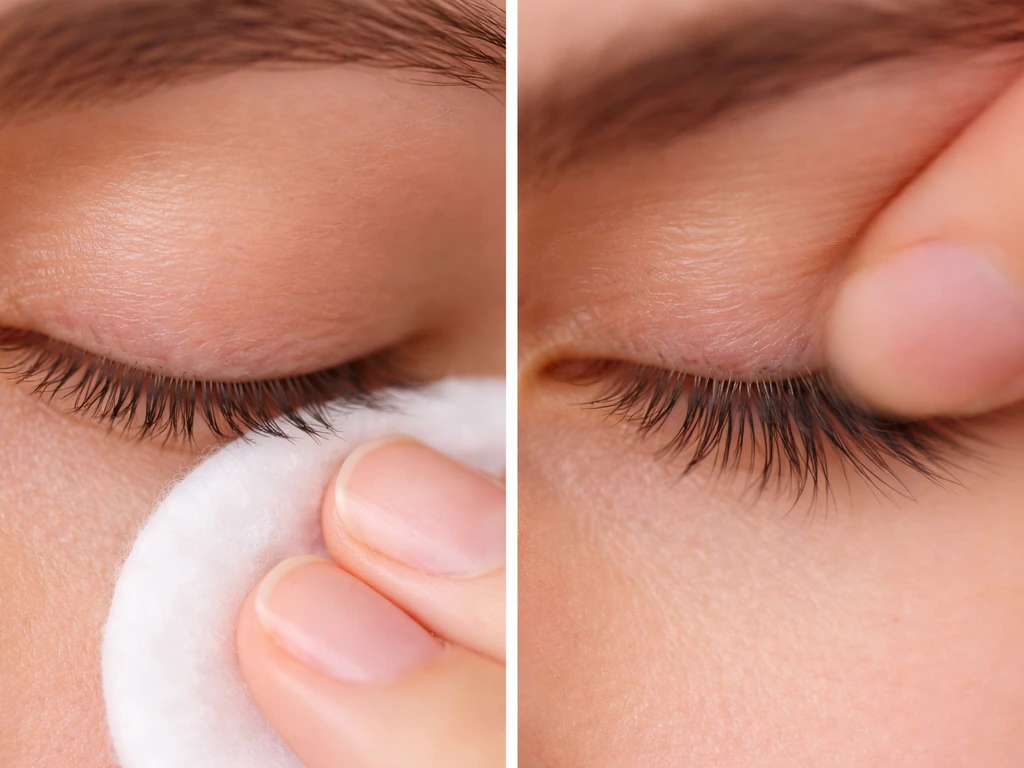
Before adding anything to your routine, it is worth identifying what is actually slowing your lashes down. In most cases, growth is not slow because of a deficiency in castor oil. It is slow because something is actively damaging the follicles or disrupting the cycle. The most common blockers are easier to fix than people expect.
- Mechanical damage: Rubbing your eyes aggressively, removing eye makeup with force, or sleeping face-down on a rough pillowcase physically breaks lash shafts and can traumatize follicles over time. If you rub daily, your lashes are in a constant state of micro-damage.
- Extension damage: Lash extensions that are too heavy or applied with too much adhesive put traction stress on the follicle root. Over multiple sets, this can cause traction alopecia, a form of follicle damage that genuinely delays or prevents regrowth.
- Harsh removers and cleansers: Oil-free makeup removers that require hard scrubbing, and some waterproof mascara formulas, are rough on the lash line. The act of removing them causes more damage than the product itself.
- Nutritional gaps: The follicle is a metabolically active tissue. Low iron, low protein, low biotin, and low zinc are all associated with slowed hair growth across the body, including lashes.
- Medical and dermatologic causes: Thyroid conditions (both hypo and hyperthyroidism), alopecia areata, blepharitis, and certain medications can slow or halt lash growth. If your lashes are thinning without an obvious mechanical cause, this is worth ruling out with a doctor.
Fixing the blockers above will often produce more visible improvement than any serum you can buy. If you are still using waterproof mascara every day, scrubbing it off every night, and wondering why your lashes are not growing, the answer is the removal routine, not your genetics.
Natural ways to grow lashes faster at home
The best natural strategies are not glamorous, but they work by protecting the growth you already have and making sure your follicles are getting what they need. Paired together consistently, these habits make a meaningful difference over 6 to 12 weeks.
Switch to a gentle cleansing routine
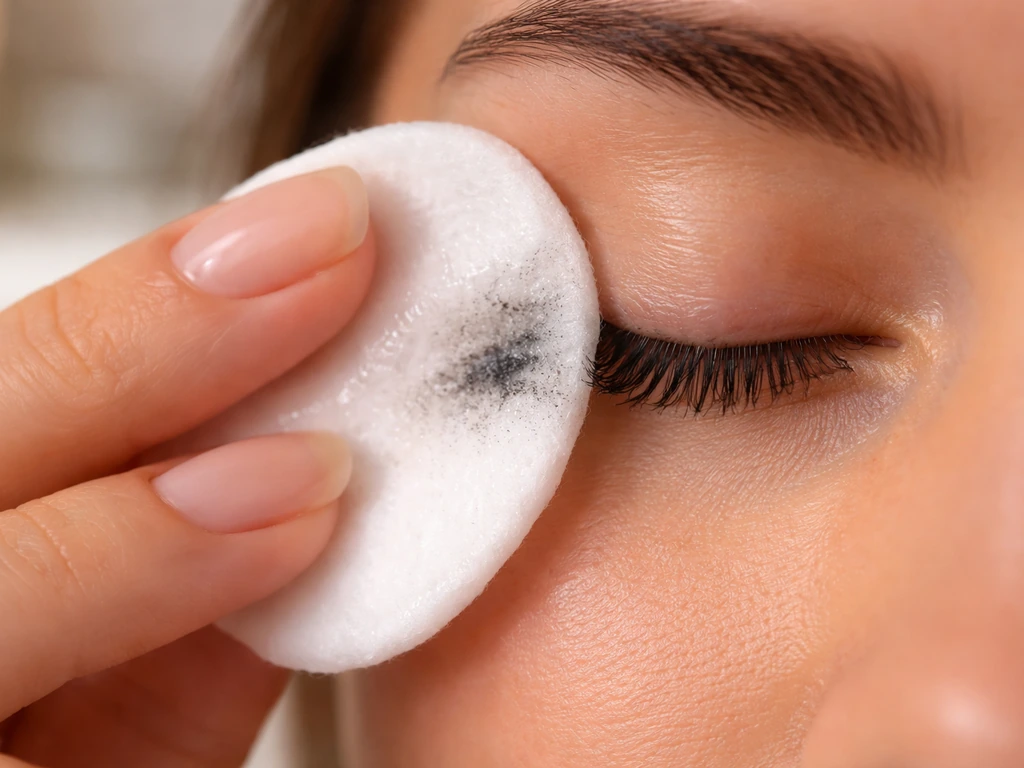
Use a micellar water or a gentle oil-based cleanser applied with a soft cotton pad. Let it dissolve mascara before wiping rather than scrubbing. For waterproof formulas, soak for 20 to 30 seconds first. This single change reduces daily mechanical lash loss significantly.
Reduce traction and friction
Avoid eyelash curlers if your lashes are already fragile, especially heated ones. Sleep on a silk or satin pillowcase, which has less friction than cotton. If you wear contacts, be mindful of eye-rubbing habits throughout the day. These are small changes that compound over weeks.
Support growth through nutrition
Lash follicles need protein, iron, zinc, omega-3 fatty acids, and B vitamins to function optimally. A diet that consistently falls short in any of these areas will slow down hair growth across the whole body. Focus on whole food sources first: eggs (protein and biotin), spinach and lentils (iron), salmon (omega-3s), and pumpkin seeds (zinc). Supplements can help fill gaps but they work best when there is actually a deficiency present, not as a growth accelerator in someone with adequate nutrition.
Oils and ingredients that can actually help
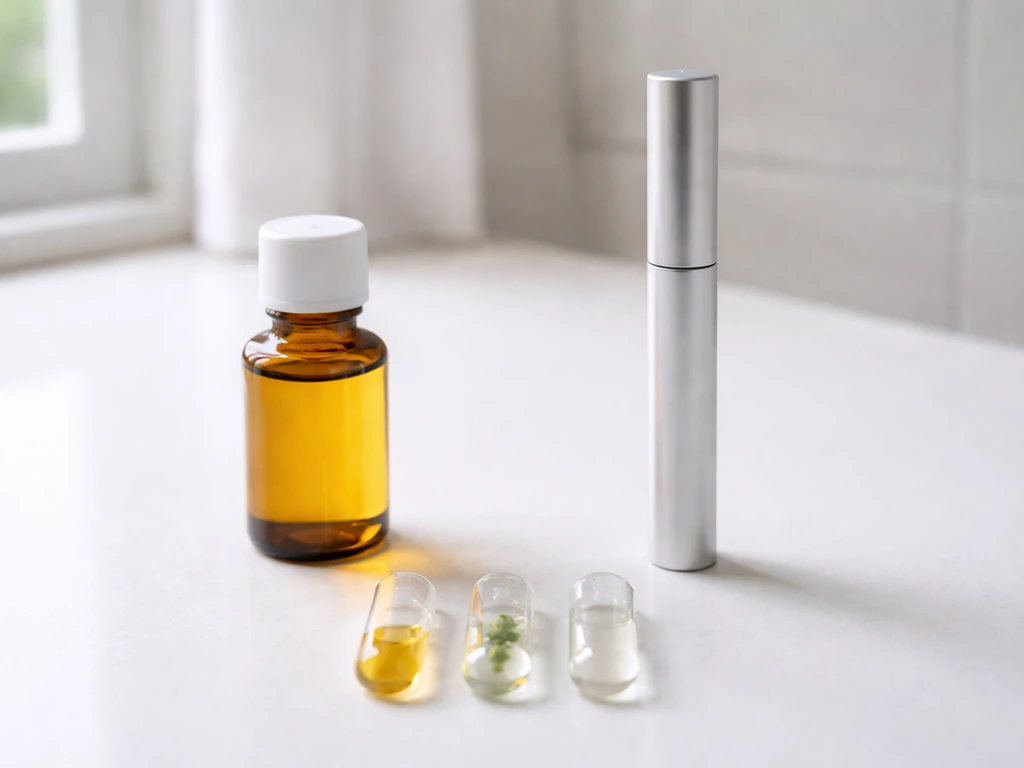
The ingredient landscape for lash growth ranges from well-supported clinical actives to ingredients with mostly anecdotal backing. Here is an honest breakdown of the most popular ones.
| Ingredient | Evidence Level | How It May Help | Best Use |
|---|---|---|---|
| Castor oil | Anecdotal / low clinical evidence | May condition the lash shaft and reduce breakage; ricinoleic acid has some anti-inflammatory properties that may support follicle health | Apply a thin coat to lash line with a clean spoolie nightly |
| Peptides (serum actives) | Moderate; some clinical trials on specific peptide formulas | Signal follicles to extend the anagen phase and improve lash density over 8–12 weeks | Use a dedicated lash serum with peptide actives along the lash line once daily |
| Biotin (topical) | Limited; better evidence for oral supplementation in deficiency cases | Supports keratin infrastructure; limited absorption topically | Primarily useful as an oral supplement if blood levels are low |
| Vitamin E oil | Anecdotal | Antioxidant; may reduce oxidative stress at the follicle; conditions lash shaft | Mix with castor oil or apply alone at the lash base |
| Bimatoprost (prescription) | Strong; FDA-approved for lash growth (Latisse) | Extends anagen phase and increases the number of hairs in active growth | Requires prescription; applied once nightly to upper lash line |
Castor oil is the most popular at-home option, and while the clinical evidence is thin, it is low-risk and many people notice their lashes look thicker and break less with consistent nightly use. The most plausible mechanism is conditioning: a well-moisturized lash shaft is less likely to snap mid-cycle, so you keep more length. Peptide-based serums are the strongest over-the-counter option. Look for ingredients like myristoyl pentapeptide-17 or tripeptide-1 on the label. These have controlled trial data suggesting real improvements in lash length and density after about 8 to 12 weeks of daily use. Biotin supplements are widely marketed for lashes and hair, but research shows they only meaningfully help people who are actually deficient. If you are eating a varied diet, extra biotin is unlikely to accelerate your lashes.
How to make lashes grow back faster after damage
Regrowth after damage is a slightly different problem than optimizing healthy lashes. The follicle has been stressed, and the priority is giving it the best environment to restart a new anagen cycle rather than pushing harder on something that needs to heal.
After extensions
If you have been wearing extensions for a long time and your natural lashes look thin, patchy, or short, give your lashes a minimum 8 to 12 week break from any extensions or heavy eye products. During this time, apply a nightly peptide serum or castor oil, keep the lash line clean with a gentle cleanser to prevent blepharitis, and avoid any mechanical stress. Do not try to rush regrowth by using multiple products at once. Consistency with one good product over 2 to 3 months beats rotating through five products in six weeks.
After breakage from rubbing or harsh removers

Broken lashes (where the shaft snaps but the follicle is intact) will grow back faster than lashes lost from follicle damage, typically within 6 to 8 weeks. The main job here is to stop the habit causing the breakage and let the shaft regrow uninterrupted. Switch your removal routine immediately. Consider giving mascara a 2 to 4 week break while the lash line recovers.
After medical or stress-related loss
Telogen effluvium (stress-triggered shedding) affects lashes just as it does scalp hair. The shedding usually peaks 2 to 3 months after the triggering event (illness, surgery, significant emotional stress) and then naturally resolves as the cycle resets. In these cases, supporting nutrition and reducing any additional mechanical stress is the right approach while waiting for the cycle to normalize. If lash loss is persistent, patchy, or accompanied by eyebrow thinning, see a dermatologist to rule out alopecia areata or a thyroid issue.
How fast eyelashes actually regrow and what to expect
The honest answer is that full regrowth takes longer than most people expect. Based on the eyelash growth cycle data, here is a realistic timeline depending on where you are starting from.
| Scenario | Expected Regrowth Timeline | Notes |
|---|---|---|
| Broken lash shaft (follicle intact) | 6 to 8 weeks | Fastest recovery; follicle is healthy and just needs time |
| Lashes shed from telogen effluvium | 3 to 6 months | Depends on when the trigger resolved; cycle needs to reset |
| Thinning after extensions (mild) | 8 to 12 weeks with a break and serum | Recovery faster if no follicle damage occurred |
| Thinning after extensions (significant traction alopecia) | 6 to 12 months or longer | May require dermatologist evaluation; prescription options may help |
| Medical cause (thyroid, alopecia areata) | Variable; months to over a year | Treating the underlying condition is necessary before lash regrowth occurs |
At the average growth rate of 0.12 mm per day, a lash starting from scratch needs roughly 5 to 6 weeks just to become visible, and several more months to reach its full length. This is why lash products need at least 8 to 12 weeks of consistent use before you can fairly evaluate whether they are working. Checking at 3 weeks and concluding something does not work is a common mistake.
If you have been doing everything right for 3 months (gentle routine, consistent serum use, good nutrition, no extensions) and your lashes still look significantly thinner than they used to, that is the right point to book an appointment with a dermatologist. Prescription bimatoprost is a real, clinically proven option with strong evidence behind it, and it is worth considering when over-the-counter approaches have not moved the needle. An eye care provider can also check that nothing structural or medical is at play. The goal of everything covered here is to get your lashes growing at their natural best, and in most cases, that is more than enough. If you still wonder what make eyelashes grow in your specific case, an eye care provider can help you confirm the key growth blockers and the right next steps.
FAQ
How long does it usually take to see lashes grow faster after changing my routine?
Most people start noticing less breakage and slightly fuller-looking lashes around 4 to 6 weeks, but true length and density changes are best judged at 8 to 12 weeks. If you evaluate earlier than 6 weeks, you may be seeing only changes in shedding or breakage rather than new lash growth.
Does growth speed up if I apply lash serum more than once a day?
Usually, no. Many OTC peptides and conditioning products do not add extra benefit from stacking frequency, but higher frequency can increase irritation for some people. A consistent once-daily approach is safer, and if you get redness, stinging, or watery eyes, reduce frequency or stop and reassess.
Can eyelash extensions or mascara make lashes look like they are not growing faster?
Yes, extensions and heavy daily mascara can mask progress because they increase breakage and make shedding less noticeable until later. Even if your follicles are functioning normally, damaged shafts can prevent visible length gains. Consider a break from extensions for 8 to 12 weeks when evaluating growth.
If I stop pulling or curling my lashes, will the cycle normalize quickly?
Often, you will see improvement gradually rather than immediately. The lash cycle includes a resting phase that can keep the “uneven” look for months after damage. The key change is to remove mechanical stress consistently, so new anagen lashes regrow without repeated snapping.
Is castor oil safe to use near the eye, and how should I apply it?
Castor oil is generally low-risk for many people, but it can cause irritation or clogged-feeling eyelids in others. Apply a tiny amount to the lash line at night using a clean applicator, avoid getting it directly into the eye, and stop if you notice stinging, redness, or persistent watering.
Do biotin supplements actually make lashes grow faster?
They usually do not accelerate growth unless you are deficient. If your diet already includes enough protein and micronutrients, extra biotin may not change lash growth speed. If you suspect low intake, focus on whole foods first, or consider discussing labs with a clinician before supplementing heavily.
What should I do if my lashes start shedding more after I begin a new product?
A short uptick in shedding can happen if a product irritates the eye surface or triggers rubbing, which then disrupts the lash environment. Stop the new product, switch to a gentle cleanser, and give the area time to calm down. If shedding continues beyond 2 to 3 months or you also notice eyebrow thinning, consider a dermatologist evaluation.
What are signs that my lash loss may be medical, not just slow growth?
If lash thinning is persistent, patchy, accompanied by eyebrow thinning, or linked to symptoms like fatigue, weight changes, or new hair loss elsewhere, it can point beyond routine breakage. It is also worth seeking care if you have long-lasting shedding after major illness, surgery, or stress that does not resolve over time.
Is heated eyelash curling ever worth it for trying to grow faster?
It is usually not, especially if your lashes are already fragile. Heat increases the chance of mid-cycle breakage, which prevents you from retaining new growth. If you use curlers at all, choose a gentle, non-heated approach and stop if you see increased shedding or short, snapped lashes.
When should I consider prescription treatment instead of continuing OTC steps?
If you have followed the basics for at least 8 to 12 weeks, with good cleansing, reduced mechanical stress, and consistent nightly peptides or castor oil, but you still see minimal improvement compared to your baseline, it is a reasonable time to talk with an eye care provider. They can also check for underlying factors and discuss whether prescription options are appropriate for your situation.
Next Article
What Makes Eyelashes Grow and How to Help Them Grow Back
Learn what makes lashes grow and regrow, plus safe at home steps and serums, timelines, and when to see a doctor.